How to Propagate Rhipsalis: Stem Cuttings
How to Propagate Rhipsalis: Stem Cuttings
How to Propagate Rhipsalis: Stem Cuttings
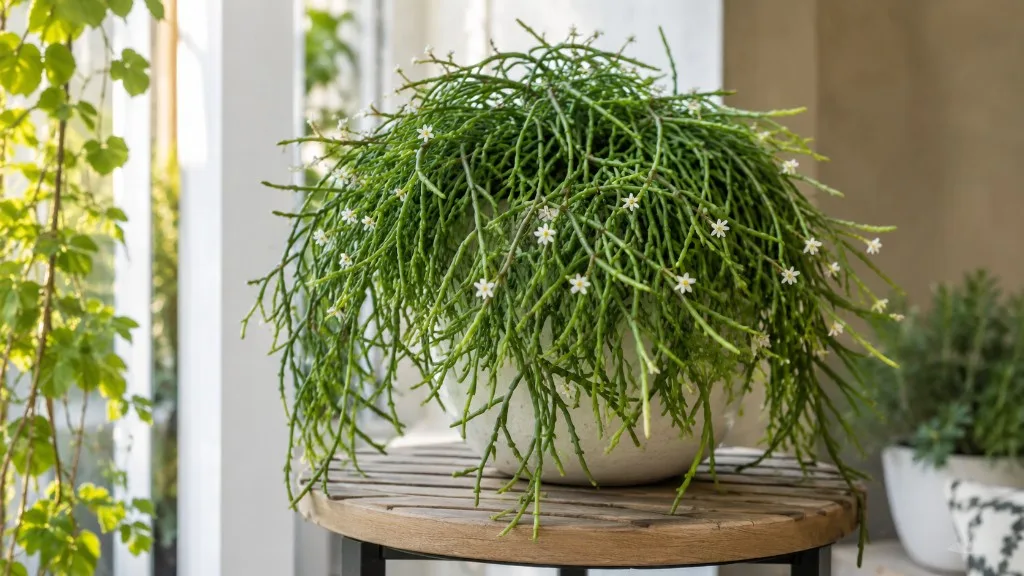
Rhipsalis - the trailing mistletoe cactus or jungle cactus - is one of the most forgiving houseplants to multiply at home, as long as you respect what it actually is. The reliable method is stem cuttings: snip a healthy length of photosynthetic stem, let the wound callus, then root in airy potting mix or shallow water under bright, indirect light. That is a different playbook from desert cacti, where you might lay a pad on dry gravel and forget it for a month. Rhipsalis evolved in tropical rainforest canopies, clinging to tree bark with shallow roots and absorbing humidity from the air. Its stems are thin, water-sensitive, and quick to rot if you plant a fresh wet cut into soggy soil.
This guide walks through the full propagation workflow: how Rhipsalis stems work, when to take cuttings, the right cutting length, callusing, soil and water rooting setups, what success looks like over two to eight weeks, and how to care for new plants through their vulnerable first month. If you follow one rule above all others, make it this: let every cut end dry and callus before it touches moisture, and use a free-draining epiphyte mix - not heavy garden soil and not the bone-dry desert-cactus routine.
If symptoms persist, see the Brown Tips on Rhipsalis guide.
Why Stem Cuttings Are the Best Way to Multiply Rhipsalis
Among the propagation options available for Rhipsalis, stem cuttings are the clear winner for home growers. Seed propagation is possible but painfully slow - expect years before a seedling resembles the cascading adult plant you see in photos. Division only applies when you have a multi-stemmed specimen dense enough to split without destroying the parent’s shape, which is uncommon for a young hanging basket. Stem cuttings, by contrast, are fast, free, and work with prunings you would otherwise discard after shaping a leggy plant or removing a damaged branch.
Every photosynthetic stem on a Rhipsalis plant is a potential cutting. Species differ in shape - some have cylindrical pencil-thin stems (Rhipsalis baccifera), others are flattened and leaf-like (Rhipsalis paradoxa), and some branch into coral-like segments (Rhipsalis cereuscula) - but the propagation logic is the same. You are severing a length of stem that already knows how to photosynthesize and store a modest amount of water. Given a clean wound, warm conditions, and a well-aerated rooting medium, that stem will initiate adventitious roots from buried tissue and continue growing from the tip.
The method scales well. One long trailing stem can become six to eight individual cuttings in a single session, each rooting in the same small pot to produce a bushy new plant within a season. That is how nurseries and experienced growers turn a single lanky specimen into a full, shelf-ready display without buying another pot.
What Makes Rhipsalis Different from Other Cacti
Rhipsalis belongs to the Cactaceae family, but it behaves more like a tropical epiphyte than a desert succulent. In the wild, these plants anchor to tree branches and rock crevices in Central and South American rainforests, drawing moisture from bark, leaf litter, and humid air rather than from deep soil. Their stems are the primary photosynthetic organs - even wide, flat segments are modified stems, not true leaves - and they stay relatively thin compared to prickly pear or barrel cactus pads.
That biology shapes every propagation decision. Rhipsalis cuttings need controlled moisture during rooting, not the extended drought desert cactus propagators rely on. They also need porous, airy media that mimics bark pockets rather than dense potting soil. Understanding this distinction saves beginners from the two most common failure modes: planting wet cuts into heavy soil (basal rot within days) and keeping unrooted cuttings in bone-dry mix for weeks (tip shrivel and death).
Epiphytic Stems vs. Desert Cactus Pads
Desert cactus pads store large volumes of water and can survive weeks of drought while callusing and rooting on dry gravel. Rhipsalis stems hold far less water and desiccate quickly when separated from the parent plant, especially in dry indoor air. They compensate with faster root initiation under warm, humid conditions - but only if the wound is sealed and the medium drains freely.
Aerial roots are another epiphytic trait worth exploiting. Mature Rhipsalis stems that hang below the pot rim often develop fine white or tan root threads in humid air. Cuttings taken from sections with existing aerial roots frequently root faster because the plant has already invested in root tissue. You do not need aerial roots to succeed, but when you spot them, prioritize that section of stem.
Best Time to Take Rhipsalis Cuttings
Timing matters less as a calendar date and more as a question of whether the parent plant is in active growth. Rhipsalis pushes most of its new length during spring and summer, when daylight lengthens and indoor temperatures sit in the comfortable range of roughly 18–26°C (65–79°F). That is when cuttings root fastest - often within two to four weeks in a warm, bright room.
You can propagate in autumn if your home stays warm and well-lit, but expect slower progress as growth naturally eases. Winter propagation is possible near a bright window or under supplemental grow lights, yet rooting may stretch to six or eight weeks and failure rates climb because lower light and cooler temperatures slow metabolism. If you are a beginner taking your first cuttings, late spring through mid-summer is the sweet spot.
Avoid propagating immediately after the parent has been stressed. A plant that just arrived from shipping, was recently repotted, is fighting pests, or shows widespread yellowing or shriveling will yield weak cuttings with limited stored energy. Stabilize the mother plant for two to three weeks first - consistent moisture, Rhipsalis light guide, no fertilizer shock - then take material from the healthiest new growth at the stem tips.
If you are pruning anyway to control length or repair breakage, that is an ideal propagation moment. The stems are fresh, the parent is established, and you are not creating extra wounds solely for multiplication. Combine shaping and propagating in one session to minimize stress on both the parent and the cuttings.
Tools and Materials for Stem Cutting Propagation
You do not need a greenhouse or specialty equipment. A basic setup includes a sharp, clean cutting tool sterilized with rubbing alcohol, small pots with drainage holes (a 10 cm pot fits several cuttings), free-draining propagation mix (orchid bark, perlite, and cactus mix - not peat-heavy soil), and a bright, indirect location. Rooting hormone is optional; Rhipsalis roots readily without it. Keep a small glass or jar on hand only if you choose water rooting. A clear plastic bag propped over the pot can help in very dry winter air if you vent it daily.
How to Take Healthy Rhipsalis Stem Cuttings
Start with a plant that looks firm, green, and free of obvious pests. Mealybugs, scale, and spider mites can hitchhike on cuttings and spread to your other plants. Inspect stem joints and the undersides of flattened segments with a loupe or strong light before you cut.
To take a cutting, identify a healthy branch and follow these steps:
- Choose your cut point on mature stem tissue a few centimeters behind the soft growing tip, or take a longer section and trim it into multiple cuttings afterward.
- Make one clean cut perpendicular to the stem with your sterilized tool. Do not saw or crush the tissue.
- Remove any damaged or yellowed portions from the cutting before callusing. A cutting should be entirely firm and green.
- Label mentally or physically if you are propagating multiple species - Rhipsalis species look different at maturity but young cuttings can be confusing.
If a stem broke off accidentally, treat it the same way: inspect the wound, trim to clean tissue if the break was ragged, and proceed to callusing. Accidental breaks often root just as well as deliberate cuts because the plant was healthy at the moment of separation.
Ideal Cutting Length and Where to Cut
Most horticultural sources, including BBC Gardeners’ World and RHS, recommend cuttings of roughly 10–20 cm (4–8 inches) or stem cuttings in spring or summer. That length gives enough buried stem for anchoring and root initiation while leaving sufficient above-soil tissue to photosynthesize during the rooting wait. Shorter pieces of 7–8 cm can work for thick, sturdy stems but struggle to stay upright in loose mix. Longer pieces root fine but may flop or lose tip turgor before roots form.
For flattened-stem species, you can cut a wide segment into two or three shorter pieces, each with enough length to plant. For cylindrical species, keep each cutting as a single unbranched length rather than splitting it lengthwise. Specialist epiphyte growers note that cutting at or just below a node - the point where side branches emerge - can encourage root formation at that junction.
For multi-branched stems, you can strike an entire branched section as one “instant plant” - a technique BBC Gardeners’ World demonstrates with multi-stemmed cuttings that produce a fuller specimen from day one rather than a single stick. Avoid paper-thin tips with only a centimeter of mature tissue behind them. The soft growing point is valuable, but an all-tip cutting has almost nothing to bury and dries out fast. Include at least 3–4 cm of firm stem below the tip for short cuttings, or take longer sections as described above.
Callusing Your Cuttings Before Rooting
Callusing is the single most important step beginners skip - and the single biggest reason cuttings rot. When you cut a cactus-family stem, the exposed tissue leaks moisture and presents an open invitation to fungi and bacteria. Letting the wound dry and seal creates a corky barrier that protects the interior while root initials form beneath the surface.
Lay cuttings in a dry, shaded spot for one to three days after cutting. A kitchen counter away from direct sun works. The cut end should transition from wet and glossy to dry and slightly contracted, sometimes with a visible callus ring. In humid climates, one day may suffice. In dry winter air, two to three days is safer. Thick stem bases from older wood may need an extra day. Specialist growers sometimes extend callusing to a week for large cuttings placed on newspaper in a cool, bright, ventilated spot.
Do not plant while the cut is still wet. Do not water immediately after planting to “help” the cutting - the callus exists precisely so the tissue can tolerate contact with moist mix without absorbing so much water that cells burst. If you are in a rush, a minimum of overnight drying is better than nothing, but patience here pays off in dramatically higher success rates.
This callusing rule applies whether you root in soil or water. Even water propagators should let the cut dry for at least several hours so the wound does not dissolve into the glass and cloud the water with sap that feeds bacteria.
Rooting Rhipsalis in Well-Draining Soil Mix
Rhipsalis is epiphytic. In nature it roots into moss, leaf litter, and bark pockets - never into dense, waterlogged clay. Your propagation mix should mimic that porosity.
A reliable blend:
- 2 parts cactus or succulent potting mix (or peat-free cactus compost)
- 1 part orchid bark or coarse coconut husk chips
- 1 part perlite or pumice
Some growers add a small amount of quartz sand for extra drainage, as specialist epiphyte growers recommend. The goal is a mix that holds slight moisture in the interior while drying on the surface within a few days. Squeeze a handful - it should crumble apart, not form a wet ball.
Fill a small pot loosely and make holes with a pencil or dibber. Insert each callused cutting 1–2 cm deep, enough to stand upright without burying the entire stem. For multi-stemmed cuttings, set the whole branched section at the same depth. Gently firm the mix around the base without compacting it.
Water once after planting - enough to settle the mix around the stems - then let the top centimeter dry before watering again. During the first two weeks, err on the dry side. Unrooted tissue cannot absorb water efficiently, but wet mix around a callused end that has not yet rooted is a rot recipe. Once you feel resistance on a gentle tug or see new tip growth, shift to the slightly more consistent moisture rhythm mature Rhipsalis prefers.
A 10 cm pot comfortably holds six to eight small cuttings. Starting dense produces a fuller plant faster; you can thin later if every cutting succeeds, which is a good problem to have.
Rooting Rhipsalis in Water
If you prefer water rooting, use a clear glass or jar so you can monitor water quality. Fill with room-temperature water and rest the callused cutting so that only the bottom 0.5–1 cm touches the water. The rest of the stem should stay above the waterline in humid air.
Place the glass in bright, indirect light. Change the water every three to five days, or whenever it looks cloudy. Cloudy water means bacterial growth - refresh immediately and rinse the stem base gently.
Roots typically appear in two to four weeks for water propagation, sometimes visible as fine white threads before soil rooting would show any sign. RHS notes that Rhipsalis is propagated by stem cuttings in spring or summer, sown at 19–24°C. Once roots reach 2–3 cm, pot the cutting into the same airy mix described above. Pre-moisten the mix, plant at the same depth you would use for a fresh cutting, and water lightly to settle. Keep the plant out of direct sun for the first week and skip fertilizer until new growth firms up.
Do not wait until roots circle the glass or grow longer than 5–6 cm. Overdeveloped water roots are fragile and break during transplant. Shorter, younger roots adapt faster to soil.
Soil vs. Water Propagation Compared
Both methods work for Rhipsalis, and neither is “wrong.” The choice comes down to handling convenience and how you plan to finish the job.
Soil propagation is what most experienced growers prefer for Rhipsalis. Thin, trailing stems are awkward to balance in a water glass - they tip, bend, and tangle. Placing six to eight small cuttings directly into a pot of airy mix lets you root a whole batch at once, then grow them on without a transplant step. Soil roots are adapted to the medium from the start, so there is no water-to-soil transition shock.
Water propagation satisfies curiosity and lets you watch roots form day by day. It works well for shorter, sturdier cuttings that can rest with only the bottom centimeter submerged. The trade-off is transplant shock when you eventually move water-rooted stems into mix - those roots are adapted to an aquatic environment and can wilt or stall while soil roots develop. If you choose water, pot up promptly once roots reach 2–3 cm and keep humidity slightly elevated for the first week after transplant.
For beginners, soil first. For experimenters who enjoy visible root progress, water with a plan to pot up early. Avoid leaving cuttings in water indefinitely; roots that grow too long in glass become brittle and harder to transfer.
Light, Temperature, and Humidity While Roots Form
Unrooted Rhipsalis cuttings need bright, indirect light - roughly the same exposure you would give a mature plant, but without direct sun that can scorch thin stems or bake them dry before roots form. An east window, a north window in the Northern Hemisphere, or a few feet inside a south or west window works well. If stems look bleached or reddish, pull back from the glass.
Temperature between 18–26°C (65–79°F) supports fastest rooting. Below 15°C (59°F), metabolism slows and you may wait months with little progress. Above 30°C (86°F), stems desiccate unless humidity is adequate. Avoid placing cuttings on cold windowsills in winter or directly above a heating vent that cycles hot, dry air.
Humidity in the 40–60% range matches what mature Rhipsalis prefers. Most homes are adequate without intervention. If your air is very dry in winter, a pebble tray beneath the pot or a loosely draped clear bag (vented daily) can prevent tip shrivel. You do not need a closed terrarium; stagnant humidity encourages mold on the mix surface.
Do not fertilize during rooting. The cutting has no functional root system to absorb nutrients, and salts in fertilizer can burn wound tissue. Wait until you see new growth and the plant resists a gentle tug.
How to Tell When Your Cutting Has Rooted
Rooting is invisible underground, so you judge progress from above-ground signals. The best indicators, in order of reliability:
Gentle resistance on a tug test. After three to four weeks in warm conditions, grasp the stem lightly between two fingers and apply the smallest upward pull. If the cutting shifts easily, roots are not ready. If it holds firm, roots have anchored. Do not yank - you can break fragile new roots.
New growth at the tip. A fresh segment, brighter green tissue, or visible lengthening of the stem tip means the cutting has an active vascular connection below ground. This is the sign experienced growers trust most.
Firm stem tissue. The cutting should feel turgid, not wrinkled or soft. Mild limpness in week one is normal before roots form. Persistent shrivel from tip downward is a failure signal.
Timeline expectations. In spring and summer, most Rhipsalis cuttings root in two to six weeks. Cool or low-light conditions extend that to eight weeks or longer without indicating failure, as long as the stem stays green and firm. Aerial-rooted cuttings often root faster. Water-propagated cuttings show visible roots earlier than soil-propagated ones, but soil cuttings may be rooting before you see any above-ground change.
Resist digging up cuttings to check roots. Disturbing the mix breaks fragile root hairs and resets progress. Trust the tug test and tip growth instead.
Potting Up and First-Month Aftercare
Once cuttings have rooted - especially if you started six to eight together - you can grow on in place until the root mass fills the container, or upsize to the next pot size only (typically 10 cm to 12–13 cm) when roots circle drainage holes. Use the same epiphyte-friendly blend as mature plants: airy, with orchid bark and perlite. Water after Rhipsalis repotting guide to settle the mix and expect a brief growth pause of one to two weeks.
For water-rooted cuttings, transplant as soon as roots reach 2–3 cm. Pre-moisten the mix, handle roots gently, and boost humidity slightly for the first week.
Treat the first thirty days as stabilization. Let the top 1–2 cm of mix dry between waterings, maintain bright indirect light, hold off on fertilizer for four to six weeks, and inspect weekly for mealybugs and spider mites. Quarantine new propagations from your main collection for two weeks as a precaution.
Building a Fuller Plant with Multiple Cuttings
A single Rhipsalis cutting rooted alone produces a one-stem plant that looks sparse for months. The practical fix is to root several cuttings in the same pot from the start. When you prune a long trailing stem, cut it into four to six sections and plant them together in one 10 cm container. As each establishes, you get a multi-stemmed specimen that fills a hanging basket or shelf display much faster than sequential propagation.
You can also strike a multi-branched cutting - a Y-shaped or forked stem section with two or three branches still attached - as one unit. This “instant plant” approach, documented by BBC Gardeners’ World, produces a fuller silhouette immediately because multiple tips continue growing while shared roots develop below. The trade-off is a larger wound surface and slightly higher rot risk if callusing is incomplete. Let branched cuttings dry an extra day before planting.
When potting up a dense propagation pot, do not separate every cutting unless you want many individual small plants. Rhipsalis looks best with intertwined trailing stems, and the root masses will merge naturally as they grow.
Common Rhipsalis Propagation Mistakes
Most failed Rhipsalis cuttings trace back to a short list of avoidable errors:
Planting before callus forms. Wet fresh cuts in moist mix rot within days. Always dry the wound first.
Using heavy, peat-only potting soil. Dense mix suffocates epiphyte roots and stays wet too long. Add bark and perlite.
Overwatering unrooted cuttings. If roots are not active, wet mix is dangerous. Stay drier for the first two weeks.
Treating Rhipsalis like a desert cactus. Bone-dry mix for weeks does not encourage rooting; it desiccates thin stems. Controlled moisture is correct.
Burying the entire stem. Deep planting smothers the basal wound and promotes stem rot. Bury only 1–2 cm.
Taking cuttings from a stressed parent. Weak material produces weak cuttings. Stabilize the mother plant first.
Leaving water-rooted cuttings in glass too long. Overgrown aquatic roots break and stall after transplant.
Ignoring pests on the parent. Hitchhikers on cuttings spread fast. Inspect before you cut.
Checking roots by digging. Disturbance breaks progress. Use the tug test and tip growth instead.
Fixing Rot, Shrivel, and Slow Rooting
Mushy basal stem means rot has started. Remove the cutting, slice back to firm green tissue if any remains, callus the new base for two days, and retry in fresh dry mix. If rot reached the center of the stem, discard it and take a new cutting from healthy parent growth.
Shriveling from tip downward signals dehydration or failed rooting. Check that humidity is not extremely low and that you are not keeping the mix bone-dry in a hot window. If the stem is thin, crispy, and brown at the tip, discard it.
No roots after eight weeks in cool conditions may still be normal. If the cutting remains firm and green, wait another two weeks. If it is unchanged in a warm bright spot after ten weeks, gently remove it, inspect for tiny roots, recut and callus if tissue is healthy, and replant.
Black spots on stems during rooting suggest fungal infection or sun scorch. Move out of direct sun, reduce moisture on stem surfaces, and isolate from other plants.
Sour-smelling mix indicates anaerobic breakdown. Discard the mix, sterilize or replace the pot, and restart with clean cuttings and fresh blend.
Parent plant oozing at the cut site is uncommon with clean cuts but can happen if tissue was crushed. Let the parent stub dry, ease off heavy watering for a few days, and monitor. Do not take additional cuttings from a compromised branch until it firms up.
Propagating Popular Rhipsalis Species
While the stem-cutting workflow is universal, species-specific notes help set expectations. Rhipsalis baccifera - thin cylindrical stems - is among the most forgiving; cuttings root in two to four weeks during warm weather. Rhipsalis pilocarpa benefits from an extra day of callusing because its stem base is denser. Rhipsalis paradoxa can be divided at segment joints, but each piece needs enough length to anchor upright. Rhipsalis cereuscula responds well to multi-branched instant-plant cuttings - let the larger wound surface callus thoroughly. Rhipsalis cassutha has fine spaghetti-like stems; take longer cuttings and prefer soil over water because thin stems tangle in glass. Adjust cutting length and callus time based on stem thickness, not species name alone.
Conclusion
Propagating Rhipsalis is less about exotic tools and more about respecting its epiphytic biology. Take 10–20 cm stem cuttings from healthy growth, callus the wound for one to three days, and root in airy, free-draining mix or shallow water under bright, indirect light. Keep moisture controlled while roots form - wet enough to prevent desiccation, never soggy enough to rot the callus. Judge success by firm tissue, gentle tug resistance, and new tip growth, not by how perky the cutting looks in its first week.
Soil propagation is simpler for thin trailing stems and skips the transplant shock of water rooting; water propagation works if you pot up promptly once roots reach a few centimeters. Either path beats treating Rhipsalis like a desert cactus or skipping the callus step that protects every cactus-family cutting. Take more cuttings than you think you need, cluster several in one pot for a fuller plant, and give new specimens a steady first month without fertilizer or environmental swings. Do that, and one healthy mistletoe cactus becomes a cascade of rooted stems ready for hanging baskets, shelves, or sharing with another plant lover.
When to use this page vs other Rhipsalis guides
- Rhipsalis overview - Start here for whole-plant context before deep-diving this topic.
- Rhipsalis problems hub - Jump to symptom-specific fix guides when this care topic does not resolve the issue.
Related Rhipsalis guides
- Rhipsalis overview
- Rhipsalis watering
- Rhipsalis light
- Rhipsalis soil
- Rhipsalis fertilizer
- Rhipsalis repotting
- Rhipsalis problems
Related tool
Try the Propagation Success Calculator with rhipsalis pre-selected to estimate needs for your setup.