Rhaphidophora Tetrasperma Pruning: When, How, and Mistakes
Rhaphidophora Tetrasperma Pruning: When, How, and Mistakes to Avoid
Rhaphidophora Tetrasperma Pruning: When, How, and Mistakes to Avoid
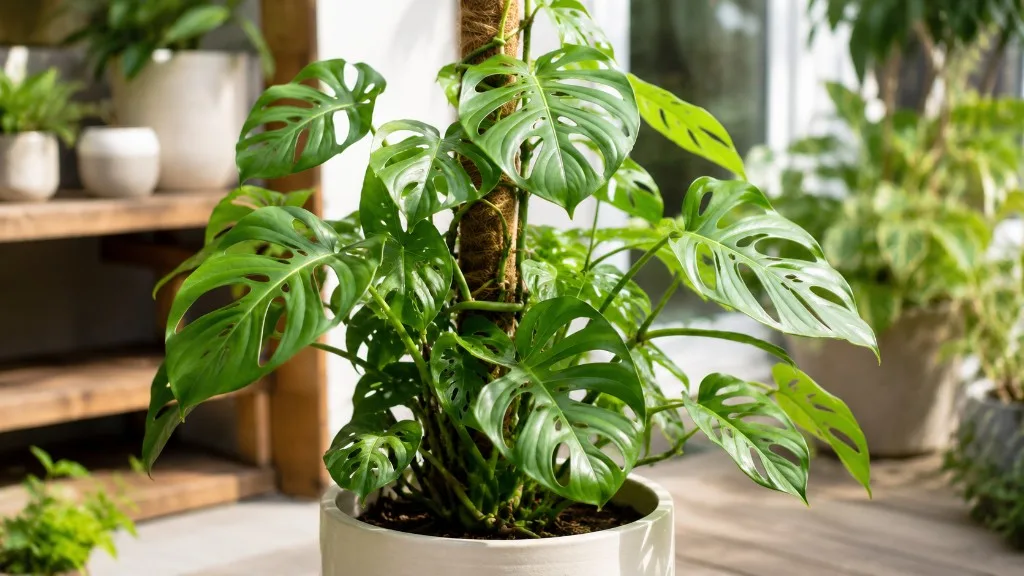
Rhaphidophora Tetrasperma pruning starts with one inspection step, not a shape cut: remove only dead, yellow, or clearly damaged leaves and stems first, using clean sharp snips. Rhaphidophora tetrasperma - sold as Mini Monstera, Piccolo Monstera, or Ginny Philodendron - is not a true Monstera. It is a fast-growing climbing aroid from the peninsula of Thailand and the peninsula of Malaysia that can stretch quickly indoors when light and humidity are good. That speed is why pruning matters: without occasional cuts, the plant stretches toward light, sheds lower foliage, and ends up as one long bare stem with small leaves at the tip.
After cleanup, decide whether you actually need shaping. Cosmetic cuts belong in late spring through early summer, when new leaves are unfurling and the plant can seal wounds quickly. Always cut just above a node on the parent vine, take no more than one-third of total foliage per session, and hold fertilizer for two to three weeks while buds activate. Pruning redirects energy and can produce bushier growth - but it cannot replace brighter indirect light or a moss pole if legginess is the real problem.
What to Check Before You Cut
Walk the whole plant in good light before touching living tissue. On Rhaphidophora Tetrasperma, every pruning decision flows from where nodes sit along each vine.
Leggy growth shows up as internodes - the smooth stem between leaves - stretching longer than a few centimeters, with newer leaves smaller and less fenestrated than older ones lower on the vine. Legginess usually means insufficient light, not a pruning deficit. Note the pattern before you cut so you do not repeat the same rangy regrowth in a dim corner.
Yellow or brown leaves on the lower stem are common as the vine climbs and devotes energy upward. Remove spent foliage for hygiene. A sudden flush of yellow across multiple nodes points to watering stress, root issues, or pests - diagnose that before removing living stems.
Crossing or rubbing vines in a dense pot create wounds. Plan to remove the weaker leader.
Size limits - vine past the ceiling, overrunning a shelf, or outgrowing the moss pole - call for measured reduction, not a random chop.
Stress pauses: delay cosmetic pruning if the plant was repotted within the last two weeks, is drought-stressed, or was just treated for spider mites. Emergency removal of rotted or infested tissue still takes priority.
Do not prune because of minor leaf-edge browning from dry air, healthy aerial roots gripping a pole, or one slow new leaf while the rest of the plant looks fine.
When to Prune Rhaphidophora Tetrasperma
Timing tracks metabolism, not calendar dates alone. Shape and size cuts work best when new leaves open regularly, roots look white and active if you inspect the root ball, and temperatures sit in the 65–80°F (18–27°C) range Rhaphidophora Tetrasperma overview prefers.
Best window for structural pruning: late spring through early summer - roughly April through July for most temperate indoor growers. NC State Extension lists Rhaphidophora tetrasperma as a rapidly growing climbing epiphyte suited to partial shade and support structures; active-season cuts typically show bud swelling within one to two weeks and new leaves within two to four weeks.
Remove dead, diseased, or pest-damaged tissue anytime. Mushy black stems from rot, leaves with heavy mealybug clustering, or cold-damaged tissue should go immediately - waiting for spring lets problems spread.
Avoid major reshaping in late fall and winter unless you run grow lights and keep the room warm. Wound closure and bud break slow sharply when day length drops. A December hard prune in a north window may show no new growth until March - timing, not failure.
Light maintenance tip-pinching - snipping the apical few centimeters above the topmost node after the newest leaf hardens - is fine through summer on actively growing plants.
Where to Cut: Nodes, Aerial Roots, and Cut Height
A node is the slightly swollen ring where a leaf petiole attaches, a dormant axillary bud sits, and - on this species - a small aerial root often emerges on the opposite side. The internode between nodes cannot produce new shoots. New growth after pruning comes only from bud tissue at nodes.
To shape the parent plant: cut the stem 3–6 mm (about ¼ inch) above a node, leaving that node on the remaining vine. The bud at or below your cut is where activation usually starts - though mini monstera often wakes lower axillary buds several nodes down, so new shoots may appear lower than you expect.
For propagation cuttings: cut 3–6 mm below a node so the node stays on the cutting piece. Cuttings need at least one node and one healthy leaf; leaf-only sections without a node will not root. NC State Extension recommends stem cuttings as the standard propagation method for this species.
Aerial roots help the vine cling to moss poles and absorb surface humidity. Leave healthy aerial roots alone unless one is rotting, damaged, or physically blocking a tie. Trimming active roots removes climbing anchors without improving appearance much.
Do not cut: through the node itself, mid-internode on bare stem, or long stubs more than 1 cm above a node - stubs die back brown and look unsightly before the plant seals the wound. Do not use pruning paste or wax on aroid cuts; open clean wounds heal fine in normal room airflow.
Step-by-Step: How to Prune Mini Monstera
- Inspect the full plant and mark mentally where shape cuts should go.
- Sterilize bypass snips or micro-tip scissors with 70% isopropyl alcohol - wipe blades between plants to limit disease transfer.
- Remove dead and damaged material first - pluck or snip fully yellow leaves; cut mushy stems back to firm green tissue above a healthy node.
- Make the first shape cut just above your chosen node in one smooth motion. Do not saw back and forth.
- Pause and assess balance from a few feet away. The pot will look sparse immediately; you are building structure, not instant fullness.
- Continue conservatively until you approach one-third of total foliage removed. Queue further cuts for a follow-up in two weeks.
- Set aside node-bearing trimmings for propagation; discard leafless internode scraps.
- Clean up sap from tools and wash hands - this plant contains calcium oxalate crystals that irritate skin and are toxic to cats and dogs if ingested.
Wear gloves if sap bothers your skin, and keep cuttings out of reach of pets.
How Much Foliage You Can Safely Remove
Limit any single session to no more than one-third of total leaf area. The root system does not shrink when foliage disappears, so removing half the leaves in one afternoon can trigger additional leaf drop and stall growth for weeks - especially off-season.
For badly overgrown vines, stage the work: session one removes dead tissue plus up to one-third of living stems; wait two weeks; evaluate bud break; optional second pass if vigor looks strong.
Exception: rot traveling up a stem needs immediate removal back to healthy tissue, even if that exceeds one-third. Discard rotted sections; do not propagate from them.
Juvenile plants with only three or four leaves tolerate lighter pruning - often a single tip pinch is enough.
Pruning for Bushiness vs a Tall Moss-Pole Specimen
Your cut strategy should match the silhouette you want.
Bushier tabletop plant: tip-prune multiple vines during the growing season - trim apical growth above top nodes on two or three leads rather than one. Root cuttings back into the same pot once they have 5–8 cm roots for immediate stem density at the base. Combine cuts with brighter indirect light; pruning alone cannot fix chronic legginess.
Single vertical specimen: prune less often. Remove yellow leaves and wild side shoots that escape the pole plane. Let the main leader climb. When it tops the pole, cut the leader above a node and tie the new tip as it extends - or add a taller support.
Bare lower stem rejuvenation: a harder spring cut - up to one-third reduction plus rooted cuttings planted at the base - plus patience while lower buds activate. Some growers air-layer a mid-vine node before separating the top section.
Fenestrated leaves develop as foliage matures with age, light, and climbing support. Pruning does not force splits on small juvenile leaves; prioritize light and a stable moss pole over aggressive shaping if fenestration is the goal.
Using Trimmings for Propagation
Every healthy pruning session can supply new plants. Select pieces 10–15 cm long with at least one node and one leaf. Remove the lowest leaf if it would sit underwater or buried in moss.
Water propagation: submerge the node in a clear jar; refresh weekly. Roots typically appear in two to four weeks in warm Rhaphidophora Tetrasperma light guide. Pot when roots reach 3–5 cm.
Sphagnum moss or LECA also work well and reduce transplant shock compared with water-to-soil moves.
Remember the two orientations: node on the cutting for new plants (cut below the node); node on the parent stub for branching on the original vine (cut above the node).
Aftercare and Recovery Timeline
For two to four weeks after a moderate prune, keep conditions stable.
Light: maintain the same bright indirect exposure. Do not move suddenly into harsh direct sun or banish the plant to a dark corner.
Water: follow your normal allow-the-top-to-dry rhythm. Fewer leaves use less water - overwatering after pruning is a common mistake.
Fertilizer: hold liquid feed for two to three weeks after anything beyond dead-leaf removal. Resume half-strength balanced feeding once new leaves begin to unfurl.
What success looks like: bud swelling within one to two weeks in active season, new leaf emergence by two to four weeks, noticeably fuller habit by six to eight weeks if light and support are adequate. Off-season cuts may sit quiet for six weeks or more.
Watch cut sites for blackening or mush - trim further to healthy tissue if infection spreads.
Mistakes That Slow Recovery
Pruning for shape without fixing light produces the same leggy regrowth within months. Move the plant or add a grow light before expecting lasting fullness.
Mid-internode cuts leave leafless sticks that cannot branch.
Propagating leaf-only pieces wastes time - no node means no roots.
Removing more than one-third in one session shocks the root-to-shoot balance and can cause defensive leaf drop.
Major reshaping off-season in dim conditions delays recovery until spring growth resumes.
Over-misting cut wounds keeps tissue wet and invites bacteria. Normal room humidity is enough.
Conclusion
Rhaphidophora Tetrasperma rewards careful cuts over aggressive ones. Start by clearing dead and damaged tissue, then shape just above nodes in late spring or early summer, taking no more than one-third of foliage per session. Sterilize blades, keep cuttings oriented correctly for propagation, pause fertilizer briefly, and fix legginess at the source with brighter light and a moss pole. A staged trim beats a shock chop - and a clean node cut beats a random mid-stem slice every time.
When to use this page vs other Rhaphidophora Tetrasperma guides
- Rhaphidophora Tetrasperma overview - Start here for whole-plant context before deep-diving this topic.
- Rhaphidophora Tetrasperma problems hub - Jump to symptom-specific fix guides when this care topic does not resolve the issue.
- Leggy Growth on Rhaphidophora Tetrasperma - Escalate here when pruning adjustments are not enough.