English Ivy Watering: Moisture Checks, Schedule
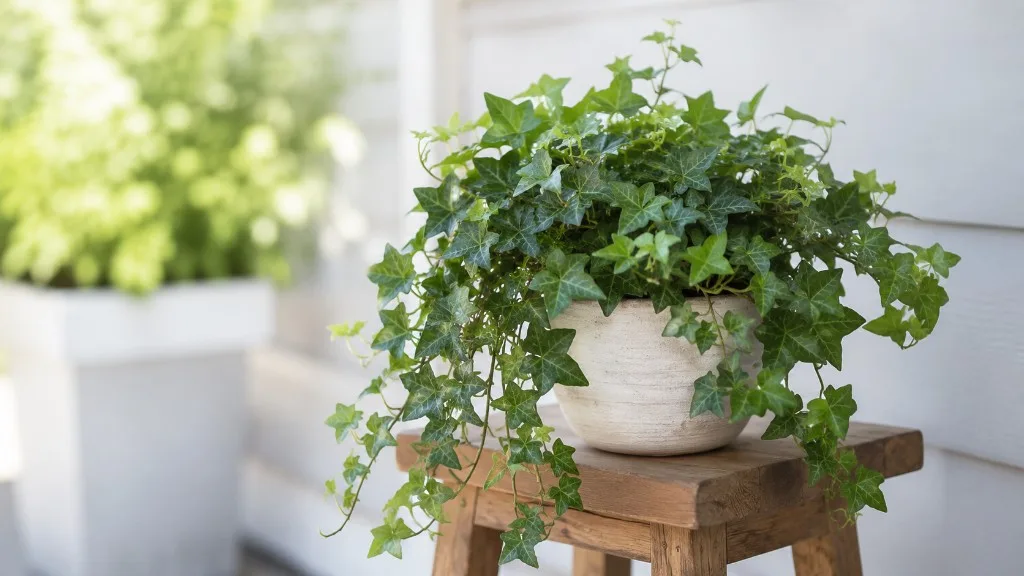
English Ivy Watering: Moisture Checks, Schedule, and Mistakes
English Ivy Watering: Moisture Checks, Schedule, and Mistakes
What English Ivy Actually Needs From Water
English ivy (Hedera helix) is not a succulent, and it is not a rainforest floor plant that wants permanently wet roots. It is a temperate woodland climber from Europe, western Asia, and North Africa, adapted to soil that holds moisture between rain events without staying saturated for days. Indoors, that translates to one clear goal: keep the soil evenly moist, not soggy. The mix should feel lightly damp through the root zone after you water, then dry down gradually until the top layer is ready for the next drink. Miss that balance in either direction and ivy punishes you quickly - crispy, dropping foliage when you wait too long, and yellowing stems with rotting roots when you keep the pot too wet.
Clemson University’s Home & Garden Information Center puts the indoor watering rule plainly: water ivies thoroughly, then let the soil dry to the touch before watering again. The extension fact sheet also names the two biggest home problems - too much or too little water - and links chronic wet soil to root rot on English Ivy when drainage is poor or watering is too frequent. That is the entire philosophy in two sentences. Your job is not to keep ivy on a rigid weekly timer. Your job is to give the root ball a full, even drink, let excess water escape, and wait until the surface and upper root zone have dried enough that the plant is genuinely ready for more.
Why Ivy Prefers Even Moisture, Not Soggy Soil
Evenly moist soil means the root zone stays lightly hydrated between waterings without ever sitting in a waterlogged, airless mass. Ivy roots need both water and oxygen. When the mix is appropriately moist, fine roots can absorb moisture and still breathe. When the mix stays soggy - because you watered again too soon, because the pot has no drainage hole, because a decorative outer pot is holding runoff, or because the container is far too large for the root system - those fine roots suffocate and begin to decay. That decay is what growers call root rot, and on ivy it often shows up as yellow lower leaves, limp stems that feel soft at the base, and a sour or musty smell from the mix even though the surface still looks damp.
The opposite failure is just as common indoors. Ivy does not enjoy long droughts. Unlike a snake plant or a ZZ plant, it does not store large water reserves in thick tissues. Its thin, lobed leaves transpire steadily, especially in bright light and warm, dry air. Let the root ball go bone dry repeatedly and the leaves crisp along the edges, vines wilt, and new growth stalls. Worse, a chronically dry, stressed ivy becomes an easy target for spider mites, which thrive in the warm, low-humidity conditions that often accompany underwatering on English Ivy in heated homes. The watering sweet spot is therefore a living range, not a single number: moist enough that the plant never enters drought stress, dry enough between drinks that the roots never drown.
The Top-Inch Dry Rule in Plain English
The most reliable home trigger for English ivy is simple: check the top inch of soil, and water when that layer is dry to the touch. Push your finger in to the first knuckle. If the surface feels cool and clingy, or bits of mix stick to your skin, wait. If the top inch feels dry and crumbly, it is time to water. Clemson HGIC recommends a slightly shallower check - about half an inch - which works well in small pots and fast-draining mixes. In typical indoor containers with standard houseplant potting soil, the full top inch is a more forgiving threshold that keeps you out of both extremes.
The top inch matters because it is the fastest layer to dry. It reflects what is happening in the upper root zone without requiring you to guess about the deep center of a large pot. It also prevents the two classic errors: watering on a schedule when the mix is still wet underneath, and waiting so long that the entire root ball has pulled away from the pot walls. Think of the top inch as the plant’s doorbell. When it is dry, the ivy is asking for service. When it is still moist, leave it alone even if the calendar says Tuesday.
How Often to Water English Ivy Indoors
If you need a starting interval before you have learned how your specific pot dries, use a realistic range rather than a single day of the week. In most homes, English ivy watered correctly - thoroughly, with good drainage, in English Ivy light guide - needs a drink roughly every 7 to 10 days during active spring and summer growth, and roughly every 10 to 14 days during the cooler, slower months of fall and winter. A trailing ivy in a small plastic pot near a bright east window may land at the short end of those ranges. The same plant in a large ceramic pot in a dim north corner during January may sit comfortably for two weeks or longer between waterings.
Those numbers are orientation, not law. A plant under a heating vent, in a south-facing bay window, or in a terracotta pot that wicks moisture fast will dry sooner. A recently repotted ivy in an oversized container, or one sitting in a cool room with limited light, will dry slower. The only authority that should decide the actual watering day is the soil in that specific pot on that specific week.
A Realistic Summer and Winter Rhythm
During spring and summer, ivy grows at a moderate to fast pace indoors, and longer days plus warmer rooms increase water use. Many plants settle around once a week, though small pots in heat may need water twice weekly. Healthy summer ivy shows firm stems, flexible leaves, and extending vine tips.
In fall and winter, growth slows and the same pot holds moisture longer. Clemson HGIC notes that ivies do well at cool to moderate daytime temperatures around 50 to 70°F. Reduce watering frequency in cool rooms, but not your checking frequency - winter dry heated air and inconsistent soil moisture invite spider mites.
Why the Calendar Is a Reminder, Not a Rule
A recurring phone reminder that says “check the ivy” is one of the best tools a houseplant owner can use. A recurring reminder that says “water the ivy” without a soil check is how root rot starts. Ivy in a cachepot after a thorough watering can still look fine on the surface seven days later while the lower half of the root ball remains damp. Watering again because it is Sunday adds a second soak on top of soil that never completed its dry-down cycle. Within a few weeks the lower leaves yellow, stems soften, and you are searching for rescue advice.
Train yourself to treat every calendar interval as a prompt to inspect, not to pour. Lift the pot, feel the top inch, slide a skewer into the mix, look at the leaf edges and the undersides of a few leaves. Only if those checks agree that the plant is ready should the watering can come out. After a month of this habit, you will know your plant’s real rhythm better than any guide can predict.
How to Tell If Your English Ivy Needs Water
The leaves can lie, or at least confuse you. Ivy wilts when it is too dry, but it also wilts when roots are rotting and cannot take up water - a classic sign of overwatering on English Ivy that people misread as thirst. That is why soil checks come before leaf checks every time.
The Finger Test, Skewer Test, and Pot Weight
The finger test is the fastest method. Push into the top inch as described above. Dry means water. Cool and damp means wait. If you are unsure, go deeper with a wooden skewer or chopstick. Insert it to the bottom of the pot, leave it for a few minutes, then pull it out. Moisture on the wood, darkening, or bits of mix clinging to the shaft all mean the interior is still wet. A clean, dry skewer means the root ball has dried enough for a full watering.
The pot weight test is the method experienced growers trust most. Lift the pot right after a thorough watering and notice how heavy it feels. Lift it again every few days. As the mix dries, the pot becomes noticeably lighter. When the weight has dropped substantially and the top inch is dry, water. Over time you will calibrate this so accurately that you can skip the finger test on your regular plants. For a large hanging ivy, pot weight is often easier than reaching the soil surface at all.
A moisture meter can help if you tend to second-guess yourself, though it is not required. Read the probe at several depths rather than trusting a single surface reading. If the meter, the skewer, and your finger all agree the soil is dry in the upper root zone, proceed. If they disagree, trust the skewer and the pot weight over a crusty dry surface sitting on top of wet mix below - a situation that happens when peat-heavy soils shrink as they dry.
How to Water English Ivy the Right Way
When the top inch is dry and the pot feels appropriately light, water thoroughly and evenly. Pour room-temperature water slowly across the entire soil surface, not just one side of the pot, until excess runs freely out of the drainage hole. Let the pot sit for a few minutes so the mix can absorb more, then water once more if the first pass ran through too quickly. The goal is a fully wetted root ball, not a shallow surface wetting that leaves dry pockets below.
After watering, empty the saucer or cachepot. English ivy should never stand in runoff. Clemson HGIC is explicit on this point: do not allow ivies to stand in water. A pot sitting in a full saucer for hours behaves like a bog. The bottom roots lose oxygen first, and those are the roots the plant depends on most. If your ivy lives in a decorative outer pot, lift the inner nursery pot out, water at the sink, let it drain completely, and only then set it back.
Avoid splashing water repeatedly onto dense foliage if you can. Ivy leaves that stay wet in cool, low-airflow corners can develop fungal spotting. Water the soil, not the leaves. If dust or pests are the concern, give the plant an occasional shower separately from the regular watering routine, and let the foliage dry in bright, airy conditions afterward.
English Ivy Watering in Summer vs Winter
Summer and winter are not just different intervals on a chart. They are different drying environments for the same pot. In summer, longer photoperiods, warmer air, and faster growth pull water through the plant more quickly. You water more often because the plant is using more, not because someone decided July means twice-a-week service. In winter, the same ivy may use half the water, but the air in a heated home is often much drier, which stresses leaves even while soil stays wet longer. That combination - drier air, slower soil dry-down - is exactly why winter ivy struggles.
| Factor | Spring / Summer | Fall / Winter |
|---|---|---|
| Typical interval (starting guide) | Every 7–10 days | Every 10–14 days |
| Growth rate | Moderate to fast | Slow |
| Soil dry-down speed | Faster | Slower |
| Air humidity in heated homes | Moderate to low | Often very low |
| Main watering risk | Occasional underwatering in heat | Overwatering on a reduced schedule without checking |
| Main pest risk | Spider mites in dry AC air | Spider mites in dry heating-season air |
Use the table as context, not as a command. A winter ivy sitting in a bright, cool sunroom may dry almost as fast as a summer plant. A summer ivy in a dark, air-conditioned office may dry slowly. The season adjusts your expectations; the soil check makes the final call.
Humidity, Temperature, and Water: The Link Most Guides Skip
Watering the soil and managing the air are two halves of the same problem on English ivy. Clemson HGIC notes that ivies prefer moderate humidity but tolerate normal low home levels, and recommends raising humidity with a tray of wet pebbles or perlite. That matters because ivy is one of the indoor plants most commonly hit by spider mites, and Clemson Extension lists English ivy among houseplants especially vulnerable to spider mites in dry indoor air.
Dry air does not replace soil moisture, and moist soil does not fix dry air. Keep the mix evenly moist using the top-inch rule and aim for 40 to 60% humidity from October through March, using a pebble tray or humidifier if needed. Ivy prefers cool to moderate rooms around 50 to 70°F; moving a plant to a warmer windowsill or nearer a radiator shortens the watering interval and raises mite pressure unless humidity rises too.
Pot, Soil, and Drainage: Half of Watering Success
You can execute a perfect top-inch check and still lose an ivy if the container and mix work against you. Drainage is non-negotiable. Every ivy pot needs a functional drainage hole. No hole, no reliable watering routine - only guesswork and eventual rot. A fast-draining houseplant potting mix, slightly acidic around pH 6.0 to 6.5, holds moisture without collapsing into a wet brick. If your mix is too heavy with fine peat and lacking structure from perlite, bark, or similar amendments, it will stay wet too long in the center even when the top inch feels ready.
Pot size changes the schedule overnight. A root-bound ivy in a small pot dries fast; a recently repotted plant in a pot one size larger dries more slowly until roots fill the new soil. Overpotting is worse - excess wet soil around a small root ball causes rot even with conservative watering. Pot material matters too: terracotta wicks moisture and dries faster than plastic or glazed ceramic.
Signs of an Overwatered English Ivy
Overwatered ivy is a plant drowning in kindness. The symptoms can look like thirst, which is why growers miswater again and finish the roots off.
Watch for these signs together, not in isolation:
- Yellowing leaves, often starting on the lower, older foliage closest to the soil
- Soft, limp stems at the base, sometimes darkening or feeling mushy where they meet the mix
- Wilting in wet soil on English Ivy - the plant looks thirsty, but the top inch is still damp and the pot feels heavy
- A sour, musty, or swampy smell from the potting mix
- Slow or stalled new growth despite what looks like adequate light
- Fungus gnats hovering near the surface, attracted to constantly moist organic soil
- Root rot on inspection - roots that are brown, black, slimy, or collapsing instead of firm and pale
Clemson HGIC identifies root rot as a direct consequence of soil that does not drain quickly or watering that is too frequent. If several of these signs appear together, stop watering immediately. Do not fertilize. Move the plant to brighter, airy conditions only if it was in very low light - light helps dry the mix, but do not blast a stressed plant with hot direct sun. Let the soil dry down, then inspect roots if the plant does not stabilize within a week.
Signs of an Underwatered English Ivy
Underwatered ivy is usually easier to read than overwatered ivy because the soil and the leaves tell the same story.
Common signs include:
- Crispy, brown leaf edges and tips, especially on older leaves first
- Wilting or limp vines in a light, dry pot
- Dry, pale, or dull-looking foliage that loses its normal flexible gloss
- Leaf drop after a severe dry spell, sometimes suddenly and in large numbers
- Stunted new growth or dry, shriveled emerging tips
- Soil pulling away from the pot edge, indicating the root ball has gone fully dry and shrunk
- Increased spider mite activity - fine webbing, stippled yellow speckling, and tiny moving dots on leaf undersides, especially in warm, dry rooms
A single missed watering rarely kills an established ivy. Repeated drought cycles damage fine roots, make the plant structurally weak, and open the door to pests that exploit stressed tissue. If you see crispy edges and mite webbing on the undersides, you are dealing with both a soil moisture problem and an environmental dryness problem. Fix both, not just one.
Spider Mites and Dry Conditions: The Ivy-Specific Risk
Spider mites are the pest English ivy growers should think about every time they discuss watering. Clemson Extension notes that spider mites are especially problematic on houseplants kept indoors year-round, including English ivy, reproducing rapidly in warm, low-humidity conditions. Extension guidance aligns on the mechanism: when ivy is too dry - in the soil, in the air, or both - the plant is stressed, leaf tissue is less resilient, and mite populations that might stay minor on a healthy plant explode on a dehydrated one.
Mites are not a sign that you should flood the pot. Standing water will not wash them away and will rot the roots while the colony survives on the foliage. The correct response is to restore an even moisture rhythm, raise humidity, and treat the infestation. Isolate the plant if you can. Rinse the leaves thoroughly under a gentle but firm stream of water, targeting the undersides where mites and webbing collect. Follow with insecticidal soap or neem oil applications on a seven- to ten-day cycle for several weeks, because mite eggs hatch fast and one treatment rarely ends the problem.
Prevention is cheaper than rescue. Keep the soil from swinging between dust-dry and flooded. Run a humidifier or pebble tray through heating season. Give the plant a monthly shower rinse in the sink if your space is dusty. Inspect leaf undersides when you check soil moisture - that thirty-second habit catches mites before they coat the plant in webbing. Healthy, evenly watered ivy in cool, humid, bright conditions is a tough host. Dry, crispy, heat-stressed ivy is a magnet.
How to Save an Overwatered English Ivy With Root Rot
If your ivy shows yellowing lower leaves, a sour smell, and soft stems in wet soil, assume root damage until proven otherwise. Recovery is possible when the upper stems are still firm and green, but it requires action, not patience.
Unpot at the sink and rinse soil from the roots. Trim every dark, slimy, or collapsing root with sterilized shears, cutting back to firm pale tissue. If rot reached the stem base, remove affected tissue even if you lose lower leaves. Let cut surfaces dry for a few hours, then repot into a clean, appropriately sized container with fresh well-draining mix. Water lightly once if substantial roots remain, or wait two to three days if you removed most of the root system. Resume normal watering when the top inch dries. New white root tips and vine growth signal recovery; take stem cuttings as backup if the base is fully mushy.
How to Revive an Underwatered English Ivy
Underwatered ivy is usually faster to rescue than overwatered ivy, provided the roots are still intact and pests have not taken over the foliage.
If the soil has shrunk away from the pot walls, a quick top watering may run down the sides without wetting the root ball. Fix that with a slow, thorough top watering in several small passes, or with bottom watering. Set the pot in a tray of room-temperature water for twenty to forty-five minutes until the surface darkens slightly, then lift it out and let it drain fully. Repeat the drain step seriously - ivy still cannot stand in saucer water even when it is thirsty.
Trim leaves that are fully brown and crispy. They will not recover, and removing them helps you see new growth clearly. Move the plant out of hot direct sun while it rehydrates. Increase humidity modestly so new leaf edges do not crisp again the moment moisture returns. Resume the normal top-inch dry rule after the first recovery watering, and do not compensate for past neglect by keeping the soil wet continuously. Evenly moist means the next dry-down still happens.
If spider mites are present, treat them while you correct watering. Rehydrating the soil alone will not dislodge an established colony. Rinse, then follow with soap or neem on a schedule. Check undersides weekly until new growth emerges clean.
Common English Ivy Watering Mistakes to Avoid
- Watering on a fixed weekly schedule without checking soil. The calendar is a reminder to inspect, not permission to pour.
- Leaving runoff in the saucer or cachepot. Standing water is one of the fastest routes to root rot on ivy.
- Misting instead of watering the soil. A mist bottle raises humidity for minutes and does not replace a dry root ball. It can also keep foliage wet long enough to encourage leaf spotting in cool corners.
- Overpotting after a problem. A sick ivy in a huge new pot sits in excess wet soil. Repot into appropriately sized containers only.
- Interpreting wilt as thirst without touching the soil. Wilt with wet soil means rot or root damage, not a need for more water.
- Letting the plant go dust-dry in winter because you heard “water less.” Water less often in winter, yes - but still keep the soil evenly moist, not desiccated, especially when heating air is dry.
- Ignoring spider mites when leaves crisp. Crispy edges are drought; stippling and webbing on undersides are mites. Treat both causes.
- Using a pot with no drainage hole. No reliable watering method exists without an exit for excess water.
- Watering with icy tap water in winter. Cold shocks fine roots. Room-temperature water is safer, especially in cool rooms where ivy already prefers moderate conditions.
- Changing light, pot, and watering all in the same week. If you moved the plant, expect a new dry-down speed. Adjust checks before adjusting volume.
Conclusion
English ivy watering comes down to one disciplined idea: keep the soil evenly moist, not soggy, and let the top inch dry before you water again. That single rule, checked with your finger, a skewer, or pot weight, outperforms any fixed schedule because it respects how fast your pot actually dries in your room. In most homes the starting rhythm is roughly every 7 to 10 days in spring and summer and every 10 to 14 days in fall and winter, but the soil always makes the final call.
When something goes wrong, read the soil before you react to the leaves. Yellow lower foliage, soft stems, and a heavy wet pot mean overwatering and possible root rot - stop watering, inspect the roots, trim rot, and repot into fresh, fast-draining mix. Crispy edges, limp vines, and a light dry pot mean underwatering - rehydrate thoroughly, drain completely, and return to the top-inch rule. If crisp leaves come with stippling and webbing underneath, add spider mite treatment and humidity to the plan, because dry soil and dry winter air together are what turn ivy into a mite host.
Get the container right - drainage hole, appropriate size, well-draining mix - and pair soil moisture with reasonable humidity in heated air. Do that consistently and English ivy becomes a straightforward trailing houseplant. Skip the checks, swing between swamp and desert, and the same plant becomes a cycle of yellow leaves, crispy tips, and pest rinses. The plant is not asking for perfection. It is asking for even moisture, a dry-down window, and a grower willing to touch the soil before picking up the can.
When to use this page vs other English Ivy guides
- English Ivy overview - Start here for whole-plant context before deep-diving this topic.
- English Ivy problems hub - Jump to symptom-specific fix guides when this care topic does not resolve the issue.
- Overwatering on English Ivy - Escalate here when watering adjustments are not enough.
- Underwatering on English Ivy - Escalate here when watering adjustments are not enough.
- Root Rot on English Ivy - Escalate here when watering adjustments are not enough.
Related English Ivy guides
- English Ivy overview
- English Ivy light
- English Ivy soil
- English Ivy propagation
- English Ivy fertilizer
- English Ivy repotting
- Overwatering on English Ivy
- Underwatering on English Ivy
- Root Rot on English Ivy
- Wilting on English Ivy
- Drooping Leaves on English Ivy
- Mold on Soil on English Ivy
Related tool
Try the Plant Watering Calculator with english-ivy pre-selected to estimate needs for your setup.