Pilea microphylla Care and Growing Guide
Pilea microphylla care made practical: choose bright filtered light, water by soil dryness, root cuttings, and contain self-seeding in warm outdoor gardens.
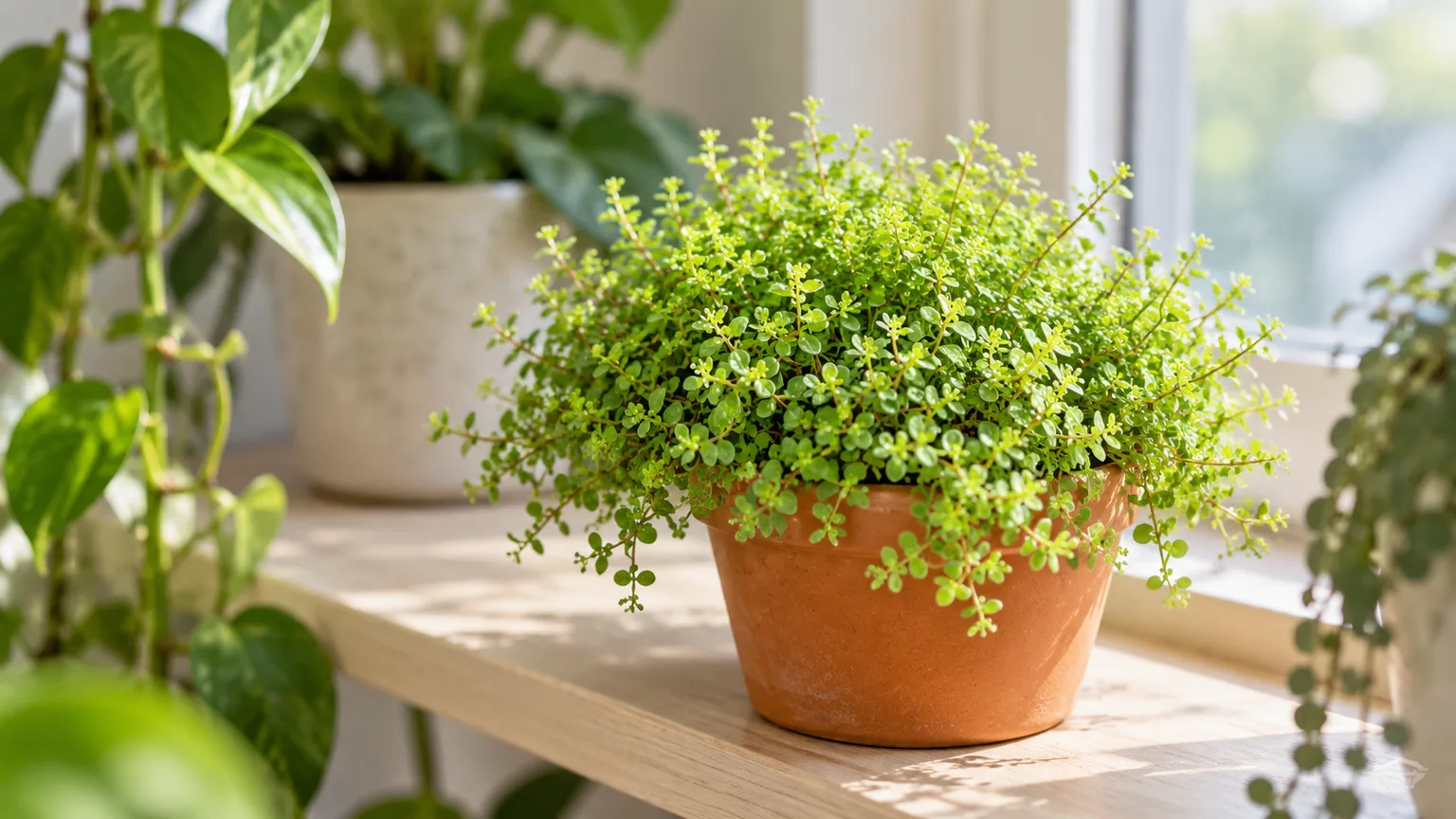
Pilea microphylla, commonly called artillery plant, angeloweed, or rockweed, makes a dense cushion of minute lime-green leaves on fine, branching stems. It works especially well in a small pot, a humid terrarium, or a frost-free garden where its low, spreading habit can soften a bare patch. Indoors, the challenge is not complicated: give it strong but filtered light, keep its mix lightly moist rather than saturated, and avoid letting the small root system swing between drought and soggy soil.
This species is sometimes sold as artillery fern, but it is not a fern. It is a flowering member of the nettle family, Urticaceae; the flowers are tiny, and the plant can shed pollen when they release it. The notes below focus on how the plant actually grows so you can tell when to water, when to trim, and when a healthy outdoor groundcover has become an unwanted weed.
Is Artillery Plant Right for Your Space?
Choose Pilea microphylla if you want a fine-textured plant that fills a shallow container and can be pinched into a compact mound. Its stems creep and branch, so it can also spill over a pot edge or spread across a terrarium floor. NC State Extension describes it as a mat-forming plant that usually reaches about 6 to 12 inches tall, and notes that it is grown as a houseplant or outdoor annual in much of the United States. NC State Extension
The plant rewards regular observation more than a rigid routine. Its foliage is small and delicate, and its fine roots need oxygen as well as steady access to moisture; a missed watering can dry a small pot quickly, while a pot that remains wet can rot roots. If you often leave plants unattended for long periods, choose a more drought-tolerant species or use a self-watering system only after testing that the mix still drains and does not stay waterlogged.
For a beginner, a small nursery pot with drainage is often a better starting point than a decorative bowl or a sealed glass vessel. You can cover a nursery pot with a cachepot, but remove it for watering and empty excess water afterward. A terrarium is possible, especially if you can vent it, yet the enclosed air makes fungal problems easier to trigger when the plant is crowded or the glass stays wet.
Identify the Plant and Understand Its Growth
Artillery plant is not the same as the familiar Chinese money plant, Pilea peperomioides, whose round leaves sit on long stalks. P. microphylla has much smaller leaves, densely arranged along branching, often creeping stems; the overall texture can look mossy or fernlike from a distance. The cultivar ‘Variegata’ has green leaves marked with white and sometimes pink, though the ordinary green form is more commonly sold.
Its common names reflect different parts of its history. “Angeloweed” and “rockweed” describe a small plant that can take hold in cracks and thin soil, while “artillery” refers to the forceful pollen release from flowers, not to a dangerous seed pod or a plant that launches visible projectiles. The name “artillery fern” is a nickname, not a botanical classification.
Why It Is Called an Artillery Plant
The plant’s flowers are easy to overlook because they are tiny and greenish rather than showy. UF/IFAS Extension describes small unisexual flowers and explains that the pollen grains are forcefully ejected, which is the source of the artillery common name. The species may flower through much of the year in warm conditions, so a mature plant can occasionally release a small puff when it is brushed or disturbed. UF/IFAS Extension
This is normal reproductive behavior, not a sign of disease. If the pollen bothers someone in the household, avoid positioning a flowering plant near a frequently used desk or face-level shelf, and handle it gently while trimming. The flowers are not the main ornamental feature; dense foliage and branching form are why most growers keep the plant.
Choose a Container and Growing Setup
A pot with at least one open drainage hole makes watering much easier to control. Pick a container only slightly wider than the root mass; a very large pot holds more wet mix than the small roots can use, lengthening the time the center stays damp. A shallow, broad pot suits the plant’s creeping habit, while a hanging container can let stems drape without crowding neighboring foliage.
Material changes how quickly the mix dries. Unglazed clay loses water through its sides and can be useful in a humid room or for a grower who tends to overwater, but the plant may dry too quickly in a hot, bright window. Plastic or glazed ceramic retains moisture longer and can buffer a warm, dry room, so check the mix more often after moving the plant into a new pot rather than assuming the old watering rhythm still applies.
Keep the plant where air moves gently but not in the path of a heating vent, air conditioner, or cold draft. Good circulation helps wet leaves and crowded inner stems dry; harsh airflow, however, can dry a small pot rapidly. Rotate the pot occasionally so growth stays balanced toward the window, and leave enough space to inspect the undersides of the fine stems for pests.
Give It Bright, Filtered Light
Set the plant close to a bright window where sunlight is softened by a sheer curtain, a nearby building, or the angle of the glass. An east-facing window often provides gentle morning light; a bright west-facing window can work if the direct afternoon beam does not strike the leaves for hours. In a dim room, move it closer to the light before adding fertilizer, because fertilizer cannot compensate for low energy and may leave salts in the pot.
Direct hot sun can bleach or scorch the delicate foliage, especially after a plant has been grown in shade. If you move it outdoors for summer, acclimate it over several days in bright shade before giving it any direct morning sun. A plant that leans, develops long gaps between leaves, or loses its compact cushion usually needs more usable light; a plant with washed-out patches on the window-facing side may be getting too much direct sun.
Lighting should be judged at leaf level, not by the room’s general brightness. If you can read comfortably in the spot during daylight but the plant casts almost no shadow, it may be too dim for tight growth. A grow light can help in a darker home: place it above the plant at the manufacturer’s recommended distance and use a consistent day-and-night cycle instead of leaving it on continuously.
Keep It Warm and Manage Humidity
Artillery plant is tropical and does not tolerate frost. A comfortable room temperature around 65–75°F suits active indoor growth; keep the pot away from cold glass in winter and avoid sudden temperature swings. The Royal Horticultural Society’s general pilea guidance recommends a warm room and keeping pileas above 10°C (50°F), a useful conservative floor for a container plant, though outdoor exposure and individual plants vary. Royal Horticultural Society
Humidity can help fine foliage stay fresh, but a special greenhouse is not a requirement for every home. If the air is dry and the pot dries quickly, group it with other plants or run a small humidifier nearby; these approaches raise local humidity without repeatedly wetting the leaves. A pebble tray may slightly change the air immediately above the tray, but it will not transform a dry room into a tropical greenhouse.
A terrarium provides a more humid microclimate, but the balance changes: water evaporates slowly, condensation lingers, and airflow is limited. Leave the lid cracked or open it periodically, keep the mix damp rather than wet, and remove dead stems before they decay. If glass remains fogged for most of the day or the plant develops fuzzy patches, increase ventilation and allow the surface to dry a little before watering again.
Use Moisture-Retentive, Well-Drained Soil
The ideal potting mix holds enough water for fine roots while allowing extra water to drain and air to return to the root zone. Start with a quality indoor potting mix and loosen it with perlite or pumice; a practical home blend is roughly two parts potting mix to one part perlite or pumice. This is a starting point rather than a fixed formula: use a slightly more open mix in a humid home and a mix with a little more moisture retention if the room is warm and dry.
Avoid packing the mix down firmly or using garden soil in a small indoor pot. Dense soil can collapse around tiny roots, stay wet longer, and make it harder to interpret whether a plant is thirsty or struggling below the surface. If the current mix stays saturated for several days after watering, drainage is slow, or the lower stems soften, repot into fresh, airy mix and check that the drainage hole is not blocked.
No particular pH adjustment is usually needed for a standard houseplant mix. A mix sold for African violets may work because it is designed to hold moisture without becoming a heavy garden soil, but the label is less important than its structure after watering. If the mix forms a dense, muddy plug, add a coarse amendment or choose a lighter blend.
Water by Feel, Not by the Calendar
Water when the upper portion of the potting mix begins to dry, not on a fixed weekly schedule. The exact interval changes with pot size, material, light, room temperature, season, and how full the plant is; a small plant in a clay pot near a warm window may need water much more often than a larger one in glazed ceramic. NC State Extension notes that P. microphylla is sensitive to both overwatering and underwatering, so moisture checks matter more than the number of days since the last watering. NC State Extension
When the mix is ready, pour water slowly over the surface until some drains through the bottom. Let the pot finish dripping, then empty the saucer or cachepot; leaving the roots in collected runoff defeats the purpose of a drainage hole. Water at the soil line where possible, especially in a crowded terrarium, so the foliage and stems are not constantly wet.
A Repeatable Moisture Check
Use the same three-part check each time: touch the top half-inch to inch of mix, lift the pot to compare its weight with a freshly watered pot, and look for any standing water underneath. If the surface is dry but the pot still feels heavy, wait and check again the next day; if both the surface and pot feel dry, water thoroughly. This avoids both the calendar trap and the opposite mistake of poking only the surface of a large pot.
Do not water just because the tiny leaves look slightly less firm. Heat, low humidity, direct sun, damaged roots, and dry mix can all produce droop, while yellowing and soft stems can accompany prolonged wetness. Check the root zone first: a dry mix calls for a complete watering, while damp mix plus a heavy pot calls for better drainage and patience.
In winter, slower growth and weaker light usually mean the pot dries more slowly. Keep checking instead of stopping watering altogether, because a warm heated room can still dry a small pot quickly. Reduce the frequency according to the actual drying rate, and avoid leaving the soil cold and wet.
Fertilize Lightly During Active Growth
A healthy plant in fresh potting mix rarely needs heavy feeding. During spring and summer, apply a balanced houseplant fertilizer at the label’s diluted rate every month or two, then pause or reduce feeding when growth slows in fall and winter. The Royal Horticultural Society gives similar general Pilea guidance, suggesting occasional balanced feeding during the growing season and warning that overfeeding can cause more harm than good. Royal Horticultural Society
Do not feed a wilted plant as a first response. If it is dry, water it; if it is wet, improve drainage and inspect roots; if it has adequate light and healthy roots but pale new growth, a measured feed may help. Brown tips alone do not prove fertilizer deficiency—irregular moisture, salts, heat, or dry air can create similar symptoms—so correct the growing conditions before increasing the dose.
If a white crust forms on the mix or pot rim, pause fertilizing and flush the container with clean water in a sink, allowing it to drain completely. If the mix has broken down or the root ball is crowded, fresh potting mix is a better reset than repeated fertilizer applications.
Prune for a Compact, Even Shape
Pinch or snip the soft stem tips when the plant becomes loose, lopsided, or longer than its space allows. Cutting just above a leaf joint encourages branching from lower growth points, gradually making the cushion denser; avoid removing most of the plant at once if it is already stressed. Use clean scissors and take off dead or damaged stems so air can move through the center.
Pruning is also a way to renew an older plant. If the center has become woody, sparse, or brown while the outer stems remain healthy, root the best cuttings and use them to start a fresh pot rather than trying to force bare old stems to fill in. Remove the trimmings promptly, especially outdoors, because fragments can root or help spread the plant in warm, moist beds.
Regular pinching is optional. Let the stems trail if you prefer a cascading shape; just thin congested growth where stems overlap heavily or stay wet. A fuller plant is not automatically healthier if its center has no airflow.
Propagate Pilea microphylla from Stem Cuttings
Stem cuttings are the most dependable home method for making more artillery plants. Take several healthy tip sections during active growth, especially in spring or early summer, and root more cuttings than you need because very fine stems can dry out before they establish. NC State Extension lists stem cuttings as the recommended propagation strategy for this species. NC State Extension
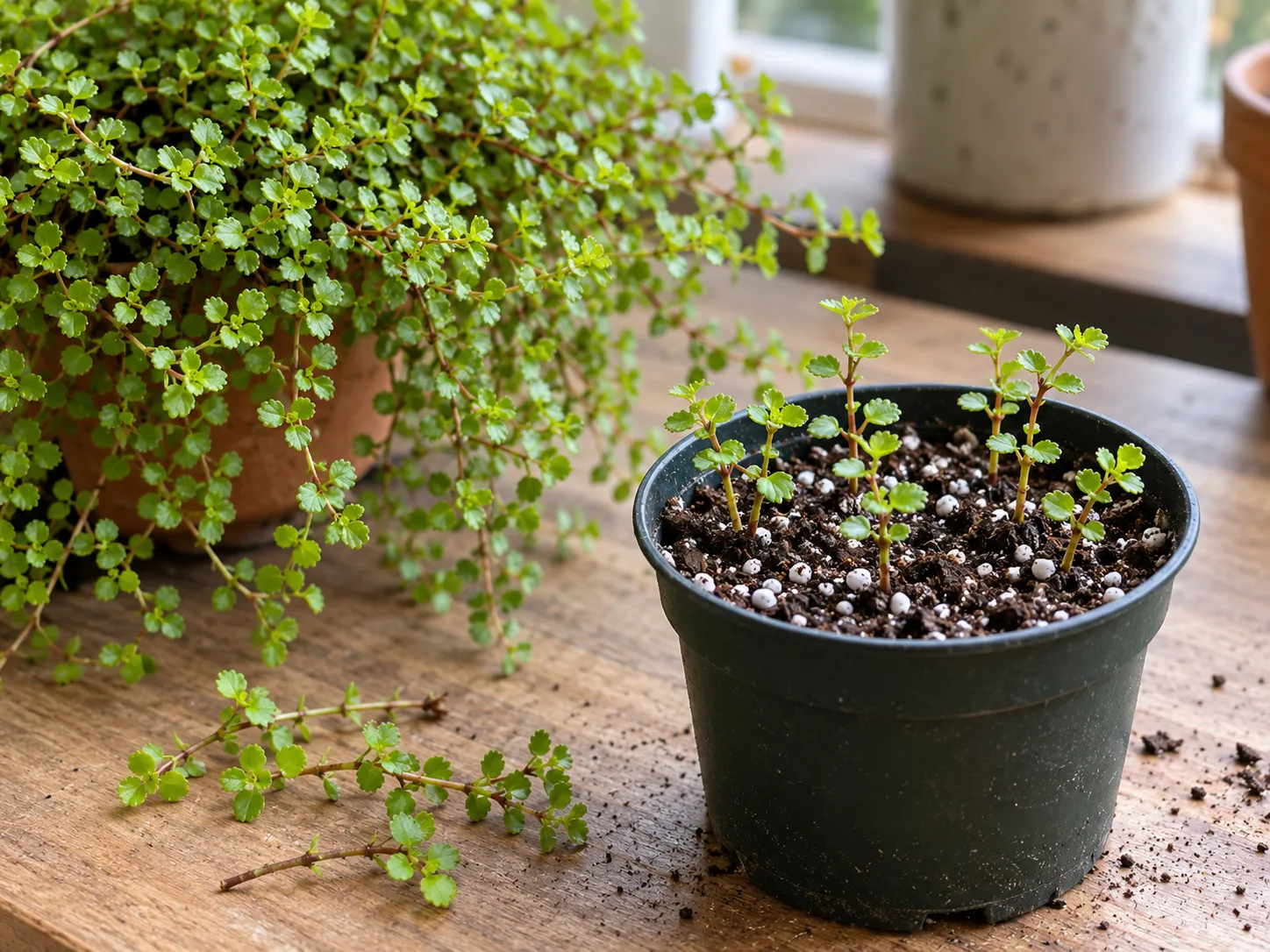
Use clean scissors, a small pot with drainage, and fresh, lightly moistened potting mix. Select a few-inch section with several leaf joints, remove the lowest leaves if they would be buried, and set the bare lower stem into the mix. Several cuttings in one small pot usually make a fuller starter plant than a single cutting, and a clear cover can slow moisture loss while roots form.
Root Cuttings in Potting Mix
Keep the mix lightly moist, not waterlogged, and place the pot in bright indirect light. If you use a loose plastic cover or propagation dome, leave a little space for air exchange and open it daily; sealed, wet air can promote mold and rot. The cuttings do not need fertilizer while they are rooting, and direct sun behind plastic can overheat them quickly.
New growth and gentle resistance to a very light tug are signs that roots are developing, but do not pull repeatedly to check. Once a cutting holds in the mix and starts growing, remove the cover gradually over several days so it adjusts to the room’s drier air. Keep the new plant evenly moist until roots fill the small pot, then shift to the normal moisture-check routine.
Root Cuttings in Water
Water rooting can work when you want to watch roots develop. Submerge only the bare lower nodes in a clean glass and keep leaves above the water; refresh the water if it turns cloudy and move the cutting to potting mix once roots are visible and branching. These roots formed underwater and need a gradual transition, so keep the newly potted cutting slightly more attentive than an established plant for the first week.
Soil rooting skips that transition and is often simpler for tiny cuttings. Whichever method you choose, avoid taking so many stems that the parent plant loses its dense shape, and do not mistake pollen-bearing flowers for new roots or seed pods. A few healthy cuttings are enough to fill a second small container.
Grow It Indoors, Outdoors, or in a Terrarium
As a houseplant, P. microphylla is easiest to manage in a small draining pot near bright filtered light. In a warm frost-free climate it can also serve as a groundcover, patio filler, or soft-edged container plant; it is less forgiving outdoors where intense sun, wind, and rapid drying can stress the fine stems. Gardenia lists it for partial sun, containers, groundcover, and hardiness zones 11–12, while NC State Extension describes it as an outdoor annual in much of the United States. Gardenia NC State Extension
If you place it outside, start in bright shade and inspect it often during the first week. Morning sun may be tolerated after gradual acclimation, but afternoon sun can burn a plant moved directly from indoors. Choose a sheltered site with drainage, and bring container plants in before frost or cold exposure; a plant that has been damaged by chill may not recover just because temperatures rise later.
A terrarium suits the plant’s fine scale if it has some air exchange and the soil is not constantly wet. Avoid crowding it next to plants with very different moisture needs, and trim it back before it overtakes a miniature landscape. The Royal Horticultural Society notes artillery plant as suitable for terrariums and bottle gardens, but an open or vented setup is easier to troubleshoot than a sealed jar. RHS plant profile
Diagnose Yellowing, Wilting, and Pests
Treat symptoms as clues, not as a diagnosis by themselves. If leaves yellow across the plant and the pot feels heavy, check drainage and roots before adding fertilizer; if the pot is extremely light and the mix has pulled from the sides, water thoroughly and monitor whether the foliage firms up. Soft dark stems or a sour smell point toward rot more strongly than a few older yellow leaves.
| What you see | First check | First response |
|---|---|---|
| Yellowing with a heavy, wet pot | Drainage and root condition | Empty runoff; allow the mix to drain and dry somewhat |
| Limp foliage with a very light pot | Dry root ball | Soak the mix evenly, then drain fully |
| Long, sparse stems and wide leaf gaps | Light reaching the plant | Move closer to filtered light and rotate |
| Pale or scorched patches on one side | Hot direct sun | Shift to bright shade and acclimate gradually |
| Fine webbing or stippled leaves | Spider mites | Isolate and rinse foliage; repeat inspections |
| Cottony clusters or small attached bumps | Mealybugs or scale | Isolate, remove visible pests, and monitor new growth |
| White powdery patches in a crowded canopy | Mildew risk | Improve airflow and keep foliage from staying wet |
NC State Extension lists spider mites, mealybugs, scale, and aphids among pests to monitor, and notes that overwatering can cause root rot while humid, poorly ventilated conditions can encourage powdery mildew. Inspect the undersides of leaves and stem joints before treating; when a pest is confirmed, isolate the plant and follow the label on any product you choose rather than mixing homemade chemicals. NC State Extension
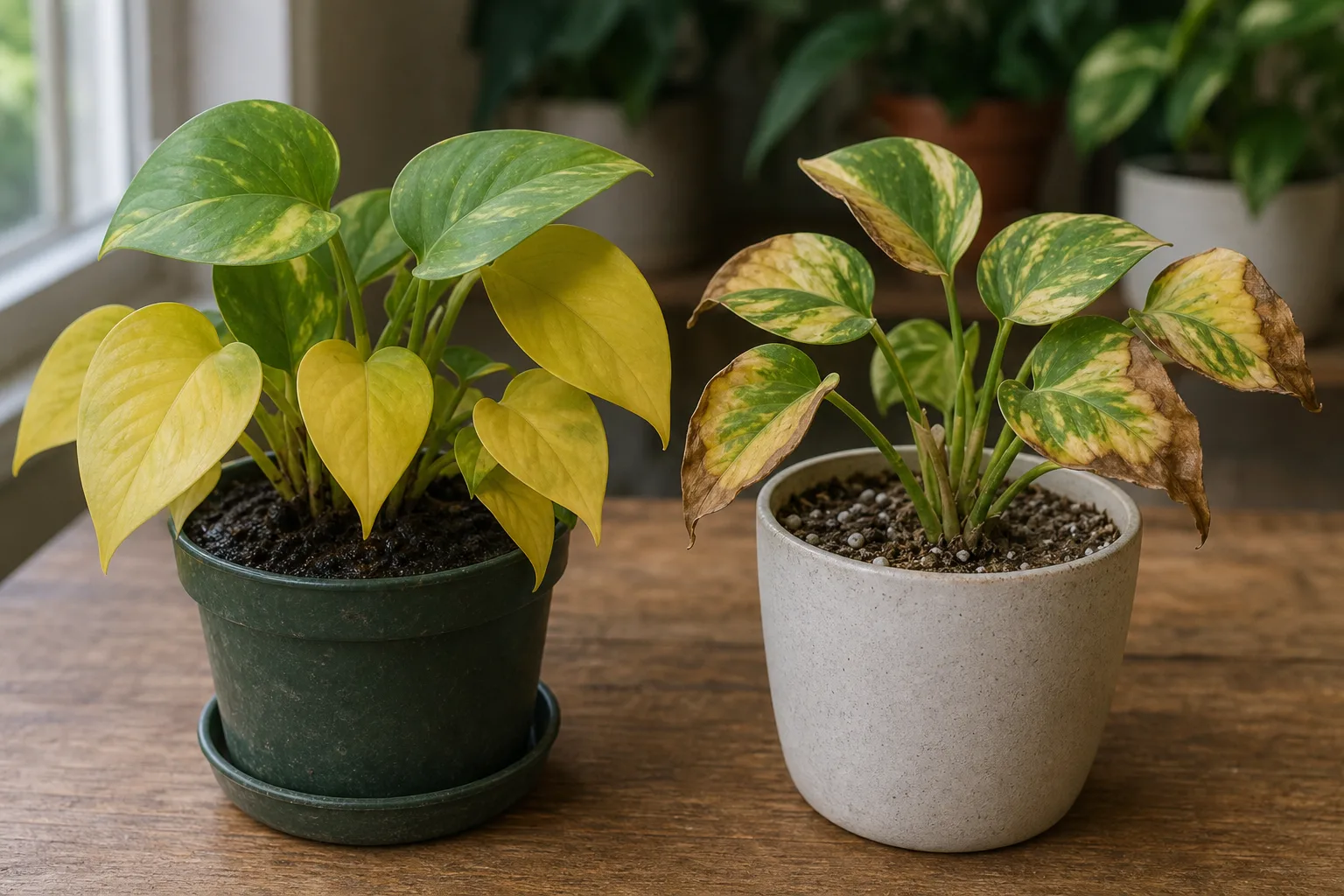
When root rot is likely, slide the plant from its pot and examine the roots. Healthy roots are firm; mushy or foul-smelling sections should be trimmed with clean scissors, then the remaining plant should go into fresh, airy mix in a clean pot with drainage. If most roots and stems have collapsed, take any healthy tips as cuttings and discard the rotting material rather than reusing contaminated, waterlogged mix.
When the cause is uncertain, change one condition at a time and watch new growth. A plant will not repair leaves that have already scorched or rotted, so judge recovery by firm stems, a stable root zone, and fresh shoots over the following weeks. This is more reliable than trying several fertilizers, sprays, and watering changes at once.
Manage Outdoor Spread Responsibly
Artillery plant can be a useful low groundcover where it is wanted, but that same spreading habit can make it a nuisance in cracks, rock mulch, nursery pots, or moist disturbed beds. UF/IFAS Extension reports that the species is widely naturalized in tropical and subtropical regions and can become a persistent weed in Florida landscapes and ornamental production. The agency also notes that it produces many seeds and that thorough hand removal is important in small infestations because fragments can regrow. UF/IFAS Extension UF/IFAS Mid-Florida Research and Education Center
Its native-range classification is not uniform: NC State Extension includes parts of the southeastern United States and the Caribbean in its distribution, while UF/IFAS summarizes competing views about its North American origin. That is why “invasive” is not a useful universal label for every garden. If you live in a warm region, check your local extension or invasive-plant guidance, keep it in a container where spread is a concern, and remove unwanted seedlings before they flower and set seed.
For a small patch, pull plants thoroughly when the soil is slightly moist so roots come out more easily, then check the area again for regrowth. In a landscape bed, avoid spreading fragments with tools or leaving cut stems on damp ground. Large nursery or landscape infestations may require different management from a houseplant spillover; consult local extension recommendations before using a herbicide, particularly around ornamentals.
Pet Safety
NC State Extension lists artillery plant as non-toxic to people and pets, which makes accidental contact less concerning than with known poisonous houseplants. That does not mean pets should graze on it; any plant material can be unpleasant to eat, and a pet that develops symptoms after chewing any plant should be assessed by a veterinarian. NC State Extension
Keep the pot stable if a cat or dog likes to knock over containers, and clean up trimmings after pruning. If a plant label is missing or the specimen might be a different Pilea, confirm the identity before relying on the safety classification.
Conclusion
Pilea microphylla stays attractive when its small root zone gets moisture without sitting in water, its fine foliage receives bright filtered light, and its stems have enough room and airflow to branch. Start with a draining pot and a light mix, water only after checking the soil and pot weight, and use gentle pinching or stem cuttings to keep the plant full. In warm climates, enjoy its creeping habit with a plan for self-seeding; where cold weather is possible, treat it as a container plant and protect it from frost.