Can Snake Plants Live Outside? A Seasonal Guide
Can snake plants live outside? Use a practical temperature window, a 10–14-day light transition, rain-smart watering, and clear cues for moving one back indoors.
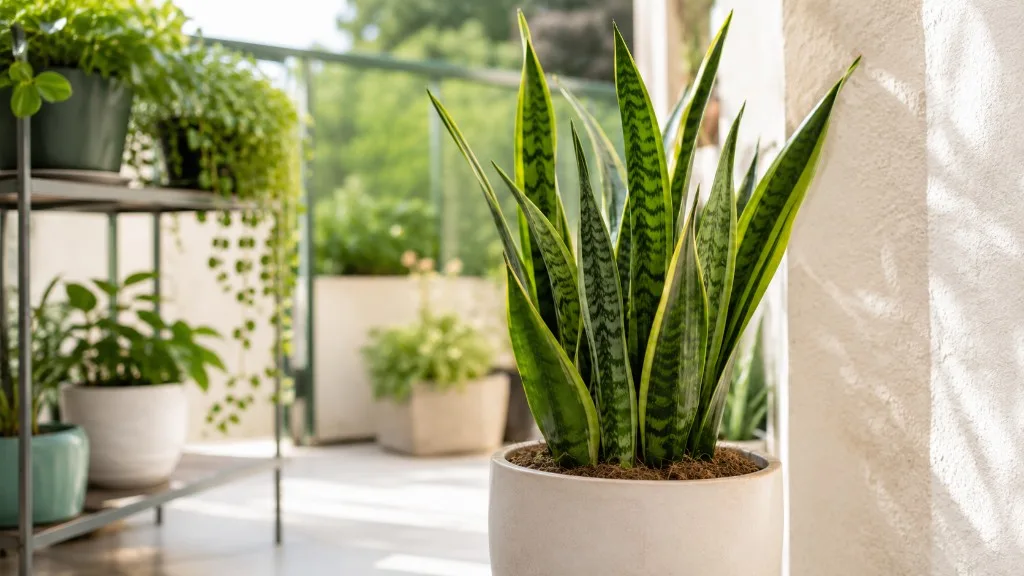
Yes, a snake plant can live outside during warm weather, and it can stay outdoors year-round in a suitably mild climate. In most places, though, a potted plant should come back inside before cold nights arrive. The tricky part is the move itself: outdoor sun, wind, rain, and temperature swings are a much bigger change than simply setting a pot beside an open window.
Snake plants are now classified as Dracaena trifasciata; you may still see the older botanical name Sansevieria trifasciata. North Carolina State University’s Plant Toolbox describes the species as a tropical plant that tolerates low light but grows in partial shade, with well-drained soil and a dry-down between waterings. Those preferences make a sheltered patio a better starting point than an exposed bed or a blazing south-facing deck. (NC State Extension Plant Toolbox)
The short answer: yes, seasonally in most climates
A snake plant can spend summer outdoors if nighttime temperatures stay warm, the plant is gradually adjusted to stronger light, and rain cannot keep its roots wet. A container makes this seasonal arrangement practical because you can move the plant out of a storm or bring it indoors when the forecast turns cold. It is also the lower-risk choice when you are unsure about your soil, winter lows, or the plant’s variety.
Permanent outdoor planting is a different decision. NC State lists D. trifasciata for USDA hardiness zones 10a through 12b, and the University of Georgia Extension notes that indoor plants need a gradual adjustment to outdoor conditions. A zone describes an area’s typical coldest winter conditions; it does not account for every exposed porch, low spot, unusually cold snap, or the extra vulnerability of roots in a pot. Use your local climate as context, not a guarantee that a plant will make it through winter. (NC State Extension Plant Toolbox; University of Georgia Cooperative Extension)
Check three conditions before moving yours
Before carrying the pot outside, check the next week or two of overnight lows, the light at the intended location, and the way water drains there. A warm afternoon is not enough if nights are still chilly or if the only available spot gets several hours of abrupt afternoon sun. If one of those conditions cannot be managed, wait or choose a different location.
Use nighttime temperatures as your first gate
Snake plants prefer warmth, and cold exposure can damage their leaves. NC State says the plant tolerates cool temperatures around 50°F; Gardening Know How advises that outdoor temperatures should not remain below 55°F for long. Those figures are not a promise that every plant will be fine at a specific temperature: a newly moved plant, a wet root ball, wind, and a cold exposed surface can all increase stress. (NC State Extension Plant Toolbox; Gardening Know How)
For a conservative move-out cue, wait until overnight lows are consistently around or above 55°F (13°C) and frost is no longer a realistic threat. This gives you a margin above the plant’s reported tolerance instead of asking it to sit at the edge of that range. Bring it in when the forecast repeatedly dips below that threshold, and do not leave it outside through a frost warning. If nights vary sharply, use the forecast for your specific yard or balcony rather than the city’s daytime high.
A single brief cool night is not automatically fatal, especially if the plant is near a warm wall or under a roof. But repeated cold exposure is a poor experiment: leave the plant indoors until the weather steadies, or keep it in a portable pot you can move at short notice. Do not use a hardiness-zone number as permission to leave a container outdoors all winter.
Match the light before adding more
An indoor snake plant that has spent months several feet from a window has not been prepared for outdoor sun. Outdoor light can be much more intense, even under open shade, and leaves can bleach or turn brown after a sudden move into direct midday rays. The plant may tolerate part of the day in sun once adjusted, but tolerance after acclimation is not the same as readiness on day one.
NC State classifies the snake plant’s light need as partial shade, defined there as direct sunlight for only part of the day, about two to six hours. That is a broad garden-light category, not a prescription to put every indoor specimen into six hours of direct sun. Start in bright shade; if the plant stays healthy, introduce gentle morning sun gradually and stop increasing exposure if the leaf surface begins to fade or scorch. (NC State Extension Plant Toolbox)
Account for rain, wind, and drainage
Rain and watering are different problems outdoors. A quick shower may leave the root ball barely damp, while several days of steady rain can saturate a dense mix even if the surface looks fine. Snake plants store water in their leaves and need the potting medium to dry between waterings; prolonged wet soil raises the risk of root or crown rot. (NC State Extension Plant Toolbox; Gardening Know How)
Check where the pot will sit after rain. A container on a deck that drains freely is easier to manage than one sunk into a saucer that stays full or placed beneath a roof valley that dumps water into it. Wind matters too: it can tip a tall plant, crease leaves, and dry the mix unevenly. Look for a location with a roof, wall, or other wind break, but keep enough airflow that the plant is not trapped in a hot, stale corner.
Choose a pot or an in-ground planting
For a seasonal outdoor stay, keep the snake plant in its existing container unless it truly needs repotting. A pot with open drainage holes lets you control rainfall and move the plant before a cold snap. Choose a stable container sized for the root ball rather than an oversized pot filled with extra wet soil; if the plant is top-heavy, set its nursery pot inside a heavier decorative planter, then lift it out after rain so water cannot collect in the outer pot.
In-ground growing is best reserved for reliably warm places where winter conditions match the plant’s hardiness range and the soil drains well. The NC State profile’s zone listing is more conservative than some generic web advice, so rely on the local extension service for your area and cultivar instead of assuming every warm region is suitable. A rhizomatous clump can also spread over time; a container keeps the plant contained and gives you an easy escape route if conditions change. Homes & Gardens, drawing on advice from a horticulture expert, likewise recommends a pot when a climate does not support reliable year-round conditions. (NC State Extension Plant Toolbox; Gardening Know How; Homes & Gardens outdoor snake plant guide)
Repotting immediately before the move adds another adjustment. If the plant is healthy and the pot drains, move it first and let it settle. If it needs a new container because roots are escaping or the old pot has no drainage, repot several weeks before outdoor acclimation, use a free-draining mix, and wait until it has resumed normal growth before exposing it to another major change.
Find a sheltered outdoor spot
A covered porch with bright shade is a reliable first choice. An east-facing porch, a spot beneath a high tree canopy, or the bright side of a covered patio can offer more light and airflow than many rooms without exposing leaves to the hottest sun. If you only have a bare, west-facing deck, use shade cloth or keep the plant near the house where it receives filtered light for much of the day.
Check the location at several times, not just when you carry the pot out. A place that is shaded at breakfast may receive harsh late-afternoon sun; a sheltered corner can also become hot from reflected light off a wall or glass. Set the plant where you can reach it for moisture checks, where runoff will not stain or damage a surface, and where it cannot be knocked over by foot traffic or a gust.
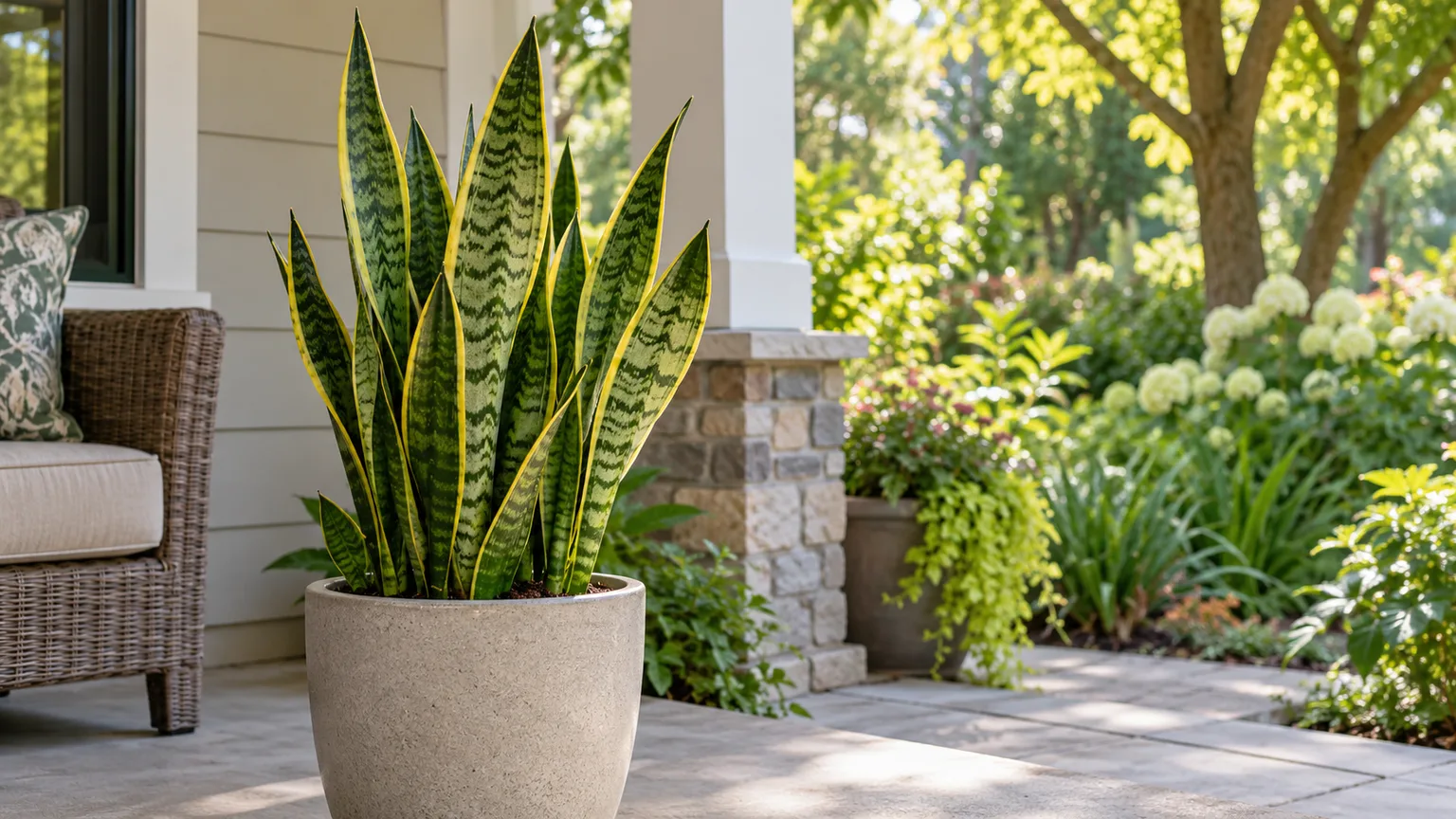
A simple test is to stand where the pot will go around midday. If you can see a clear, sharp shadow on the ground for hours, the spot may be brighter than it looks from indoors. Filter that light first, then reassess the plant after several days rather than trying to judge a successful transition by one afternoon.
Acclimate over 10 to 14 days
Move the plant gradually so it can adjust to brighter light, moving air, and larger day-to-night temperature changes. UGA Extension recommends beginning in shade and giving houseplants a week or two to adapt before moving them to their final summer location. Use that range as a flexible plan: extend each stage when the weather is very hot, windy, or sunny, and pause if the plant shows damage. (University of Georgia Cooperative Extension; Gardening Know How)
A practical transition schedule
| Days | Where the plant goes | What to watch |
|---|---|---|
| 1–3 | Bright, sheltered shade for a few hours; bring it in overnight | Leaves remain firm; no sun-facing bleaching |
| 4–6 | Extend the daytime stay; keep it in shade or filtered light | Pot does not stay wet after rain; no wind damage |
| 7–10 | Leave it outdoors for most of the day; try brief early-morning sun if appropriate | Increase exposure only if leaves still look normal |
| 11–14 | Keep it in the intended summer spot; leave overnight only if lows are reliably safe | Check forecast, drainage, and leaf condition before settling it there |
This schedule is a starting framework, not a biological timer. A plant from a low-light office may need more time than one already beside a bright window; a cloudy week gives you a gentler transition than a heat wave. If you cannot move the pot in and out every day, place it in its final sheltered shade from the start and gradually shift it a few feet toward more light every several days.
Do not increase light and temperature exposure on the same day if the forecast is especially hot. A plant can handle a brighter location better when the root ball is evenly moist but not saturated. If leaves begin to pale on the sun-facing side, move it back to shade immediately; burned tissue will not turn green again, although undamaged leaves can continue growing.
Water by soil moisture, not the summer calendar
Outdoor air and sun can dry a pot faster than indoor conditions, but that does not mean you should automatically double the watering. First check moisture in the root zone, not just the top layer. Press a finger into the mix or use a clean wooden skewer near the pot’s edge; if the mix still feels cool or damp several inches down, wait and check again later.
When the medium has dried through most of the pot, water thoroughly until excess flows from the drainage holes, then let the container drain. Do not leave it standing in a filled saucer or decorative outer pot. NC State’s care guidance is to allow the soil to dry between spring-to-autumn waterings, which is a safer rule for a snake plant than using a fixed weekly schedule. (NC State Extension Plant Toolbox)
Decide what to do after rain
Rainfall counts as watering only if enough reaches the mix to wet the root ball, and even then the pot must drain. After a storm, tilt or lift the container if it is safe to do so, empty standing water, and check the soil before adding more. If the plant sits beneath an eave, it may receive almost no rain; if it is fully exposed in a rainy climate, a covered location is often the better choice.
A fast-draining succulent or cactus mix can help, but it still needs a pot with holes. Do not put gravel in the bottom as a substitute for drainage; the mix itself must allow water to move through it, and the pot must be able to release that water. A plastic nursery pot inside a cachepot is workable outdoors only if you remove the inner pot after rain or empty the outer vessel promptly.
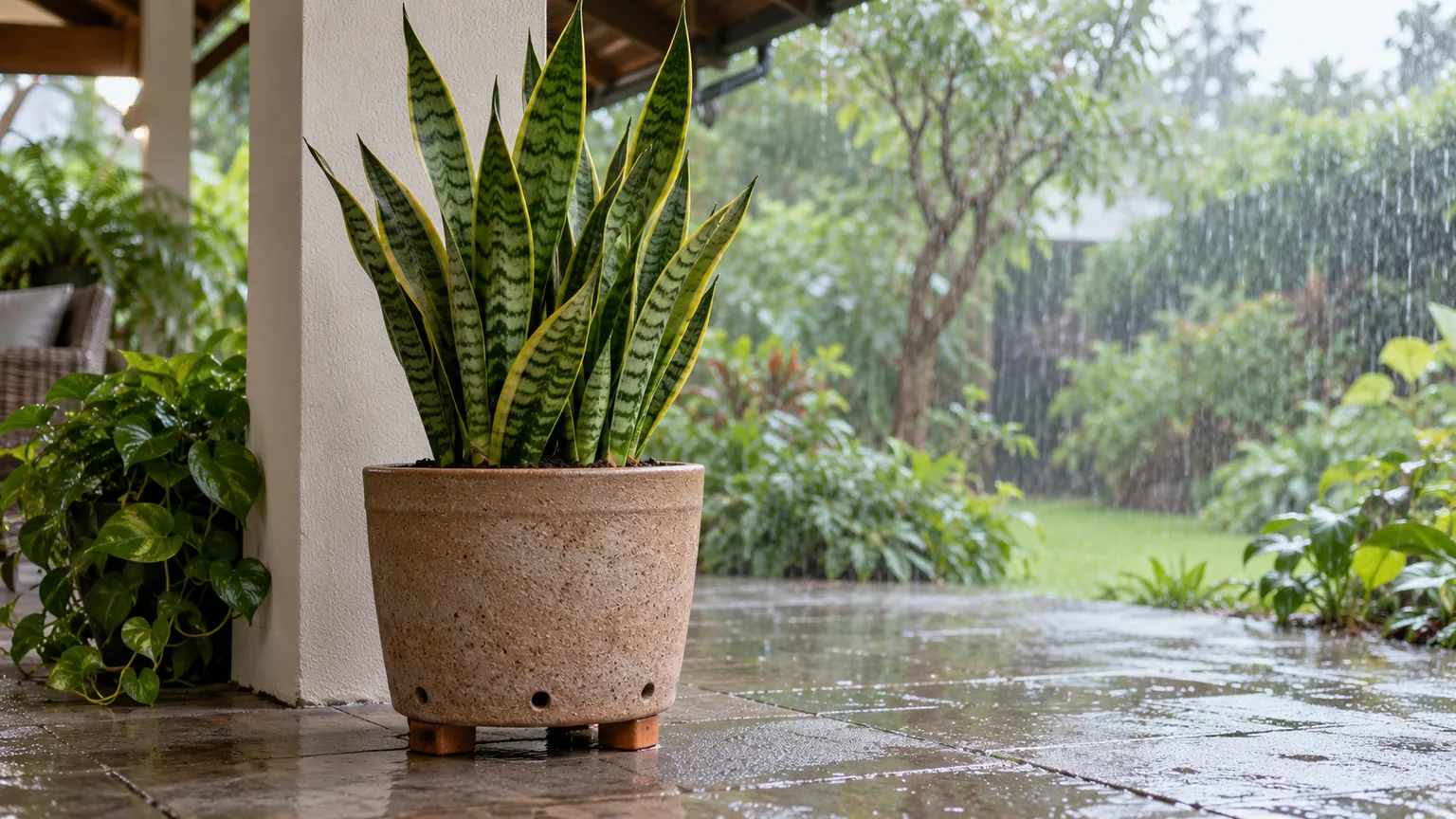
Check more often during a hot, dry spell, especially if wind is strong or the container is small. Check less often after cool, cloudy weather or repeated rain. In every case, let the plant’s soil—not the date on the calendar—decide whether it is ready for another drink.
Manage heat, wind, and sudden weather
A comfortable summer day can become stressful when a dark pot sits against heat-reflecting masonry or a metal railing. If the leaves feel unusually warm, the pot dries much faster than expected, or the plant starts to look dull and limp during the hottest hours, move it into deeper shade for the afternoon. Do not respond to every wilt by watering; first check whether the root zone is actually dry.
Wind can damage upright leaves even when temperatures and light are suitable. Place the pot near a stable wall or group it with other sturdy containers, but leave enough room to inspect leaves and avoid crowding foliage against a wet surface. A heavier outer planter can steady a light nursery pot, but make sure it has a way to drain and does not trap rainwater around the roots.
Before a severe storm, hail, or a forecast cold front, move a manageable container under cover or indoors. Snake plant leaves may crease or split in a gust, and a soaked root ball takes longer to dry when cool weather follows. A spot that is safe for ordinary summer showers may still be the wrong place during a downpour or a night near the plant’s lower temperature limit.
Recognize sun, cold, and water stress
Sun stress usually appears on the side facing the strongest light. Look for pale, bleached, tan, or crispy patches rather than assuming the entire plant needs more water. Move it to shade, leave damaged leaves in place while they remain mostly green, and remove only tissue that is fully dead or mushy with a clean blade.
Cold stress may show as soft, water-soaked, darkened, or collapsing tissue after a chilly night. Bring the plant into a warm room, keep it out of direct heater airflow, and let the soil dry before watering again. Do not cut healthy firm leaves simply because they look temporarily dull; if the base becomes soft or the damage continues to spread, inspect the roots and remove rotted tissue with a sterile tool.
Overwatering or poor drainage is more likely when soil remains wet, leaves yellow or soften near the base, or the plant begins to lean despite the mix being damp. Move it out of rain, empty standing water, and inspect the pot’s holes. If rot is present, remove affected roots and repot into fresh, well-draining mix rather than adding fertilizer or watering on a schedule. NC State identifies overwatering as a cause of root rot and recommends good drainage. (NC State Extension Plant Toolbox)
Bring the plant indoors before cold nights
Do not wait for the first frost warning to start planning the return. Bring a potted snake plant indoors when nights are forecast to fall repeatedly below about 55°F, or sooner if your particular plant has already reacted badly to cool conditions. NC State notes tolerance around 50°F, but that is a lower-edge reference, not a target to test for several nights in a row. The risk rises when cold coincides with wet soil, wind, or a plant that is already stressed. (NC State Extension Plant Toolbox; Gardening Know How)
A short stay outdoors usually does not require repotting or pruning before the move. Choose a dry day if possible, let excess water drain, and plan where the plant will go indoors before carrying it in. If you have several plants, do not stack or crowd them together immediately; inspect each one first so outdoor pests do not spread through the collection.
Inspect and clean it before it crosses the threshold
Look at both sides of the leaves, the tight leaf bases, the soil surface, and the drainage holes. NC State advises monitoring for mealybugs and spider mites, both of which can hide in protected areas. Brush off loose debris, remove dead leaves, and rinse dust or insects away with a gentle stream of water; do not soak the crown or bring a dripping pot straight onto a wood floor. (NC State Extension Plant Toolbox)
If you find pests, isolate the plant from other houseplants and identify the insect before treating it. Do not apply a pesticide indoors unless its label explicitly permits that use and you can follow all directions; a warm-water rinse and repeat inspection may be enough for a small issue. If the soil smells sour, stays saturated, or the roots are soft, address the drainage problem before returning the pot to its usual spot.
Reacclimate it to indoor light
The return indoors can feel abrupt too, especially if the plant spent weeks in a bright covered patio. Set it first in a bright room with indirect light and a similar temperature to the rest of the home. After several days, move it toward its regular position; if its usual spot is a very dim corner, give it time to adjust rather than placing it there immediately after a season of stronger light.
Check the root ball before watering. A large pot or cool room may keep the mix damp long after the surface looks dry, while a warm sunny window can dry it sooner. Keep the same basic rule—water only after the mix has dried adequately—and reduce checks as growth slows in autumn and winter.
Do not fertilize heavily to “make up” for the move. The plant may slow down indoors as light and warmth decrease, and fertilizer cannot repair cold or sun damage. Wait until you see active new growth and then follow a conservative houseplant feeding schedule if the plant needs it.
Avoid the mistakes that undo a safe move
The most common mistake is taking a plant from dim indoor light and placing it straight into full afternoon sun. The second is treating a few warm days as proof that nights are safe; use a forecast and allow for conditions where the pot actually sits. A third is assuming that a drought-tolerant plant cannot be overwatered outdoors—rain can keep a container wet long after the gardener has stopped watering.
Other avoidable problems are easy to miss: leaving a cachepot full of stormwater, choosing a spot where wind tips the container, moving the plant outdoors right after repotting, or waiting until the coldest night to bring it back. Each adds stress that the plant does not need. Make the change in stages, keep the container portable, and inspect soil and leaves before acting.
Do not rely on a universal number of sunny hours, watering days, or USDA zone as a guarantee. Snake plants differ by cultivar and condition, and the same patio can have a warm wall, a windy edge, a bright reflected corner, and a shaded spot within a few feet of one another. The safest plan uses the plant’s response and your actual microclimate as feedback.
Conclusion
Snake plants can spend the warm season outside when you protect them from cold, introduce brighter light gradually, and keep rain from leaving the roots wet. Start with a movable pot in bright shade, wait for reliably warm nights, then adjust light over roughly 10 to 14 days while checking the leaves and soil.
Bring the plant back indoors before overnight temperatures repeatedly drop below about 55°F, and inspect it for pests and drainage issues before it rejoins your houseplants. If you cannot provide warmth, filtered light, and a way to control excess water, keeping it indoors is the simpler and safer choice.