How to Grow and Care for Pink Brandywine Tomatoes
Learn when to plant Pink Brandywine tomatoes, support their sprawling vines, and manage water, heat, cracking, and blossom-end rot for a better harvest.
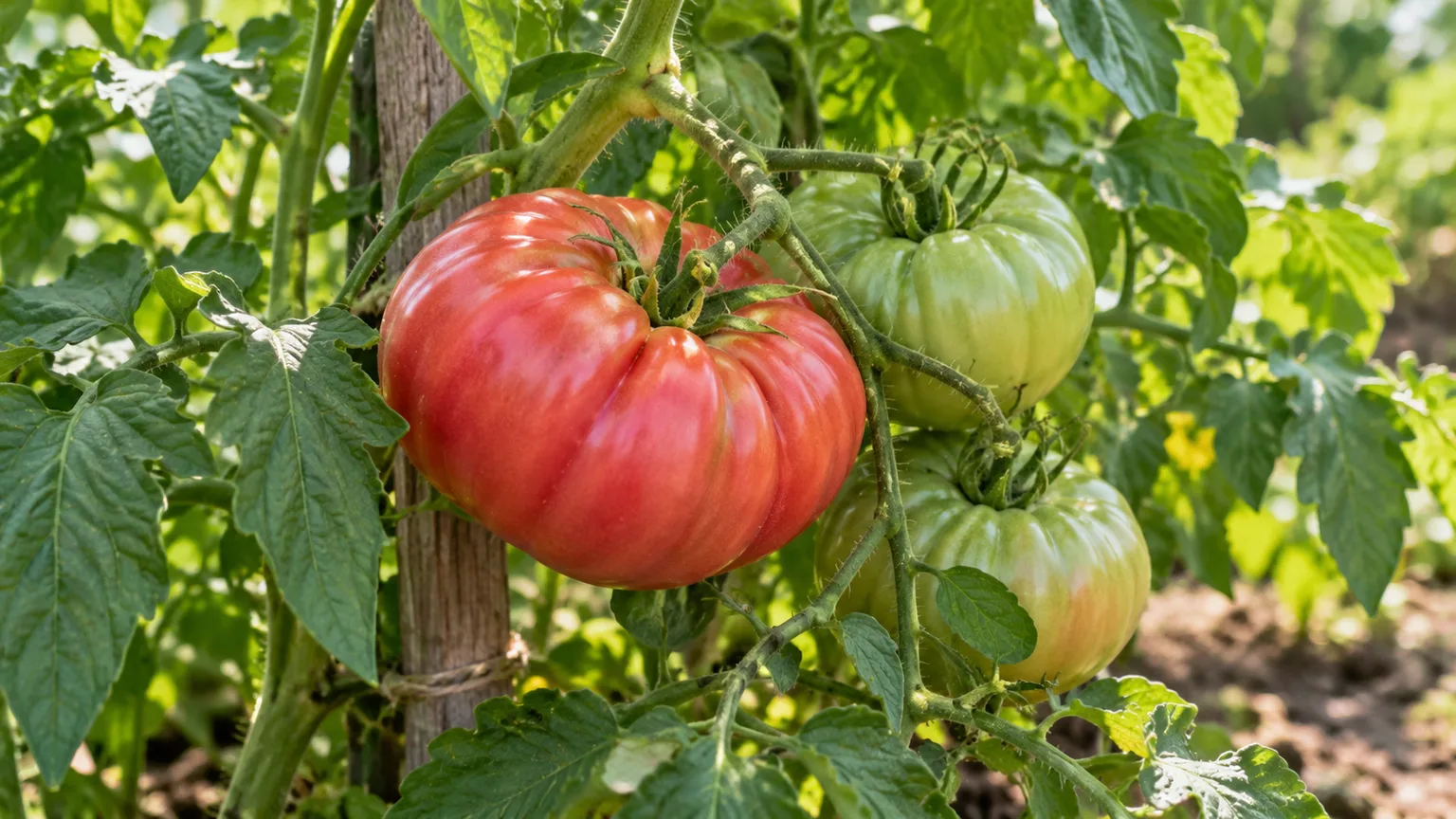
Pink Brandywine is an heirloom beefsteak tomato for gardeners who value rich flavor and large slices more than a bucket of uniform fruit. It is usually an indeterminate, late-season vine: expect it to keep growing and flowering while warm weather lasts, and give it sturdy support before heavy fruit begins to form. Its harvest can be smaller and less even than that of many modern hybrids, but a well-grown fruit can be exceptionally meaty and flavorful.
The reliable approach is to give the plant a long, sunny season, steady moisture, room for airflow, and a support system sized for a vigorous vine. The University of Arkansas System Division of Agriculture describes Brandywine as an indeterminate, rangy plant with large pink fruit and notes that the variety can be low-yielding, crack after rain, and ripen unevenly. Those are useful expectations, not guarantees for every seed strain or garden; the name covers more than one selection. (University of Arkansas Extension)
What Pink Brandywine Tomatoes Are Like
Pink Brandywine belongs to the heirloom beefsteak group, so its fruit is typically broad, juicy, and more irregularly shaped than a standard grocery-store slicer. The original Brandywine selection is known for potato-like leaves, late fruiting, and fruit that may approach a pound, though size, shape, color, and maturity time vary with the strain, seed source, weather, and how many fruit a plant carries. Read the packet or transplant label rather than assuming every plant sold under this name is identical.
Most Pink Brandywine plants are indeterminate. They continue extending their main stem and producing flower clusters until frost, severe heat, or another stress slows them. That habit can mean a longer harvest window, but it also means the plant needs a tall stake, trellis, or strong cage and enough space to avoid a dense, damp tangle. The payoff is flavor and large fruit, not maximum production per square foot.
The fruits often mature to a deep pink or rose-red rather than the bright scarlet of many conventional tomatoes. Some develop green shoulders that remain green even when the rest is ready; color alone is therefore a poor ripeness test. Use the fruit’s overall color, slight softness, and ease of picking together. If you want dozens of small, early tomatoes, choose a cherry or early hybrid alongside this slower slicer rather than expecting Pink Brandywine to fill that role.
When to Start Seeds and Plant Outdoors
Start seeds about six to eight weeks before the date you expect to transplant outdoors. For gardeners with a short growing season, that head start matters: Brandywine types take longer to produce ripe fruit than many small-fruited tomatoes. The Royal Horticultural Society recommends sowing tomatoes indoors in warm conditions and moving seedlings into bright light as soon as they emerge; exact calendar dates should be adjusted to your climate and whether plants will grow outdoors or under cover. (RHS tomato-growing guide)
Do not transplant solely because a calendar says the last frost has passed. Wait until frost risk is low, the soil has warmed, and nights are reliably mild—around 50°F or warmer is a practical threshold for moving tomatoes into the garden. Cold nights can stall a young plant even when afternoons feel summery. If a late cold snap threatens, keep transplants in a bright sheltered place or protect them overnight instead of asking them to endure a week of chilly soil.
In a short-season region, select the sunniest protected bed, use a dark mulch after the soil warms, and start seeds promptly rather than sowing months too early. A seedling kept indoors too long in dim light becomes tall, crowded, and difficult to establish. In a long, hot-summer area, planting very late can push flowering into extreme heat, when fruit set may slow. A locally recommended planting window helps balance those risks better than a single national date.
Start Seedlings for a Long Season
Use a sterile, fine-textured seed-starting mix in clean cells or small pots. Sow two seeds per cell about a quarter inch deep, keep the mix evenly moist rather than waterlogged, and provide bottom warmth if the room is cool. Once seedlings emerge, remove the humidity cover and give them intense light—ideally a grow light kept close enough to prevent stretching, adjusted as the plants grow. A sunny window alone may be too weak in late winter.
When the seedlings have their first true leaves, pot them into individual containers if roots are crowding. A compact, sturdy seedling with a thick stem is a better transplant than a tall one with many leaves. Water when the surface begins to dry, allow excess to drain, and use a mild, diluted fertilizer only if the starting mix contains little nutrition and the seedlings need it. Strong fertilizer at this stage can produce tender growth without improving the plant’s eventual fruit.
Harden seedlings off over seven to ten days before planting. Begin with a short period outside in bright shade and a sheltered spot, then gradually increase sun and breeze. Bring them in when nights are cold, winds are strong, or temperatures spike. This gradual transition reduces leaf scorch and wilting; putting indoor-grown seedlings straight into all-day sun can set them back just as transplanting does.
Choose a Sunny, Warm, Well-Drained Site
Choose a site that receives at least six to eight hours of direct sun, with more sun usually helpful in cooler regions. In very hot climates, a location with morning sun and light afternoon protection can reduce heat stress without turning the plant into a shade-grown vine. Avoid low spots where water stands after rain, and do not plant tomatoes where peppers, potatoes, eggplants, or tomatoes grew recently if disease has been a recurring problem.
Tomatoes do best in loose, fertile soil that drains while still holding enough moisture for roots. A pH near 6.0 to 6.8 is a useful target, but a soil test is more helpful than guessing and adding amendments by habit. Work mature compost into poor soil; avoid fresh manure or a heavy dose of high-nitrogen fertilizer, which can push leafy growth at the expense of flowers. A thick layer of organic mulch added after the ground warms helps reduce weeds and slows moisture swings.
Plan the bed with mature size in mind. Pink Brandywine can become a substantial vine, and close spacing makes harvest and inspection harder while foliage stays wet longer. Leave about 24 to 36 inches between plants when training them upright; use the wider end in humid areas, with cages, or where air circulation is poor. If you cannot reach the plant from both sides, leave a practical path so you can tie stems and pick fruit without bending branches.
Plant Deeply and Leave Room for the Vine
Before planting, remove the leaves from the lower part of the stem that will sit below the soil. Set the seedling deep enough that only the upper leaves remain above ground, or lay a leggy seedling in a shallow trench and gently curve its top upward. Tomato stems can form roots along buried portions, helping a young plant establish a broader root system. Keep the stem from being crushed or sharply bent, and avoid this deep planting method with a grafted transplant: its graft union should remain above the soil.
Water the planting hole, set the plant, firm soil around the roots, and water again to settle it. If the bed is dry, soak the root zone rather than sprinkling only the surface. Install a stake or cage at planting time, before the roots spread; driving a post beside a mature tomato can sever roots and destabilize the plant. Add mulch once the soil has warmed, leaving a small open ring around the stem so it does not stay wet against the mulch.
The seedling may look small compared with the spacing, but do not crowd it to fit more plants into the bed. Airflow and access become more valuable as an indeterminate vine grows. For a narrow garden, train one or two leaders vertically; for a wider bed, a sturdy cage can hold several stems with less weekly pruning. Either way, choose the system before the plant sprawls across the soil.
Build Support Before the Plant Gets Heavy
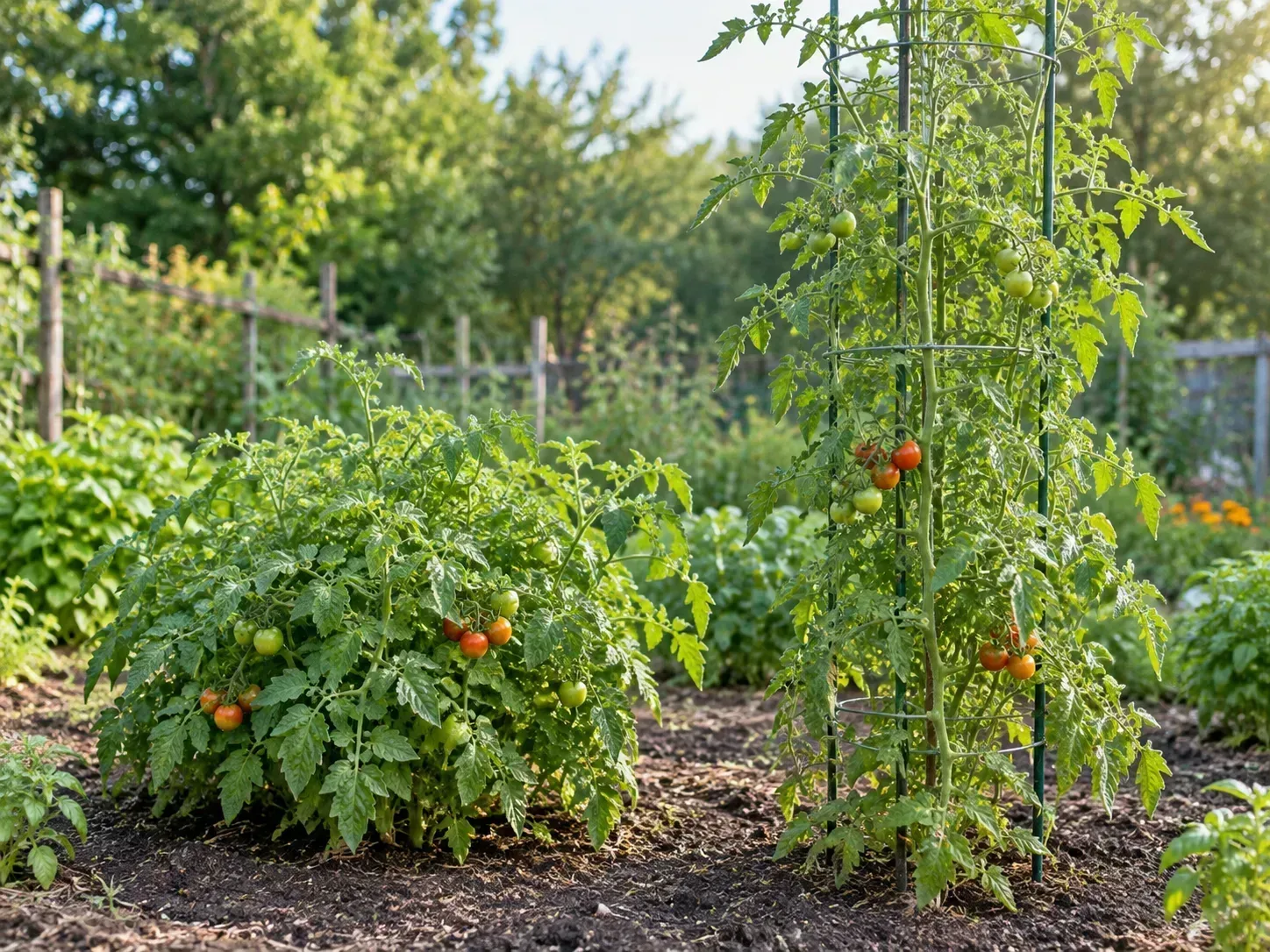
A Pink Brandywine vine can outgrow a short stake, and the fruit can strain weak ties or cage wires. Use a stake roughly six to eight feet tall, anchored firmly, or a tall, heavy-duty cage made for indeterminate tomatoes. A single bamboo stake may work for a compact plant, but a broad fruiting vine is easier to manage with a sturdy post, a tall trellis, or a strong cage with enough width to hold lateral branches.
Tie the main stem loosely with soft garden tape or cloth, making a figure eight around the support and stem so the tie does not rub the plant as it thickens. Add ties every foot or so as growth extends. Support fruiting side branches before they bend; if a cluster is exceptionally heavy, a loose sling can reduce the chance that the branch splits at its junction. Check ties after storms and as fruit enlarges, loosening anything that bites into the stem.
A cage gives a less-pruned plant room to branch, while a stake or string system works better when you want one or two leaders. The University of Minnesota Extension recommends staking and tying tomato plants to help foliage dry and reduce the conditions that favor leaf-spot diseases. Choose the support that you can maintain consistently, not the one that looks simplest on planting day. (UMN Extension on tomato leaf spots)
Water for Steady Growth and Fewer Cracks
Aim for consistent moisture through the root zone, adjusting frequency for rainfall, soil texture, temperature, and plant size. A common general benchmark is roughly an inch of water per week, including rain, but it is not a fixed prescription: sandy beds, heat waves, and large plants may need more frequent soaking, while clay soil can stay wet longer. Check the soil several inches down. If it is dry there, water slowly at the base until the root zone is moist; if it is still damp, wait and check again.
Water deeply rather than giving a quick daily sprinkle. Drip irrigation or a soaker hose keeps foliage drier than overhead watering and helps water reach roots. Mulch the soil after it warms to buffer the wet-dry cycle. Container-grown tomatoes dry much faster than in-ground plants, so check pots daily in hot weather and water until some drains from the bottom; do not let a pot sit in a saucer of water.
Large beefsteak fruit is especially vulnerable to cracking after a dry spell followed by heavy rain or a sudden, deep watering. Consistent soil moisture cannot prevent every crack, because rain and cultivar traits matter, but it reduces the abrupt change that causes fruit to swell faster than the skin can expand. Pick fruit showing its first color before a forecast downpour, and harvest cracked fruit promptly if it is otherwise sound. (Epic Gardening’s practical guidance for growing tomatoes; RHS tomato-growing guide)
Feed Based on Soil and Growth
Start with soil condition, not a fertilizer label that promises the biggest harvest. Compost can improve soil structure, and a soil test can show whether phosphorus, potassium, or pH needs correction. If the soil is already fertile, extra feeding may be unnecessary. If you do fertilize, follow the product label and choose a tomato or vegetable fertilizer with a balanced or moderately lower nitrogen level rather than repeatedly applying a high-nitrogen lawn product.
Container plants have a smaller nutrient reserve and are watered more often, so nutrients can leach out. Once the first fruits begin to swell, a complete tomato fertilizer used at the label rate can help sustain growth; the RHS advises feeding container tomatoes with a high-potassium liquid fertilizer at regular intervals after fruit begins swelling. Do not stack liquid feed, granular fertilizer, compost tea, and homemade amendments at once. Use one plan, watch the plant, and adjust only when there is a clear reason.
A lush plant with few flowers does not automatically need more phosphorus or potassium. Excess nitrogen, crowded shade, heat, cold, or moisture stress can all limit fruiting, and leaf color alone cannot diagnose a nutrient deficiency. If growth is vigorous but fruit set is poor, check light, watering, temperature, and spacing before adding fertilizer. Overfeeding can burn roots, increase foliage, and make a difficult plant harder to manage.
Manage Heat, Flowers, and Fruit Set
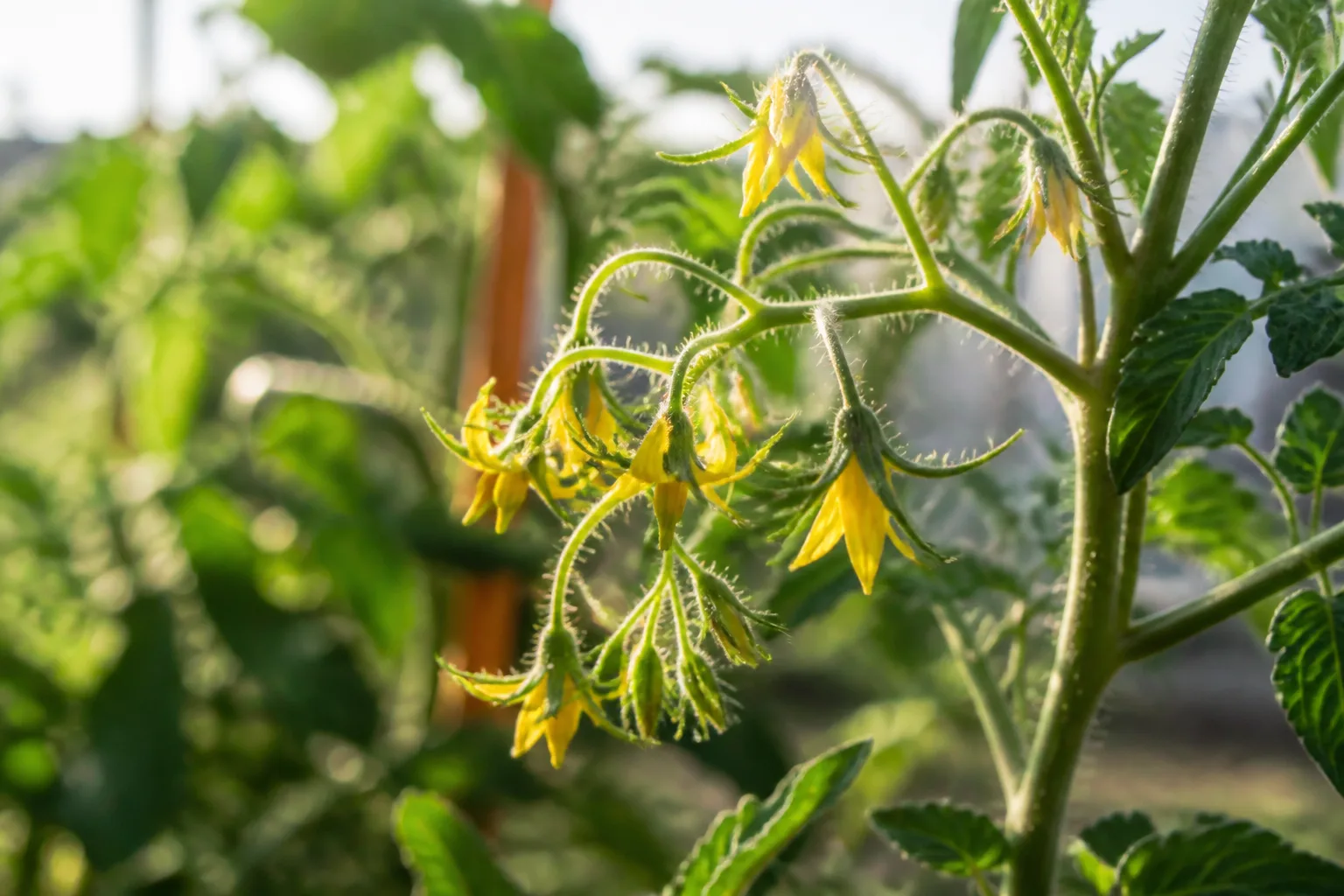
Tomato flowers can fail to set fruit when temperatures swing beyond the plant’s comfortable range, when the root zone dries out, or when conditions interfere with pollen movement. A few dropped blossoms during a heat wave do not mean the plant is permanently sterile. Maintain even moisture, avoid a sudden pruning or fertilizer push, and wait for a cooler stretch; new flowers may set once conditions improve.
Tomatoes are self-fertile, but pollen still has to move inside each flower. Outdoor breeze usually provides enough vibration. In a greenhouse or still sheltered corner, open vents for airflow and lightly tap flower clusters when blooms are open. The RHS recommends ventilation and gentle tapping to aid pollination under cover. Avoid routinely spraying open flowers with water; do not confuse high humidity with the steady soil moisture roots need.
Pink Brandywine’s slow season makes fruit set timing important. If the plant is flowering but not setting, note whether the flowers are dropping, whether the weather is unusually hot or cold, and whether the soil is drying sharply between waterings. Correct the limiting condition you can control, then give the next flower clusters time. Spraying pesticides on open flowers can harm pollinators, and adding fertilizer will not solve a temperature problem.
Prune with a Clear Goal
Pruning is optional; it is a way to manage a vigorous indeterminate vine, not a requirement for tomatoes to produce fruit. If you want a narrow, accessible plant on a stake or string, train one main stem and remove small suckers—the shoots that emerge in the angle between a leaf and the main stem—while they are easy to pinch off. A two-stem system keeps one strong sucker below the first flower cluster and removes most others. Both approaches trade some potential branches and fruit clusters for easier tying, airflow, and harvest.
If you use a large cage, you can leave more stems and prune lightly. Do not strip a plant bare: leaves shade fruit, power growth, and protect tomatoes from sunscald. Remove leaves touching the soil, leaves that are clearly diseased, and only the amount of healthy growth needed to keep the plant manageable. Use clean pruners, and avoid working on wet foliage when leaf diseases are present.
Late in the season, topping is optional. If frost is approaching and the plant has many small fruits unlikely to mature, removing the growing tip can redirect growth toward existing fruit, but it cannot make a green tomato ripen instantly. Keep enough healthy leaves to support ripening and stop pruning if the plant is stressed. For more on the stake-versus-cage choice, see tomato staking tips and how to choose tomato cages.
Grow Pink Brandywine in a Container
A container can work if it is large, stable, and drains freely. Choose a pot around 15 to 20 gallons or larger, ideally at least 18 inches wide and deep, with several unobstructed drainage holes. A smaller pot may keep a plant alive, but it dries quickly, restricts roots, and makes it harder to support a tall vine carrying heavy beefsteaks. Use fresh potting mix made for containers rather than dense garden soil, which can compact and drain poorly in a pot.
Place the support before or during planting, fill the container without packing the mix hard, and water thoroughly after transplanting. Set the pot where it receives plenty of direct sun and where you can reach it to tie stems and check moisture. A wheeled base can help you move a large container, but moving a mature, top-heavy plant becomes risky; choose the location before the vine gets tall.
Check moisture daily during hot or windy weather. If water rushes through a very dry mix, soak the pot slowly in two passes so the root ball rehydrates evenly. Feed according to a single container-tomato fertilizer program because regular irrigation can wash nutrients out. A pot can reduce soil-borne disease risk, but it does not prevent leaf spots, cracking, blossom-end rot, or heat-related flower drop. For more container details, see tips for growing tomatoes in containers.
Spot Harvest Readiness and Pick Gently
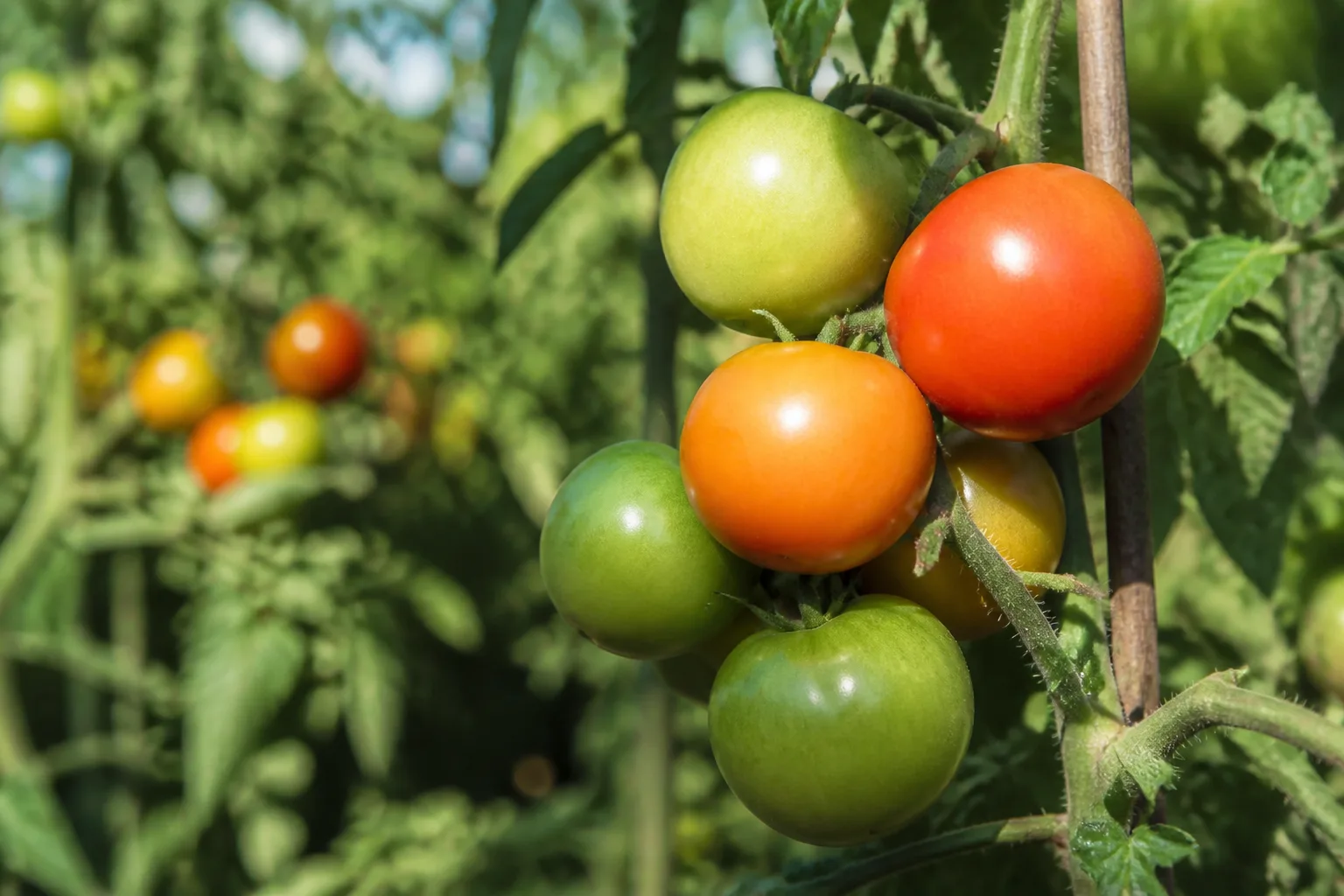
Pink Brandywine is ready when the fruit has developed its mature rose-pink color, feels slightly yielding under gentle pressure, and comes away without a hard pull. A green shoulder can persist on some fruit, so do not wait for every patch near the stem to turn pink if the rest is colored and the fruit is softening. The days-to-maturity number on a packet is an estimate, often counted from transplanting, and weather and strain can shift the actual harvest date.
Check the vine every couple of days as fruit begins to color. Cut the stem with clean snips or lift and twist carefully while supporting the branch with your other hand; do not yank a large tomato from its cluster. The fruit can be heavy and the stem junction may tear. Harvest ripe fruit before prolonged rain or cracking, and bring any nearly ripe fruit inside if a storm is likely.
If frost is coming, pick mature green fruit that has reached full size and let it finish ripening indoors in a warm, shaded place. Do not put unripe tomatoes in direct sun, where fruit can overheat rather than ripen evenly. Store fully ripe tomatoes at room temperature for best texture and flavor, and use very soft or damaged fruit first. (RHS tomato-growing guide)
Troubleshoot Cracks, Blossom-End Rot, and Misshapen Fruit
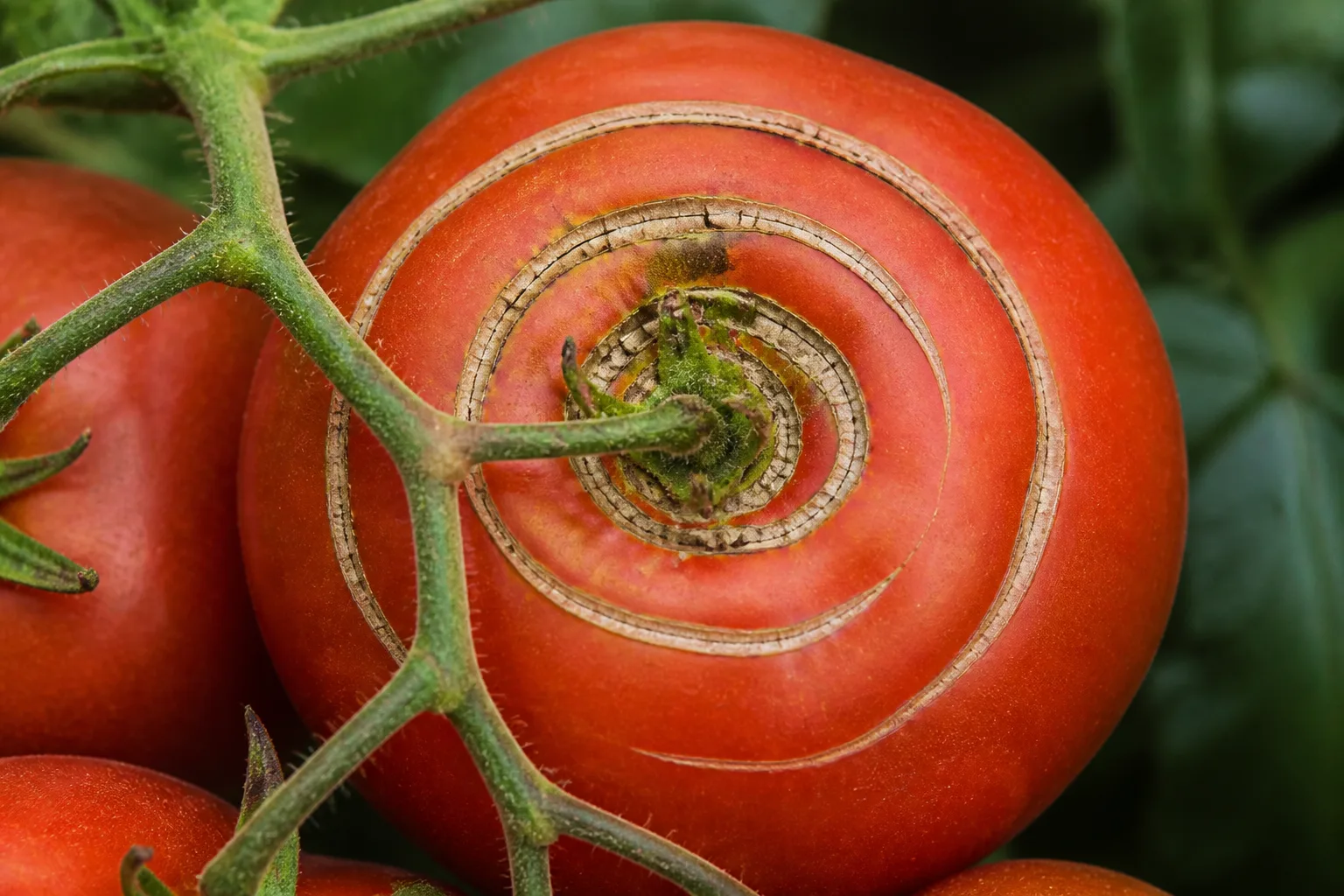
Cracks that radiate from the stem or form rings around the shoulder often follow a sudden water uptake after dry soil. Keep moisture more even with mulch and deep, measured watering, then harvest fruit as it colors before heavy rain. A small fresh crack is different from a soft, leaking, moldy, or foul-smelling fruit; discard fruit with decay rather than trying to store it. Some Brandywine strains crack readily, so prevention lowers risk but does not eliminate it.
Blossom-end rot appears as a dark, sunken patch at the blossom end of young fruit. It is a physiological disorder associated with poor calcium delivery to developing fruit, often when moisture is inconsistent or roots are stressed; it does not automatically mean the soil lacks calcium. Keep watering steady, mulch, avoid damaging roots with deep cultivation, and test soil before adding lime or calcium. Affected fruit will not heal, but later fruit may develop normally once the growing conditions improve. See why tomatoes turn black on the bottom for more diagnosis.
Catfacing produces misshapen, puckered fruit, often after cool conditions during flower formation. It is unattractive but does not mean the whole plant is diseased. Blossom drop means flowers dry and fall without setting fruit; check heat, cold nights, water stress, and airflow before reaching for fertilizer. Give the plant steady care and wait for new blooms under better conditions. The first priority is to identify whether the issue affects one fruit, one flower cluster, or the whole plant.
Prevent Leaf Diseases and Common Pests
Inspect leaves weekly, especially the lower foliage after rain. Early blight often starts on older leaves with brown lesions that develop concentric rings; Septoria leaf spot usually creates many smaller spots, sometimes with pale or tan centers. These patterns can overlap, so do not identify a disease from one yellow leaf alone. The University of Minnesota Extension explains that leaf-spot pathogens spread in splash and wet foliage, and recommends staking, tying, weeding, mulching, and crop rotation as ways to reduce disease pressure. (UMN Extension tomato leaf-spot guidance)
Water at soil level, keep foliage off the ground, remove badly diseased leaves when plants are dry, and avoid handling healthy plants immediately after infected ones. Rotate tomatoes and related nightshades to a different bed for two to three years when disease is recurring; remove old crop debris at the end of the season. If spots spread rapidly, affect stems or fruit, or you are considering a pesticide, seek local extension diagnosis and follow the product label. Similar-looking symptoms can have different causes and treatments.
Look beneath leaves and along stems for aphids, caterpillars such as tomato hornworms, and feeding damage. Handpick large caterpillars when practical, and protect beneficial insects by avoiding unnecessary broad-spectrum sprays. A plant that wilts only in the afternoon may be reacting to heat; a plant that stays wilted in moist soil deserves closer inspection of roots and stems. Use the pattern and progression of symptoms—not just one clue—to decide whether the issue is water stress, heat, insects, or disease.
Save Seeds and Finish the Season
Pink Brandywine is generally sold as an open-pollinated heirloom, which makes seed saving possible when the seed source confirms the variety is not an F1 hybrid. Select fruit from a healthy, productive plant that matches the traits you want, not the first fruit if it is misshapen or damaged. Tomato flowers mostly self-pollinate, but insects can occasionally move pollen between varieties; if keeping a strain true matters, isolate or bag a flower cluster before it opens and label it.
To save seed, scoop seed and gel from a fully ripe tomato into a small jar, add a little water, and let it ferment for a short period until the gel loosens. Rinse away pulp, keep the seeds that settle, and dry them completely in a single layer before storing in a labeled, cool, dark, dry place. Seed Savers Exchange explains that wet-fruited crops such as tomatoes need the pulp removed and that tomato seed can be fermented before rinsing. (Seed Savers Exchange seed-saving guide; Seed Savers Exchange isolation methods)
Treat Pink Brandywine as an annual in most gardens. Cold kills the plant, and overwintering a large tomato indoors is usually less practical than starting fresh seed. Before frost, harvest remaining full-size green fruit, remove the old vine, and clear diseased debris rather than leaving it in the bed. Note which support, watering rhythm, and strain produced the best fruit; those observations make next year’s planting plan more useful than trying to force the same plant through winter.
Conclusion
Give Pink Brandywine a long, sunny season, reliable root-zone moisture, generous spacing, and support strong enough for a vigorous indeterminate vine. Prune only to fit the support system, feed according to soil and container needs, and judge ripeness by color and feel rather than the calendar alone. The plant may not produce as many tomatoes as a high-yield hybrid, and weather can still cause cracking or blossom drop, but steady care gives its large, flavorful fruit the best chance to mature well.