How to Propagate a Money Tree
How to propagate a money tree step by step: choose firm stems with nodes, root in water or mix, move cuttings to soil safely, and care for new plants.
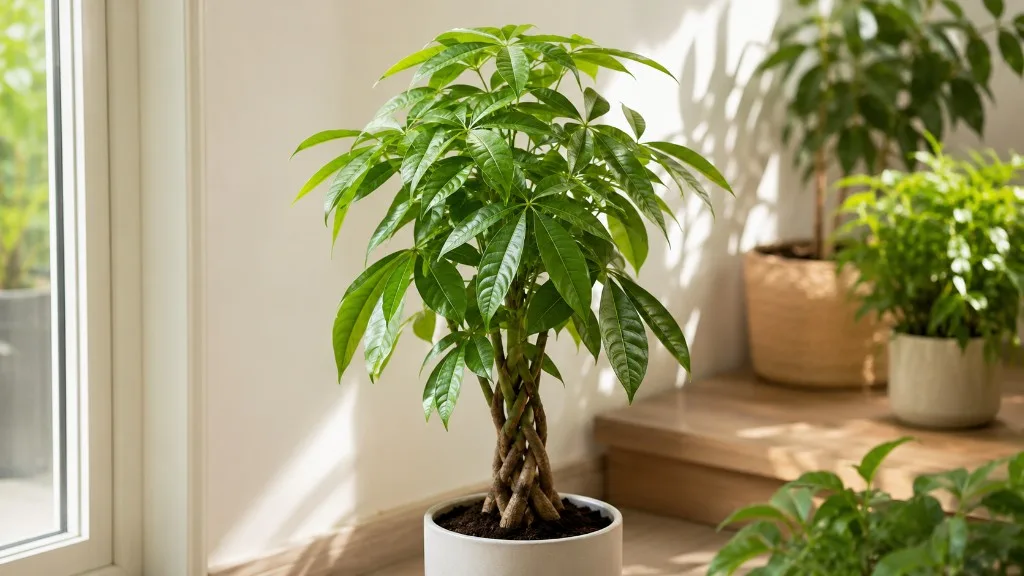
Money tree propagation turns a healthy Pachira aquatica into new plants through stem cuttings, air layering, or—rarely indoors—seed. Unlike pothos or spider plants, money trees are woody stems with palmately compound leaves, and they root on a slow timeline that can stretch from four weeks to three months even when you do everything right. This guide shows you where to cut on compound-leaf stems, how to choose between water and soil, how to move water-rooted cuttings without shock, and how to propagate braided specimens without unraveling the trunk.
The parent plant must be firm and actively growing before you take material. Propagation from a tree with a soft braid base, active root rot, or heavy pest load simply clones those problems. If your specimen is struggling, stabilize it first using the Money Tree overview and relevant problem guides—then return when new whorls look clean and the trunk wood feels solid.
What You Need to Know Before You Cut
Pachira aquatica is a broadleaf tree native to Central and South American wetlands. NC State Extension lists softwood cuttings, layering, and seed as the recommended propagation strategies. Indoors, stem cuttings are the practical default; seed is uncommon because braided houseplants rarely flower or fruit in ordinary room conditions.
You cannot propagate money tree from a single leaflet. Each compound leaf is one petiole topped by five to nine glossy leaflets, but roots form at stem nodes—the slightly swollen joints where petioles attach to the woody stem. A severed leaflet may stay green for weeks yet will never produce a plant.
Why Money Trees Root More Slowly Than Trendy Houseplants
Money tree cuttings lack the instant rooting speed of soft-stemmed vines because the stem is woody and stores water. That stored moisture helps cuttings survive weeks without roots, but it also means cell division at the wound site happens gradually. Expect visible roots in four to eight weeks under warm, bright conditions—and sometimes ten to twelve weeks in cooler or dimmer homes.
Here is the drainage paradox that causes most propagation failures: the species evolved in flood zones, yet standing water is not tolerated in containers and triggers rot. A propagation jar or small pot holds moisture against stem tissue with limited oxygen. Weekly water changes, airy mix, and never submerging leaf tissue are not optional extras—they are how you keep cuttings alive while they decide to root.
Best Time to Propagate a Money Tree
The best window is spring through early summer, when the plant pushes new compound leaves and ambient indoor warmth supports wound healing. Align propagation with active growth months rather than a calendar date alone—if your tree is flushing fresh whorls and the trunk feels firm, timing is right.
Stems removed during spring pruning make excellent cutting material when segments carry two or three nodes and green, flexible bark. Take cuttings in the morning from a well-watered parent so stems start fully hydrated.
Spring and Summer vs. Fall and Winter
Fall and winter propagation can work in warm, bright rooms, but heating vents, short days, and dry air slow rooting and increase rot risk. If you must propagate off-season, add a clear humidity cover, keep temperatures above 65°F (18°C), and accept a longer wait before roots appear.
Avoid propagating during a pest outbreak, after repotting shock, or while the parent is recovering from yellow leaves tied to wet soil. Healthy tissue roots; stressed tissue rots.
Tools and Materials Checklist
Gather supplies before cutting so stems do not dry on the counter:
- Sharp bypass pruners or a grafting knife, wiped with rubbing alcohol
- Clear glass jar (water method) or small pot with drainage holes (mix method)
- Fresh room-temperature water or moist propagation mix—roughly equal parts peat or coco coir and perlite, matching the Money Tree soil guide balance of retention and drainage
- Optional rooting hormone (IBA powder) for mix-rooted cuttings on thick woody sections
- Bright indirect light—an east window or filtered south/west exposure per Money Tree light needs
- Clear plastic bag or humidity dome for soil-rooted cuttings and post-pot-up transitions
- Sphagnum moss and plastic wrap if you plan air layering on a thick stem above the braid
How to Take a Money Tree Stem Cutting

Work through these steps in order. Skipping node identification or leaving lower leaflets submerged is the most common reason cuttings rot before they root.
Select a lateral stem or the top portion of an upright branch with firm green bark and at least two usable nodes. Make a clean cut just below the lowest node you want submerged, using a 45-degree angle to expose more cambium surface. Target a cutting 4 to 6 inches (10 to 15 cm) long with two or three nodes total.
Remove lower leaflets and petioles so nothing but bare stem sits below the waterline or soil surface. Leave one upper whorl of compound leaves if possible—they feed the cutting through photosynthesis while roots form.
Finding the Node on Compound Leaf Stems
On Pachira, trace each compound leaf back to where its petiole meets the trunk. The node sits at that junction—a slight ridge or ring on the stem, not at the leaflet tips. Roots emerge from nodes and from the cambium just above them; internode sections without nodes will not root reliably.
If you are unsure, choose a stem with visible leaf scars along the lower portion. Those scars mark past nodes. Your cut should sit directly beneath the lowest scar you plan to submerge, with at least one additional node above the water or soil line for backup.
Cutting Braided Trunks Without Destroying the Braid
Most store-bought money trees are multiple seedlings braided together while young. You can propagate from one stem without dismantling the braid if you follow two rules: cut only individual stems above the fused braid line, and never remove every stem at once.
Select an outer stem with firm bark and usable nodes. Remove it above the braid for propagation while leaving the remaining braided stems intact to keep photosynthesizing. Do not slice through the braided section itself—the fused tissue will not heal cleanly and the parent display will collapse.
For a deeper cut-by-cut walkthrough on compound stems and air layering, see the dedicated Money Tree propagation guide on LeafyPixels. This page focuses on the method decisions most readers search for first.
Propagate a Money Tree in Water
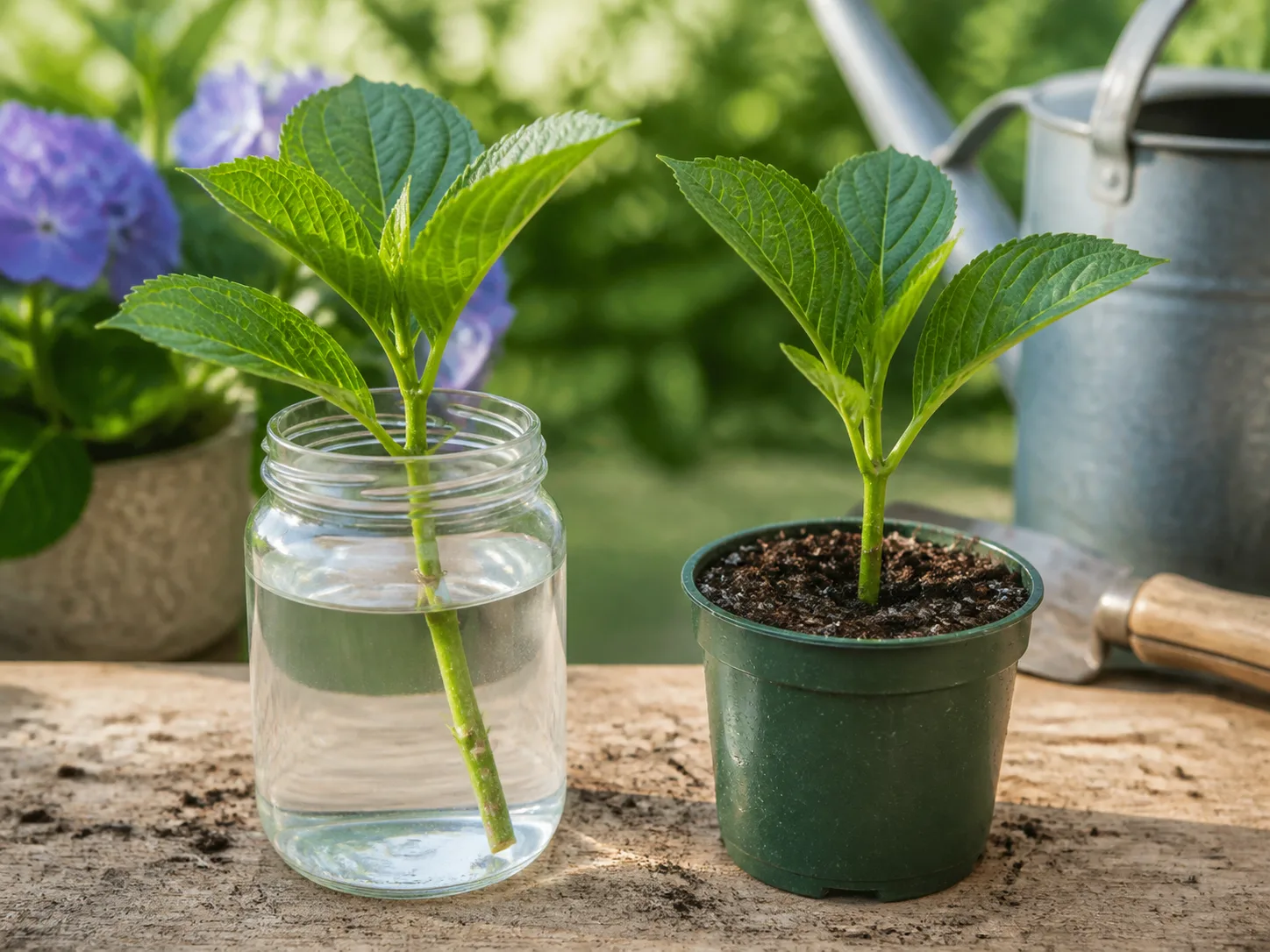
Water propagation is the most popular home method because you can watch roots form in a clear jar. It works well for money trees when you manage oxygen and keep leaf tissue dry. The trade-off is a water-to-soil transition that can shock fragile new roots if rushed.
Fill a small glass with room-temperature water. Filtered or dechlorinated tap water (left out 24 hours) reduces leaf-tip burn on sensitive new roots. Submerge two bare nodes completely while keeping all leaflets above the waterline.
Place the jar in bright indirect light—never direct sun, which heats the water and encourages algae. Change the water every five to seven days to maintain oxygen and limit bacterial buildup. Top up if levels drop, but do not let evaporation expose previously submerged nodes to dry air for long periods.
Setting Up the Jar Correctly
Use a vessel narrow enough that the cutting stays upright without crushing the stem. Wide bowls let cuttings slump so leaflets dip into water and decay. A 4-inch bud vase or spice jar often fits better than a wide mason jar.
Optional liquid rooting hormone added at label-diluted strength may speed initiation on slow woody stems, but clean water and fresh changes matter more than product choice. Avoid dark containers—you need to see whether roots or rot is winning.
Patience is part of the setup. Money tree cuttings commonly show no visible roots for three to five weeks even when healthy. Firm green stem and perky upper leaflets mean the cutting is still viable; mushy brown stem base means discard and restart.
When Roots Are Ready for Soil
Move the cutting when roots reach 2 to 3 inches (5 to 8 cm) long and look white or cream, not brown or slimy. Shorter roots often tear off during potting; much longer water roots may tangle and break.
Use a small pot with drainage and pre-moistened, well-draining mix—the same philosophy as the Money Tree soil guide. Create a hole deep enough to bury roots without forcing them upward. Hold the stem steady and backfill gently so air pockets do not leave roots suspended in voids.
For the first two to three weeks after potting, keep mix evenly moist but not soggy and cover the plant with a clear bag propped on stakes so plastic does not touch leaflets. This humidity bridge eases the jump from water to soil. Gradually open the cover over a week as new growth appears, then shift to the normal watering rhythm—water when the top 1 to 2 inches of mix dry out.
Propagate a Money Tree Directly in Soil
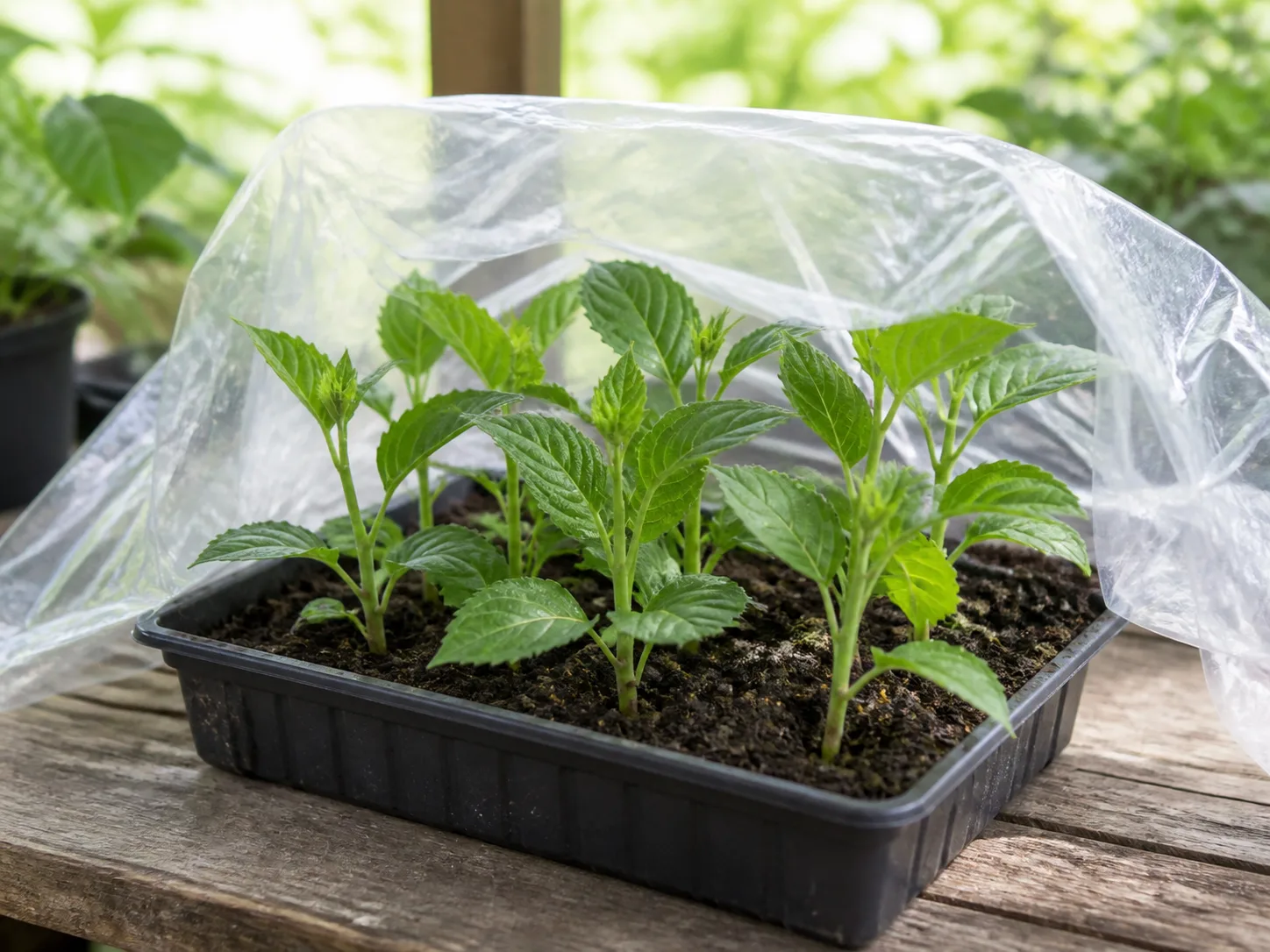
Direct soil rooting skips the water transition and often produces sturdier roots on woody stems, at the cost of less visibility. The RHS notes semi-ripe cuttings and air-layering as standard routes for Pachira—soil fits that semi-ripe profile when stems are firm yet still green.
Prepare the same 4- to 6-inch cutting with two or three nodes and stripped lower leaves. Dip the cut end in optional rooting hormone powder if the stem is thick or you are propagating off-season.
Mix, Hormone, and Humidity Cover
Fill a small pot with moist, airy propagation mix: equal parts peat or coco coir and perlite works well. Insert the cutting so two nodes sit below the surface and one node remains above with leaves attached. Firm mix around the stem without compacting it into a wet brick.
Water lightly to settle mix, then cover with a clear plastic bag or dome vented slightly at one corner. Bright indirect light and 65–75°F (18–24°C) temperatures support rooting. Check moisture every few days—mix should feel like a wrung-out sponge, never saturated.
Test for roots after four weeks with a gentle tug: slight resistance suggests roots anchoring. New leaflet growth is a secondary sign, but tug resistance is more reliable than leaves alone on slow-rooting cuttings. Full rooting often takes six to eight weeks; cool homes may need ten.
Once rooted, remove the humidity cover gradually over several days. Treat the young plant as a small money tree: bright indirect light, moderate humidity, and watering when the top inch of mix dries.
Air Layering for Thick Woody Stems
Air layering helps when stems above the braid are too woody for easy water rooting but you hesitate to remove them entirely. The branch stays attached to the parent while roots form in a moss wrap, which supplies moisture without drowning the cambium.
Choose a healthy stem 6 to 12 inches below a node. Make a shallow 1-inch upward slit through bark to cambium, or scrape a narrow ring of bark. Pack moist sphagnum moss around the wound and wrap with plastic film, tying above and below so moss stays damp but not dripping.
Check moss weekly and mist if it lightens. When roots fill the moss (six to ten weeks typical), cut below the rooted zone and pot the new plant in well-draining mix. Air layering is slower than water cuttings but preserves parent shape better than removing large top sections outright.
Growing Money Tree from Seed
Seed propagation is realistic only if you obtain fresh seed from a mature outdoor tree or purchased seed pods. Indoor braided money trees will not flower or set seed under normal room conditions, so most houseplant owners will never see pods.
If you do have seed, sow half an inch deep in moist, well-draining mix—one seed per small pot. Keep warm (70–75°F / 21–24°C) and bright. Germination can take several weeks. NC State notes that seeds may contain cyclopropenoid fatty acids with conflicting edibility reports; treat seeds as potentially toxic and avoid ingestion or pet access during germination trials.
Seed-grown plants develop single unbraided trunks unless you braid young seedlings yourself—a multi-year project unrelated to everyday propagation goals.
After Propagation: First Six Weeks of Care
Newly rooted money trees are not finished houseplants on day one. They need a gradual shift from propagation humidity to normal room air while roots expand into fresh mix.
Keep bright indirect light and avoid fertilizer until you see two new compound leaves or clear active growth—usually four to six weeks after potting. Early feeding can burn roots still adapting to soil volume.
Maintain moderate humidity (roughly 50% or higher) without misting leaflets constantly; a pebble tray or grouped plants works better than overhead spray that invites fungal spotting. Match long-term care to the Money Tree watering and light guides as the plant matures.
Repot into a slightly larger container only when roots circle the pot—often six to twelve months after successful propagation, not immediately after rooting.
Troubleshooting Failed Cuttings
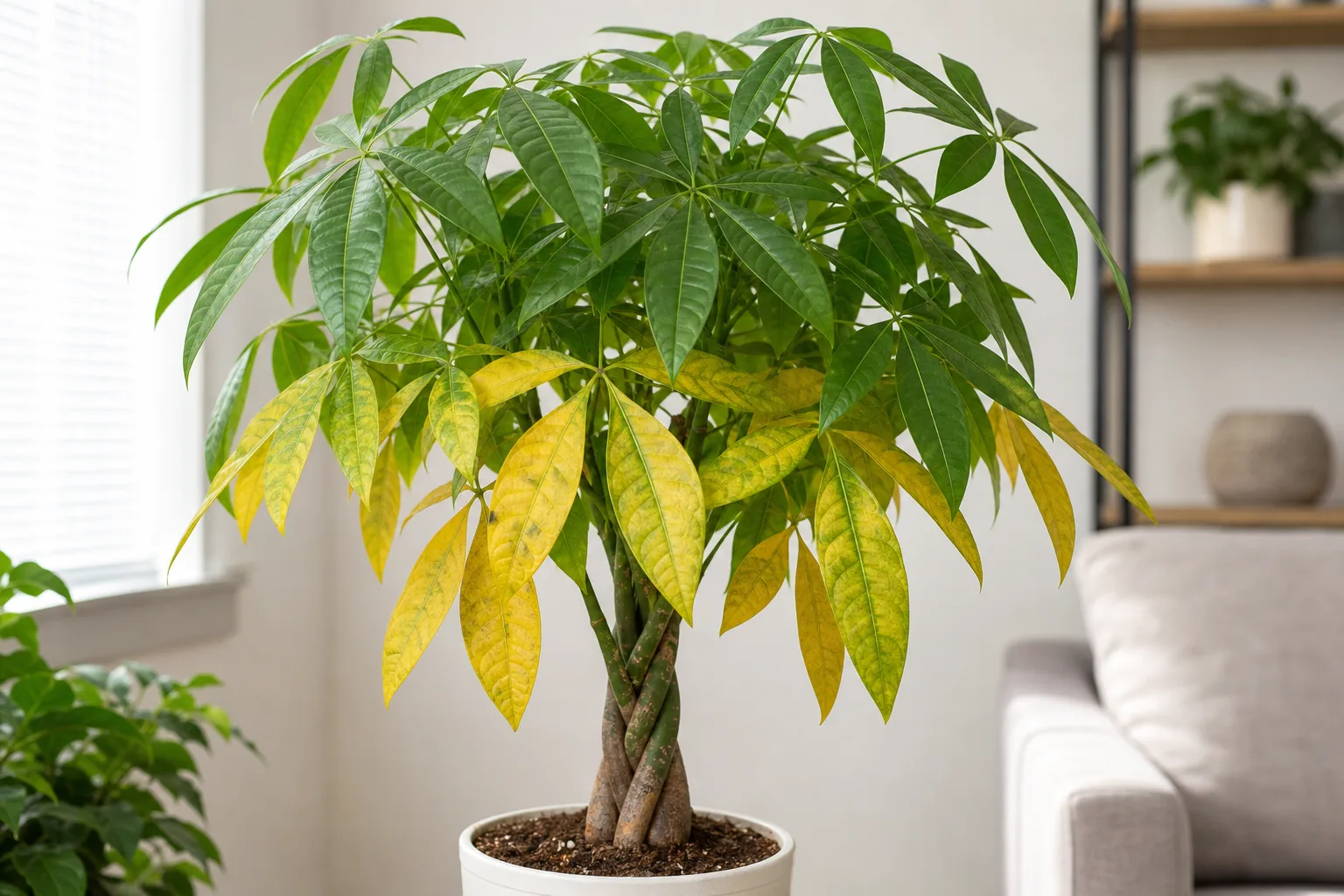
Most failed money tree cuttings trace back to stale water, submerged leaves, weak parent tissue, or impatience—not mysterious bad luck. Use this quick diagnostic before starting over.
| Symptom | Likely cause | First fix |
|---|---|---|
| Mushy stem base in water | Bacteria, submerged leaves, or cold/dim conditions | Discard cutting; sterilize jar; take fresh material from firm parent |
| Firm stem, no roots after 8+ weeks (warm, bright setup) | Normal slow timeline or weak node choice | Wait two more weeks if stem stays firm; otherwise re-cut below a fresh node |
| Yellow lower leaflets, firm stem | Normal leaf senescence while rooting | Remove yellow leaflets; do not increase water |
| Whole cutting limp and yellow | Parent was stressed, or cutting dehydrated | Discard; stabilize parent before retrying |
| Roots in water, collapse after potting | Skipped humidity bridge or overwatered mix | Re-cover with vented bag; let top inch dry before re-watering |
Yellow Leaves, Rot, and No Roots After Eight Weeks
Yellow leaflets on an otherwise firm cutting often mean the lower whorl is sacrificing itself while the stem redirects energy to roots. Trim spent leaflets and keep conditions stable. If every whorl yellows at once or the stem softens, rot has started—discard the cutting and review water freshness, node submersion depth, and parent health.
Cuttings that stay green for ten to twelve weeks without roots in a warm, bright setup may still succeed if the stem remains firm. Re-cut one-quarter inch above the lowest node to expose fresh cambium, refresh water or mix, and wait another cycle. If the stem shrivels or smells sour, the attempt is finished.
For parent-plant yellowing unrelated to propagation, see Money Tree yellow leaves: causes and fixes.
Conclusion
Propagating a money tree rewards patience more than gadgetry. Choose firm stems with two or three clear nodes, propagate in spring or early summer when possible, and pick water for visibility or soil for sturdier long-term roots. Move water-rooted cuttings only when roots reach 2 to 3 inches, bridge humidity during the first weeks in mix, and treat slow progress as normal until eight to twelve weeks have passed in a warm, bright setup.
Braided specimens need single-stem cuts above the braid, air layering solves thick woody sections without stripping the display, and seed remains a rare outdoor curiosity—not a typical indoor path. With clean tools, fresh water or airy mix, and realistic timelines, you can turn one healthy Pachira aquatica into additional plants to keep or share without gambling the parent tree.