How to Get Rid of Spiders in a Garage: 5 Safe Steps
Find spiders in the garage? Remove webs and egg sacs safely, seal door gaps, reduce insect prey, and use traps or pesticides only when they make sense.
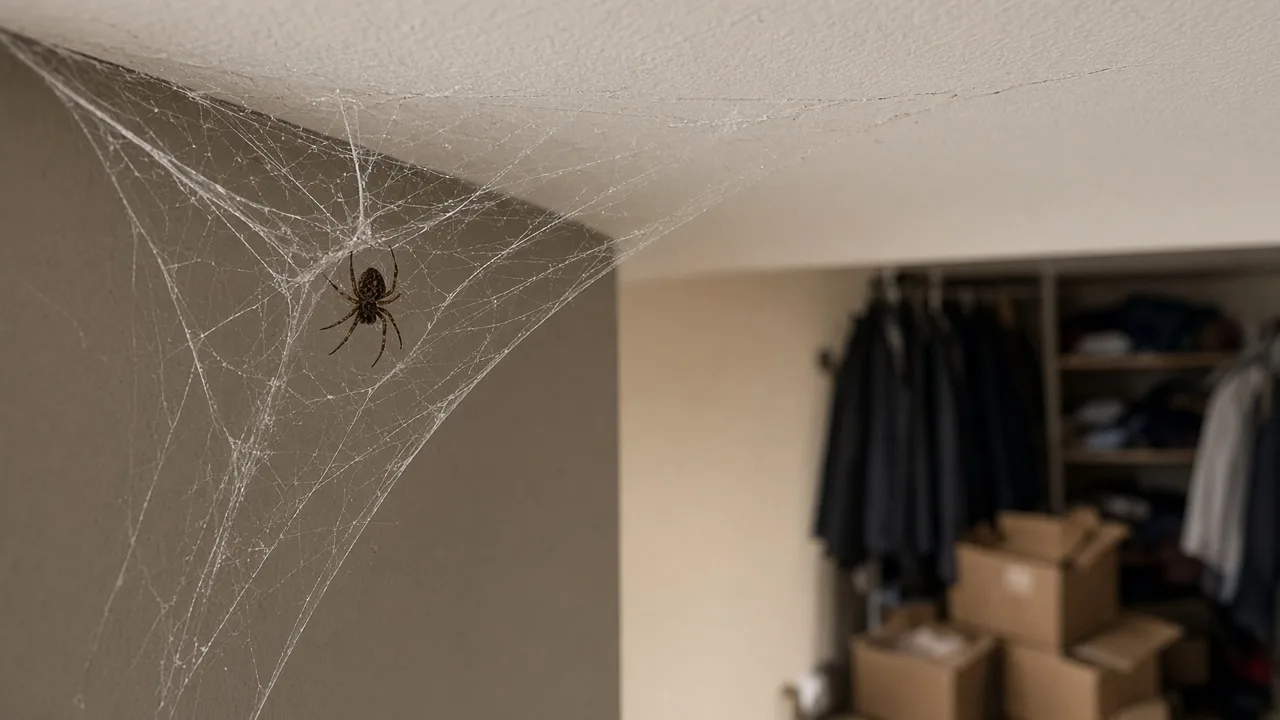
To get rid of spiders in a garage, vacuum the spiders, webs, and visible egg sacs, then make the space less useful to the next spider: reduce hiding places, close entry gaps, and cut the insects gathering near the door. Sticky traps can show whether activity continues; a pesticide is usually a later, targeted choice rather than the first move.
A garage offers quiet corners, shelving, stored boxes, and often an easy supply of insects drawn to nearby lights. That combination explains why a web can return to the same ceiling joint or shelf even after you sweep it away. The lasting fix is to clean the web site and change the conditions around it, not to spray every wall.
Spiders are arachnids, not insects, and many are useful predators outdoors. UC Integrated Pest Management (UC IPM) recommends focusing control on webs and hiding places, with pesticides generally unnecessary for ordinary spider sightings UC IPM. The steps below help you protect the garage and attached home without treating every spider as a medical emergency.
Why spiders settle in a garage, and what to check first
Spiders stay where they can find shelter and prey. Garages often have both: undisturbed storage creates protected anchor points, while flying or crawling insects enter through doors, screens, vents, and utility gaps. A web beside a light may be positioned to catch insects, and a web behind boxes may simply be in a place nobody disturbs.
The location of the web is a useful clue. If sightings cluster near one exterior wall or the garage door, inspect that boundary and look for insect activity outside; if they cluster behind stored items, storage and cleaning are part of the fix. A spider roaming across the floor without a web may have entered by accident or be hunting, so removing one web will not solve that kind of sighting.
One spider or a repeating pattern?
Start by recording where and when you see spiders for a week. One spider on a door track is a removal task; fresh webs returning to one corner point to a stable anchor and likely prey; activity in several corners or repeated egg sacs deserves a wider inspection. Count locations and new webs rather than treating each old strand as evidence of a growing infestation.
This distinction prevents wasted effort. A garage with one dusty, abandoned web may need a quick vacuum and no pesticide; a garage with fresh silk, insects at night, and repeated activity at a door needs cleanup plus access and lighting changes. If the webs reappear after two or three cleanups, move from repeating the same sweep to inspecting the conditions that keep attracting spiders.
What the web and egg sac tell you
Most garage webs are irregular tangles in corners, along joists, behind shelves, or around stored equipment. A clean, maintained web may still be in use, while dust-covered silk is often old; either can be removed, but a newly rebuilt web gives you a better clue to a current route. A silk-covered ball or pocket may be an egg sac, though appearance alone is not enough to identify every spider or sac.
Do not identify a spider by color alone or assume a bite came from the spider you saw. Species and medical significance vary by region; UC IPM’s spider guidance is California-specific, and Penn State Extension’s common house spider profile describes one species rather than every spider found in a garage UC IPM and Penn State Extension. If a spider looks unfamiliar or could be medically important where you live, keep your distance and ask a local cooperative extension office or licensed pest professional to identify it from a clear photo.
Set up for a low-contact cleanup
Before moving storage, set out a flashlight, vacuum with a hose or wand, long-handled duster, gloves, closed-toe shoes, and a sealable trash bag. Put on long sleeves if you will be moving items that have sat undisturbed, and keep children and pets out of the work area until loose webs and dust are gone. The goal is to see and remove what is present without putting your hands into a dark gap.
Turn on the overhead light and use the flashlight to check high corners, the back of shelving, the door tracks, and the wall-floor edge. If the garage is dim, open the main door while you work only if you can keep the area secure and avoid drawing more insects in at night. Do not climb onto an unstable box or reach blindly behind a water heater, electrical panel, or stored vehicle parts; use a longer tool or leave an inaccessible site for a professional.
If you find a spider you do not recognize, do not try to trap it by hand for a closer look. Take a photo from a safe distance if it is easy to do so, then use a vacuum extension or ask for local identification. This is especially sensible before disturbing a dense web or egg sac tucked inside firewood, shoes, gloves, or a long-closed box.
1. Vacuum webs, spiders, and egg sacs
Vacuuming is the most controlled first step for webs and spiders within reach. Use the wand to lift the web from its outer edge toward the anchor, then vacuum loose silk, dead insects, and visible sacs in the immediate corner. UC IPM recommends regular sweeping and vacuuming in storage areas; it notes that a spider’s soft body usually does not survive passage through a vacuum hose UC IPM.
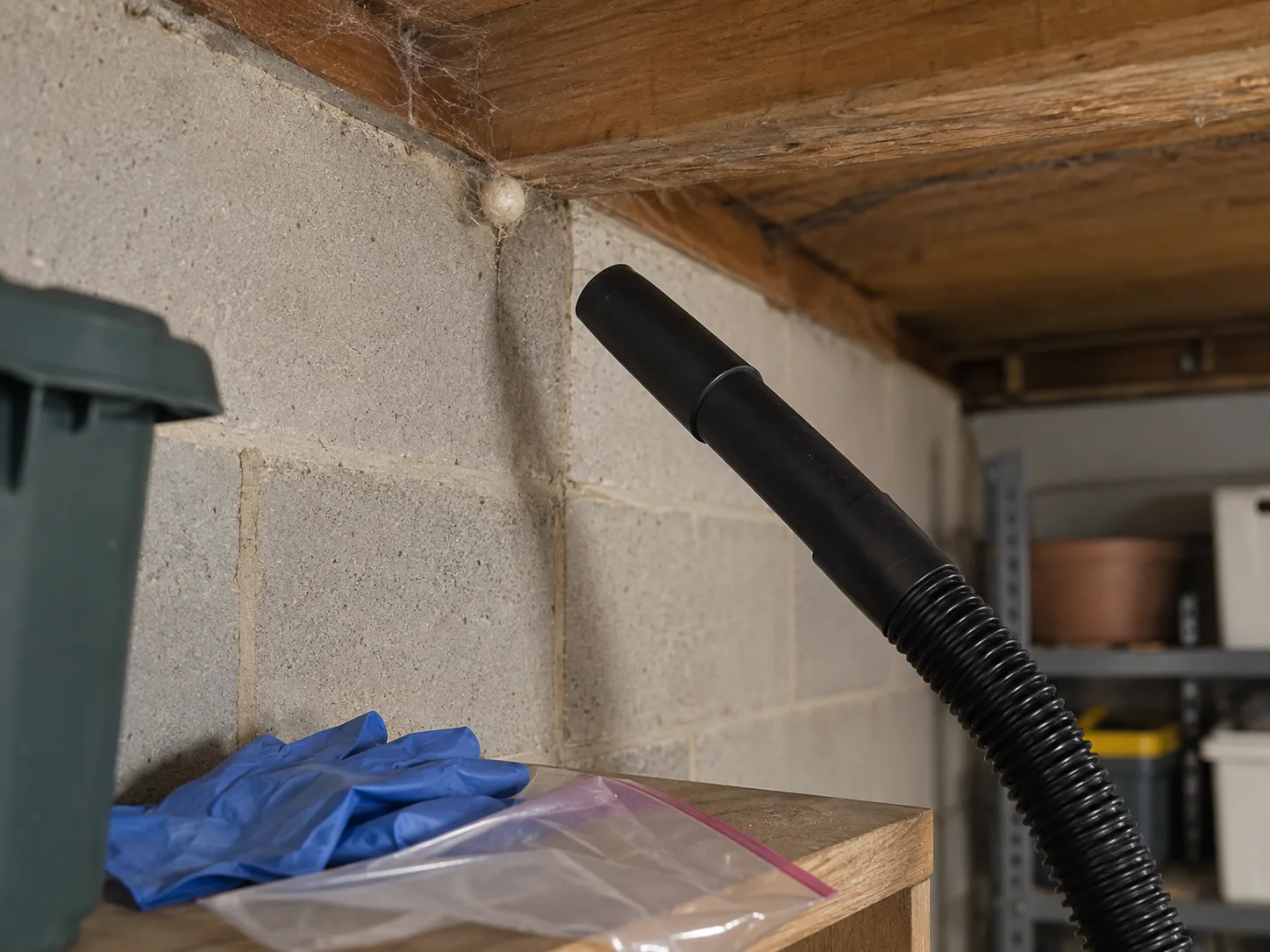
Do not assume one pass removes every spider or egg sac hidden behind stored items. Move objects one at a time, use the flashlight before placing your hand near a box or glove, and vacuum both the item’s resting spot and the wall behind it. If the vacuum has a bag, seal it before disposal; if it has a canister, empty it outdoors into a closed bag and follow the manufacturer’s cleaning instructions.
Check shelves, wall edges, and stored items
Work from the top of a shelf down so that loosened debris falls onto an area you have not cleaned yet. Check joist corners, ceiling-to-wall joints, the space behind the garage-door opener, window frames, light housings, the base of shelving, and the undersides of benches. Webs around a light deserve an extra look for moths, flies, or other prey that may be keeping the spider in that spot.
Shake out gloves, boots, tarps, and folded fabric outdoors before bringing them close to your body. If an item has been in a dark corner for months, place it on an open surface and inspect it from both sides instead of hugging it or reaching inside folds. This is a simple way to avoid surprising a spider while also spotting egg sacs that a ceiling-only cleanup would miss.
After the first cleanup, wipe the shelf or ledge with a damp cloth so fine dust and loose silk do not remain. Skip sprays that claim to dissolve webs unless the label specifically supports the use; the physical web and any visible sac still need to be removed. Recheck the cleaned area a few days later to see whether new silk appears.
2. Remove the shelter that lets spiders stay
Decluttering does not mean emptying the garage. It means making the floor, wall edges, and stored items accessible enough to inspect and clean. Cardboard, paper bags, stacked fabric, and unused equipment create quiet pockets where insects and spiders can hide, while piles against the wall make it hard to see a fresh web until it has been there for weeks.
Start with items that are already damaged, damp, or no longer needed. Break down empty boxes for recycling, remove leaf litter and webs from corners, and avoid keeping open food, pet food, or seed in thin paper packaging. Fix leaks and dry wet cardboard promptly; moisture does not attract every spider directly, but damp storage can support insects and degrade the material that provides shelter.
Replace box piles with inspectable storage
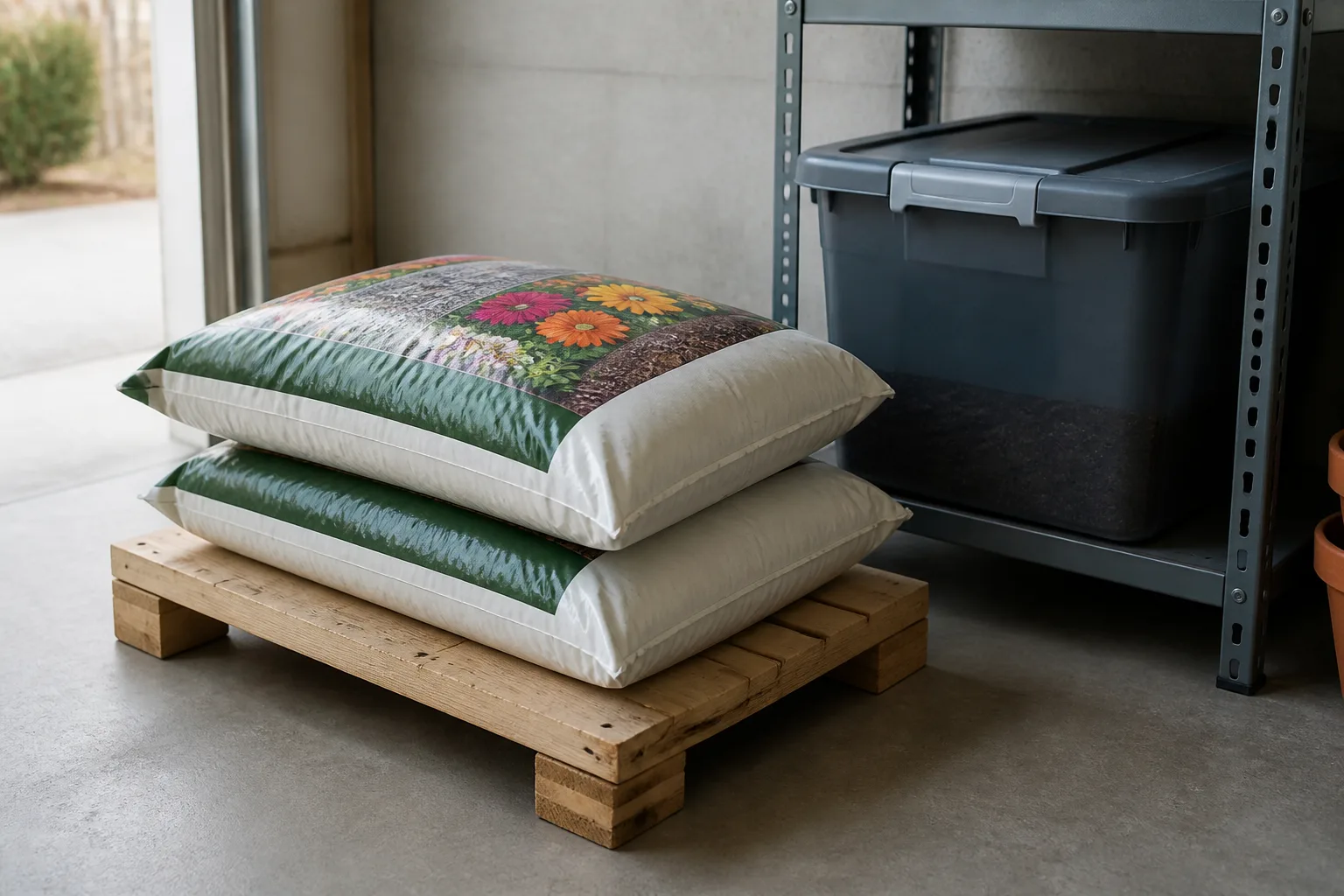
Move seasonal items into lidded, rigid containers and set containers on shelving or another raised surface when possible. Leave a narrow inspection gap behind shelves and bins rather than pressing everything tightly against the wall; you should be able to shine a light behind the storage and vacuum the baseboard without unloading the entire garage. If cardboard is needed for a short move, keep it dry and avoid leaving it on the floor for months.
Rotate stored items during the cleanup instead of shifting a whole pile at once. Check the bottom of each container before stacking it again, then put the least-used items in the back and everyday gear where it is easy to reach. This reduces surprise encounters and makes a quick monthly inspection realistic, which matters more than buying a large number of bins and leaving the same hidden corners untouched.
Keep firewood, garden debris, and unused planters away from the garage wall where practical. UC IPM recommends clearing clutter indoors and near the foundation outdoors, because spiders can hide and build webs in accumulations of material UC IPM. A tidy perimeter also makes it easier to spot gaps in siding or a damaged door seal before they become a routine route.
3. Seal the garage door and wall gaps
A garage door does not need to be left open for long to admit insects and wandering spiders. Inspect the rubber bottom seal for cracks, flattened sections, missing ends, or areas that no longer meet the floor; check the side and top weatherstripping for tears and loose corners. When the door is closed, look for daylight from inside, then inspect the outside edge for a consistent seal.
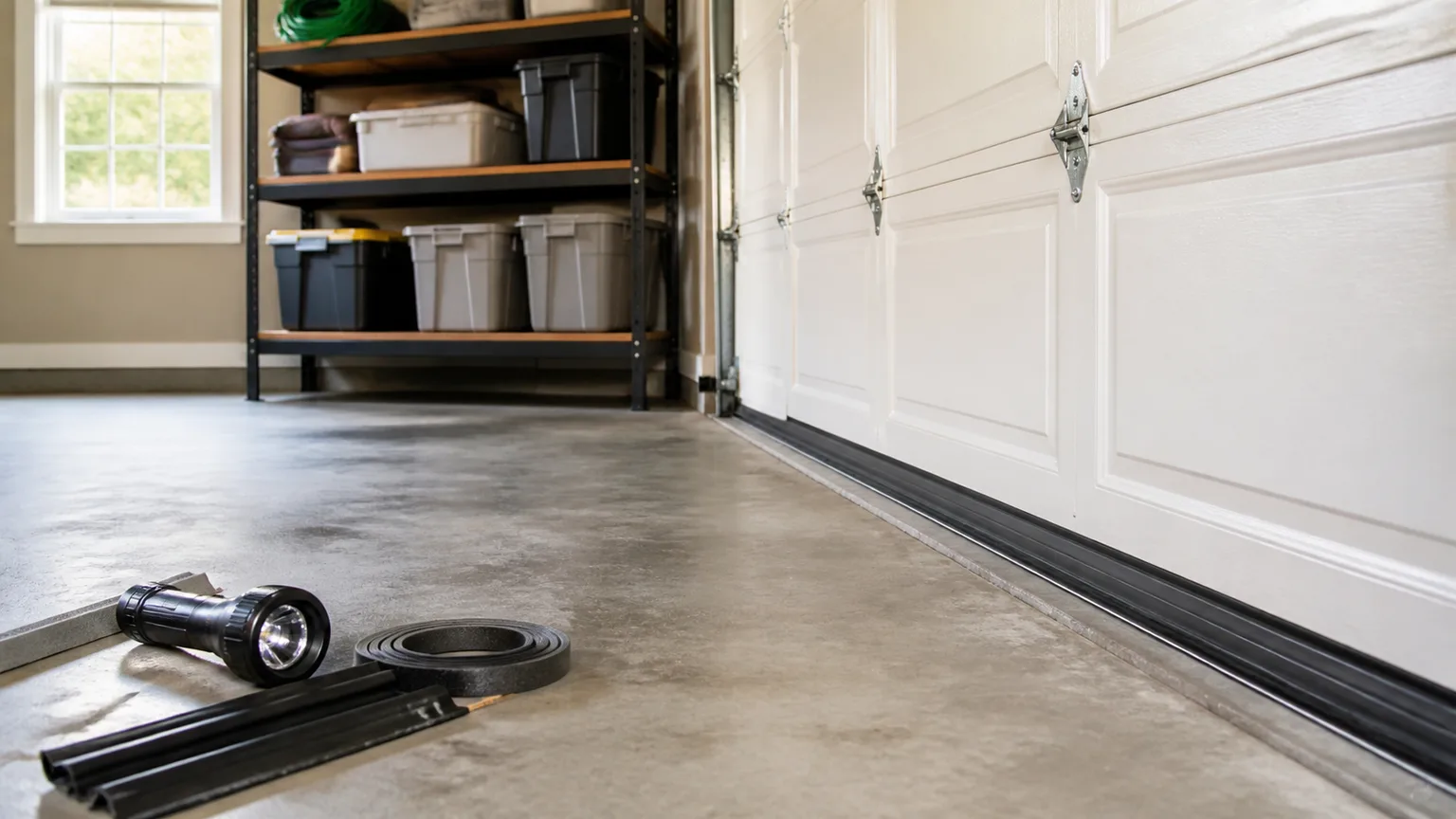
Repair the parts designed to move with the door rather than filling the track with caulk. A worn bottom seal may need a replacement profile sized for the existing retainer; if the door is unbalanced, binds, or has damaged springs or cables, stop and call a garage-door technician rather than adjusting high-tension hardware yourself. On a separate service door, replace worn weatherstripping or fit a door sweep that still allows the door to open and latch normally.
Fix the seal without blocking vents or drains
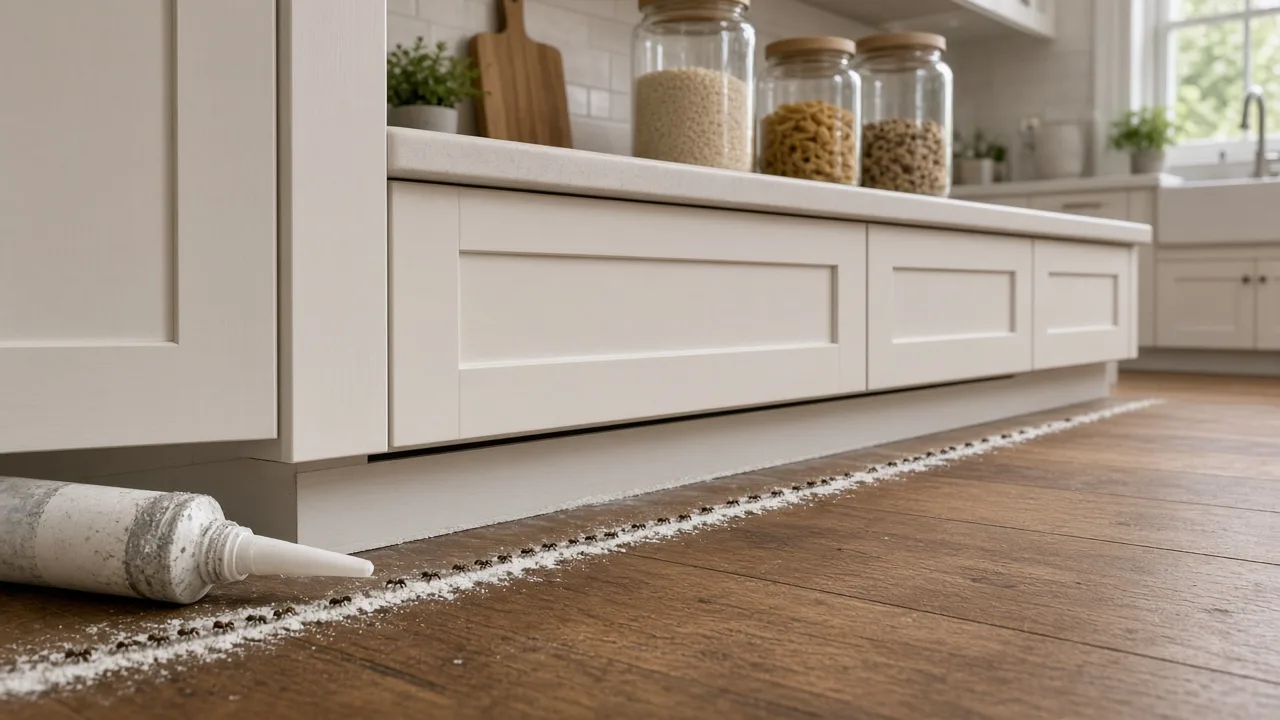
Next, inspect the frames around garage windows, the threshold of the door into the house, and the points where cables, pipes, or conduit pass through the wall. Seal small, unintended gaps with a material suited to the surface and location; use exterior-rated caulk outdoors and repair torn screens so they fit properly.
Do not seal a designed vent, drain, weep opening, or required combustion-air opening. A garage may contain fuel-burning equipment, and closing a vent can create a more serious building or safety issue than a spider sighting. If you are unsure whether a grille is a vent or an unused opening, identify its purpose before covering it.
Also check the door between an attached garage and the home. Keep it closed, make sure its weatherstrip meets the frame, and repair visible gaps at the threshold; this protects the living space from insects as well as spiders. If spiders keep appearing just inside the house, pair these garage repairs with the broader steps in our guide to getting rid of spiders indoors.
4. Reduce the insects that draw spiders to the garage
A spider often stays near a dependable food source. Sweep up dead insects, empty outdoor trash, keep recycling rinsed and covered, and avoid leaving pet food or birdseed open near the garage. Check for damp spots under a water heater, refrigerator, vehicle, or hose connection and repair a leak instead of repeatedly drying the same patch of floor.
Look outside at the strip beside the garage. Remove leaf piles and loose debris against the wall, trim shrubs or vines that touch siding or window screens, and keep firewood or unused containers from forming a sheltered stack beside the door. This does not require stripping the whole yard; it creates a cleaner, easier-to-inspect boundary around the openings you are trying to protect.
Adjust lights and the outdoor perimeter
Outdoor lighting can bring insects close to an entry point, and the insects can bring web-building spiders. UC IPM advises keeping lights off structures and away from windows and doorways where possible because lights attract prey insects UC IPM. If a lamp sits beside the garage door, try a motion sensor or timer, aim the fixture downward, or move the light source farther from the opening while keeping the walkway safely lit.
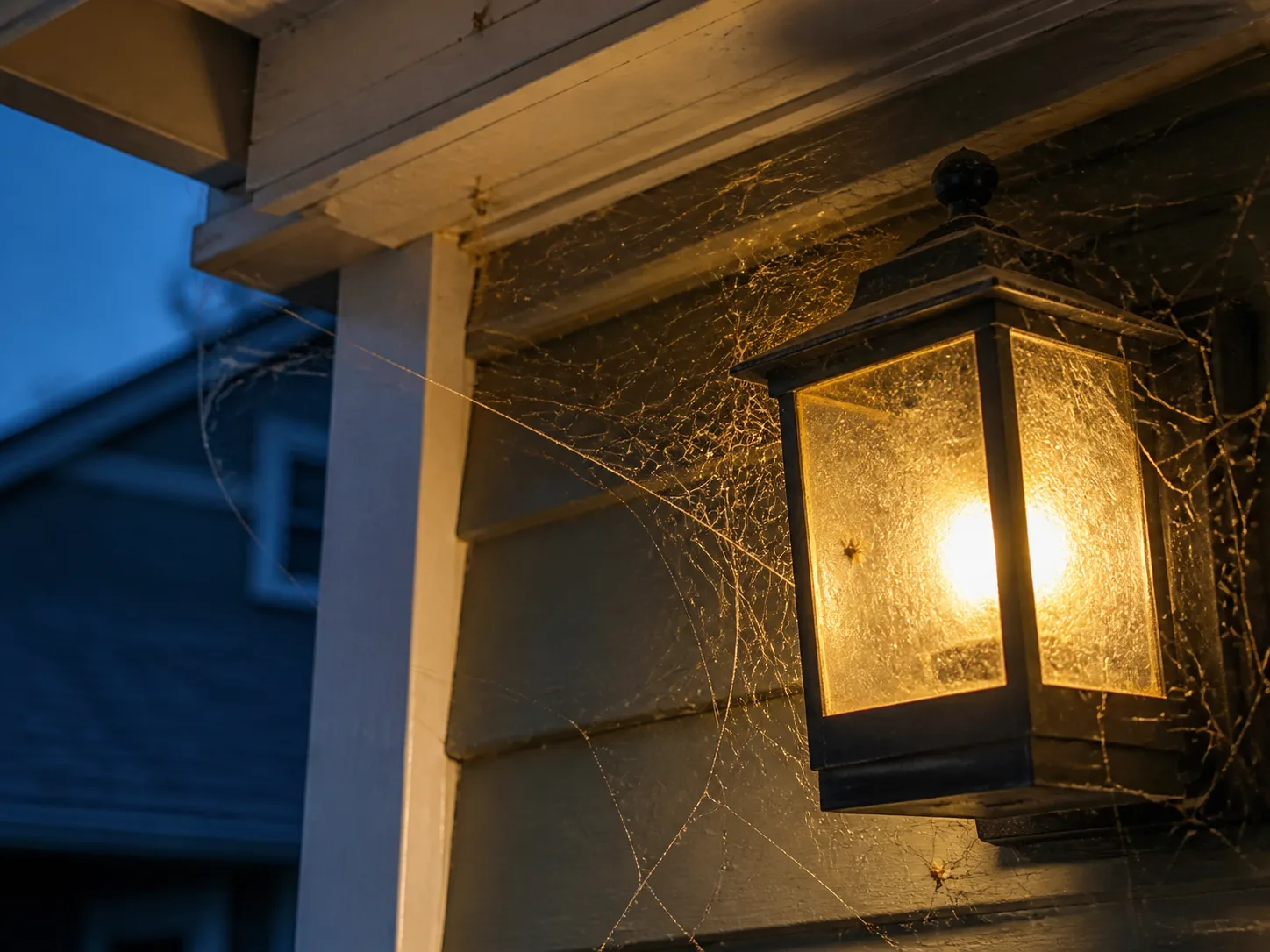
No bulb makes an entrance spider-proof. Treat lighting as one part of the plan: compare activity after changing its position, timer, or duration, then keep the setup that serves visibility and security without concentrating insects over the door.
If spiders are mostly on the outside of the garage, remove webs around the door and eaves with a long-handled broom, then reduce the nearby prey and sheltered clutter. Fine Gardening’s discussion of garden spiders is a useful reminder that spiders are predators and can help keep insect populations in check; you can keep that activity in low-traffic beds while clearing the immediate doorway Fine Gardening. There is no need to spray the entire yard to make a garage entrance more comfortable.
5. Monitor activity and use targeted control only when needed
Once you have cleaned and repaired the obvious routes, use monitoring to decide whether the problem is fading. A sticky trap can catch spiders that travel along walls and reveal which corner stays active, but it does not seal an opening, remove prey, or guarantee that all spiders will contact it. Treat each catch as a clue about location and timing rather than proof that the garage is full of spiders.
The CDC describes integrated pest management as inspection, prevention, monitoring, and proportionate control, rather than relying only on traps or pesticides CDC. Oregon’s Department of Agriculture similarly frames treatment around monitoring and a threshold that justifies action Oregon Department of Agriculture. For a garage, that threshold might be repeated fresh webs in a work area, egg sacs in several locations, or activity that continues despite cleanup and repairs—not a single spider seen near the open door.
Place sticky traps as monitors
If you use glue boards, position a small number flat against a wall or behind a shelf where spiders travel, with the sticky surface out of reach of children and pets. Keep the trap away from vehicle tires, walkways, stored fabrics, and places where a person may kneel or step. Mark the date and location on the card so you can compare catches instead of moving traps randomly every day.
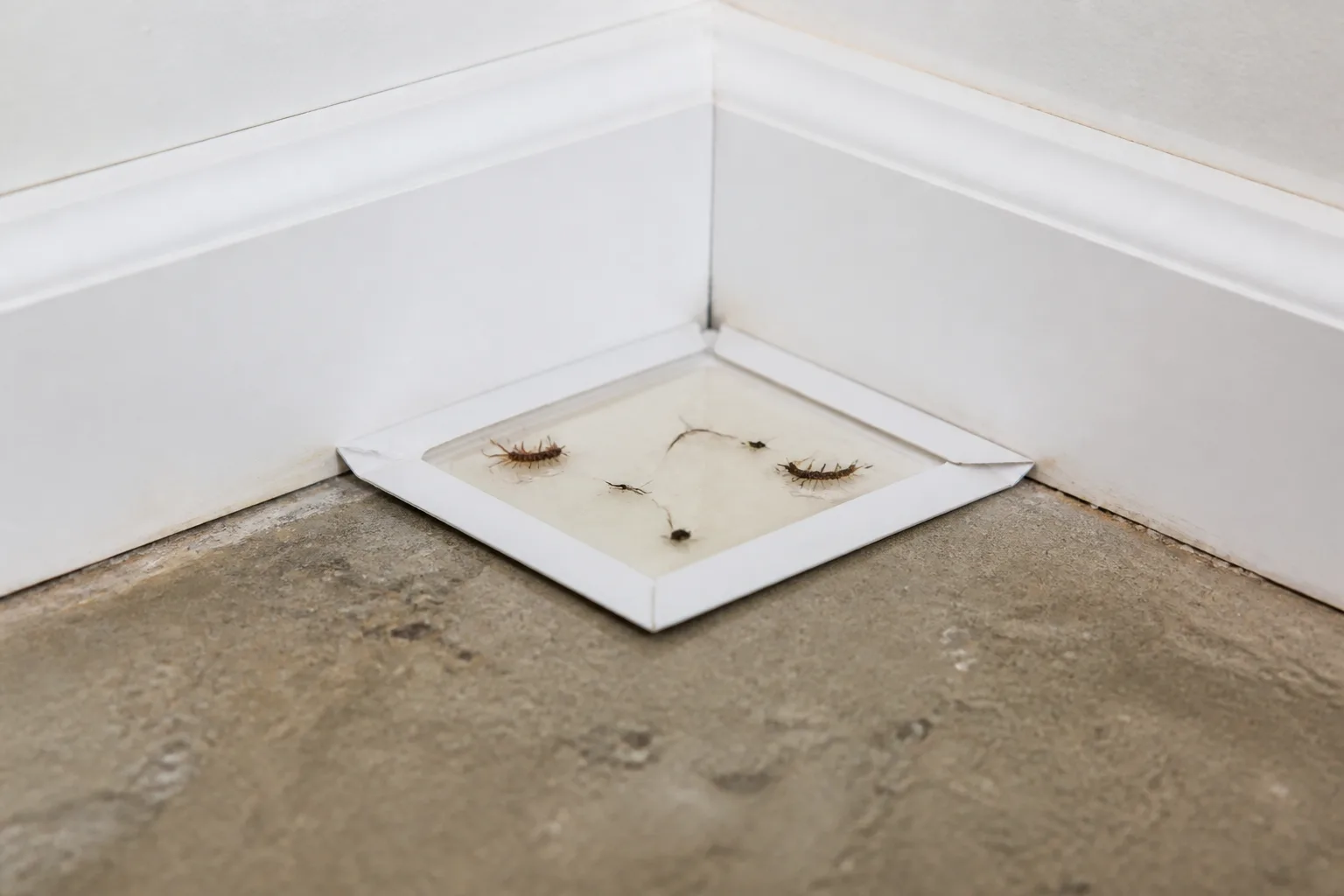
Check traps weekly and remove them when they are dusty, full, or no longer useful. A few catches near one door suggest inspecting that seal and the outside light; catches behind one cabinet point back to storage and sheltered corners. If a trap repeatedly catches spiders but you cannot safely identify them, photograph the trap or label its location and ask a local extension office or pest professional what to do next.
Why sprays and scent remedies are not the first fix
Insecticides may kill a spider that is directly contacted, but broad spraying does not repair gaps or remove a food source. UC IPM says spider control with pesticides is difficult unless the spider is seen and reached, and that spraying is temporary unless housekeeping accompanies it UC IPM. If you do choose a product, the label must match the intended site and pest; follow its directions for application, ventilation, re-entry, and protection of stored items, people, and pets.
Skip whole-garage fogging as a default response. Foggers may put pesticide on broad surfaces and stored belongings while missing spiders hidden behind boxes or in cracks, and they do nothing about insects coming through a damaged door seal. Do not spray near pilot lights, electrical equipment, vehicles, pet supplies, or food; if you cannot apply a product without exposing these items, ask a licensed professional to inspect first.
Peppermint oil, vinegar, and other scent remedies are not dependable substitutes for cleanup and exclusion. Even when a smell discourages a spider from a treated spot temporarily, it will not remove an egg sac, close a gap, or change the insect activity that supports a web. Strong oils or cleaners can also affect finishes or create odor and exposure issues in a closed garage, so do not apply them broadly just because a recipe is labeled “natural.”
Follow a four-week garage reset
A short follow-up schedule helps you see whether the fixes are working. On day one, vacuum the visible webs and sacs, remove dead insects, note the active corners, and photograph any spider you cannot identify safely. Then repair the door and wall gaps you found, move boxes into inspectable storage, and adjust any light that concentrates insects at the entrance.
For the next four weeks, spend five minutes once a week checking the same corners, door seals, and trap locations. Remove new webs promptly, note whether they return to an old anchor point, and record any live insects near the light. If there is no fresh activity, reduce the checks to a monthly garage tidy and repeat the perimeter inspection when you bring in seasonal storage.
If activity continues, do not simply add more traps or spray. Ask what did not change: a damaged seal, a light still drawing prey, an inaccessible pile, a leak, or an insect population already established in the garage. The right follow-up may be repairing one missed gap, identifying the prey insect first, or bringing in a professional to inspect a wall void or storage area you cannot reach.
When local identification or a licensed pest pro is worthwhile
Ask a local cooperative extension office, university diagnostic service, or licensed pest professional for help when you suspect a medically important spider, find repeated egg sacs in a frequently used work area, or see spiders in multiple parts of the garage after you have cleaned and sealed the obvious openings. Regional species differ, and a photo or sample should be collected only if you can do so without touching the spider or disturbing a hidden web. Do not rely on a bite mark alone to identify the spider.
Professional service is also reasonable when the activity comes from an inaccessible wall or ceiling void, a large amount of stored material cannot be safely moved, or pesticide use would put people, pets, vehicles, tools, or stored goods at risk. Ask the company what species or pattern it found, which access route it plans to fix, whether nonchemical steps are included, and exactly where any product would be applied. A plan that only promises to spray the perimeter without explaining the source may not solve a recurring garage problem.
Most garages do not need to be spider-free to be usable. If the species is not a concern and the web is outside the traffic path, leaving it alone is reasonable; many spiders help reduce insects. If you prefer not to share the space, remove the web, make storage easier to inspect, and keep the doorway less attractive to prey instead of trying to eliminate every spider on the property.
Conclusion
The most reliable way to get rid of spiders in a garage is to combine cleanup with prevention: vacuum webs and visible egg sacs, reduce undisturbed storage, repair the garage-door and wall seals, and limit the insects gathered near the entrance. Use sticky traps to monitor activity and reserve pesticides for a specific, justified problem. If you see repeated activity, cannot identify a spider safely, or find webs in inaccessible areas, get local expert advice before reaching into the space or spraying it.