Free Light Requirement Calculator for Houseplants
Assess light levels by window direction and distance.
Light Requirement Calculator
Assess your light level
Window direction and distance from the glass strongly affect indoor light levels.
Free Light Requirement Calculator for Houseplants
Assess light levels by window direction and distance.
Window direction and distance from the glass strongly affect indoor light levels.
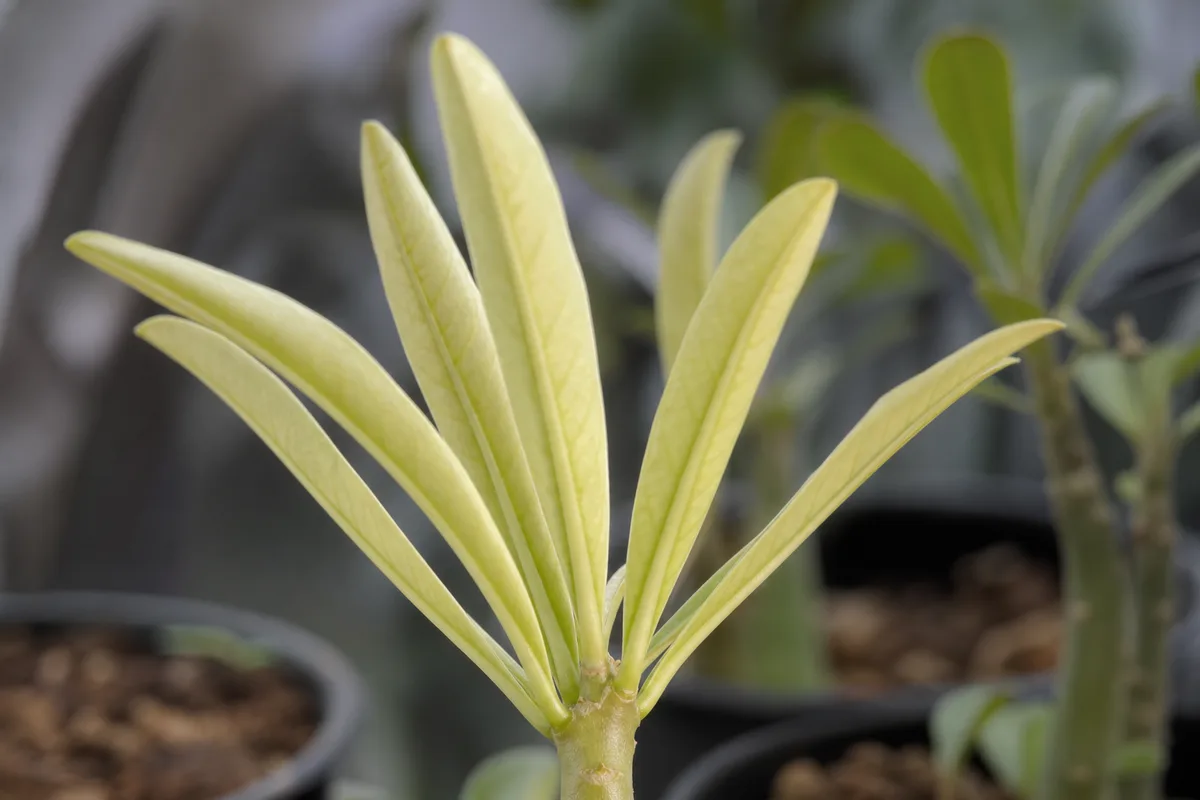
The Light Requirement Calculator is for the moment when a plant label says “bright indirect light” but your actual room has a north window, a balcony overhang, sheer curtains, and a shelf that is not quite near the glass. Human eyes adapt quickly indoors, so a spot can feel bright while the leaves receive far less usable light than they need. The calculator turns that messy room situation into a practical placement category.
Use it before buying a plant for a room, moving a struggling plant closer to a window, or deciding whether a grow light is necessary. It works best when you compare two or three real positions instead of trying to get one perfect answer. A windowsill, a plant stand two feet back, and a bookshelf across the room can behave like different growing environments.
The output is not a laboratory light reading. It is a decision aid that combines window direction, distance, obstruction, season, and broad plant preference. For everyday houseplant placement, that is often enough to avoid the most expensive mistake: putting a high-light plant where it can only survive, or pushing a shade-grown plant into harsh direct sun before it has acclimated.
The calculator estimates whether a plant location is closer to low light, medium light, bright indirect light, or direct high light. Those labels are useful only when they describe the light that reaches the foliage, not the way the room looks to a person standing in it.
Light is one of the basic resources indoor plants need for growth. Clemson Cooperative Extension explains that indoor plant success depends on light intensity, duration, and quality, and it describes indoor light in foot-candles for practical care decisions light intensity, duration, and quality. The calculator starts with that same idea: identify the growing environment first, then match the plant and care routine to it.
The result helps answer three questions. Is this spot bright enough for the plant you already own? Is this plant a reasonable match for the room you want to use? Would a grow light solve a genuine light shortage, or is the plant mainly struggling from watering, roots, pests, heat, or cold?
No online calculator can see your exact window glass, tree shade, balcony depth, curtain weave, insect screen, neighboring building, reflected wall color, latitude, or cloud pattern. It also cannot know whether a plant has spent months adapting to low light or just arrived from a bright greenhouse bench.
That uncertainty is why the calculator gives a placement category rather than a guarantee. If the result says “bright indirect” and the plant keeps stretching toward the window, the real usable light may still be lower than the inputs suggest. If the result says “direct high light” and leaves bleach only on the sun-facing side, the plant may need filtering or more gradual acclimation rather than more water.
Treat the answer as a starting position. Then watch new growth. Older stretched stems, old scorched patches, and previous yellow leaves rarely reverse, so the best evidence is what the plant does after the move: tighter internodes, normal leaf size, better color, firmer stems, and a steadier drying rhythm.
Start with window direction. In the Northern Hemisphere, south-facing windows usually provide the strongest and longest natural light, west-facing windows often bring hotter afternoon sun, east-facing windows give gentler morning sun, and north-facing windows tend to be the lowest-light exposure. Mississippi State University Extension recommends matching indoor plant selection to available interior light, because plants vary widely in what they can tolerate available interior light.
Next, enter distance from the glass to the main foliage, not to the pot rim. A tall plant may have upper leaves in a much brighter zone than lower leaves. A trailing plant on a shelf may have some vines near the window and others hanging into shade. If the plant sits beside the window rather than in front of it, be conservative.
Then add blockers. Sheer curtains, blinds, privacy film, tinted glass, exterior screens, roof eaves, balconies, trees, and nearby buildings all change the output. Some blockers are helpful because they turn harsh sun into safer filtered light. They still reduce or diffuse the light the calculator is trying to estimate.
Low light does not mean darkness. It means the plant may maintain itself in a dimmer indoor position, often with slower growth, less flowering, longer intervals between leaves, or weaker variegation. The low-light plant finder is a better next step if the calculator says a room is genuinely low light and you are still choosing what to grow there.
Medium light is the workable middle for many foliage plants. A plant in medium light may grow steadily but not explosively. It often needs less frequent watering than the same plant in bright indirect light because lower light slows water use.
Bright indirect light is strong light that does not put harsh direct rays on the leaves for long periods. Many tropical foliage plants prefer this zone: enough energy for new leaves, but filtered enough to avoid scorch. Direct high light means sunlight reaches the foliage for part of the day. Some plants need it. Others tolerate only brief morning sun or require a sheer curtain.
Indoor plant light categories are not universal cutoffs. University of Missouri Extension groups low-light plants around 50 to 250 foot-candles, medium-light plants around 250 to 1,000 foot-candles, and high-light plants at 1,000 foot-candles or more 50 to 250 foot-candles. Colorado State University Extension uses a similar but overlapping framework, describing low light as 50 to 500 foot-candles, medium light as 500 to 1,000, and high light as 1,000 or more overlapping framework.
Those overlapping ranges are not a contradiction in practice. Houseplants are living organisms, not switches. A snake plant may survive below the range where it grows well. A monstera may tolerate gentle direct morning sun but scorch if it receives hot west sun through glass. A calathea may handle brighter light when filtered and humid, then crisp at the edges in the same intensity if the air is dry and warm.
Use the categories as practical bands. If you need precision for orchids, citrus, seedlings, edible crops, rare plants, or a large grow-light setup, measure directly with a reliable meter and use the calculator as a placement checklist.
The calculator begins with a window-direction baseline. South and unobstructed west exposures start higher. East exposures start in a moderate-to-bright range because morning sun is usually gentler. North exposures start lower because they usually provide indirect light rather than strong direct sun.
Distance then adjusts the baseline. A windowsill keeps the most light. A position one to three feet back can still work well when the window is large and open. A position across the room often drops into a much lower category, especially if the plant is below sill height, behind furniture, or outside the main beam of sky.
Finally, the tool applies modifiers for barriers, season, and plant tolerance. A clear west window in July is different from the same window behind trees in December. A south window under a deep balcony may behave more like medium light. The estimate is intentionally conservative because overestimating indoor light is more common than underestimating it.
Imagine a monstera sitting two feet from a large east-facing window. The window gets two to four hours of morning sun, then bright ambient light for the rest of the day. There is no balcony above the window, and the plant is not behind a heavy curtain.
The calculator would likely place that spot in bright indirect or upper medium light. That is a reasonable match for a monstera that is expected to produce larger leaves and stronger growth. If the same plant moves eight feet from the window, the category may drop toward medium or low-medium even if the room still feels bright enough to read in.
The practical decision is not just “will it live?” It is whether the plant can grow in the way you expect. A monstera held in low light may stay green for a while, but smaller leaves, longer gaps between leaves, and weak leaning growth are signs that the placement is not meeting the goal.
Now compare a snake plant in a north-facing room. On the sill, the calculator may return low to medium light depending on window size and obstruction. That can be acceptable because snake plants are tolerant and slow-growing.
Across the room, the same plant may land firmly in low light. It may survive there, but growth will be slow, soil will dry more slowly, and watering mistakes become easier. If the room is dim and you want a plant that fills in quickly, the best plant for my room tool may give a better match than forcing one plant into the wrong spot.
This example shows why “low-light tolerant” should not be read as “prefers a dark corner.” Tolerance buys flexibility. It does not remove the plant’s need for usable light.
Herbs expose the limits of many indoor placements. Basil, rosemary, mint, and other edible plants usually need more light than decorative foliage plants if you want dense, usable growth. A bright sill may work; a table several feet away often will not.
If the calculator returns medium light for a herb you want to harvest from regularly, read that as a warning. The plant may stay alive but stretch, thin out, or produce weak flavor and sparse growth. In that case, move closer to the best window, use a supplemental lamp, or choose an herb and harvest expectation that fits the space.
This is also where season matters. A summer east or south window can perform very differently from the same window during a cloudy winter. Re-run the calculator when the season changes instead of assuming the spring placement will work all year.
A light meter gives the best reality check. Measure at leaf height, with the sensor pointed in the direction the leaf surface faces. Take several readings across the day instead of trusting one number at noon. A short sun patch can produce an impressive reading without representing the plant’s daily light supply.
Phone light-meter apps can be useful for comparison if you use the same phone, app, and method each time. They are less reliable as absolute instruments because phone sensors and app calibration vary. Still, a comparison between the windowsill, a plant stand, and a back shelf can reveal a major difference even if the exact foot-candle number is imperfect.
If you use a dedicated meter, record the time, weather, season, and location. The pattern matters. A plant that receives 900 foot-candles for 20 minutes and 80 foot-candles for the rest of the day is in a different situation from a plant that receives 300 to 500 foot-candles for many hours.
Too little light often shows up as long spaces between leaves, leaning toward the window, smaller new leaves, slow growth, loss of variegation, and soil that stays wet longer than expected. Those signs overlap with other issues, but the pattern becomes stronger when the newest growth is weaker than older growth.
Too much direct light often shows up as pale, tan, or brown patches on the side that faces the sun or lamp. Thin tropical leaves are especially vulnerable when moved suddenly from dim light to direct sun. University of Maryland Extension recommends moving houseplants farther from the window or using light shade when direct sun is excessive farther from the window.
If symptoms are already visible, use the calculator with a symptom page rather than using placement alone as the diagnosis. The not enough light guide helps confirm low-light patterns, while sunburn and scorched leaves is a better match when damage is concentrated on exposed leaf surfaces.
Indoor light is not fixed. Winter days are shorter, the sun angle changes, outdoor trees may lose or gain shade depending on climate, and cloudy weather can reduce usable light for weeks. A spot that works in April may become marginal in December.
Lower light also changes watering. When a plant receives less light, it usually grows and drinks more slowly. The potting mix then stays wet longer. If you keep the same watering rhythm after moving a plant into a dimmer winter position, you can create root stress even though the first problem was light.
Use the calculator again when a plant moves, when curtains change, when trees leaf out, or when the room shifts from summer to winter behavior. If the new light category is lower, reassess watering with the watering calculator rather than assuming the old schedule still fits.
A grow light makes sense when the best natural spot is still below the plant’s needs, when winter light is consistently weak, or when the plant has to stay in a specific location for space, design, office, or pet-access reasons. Supplemental lighting is especially useful for seedlings, herbs, succulents, citrus, orchids, and high-light tropical plants kept away from strong windows.
Duration matters. Iowa State University Extension says many indoor supplemental-light setups use 12 to 14 hours per day, with home-gardener setups generally staying within a practical 10- to 16-hour range 12 to 14 hours per day. Missouri Extension also notes that extra fertilizer, water, or repotting will not correct insufficient light will not correct insufficient light.
Distance from the lamp matters as much as duration. A weak lamp several feet away may add little. A strong lamp too close can bleach or heat leaves. Once the calculator tells you natural light is not enough, use the grow light distance calculator to place the fixture over a shelf, desk plant, propagation station, or winter holding area.
Sometimes the best answer is not moving the plant. It is choosing a different plant. If the calculator says the room is low light and the plant you want is a sun-loving herb, citrus, cactus, or flowering tropical, the mismatch will keep creating problems.
For dim offices, start with the office plant finder and prioritize plants that tolerate lower light and irregular weekend care. For homes with one weak window, use the low-light plant finder before buying. For a room with several variables, the best plant for my room tool can route by light, space, care level, and safety constraints.
This is not a downgrade. Matching the plant to the room gives you healthier growth, fewer emergency fixes, and less pressure to compensate with fertilizer or overwatering.
The most common mistake is entering the window’s potential rather than the plant’s actual exposure. A south window is not automatically bright if the plant is under a shelf, below the sill, behind furniture, or several feet outside the direct view of the sky.
The second mistake is ignoring height. A plant on the floor may receive much less light than a plant at sill height. A plant on a high shelf may be bright at the top and dim at the trailing ends. Enter the foliage position that matters most.
The third mistake is changing too many variables at once. If a plant is struggling in low light, do not move it into harsh sun, repot it, fertilize it, prune it heavily, and change watering in the same week. Move gradually, watch new growth, and adjust one variable at a time.
Bathrooms can be misleading. Humidity may be higher, but light can be very low if the window is small, frosted, shaded, or north-facing. Humidity does not compensate for inadequate light.
Covered balconies and patios can also fool the eye. Outdoor brightness spills into the space, but the ceiling or side wall may block most direct sky. A plant near the outer edge can receive far more light than a plant tucked near the back wall.
Offices are their own category. Overhead lights that are comfortable for people are not automatically grow lights. If there is no window and no dedicated plant lamp, choose very tolerant plants, expect slow growth, and avoid high-light plants unless you are willing to add a proper fixture.
Trust the calculator for everyday decisions: choosing between two plant stands, deciding whether a pothos belongs closer to the glass, checking whether a north room is realistic, or screening plant choices before you buy. It is designed for practical placement, not greenhouse production.
Measure directly when the plant is expensive, rare, newly imported, repeatedly declining, flowering poorly, or being grown for harvest. Measure directly when the room has unusual architecture such as skylights, deep balconies, light wells, tinted glass, mirrored nearby buildings, or heavy exterior shade.
Measure directly when you use grow lights. Product wattage and “full spectrum” labels do not tell you what the leaves actually receive. The useful question is how much usable light reaches the canopy for how many hours, and that requires either a reliable manufacturer chart, a meter, or careful observation over time.
The Light Requirement Calculator gives you a practical way to turn window direction, distance, shade, season, and plant preference into a placement decision. Use it to compare real spots, not to chase a perfect label. The best result is the one that helps you choose the next right move: closer to the glass, farther from harsh sun, under a grow light, or into a plant that actually fits the room.
After you move the plant, watch the new growth. Healthy new leaves, steadier color, tighter spacing, and a watering rhythm that matches the pot are better proof than any single estimate. When the calculator, the plant’s symptoms, and your observation all point the same way, the placement decision is usually strong enough to act on.
This Light Requirement Calculator was researched and written by . Logic, safety notes, and result copy for Light Requirement are reviewed against LeafyPixels plant-care data, extension references, and veterinary toxicity sources where pet safety is involved.
We prioritize sources that hold up under scrutiny:
The LeafyPixels editorial team then reviews the draft for clarity, step-by-step usefulness, and fit with real apartment and home conditions-not ideal greenhouse setups. When guidance changes materially, we update the page and note the revision date.
The long-form review for this page covers Light Requirement Calculator. Its bottom source list includes 8 external citations pulled from the long-form guide, then deduplicated with the tool’s frontmatter sources.
Low light means a spot away from windows where natural light is minimal, such as the center of a room or a north-facing area. Medium light refers to areas near east or north-facing windows that receive bright but not direct sun. Bright indirect light is found near south or west-facing windows where light is strong but the plant is shielded from direct sun rays, which is ideal for most tropical houseplants.
Signs of insufficient light include slow or no new growth, leggy stems stretching toward the nearest window, pale or yellowing leaves, and smaller-than-normal new leaves. Variegated plants may also lose their patterns and revert to solid green as they try to maximize chlorophyll production in low-light conditions. Moving your plant closer to a window or supplementing with a grow light often resolves these issues quickly.
Yes, direct harsh sunlight can scorch houseplant leaves, causing bleached patches, crispy brown edges, or faded coloration. Plants adapted to shaded rainforest understories, like pothos, peace lilies, and ferns, are especially susceptible to sun damage when placed in direct south or west-facing sun. Filtering light with a sheer curtain or moving the plant a few feet back from the window provides bright indirect light without the risk of sun scorch.
Light levels can be measured in foot-candles or lux using a light meter app on your smartphone. Low light is typically below 25 foot-candles, medium light falls between 25 and 200 foot-candles, and bright indirect light is 200 to 1,000 foot-candles. Our light requirement calculator matches your room’s estimated light level to plants that will thrive in those conditions, taking the guesswork out of plant placement.
In regions where winter brings significantly fewer daylight hours or consistently overcast skies, supplemental grow lights can make a meaningful difference for light-hungry houseplants. Even placing a full-spectrum LED grow light a few inches above plants for 12 to 14 hours per day can sustain healthy growth through the darker months. Low-light plants like pothos or snake plants may not require supplemental lighting, but fruiting plants, orchids, and high-light tropicals benefit greatly from grow lights in winter.