Scindapsus Pictus Repotting Guide: When and How
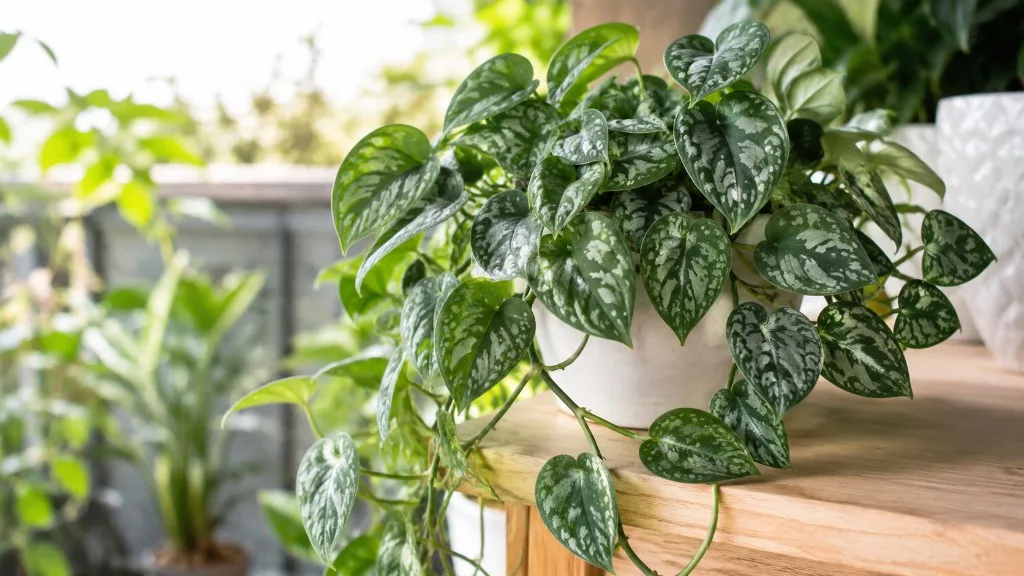
Scindapsus Pictus Repotting Guide: When and How
Scindapsus Pictus Repotting Guide: When and How
Scindapsus pictus - sold as satin pothos, silver satin pothos, or silk pothos - is one of the most forgiving trailing houseplants you can grow indoors. That forgiveness creates a trap. Because the plant tolerates tight quarters longer than fussier aroids, many growers repot either too late (after soil has collapsed and roots are circling hard) or too aggressively (jumping two pot sizes and drowning the root zone in wet mix). Repotting is not a calendar ritual. It is a root-zone reset: fresh, airy substrate, slightly more room, and a chance to inspect what you cannot see during normal watering.
This guide covers when Scindapsus pictus actually needs repotting, how to choose pot size and soil, a full step-by-step workflow, cultivar differences that change how fast you outgrow a container, and what recovery should look like in the weeks after the move. Whether you grow a compact ‘Argyraeus’ on a shelf or a heavy ‘Exotica’ in a hanging basket, the underlying rules are the same - only the timing shifts.
If symptoms persist, see the Brown Tips on Scindapsus Pictus guide.
Why repotting matters for satin pothos
In its native range across Southeast Asia - Bangladesh, Borneo, Java, Malaysia, the Philippines, Sulawesi, Sumatra, and Thailand - Scindapsus pictus climbs tree trunks as an epiphyte, anchoring with aerial roots while drawing moisture and nutrients from leaf litter and bark crevices. Indoors, those same roots live in a closed pot where soil structure degrades, salts accumulate, and oxygen gets squeezed out as roots multiply. Repotting addresses three separate problems at once: physical crowding (roots circling with nowhere to go), substrate exhaustion (peat compacts, drainage slows, water hangs around too long), and hidden damage (rot, pest eggs, or fertilizer salt crust you only see when the plant comes out of the pot).
Skipping repotting for too long does not always kill Scindapsus pictus quickly. That is part of the problem. The plant keeps producing leaves while the root system quietly degrades, which means the first visible symptom is often “it dries out in three days now” or “water runs straight through” - both signs that the root-to-soil ratio has tipped past healthy. A timely repot restores the balance before chronic stress shows up as yellow leaves, bare vines, or rot.
What happens inside the root zone when a pot gets too small
Healthy Scindapsus pictus roots are white to pale tan, firm, and spread evenly through the mix. As the plant fills the pot, fine roots mat together and begin circling the outer edge and bottom. Circling itself is not an emergency - almost every potted plant does it - but when circling combines with compacted soil, two things happen. First, the center of the root ball stops receiving water evenly; moisture channels along the pot wall while the middle stays dry or, worse, stays wet without drying. Second, new root tips have no open mix to grow into, so the plant redirects energy to top growth that the root system cannot support. That mismatch is when you see long vines with small, thin new leaves even though light and feeding have not changed.
Signs your plant needs a new pot
Most Scindapsus pictus plants need a full repot every one to two years in active indoor conditions - Scindapsus Pictus light guide, regular watering, and moderate growth. Slower setups (lower light, cooler rooms, small cultivars) can stretch to two to three years if the soil still drains well and new growth looks normal. Treat the interval as a rough guide, not a rule. The plant tells you when it is ready.
Repot when two or more of the following show up together. A single sign on its own - especially roots peeking through one drainage hole on an otherwise healthy plant - is worth monitoring, not necessarily acting on today.
Root-bound and soil breakdown signals
The clearest repotting signals for Scindapsus pictus include:
- Roots emerging from multiple drainage holes or circling visibly when you slip the plant out for a check.
- Water runs straight through the pot within seconds of watering, while the root ball still feels dry inside - a sign the mix has gone hydrophobic or the root mat has displaced soil.
- The pot dries out much faster than it used to, often within two to three days in the same room, because roots have consumed the water-holding capacity of the mix.
- Growth stalls despite adequate light and feeding during the active season - new leaves are small, internodes stretch, or the vine produces leaves only at the tips.
- Soil surface stays crusted, sinks below the rim, or smells sour/earthy in a stagnant way when you dig a finger in.
- The plant is physically unstable in the pot - wobbles because the root ball is a solid mass with almost no loose mix around it.
One nuance worth stating plainly: a long trailing Scindapsus pictus can look like it “needs a bigger pot” because the vine is enormous, while the root ball is still modest. Length above the soil does not dictate pot size. Base your decision on root and soil condition, not on how far the stems have reached across the bookshelf.
Best timing for repotting
The best window to repot Scindapsus pictus is spring through early summer, when daylight is lengthening and the plant is entering or already in active growth. In the Northern Hemisphere, that typically means March through June, though indoor growers with stable light may have a slightly longer effective season. Active growth gives roots a reason to explore fresh mix and helps the plant recover from the minor injury of handling. NC State Extension notes slow growth for Scindapsus Pictus overview and recommends stem cutting for propagation.
Avoid repotting during the plant’s quietest months - usually late fall and winter - unless you have an urgent problem like active root rot or a pot so root-bound that the plant is clearly declining. Scindapsus pictus slows in cooler, dimmer conditions; roots that are disturbed in that period sit in wet mix without strong growth to pull water, which extends recovery and raises rot risk.
Spring vs winter trade-offs
Spring repotting aligns with the plant’s natural rhythm: warmer temperatures (ideally 18–29°C / 65–85°F), brighter days, and new leaf production all support root recovery. You can return to a normal Scindapsus Pictus watering guide within two to three weeks and resume feeding after four to six weeks without much drama.
Winter repotting is a calculated risk. The plant can survive it if you adjust aftercare - warmer spot, no fertilizer, lighter watering, and no direct sun - but expect slower recovery and a higher chance of leaf drop on lower-light specimens. The exception that justifies winter repotting is emergency intervention: black mushy roots, sour-smelling soil, or severe root-bound stress combined with chronic wilting. In those cases, waiting until spring can mean losing the plant. Repot, trim damaged roots, and treat it as triage rather than routine maintenance.
Choosing pot size and type
The single most important pot decision for Scindapsus pictus is size: go up one pot size only, roughly 2–5 cm (1–2 inches) wider in diameter than the current container. A 12 cm (4.5 inch) nursery pot moves to a 14–15 cm (5.5–6 inch) pot - not an 20 cm (8 inch) pot because the vine looks long. Oversized pots hold excess mix that stays wet around a small root system, which is the most common post-repot failure mode for aroids and the direct path to root rot.
Drainage holes are non-negotiable. Scindapsus pictus tolerates brief drying but not chronic soggy roots. If you use a decorative cachepot, keep the plant in a nursery pot with holes and lift it out to water, or ensure the cachepot never holds standing water.
Terracotta, plastic, and hanging baskets
Plastic nursery pots are the default for good reason: lightweight, easy to inspect, and simple to slip out during future repots. They retain moisture slightly longer than terracotta, which suits homes with low humidity or fast-drying mixes.
Terracotta breathes through the walls and dries the mix faster - useful if you tend to overwater or run a heavy peat blend, but it means checking moisture more often in dry, hot rooms. It is an excellent choice for ‘Argyraeus’ in bright light where the pot might otherwise stay wet too long.
Ceramic glazed pots behave similarly to plastic if they have drainage holes; without holes, they are display-only wrappers around a functional inner pot.
Hanging baskets deserve a specific note because many Scindapsus pictus live in them for years. When repotting a hanger, choose a basket only one size up and verify the hanger hardware still balances the weight of wet soil plus a heavier vine. Repotting is also the right time to untangle stems wrapped around the hanger chains and redirect the vine so weight distributes evenly.
Soil mix for repotting Scindapsus pictus
Scindapsus pictus is an Araceae aroid with epiphytic tendencies - the same family as pothos (Epipremnum) and philodendrons, though it is a distinct genus. It wants a mix that holds some moisture, drains within minutes, and stays open enough for oxygen to reach roots. Heavy, all-peat indoor mixes compact after a year or two and become the reason repotting was necessary in the first place.
Do not repot into straight garden soil or dense outdoor compost. Do not reuse old mix from another plant, which may carry pests, pathogens, or exhausted structure.
A simple DIY aroid blend
A reliable Scindapsus pictus repotting mix you can assemble from any garden center:
- 50–60% quality peat- or coco-based indoor potting mix (the moisture-retention base)
- 20–30% perlite or pumice (drainage and air pockets)
- 10–20% orchid bark or coconut husk chips (structure; slows compaction)
Optional additions: a small handful of worm castings (5–10% of total volume) for gentle organic matter, or charcoal chips if you frequently overwater. Target pH lands near 6.0–6.5, which standard indoor mixes already approximate - precise pH adjustment is rarely needed for hobby repotting.
Premixed “aroid” or “houseplant” blends from reputable suppliers work well if you prefer not to mix. The test that matters: when you water thoroughly, water should exit the drainage holes within a minute or two, and the top half of the mix should approach dryness within roughly a week in average indoor conditions - adjust perlite or bark upward if your home runs wet.
Prep checklist before you unpot
Good repotting starts before you touch the root ball. Gather materials, water at the right time, and clear a workspace - Scindapsus pictus contains insoluble calcium oxalate crystals (the same class of irritant found in many aroids), so wear gloves if you have sensitive skin and keep cuttings off counters where pets might chew them.
Water the plant 24 hours before repotting, not immediately before and not from a fully dry state. A lightly moist root ball holds together, protects fine roots, and slides out of the pot more cleanly. Soggy soil from watering five minutes ago is harder to work with and smears into a muddy mess; bone-dry soil crumbles and snaps roots.
On repot day, assemble:
- New pot 2–5 cm wider, with drainage holes, washed if reused
- Fresh mix (enough to fill the new pot with room to settle)
- Clean scissors or pruning shears (isopropyl-wiped if you recently trimmed diseased material)
- A chopstick or pencil for settling mix around roots
- Newspaper or a tray - repotting Scindapsus pictus is messy when long vines are involved
- Optional: cinnamon powder for minor root cuts, or a fungicide drench if you found rot (use label directions; not every rot case needs chemical treatment)
Choose a spot with bright indirect light for the post-repot rest period - not a dark closet and not a sunny windowsill. Plan to skip fertilizer for four to six weeks after repotting so tender new root tips are not burned.
Pet and child safety belongs in prep, not as an afterthought. The ASPCA lists Scindapsus pictus (satin pothos) as toxic to dogs, cats, and horses due to insoluble calcium oxalates - microscopic crystals that cause oral irritation, pain, swelling, drooling, vomiting, and difficulty swallowing if chewed or ingested. Repotting scatters trimmed stems and spilled mix exactly where curious pets investigate. Bag trimmings immediately, work on a surface you can wipe down, and wash hands after handling cut stems or sap. Display the plant out of reach - hanging baskets and high shelves work well - if you have chewers in the household.
Step-by-step: how to repot Scindapsus pictus
Once prep is done, the physical repot takes 15–30 minutes for most plants. Work gently; Scindapsus pictus recovers faster from careful handling than from aggressive bare-rooting.
Step 1 - Remove the plant. Tip the pot and support the base of the stems with one hand. Squeeze flexible nursery pots to loosen. For rigid pots, run a knife around the inner edge if the root ball sticks. Pull by the root ball, not by the vines - trailing stems snap easily under tension.
Step 2 - Inspect the roots. Healthy roots are white or light tan and firm. Dark brown or black, mushy, or hollow roots are rot and need trimming. Note how much of the root ball is circling versus open mix.
Step 3 - Loosen or trim as needed. Tease circling roots at the bottom and outer edge with your fingers. You do not need to remove every old particle of soil - keeping 30–50% of the old mix attached to fine roots reduces shock. If the plant is severely root-bound, slice 1–2 cm off the bottom of the root mat with clean shears or make vertical slashes 2–3 cm deep at four points around the ball to redirect growth outward.
Step 4 - Prepare the new pot. Add enough fresh mix to the bottom so that when the root ball sits on it, the top of the ball lands 1–2 cm below the pot rim. This headspace prevents overflow when watering.
Step 5 - Position and fill. Center the plant. Fill around the sides with fresh mix, tapping the pot gently and using a chopstick to work mix into gaps without packing it concrete-tight. The plant should sit at the same depth it was before - burying the crown or stem base deeper invites stem rot.
Step 6 - Water lightly. Water until a small amount drains, then stop. Skip the heavy soak you might give an established plant; the goal is to settle mix, not saturate a potentially damaged root system on day one.
Step 7 - Rest and observe. Place in bright indirect light. Expect some leaves to soften or curl slightly for a few days. New growth within two to four weeks is the positive signal.
Working with a dense or circling root ball
Growers often panic at a solid root mass and either bare-root the entire plant or leave the mat completely untouched. Both extremes cause problems. Bare-rooting - washing every particle of old soil away - strips fine root hairs that absorb water and can set recovery back weeks. Leaving a hard circling mat intact means new roots continue circling instead of spreading into fresh mix.
The middle path works best for Scindapsus pictus: break up the outer 2–3 cm of the root ball with fingers or gentle teasing, trim the bottom if it is a dense pad, and leave the interior core intact. For extremely tight plants - common when a grocery-store ‘Exotica’ has lived in its original pot for a year - more aggressive loosening is acceptable because the alternative is no usable root zone left. On severely root-bound Scindapsus pictus ‘Exotica’ plants, breaking a dense outer shell is often necessary before the plant can establish in fresh mix and recover in a larger hanging basket.
If stems are tangled, untangle before lifting the root ball so you are not yanking vines after the plant is out of the pot.
Cultivar notes at repot time
All Scindapsus pictus cultivars share the same repotting logic, but growth rate and leaf size change how quickly you hit root-bound status.
‘Argyraeus’ - smaller leaves, slower vertical growth, often stays in the same pot longer. One pot size up may look visually small relative to the trailing stems; trust root inspection over vine length.
‘Exotica’ (often labeled Scindapsus treubii ‘Moonlight’ in error at big-box stores - verify your tag) - larger leaves and faster root fill. Expect repotting closer to the one-year end of the interval in bright conditions.
‘Silvery Ann’ and ‘Silver Splash’ - intermediate growth; watch drainage speed as your primary signal.
If you want to control overall plant size, repotting is the moment to root-prune: trim 10–20% of the root mass, refresh mix in the same pot or a pot the same size, and accept a short growth pause. This is optional and best done in spring.
Aftercare and recovery timeline
Transplant shock on Scindapsus pictus is usually mild - a few soft leaves, slight curling, or a brief pause in new growth - and clears within one to two weeks if pot size and soil are appropriate. Serious sustained wilting, widespread yellowing, or mushy stems beyond three weeks point to rot, oversize pot, or buried stem tissue rather than normal shock.
Week 1: Bright indirect light, no direct sun. Water lightly when the top 3–5 cm of mix feels dry - err slightly dry rather than wet. No fertilizer. Avoid moving the plant repeatedly.
Weeks 2–4: Resume a normal watering rhythm as roots explore new mix. You may see the first new leaf or renewed firmness in existing foliage. Still no fertilizer.
Weeks 4–6: If new growth looks normal - correct silver variegation, firm leaf texture, appropriate size for the cultivar - resume feeding at half strength once, then return to your usual schedule.
Damaged leaves from pre-repot stress do not heal; only new leaves tell you the plant is back on track.
Water, light, and fertilizer after the move
The most common aftercare error is overwatering a plant in fresh, airy mix inside an oversized pot. The mix dries differently than the old compacted ball did, so re-learn the pot’s weight and moisture rather than watering on the old schedule.
Hold fertilizer for four to six weeks minimum. Fresh mix often contains some nutrient content, and root tips injured during repotting are sensitive to salt burn. When you restart, use a balanced liquid houseplant fertilizer at half the label rate for the first application.
Keep Scindapsus pictus out of direct sun for 7–10 days after repotting. UV stress on a plant already allocating energy to root repair shows up as bleached patches on the silver-marked leaves - damage that does not reverse.
Common repotting mistakes to avoid
The mistakes below account for most post-repot failures with Scindapsus pictus. They are predictable and preventable.
Jumping two pot sizes because the vine is long. The root system sets the pot size, not the trail length. Excess wet mix around unused space is the number-one rot trigger after repotting.
Repotting into dry, dusty mix without settling it, leaving large air voids that roots cannot bridge and that flood unevenly when you water.
Fertilizing immediately to “help the plant bounce back.” It does the opposite on fresh cuts and tender root tips.
Burying the stem deeper to stabilize a wobbly plant. Stake or add mix around the base without covering nodes that were previously above soil.
Repotting purely on schedule when the plant is actively flowering or pushing a heavy flush of new growth - uncommon on Scindapsus pictus but worth pausing if you see unusual stress signals.
Using a pot with no drainage because it matches the decor. Use a functional inner pot or drill holes.
Discarding all old soil and bare-rooting without cause. Reserve full washing for rot cases or pest infestations, not routine upgrades.
Emergency repot for root rot
Root rot repotting is triage, not maintenance. Signs include persistent wilting despite moist soil, black mushy roots, sour smell from the pot, and soft stems at the base. Act promptly - Scindapsus pictus can recover from partial rot if healthy roots remain.
Remove the plant, wash away all old mix under lukewarm running water, and cut every soft, dark root back to firm white tissue. Sterilize shears between cuts if rot is extensive. Dip remaining roots in a fungicide drench if you use one (follow product label; hydrogen peroxide dilutions are a common hobby approach but are not a substitute for removing mushy tissue). Repot into fresh, airy mix in a pot sized to the remaining root mass, not the original foliage volume - often the same pot or one size smaller. Water once lightly, then let the mix approach dry before watering again. Recovery takes longer than a routine repot; new growth in four to eight weeks is a realistic hope if rot was caught early.
Winter rot repotting is justified despite season because the alternative is plant loss. Keep the plant warmer and drier than you would after a spring repot.
Conclusion
Scindapsus pictus repotting comes down to a short list of decisions: repot when roots and soil - not vine length - tell you to, do it in spring if you have the choice, move up only 2–5 cm in pot diameter, use a chunky aroid mix that drains fast, and handle the root ball firmly but not brutally. Water the day before, skip fertilizer for a month after, and judge success by new leaves, not by whether old ones perk up overnight. Get those pieces right and satin pothos is one of the easiest houseplants to move without drama - get the pot size or timing wrong and it will forgive you slowly, if at all. Check the root ball once a year even when the plant looks fine; that single habit prevents most of the emergencies that force a repot at the worst possible time.
When to use this page vs other Scindapsus Pictus guides
- Scindapsus Pictus overview - Start here for whole-plant context before deep-diving this topic.
- Scindapsus Pictus problems hub - Jump to symptom-specific fix guides when this care topic does not resolve the issue.
Related Scindapsus Pictus guides
- Scindapsus Pictus overview
- Scindapsus Pictus watering
- Scindapsus Pictus light
- Scindapsus Pictus soil
- Scindapsus Pictus propagation
- Scindapsus Pictus fertilizer
- Scindapsus Pictus problems
Related tool
Try the Pot Size Calculator with scindapsus-pictus pre-selected to estimate needs for your setup.