Satin Pothos Repotting: When, How, and Mistakes to Avoid
Satin Pothos Repotting: When, How, and Mistakes to Avoid
Satin Pothos Repotting: When, How, and Mistakes to Avoid
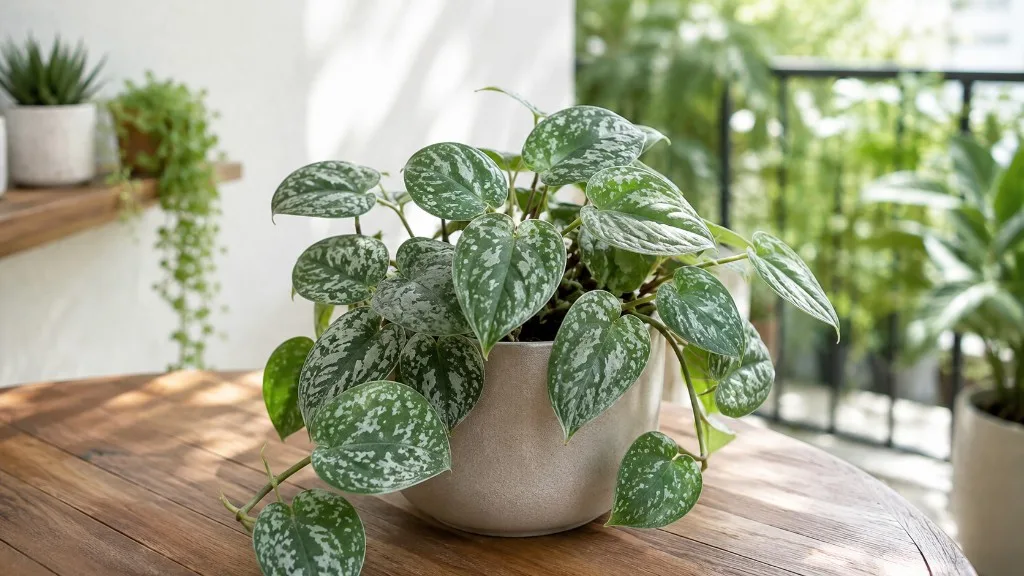
Satin pothos - botanically Scindapsus pictus - is one of those houseplants that earns half a dozen nicknames in the trade. You may see it sold as silver pothos, silk pothos, or even silver philodendron, but it belongs to neither the Epipremnum (true pothos) nor Philodendron genera. It is an aroid in the Araceae family, a slow-to-moderate trailing vine with heart-shaped, satin-textured leaves splashed in silver. That growth habit shapes every repotting decision you make. A satin pothos does not fill a pot the way a fast-growing golden pothos does, but its roots still need fresh, airy mix and sensible space to keep the plant climbing or trailing without the chronic stress that shows up as yellow leaves, curling foliage, and stalled new growth.
Repotting is not a calendar ritual you perform because a blog post told you to do it every January. It is a targeted intervention when the root zone has outgrown its container, the soil has broken down, or you need to address root rot before it spreads. Done at the right time with the right pot and mix, a repot gives Scindapsus pictus room to push new stems and leaves for another one to three years. Done badly - with an oversized pot, soggy old soil, or a winter transplant when the plant is barely growing - the same operation can set your plant back for weeks. The sections below walk through when to repot, what materials to use, how to handle the root ball without unnecessary damage, and what normal recovery looks like so you can tell the difference between brief transplant stress and a real problem.
If symptoms persist, see the Leaf Drop on Satin Philodendron guide.
Why Repotting Matters for Satin Pothos (Scindapsus pictus)
A healthy satin pothos root system does two jobs at once: it anchors the trailing stems and it absorbs water and nutrients from the soil. Over time, peat-heavy indoor mixes compact, lose structure, and hold water differently than they did when the plant was new. Salt from tap water and fertilizer can accumulate along the root zone. Roots grow, circle the pot walls, and eventually dominate the container until water runs straight through the middle without wetting the root ball evenly - a pattern called water channeling that looks like you watered thoroughly but leaves the plant thirsty hours later.
Repotting resets those conditions. Fresh, chunky aroid soil restores airflow around the roots, which matters enormously for a plant that NC State Extension describes as preferring good drainage and high organic matter in an acidic pH range near 6.0. A slightly larger pot gives roots space to expand without drowning in unused wet soil. The repot is also your best chance to inspect what is happening underground: firm white roots are healthy, while brown mushy roots signal rot that needs trimming before you replant.
The name confusion is worth clearing up because it affects what you read online. Scindapsus pictus is not a pothos and not a philodendron, even though it trails like both and shares their family. That distinction matters less for day-to-day care than for setting expectations: satin pothos grows more slowly than Epipremnum aureum, so it often stays in the same pot longer than a true pothos would. Treating it like a fast grower and jumping to a huge container is one of the most common repotting mistakes, and it ends the same way every time - wet soil sitting around a small root mass until roots rot and leaves yellow from the bottom up.
When to Repot Satin Pothos
Repot satin pothos when roots have filled the current container, the soil has degraded, or you need to treat root rot - typically every one to three years in spring or early summer. You do not need to repot on a fixed annual schedule unless your plant is in very bright light and growing vigorously. Instead, watch the pot and the plant’s behavior. If two or more warning signs appear together, plan a repot during the next active growth window rather than waiting for a crisis.
Routine Repotting Every 1 to 3 Years
Most satin pothos in average indoor conditions need a full repot every one to three years. Growers in bright, warm rooms with long growing seasons may hit the shorter end of that range. Plants in moderate light that grow slowly - which NC State Extension notes is typical for this species - can stay put for three years or longer if the soil still drains well and the roots have not circled tightly. Some experienced growers report repotting every three to five years when growth is slow and the mix remains airy; that is reasonable as long as the plant is not showing root-bound symptoms.
Routine repotting is about refreshing degraded mix and giving roots modest new space, not forcing the plant into a much larger home. Even when roots are not bursting from drainage holes, soil that has compacted, smells slightly sour, or dries in an uneven pattern (wet on top, bone dry in the center) is a valid reason to repot. Top-dressing - scraping off the top inch of old mix and replacing it with fresh soil - can buy you a season when the plant is otherwise healthy, but it does not solve a root-bound core or replace mix that has broken down throughout the pot.
Signs Your Satin Pothos Is Root-Bound
Root-bound Scindapsus pictus sends clear signals if you know what to look for. The most obvious is roots emerging from drainage holes at the bottom of the nursery pot or growing in a dense mat visible when you slide the plant out. You may notice the plant dries out unusually fast - needing water every few days when it used to go a week - because roots have consumed most of the soil volume. Conversely, when the root ball is so dense that water tunnels through without absorbing, you water thoroughly yet the plant droops or curls within a day as if it never received a drink.
Growth stalls are another tell. If light, watering, and feeding are otherwise correct but new leaves are small, internodes stretch, or trailing stems produce almost no fresh growth for months, crowded roots may be the bottleneck. Yellowing lower leaves combined with any of the above symptoms strengthen the case. Before you repot purely for yellow leaves, rule out overwatering and low light first - but when those are fine and the pot feels root-dominated when you gently squeeze the sides, a repot is overdue.
Best Season and Timing for Repotting
Spring through early summer is the best window for satin pothos repotting, when longer days and warmer temperatures push the plant into active growth. Roots establish faster in warm soil, and the plant has months of growing season ahead to recover from transplant stress before light and temperatures drop in fall. Early fall can work in climates with mild autumns, but finish repotting at least six weeks before your home turns cool and dim so roots have time to settle.
Avoid routine winter repotting when possible. Scindapsus pictus slows in low light and cooler rooms, and disturbed roots in cold, wet mix are slow to heal. A winter repot is justified only when the alternative is worse - severe root rot, a pot so root-bound that the plant cannot take up water, or a soil system that is clearly failing. If you must repot in winter, use extra care: keep the plant in Satin Philodendron light guide, maintain moderate room temperature, water lightly, and skip fertilizer for at least a month.
Do not repot a brand-new satin pothos the day you bring it home unless the soil is visibly failing or pests are present. Let it acclimate for two to four weeks, then repot during the next spring if needed.
Choosing the Right Pot Size and Material
Pot choice for satin pothos repotting is less about aesthetics than about moisture management. The right container holds enough soil to support the root ball without leaving a large ring of wet, unused mix around the edges. It must have functional drainage, suit whether the plant trails from a hanging basket or climbs a moss pole, and be only slightly larger than what the plant currently occupies.
The One-Pot-Size-Up Rule
Move up one pot size only - about 1 to 2 inches (2 to 5 cm) wider in diameter than the current container. If your satin pothos is in a 4-inch nursery pot, the next size is 6 inches, not 8 or 10. The reason is straightforward: aroid roots explore new soil gradually. An oversized pot holds a volume of mix the root system cannot dry out quickly, which keeps the lower root zone wet for days and creates ideal conditions for root rot in poorly drained soils.
Depth matters less than width for a trailing vine, but very shallow pots dry too fast and very deep pots can hold a wet layer beneath a small root ball. A standard nursery pot proportion - slightly wider than tall - works well for most home growers. If you use a decorative cachepot without holes, keep the plant in a drilled nursery pot inside it and empty runoff after every watering. Sitting a freshly repotted satin pothos in a sealed outer pot is one of the fastest ways to rot roots you just inspected and trimmed.
Drainage Holes and Pot Depth for Trailing Vines
Drainage holes are non-negotiable for long-term satin pothos health. No layer of gravel at the bottom compensates for a holeless pot; water still sits in the lowest soil layer. Terracotta breathes and dries faster than glazed ceramic, which can help heavy-handed waterers but requires more frequent checks in dry, bright rooms. Plastic nursery pots are practical, lightweight for hanging baskets, and easy to lift out for inspection - a useful habit every few months.
For hanging displays, choose a pot whose weight balanced with dry soil and plant mass will not pull the hook from the ceiling as the plant grows. Repotting into a slightly larger hanging basket is fine, but jumping two sizes up adds soil weight and moisture load simultaneously. For climbing setups on a moss pole or trellis, repot before the plant becomes so top-heavy that lifting the root ball risks snapping stems. Water the day before so the root ball holds together when you tilt the pole aside.
Best Soil Mix for Satin Pothos Repotting
Satin pothos needs a well-draining, airy aroid mix - not straight bagged peat that compacts after a few months. NC State Extension lists good drainage and high organic matter as core soil preferences for Scindapsus pictus, with acidic pH. A practical home recipe that matches how this plant grows in nature - climbing tree trunks in tropical Southeast Asia with roots exposed to airflow - blends the following:
- 2 parts quality indoor potting mix or peat-based houseplant soil
- 1 part perlite or pumice for aeration
- 1 part orchid bark, pine bark fines, or coco chips for chunk and long-term structure
Some growers add a small handful of coco coir for moisture retention in very dry homes; others omit it in humid rooms where mix stays wet longer. The goal is a mix that releases water freely when you pour, yet holds enough moisture that you are not watering every other day in a 6-inch pot. When you squeeze a handful, it should hold shape briefly and crumble apart - not clump into a wet ball or fall apart like dry sand.
Do not reuse old soil from the previous pot unless you are certain it is healthy, pest-free, and still structured. Degraded mix is often the hidden reason a satin pothos struggles even when watering and light look correct. Commercial bagged mixes sometimes include starter fertilizer; note that on the label and hold off additional feeding for the first month after repotting to avoid burning tender new roots.
Tools and Supplies Before You Start
Gather everything before you unpot so the roots are not sitting bare while you hunt for scissors. You will need a new pot one size up with drainage holes, enough fresh aroid mix to fill it, a hand trowel or scoop, clean sharp scissors or pruners (wiped with rubbing alcohol), a chopstick or pencil for settling soil around roots, and a watering can with a narrow spout. A clean work surface - newspaper, a tray, or the sink - catches old soil and makes inspection easier.
Optional but useful: gloves if you have sensitive skin, a soft brush to loosen soil from roots, and extra perlite and bark if you suspect rot and need a chunkier recovery mix.
Step-by-Step: How to Repot Satin Pothos
Repotting satin pothos is methodical work, not a rush job. The plant tolerates handling well when roots are moist and you minimize bare-root exposure, but it punishes rough treatment with weeks of droop and leaf loss. Work through the steps in order, pausing whenever you find rot or pest damage that changes the plan.
Pre-Watering, Removal, and Root Inspection
Water your satin pothos one to two days before repotting - not thirty minutes before. Slightly moist soil clings to roots and keeps the ball intact when you tip the plant out. Soggy soil is messy to work with and easy to compact; bone-dry soil crumbles and tears fine roots. The day-of sweet spot is a pot that feels lightly moist an inch down and lifts out as a cohesive mass.
Turn the pot on its side and slide the plant out while supporting the stems. If it resists, squeeze the flexible nursery pot or run a knife around the inside edge - never yank by the vines. Once out, brush away loose old soil from the sides and bottom so you can see root color. Healthy roots are firm and white or pale tan. Dark brown, mushy, or hollow roots are rotted and should be cut back to healthy tissue with sterilized scissors. Tease circling roots gently outward with your fingers; you do not need to destroy the entire ball.
If roots are moderately circling but still healthy, loosen the bottom quarter and the outer layer - that is enough. Do not bare-root a satin pothos unless you are treating severe rot and must rinse away contaminated soil. Stripping all soil removes fine root hairs that absorb water and sets recovery back significantly. Keep as much of the original root environment intact as the health of the roots allows.
Planting at the Correct Depth
Add enough fresh mix to the bottom of the new pot so when the root ball sits on it, the top of the ball matches its previous soil line - neither buried deeper nor sitting high above the rim. Burying stems or nodes deeper than they were originally can encourage rot at the crown. Planting too shallow exposes roots that were protected before and dries the top of the ball faster than the plant is used to.
Center the root ball and fill around it with fresh mix, tamping lightly with your fingers or a chopstick to remove large air pockets without compressing the soil into concrete. Leave about half an inch of headspace below the rim so water does not overflow when you water. Water lightly until a small amount runs from the drainage holes, then empty the saucer or cachepot. Place the plant in bright indirect light - not direct sun, which stresses leaves already coping with root disturbance - and hold off on fertilizer for at least four weeks.
Repotting vs. Top-Dressing: When Each Approach Works
Not every soil problem requires a full repot. Top-dressing - removing the top 1 to 2 inches of old mix and replacing it with fresh aroid soil - works when the plant is otherwise healthy, roots are not circling severely, and your main concern is salt crust on the surface or slightly degraded top layer. It is a smart spring maintenance move for a satin pothos that still drains well when you water and has not jumped in watering frequency.
Choose a full repot when roots circle the bottom, emerge from holes, or occupy most of the volume when you probe gently with a chopstick. Full repot is also required for root rot treatment, pest-contaminated soil (fungus gnat larvae in heavy wet peat, for example), or when water channels through the center without wetting roots. If you are unsure, slide the plant out once and look - the answer is usually obvious within ten seconds of seeing a solid white root mat versus loose, dark, crumbly mix.
Dividing satin pothos at repot time is rarely necessary. Unlike clumping prayer plants or snake plants, Scindapsus pictus is typically grown as a single vine or a few stems in one pot. If you have multiple rooted stems that started as separate cuttings, you can separate them gently for propagation purposes, but each division needs its own root system before it will survive solo. Most growers simply move the whole plant up one pot size.
Aftercare: Watering, Light, Humidity, and Fertilizer After Repotting
The first two to three weeks after repotting define whether your satin pothos sails through or sulks. Water lightly when the top inch of fresh mix feels dry - the new soil may dry on a different schedule than the old mix, so check with your finger rather than assuming the old weekly rhythm still applies. Avoid soaking the pot repeatedly while roots are still mapping the new space; soggy fresh mix around minimally disturbed roots is a common post-repot rot trigger.
Keep the plant in bright indirect light, stable temperatures between roughly 65 and 80°F (18 to 27°C), and away from heating vents or cold drafts. Moderate humidity is helpful but not as critical as it is for calatheas; normal household levels are fine if you avoid placing the plant directly under a dry AC blast. Do not move it between rooms every few days - stability matters more than perfect humidity.
Do not fertilize for at least four to six weeks after repotting. Fresh commercial mix may already contain slow-release nutrients, and damaged roots cannot handle full-strength fertilizer. When you resume feeding, use a balanced liquid fertilizer at half strength during active growth. If leaves look pale after two months in fresh mix with proper light, nutrient deficiency is possible - but pale leaves in week one are almost always stress, not hunger.
Pet owners should note that Scindapsus pictus is toxic to cats and dogs per the ASPCA, containing insoluble calcium oxalates that cause oral irritation, drooling, and difficulty swallowing if chewed. Repotting does not change that status. Keep the plant and loose soil out of reach during and after the process, and contact your veterinarian or ASPCA Animal Poison Control at (888) 426-4435 if ingestion is suspected.
Recovery Timeline and What Normal Stress Looks Like
Mild transplant stress on satin pothos usually clears within one to two weeks. You may see slight droop, one or two yellow lower leaves, or a pause in new growth - all normal if the roots were healthy going in and the pot size was appropriate. Full root re-establishment takes four to six weeks in warm, bright conditions. The clearest recovery signal is a new leaf unfurling at a normal size with good silver variegation; old damaged leaves will not green up again, but new growth tells you the root system is working.
If the plant is still drooping heavily after three weeks, wilting on wet soil, or losing multiple leaves from the center of the vine, something went wrong - usually overwatering in an oversized pot, rot that was not fully trimmed, or repotting into heavy compacted mix. Dry crispy leaves on dry soil point to underwatering or roots so damaged they cannot absorb moisture. Track which pattern you see before changing multiple variables at once.
Common Satin Pothos Repotting Mistakes
The same errors show up repeatedly with Scindapsus pictus, and they are almost all preventable. Jumping two or more pot sizes is the leader: the plant looks small in a big pot, so beginners assume it will “grow into it,” but roots cannot use that wet volume and rot follows. Fertilizing immediately after repotting burns tender roots and shows up as brown leaf tips within days. Repotting in deep winter when the plant is dormant stacks stress on a slow grower that will not replace lost leaves quickly.
Bare-rooting unnecessarily strips fine roots and extends recovery by weeks. Using holeless decorative pots as the primary container traps water even when the top inch looks dry. Watering on a pre-repot schedule without checking how the new mix dries leads to chronic wet feet. Ignoring mushy roots and replanting them in fresh soil moves the rot into clean mix. Repotting while the plant is severely dehydrated makes the root ball crumble and breaks roots that would have survived a gentle move from moist soil.
Each mistake produces a recognizable signature: oversized pot plus overwatering leads to yellow bottom leaves; bare-rooting plus bright sun causes widespread wilt; winter repot on a cold windowsill stalls recovery past six weeks.
Troubleshooting Problems After Repotting
Drooping after repotting is the most common post-transplant complaint. If soil is moist and the droop started within a few days, give the plant stable bright indirect light and wait - roots are likely re-establishing. If soil is wet and droop persists beyond two weeks with yellowing, unpot and inspect for brown mushy roots; trim, let cuts dry briefly, and repot into a smaller pot with chunkier mix if the current container is too large.
Yellow leaves on the lowest nodes often drop naturally during stress; remove them once fully yellow so the plant does not waste energy. Yellowing climbing up the vine on wet soil screams overwatering or rot. Curling leaves can mean underwatering, cold exposure, or roots failing to absorb - check moisture at multiple depths, not just the surface crust.
Pests sometimes flare after repotting because stress weakens the plant slightly. Inspect leaf undersides for spider mites, especially in dry rooms. No new growth for six or more weeks in spring or summer after a proper repot suggests the roots are still struggling, the pot may be too large, or light is too low for the plant to power recovery. Address the most likely root-zone issue first before assuming the plant needs fertilizer.
When recovery fails entirely, the salvage path is cutting healthy vines above a node, rooting them in water or moist perlite, and starting fresh while discarding rotted root mass. Scindapsus pictus roots readily from stem cuttings, which is a useful backup when a repot went wrong and the base plant is not coming back.
Conclusion
Satin pothos repotting comes down to timing, restraint, and soil that breathes. Repot Scindapsus pictus in spring or early summer when roots circle the pot, water runs through too fast, or the mix has clearly degraded - not because the calendar says so. Go up one pot size with drainage holes, use a chunky aroid mix with perlite and bark, water the day before you unpot, and keep as much healthy root ball intact as you can. After the move, water lightly, skip fertilizer for a month, and give the plant bright indirect light while it settles.
Most satin pothos recover from a well-executed repot within a few weeks and reward you with fresh trailing growth and those signature silver-splashed leaves. The mistakes that cause lasting damage - oversized pots, soggy holeless containers, winter transplants, and ignored rot - are all avoidable once you know what this slow-growing aroid actually needs from its root zone. Watch the plant, not the clock, and repot when the pot tells you it is time.
When to use this page vs other Satin Philodendron guides
- Satin Philodendron overview - Start here for whole-plant context before deep-diving this topic.
- Satin Philodendron problems hub - Jump to symptom-specific fix guides when this care topic does not resolve the issue.
Related Satin Philodendron guides
- Satin Philodendron overview
- Satin Philodendron watering
- Satin Philodendron light
- Satin Philodendron soil
- Satin Philodendron propagation
- Satin Philodendron fertilizer
- Satin Philodendron problems
Related tool
Try the Pot Size Calculator with satin-philodendron pre-selected to estimate needs for your setup.