Rose Propagation from Cuttings: Step-by-Step Guide
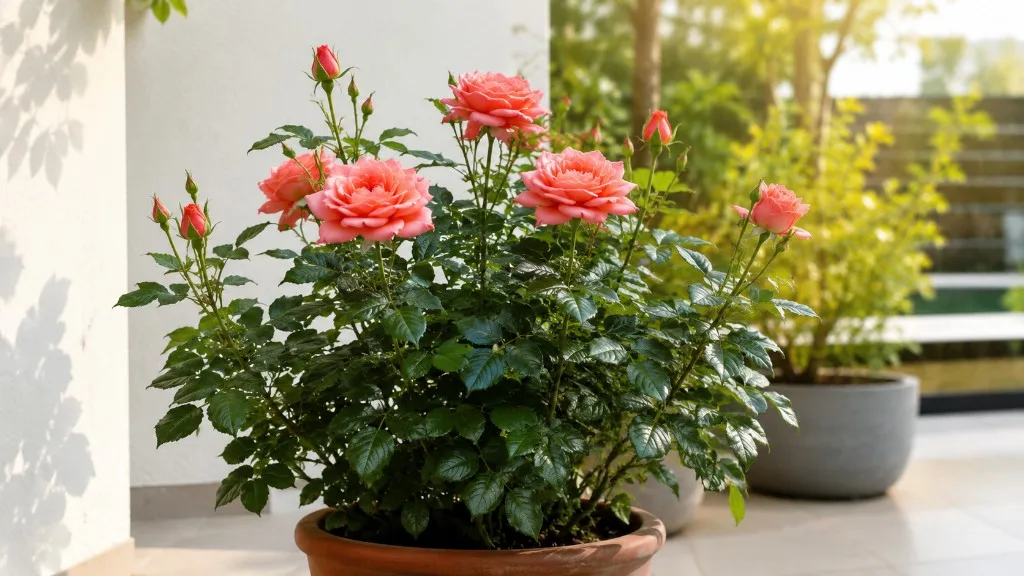
Rose Propagation from Cuttings: Step-by-Step Guide
Rose Propagation from Cuttings: Step-by-Step Guide
Why Roses Root Well from Stem Cuttings
Rose propagation from cuttings is one of the most practical ways to multiply a rose you already grow and love. Modern garden roses - mostly Rosa × hybrida hybrids in the Rosaceae family - are bred for flowers, not seed reliability, so stem cuttings give you a genetic copy of the parent plant without the lottery of sexual reproduction. The Royal Horticultural Society lists taking cuttings as the easiest home propagation method for roses, noting that softwood stem-tip cuttings taken in early to mid-spring from the current year’s shoots typically root in about two months and produce garden-ready plants within a year. (RHS)
Roses root more readily than many woody shrubs when you supply the basics: healthy green tissue, a node buried in moist but airy medium, Rose light guide, and steady humidity during the vulnerable first weeks. Reported success rates for home gardeners range from 50 to 80 percent with good technique - higher for forgiving types like miniature roses and shrub roses, lower for finicky hybrid tea selections. That is not a guarantee; it is a realistic frame that rewards clean material and patient aftercare rather than viral shortcuts.
Cuttings also sidestep the complexity of commercial methods. T-budding and grafting onto rootstock are how nurseries mass-produce named cultivars at scale, but they require skill, specific rootstock, and sterile technique beyond what most balcony or backyard growers need. For preserving a grandmother’s climber, duplicating a container Knock Out rose, or sharing a fragrant favorite with a neighbor, cuttings are the right tool. You trade months of rooting time for simplicity and zero specialized equipment beyond pruners, pots, and mix.
The biology is straightforward. A cutting is a stem segment cut from a living plant, stripped of lower leaves, and encouraged to form adventitious roots at buried nodes where hormone concentrations are highest. Roses retain enough stored energy in green wood to callus and root while top leaves continue limited photosynthesis under humid cover. Failures usually trace to wrong stem maturity, wet stagnation, or heat stress - not to roses being inherently impossible to propagate.
What Makes a Rose Cutting “Viable”
A viable rose cutting has three non-negotiable qualities: living green tissue (not dry brown wood unless you are deliberately taking hardwood cuttings), at least one node that will sit below the soil line, and enough top foliage to sustain the stem until roots form. A leaf alone without a node may produce roots in water but rarely becomes a full plant. A woody stick with no green growth may sit in mix for months without progress.
Stem flexibility is a quick field test. Softwood bends without snapping and feels slightly succulent. Semi-hardwood is firmer at the base with a softer tip. Hardwood is stiff, often partially brown, and taken when the plant is dormant or slowing down. Match your expectations to that maturity: softwood roots fastest; hardwood demands patience but survives outdoor trench methods in cool climates.
Health matters as much as maturity. Avoid cuttings from stems showing black spot, powdery mildew, or dieback. Disease on the parent transfers to every clone. Choose shoots that finished a recent flush of growth - ideally after the first bloom cycle in early summer when stems are long enough to harvest but not yet lignified. Flowering stems can work if you remove buds, but they root slower because energy diverts toward bloom rather than root initials.
Softwood, Semi-Hardwood, and Hardwood Cuttings Explained
Rose propagation from cuttings uses three stem categories defined by how much the shoot has hardened, not by calendar alone. Understanding the difference prevents the most common timing mistake: treating a stiff autumn cane like spring softwood and wondering why nothing happens for six months.
Softwood cuttings come from the current season’s tender new growth - flexible, green, often slightly thorny, and taken in late spring through early summer. They root in four to eight weeks under warm, humid conditions and are the best starting point for beginners. The RHS recommends softwood stem-tip cuttings in early to mid-spring as the easiest route for home gardeners. (RHS)
Semi-hardwood (semi-ripe) cuttings are taken in mid to late summer when the base of the stem has firmed while the tip may still be somewhat pliable. They balance speed and resilience - useful if you missed the spring window or your rose pushed strong growth after summer deadheading. Rooting often takes six to ten weeks.
Hardwood cuttings use mature, dormant canes taken from mid-autumn through late winter. They are slow - roots may not appear until spring after a winter callusing period - but they are hardy and forgiving of outdoor trench methods where climate allows. The RHS notes hardwood rose cuttings can generally be left alone until the following year once planted. (RHS) Success rates can be high with minimal attention, but calendar time is measured in seasons, not weeks.
Across all types, the mechanical steps overlap: cut below a node, remove lower leaves, optionally apply rooting hormone, bury two nodes, maintain moisture, protect from desiccation. What changes is patience, heat requirement, and how aggressively you must manage humidity. Softwood wilts in hours without cover; hardwood tolerates open cold frames in mild winters.
Best Time to Propagate Roses from Cuttings
Timing for rose propagation from cuttings follows the plant’s growth rhythm, not a decorative calendar. Roses are repeat-blooming shrubs that push new canes when light and warmth support photosynthesis. The best softwood material appears after spring growth begins and often peaks after the first major flush of flowers fades - typically May through July in temperate Northern Hemisphere gardens, shifting earlier in mild coastal zones and later where spring arrives slowly.
Avoid taking cuttings during plant stress: immediately after shipping, during heat waves without shade protection, while the parent fights root rot on Rose, or when aphid and spider mite pressure is heavy. Stabilize the donor rose for a week with consistent watering and good airflow before you cut. Propagation multiplies strength or weakness equally; a dehydrated hybrid tea yields cuttings that collapse before callus forms.
Semi-hardwood fits July through September when new side shoots have length but summer heat is moderating. Hardwood belongs to October through February when canes are dormant and moisture loss through leaves is minimal because leaves are absent or minimal. In subtropical climates where roses do not fully dormancy, lean toward semi-hardwood during the coolest, least stressful months rather than forcing hardwood logic onto evergreens growth.
Indoor and container growers follow the same tissue rules. A potted rose under grow lights pushing soft new canes in late winter can yield cuttings whenever growth is genuinely soft - the calendar matters less than the stem’s bend test. What does not change is the need for bright indirect light and humidity control after planting.
The Late-Spring Softwood Window
The late-spring softwood window - roughly late May through early July in many gardens - combines long enough stems with peak rooting vigor. Shoots are six to ten inches (15–25 cm) long, carry four to five leaf nodes, and snap cleanly when bent rather than shredding. This is the material extension services describe for hybrid tea roses: a current-year stem that has finished flowering, still green, slightly flexible but not floppy.
Work in the morning after dew dries so stems are fully hydrated. Afternoon cuttings taken from heat-stressed plants wilt faster and root slower. If only flower buds are present, remove them before rooting - you are buying time, not instant blooms. Plan the full workflow before the first cut: sterilized blades, filled pots, moistened mix, hormone poured into a shallow dish (never dip stems directly into the jar), and labels ready. A cutting left on a dry counter while you hunt for perlite loses viability within hours on a warm day.
Choosing the Right Parent Rose
The parent plant determines half your outcome in rose propagation from cuttings. Select a healthy Rosa × hybrida or species rose with clean foliage, no active black spot lesions, and vigorous recent growth. Weak, virus-suspected, or heavily grafted plants struggling above the graft union are poor donors - you clone their problems along with their petals.
Prioritize lateral shoots on the outer crown over the oldest interior wood. Ancient, bare canes resist rooting; green side branches from the current or previous year cooperate far better. Miniature roses are famously forgiving and make excellent learning stock - UCANR notes they are usually successful for beginners learning the technique. (UCANR) Shrub roses and landscape series like Knock Out often root quickly. Hybrid teas and some climbing roses demand cleaner technique and more patience but remain doable.
Know what you are cloning. Many sold roses are grafted onto rootstock chosen for vigor, disease resistance, or size control. A cutting produces an own-root plant that may grow differently - sometimes smaller, sometimes less vigorous, occasionally more cold-sensitive - than the grafted parent you admired at the nursery. That is not failure; it is genetics and root system reality. Species roses and own-root cultivars reproduce behavior more predictably.
If the rose is a treasured heirloom, take multiple cuttings - five to ten - because individual stems fail for random reasons even when technique is sound. Diversity of cutting age slightly (two softwood, two semi-hardwood from the same plant) can salvage a batch if a heat spell hits one tray harder than another.
Tools, Medium, and Rooting Setup
Clean, sharp bypass pruners or a razor knife produce cuts that heal and root; crushed stems rot first. Wipe tools with rubbing alcohol between plants if any donor shows disease. Gather four- to six-inch (10–15 cm) pots with drainage holes - or deep trays for multiple cuttings - plus labels, a dibber or pencil, a spray bottle, and a clear plastic bag or propagation dome.
The rooting medium must hold moisture without suffocating stems. A widely used mix is equal parts perlite and peat-free potting compost, or perlite blended with peat moss for extra aeration. Avoid dense garden soil in small pots; it compacts, stays wet, and invites stem rot. UCANR recommends preparing moistened mix, making a hole with a dibber, and burying the bottom two nodes so roots emerge along the buried stem. (UCANR)
Optional equipment that helps but is not mandatory: a heat mat set around 65–70°F (18–21°C) at the rooting zone accelerates callus in cool rooms; a mister maintains surface moisture without flooding; rooting hormone powder or gel containing indole-3-butyric acid (IBA) improves consistency, especially for hybrid teas. Fill pots loosely, water mix thoroughly before inserting cuttings so it is evenly moist but not dripping, and pre-form planting holes so hormone is not scraped off during insertion.
For hardwood outdoor propagation, some gardeners dig a trench, line the base with sand for drainage, place cuttings at an angle with two-thirds buried, and backfill - checking RHS hardwood guidance for regional frost protection. That method trades bench space for calendar time and suits patient growers with garden room.
How to Take Rose Cuttings Step by Step
Rose propagation from cuttings follows a repeatable sequence once you internalize it. First, identify a healthy stem six to ten inches (15–25 cm) long with four to five nodes - for smaller landscape roses, four to five inches (10–13 cm) may suffice. Second, cut the base straight across just below a node and the top at an angle just above the fourth or fifth node from the base; the angle sheds water on the top cut and marks which end is up. Third, remove all leaves from the bottom three nodes while leaving one or two leaf sets at the top. Fourth, if top leaves are large, cut them in half horizontally to reduce transpiration while roots form. Fifth, dip the base briefly in water, then into rooting hormone, tapping off excess. Sixth, insert the stem two to three inches (5–7.5 cm) deep so two nodes are buried, firming mix gently. Seventh, label with cultivar and date. Eighth, cover with a humidity tent - clear bag supported on stakes or a dome - ensuring plastic does not touch foliage. Ninth, place in bright indirect light. Tenth, maintain light moisture and vent briefly if condensation becomes excessive.
Place the bottom of each cutting in water immediately after severing if you cannot plant within minutes - dehydration is silent failure. Space cuttings so leaves do not overlap tightly; airflow prevents botrytis. One gallon pot can hold four to six cuttings if bench space is limited, but individual pots simplify transplant without disturbing neighbors when one stem rots.
Resist checking roots daily. Each unpotting breaks fragile root hairs and sets progress back. Discipline - one gentle tug test at four weeks for softwood - beats curiosity. New red leaf growth is a strong positive signal, though roots may precede visible top growth by a week or two.
Cutting Length, Node Placement, and Leaf Removal
Length balances buried nodes against top leaf area. Too little stem below soil means insufficient anchor and root zone; too much top growth transpires faster than a rootless cutting can replace. Six to eight inches (15–20 cm) total with two nodes buried is the standard target for hybrid teas; miniatures tolerate slightly shorter material.
Nodes are the swollen joints where leaves attach - root initials concentrate there. Never bury a leaf; it rots and spreads decay up the stem. Strip cleanly with a knife rather than tearing bark. At the top, retain enough foliage for photosynthesis - typically one pair of compound leaves or two leaflets. Halving large leaflets is a proven moisture-saving trick endorsed in extension cutting guides.
If a cutting is too long, trim the top above a node rather than shortening the buried base - you need those lower nodes. If too short, wait a week for more growth rather than forcing marginal material. Multiple cuttings from one cane are possible if it is long enough: divide into sections each with several nodes, orienting each base correctly. Upside-down planting is a common beginner error labels prevent.
Rooting Hormone: When It Helps and How to Apply It
Rooting hormone is optional for rose propagation from cuttings but measurably improves success - especially for hybrid teas, late-season semi-hardwood, and any batch taken under less-than-ideal conditions. UCANR notes it is not essential but produces better results, and RHS softwood cutting guidance recommends hormone powder or gel for difficult material when technique is otherwise sound.
Use hormone correctly or skip it. Pour a small amount into a disposable cup or jar lid; never dip stems into the original container, which contaminates the product. Moisten the cut base lightly, dip one inch (2.5 cm) of stem, tap off excess powder, and plant immediately. Too much hormone crust can inhibit rooting rather than help. Store opened product cool and dark; aged hormone loses potency.
Softwood miniatures and shrub roses often root without hormone in a warm, humid setup - many experienced propagators treat hormone as cheap insurance on every rose batch regardless. Hardwood cuttings benefit more consistently. Organic alternatives like honey or willow water appear in folk guides; evidence is anecdotal compared to labeled IBA products. If you experiment, run a split batch - half with hormone, half without - and learn from your own climate rather than internet mythology.
Light, Humidity, and Temperature During Rooting
Rooting rose cuttings requires bright indirect light - enough for top leaves to photosynthesize, not so intense that a sealed plastic bag becomes a solar oven. A north-west or east-facing windowsill, shaded greenhouse bench, or porch with filtered sun works well. Direct midday sun inside closed plastic frequently exceeds 100°F (38°C) and collapses cuttings in a single afternoon. If only a south window is available, diffuse with sheer curtain or vent the cover during peak hours.
Humidity should stay high for the first one to two weeks, then taper. Morning condensation inside the dome is healthy; water pooling on soil surface is not - vent briefly and wipe excess. After four to six weeks, when you feel resistance on a gentle tug or see new red growth, remove the cover for increasing periods over five to seven days to acclimate leaves to normal room humidity.
Temperature at the rooting zone ideally sits between 60 and 75°F (15–24°C). Bottom heat helps in cool spring basements; unheated winter hardwood cuttings outdoors follow different rules and tolerate cold while callusing. Avoid placing pots on frigid windowsills that chill roots at night while leaves cook by day. Consistency beats extremes - alternating bone-dry and waterlogged days kills more cuttings than skipping hormone ever will.
How Long Rose Cuttings Take to Root
Softwood rose cuttings commonly root in four to eight weeks under warm, bright, humid conditions. Semi-hardwood taken in late summer often needs six to ten weeks. Hardwood cuttings may show little above-ground action until spring, with six to twelve months total before transplant-ready roots in trench methods. UCANR notes roots often form in about six weeks but eight weeks is common, with new top growth signaling readiness to remove cover. (UCANR)
These are ranges, not contracts. A cool room doubles softwood timelines without indicating failure. Test at four weeks with a gentle tug - resistance without sliding suggests roots anchoring. Visible white roots through drainage holes confirm success. Do not uproot stems to admire roots; one careful check suffices.
Top growth lags behind underground roots. Some cuttings root silently for weeks before pushing new leaves; others look perky while roots are still minimal. Combine tug test, drainage inspection, and stem turgor. A cutting that browns from the base upward has failed - remove it before decay spreads. Slight wilt often resolves once roots catch up after you vent humidity.
Water vs Soil Propagation for Roses
Water propagation for roses is possible - stems suspended with nodes above the waterline can produce visible roots - but soil propagation generally produces stronger, more adaptable roots for garden transition. Water roots are brittle and adapted to anaerobic conditions; transplant shock is common when moving long water roots into mix. Soil-rooted cuttings develop the fibrous structure roses need in pots and beds from the start.
If you experiment in water, change water every two to three days, exclude leaves below the line, use a dark or opaque container to limit algae, and transplant to perlite-heavy mix as soon as roots reach half an inch (1 cm) - do not wait for long translucent roots that snap at transplant. Compare side by side with soil batches on the same parent cane; most gardeners abandon water for roses after one season.
Social media methods - potato plugs, honey jars, cinnamon dust without medium - generate views more reliably than plants. UCANR explicitly notes the potato trick lacks positive results in controlled attempts. Your time is better spent on clean softwood, hormone, and a humidity tent than on novelty substrates.
Transplanting and Hardening Off Rooted Cuttings
When roots fill the pot edge or new growth is vigorous, move each cutting to its own six- to eight-inch (15–20 cm) pot of rich, well-draining rose mix - compost blended with perlite, or labeled rose soil with good structure. Handle by the root ball, not the delicate new stem. Water in lightly and place in bright light without humidity cover. Hold fertilizer until four to six weeks after transplant when roots are clearly working; young roots burn in concentrated feed.
Hardening off bridges windowsill and garden. Over seven to fourteen days, expose plants to longer outdoor periods in a sheltered spot, avoiding frost and scorching midday sun initially. Roses ultimately want full sun - six or more hours of direct light daily - for maximum flowering, but freshly potted cuttings need gradual introduction so tender leaves do not crisp.
Pinch early flower buds for the first one to 2 months after transplant so energy routes to roots and branching rather than a single weak bloom. The RHS suggests pinching growth to create a bushy plant and expecting meaningful flowers in two to three years from softwood cuttings - though many shrub types bloom sooner on own roots. (RHS) When you do feed, use balanced liquid fertilizer at half strength every two to three weeks during active growth.
Plant into the garden or final container when roots hold mix firmly and outdoor lows stay consistently above frost. In cold climates, overwinter young own-root roses in protected pots rather than gambling on first-year field survival.
Miniature Roses and Hybrid Teas: Type Differences
Not all roses root at the same speed. Miniature roses - compact Rosa × hybrida selections bred for small habit - often root in three to five weeks and tolerate beginner mistakes. They make ideal first propagation projects and match UCANR’s recommendation for learning technique. Shrub and landscape roses, including Knock Out and Drift series, typically root in four to six weeks with high percentages.
Hybrid tea roses - the long-stemmed exhibition types - can take six to eight weeks or longer and may fail if wood is slightly too mature or humidity swings wildly. Climbing roses vary by cultivar; some root readily from semi-hardwood side shoots, others frustrate without heat and hormone. Old garden roses and species Rosa often propagate well from hardwood as well as softwood.
Adjust batch size to difficulty. Take ten cuttings when rooting a hybrid tea you cannot easily replace; take five when multiplying an forgiving miniature. Do not interpret one failed stem as proof the cultivar is impossible - retry with softer wood and tighter moisture control.
Common Rose Propagation Mistakes
The dominant rose propagation from cuttings failure is overwatering. Cuttings need moisture at buried nodes to callus, but mix must never stay waterlogged. Soggy compost excludes oxygen; stems brown from the base; sour smell follows. Water when the top half-inch (1 cm) approaches dry inside the humidity tent - not on a daily reflex.
Wrong stem maturity ranks second. Woody autumn canes treated like May softwood stall for months. Flowering stems with intact buds root slowly. Heat inside sealed plastic cooks leaves on south windowsills. Buried leaves rot and spread infection. Dull tools crush stems. Skipping labels produces mystery pots. Removing humidity cover too early desiccates rootless tops; leaving it too long produces soft etiolated growth that collapses outdoors.
Taking cuttings from diseased parents clones black spot susceptibility. Propagating while the parent fights spider mites or root rot wastes effort. Bouquet roses from florists rarely root - they were grown for vase life, often treated, and cut at wrong maturity. Choose garden-grown stock you know.
Internet potato methods and excessive wounding without sterile conditions invite rot without improving roots. Stick to proven mix, hormone, and humidity discipline.
Aftercare for New Rose Plants
New roses from cuttings need steadier, simpler care than the slogan “roses are heavy feeders” might suggest in month one. Water deeply at the base when the top 3–4 cm (1–1.5 in) of mix dries - never wet foliage habitually, as wet leaves promote black spot and powdery mildew. In containers, ensure drainage holes never sit in saucers of runoff.
Hold aggressive pruning until plants establish. Light tip pinching shapes bushiness; hard cutting removes the growth you need. When feeding begins, roses are heavy feeders relative to many shrubs - use rose-specific or balanced fertilizer per label, but only on rooted, actively growing plants. Mulch containers to moderate temperature swings on balconies and terraces.
Watch for aphids on tender new shoots - blast with water or treat early before colonies weaken young stems. Spider mites appear in hot dry air; increase airflow and rinse undersides. Own-root young roses are not immune to black spot; remove affected leaves promptly and avoid overhead watering.
Expect first meaningful blooms on many types in year two, sometimes late year one on fast shrub cultivars. The RHS timeline of two to three years to full flowering potential on softwood propagations is honest planning, not discouragement. (RHS) Meanwhile, you have multiplied a plant you chose deliberately - that is the payoff propagation delivers.
Legal and Practical Limits of Rose Propagation
Rose propagation from cuttings carries practical limits beyond horticulture. Many modern cultivars are protected by Plant Breeders’ Rights (PBR) or equivalent patents - home propagation for personal use is often permitted, but propagation for sale without license is not. Check regional law and plant labels before commercializing clones.
Grafted roses may not perform identically on own roots - size, vigor, and cold hardiness can differ from the grafted plant you copied. Some exhibition hybrid teas are deliberately grafted onto vigorous rootstock because own-root performance is weak. Cloning still preserves flower form and color; it does not replicate rootstock effects.
Rose rosette disease and other systemic viruses cannot be cured by propagation - if the parent carries virus, every cutting inherits it. When in doubt, start fresh from certified disease-free nursery stock rather than multiplying a declining mystery rose.
Roses are generally non-toxic to pets per ASPCA listings, but thorns injure curious animals and hands - handle propagated trays away from pets and use gloves when working with thorny cultivars. That is practical safety, not a propagation step, but it belongs in honest aftercare framing.
Conclusion
Rose propagation from cuttings succeeds when you match stem type to season, choose healthy parent material, and keep moisture, light, and humidity steady through the rooting weeks. Softwood cuttings taken in late spring to early summer from post-bloom green growth root in four to eight weeks in perlite-heavy mix with optional rooting hormone and a humidity tent - the fastest reliable path for most home gardeners. Hardwood cuttings suit patient growers who prefer autumn trench methods and spring rewards. Soil rooting beats water for stronger transplant survival; miniature and shrub roses forgive beginner errors more readily than finicky hybrid teas. Take more cuttings than you need, pinch early blooms on young clones, harden off before full sun, and respect PBR and disease limits. Done carefully, one healthy cane becomes several own-root roses that carry the flowers you already chose - without a nursery bill or genetic surprise.
When to use this page vs other Rose guides
- Rose overview - Start here for whole-plant context before deep-diving this topic.
- Rose problems hub - Jump to symptom-specific fix guides when this care topic does not resolve the issue.
Related Rose guides
Related tool
Try the Propagation Success Calculator with rose pre-selected to estimate needs for your setup.