Rose Repotting Guide: When, How & Mistakes
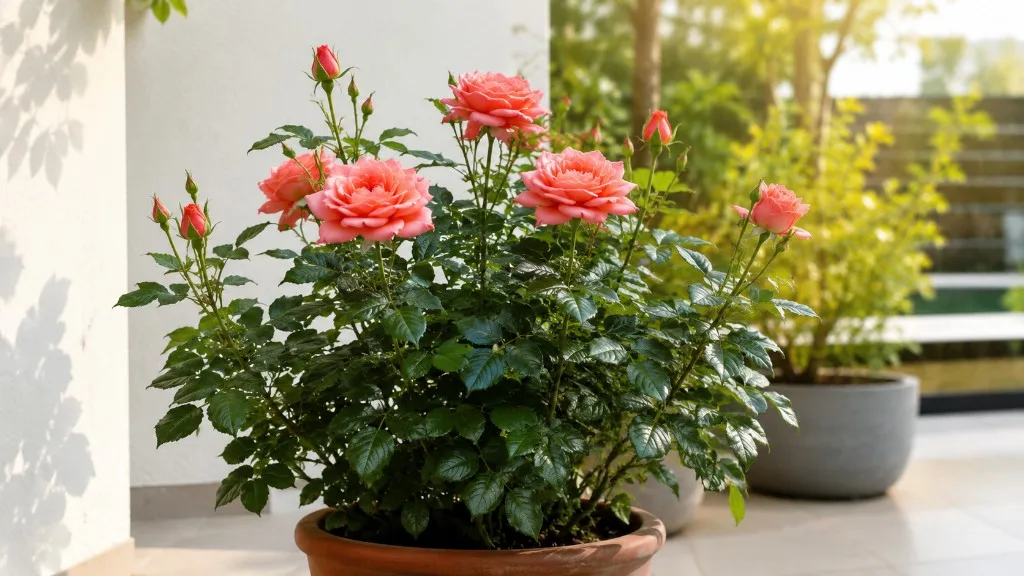
Rose Repotting Guide: When, How & Mistakes
Rose Repotting Guide: When, How & Mistakes
A potted rose that once bloomed freely can slow down, dry out within hours of watering, or push out smaller flowers even when you feed it faithfully. Those symptoms rarely mean the plant has given up on you. More often, the root zone has simply outgrown the container - or the compost has broken down into a dense, nutrient-depleted mass that water cannot penetrate properly. Rose repotting refreshes that root environment: new aerated soil, room for feeder roots to spread, and a chance to inspect for rot or circling roots before they strangle the plant from below. Done at the right time with the right pot size, a repot is one of the highest-return maintenance tasks in container rose culture. Done carelessly - too large a pot, bare-rooted roots, or a move during peak bloom - it can set the plant back for weeks.
This guide covers when to repot, how to choose a container and soil mix, the full step-by-step workflow, aftercare that limits transplant shock, and the mistakes that turn a routine refresh into a recovery project.
What Repotting Does for Container Roses
Repotting is not just a bigger pot. It is a full reset of the soil volume the rose depends on for water, oxygen, and nutrients. In the ground, rose roots can spread meters outward and downward, tapping reserves from a large soil profile. In a container, every resource must come from a few liters of compost that you control entirely. Over two or three growing seasons, that compost compacts, loses structure, and sheds the slow-release nutrients roses burn through quickly. Roots fill the available space, circling the pot wall and bottom, which further reduces air pockets and makes watering unpredictable - the mix either sheds water down the sides without soaking in, or it stays wet too long around a congested core.
A proper repot addresses all three problems at once. Fresh mix restores drainage and aeration. A modest increase in pot size (or a same-pot refresh with trimmed roots) gives feeder roots space to grow outward instead of circling. And the inspection step lets you remove dead, mushy, or severely circling roots before they become entry points for crown rot or persistent wilt. The goal is not to disturb the plant for sport. The goal is to keep a heavy-feeding, long-lived shrub productive in a space that will always be smaller than what nature intended.
Why Roses Run Out of Soil Faster Than Most Potted Plants
Roses are among the more demanding container subjects because they combine fast top growth, repeat blooming, and a woody root system that thickens over time. A miniature or patio rose may look modest above ground, but its roots still explore aggressively when soil quality is good. Each flush of flowers draws nitrogen, potassium, and trace elements from a finite pot volume. Container watering also leaches nutrients faster than rainfall in a garden bed, especially if you irrigate until water runs from the drainage holes - which you should, to prevent salt buildup.
Peat-free and lightweight multi-purpose composts, increasingly common in many markets, can exacerbate the problem. Several growers report that peat-free mixes alone dry out quickly and can become hydrophobic - shedding water rather than absorbing it - after a season or two. Loam-based mixes such as John Innes No. 3, often recommended by the Royal Horticultural Society for established container plants, hold moisture and nutrients more steadily because of their soil content, though they are heavier and still need refreshing on a schedule. The takeaway is simple: roses do not just “use up” nutrients. They physically exhaust the structural quality of the mix, which is why calendar-based refresh - every two to three years for most container roses - prevents decline better than waiting for obvious stress.
Signs Your Rose Needs a New Pot
Not every struggling rose needs repotting. Yellow leaves can mean aphids, black spot, or inconsistent watering. Small flowers can mean insufficient sun or skipped deadheading. Before you commit to a transplant, check whether the pot itself is the bottleneck. The clearest signs point to the root zone.
Rose repotting is warranted when two or more of the following appear together: roots visible at the drainage holes or circling tightly when you slip the plant out; water running straight through the pot without the mix absorbing it; the rose drying out within hours despite recent watering; noticeably smaller blooms or fewer flowers than the previous season despite regular feeding; stunted new growth or leaves smaller than earlier in the plant’s life; or a white crust of fertilizer salts on the soil surface and pot rim. A single symptom can have other causes, but root congestion plus poor water behavior is a reliable combination.
If the plant wilts in the afternoon but the mix feels soggy at depth, you may be looking at root damage or rot rather than simple root-bound stress. In that case, repotting is still often the right move - but root inspection becomes urgent, and you may need to remove more damaged tissue than you would in a routine refresh.
Root-Bound Symptoms to Check First
The fastest diagnostic takes thirty seconds and costs nothing. Water the rose lightly the day before so the root ball holds together, then tip the pot and slide the plant out partway. Healthy feeder roots are white or tan, firm, and distributed through the mix. Root-bound roots form a dense mat at the bottom, wrap around the outer edge in visible coils, or grow horizontally across the surface because they have nowhere else to go. If the root ball looks like a solid cylinder of roots with little visible soil, you are past the ideal window - but not past help. Tease or lightly score circling roots during repotting so they grow outward into fresh mix instead of continuing the spiral.
You do not need to wait for roots to burst from drainage holes. By the time roots protrude, congestion has usually been building for months. Proactive repotting every two to three years, before severe binding, is easier on the plant and on you.
Best Time to Repot Roses
Timing matters because repotting always damages some fine root hairs - the structures that absorb water. You want the rose to repair that damage during a phase when it can grow new roots quickly without also fighting heat stress, peak bloom demand, or impending hard frost on a weakened root zone.
Early spring, just before buds break and active growth begins, is the safest window for most climates. Soil temperatures are rising, days are lengthening, and the plant can channel energy into root establishment before the first heavy flush of leaves and flowers. Late winter during dormancy - roughly November through February in mild regions - is the second-best option, especially if you plan meaningful root pruning or a same-pot refresh. Gardeners in the UK and other cool climates often follow this dormant schedule because the rose is not transpiring heavily and fresh compost will not be asked to support immediate top growth.
Early fall can work in mild areas where winters are not severe, giving six to eight weeks of root growth before dormancy. Avoid repotting in peak summer heat, during a heatwave, or when the plant is in full flower unless the situation is an emergency such as severe root rot on Rose or a completely water-repellent root ball. Bloom and heat both increase water demand at the exact moment root uptake capacity is reduced.
Spring and Dormant Windows Compared
Spring repotting pairs naturally with the year’s first feeding and top-dressing routines. The rose enters the growing season with fresh soil and can be watered on a normal rhythm within a few weeks. Dormant repotting, by contrast, is preferable when you need to prune roots aggressively to fit the same pot or when you want to minimize disruption to the current season’s display. If you repot in late winter, keep the rose in a sheltered spot, water lightly until growth starts, and hold off on fertilizer until you see new shoots - typically early spring. In cold-winter regions where containers freeze solid, avoid mid-winter repotting outdoors. Wait until the root zone can stay above freezing, or move the pot to a frost-free garage or cold frame during recovery.
Choosing the Right Container Size
The most repeated rule in rose repotting is also the most ignored: go up one pot size, not three. A container that is too large holds excess moisture around a small root system, especially in cool weather, which invites crown rot and slow establishment. Roses prefer to fill a pot gradually, not swim in one.
For miniature and patio roses, a pot at least 23–35 cm (9–14 inches) deep with similar width is a common starting range. Many growers use 40 cm (16 inch) diameter pots for established patio roses. Shrub and compact floribunda types in long-term container culture often need 40–45 cm (16–18 inches) diameter pots at maturity. Larger shrub or small climbing roses grown in pots may require 45–60 cm (18–24 inches) containers. Depth matters as much as width: roses root deeply when given the chance, and shallow bowls heat up fast and dry unevenly.
Every pot must have drainage holes. If you love a decorative container without them, use it as a cache pot and plant in a nursery pot that lifts out. Raise pots on feet or bricks so water never pools under the root zone - especially important for winter drainage on balconies and patios.
Minimum Pot Size by Rose Type
| Rose type | Minimum mature container | Notes |
|---|---|---|
| Miniature rose | 23–30 cm deep, similar width | Upgrade as roots fill; do not stay in a 15 cm starter pot past year one |
| Patio / compact floribunda | 35–40 cm diameter | Heavy feeder; benefits from loam-based mix weight |
| Shrub rose (container) | 40–45 cm diameter | May stay years with same-pot root pruning |
| Knock Out and landscape shrubs in pots | 40–50 cm diameter | Vigorous; watch for fast root fill |
| Small climbing rose in pot | 45–60 cm diameter, deep | Needs vertical support; pot weight prevents tipping |
When moving up, increase diameter by roughly 5 cm (2 inches) - about one nursery pot size. If the root ball already fills the current pot wall to wall, that increment is enough for another two seasons of growth.
Soil Mix for Rose Repotting
Never repot a rose into garden soil or topsoil scooped from the yard. Garden soil compacts in containers, drains poorly, and can introduce pathogens. Use a structured potting medium designed for containers, then amend for roses’ need for richness and steady moisture.
Two proven approaches dominate. In the UK and among RHS-aligned growers, 80% John Innes No. 3 blended with 20% multi-purpose compost is the standard for established container roses. John Innes No. 3 is loam-based, heavier, and carries more slow-release nutrition than seedling mixes - properties that help stabilize moisture and reduce the wild wet-dry swings that stress roots. The multi-purpose portion adds organic matter and improves texture. A handful of perlite per large pot helps on rainy balconies or shade-adjacent patios where mix might otherwise stay wet.
In North America and for widely available soilless products, a 60% high-quality potting mix, 20% coarse perlite or pumice, and 20% compost or well-rotted manure performs well. Some growers add a small amount of finely ground bark for long-term structure. Target a slightly acid to neutral pH - roses generally prefer pH 6.0–6.5 - though in practice a well-drained, fertile mix matters more than chasing decimal points on a first repot.
At planting or repotting, a tablespoon of bone meal or a slow-release rose fertilizer scratched into the lower third of the mix can support establishment, but do not treat that as a substitute for a regular feeding schedule once the plant recovers. Mycorrhizal inoculants such as Rootgrow are optional; some nursery growers use them at first planting to encourage early root contact with the new medium.
DIY Mix vs. John Innes No. 3
John Innes excels at buffering moisture and weighting the pot against tipping - real advantages for top-heavy roses on windy balconies. Soilless DIY mixes are lighter, easier to source in some regions, and easier to haul upstairs. If you use peat-free multi-purpose alone, expect faster breakdown and more frequent refresh. Blending it with loam or compost corrects that weakness. Whichever route you choose, use entirely fresh mix on a full repot. Reusing old compost defeats the purpose and can carry disease spores or pest eggs forward.
Tools and Materials You Need
Gather everything before you unsettle the root ball. You will need a new pot (or the same pot if root pruning), enough fresh mix to fill it, clean bypass secateurs or sharp scissors, a hand trowel, a chopstick or pencil for settling mix around roots, gloves for thorn protection, and a watering can with a rose head or narrow spout for gentle first watering. Optional but useful: a tarp or old sheet for cleanup, a soft brush to remove loose old mix from roots, and rubbing alcohol or dilute bleach to sterilize blades if you cut into discolored tissue.
If the rose is large, water the day before so the ball holds together. If it is severely root-bound, have a serrated kitchen knife or hori-hori ready to make shallow vertical scores through the outer root mat - four shallow cuts around the cylinder is usually enough to encourage outward growth without aggressive stripping.
Step-by-Step Rose Repotting
Work methodically. Rushed repotting causes more transplant shock than the process itself.
1. Pre-water. Moisten the existing mix twelve to twenty-four hours ahead. Slightly damp soil clings to roots; bone-dry soil crumbles and tears fine hairs. Do not saturate to mud.
2. Prepare the new pot. Cover drainage holes with a shard or mesh if needed to prevent mix washout, not to block flow. Add enough fresh mix at the base so the rose will sit with its graft union or crown at the correct depth - typically 2–5 cm below the rim in containers, with the graft union at or just above the final soil line for grafted types.
3. Remove the rose. Tip the pot, support the base of the plant with your hand, and slide it out. If it sticks, run a knife around the inner edge or tap the pot sides. Never yank by the canes.
4. Inspect and groom roots. Shake or brush away loose old mix from the outer third of the root ball. Trim dead, black, or mushy roots back to firm tissue. Tease circling roots at the bottom and sides outward with your fingers. If the mat is dense, make light vertical scores. Avoid bare-rooting the entire plant unless you are experienced and the rose is dormant - stripping all old soil removes fine feeder roots and extends recovery time.
5. Position and backfill. Set the rose in the center. Fill around the sides with fresh mix, gently firming as you go. Use a chopstick to poke mix under the root ball without packing it concrete-tight. Leave about 2–4 cm of headspace below the rim for watering.
6. Water thoroughly once. Water until it drains freely from the bottom. This settles the mix and removes large air voids. Do not stomp the soil surface.
7. Shelter and wait. Move the pot to Rose light guide or morning sun only for seven to ten days. Protect from wind and afternoon heat. Hold fertilizer for at least two to four weeks, or until you see new growth.
Pre-Watering, Removal, and Root Inspection
The difference between a rose that rebounds in ten days and one that sulks for a month often shows up in how the root ball was handled at removal. Support the plant from the base, not the canes. When you inspect, white tips on roots mean active growth - good. Brown outer layers on woody roots are normal. Black, slimy tissue is not. Cut back to cream-colored firm wood. If more than a third of the root mass was damaged or removed, reduce top growth by pruning back one or two canes lightly to balance the root-to-shoot ratio - especially if you repotted during the growing season rather than dormancy.
Protecting the Graft Union When Repotting
Most nursery roses are grafted, with a desirable flowering variety atop a hardy rootstock. The swollen graft union must not be buried deeply in the container. Plant so the union sits at or slightly above the finished soil surface. Burying it invites suckers from the rootstock and can rot the union in wet mix. Own-root roses lack this junction, but the crown where canes emerge still should not be buried - deep planting is a common source of crown rot in containers.
Aftercare to Prevent Transplant Shock
Transplant shock in roses usually shows as wilted leaves, slight leaf drop, or a pause in new growth for one to three weeks. That response is normal when mild and short-lived. It is a problem when wilting persists beyond two weeks, leaves yellow in mass, or stems soften at the base - signs that may indicate overwatering in an oversized pot, root rot, or damage to the graft union.
For the first week, water lightly when the top 2–3 cm of mix feels dry. Do not keep the mix constantly soggy “to help the roots.” Roots need oxygen as much as water. Avoid afternoon full sun on a freshly repotted rose even if the plant previously tolerated it. Gradually reintroduce the normal light position over seven to fourteen days. Skip liquid feed until new leaves appear; premature nitrogen pushes top growth before roots can support it.
A realistic recovery timeline: visible perk-up within 7–14 days for a gentle spring repot; full root re-establishment in 4–6 weeks; confident return to normal feeding and sun in 4–8 weeks depending on rose vigor and season. New growth is the signal that matters - old damaged leaves will not green up again, but fresh leaves of normal size mean the repot succeeded.
Repotting vs. Top-Dressing vs. Root Pruning
Not every year calls for a full rose repotting. Understanding the three maintenance levels saves labor and reduces shock.
Top-dressing means scraping away the top 5 cm of old mix each spring and replacing it with fresh compost and a granular rose fertilizer. It replenishes surface nutrients and improves water intake without disturbing deep roots. Many patio roses benefit from annual top-dressing even in years without a full repot.
Full repot into a larger container is for root-bound plants or when you want more root volume for a vigorous cultivar. Go one size up.
Same-pot refresh with root pruning suits mature roses you want to keep in a fixed decorative container. During dormancy, remove the plant, trim the outer and bottom root mass by up to one-third with clean secateurs, refresh all mix, and prune the top growth lightly to balance. This is more stressful than top-dressing but can keep a rose healthy in the same urn for many years. The Royal Horticultural Society and multiple extension sources emphasize doing heavier root pruning during dormancy, not mid-summer, because open root wounds heal slowly under heat load.
If water still runs through after top-dressing, or blooms keep shrinking despite feed, move up to a full repot.
Common Rose Repotting Mistakes
Oversized pots are the number one killer. The soil stays wet in the center while the surface looks dry, roots suffocate, and the grower adds more water. One size up, always.
Bare-rooting the entire ball strips fine absorptive roots. Keep a core of old mix around the center if it is not diseased.
Repotting during peak bloom forces the plant to support flowers while rebuilding roots. Wait until flowers fade or schedule for early spring before buds open.
Immediate heavy feeding burns tender new root tips and pushes floppy growth. Wait for new leaves.
Blocking drainage with gravel layers, coffee filters, or sealed decorative pots traps water. Fix drainage before you fix anything else.
Planting too deep buries the graft union or crown. Check depth before final backfill.
Using garden soil leads to compaction and poor aeration within a single season.
Indoor and Balcony Rose Considerations
Roses grown indoors or on sheltered balconies face amplified repotting stakes because environmental buffers are thinner than in an open garden. Indoor air is drier; heating cycles pull moisture from leaves faster than roots can replace it after a repot. Balcony pots heat and cool rapidly, which changes watering math overnight. After repotting, keep indoor roses away from radiator blasts and direct window glass that scorches leaves while roots are still limited. Rotate the pot a quarter turn weekly once recovery begins so new growth does not lean permanently toward the light.
Weight matters on balconies. John Innes-heavy mixes stabilize tall roses against wind but load structural limits - verify weight capacity before upsizing to a 45-litre pot. In freezing climates, repotted roses are more vulnerable the first winter because root insulation from old, dense root mats is temporarily reduced. Group pots, wrap insulation, or move them to a wall-adjacent microclimate after fall repotting. Do not assume a repot in September will fully harden roots before a December freeze in cold zones.
Conclusion
Rose repotting is less about memorizing a calendar than reading what the pot tells you: water behavior, root density, bloom size, and mix quality. Most container roses benefit from a full refresh every two to three years, ideally in early spring or late winter dormancy, moved into a pot only one size larger with a fertile, well-drained loam-based or amended soilless mix. Handle the root ball gently, protect the graft union, shelter the plant from harsh sun for the first week, and delay fertilizer until new growth proves the roots are working again. When a full repot is more than you need, spring top-dressing or a dormant same-pot root prune can buy another season of health without the shock of a major move. Get the timing, pot size, and soil right, and your rose will reward the effort with fuller foliage and the kind of blooms that made you choose a rose in a pot in the first place.
When to use this page vs other Rose guides
- Rose overview - Start here for whole-plant context before deep-diving this topic.
- Rose problems hub - Jump to symptom-specific fix guides when this care topic does not resolve the issue.
- Root Rot on Rose - Escalate here when repotting adjustments are not enough.
Related Rose guides
- Rose overview
- Rose watering
- Rose light
- Rose soil
- Rose propagation
- Rose fertilizer
- Root Rot on Rose
- Rose problems
Related tool
Try the Pot Size Calculator with rose pre-selected to estimate needs for your setup.