How to Prune English Ivy: Timing, Cut Placement
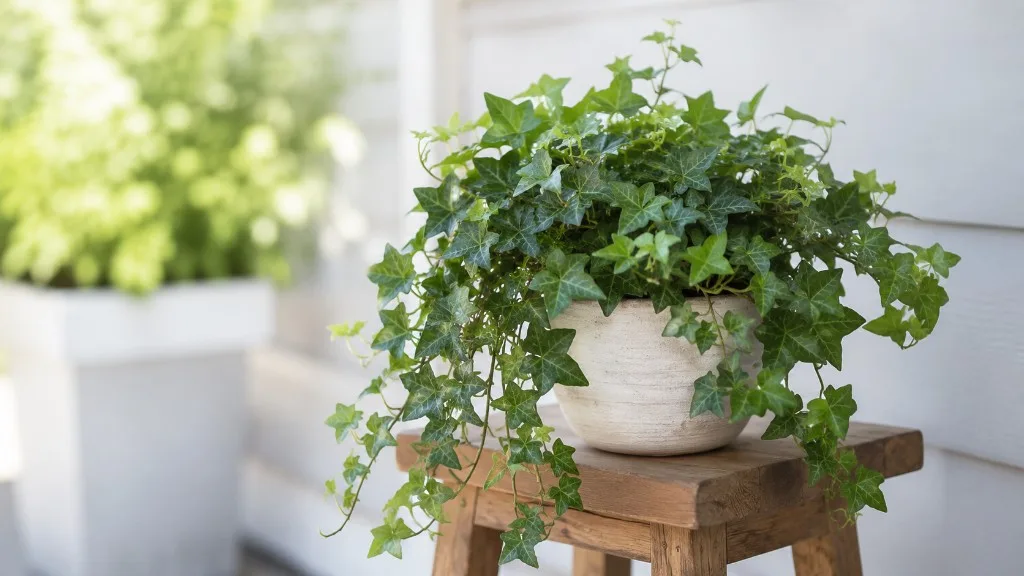
How to Prune English Ivy: Timing, Cut Placement, and Recovery
How to Prune English Ivy: Timing, Cut Placement, and Recovery
Quick Answer - Start With Dead and Damaged Growth
First action: remove dead, yellow, brown, or clearly pest-damaged leaves and stems with clean, sharp scissors - before you shorten a single healthy vine. Trace each bad leaf to its node, snip the petiole cleanly, or cut the affected stem one-quarter inch above the nearest healthy node. English ivy (Hedera helix) stores energy in its stems and roots, so it survives neglect - but cutting live green tissue before clearing declining material hides problems like spider mites, soft stem bases from overwatering on English Ivy, or variegated reversion you should address first.
Once sanitation is done, decide your goal: shorten leggy trails, pinch soft tips for bushiness, or stage a rejuvenation on an overgrown basket. Every shortening cut on English Ivy overview belongs just above a leaf node, never midway along a bare internode. That single rule separates clean branching from the brown stub look that frustrates most first-time ivy pruners.
What You Are Cutting on English Ivy
English ivy is a woody trailing or climbing vine in the Araliaceae family, native to Europe, western Asia, and North Africa. Indoors it usually stays in juvenile form - lobed leaves on flexible stems that root easily and respond well to tip pinching. Labels may say glacier ivy, sweetheart ivy, or common ivy, but pruning technique is the same across cultivars; only your target shape changes (compact basket, long single trail, or trained topiary).
Pruning on this species covers four jobs: sanitation (dead or diseased tissue), length control (shortening stretched vines), density (pinching apical buds so side shoots emerge from lower nodes), and rejuvenation (staged cutback of old woody stems). Pruning cannot fix chronic low light or root rot on English Ivy - it redirects growth once underlying care is sound.
Nodes, Internodes, and Growing Tips
Leaf nodes are the small raised points where leaves attach and aerial roots may form on trailing sections. Internodes are the bare stem between nodes. Apical buds at each vine tip release auxin, which suppresses branching on nodes below while the tip stays intact.
New shoots on English ivy emerge from nodes, not from random wounds on bare internodes. Cut one-quarter inch above a node at a slight angle and the plant typically pushes one or two shoots from that point during active growth. Cut midway between nodes and the tissue above often dies back to the nearest node without producing the side branches you expected.
Juvenile Vines vs. Woody Old Stems
Young green stems pinch easily and root from cuttings. Older woody vines near the base may look bare but can still resprout after hard pruning - the Royal Horticultural Society notes that overgrown ivy regenerates readily from old wood when hard pruned in early spring. Indoors, staged moderate cuts are safer than one dramatic chop because light and warmth are less generous than in a garden.
When to Prune English Ivy
Timing splits into two categories: cleanup you do whenever needed, and shaping that follows the plant’s growth rhythm.
Emergency Cleanup Anytime
Remove fully brown, blackened, diseased, or pest-webbed leaves and stems as soon as you see them. There is no benefit to leaving a crisp dead leaf attached through winter - it collects dust, holds moisture after watering, and can conceal spider mites on the stem below. A single yellow leaf on an otherwise healthy plant is often normal senescence; remove it and monitor. Widespread yellowing means pause on heavy pruning and check soil moisture, light, and roots first.
Shaping and Rejuvenation in Active Growth
Structural pruning, tip pinching, and rejuvenation belong in the active growing season - for most indoor growers, late spring through early summer, when pale new tips unfurl at vine ends. The BBC Gardeners’ World and RHS both recommend trimming excess growth in mid-spring; houseplants can be kept in bounds at any time of year, but major cutbacks land best when the plant can replace foliage quickly.
Avoid removing a large share of green tissue in late fall and winter, when lower light slows recovery. Light grooming still works in colder months - a dead leaf here, a broken tip there - but a hard cutback on a plant in a dim, dry room commonly causes widespread yellowing and a long pause before new shoots appear. If winter is your only window, work in stages over several weeks and take no more than one-third per session.
What to Inspect Before You Cut
Rotate the pot and look at four zones before touching healthy growth:
- Stem bases - firm and green, or soft, black, and sour-smelling (possible root rot)?
- Leaf undersides - stippling, webbing, or sticky residue (spider mites, aphids, scale)?
- Variegated sections - any solid green shoots growing faster than the patterned foliage (reversion)?
- Node spacing - are internodes stretched wide (etiolation from low light)?
If the base is mushy or the soil never dries, fix watering and roots before cosmetic pruning. If internodes are long and pale, plan to improve English Ivy light guide alongside your cuts - scissors alone will not keep the next flush compact.
Tools, Gloves, and Blade Sanitation
For typical houseplant-sized ivy, bypass pruning shears or sharp scissors handle stems up to pencil thickness. Fine trailing stems on small baskets are easier with floral snips than large hand pruners, which can crush thin tissue. Keep 70% isopropyl alcohol and a cloth nearby. Iowa State University Extension recommends wiping or dipping blades in alcohol, with visible sap removed first so disinfectant contacts the metal.
Sterilize before you start, between plants in a collection, and between cuts when removing diseased tissue. English ivy is susceptible to bacterial leaf spot caused by Xanthomonas species, which can spread on contaminated blades. Skip hedge trimmers and electric shears - they crush stems and produce tufts of weak regrowth rather than layered branching from clean node cuts.
Wear garden gloves. Leaves and stems contain compounds that can cause contact dermatitis in sensitive individuals. Wash hands after pruning and keep tools off food-prep surfaces.
Where to Cut - and What to Leave Alone
Cut here:
- One-quarter inch above a healthy leaf node when shortening a vine
- The soft top few millimeters of actively growing tips when pinching for bushiness
- Reverted all-green shoots on variegated cultivars, traced back to their origin node - the RHS advises removing these as soon as they appear
- Entire bare woody stems that contribute nothing but tangle, cut back toward the main cluster above a node with remaining foliage
Leave alone:
- The main cluster of healthy green stems feeding a weakened plant until recovery begins
- More than one-third of living foliage in a single session
- Mid-internode stubs on sections that already dropped leaves - cut back to a lower node instead
- A plant with widespread yellowing until you identify whether overwatering, low light, or pests is the cause
Trimming Leggy Vines and Pinching for Fullness
Leggy English ivy indoors usually signals insufficient bright indirect light. The plant stretches toward the window with wide node spacing - etiolation - and pruning alone will not prevent the next flush from stretching if the pot stays in the same dim corner. Move it to an east window, a few feet from a south or west window behind sheer curtain, or under a suitable grow light before or alongside shaping cuts.
For each long trail, choose one of two paths: remove it entirely by tracing back to a node near the soil or main cluster, or shorten it by cutting above a lower node where healthy leaves remain. Step back after every few cuts - trailing plants look sparse immediately once long vines disappear. Aim for slightly fuller growth around the pot rim with enough open center space for airflow.
Pinching is the gentlest density tool. When new vine tips are soft and bright green, nipping out the apical bud interrupts auxin flow and encourages lateral shoots from nodes lower on that stem. Pinch every three to four weeks during active growth rather than removing every growing point in one day. For a long trailing look, allow selected main vines to run while pinching side shoots. For a compact basket, pinch every soft tip and remove the longest bare stems at their base.
Rotate hanging baskets weekly during growth so all sides receive similar light and fill evenly.
Rejuvenating an Overgrown Plant
An overgrown specimen - pot-bound, bare in the center, with fresh growth only at far vine tips - needs staged rejuvenation, not one heroic cut unless you accept downtime and risk. Start with the one-third rule: remove no more than one-third of living foliage per session, wait three to four weeks for new shoots, then repeat if needed.
Begin by clearing all dead material and vines that are woody and leafless from base to tip. Next, cut the oldest, most tangled stems toward the main cluster, prioritizing stems that cross inward or block light to the center. Leave younger green vines to feed recovery. Total rejuvenation often takes two or three sessions across one growing season. If the base smells sour or stems pull up easily, inspect roots and repot before cutting hard.
After Pruning - Recovery and Maintenance
Return the plant to stable conditions - do not move from dim shade to harsh direct sun the same day. Hold fertilizer for two to three weeks after a moderate to heavy session; resume diluted balanced feeding only when new green shoots unfurl from nodes. Water based on soil moisture, not habit; fewer leaves mean lower water use, and overwatering after pruning is a common trigger for root problems.
Expect new shoots within two to four weeks during active season. Full bushier fill-in may take six to eight weeks depending on light and how much you removed. A quick check every two weeks in spring and summer catches dead tissue early; save heavier thinning for one or two early-summer sessions if the plant needs it. If legginess returns within weeks after good technique, treat light as the primary problem.
Pruning Mistakes That Stall English Ivy
The failures that cause the most grief are predictable. Removing too much at once - especially in winter - strips photosynthetic capacity while roots still consume reserves. Work in thirds. Mid-stem stubs on bare internodes die back ugly and rarely branch. Pruning without fixing light produces repeated legginess. Dull or dirty tools crush thin stems and can introduce pathogens. Shearing with hedge trimmers produces weak tufts instead of graceful layered vines. Ignoring root condition - if the base is black and soft, repot before cosmetic work. Skipping gloves and leaving trimmings within pet reach creates sap and toxicity exposure; the ASPCA lists English ivy as toxic to dogs and cats.
Handling Toxic Trim and Sap Safely
All parts contain triterpenoid saponins, primarily hederagenin, which irritate mucous membranes and can cause vomiting and diarrhea if ingested. Sap contributes to contact dermatitis in humans and can irritate pets that chew stems during or after trimming. The ASPCA notes that foliage is more toxic than berries, though both should be treated as hazardous.
Bag all trimmings and fallen leaves promptly rather than composting them where pets forage. Work over a wipeable surface, clean the area before moving on, and hang baskets high enough that trailing regrowth stays out of reach in pet-accessible homes. If a pet ingests any part, contact your veterinarian or the ASPCA Animal Poison Control Center at (888) 426-4435.
Conclusion
English ivy pruning works when you align cuts with how the plant actually grows: dead tissue first, live shortening just above nodes, soft tips pinched during active growth for bushiness. Time heavy shaping for late spring through early summer, take no more than one-third per session, sterilize blades, wear gloves, and bag toxic trimmings. Improve light if legginess keeps returning - that is the limit pruning cannot overcome. Done this way, grooming keeps Hedera helix dense and manageable without the yellowing stall that follows overambitious winter cutbacks or cuts in the wrong place.
When to use this page vs other English Ivy guides
- English Ivy overview - Start here for whole-plant context before deep-diving this topic.
- English Ivy problems hub - Jump to symptom-specific fix guides when this care topic does not resolve the issue.
- Leggy Growth on English Ivy - Escalate here when pruning adjustments are not enough.
- Slow Growth on English Ivy - Escalate here when pruning adjustments are not enough.
- Brown Tips on English Ivy - Escalate here when pruning adjustments are not enough.