Vegetables You Can Plant in September
Plan a fall garden with September crops, a frost-date method, regional guidance, and practical tips for warm soil, late starts, and frost protection.
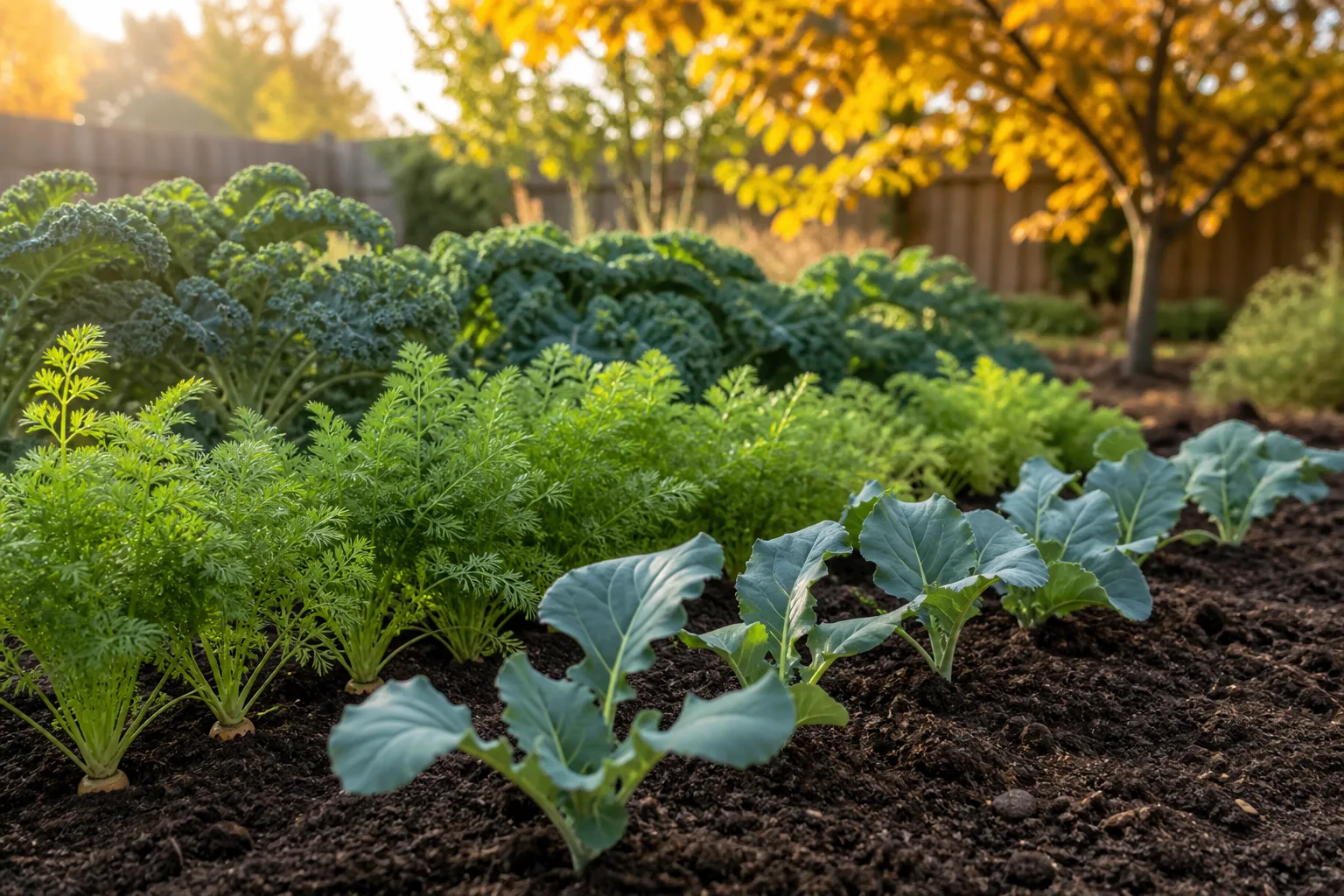
September can be the start of the main vegetable season in one garden and the last chance for quick greens in another. A gardener in coastal Georgia may be setting out broccoli and sowing turnips while a gardener in northern Minnesota is choosing only crops that can mature before an early freeze. The month alone cannot tell you what to plant; the weeks remaining before your local frost, the crop’s maturity time, and the weather in your seedbed do.
In much of the United States, the best September choices are cool-season vegetables: lettuce, spinach, arugula, mustard greens, radishes, turnips, and, where there is enough time, beets, carrots, kale, collards, and brassica transplants. Long autumns open the door to more crops, while a short autumn favors quick harvests and frost protection. Use the planting method below to narrow the list before you buy seed.
Count backward from your local first frost
A regional list is a starting point, not a planting calendar for every yard. Look up your county or nearest cooperative extension’s fall planting calendar and note the average first frost or killing-frost date. That average describes a pattern, not a promise for this year. A sheltered city garden, an exposed rural bed, a hillside, and a low spot can experience different frost conditions on the same night.
Next, decide what you want to harvest: baby leaves, a full lettuce head, a mature root, or a broccoli crown. A crop can still be worth planting when there is not enough time for its full-size harvest if you are happy to pick tender leaves young. Match the maturity estimate and frost tolerance to that goal rather than treating the seed packet number as a guarantee.
Use days to maturity, crop stage, and a fall buffer
Start with the seed packet’s “days to maturity,” but check what event starts the count. For direct-sown crops, the number often begins at sowing; for transplants, it may be counted from transplanting. A nursery broccoli plant has already spent time growing, while a broccoli seed planted in September has not. Germination, transplant recovery, and the harvest size you want all affect how much calendar time remains.
Fall conditions add another variable. Shorter days and cooling soil can slow growth, so experienced growers often add a buffer instead of trusting the packet date literally. UGA Extension’s vegetable calendar for middle Georgia, for example, recommends counting back from frost and adding 18 days to days to maturity for the harvest period in its sample calculation. GrowVeg suggests allowing roughly three additional weeks for fall growth. Treat these as planning allowances, not universal formulas: local extension dates, crop variety, and your harvest goal should decide the margin. (University of Georgia Extension; GrowVeg)
A practical calculation is: average first-frost date minus maturity days minus a fall-growth buffer. If the result is already past, look for a shorter variety, plant an established transplant, plan for baby leaves instead of a mature head, or choose another crop. This does not predict the weather; it keeps you from committing a bed to a slow crop that cannot realistically finish before cold arrives.
Penn State Extension explains that many cool-season crops can be grown in both spring and fall, but they still need enough time to reach harvest before damaging cold; winter-hardy crops are the exception. Some crops tolerate a light frost after they are established, but new seedlings and hard freezes are different conditions. A row cover can help later, yet protection is not a substitute for choosing a crop that has time to grow. (Penn State Extension)
Vegetables to plant in September
For a quick decision, group fall crops by the time and method they need. Most seeds for salad greens and roots go straight into the bed; longer-growing brassicas are more reliable as young transplants when the calendar is tight. Some crops are primarily fall plantings for a spring or early-summer harvest, rather than a way to fill a September salad bowl.
| Crop group | September approach | Best fit |
|---|---|---|
| Lettuce, arugula, mustard, spinach, and Asian greens | Sow small patches or set young seedlings | Choose by soil warmth and weeks remaining |
| Radishes, turnips, beets, and carrots | Direct-sow into a moist, prepared bed | Fast roots first; slower roots need a longer window |
| Broccoli, cabbage, cauliflower, and collards | Set sturdy transplants when available | More useful when seed-to-harvest time is too long |
| Peas, onions, and garlic | Follow a local fall calendar | Long or mild autumns; some are for next season |
Fast leafy greens for the weeks before frost
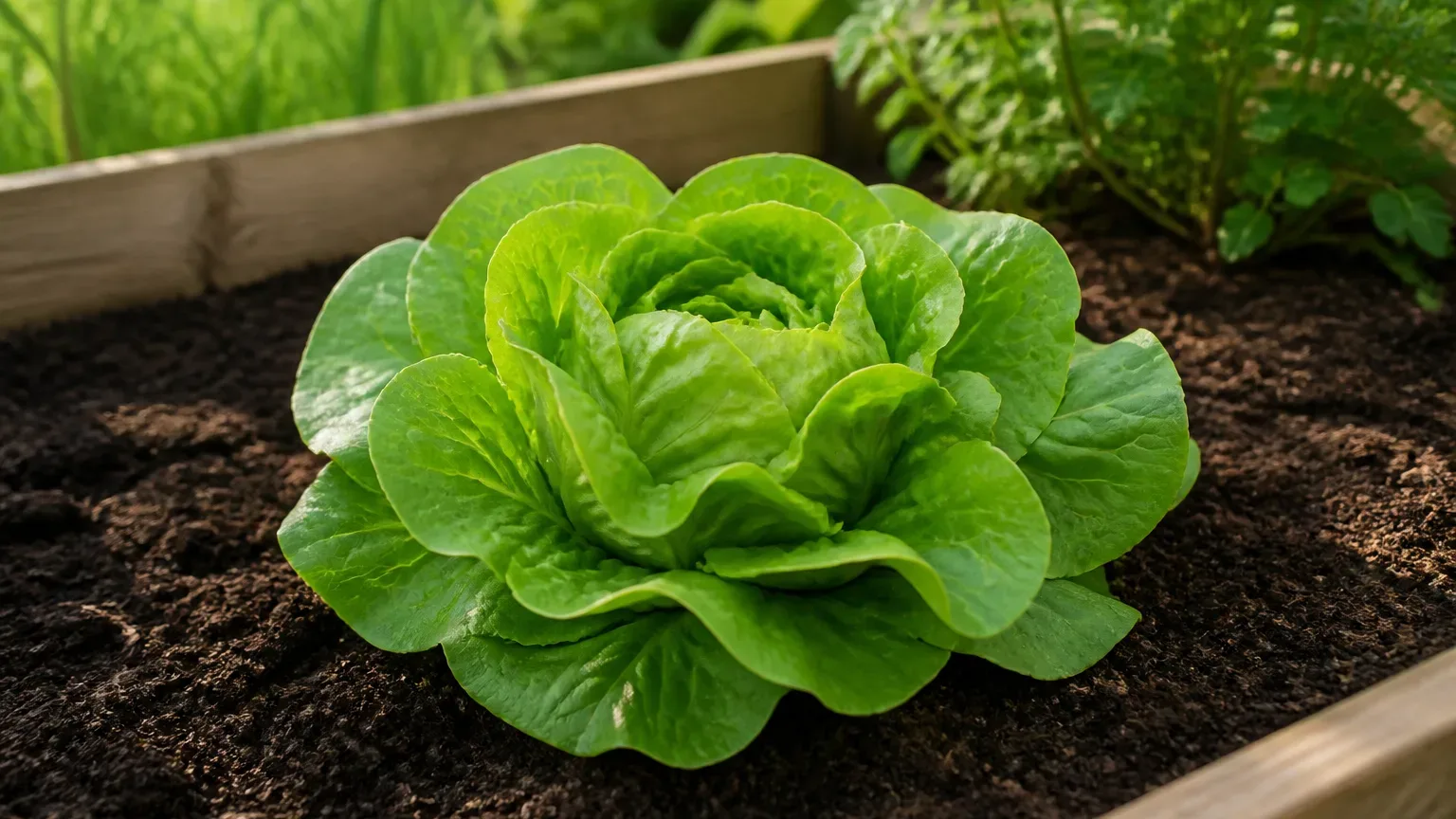
Lettuce gives the most flexibility when the days are getting shorter: harvest outer leaves or cut a loose-leaf mix young instead of waiting for a large, firm head. Sow a narrow row and keep it evenly moist until seedlings emerge. If late-summer soil is still hot, lettuce may germinate unevenly; start it in a cooler, lightly shaded patch or in shallow trays, then transplant small seedlings once conditions ease. A brief afternoon shade can help newly set seedlings through residual heat, but mature lettuce still needs enough light to grow.
Arugula and mustard greens are useful for quick salad leaves and repeated small sowings. A modest row is often more practical than planting a full packet at once: sow another short section after the first has emerged, provided the maturity window still fits. Warm conditions can encourage some greens to bolt or taste sharper, so use a cooler bed edge, keep the soil from drying, and harvest leaves while young.
Spinach is a strong fall choice once the seedbed begins to cool. If the soil is still hot, wait for a cooler spell or start seeds in a shaded nursery row; warmth can prevent reliable germination even when daytime air begins to feel pleasant. Choose a variety described for fall or winter growing if your season is long enough to carry the plants through cold weather. For a late planting, plan on baby leaves rather than a large plant.
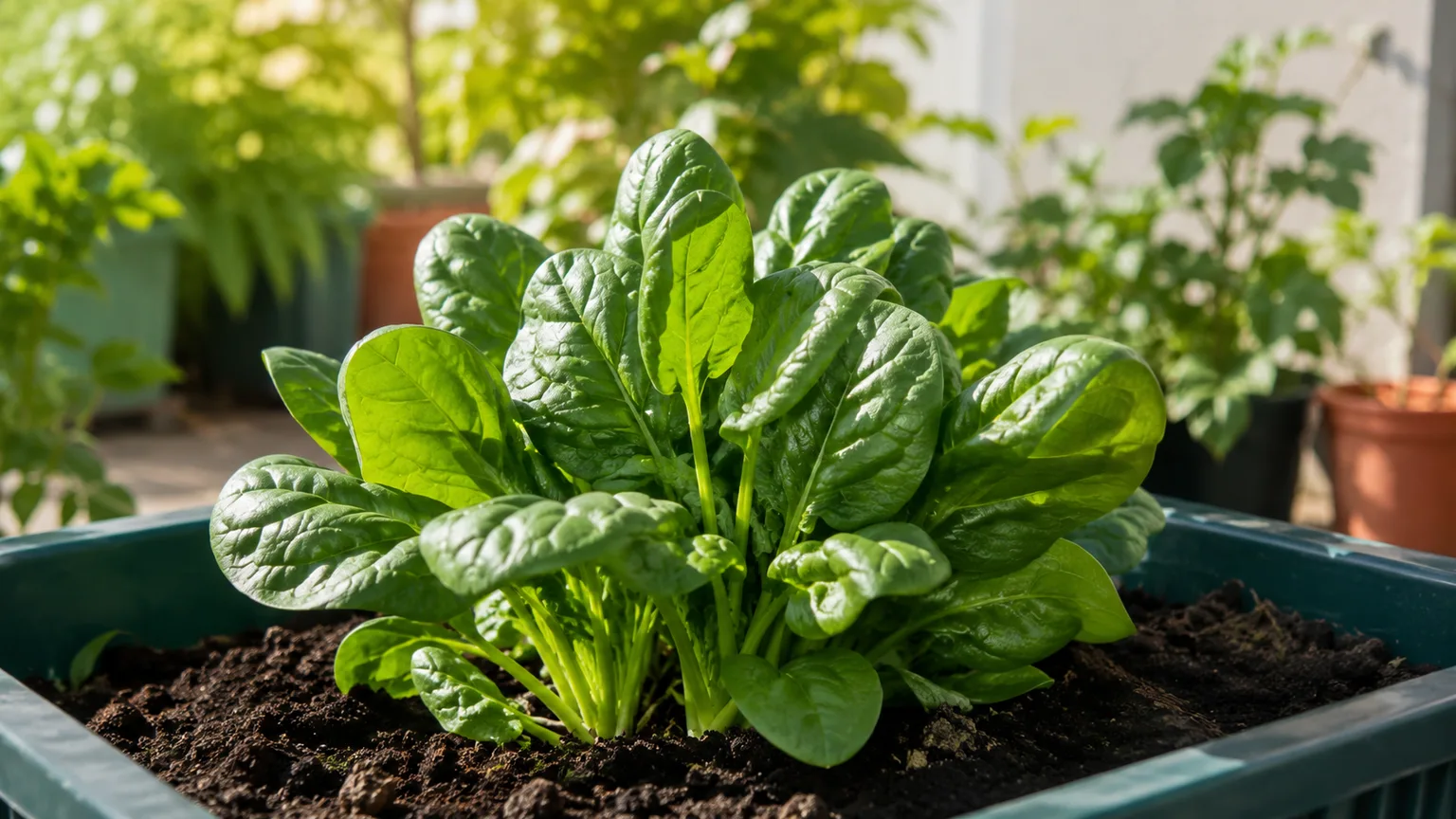
Kale, collards, and chard offer a longer picking season once established. In a short-season garden, buy young starts or use seedlings started earlier rather than sowing them very late and expecting full plants before hard frost. Collards and kale can keep producing leaves through cool weather, but tolerance varies by cultivar, plant size, and exposure. Penn State Extension notes that winter-hardy crops such as kale can tolerate more cold than tender warm-season vegetables; that does not make a newly germinated seedling immune to a sudden freeze. (Penn State Extension)
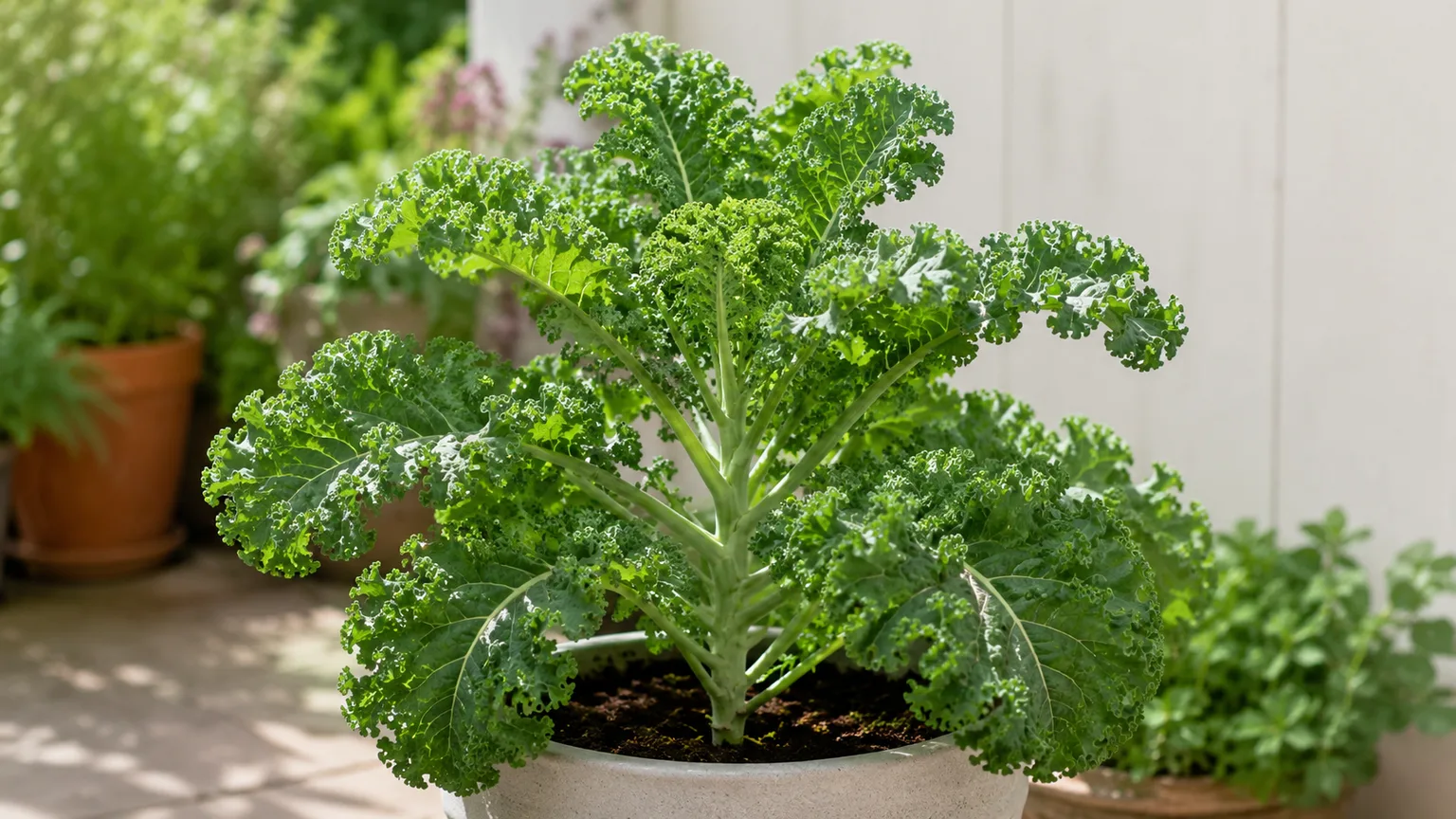
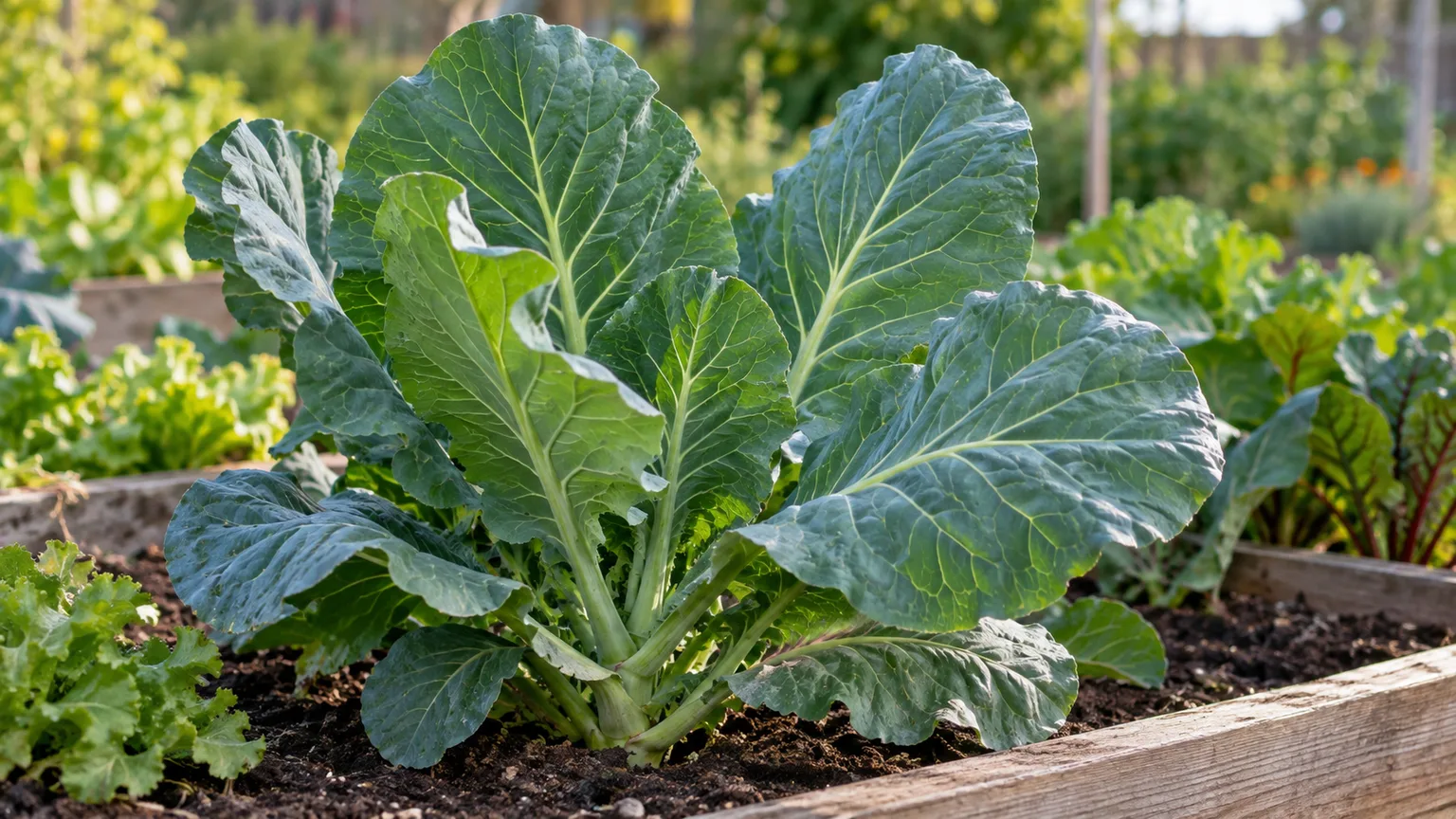
GrowVeg recommends thinking about fall greens by soil temperature and time remaining: some can be started in warmth and moved as seedlings, while others germinate better after the ground cools. That distinction is especially helpful when September days are sunny but the soil remains hot. (GrowVeg)
Quick roots and other direct-sown crops
Radishes are among the most dependable choices when there is a short window because many varieties reach a usable size quickly. Sow them directly where they will grow; root crops are poor candidates for transplanting once their taproots begin to develop. Thin seedlings to the packet’s spacing rather than leaving a dense clump. Crowded roots compete for space and water, which can produce small or misshapen harvests even when the leaves look lush.
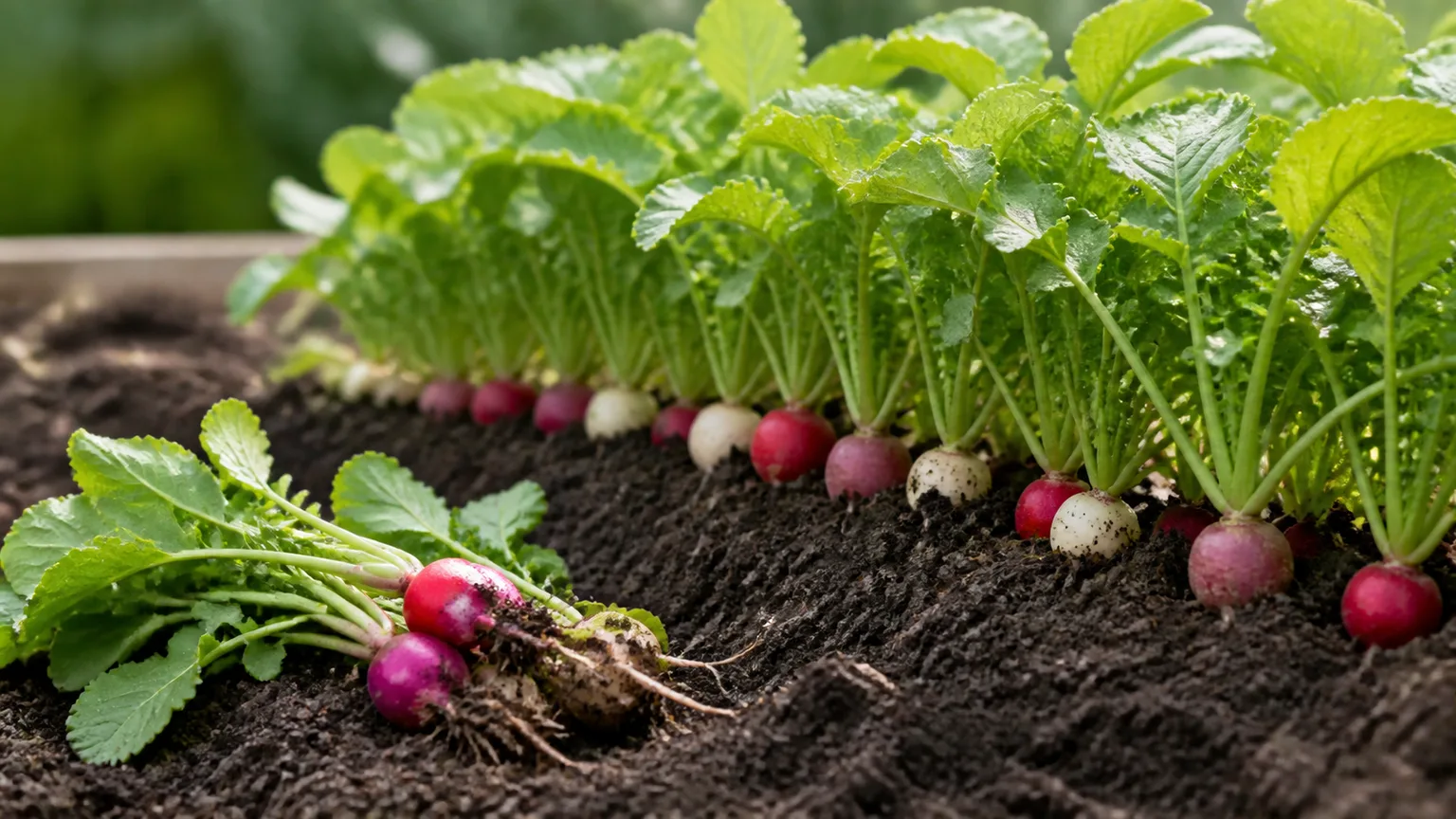
Turnips can provide both tender greens and roots, so they give you more than one harvest option. Use a short-maturing variety and sow in a row that you can thin as plants grow. Pick a few greens without stripping every seedling; the remaining leaves feed the root. In a cooler garden, turnips can continue beyond a light frost, but do not postpone sowing until the soil is cold and growth has slowed.
Beets are another direct-sown crop, with edible greens while the roots enlarge. Their seed clusters can produce several seedlings, so thin them carefully after emergence. If time is limited, use baby beets and greens as the goal, and choose a variety with a shorter maturity time. A smooth, stone-free seedbed helps roots form evenly; heavy clods and crusted soil make establishment more difficult.

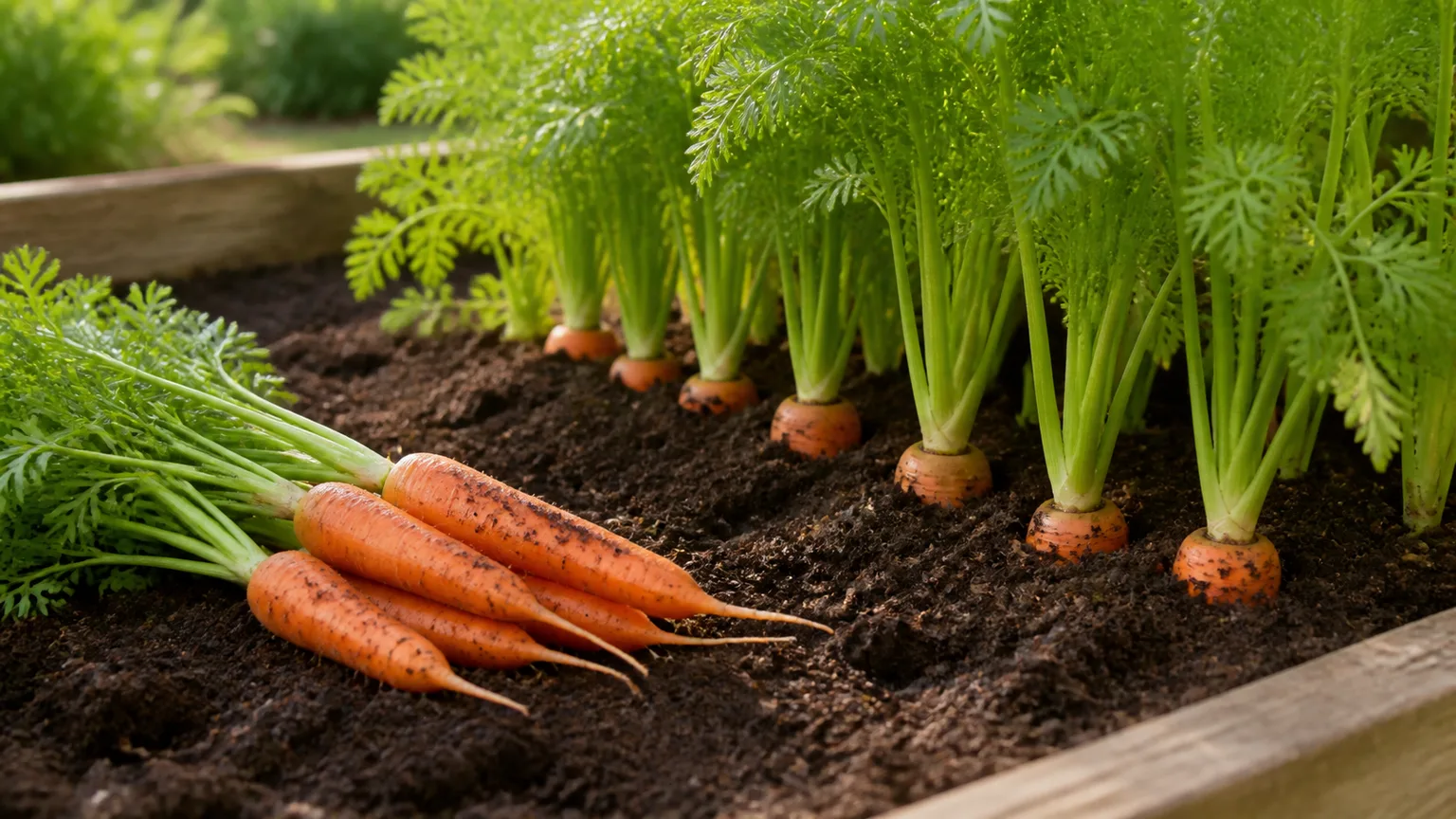
Carrots need a longer runway than radishes and careful moisture during germination. The seedbed should be loose and kept consistently damp at the surface until the fine seedlings appear. If the garden is dry or hot, sow into a shallow furrow that you can water gently without washing seeds away. Carrots may be a good September choice in a long autumn or when you are early in the month, but they are a poor bet if frost is close and the variety needs many weeks to reach your preferred size.
Peas can be sown for a fall crop where a local calendar recommends them and enough mild weather remains for vines to establish and set pods. They are not a universal late-September choice: in colder areas, the plants may run out of time before production. Put a short trellis or support in place at sowing so young vines do not need to be moved later.
Brassicas and crops best set as transplants
Broccoli, cabbage, cauliflower, and Brussels sprouts take longer than quick salad greens, so a September seed sowing is often too late outside warm-winter regions. A healthy transplant saves the indoor seedling stage, and it is the more realistic choice where fall is short. Check the tag for days to maturity and whether that estimate is from sowing or setting out; a large, rootbound transplant is not automatically ahead if it is stressed.

Set brassica transplants during a cloudy stretch or in late afternoon, water the root zone, and protect them from intense sun while they re-establish. They need room and consistent moisture to form heads. If you cannot find compact, healthy starts and the first hard freeze is near, pick a faster crop instead of buying a plant that will remain small.
Kohlrabi and bok choy can also fit a fall garden. Kohlrabi is commonly direct-sown and harvested while the swollen stem is still tender; bok choy can be sown or transplanted depending on the time left and local conditions. Both are more practical in cool weather than in heat. Cover young seedlings if flea beetles or other chewing pests are active, but uncover or ventilate as needed in warm weather.
Longer-season choices for mild autumns
A long, mild autumn can accommodate more than quick greens. In suitable regions, try green onions, scallions, fall peas, or another locally recommended crop in a small trial row. UGA Extension’s calendar for middle Georgia lists beets, broccoli, cabbage, carrots, collards, lettuce, mustard, onions, radishes, spinach, and turnips for September–October, while also noting that planting dates shift across the state. Those recommendations are regional; in a colder climate, some of the same crops need to be planted earlier or started as transplants. (University of Georgia Extension)
Garlic is planted in autumn for a later harvest, not for immediate September eating. Its best planting time depends on the climate and local soil conditions; in cold-winter regions, many gardeners plant cloves later in fall before the ground freezes, while mild-winter regions may use a different schedule. Onions also vary by type and daylight requirement, so do not assume any onion set will overwinter successfully. Check a regional extension calendar or a supplier’s variety guidance before setting aside bed space.
Harvest to Table’s fall crop guide groups greens, root vegetables, brassicas, and longer-season crops separately and recommends choosing varieties by the length of the autumn. That is a useful way to avoid overplanting one crop: combine a quick row you can harvest soon with one slower planting only if your local conditions give it enough time. (Harvest to Table)
Match crop choices to your region
The countrywide lists often divide the map into broad regions, but gardens at the same latitude can differ in elevation, coastal influence, buildings, and exposure. A regional guide becomes useful when you combine it with your frost date and a look at the bed itself. If a local extension calendar disagrees with a general article, follow the local calendar for dates and use the broader list only to identify possible crops.
Short seasons and early freezes
In mountain areas, the northern states, and inland gardens that cool quickly, use September for crops that can reach a useful size in the remaining window. Early in the month, that may include radishes, baby turnips, leaf lettuce, arugula, and mustard greens; spinach may fit once soil temperatures ease. If you already have kale, collard, or broccoli transplants, set them promptly and protect them, but starting those crops from seed at the end of September is usually a different proposition.
When the time left is shorter than the packet’s maturity estimate plus a fall buffer, change the harvest goal or the crop. Baby leaves may still be worthwhile; a full head of cabbage likely is not. A cold frame or row cover can protect established plants and extend harvest, but it adds only a margin. It cannot turn a very late sowing into a mature long-season crop.
Temperate autumns, coastal climates, and warm winters
Where autumn stays mild for longer, September can be a second main planting season. Gardeners in parts of the Southeast, Gulf Coast, low desert, and coastal regions can often sow or transplant a wider set of cool-season crops once the worst summer heat passes. The exact date differs locally: UGA Extension says its middle-Georgia recommendations may shift by about two weeks toward the southern part of the state and earlier in north Georgia. It also bases its calendar on long-term average frost dates and warns that individual years vary. (University of Georgia Extension)
In a warm-winter garden, heat can still be the main September problem. Sow sensitive greens in partial shade, keep seed rows moist, and use transplants for crops that would otherwise sit through hot soil. If the local calendar places planting in October rather than September, wait; seeds do not benefit from going into a bed before conditions suit them. In coastal and maritime climates, fall rain may keep soil moist, but drainage and slug pressure can become more important than irrigation.
Start each crop with the right method
Fall planting is a race between establishment and colder weather, so choose the propagation method according to both crop and calendar. Direct sowing avoids transplant shock for roots and gives fast greens a place to grow immediately. Transplants can save several weeks for broccoli, cabbage, and other slower crops. Neither method wins in every situation: some seeds germinate poorly in hot soil, while overgrown starts may struggle when moved into a new bed.
Direct-sow into warm, drying soil
Clear the previous crop, pull weeds before they seed, and loosen only the top layer enough to create a fine seedbed. If the soil is dry, moisten the row before you sow so water reaches seed depth without washing the seeds to one end. Plant at the depth and spacing on the packet, then firm the soil lightly for good seed contact. Keep the row evenly damp through germination; the surface of a September bed can dry fast in sun and wind even after a deep watering.
For very small seeds such as lettuce, a shallow furrow and a gentle spray help prevent seeds from being buried too deeply. Radishes, beets, carrots, and turnips should be sown where they will finish rather than moved from pots, because root disturbance can distort the harvest. Mark the row so you can tell seedlings from weeds, and thin promptly once the true leaves appear. Do not cover the seed row with thick mulch; it can obstruct emergence.
Check the temperature of the seedbed rather than relying only on the afternoon forecast. GrowVeg separates fall crops into those that germinate in warmer soil, those best started as seedlings and moved later, and those that wait for cooler ground. If spinach or lettuce fails to emerge in a hot bed, try a shaded nursery row or a later sowing instead of repeatedly scattering more seed over the same dry surface. (GrowVeg)
Set healthy transplants and sow in small batches
Choose transplants with compact stems, evenly colored leaves, and roots that hold the mix without circling densely around the pot. Water them before planting, loosen only the outermost tangled roots, and set them at the same depth they were growing in the container unless the crop has specific instructions. Water around the root ball to settle soil and reduce air gaps. A seedling that wilts during the hottest part of the day may need a temporary shade cloth, but persistent wilt in damp soil calls for a root and drainage check.
If you want salad leaves over several weeks, sow a short row or a small container every week or two rather than planting the full packet at once. The next sowing should still fit the crop’s maturity window; succession planting cannot overcome frost that arrives before the seedlings grow. Harvest outer leaves first when the variety allows it, and avoid taking every leaf from a small plant. GrowVeg and Harvest to Table both describe small repeat sowings as a practical way to stagger fall harvests. (GrowVeg; Harvest to Table)
Keep fall crops productive as nights cool
September beds often need attention for opposite reasons at the same time: seedlings can dry in lingering heat, while established plants may face a cool night sooner than expected. Check the soil at seed depth, especially in raised beds and containers, where the growing mix warms and dries more quickly than in-ground soil. A steady supply of water supports germination and transplant establishment; avoid frequent shallow sprinkling that wets only the surface and leaves deeper soil dry.
Water, shade, and protect young plants
For newly sown rows, water gently and often enough to keep the seed zone from drying until seedlings emerge. Once plants are established, water more deeply when the soil begins to dry instead of following a rigid calendar. A light mulch between rows can moderate evaporation and reduce weeds, but keep it away from tiny seed rows until seedlings are large enough to emerge through it.
Use temporary shade during a heat spike for lettuce or brassica transplants, then remove or reduce it when conditions cool. Shade is not a permanent substitute for enough sun, and a covered bed can heat quickly on a clear day. If seedlings are crowded, thin them while small so air and light reach the remaining plants; dense foliage stays damp longer and is harder to harvest cleanly.
Know what row covers can and cannot do
Lightweight row cover, low tunnels, and cold frames can buy extra time by buffering cold nights and protecting plants from some frost exposure. Penn State Extension describes season extenders as tools for growing cool-season crops into fall and winter; the cover type, crop, weather, and setup all affect the result. Anchor fabric so wind cannot lift it, keep it from crushing leaves, and open or vent a frame on sunny days so heat does not build up inside. (Penn State Extension)
A cover is not a heater, and no simple fabric guarantees survival through a hard freeze. Plants under cover still need light, water, and airflow, and a warm sunny afternoon can be as damaging under plastic as a cold night without protection. Put the support in place before a frost warning, water the soil if it is dry, and check the forecast rather than waiting for damaged leaves to tell you the cold has arrived.

Avoid common September planting mistakes
The most common mistake is planting from a month-based list without checking the local frost window. The next is counting only the seed packet’s maturity days and forgetting that fall growth slows or that the listed number may assume a different starting point. If the date does not work, plant a smaller harvest stage, use a transplant, or choose a crop with a shorter maturity estimate; adding a cover only helps within reasonable limits.
Avoid sowing heat-sensitive greens into a hot, dry bed and then leaving the row unattended. Keep the seed zone moist, use partial shade when appropriate, and wait for cooler conditions if germination remains unreliable. Thin root vegetables, water new transplants at their roots, and do not use a broad regional planting chart as a promise for a high-elevation or frost-pocket yard. A small, well-timed row usually produces more than a large late planting that never reaches harvest.
Conclusion
You can plant many vegetables in September, but the best choices depend on how much growing time remains where you live. Count backward from local frost, add a realistic fall buffer, and choose crops according to harvest size and planting method. Quick greens and roots suit shorter windows; transplants and overwintering crops need the right regional timing. Start with one or two rows, keep the seedbed moist, and protect established plants when cold threatens.