26 Best Fall Flowers for Pots and Container Gardens
Plan fall flowers for pots with 26 plant picks, two container recipes, and clear guidance on sunlight, watering, first frost, pet safety, and overwintering.
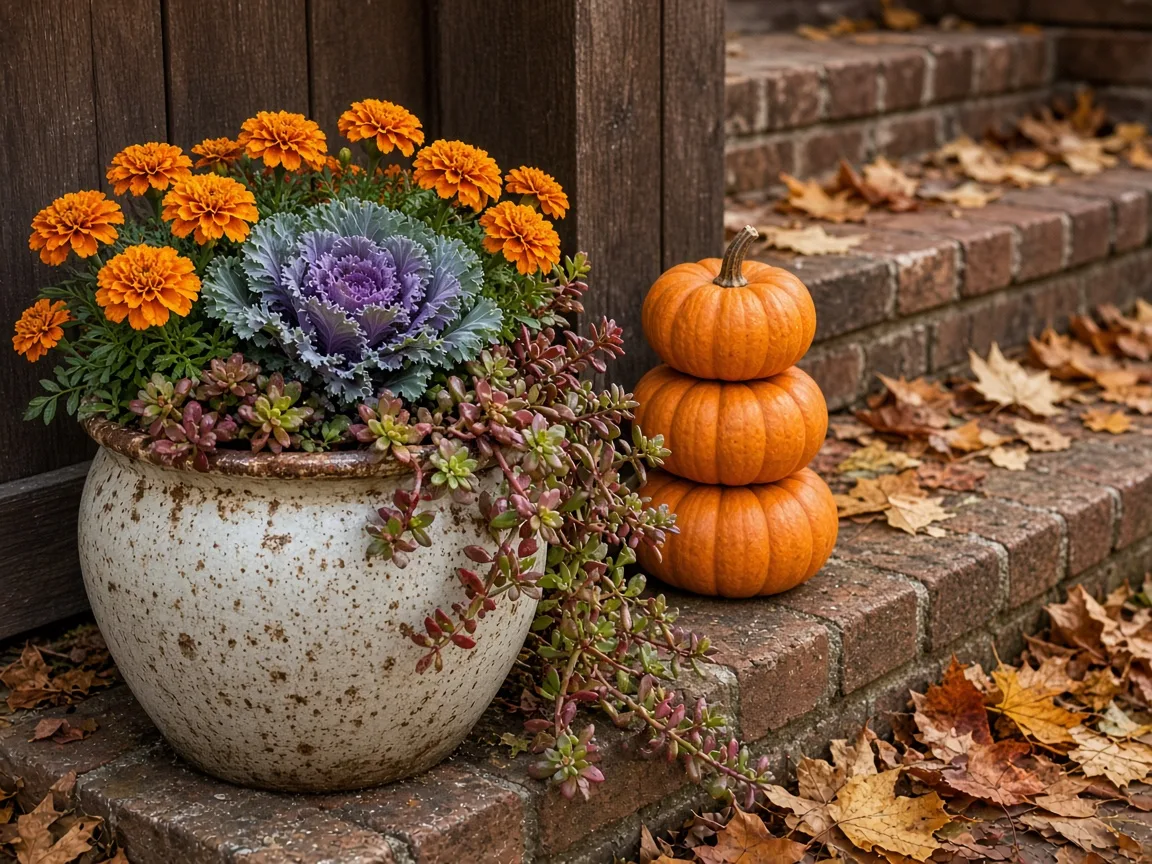
A fall container succeeds when its plants are matched to the weather you actually have. Some choices, such as pansies and ornamental kale, prefer cool days; others, including celosia and petunias, simply keep flowering while nights stay mild. Perennials like asters and sedum can bring late color, while foliage plants fill the gaps when blooms slow.
The list below groups 26 choices by what they do best. Several are grown as much for colorful leaves or lasting flower heads as for fresh blooms. Before you buy, check the pot’s sun exposure, the plants’ mature size, and whether you want to discard the display after frost or protect its roots for another year.
Choose Fall Flowers for Your Pot Before Shopping
Begin with the site, not the color palette. A porch that receives six hours of afternoon sun can roast a shade-loving plant, while a north-facing entrance may not give a full-sun aster or zinnia enough light to flower well. Track direct sun for a day or two, including the lower fall sun angle; the light that reaches a pot in June may not reach it in October.
Next, decide how long the container needs to look good. If you want a dependable burst for a few weeks, nursery-grown mums or a mixed display of pansies, cabbage, and kale is practical. If the pot should continue into spring, choose plants suited to your climate and plan where the container will spend winter. No cultivar can make an exposed pot behave exactly like garden soil.
Start With the Frost Clock, Not a Calendar Date
Use a local first-frost average as a planning clue, then follow your weather forecast. Average dates vary within the same metro area: an Atlanta-area fall planting guide, for example, distinguishes neighborhoods by exposure and proximity to weather stations. That is why a calendar date is not a promise that the next cold snap will wait. Buy warm-season plants only if your region still has enough mild weather for them to flower, and put cool-season plants in early enough to establish before severe cold.
A light frost, a hard freeze, and a prolonged winter are different tests. Pansies may pause after a cold night and resume when conditions ease, while tender annuals can blacken after frost. A plant’s in-ground hardiness rating also does not tell you exactly how an unprotected container will fare. Above-ground roots cool more quickly and experience more freeze-thaw swings than roots buffered by the ground. Proven Winners’ container-wintering guidance describes choosing plants about two hardiness zones colder than the local zone as a useful rule of thumb for pots left outside, while sheltered storage or burying the pot changes the calculation.
Match the Container to the Plant’s Mature Size
The most common mismatch is putting a large, vigorous perennial into a small decorative pot. A compact cultivar of aster, coneflower, or goldenrod is easier to maintain than a tall, spreading garden form. A large dahlia, hydrangea, or Russian sage needs a substantial, stable container with room for roots; it can dominate a narrow porch pot and dry out quickly in a cramped root ball.
Use a container with open drainage holes and fresh, lightweight potting mix. Avoid garden soil, which is heavy in a pot and may drain poorly. For a mixed planter, choose plants with compatible light and moisture needs, leave enough room for air around the foliage, and water the root balls thoroughly after planting. A close nursery display may be designed for an immediate show, but overcrowding can shorten its life.
Cool-Weather Flowers That Welcome Autumn
Cool-season annuals are the simplest way to replace tired summer color. They grow best as summer heat fades, and many keep flowering in conditions that slow heat-loving plants. Use these picks for containers that need visible blooms now rather than a long-term perennial investment.
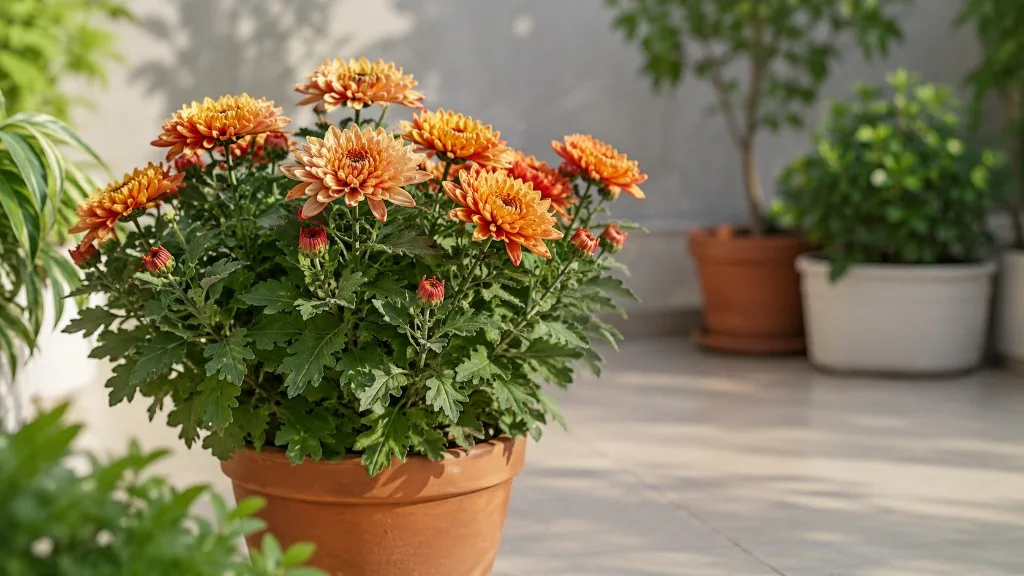
- Garden mums (Chrysanthemum). Choose a well-branched plant with many unopened buds if you want flowers over several weeks; a pot covered in open blooms may peak sooner. Mums are excellent seasonal centerpieces, and BBC Gardeners’ World includes chrysanthemums among its October flowers; timing varies by climate. A nursery label saying “hardy” does not guarantee survival in an exposed pot through a cold winter. Keep the root ball evenly moist, especially while late summer weather remains warm.
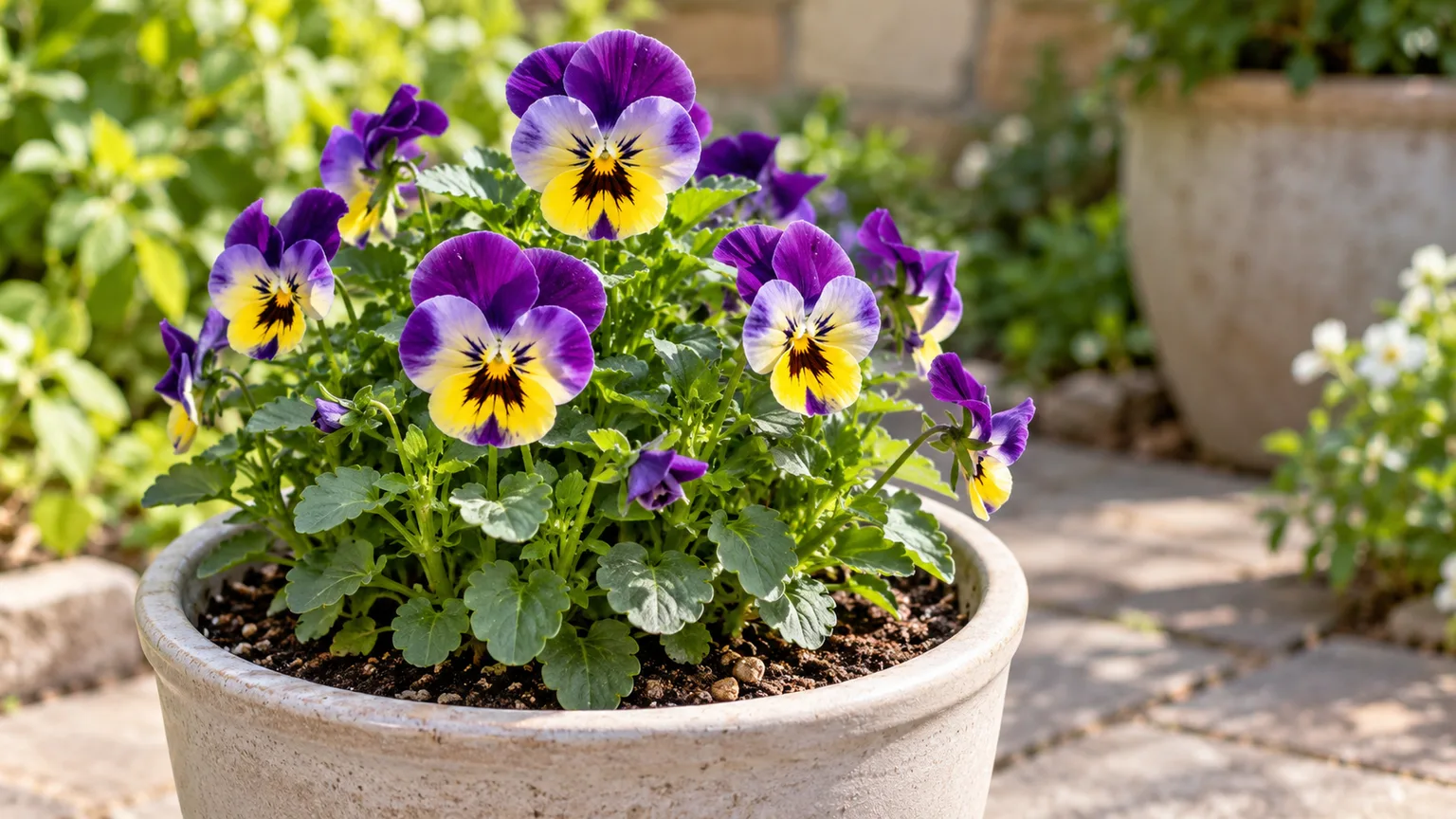
- Pansies (Viola × wittrockiana). Pansies are one of the most reliable cool-weather choices for pots, window boxes, and hanging baskets. NC State Extension notes that they prefer full sun to part shade and consistently moist, well-drained soil, and that fall planting can produce winter and early-spring flowers; deadheading helps extend bloom. In a container, water before the root ball becomes completely dry, but never leave the pot standing in a full saucer.
-
Ornamental cabbage (Brassica oleracea). Treat cabbage as a foliage centerpiece, not as a flower. Its broad, rounded rosette brings a pale, often pink or purple center to a low pot, and color tends to become more pronounced in cool weather. Give it space to widen and check leaves for caterpillars or other chewing pests instead of cramming it between several large mums.
-
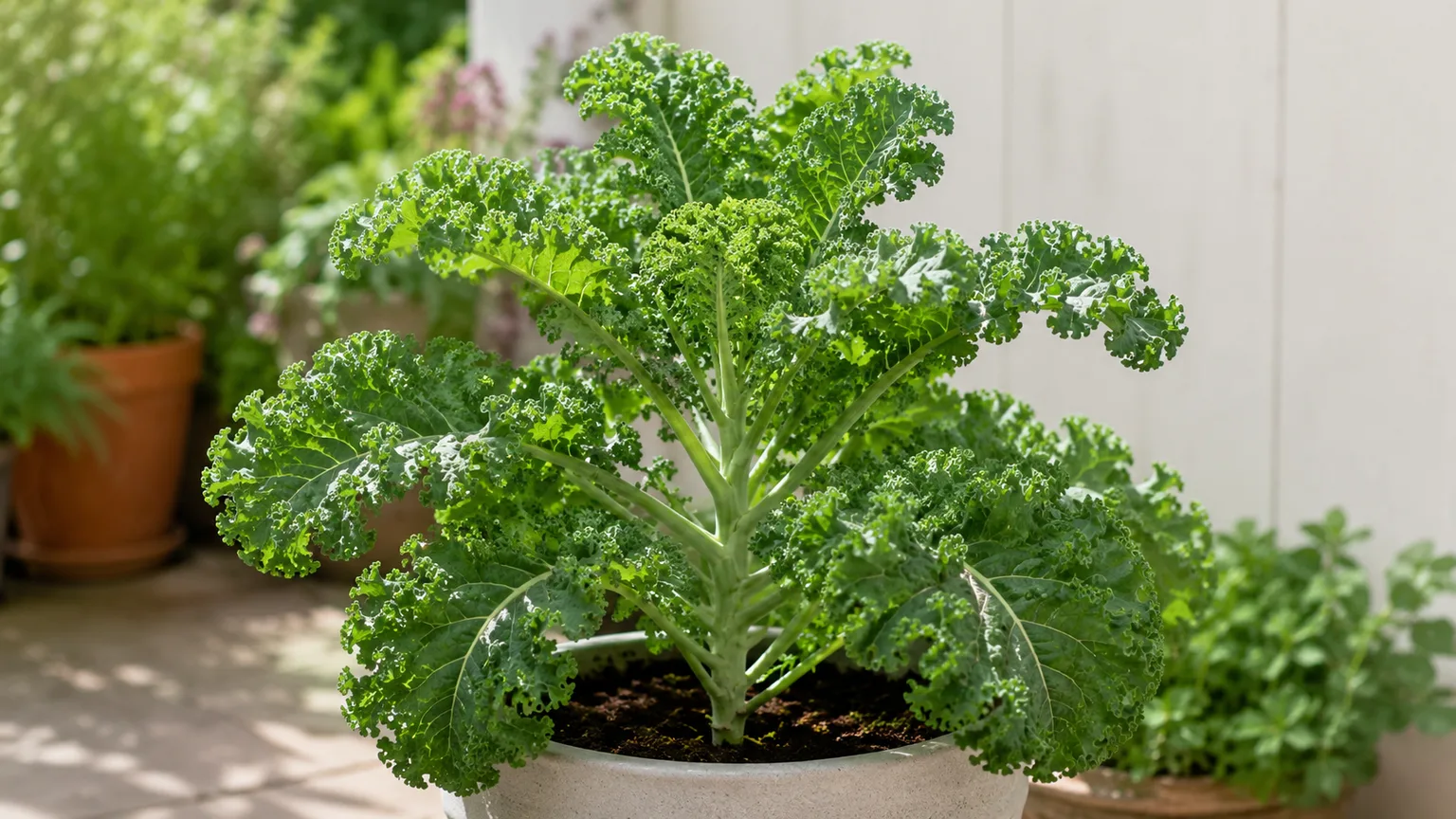
Ornamental kale (Brassica oleracea). Kale gives a similar cool-season palette in a more frilled or feathered shape, so it contrasts well with round pansy faces. Plant one in the middle of a wide container or use it as a single specimen; the foliage is often the main show. It is a cool-weather edible relative, but ornamental nursery plants should be grown for display unless the label confirms they are suitable to eat.
-
Snapdragons (Antirrhinum majus). Compact snapdragon varieties add upright flower spikes without the bulk of a large perennial. They often slow during hot spells and perk up as temperatures moderate, so they are a useful bridge plant where autumn remains mild. Pair them with pansies or alyssum that like similar sun and moisture, and remove spent flower spikes if you want a tidier display.
-
Sweet alyssum (Lobularia maritima). Low, honey-scented clusters make alyssum a soft edging plant for a sunny or partly shaded pot. It can fade in summer heat and recover when cooler weather returns, which makes it useful for filling gaps after a long hot season. Choose a variety suited to your area, keep the root zone lightly moist, and avoid treating it as a permanent winter perennial.
-
Dianthus (Dianthus spp.). Compact dianthus offers narrow blue-green foliage and fringed flowers that can rebloom as temperatures cool, depending on variety and local conditions. It is most useful at the front of a sunny container, where its neat mound will not be hidden by taller neighbors. Give it drainage and avoid pairing it with plants that need constantly wet soil.
Perennials With Late-Season Color
A perennial in a pot can provide a strong autumn show and then return in the landscape, but it is not automatically a low-effort annual replacement. Choose a compact cultivar, use a roomy container, and decide in advance whether to plant it out or protect it over winter. These are good choices when you want the display to develop rather than simply fill a pot for a few weeks.
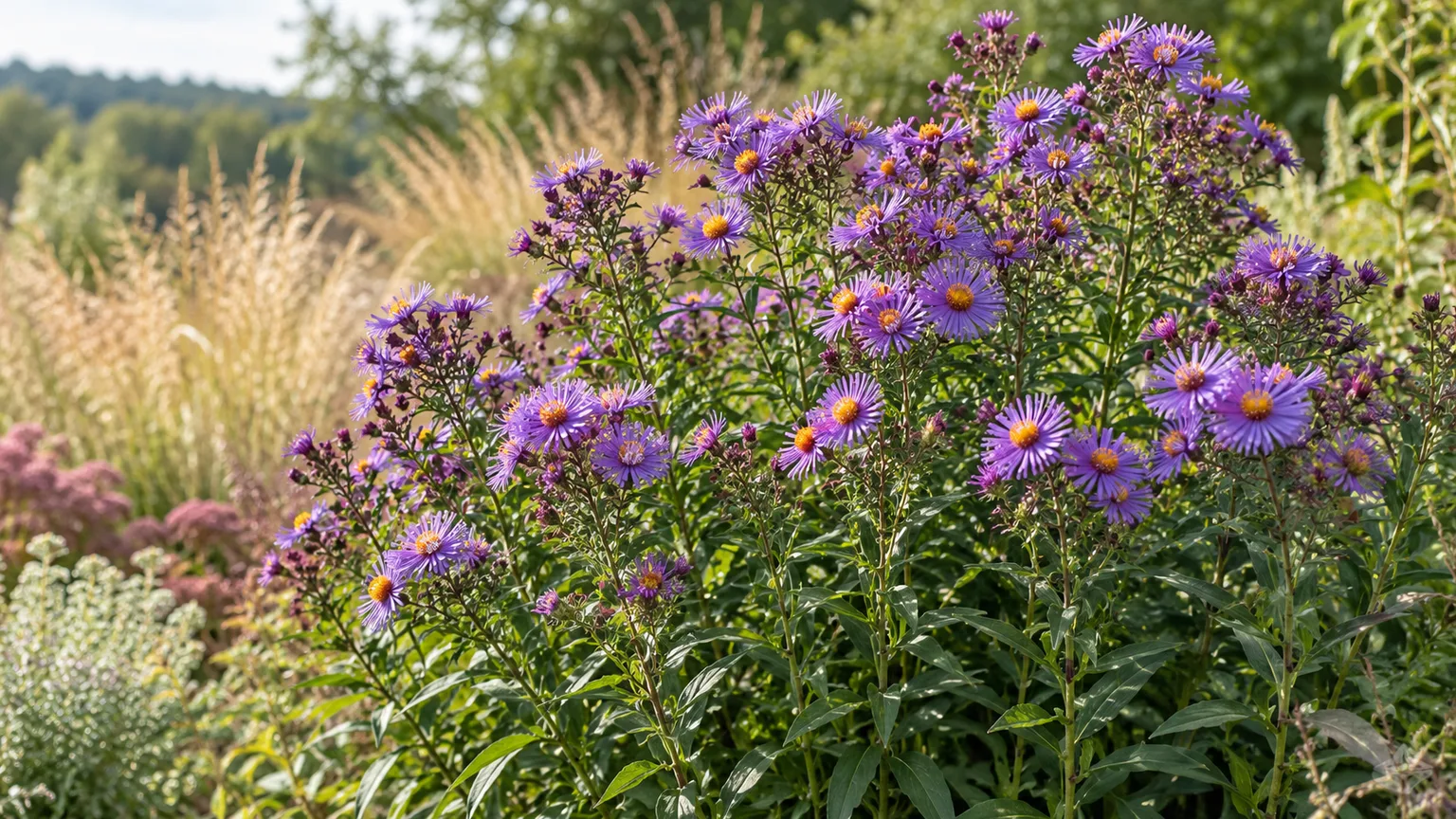
- Asters (Symphyotrichum spp.). A compact New England or similar aster can bring purple, blue, or pink daisy-like flowers to a sunny container just as summer color fades. Many species become tall or wide in a garden bed, so shop by mature height instead of buying an unspecified “aster.” Keep the mix evenly moist during flowering and give the pot enough weight that a mature plant will not topple in wind.
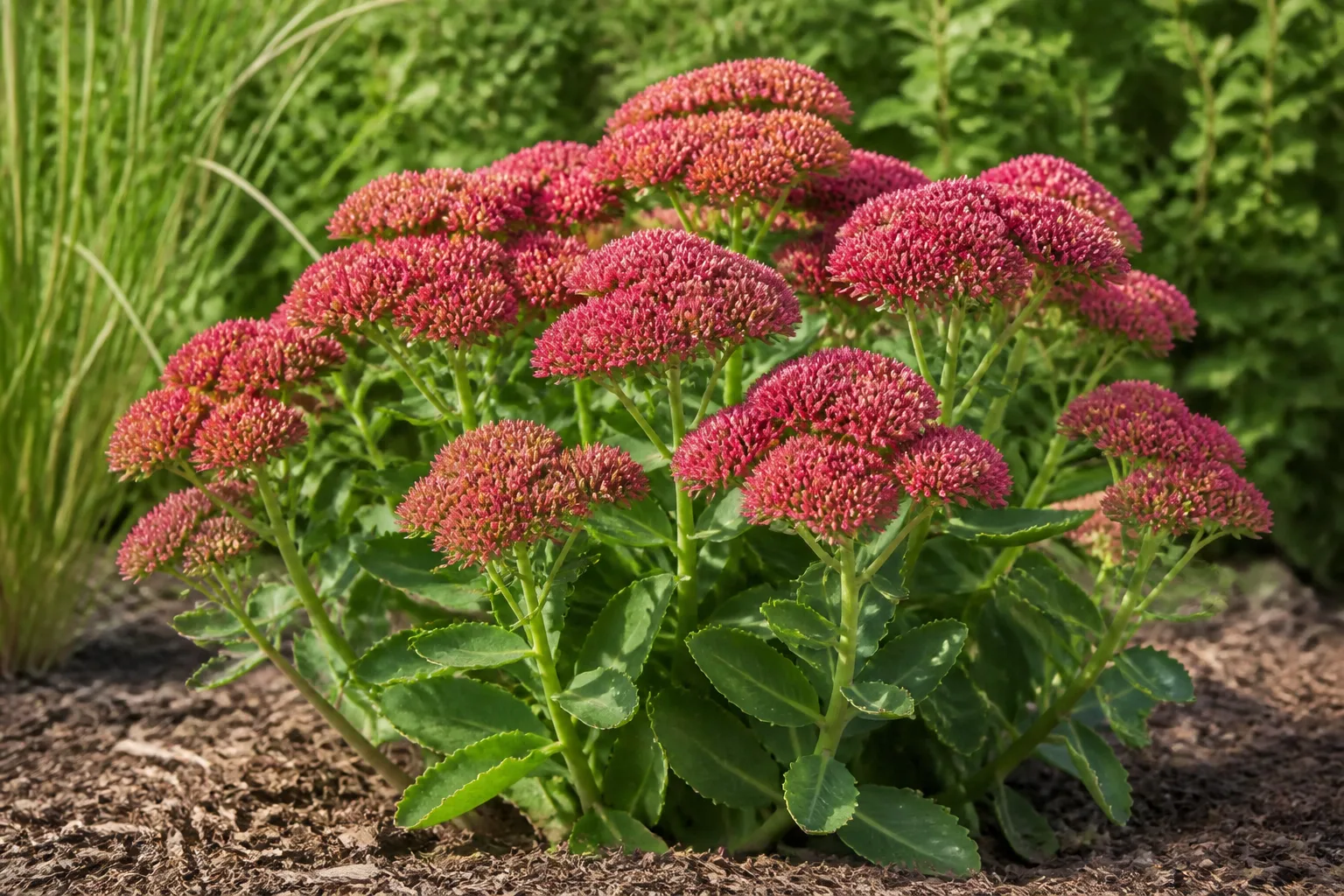
- Stonecrop (Sedum or Hylotelephium). Upright autumn stonecrop has fleshy leaves and broad flower clusters that often deepen in color as they age. It is a smart choice for a sunny pot that should stay attractive even as bloom fades, since its seed heads can hold their shape into winter. Use a free-draining mix, and keep it separate from thirsty pansies if both would require very different watering.
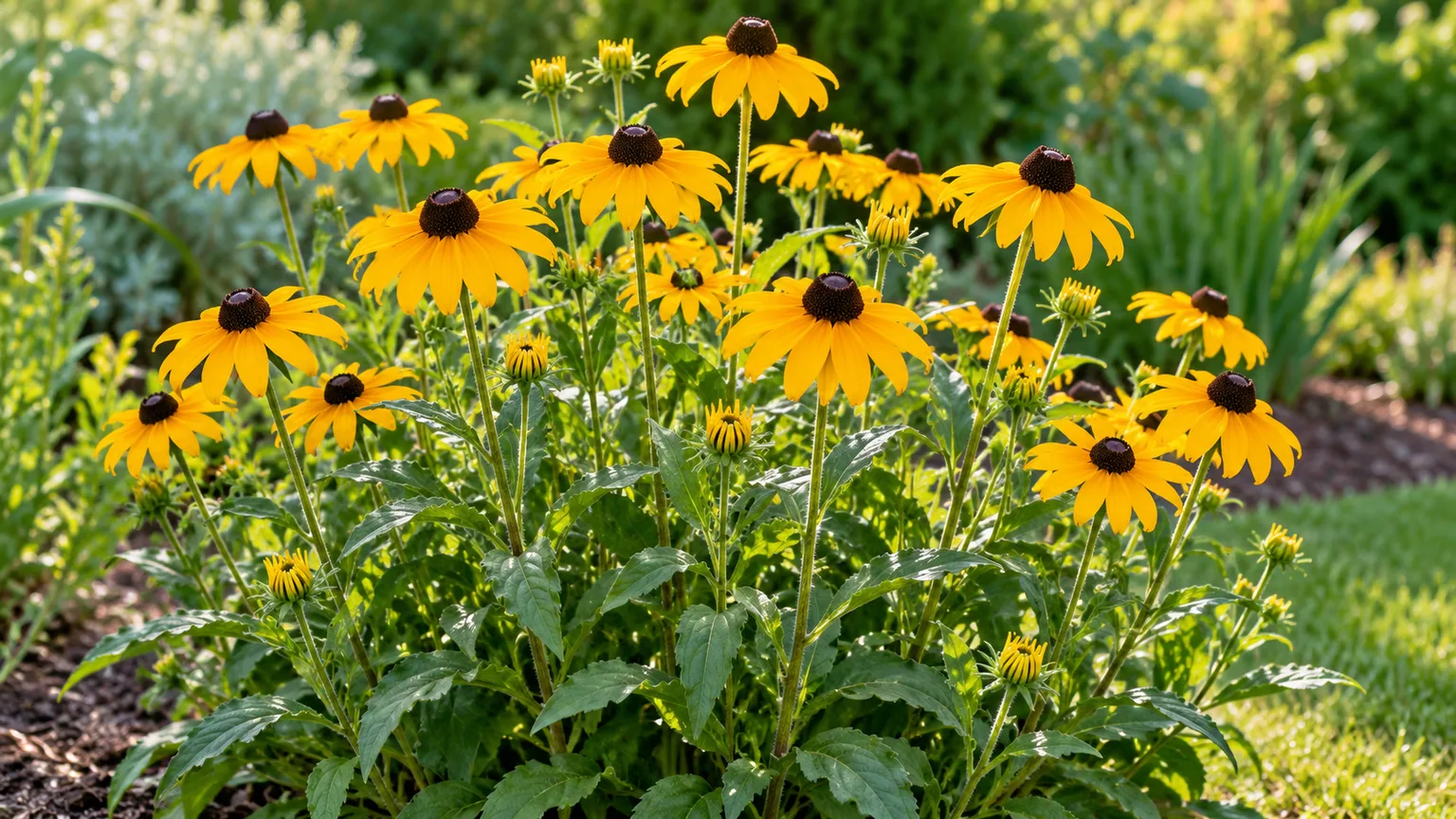
- Black-eyed Susan (Rudbeckia). A compact cultivar adds golden flowers and dark centers to a bright, sunny pot; some selections bloom until frost. Perennial and annual species differ, so read the label rather than assuming every black-eyed Susan will return. A small nursery pot can give immediate color, while one well-grown plant in a mid-size container is less crowded and easier to keep watered.
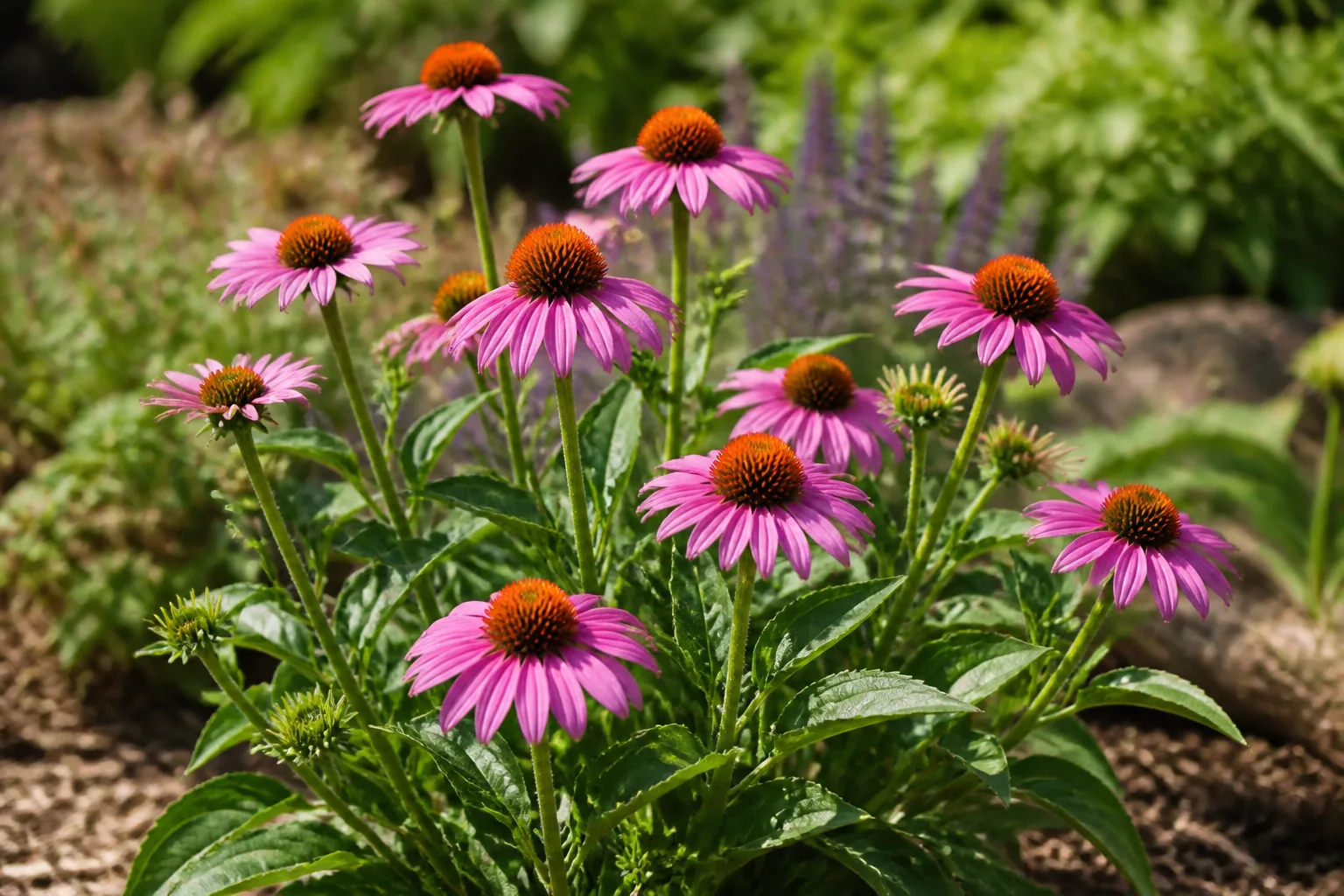
- Coneflower (Echinacea). Choose a dwarf or compact coneflower for a large, sunny container where its upright stems have room to breathe. Its flowers attract pollinators in late summer, and its dried seed heads add structure after petals fade. This is a better choice for a long-term pot or a plant you intend to move into a garden bed than for a tiny planter that will be discarded at the first freeze.
-
Japanese anemone (Anemone hupehensis and hybrids). Japanese anemones bring graceful late-summer and fall flowers, but the plants can spread and grow taller than a small planter can support. A large pot helps contain the roots and keeps stems from crowding neighboring flowers. Keep moisture steady but drainage open, and check mature size before choosing a cultivar.
-
Helenium (Helenium autumnale). Helenium’s warm yellow, orange, and rust-colored flowers suit a sunny fall display, especially if you have space for a larger container. Compact varieties make better pot plants than tall garden selections that may lean or need support. Do not let the root ball dry repeatedly while it is in bloom; a fully exposed pot can lose moisture faster than a bed.
-
Goldenrod (Solidago). Goldenrod is a valuable late-season nectar source and can pair beautifully with purple asters, but a wild, vigorous plant may outgrow a decorative pot. Look for a compact named cultivar and remove fading flower clusters if you do not want seedlings. The plant’s upright sprays work best at the back or center of a large container, not in a narrow window box.
Summer Annuals That Bridge the Season
These plants are not all cold-loving. They earn a place in a fall pot because they can keep blooming as summer turns to autumn when local nights remain mild. If your first frost is near, prioritize pansies, kale, and other cool-season options instead of expecting a heat-loving annual to recover from a freeze.
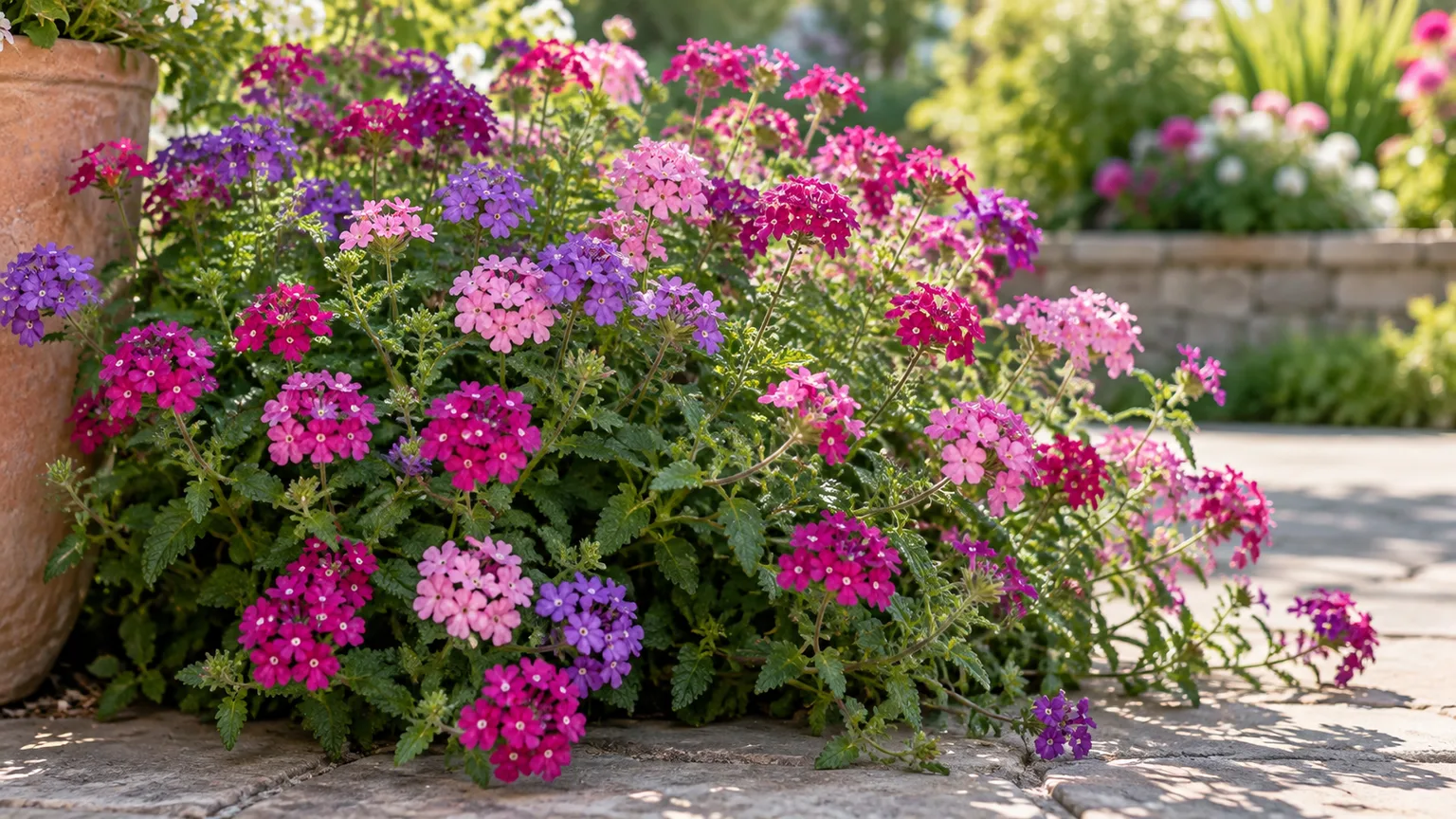
- Verbena (Verbena spp.). Trailing verbena softens a container edge and can continue flowering late in the season when it receives full sun and has room to spill. Species and cultivars vary in cold tolerance, so treat tender bedding types as seasonal rather than hardy perennials. Pinch or trim leggy stems to encourage a neater mound, and avoid keeping the soil soggy.
-
Million bells (Calibrachoa). Calibrachoa’s small trumpet-shaped flowers make a dense, cascading skirt around an upright centerpiece. It is most dependable in a sunny, well-drained pot while temperatures are still moderate; a cold snap or persistently wet roots can end the display. Choose it for a balcony railing or raised planter where its trailing habit can be seen.
-
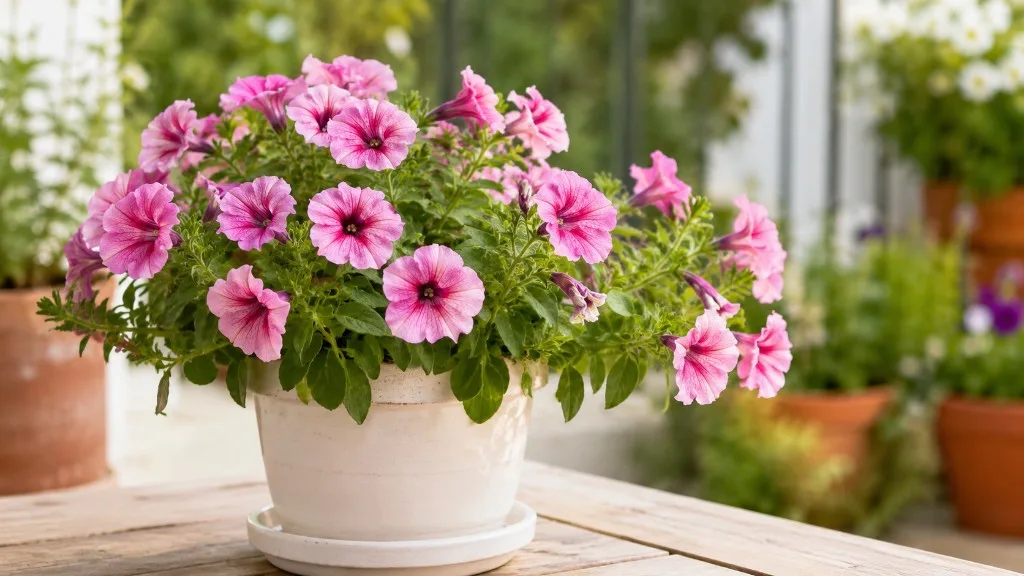
Petunias (Petunia spp.). A healthy petunia can carry summer color well into fall if it has enough sun and water. Refresh leggy plants by trimming a portion of the stems and then watering thoroughly; avoid a severe cut when cold weather is already close. Compact or trailing varieties work in pots, but vigorous forms need a generous volume of mix to keep flowering.
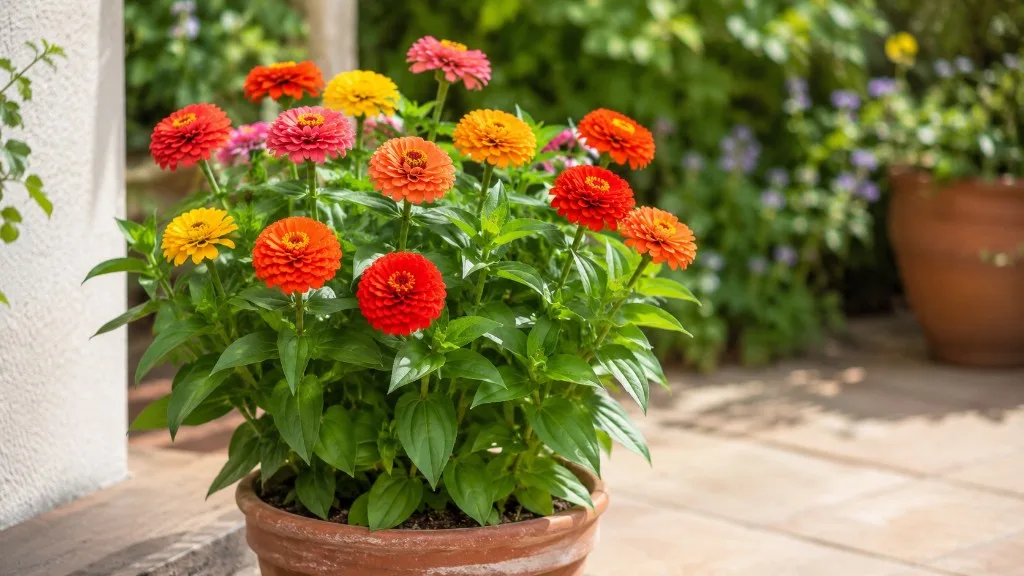
- Zinnias (Zinnia spp.). Dwarf zinnias offer bright color without the tall stems of cut-flower varieties. Hunker’s container guidance recommends choosing compact, well-branched plants, using a pot with drainage, and giving zinnias a sunny site; that advice is especially useful when selecting a late-season transplant. They are warm-season annuals, so they will not continue through a frost.
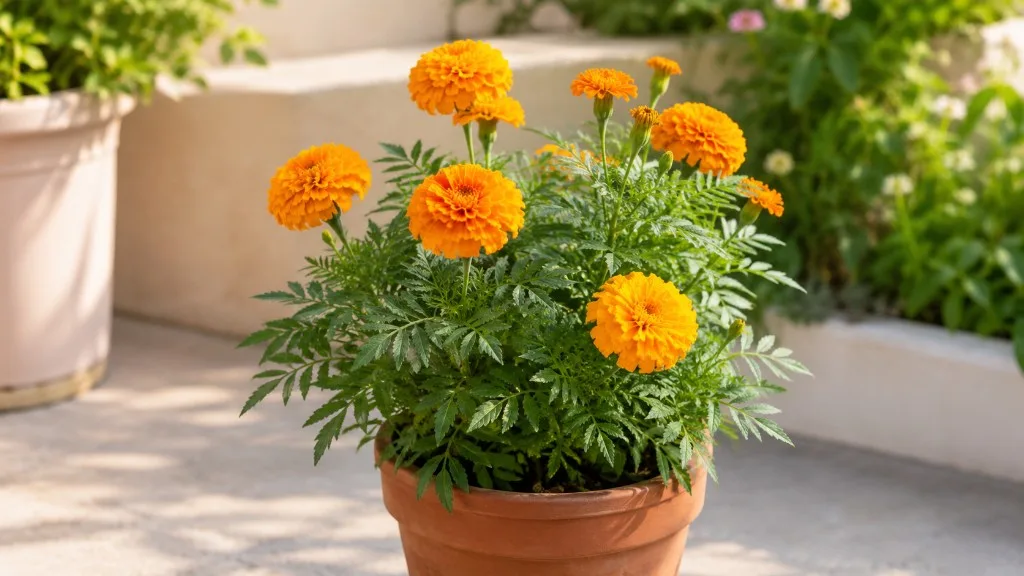
- Marigolds (Tagetes spp.). Marigolds bring gold, orange, and rust tones to sunny pots and can flower until frost if the plants are still healthy and nights remain suitable. French and signet types usually stay more manageable than large African marigolds, so match the variety to the pot. Deadhead spent flowers when you want a tidier display and more new buds.
-
Celosia (Celosia spp.). Plumed or crested celosia adds a bold texture that reads as autumnal even before the leaves change. It is a warm-weather annual, so buy it as an existing seasonal accent rather than a reliable cold-tolerant flower. Its flower heads dry attractively; if you keep them, treat them as texture after a frost ends live growth.
-
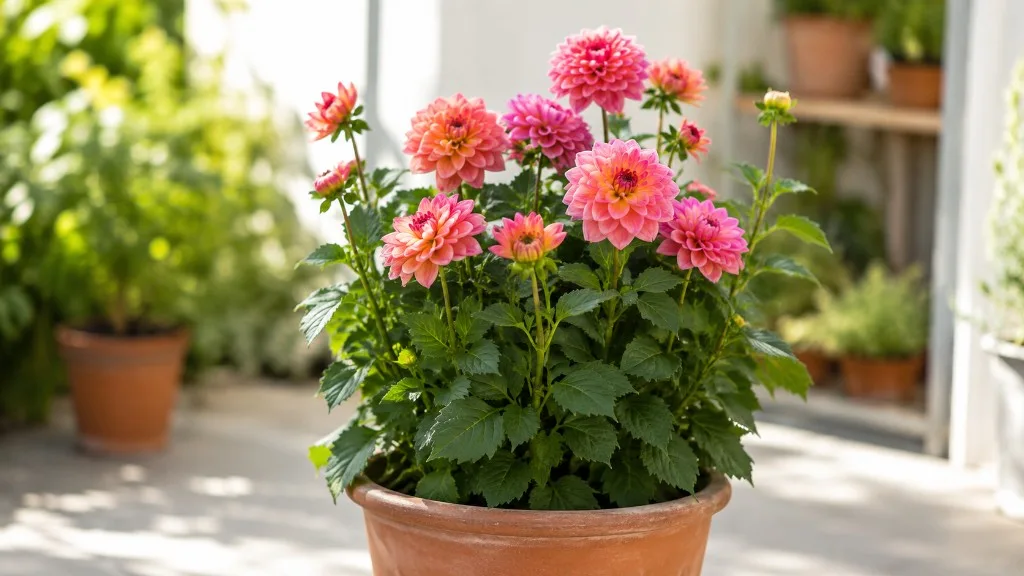
Dahlias (Dahlia spp.). A dwarf or patio dahlia can produce a generous late-summer and fall flush in a sunny container with consistent moisture. Choose a stable pot that can support the plant and its stems, and do not expect tubers in an exposed small pot to overwinter automatically. The ASPCA lists dahlias as toxic to dogs and cats, so place the container where pets cannot chew the plant.
- Sunflowers (Helianthus annuus). Pick a dwarf or branching container variety rather than a field sunflower, and use a deep, heavy pot that will resist tipping. Sunflowers need direct sun and are best planted early enough to make buds before cool weather slows them. They are a one-season annual in most gardens, but the heads can remain attractive as seed if you leave them standing.
Foliage and Structure for Mixed or Shaded Pots
A good autumn container does not need every plant to flower. A single foliage accent can make blooms look brighter and keep the arrangement interesting after a cold night. Choose these plants for leaf color, shape, and proportion, and treat their flowering as a bonus rather than the only reason to plant them.
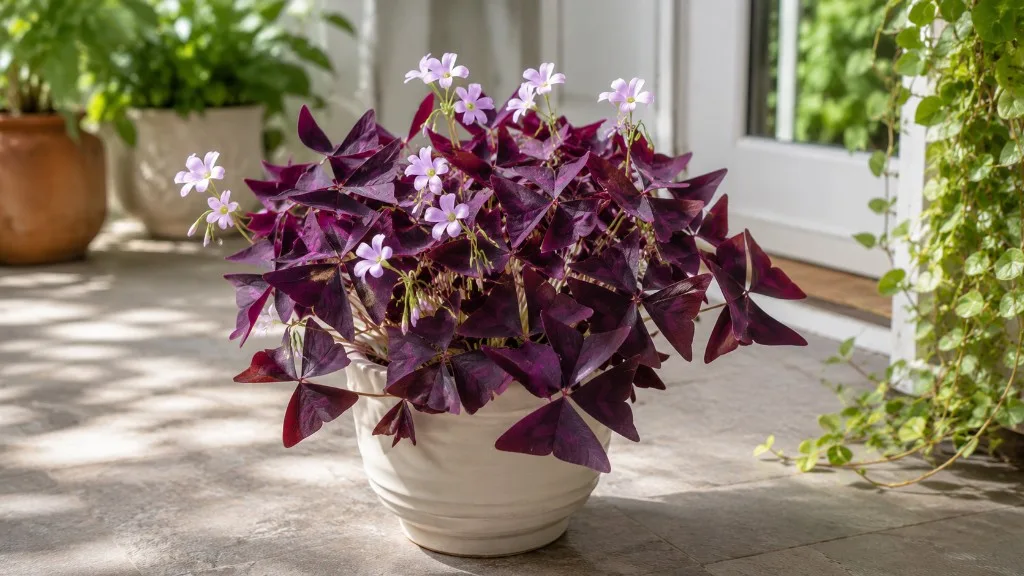
- Oxalis (Oxalis spp.). Purple-leaved oxalis gives a pot a low, clover-like mound and is useful in part shade, where many sun-loving annuals struggle. It is tender in cold climates and may go dormant or collapse after frost; in a mild region or a protected indoor spot, it can be kept beyond the outdoor display. Do not let a dormant plant sit in cold, waterlogged soil.
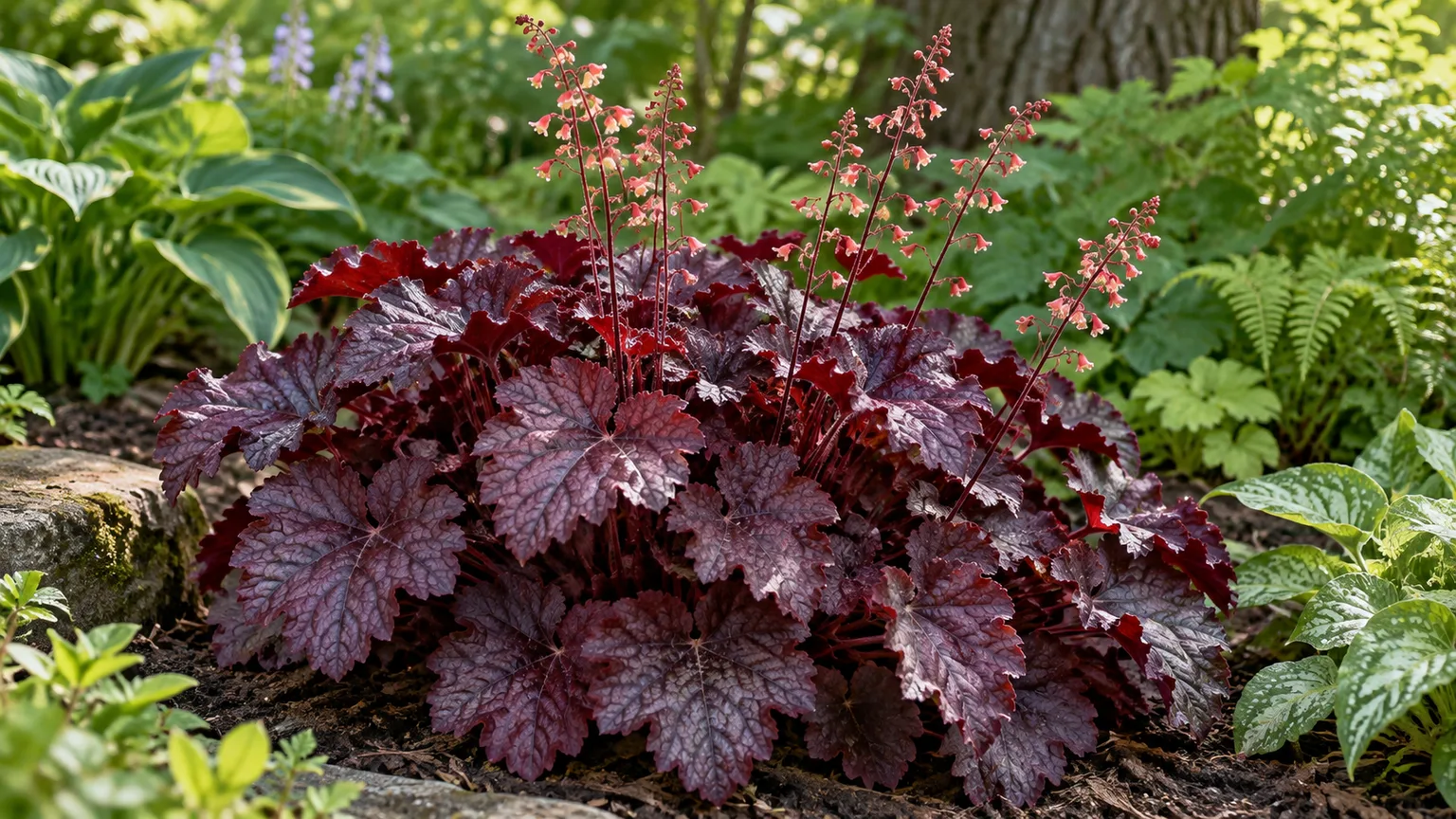
- Coral bells (Heuchera). Coral bells are grown chiefly for their leaves, which may be lime, bronze, purple, or nearly black; their airy flower spikes are secondary in a fall pot. Use a compact cultivar in part sun or light shade, and combine it with plants that accept the same watering rhythm. A pot can make this perennial more vulnerable in winter than an in-ground planting, so protect it or move it to a suitable bed.
-
Hydrangeas (Hydrangea spp.). A dwarf patio hydrangea can make a dramatic single-plant container, and aging flower heads may keep their shape as they dry. It is not a quick annual filler: give it a large pot, consistent moisture, and a plan for winter protection, and choose a cultivar for your climate. ASPCA lists hydrangea as toxic to dogs and cats, so keep it away from pets that chew leaves or flowers.
-
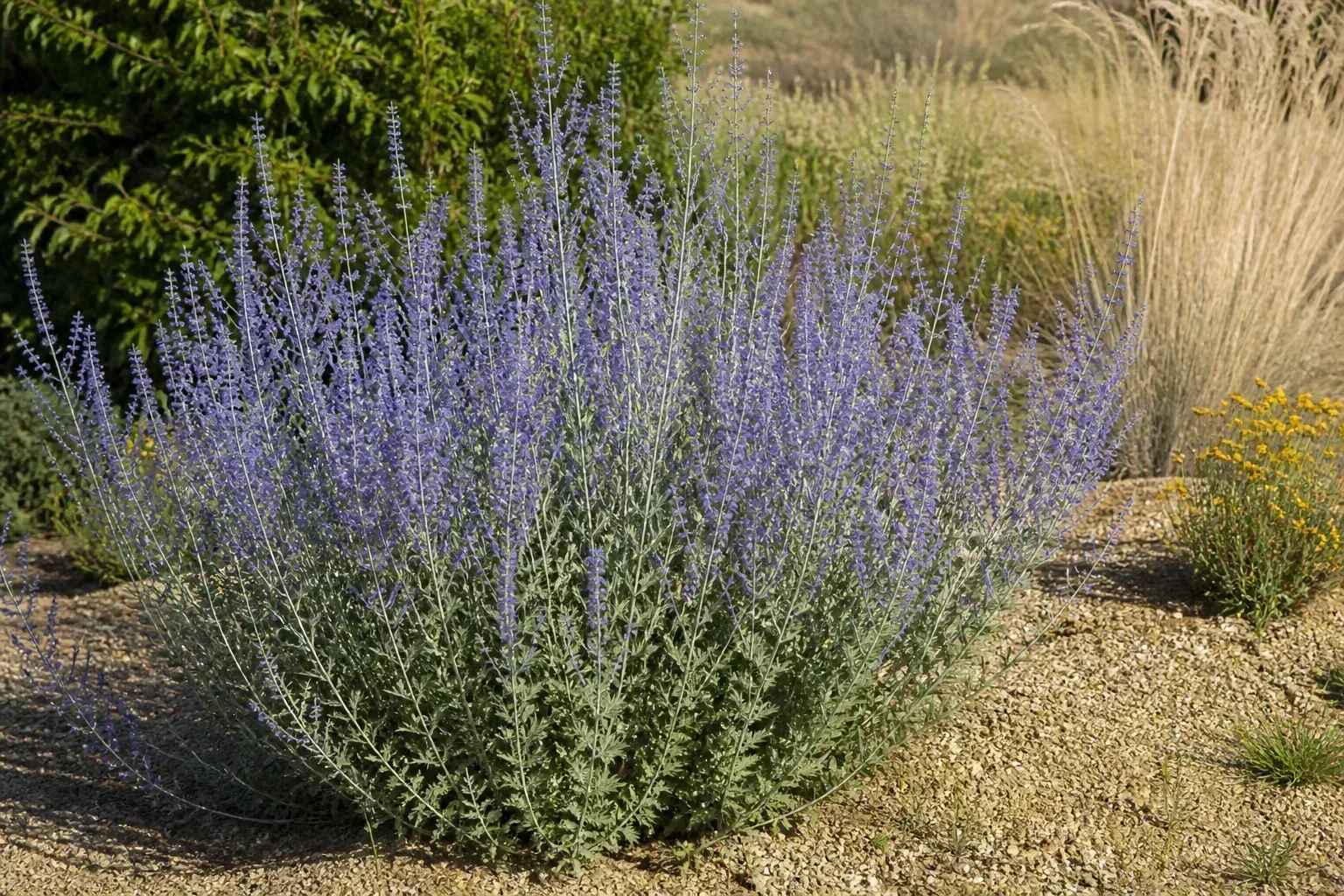
Russian sage (Salvia yangii, formerly Perovskia atriplicifolia). Its silver foliage and airy lavender flower spikes bring height and a cool-toned contrast, but ordinary plants can be too large for small seasonal pots. If you want it in a container, select a compact cultivar, use a substantial pot with sharp drainage, and place it in full sun. It is best treated as a long-term perennial or a planting-bed candidate, not a disposable little accent.
One familiar fall “flower” is deliberately not in this list: purple fountain grass is an ornamental grass with plumes, not a flowering annual. More importantly, NC State Extension notes that it seeds readily and is considered invasive in some southern West Coast states. If you want movement and height, choose a grass recommended for your region, ideally a native or sterile cultivar, rather than planting a potentially weedy species by default.
Build Combinations That Share the Same Conditions
The thriller-filler-spiller idea is useful only when the plants can share a pot without fighting over light and water. For a fall container, think first about conditions and second about color: one upright centerpiece, a few mounding plants around it, and one trailing plant at the rim is a good starting shape, not a required formula. Epic Gardening’s fall-container guidance also combines seasonal flowers and foliage, and stresses that perennials need a winter plan if they are expected to return.
A Sunny Entrance-Pot Combination
For a sunny entrance, put one compact mum in the center or back, tuck pansies or ornamental kale around its base, and add trailing verbena only if the pot receives enough sun and the weather is still mild. Keep the combination loose enough to see each plant’s leaves and to reach the soil with a finger. If you prefer fewer care demands, use one mum with two pansies rather than crowding in five different roots.
A Part-Shade Container Combination
For a brighter shade or part-shade site, use coral bells for the foliage anchor, pansies for visible color, and sweet alyssum along the edge if the area still receives some direct light. Skip full-sun choices such as zinnias, most marigolds, and Russian sage in a dim spot. If the container gets less than a few hours of direct sun, prioritize foliage and choose flowering plants specifically sold for shade rather than expecting a full-sun annual to bloom.
Care That Keeps Fall Planters Looking Fresh
Fall usually brings slower growth and lower evaporation, but windy balconies, warm walls, and small dark pots can still dry fast. Check plants individually instead of watering every container on a fixed schedule. A pot of stonecrop and a pot of thirsty pansies should not necessarily get the same amount of water simply because they sit beside each other.
Water by Root-Zone Moisture
Push a finger into the mix or lift the pot to judge how much moisture remains. Water slowly until excess drains from the bottom, then empty any saucer so roots do not sit in water. If rain has soaked the container, wait; if the surface looks dry but the root ball is still cool and damp, wait as well. A pot that dries down repeatedly can lose flowers and buds before frost arrives.
Keep containers near a wall only if the light is still suitable and the location does not block drainage. Wind speeds moisture loss, while eaves can prevent rain from reaching the soil. Before an expected freeze, water dry root balls earlier in the day rather than letting plants enter a cold night severely dehydrated; do not leave saturated pots outdoors where water can freeze around the roots.
Deadhead Selectively and Ease Off Fertilizer
Remove spent blooms from pansies, marigolds, and other plants that continue to make buds if a neat, flower-heavy display matters to you. For sedum and coneflower, seed heads may be more valuable as winter structure or food for birds than a perfectly tidy cutback. Follow the plant’s role rather than deadheading every stem on autopilot.
Avoid heavy late-season feeding. A flush of soft new growth is not useful when daylight and temperatures are declining, and many perennials slow naturally as winter approaches. If a container annual is actively blooming and the potting mix is exhausted, use a fertilizer only according to its label; do not try to push dormant perennials with late fertilizer.
Decide What to Do Before Winter
If you want a new display each year, treat tender annuals and florist-style mums as seasonal plants and compost them after they decline, unless they have disease. That is a reasonable garden choice, not a failure. Perennials and shrubs need a more deliberate decision: plant them in the ground, move the container into a sheltered unheated space, bury the pot temporarily, or choose a plant hardy enough for an exposed container in your area.
Proven Winners explains that pots experience deeper freezing and more freeze-thaw cycling than surrounding ground and suggests selecting plants hardier than the local zone for exposed overwintering. It also advises keeping dormant pots slightly moist, not soggy, and stopping fertilizer until growth resumes. That is a useful framework, not a guarantee for every species or winter. A pot exposed to wind, reflected heat, wet soil, or severe cold can behave differently than a protected patio pot.
Choose What to Discard, Protect, or Overwinter
Before the first hard freeze, sort the planting into three groups. Discard or compost tender annuals that have finished; plant out perennials that suit your garden bed and have time to establish; protect valuable perennials in a sheltered location if their pot roots are marginal for your climate. Mark the plant name and cultivar so you can check its mature size and hardiness later.
Use a sheltered but unheated garage for dormant perennials only when the plants can tolerate that treatment; check moisture occasionally and do not let the mix become bone dry. A plastic or composite pot is less likely to crack than a porous clay pot left through repeated freeze-thaw cycles. For a valuable hydrangea or coral bells, pot protection is part of the plant choice, not an afterthought.
Conclusion
The best fall flowers for pots depend on whether your priority is color now, blooms through light frosts, foliage that stays attractive, or a perennial you can protect for next year. Start with the container’s real sunlight and your local frost forecast, then choose compact plants with similar watering needs. Mums, pansies, ornamental cabbage and kale, asters, sedum, marigolds, and a few other well-chosen plants can make a long-lasting display when the pot and site fit their needs.
A container does not have to keep every plant alive all winter to be worthwhile. Use annuals for a strong seasonal show, transplant perennials you want to keep, and protect only the plants and pots that suit your climate and available space. That decision makes the display easier to care for and more likely to look good through the season you planned.



