26 Outdoor Privacy Screen Ideas for a More Secluded Yard
Find outdoor privacy screen ideas for patios, decks, and small yards, plus advice on sightlines, plants, wind, permits, and installation before you build.
An outdoor privacy screen is any fence, panel, planting, curtain, or overhead feature that interrupts an unwanted view. The best solution is rarely a wall around the entire property. A shorter screen beside a dining table, a trellis at the end of a deck, or a layered planting in front of a fence may give you more privacy where you use the yard while preserving daylight and open space elsewhere.
Before buying lumber or a row of shrubs, find the view you want to change. Then choose whether you need a permanent barrier, a filtered screen, or a flexible backdrop. These 26 ideas include design options for full-size yards, patios, balconies, and narrow side gardens, along with the tradeoffs that help each one work in a real space.
Locate the view before you choose the screen
Block a sightline, not the whole boundary
Stand or sit where you actually want privacy: at the dining table, on the hot-tub step, beside the grill, or in a favorite chair. Ask a helper to stand at the neighbor’s window or sidewalk viewpoint, if that feels comfortable, and mark the direct line between those positions. If the exposed view is a narrow diagonal, a panel placed near your chair can block it more efficiently than a tall fence running along an entire property edge.
Repeat the test from seated and standing height. A screen that hides a neighbor while you are seated may leave a direct view when someone stands up, and a fence at ground level cannot automatically block an upstairs window. For an elevated view, consider a side panel near the seating area plus a pergola, canopy, or carefully angled screen overhead. Check that any overhead element is designed for outdoor wind exposure and attached to supports intended to carry it.
Choose how much light and airflow to keep
Privacy is not all or nothing. A solid fence hides a view well but can make a narrow patio feel boxed in, shade nearby plants, and catch more wind than an open structure. Slats, lattice, mesh, and layered shrubs filter a view while leaving openings for light and air; that softer screening is often enough when you want separation without losing the sense of a garden.
If the screen faces a sunny window or a small planting bed, consider what the barrier will shade in winter and summer. If breezes are important, avoid treating a screen as a fabric wall without considering how it is anchored. In exposed or storm-prone locations, the support system, panel size, and ability to remove or retract a feature matter as much as its appearance.
26 outdoor privacy screen ideas
Architectural screens that define a patio

1. Horizontal-slat fence. Horizontal boards draw the eye along a boundary and can make a compact yard feel wider. Tight spacing increases visual privacy; a modest gap gives the screen a lighter look and allows some airflow. Use the same board direction on a short return beside a patio to form a sheltered corner without fencing every side.
2. Board-on-board fence. Overlapping vertical boards cover the gaps that can appear when you look at a fence at an angle, so this style can screen more consistently from different parts of a yard. It uses more material than a simple picket fence and still needs a structure suited to local weather. A cap rail and a planting strip at the base keep a long run from reading as a blank wall.
3. Lattice topper over an existing fence. A lattice or open-grid extension can screen the tops of shrubs or interrupt a neighbor’s direct view while preserving a glimpse of sky. It is a practical way to add visual height to a sound fence, but the combined height may fall under local rules. Check the fence condition and fastening method before adding a panel that can increase wind pressure.
4. Laser-cut metal panels. A patterned metal panel can serve as both a screen and a focal point beside a seating area. Its openings create moving shadow and preserve some light, while the opaque pattern breaks up direct views. A single panel often looks intentional when framed by a planter or repeated in a pair; confirm the finish and hardware are rated for the weather in your area.
5. Framed corrugated metal. Corrugated panels can create a clean industrial look when contained in a wood or metal frame and used as one part of a garden wall. The ribs add texture, and a short run can hide an outdoor shower or utility corner. Choose a suitable exterior finish, consider glare and heat in a sunny spot, and protect cut edges rather than leaving sharp metal exposed.
6. Low masonry wall with a screen above. Brick, block, or stone can create a durable backdrop and define a raised patio edge. If full-height masonry feels heavy, a lower wall paired with airy battens or shrubs can do the screening higher up without turning the whole yard into a hard enclosure. Tall or retaining walls may need professional design, drainage planning, or approval; do not assume an attractive garden wall can safely carry soil or wind.
7. Frosted or textured outdoor-rated panel. Translucent privacy panels can separate a patio or outdoor shower from nearby windows while borrowing light instead of shutting it out. Use only glazing and support systems intended for the setting, with appropriate safety construction and installation. A small panel is usually easier to clean and maintain than a long glass wall, and a matte surface hides smudges better than a perfectly clear sheet.
Living screens that add height and texture
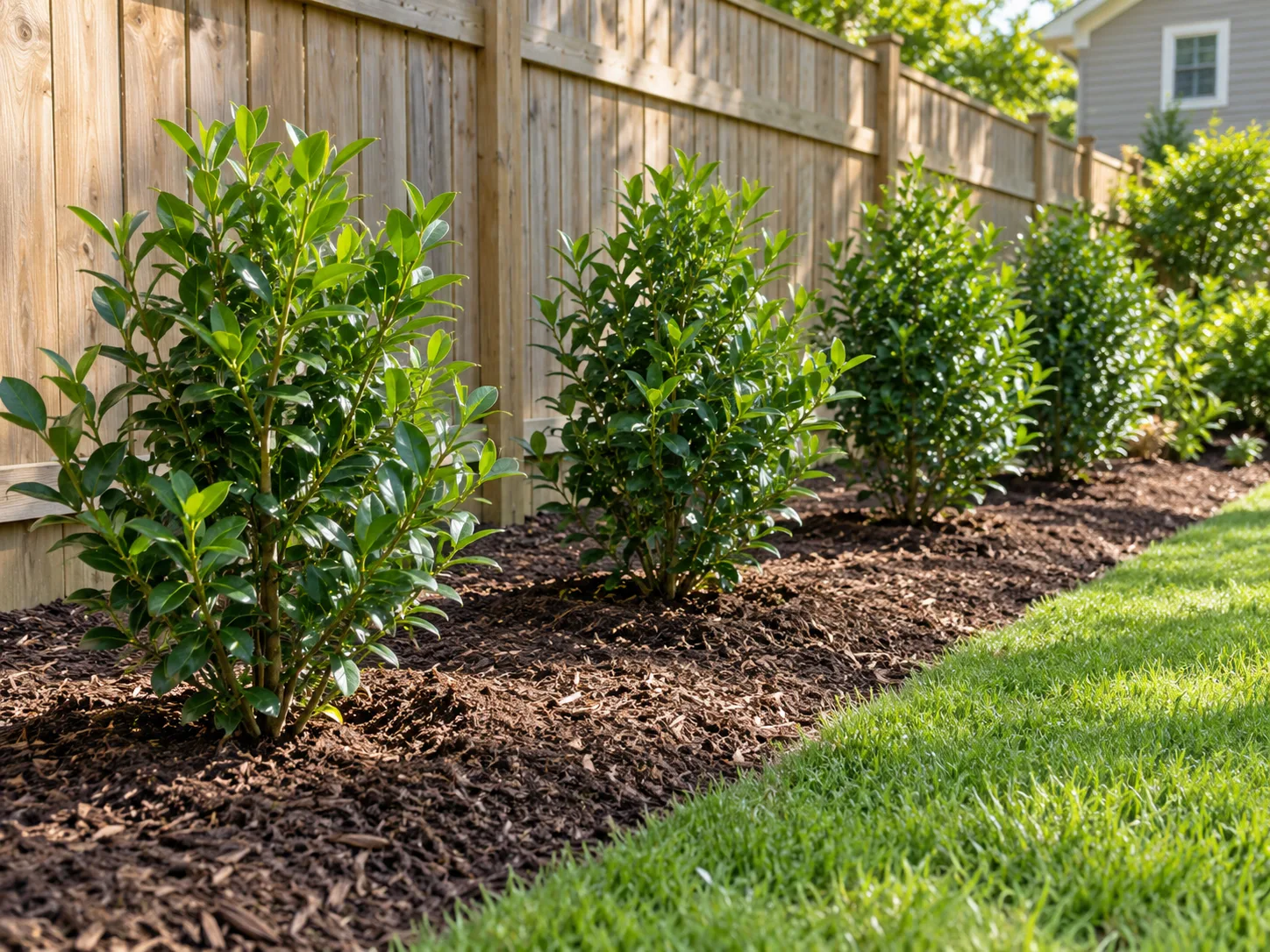
8. Mixed evergreen hedge. A hedge made from several locally suitable shrubs can provide year-round structure without relying on one plant to do every job. Mix forms and textures rather than planting an arbitrary assortment: choose plants with compatible light, soil, and water needs, then repeat them in a loose rhythm. NC State Extension recommends considering a mixed screen because a pest or disease affecting one species is less likely to remove the entire screen, and spacing plants for mature size rather than instant coverage.
9. Layered shrub-and-perennial border. Place taller shrubs toward the view you want to block, medium plants in front, and lower flowers or groundcovers along the edge. The overlap fills visual gaps at different heights, and the planting can look like a garden rather than a hedge wall. This layered approach is especially useful along a fence where you want to soften the surface, but leave access for pruning and avoid placing wide shrubs where they will narrow a path.
10. Narrow upright evergreens. Columnar shrubs or trees can provide a vertical screen in a side yard where a broad hedge would steal too much space. They still need enough width for their mature form and root zone, so compare the cultivar’s full dimensions with the space between the boundary, walkway, and foundation. Savvy Gardening’s overview of privacy trees illustrates how widely mature dimensions vary; treat any general list as a starting point, then confirm the species and cultivar with a local extension service or knowledgeable nursery.
11. Flowering shrub screen. A row or staggered grouping of flowering shrubs can turn a plain property edge into a seasonal focal point. Select plants that bloom at different times or combine flowering shrubs with evergreens so winter does not erase all privacy. Check mature height and pruning needs before planting; a large shrub that must be clipped several times a year can be more work than a simple fence.
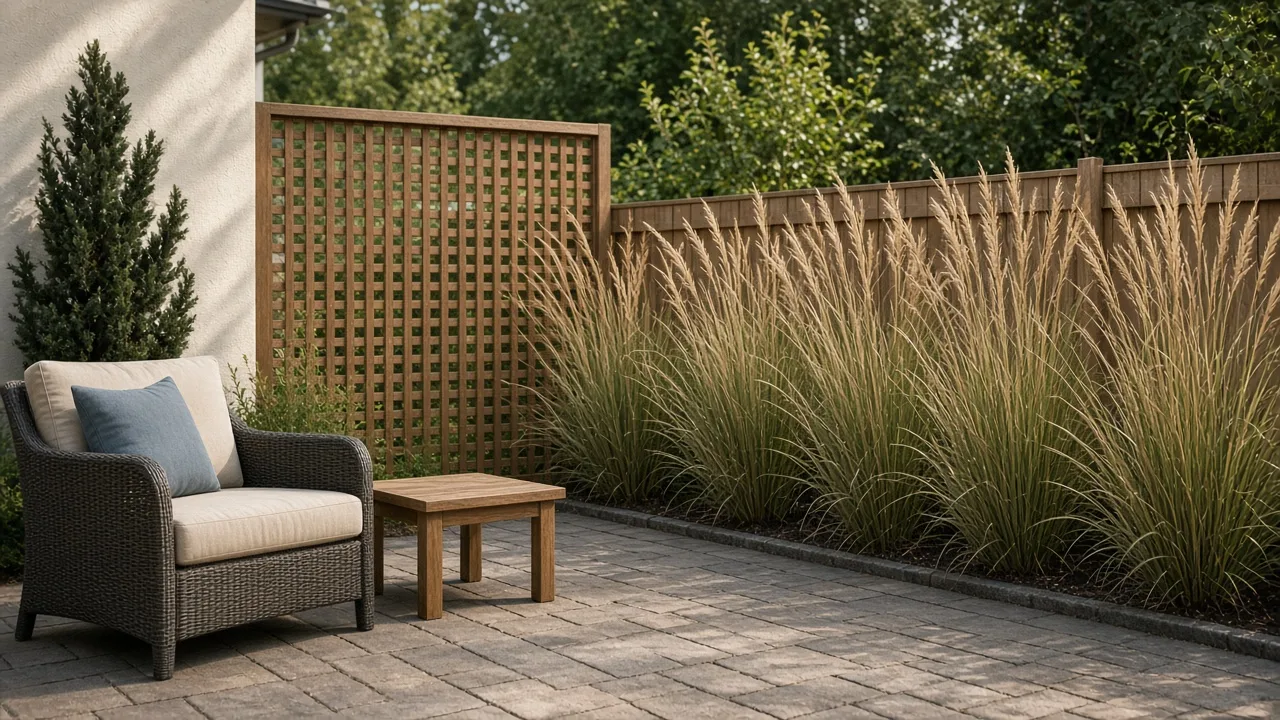
12. Ornamental grass band. Tall grasses make a soft, moving screen that can blur a neighbor’s view of a patio while adding texture and seasonal color. They suit informal or contemporary designs and can work in a long, narrow bed. Many grasses lose height or are cut back seasonally, so treat them as a warm-season filter rather than guaranteed year-round privacy, and select noninvasive varieties recommended for your location.
13. Climbing vines on a freestanding trellis. A trellis with a climber can create a green panel beside an outdoor table without making a permanent wall. Set it in a stable frame or anchored planter, and choose a vine for your climate, sun, maintenance tolerance, and support material. Keep growth off gutters and siding, inspect ties as stems thicken, and leave enough space to reach the back of the trellis for repairs.
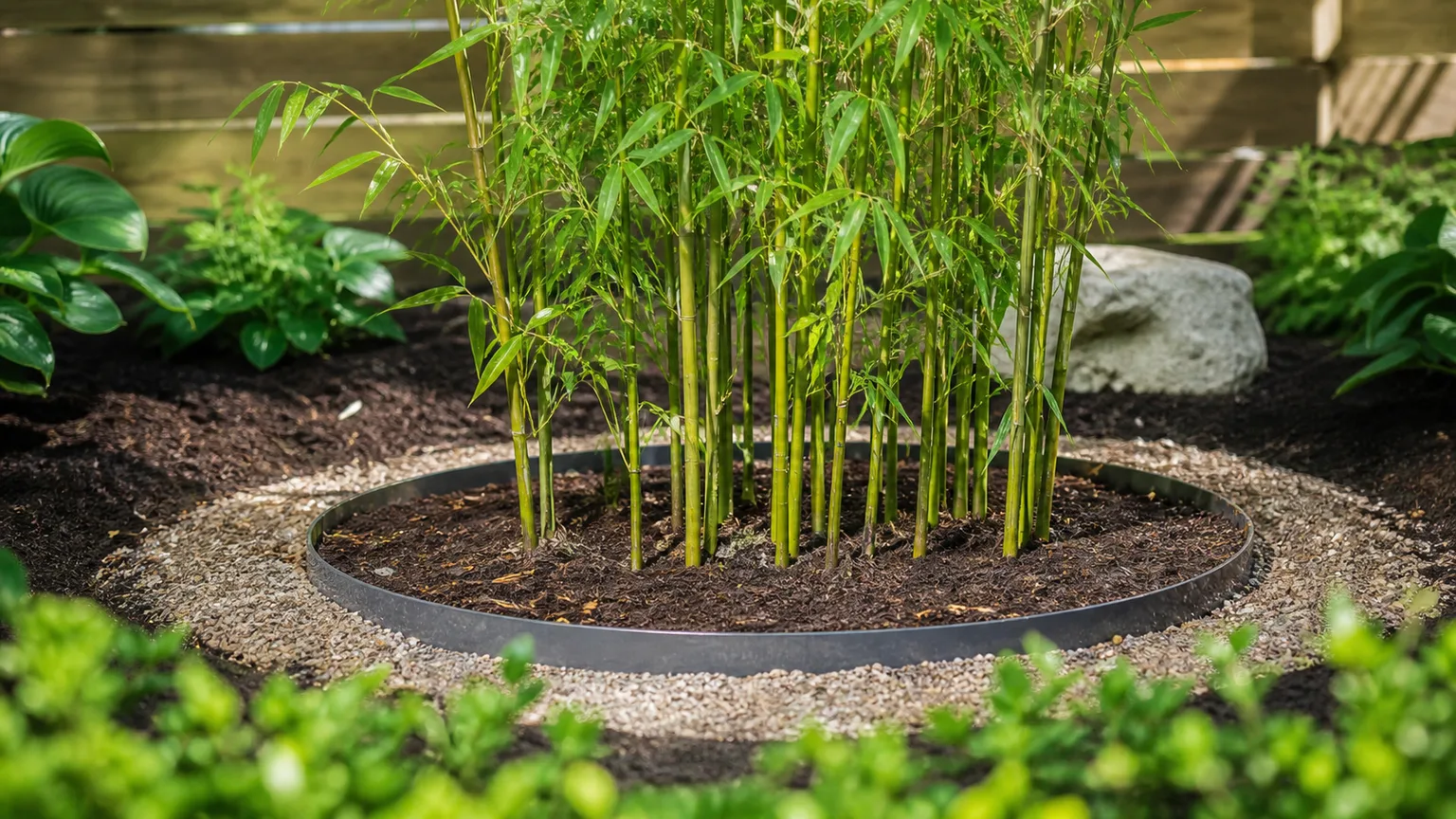
14. Bamboo screen, only where it fits. Bamboo can form a distinctive, leafy screen, but the word “bamboo” covers different growth habits. NC State Extension notes that running bamboo can spread up to 15 feet a year and may be very difficult to manage once established. Do not treat a thin edging strip or a container with gaps as reliable containment; if bamboo suits your region and design, ask a local extension service or experienced nursery to identify an appropriate type and a containment plan you can inspect and maintain.
15. Edible trellis or espalier. Train beans, peas, cucumbers, or a fruiting plant along a freestanding trellis to screen a small dining spot while adding harvests. This is a seasonal, actively managed screen: foliage may be sparse early in the year, and annual crops disappear after harvest. Place it where sun reaches the edible plants, use supports that will not tip under a full crop, and keep the planting far enough from the table to make harvesting comfortable.
Flexible screens for decks and small yards

16. Freestanding panel beside seating. A single well-placed panel can create a visual backdrop for a bistro set, lounge chair, or outdoor tub. Because it sits close to the use area, it may block a view without requiring a long property-line fence. Choose a base or anchors that match the panel’s exposure and weight; a portable screen is convenient only if it remains stable and is stored when severe weather is expected.
17. Hinged folding divider. A folding screen gives renters or hosts a way to change an open patio for a meal, gathering, or quiet afternoon. It can be moved away when the yard needs to stay open, and several narrow leaves can turn a corner more easily than one oversized sheet. Outdoor hinges and materials matter, and the divider should be folded or secured before wind can catch it.
18. Large planters with upright plants. Heavy containers let you make a movable green boundary on a deck or paved patio without excavating a bed. Grouping two or three planters around one exposed angle creates more coverage than scattering pots around the perimeter. Use containers with drainage, enough root volume, and a stable footprint; plan how you will water them and move or protect them in winter.
19. Pergola side trellis. A pergola can define an outdoor room overhead, while a trellis along one side screens the neighbor-facing angle. Train a locally suitable vine on the trellis if you want a softening layer, or leave the structure open for a lighter architectural look. Do not attach heavy screening to a decorative pergola unless its supports and connections are designed for that added load.
20. Outdoor curtains. Weather-rated curtains on a pergola or covered porch can close off a seating nook when needed and tie back when you want an open view. They are a flexible option for patios and balconies that cannot take a new fence. Use outdoor fabric and hardware, keep cloth away from grills and flame, and draw or secure panels in strong wind rather than letting them act like sails.
21. Shade sail or canopy for overhead views. A canopy helps when exposure comes from upstairs windows or an elevated deck, and it can also shade a sunny seating area. It will not block a neighbor’s eye-level view across the yard, so pair it with a side screen if needed. Follow the maker’s span and anchoring guidance, preserve drainage so water does not pool, and retract or remove the fabric when conditions exceed its rating.
Ways to upgrade a boundary you already have
22. Raised planter at the fence line. A long trough or built-in planter can lift foliage into the view line and soften an existing fence. It is useful where ground planting is difficult, though the volume of soil and water makes a large planter heavy. Confirm the deck or patio can support it, provide drainage, and leave a clear path to clean the fence or repair the planter.
23. Alternate fence panels and planting bays. A solid section can block the most exposed view while gaps between sections make room for trees, shrubs, or a gate. This rhythm breaks up a long boundary and can reduce the amount of material you need compared with fencing every inch. Set plant bays wide enough for mature foliage, and avoid leaving narrow pockets that are impossible to prune.
24. Refinish the fence and repeat the color. A sound but tired fence can become a deliberate backdrop with a suitable exterior paint or stain. Repeat one finish on nearby planters, a bench, or a screen frame to make the privacy structure feel connected to the patio. Surface preparation and compatibility with the fence material matter; repair loose boards and follow product directions instead of painting over rot or trapped moisture.
25. Add a decorative opening as a focal point. A salvaged architectural frame, arbor, or open window-like panel can give a plain fence personality, but its openings do not create privacy by themselves. Place the feature where a wall or hedge already blocks the view, or frame it with climbing plants. This gives the yard a designed focal point without pretending a decorative cutout is a solid screen.
26. Build a ventilated enclosure for bins or equipment. A short slatted enclosure can hide trash and recycling bins, pumps, or air-conditioning equipment from a patio or street-facing view. Use a gate wide enough to remove bins, leave the clearances required by equipment makers, and preserve ventilation and service access. Do not box in a heat-producing appliance or put a screen where it restricts required airflow.
Choose a screen by the job it needs to do
Compare privacy, maintenance, light, and lead time
A privacy fence or opaque panel provides the fastest and most predictable visual block once properly installed, but it has upfront material and construction needs. A hedge takes time to grow and needs water while establishing, yet it brings shade, texture, and seasonal interest. Slats and lattice split the difference by breaking up direct views without sealing the yard, while curtains and folding panels offer the most flexibility and the least certainty in wind.
| If your priority is… | Start with… | Keep in mind… |
|---|---|---|
| Immediate, direct-view privacy | A solid panel or fence | Height, footing, wind, and local rules |
| Light and airflow | Slats, lattice, or a mixed planting | Some angles may remain visible |
| A natural look | A mixed shrub screen or planted trellis | Plant fit, mature width, and time |
| A small patio or rental | Planters, a folding screen, or curtains | Stability, watering, and storage |
| A view from above | A pergola, canopy, or overhead shade | Wind rating, drainage, and supports |
| A tired but sound fence | Plants, a topper, or a fresh finish | Existing structure and boundary rights |
Better Homes & Gardens’ landscape examples show how fences, lattice, containers, and plantings can be combined so privacy features also define an outdoor room. Treat those combinations as design prompts, then scale them to your site rather than copying a full-length boundary treatment. For plant choices, use local extension recommendations to decide which species actually fits your climate and conditions.
Do not assume a dense row of trees will solve street noise. A screen can reduce a direct visual connection and make an area feel more sheltered, but sound travels around, over, and through many residential plantings and fences. If noise is the main problem, focus first on realistic expectations and seek a design or acoustic professional for site-specific advice.
Plan the installation before buying materials
Verify the boundary and local restrictions
Before you build, check the property survey or other reliable boundary record rather than guessing from an old fence. A fence may sit inside one property or be shared, and a screen attached to a neighbor’s structure can create a dispute even if the design looks simple. Ask the local planning or building office about fence and accessory-structure limits, permits, corner visibility rules, easements, and any special requirements for a pool or street-facing yard. If you live in a homeowners association, condominium, or rental property, check its written approval process too.
Rules vary by location, so do not rely on a neighbor’s fence as proof that your proposal is allowed. Take a simple sketch with the screen’s height, length, placement, and material to the appropriate office before ordering custom panels. A quick check can prevent you from having to shorten, relocate, or remove an otherwise attractive project.
Plan around wind, drainage, access, and utilities
Solid panels and fabric catch more wind than their open appearance suggests. Match the screen and its anchors to the exposure and manufacturer’s installation instructions; a freestanding panel is not automatically safe just because it feels heavy. Keep water moving away from foundations and do not block a swale or drainage path while raising beds or adding a wall.
Check gates, hose connections, meters, outdoor outlets, HVAC service clearances, and the routes used to move bins or furniture. Before any post hole, footing, or deep planting hole, contact your local 811 center a few business days ahead and wait until utility responses are complete. Utility locators may not mark private irrigation, landscape lighting, invisible pet fencing, or other lines installed beyond the utility-owned service; locate those separately before digging.
Give plants room to reach their mature width
A common shortcut is to plant shrubs shoulder-to-shoulder so the screen looks complete on day one. That can produce crowded roots and branches that compete for space later. NC State Extension recommends spacing plants according to mature size and notes that a mixed screen can reduce the risk of losing the whole planting to one pest or disease. Use the plant’s mature width, not the pot size, to lay out the row, and ask a local extension office for alternatives if a popular hedge plant struggles in your area.
For plant-based privacy, also estimate how long the screen will take to fill in and what it will look like before it does. A temporary lattice or slat panel can provide the first layer while shrubs establish. Water new plantings through their establishment period, mulch without piling material against trunks, and leave room for pruning from your side of the boundary.
Combine two layers for a natural-looking result
The most convincing privacy designs often use a hard screen for immediate coverage and plants to soften it. A dark slatted panel with a narrow flowering border can feel lighter than a wall; a low fence plus taller mixed shrubs can fill a view at different heights. Better Homes & Gardens features examples of this layered approach, but the useful principle is simple: let each component solve one specific gap rather than asking one feature to do everything.
For example, a homeowner whose patio is exposed only from a diagonal upstairs window might place a modest panel beside the table, then add a small pergola canopy above the seat. Another yard may need a permanent fence along a public sidewalk but only pots and a trellis along the private side. Start with the view that bothers you, draw the smallest effective screen, and add a second layer only if the first leaves an obvious gap.
Keep privacy through changing seasons
Walk the yard in leaf-on and leaf-off seasons if you can. A deciduous hedge or ornamental grass may screen beautifully in summer but open up in winter; an evergreen can provide coverage all year yet cast more shade or demand a different planting distance. If you need year-round privacy, keep an evergreen structural layer and use flowering shrubs, grasses, or vines as additions rather than the only barrier.
Recheck the sightline after furniture moves, plants mature, or a new fence changes the light. Prune only what you can reach safely, clear growth from gates and utility access, and inspect posts, fasteners, fabric, and trellis ties after severe weather. Privacy is an ongoing garden condition, not a single purchase: a quick seasonal review helps you correct one exposed angle before it turns into a larger replacement project.
Conclusion
Choose the screen from the viewpoint you need to hide, then decide how much light, airflow, flexibility, and maintenance you can accept. A fence or panel gives immediate coverage, a well-chosen planting adds a softer living edge, and a combination can make a small patio feel private without enclosing the whole yard.
Before committing, mark the sightline, confirm the boundary and local rules, check wind and service access, and contact 811 before digging. For plants, verify regional suitability and mature width. That short planning pass turns an attractive idea into a privacy screen that fits your home, remains manageable, and still works after the first growing season.