26 Curb Appeal Ideas for a More Welcoming Home
Explore 26 curb appeal ideas for the path, porch, paint, lighting, and planting, with practical ways to choose upgrades that fit your house and upkeep budget.
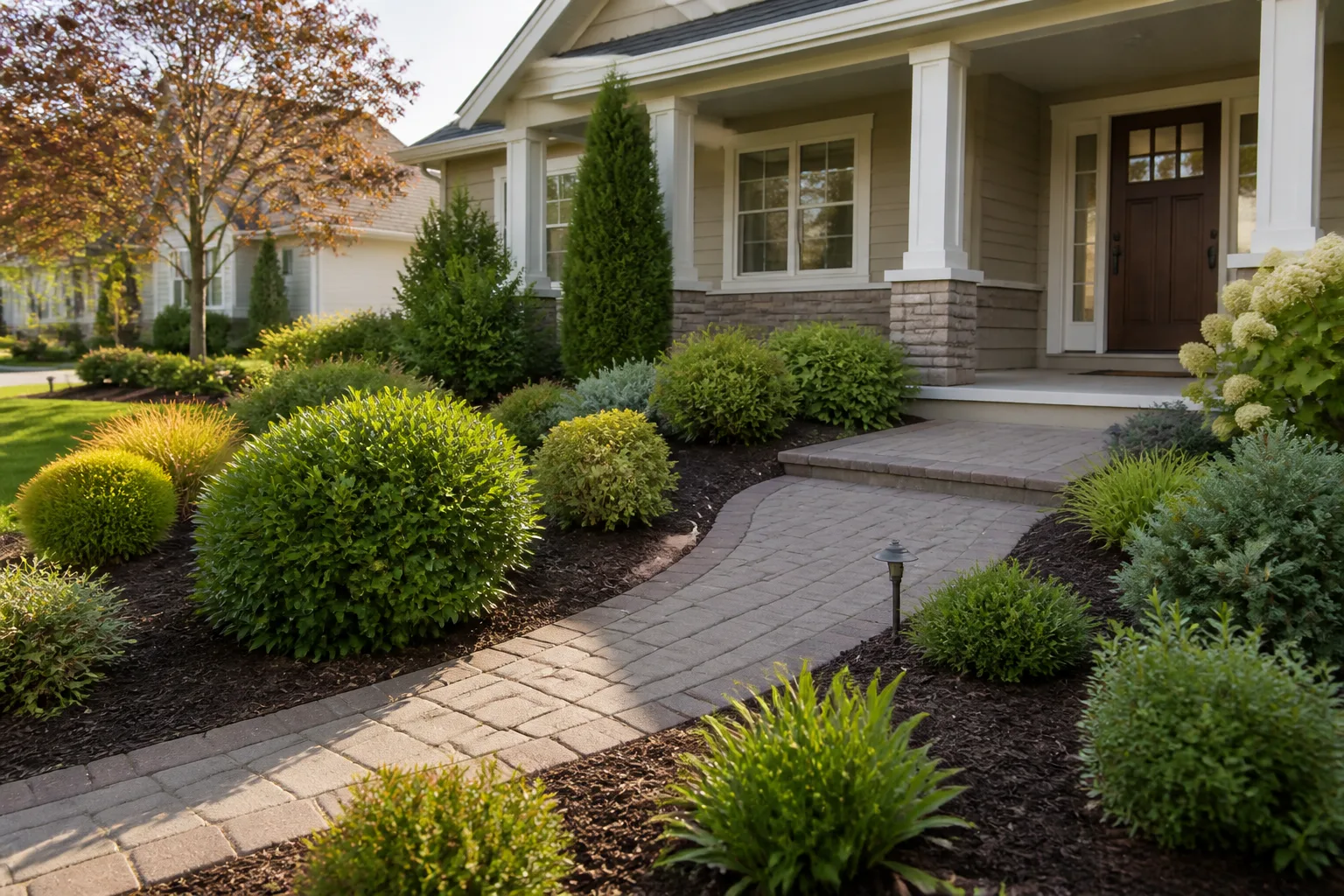
Curb appeal is the view of your home from the street, but the strongest updates do more than decorate that view. They help visitors find the entrance, make the walk comfortable, and frame the house with details and plants that suit its architecture. A tidy path and healthy planting can feel more welcoming than a costly feature that fights the scale of the property.
You do not need to take on all 26 ideas. Start by standing across the street and looking for the first thing your eye lands on, then walk the route to the door. If the address is hard to read, the path is damaged, or the porch feels neglected, those are better first projects than a new landscape plan. UGA Extension’s landscape planning guidance recommends deciding what kind of garden and upkeep commitment you want before shopping; that small pause can prevent a collection of unrelated purchases.
Start With the View From the Street
Before changing materials or buying plants, work out what the home needs most from the curb. Is the entrance hard to distinguish? Does the garage dominate the facade? Are the beds overgrown, empty, or simply out of proportion? Fix the feature that interrupts the view first; a coherent update usually comes from repeating a few colors, forms, and materials, not from adding a different accent at every corner.
Choose One Clear First Impression
Look at the property from the place most people approach: the sidewalk, driveway, or shared entry. Follow the eye from the curb to the front door. A tall shrub blocking the door, a path that disappears into lawn, or house numbers hidden in shadow can make a cared-for home feel less welcoming. Pick one focal point—often the door, porch, or a small ornamental tree—and let other details support it.
Notice the view at more than one time of day. A porch that looks balanced in bright morning light can disappear after dusk, while a light that seems subtle up close may glare toward the street at night. Take a quick phone photo from the sidewalk and again from the driveway; the images make it easier to spot visual clutter, bare patches, and awkward gaps you miss while standing in the garden.
Plan by Impact, Not by Shopping List
Use a simple sequence: clean and repair, clarify the route, improve the entry, then add or adjust planting. Replacing siding or building a new walk is a larger commitment; postpone it until you know whether the main problem is appearance, function, or water flow. If several parts need attention, divide the work into phases so new paint or planting is not damaged by the next project.
Set an upkeep limit before choosing annual flowers, clipped hedges, or a lawn replacement. UGA Extension notes that a planned landscape can combine styles, but the gardener still needs to decide how much time and work to invest. A useful first phase might be a weekend of washing, pruning, and repainting a mailbox. A later phase could be a new path or planting bed after you have confirmed the property lines, utilities, sun, and drainage.
Make the Approach Easy to See and Use
The front route is a functional part of curb appeal. A clear walk and a readable address help guests, delivery drivers, and emergency responders identify the home; a clean, stable surface makes the entrance easier to use. If an existing path is in good shape, cleaning and edging it may do more than replacing it.

Build a Clear Route From Curb to Door
-
Make house numbers readable from the street. Choose numerals large enough to distinguish at a glance, with strong contrast against the mounting surface and a location that is not obscured by plants, a storm door, or a parked vehicle. If the numbers are attractive but unreadable at dusk, add light to the wall or choose a more visible finish rather than decorating the sign further.
-
Choose a mailbox that belongs to the house. A replacement can coordinate with the door hardware, fence, or exterior trim, but the carrier must still be able to reach it. For a curbside box, check postal guidance and local rules before moving its location or installing a structure; a visually neat mailbox that interferes with delivery or plowing is not an upgrade.
-
Repair or redefine the front walkway. Remove weeds from joints, reset loose pavers, and clear overhanging plants before considering a new surface. A straight walk is often the most practical choice when the door is close to the sidewalk; a gentle curve can soften a longer approach, but only if it has enough space to feel intentional and still leads unmistakably to the entrance.
-
Use a simple, coordinated paving palette. Brick, concrete, stone, or pavers can each work when their color and texture relate to the facade. A second material is most effective as a deliberate border or landing, not a patchwork of leftover pieces. For new paving, consider where rainwater will go and whether a permeable option suits the soil, slope, and local requirements.
-
Light the door and the route. A porch fixture should make the lock, steps, and threshold easy to see without shining into visitors’ eyes or a neighbor’s window. Use a fixture sized for the wall and the door; a tiny light on a broad facade can look lost, while an oversized lantern can crowd a narrow porch.
-
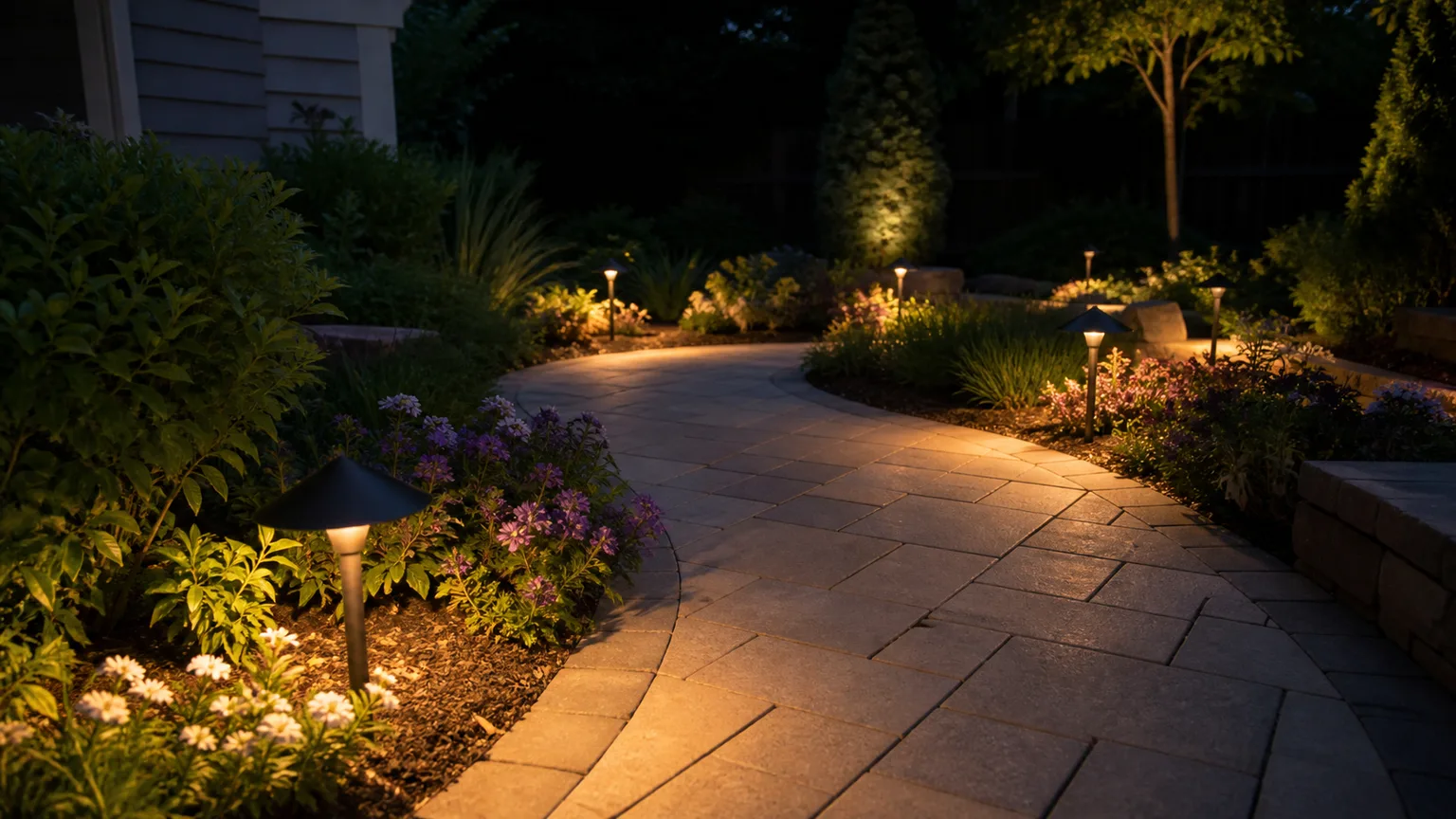
Add path lights where they solve a visibility problem. Low fixtures can help reveal a turn, a change in level, or the edge of a walk, but a runway of evenly spaced lights can feel harsh. Aim light down onto the surface, keep wiring and fixtures out of the walking line, and test the effect after dark before committing to a full row.
Make the Address and Entry Legible
-
Use a picket fence to define the front edge. A low fence can make a yard feel finished and give planting a clear boundary without hiding the house. Match its height and spacing to the home, leave a direct gate-to-door route, and avoid using a fence as a substitute for fixing a poor path. Fence heights, front-yard setbacks, and gate rules differ by location; verify them before ordering materials.
-
Keep the porch landing open enough to work. A pair of planters can frame the door, but they should not narrow the steps or conceal the handrail. Leave room for a delivery, stroller, mobility aid, or someone waiting under cover; the entry should look inviting in a photo and still be comfortable when two people arrive together.
Refresh the Facade Without Fighting the Architecture
Exterior updates are easiest to live with when they repeat what the home already does well. Look for existing roof, brick, stone, siding, and window colors before choosing a new accent. Use a small sample on the actual surface and view it in morning shade, midday sun, and evening light; a color chip beside indoor lighting cannot tell you how it will read outdoors.
Repair Before Replacing
-
Add a striped awning only where it has a job. An awning can provide shade at a sunny entrance or window and introduce a restrained pattern to a plain facade. Check how it meets the roofline and trim, how it sheds rain, and whether it blocks a view or daylight inside. If the house already has several strong patterns, a solid canvas may feel calmer than another stripe.
-
Refresh the front door. A clean, well-fitted door is a strong focal point, and paint can revive a sound surface without changing the whole facade. Choose a color that relates to the house’s existing palette, prep the material correctly, and check whether the door is wood, metal, or a finish that requires a compatible coating. If it sticks, leaks, or has damaged hardware, solve that problem before choosing a bold color.
-
Create contrast in a controlled way. A darker door against a light facade, or a light trim against darker siding, can make architectural lines easier to read. Keep the strongest contrast around one or two elements rather than painting every shutter, railing, and garage detail a competing color. Take a step back after sampling: the goal is an entry that stands out without making the rest of the house recede.
-
Coordinate exterior colors with fixed materials. Siding can be repainted, but brick, roof shingles, stone, and neighboring homes may not be changing with it. Use those permanent surfaces as the palette anchor, then choose a main color and one restrained trim or accent color. Before a full repaint, confirm the surface is sound and ask the paint manufacturer or a qualified painter about prep and coating compatibility.
-
Preserve original character when it gives the house its identity. Older homes often look better with repaired woodwork, restored porch columns, or a cleaned brick walk than with a trend-driven makeover. Keep distinctive details that are in good condition, and replace only what is failing or unsafe. If a home is historic or in a conservation district, check local preservation rules before changing windows, porch details, fences, or exterior finishes.
-
Update architectural details as a set. A new railing, porch light, awning, or porch floor can lift a tired exterior, especially when the pieces share a finish or shape. Repair loose or peeling elements first, then choose replacements that match the scale of the home and the way the entry is used. Avoid buying fixtures in isolation; hold finish samples beside the existing door hardware, trim, and roof edge.
-
Give small details a consistent finish. House numbers, a doorbell, kick plate, knocker, and threshold are close-up details visitors see as they arrive. They do not need to match exactly, but repeating one metal finish or design era helps the entry feel intentional. Replace a cracked mat or faded sign before adding another decorative object.
Use Color and Detail With Restraint
-
Replace a worn garage door when it dominates the street view. A garage that occupies much of the facade can overwhelm the front door if its panels are dented, mismatched, or peeling. Choose a finish that relates to the siding and trim instead of making the largest object on the house the boldest one. Garage doors are heavy mechanical systems; leave spring and track work to an appropriately qualified installer.
-
Paint the porch floor when the surface is sound. A fresh coat can unify the entry and cover scuffs, but paint will not repair rot, loose boards, or water damage. Use a coating made for the substrate and outdoor exposure, follow the label’s surface-preparation and curing directions, and keep the color tied to the door or trim rather than treating the floor as a separate palette.
-
Tile or resurface steps for a purposeful accent. A patterned tile can bring character to a sheltered entry, particularly when the house already has a compatible architectural style. On an exposed stoop, prioritize a finish rated for exterior use and a surface that remains stable and slip resistant when wet or icy. If the steps are cracked or move underfoot, repair the structure before adding a decorative layer.
-
Choose classic details that fit the scale. Matching planters, a simple door knocker, or one pair of lanterns can create a composed entrance. Large topiaries may overwhelm a modest stoop, while tiny pots disappear beside a broad double door. Measure the space and leave room for the door swing, railings, and daily traffic; symmetry is a tool, not a requirement.
-
Use an awning, trellis, or pergola as a real architectural feature. A small porch roof, trellis, or entry canopy can add depth and shade, but it should look attached to the house rather than dropped in front of it. Check wall construction, roof runoff, required clearances, and local permits before building. If you only want a seasonal accent, a planted container or lightweight porch screen may achieve the effect with less commitment.
Use Planting to Frame, Not Hide, the Home
Plants add changing color and soften hard surfaces, but they also grow. For a cohesive plan, use a small palette of forms and repeat it in more than one bed, then leave enough open space for the home and the entrance to remain visible. Epic Gardening’s front-yard design article makes a similar point about repeating a concise set of colors, forms, and materials instead of adding unrelated accents.
Choose for Mature Scale and the Site
-
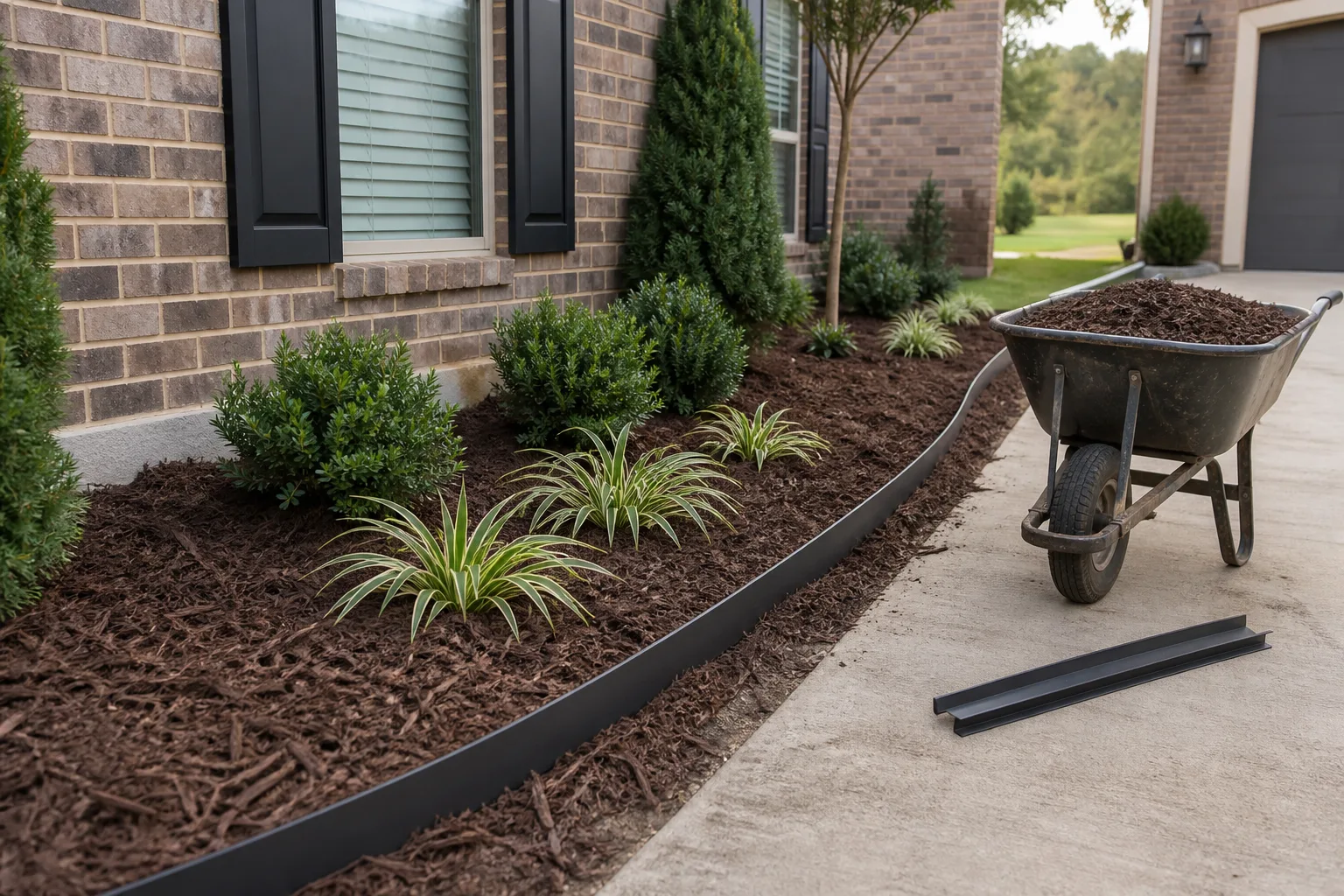
Renew the landscaping you already have. Remove dead growth, prune only what the plant can safely tolerate, pull obvious weeds, and refresh bed edges before replacing shrubs. A plant that looks awkward may simply be hidden by overgrowth or competing weeds. If you remove a mature plant, identify why it failed—too much shade, poor drainage, wrong mature size—before planting a replacement in the same spot.
-
Match plant size to the house and the bed. Use lower plants where they frame a path or sit beneath a window, and reserve taller shrubs for broad walls or property edges. Check a plant’s mature width and height, not only the nursery-pot size; Gardening Know How’s small-front-yard guide warns that an oversized selection can crowd a small yard and block light. Space plants for their full size so the finished bed does not depend on constant shearing.
-
Choose plants for the light, soil, and local climate. A row of popular shrubs will not be low-maintenance if the site is too wet, too dry, or too shady for them. Observe the front yard through the day, note roof runoff and winter conditions, and ask a local extension office or knowledgeable nursery for plants suited to your region. Native and climate-adapted choices can help reduce extra inputs once established, but “native” is not a guarantee that a plant fits every soil or exposure.
Plan for More Than One Season
-
Keep some structure for winter. Evergreen shrubs, ornamental grasses with attractive seed heads, and trees with distinctive branching can keep the front yard from becoming a blank patch after flowers fade. Use a few reliable forms near the entry rather than filling every bed with evergreens; the balance between persistent structure and seasonal change is what keeps the landscape from feeling static.
-
Plant seasonal flowers where color is easiest to maintain. A few annuals or bulbs near the door can bring a spring or summer accent without requiring a full front-yard replanting. Group the colors and repeat them in a porch pot or small bed so the display looks planned. Choose the planting season and varieties for your climate, and do not put thirsty flowers in a spot you cannot reach to water.
-
Try xeriscaping if water use or upkeep is a concern. Xeriscaping means planning with local climate and rainfall in mind; it does not mean turning the whole yard into bare gravel. Start by identifying the beds or lawn areas that need the most supplemental water, then replace a small section with climate-suited plants and an appropriate ground cover. In Martha Stewart’s xeriscaping article, horticulturist Noelle Johnson advises shifting thirsty plants gradually, allowing shrubs to reach their natural size, and using mulch to reduce soil drying. A new planting still needs establishment care, so do not assume it can be ignored from day one.
Lower Water and Maintenance Demands
The maintenance plan is part of the design. Epic Gardening’s curb-appeal guidance recommends a concise theme and seasonal upkeep; in practice, that means choosing bed edges you can maintain, limiting fussy plants, and keeping the lawn only where you use it. If you want a low-care planting plan, our front-yard landscaping guide goes deeper on choosing plant structure, reducing lawn, and matching upkeep to your time.
Do not make a major planting or paving change until you have checked where rainwater currently moves. Avoid directing roof or driveway runoff toward the foundation or a neighbor. Before setting posts or digging a new bed, locate buried utility lines; our guide to checking utilities before digging explains how to plan that step. Municipal guidance can be site-specific: for example, the City of Alexandria’s landscape guidelines include local standards for landscape plans and tree protection, a reminder to check your own rules before changing the front boundary or disturbing trees near public space.
Add Character With a Light Touch
Not every front yard needs a dramatic feature. A birdbath, bench, trellis, or sculptural planter can make a home feel personal when it answers a need: a place to sit, a focal point at the end of a path, or a way to add height where there is no room for a shrub. If the object has no relationship to the house or blocks movement, it is more likely to read as clutter than character.
Keep seasonal decor and containers easy to move. A small front porch can look finished with one large pot that suits the door, while a broad landing may have room for a pair. For a fence or gate, carry the same material or paint color toward the walk so the boundary feels connected to the entrance. Leave planting on the street side tidy too; the view of the yard begins before someone reaches the gate.
Check Safety, Rules, and Upkeep Before You Build
Some curb-appeal changes affect drainage, public sidewalks, street trees, or shared boundaries. Check local rules and utility locations before digging, adding a fence, changing the path at the curb, or installing exterior fixtures. The exact requirements depend on the property and municipality; a local landscape or building department can tell you whether a permit or inspection applies.
Use professionals for work involving roof edges, electrical connections, structural porch repairs, large trees, or garage-door mechanisms if the task is beyond your experience. For a smaller project, read product labels, use weather-rated materials, and keep the route clear while paint or coatings cure. A safe, durable update is more valuable than a quick finish that needs to be redone next season.
Conclusion
The most effective curb appeal ideas begin with what a person notices and needs from the street: a readable address, a clear path, a welcoming door, and a front yard that frames rather than hides the house. Clean and repair first, then choose one or two improvements that fit the home’s scale and your real maintenance budget. A few coordinated changes will usually look more considered—and be easier to keep up—than a complete makeover assembled in a rush.