How to Remove Yellow Pollen Stains From Clothes and Carpet
Learn how to remove yellow pollen stains from clothes and carpet: lift dry grains first, choose a surface-safe treatment, and check the stain before drying.
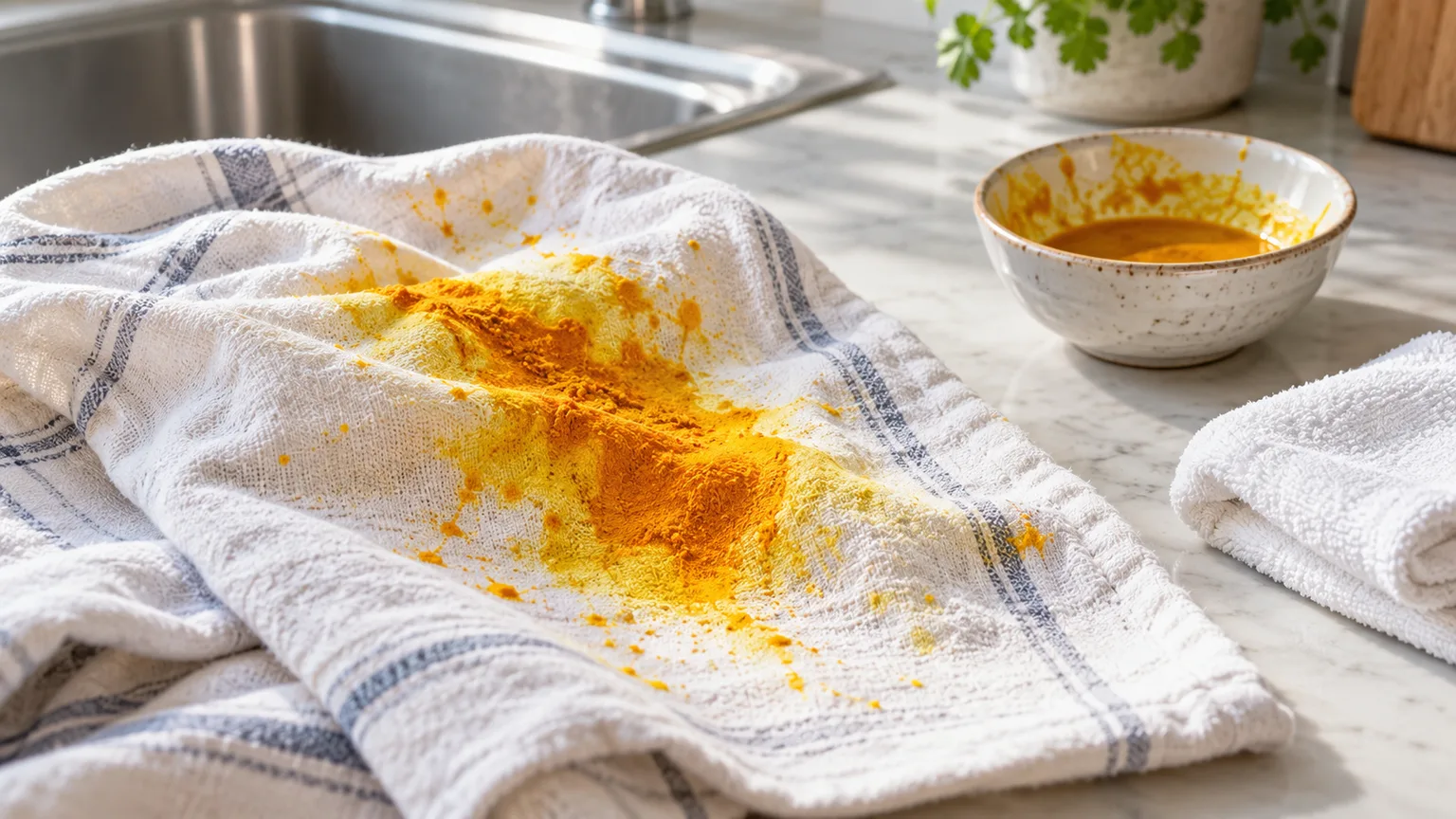
A bright yellow dusting on a shirt or rug is easiest to handle before it becomes a smear. Lift the loose pollen dry first, then treat only the color left behind with a product that is safe for that garment or surface. Rubbing, wet wiping, or reaching for bleach too quickly can turn a small spot into a wider or more permanent-looking mark.
The right next step depends on what was stained. A washable cotton shirt can usually be treated and laundered at home; a wool rug, silk blouse, or fixed upholstery needs a much more cautious approach. In every case, check the care instructions and inspect the spot before using heat.
Start Here: Lift the Dry Pollen Before Cleaning
Pollen on the surface and a stain in the fibers are two different problems. First remove as many dry grains as possible without pressing them into the material; only then decide whether a wet stain treatment is appropriate. This dry-first sequence is recommended in pollen-specific guidance from Vanish and practical cleaning references such as Fantastic Services.
For clothes, lift or shake—never rub
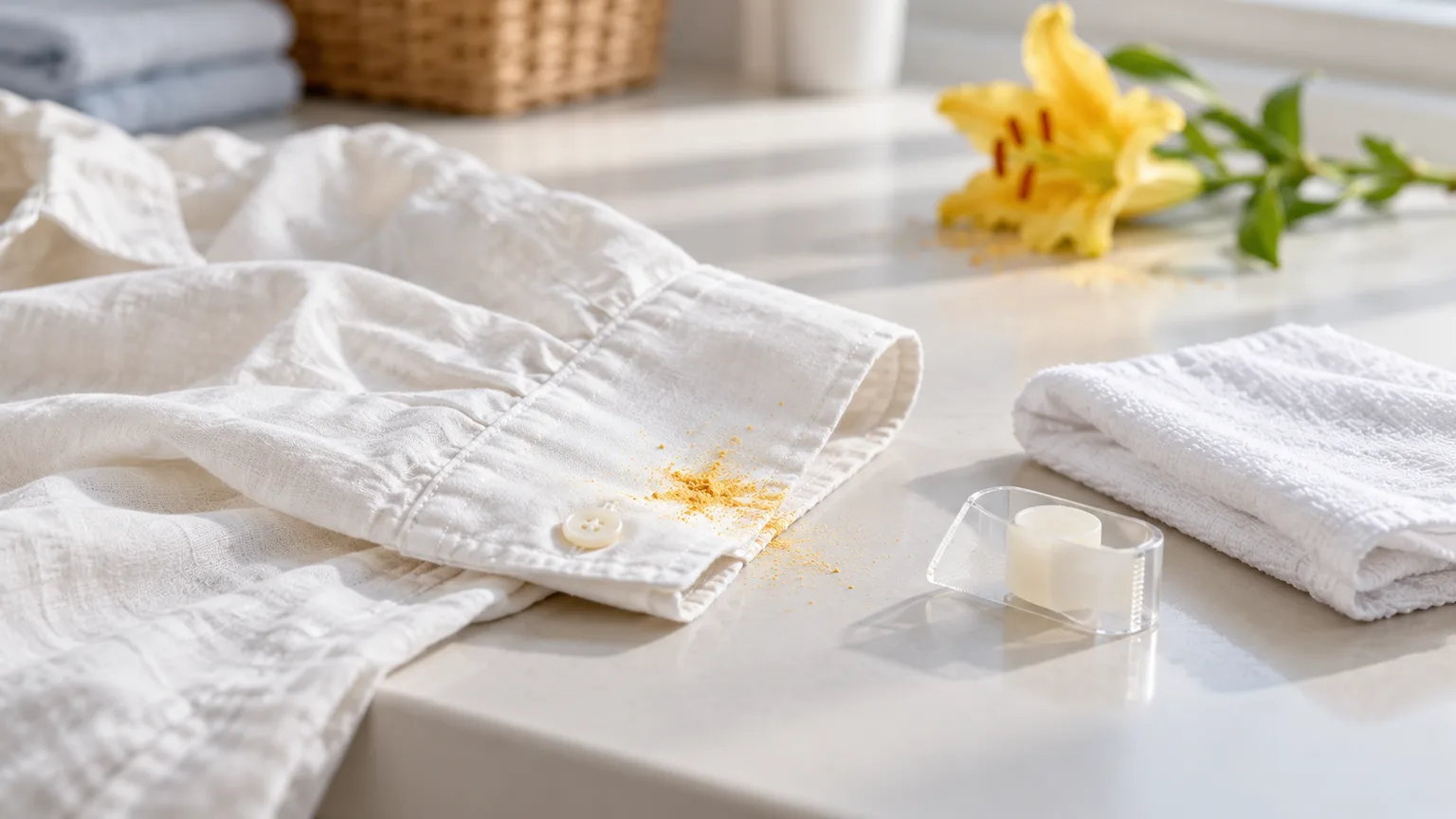
Take the garment outside if you can, holding the stained area away from other clothing. Gently shake it once or twice, or touch the sticky side of a small piece of tape to the visible grains and lift straight up; use a fresh section of tape for each pass. The goal is to pick up the powder, not scrub the color into the weave.
Do not use your fingers, a damp cloth, or a stiff brush on loose pollen. A wet wipe can spread the pigment into a larger patch, while pressure can lodge the grains deeper between fibers. If the cloth is delicate, loosely woven, embellished, or likely to snag, skip adhesive tape and let a cleaner advise you after a dry shake.
For carpet, vacuum without touching the pile
Keep the nozzle just above the carpet and use a hose or upholstery attachment without a spinning brush. Work slowly over the pollen; touching the pile with the nozzle or dragging an upright vacuum’s beater bar across it may scatter the dust or work it into the tufts. A cleaning guide from Fantastic Services also recommends vacuuming without making contact with the fibers.
For a tiny patch that the vacuum cannot capture, lift grains with a small piece of tape only if the carpet is low-pile and the tape does not catch fibers. Test away from view first. Do not use tape on shag, looped wool, delicate rugs, or loose pile: the adhesive can pull or distort fibers.
Remove Pollen Stains From Washable Clothes
Once the powder is gone, look at the remaining yellow or orange mark in good light. It may be lighter than it looked under loose pollen, and it may not need a strong bleach product at all. The BBC’s stain-treatment guidance featuring cleaning expert Nancy Birtwhistle emphasizes checking garment care instructions, testing an unfamiliar method on a hidden area, and avoiding tumble-drying a stain that remains.
Step 1: Check the label and spot-test
Read the sewn-in care label before wetting the garment. If it says dry clean only, or if the item contains silk, wool, leather trim, structured lining, beads, or fragile dye, stop and use the delicate-garment guidance below. For a washable item, test the intended detergent or stain remover on an inside seam, following its label, and wait to see whether the fabric’s color changes.
The safest rinse is not always the coldest possible soak or the hottest wash. Follow the garment label for water temperature and cycle, and use cool water only if the fabric’s instructions permit it. If the color bleeds during the spot test, do not keep treating the visible stain at home.
Step 2: Treat the remaining mark
For a washable, colorfast garment, apply a small amount of liquid laundry detergent or a fabric stain remover whose label allows use on that fabric. Work from the back of the stain when practical, using a gentle press rather than a scrub; this helps move residue out of the weave instead of driving it toward the front. Let the product sit only for the time printed on its package.
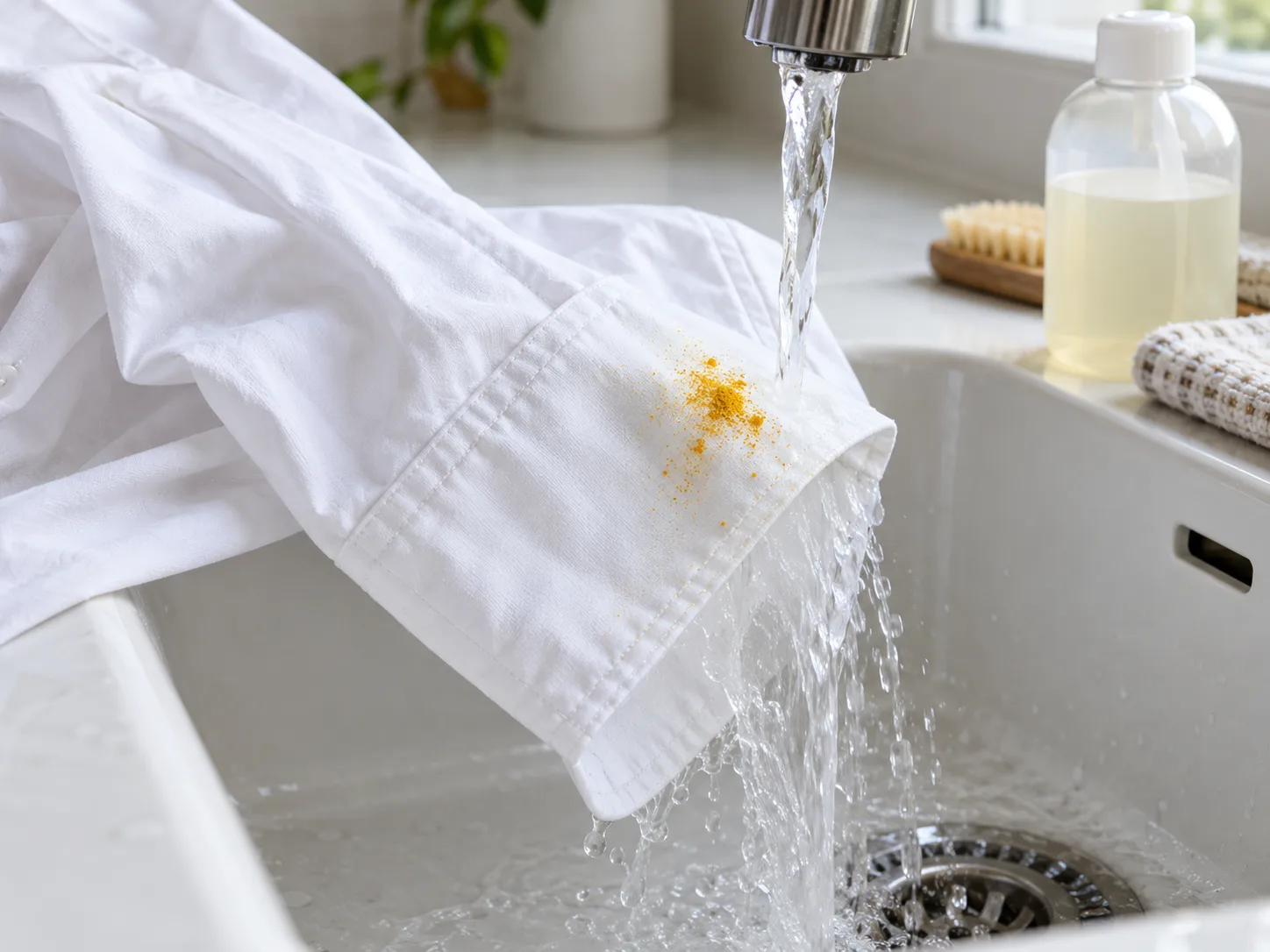
If loose grains are gone but the mark remains, you may rinse the area gently from the reverse side when the care label allows. Keep the water flow modest and avoid rubbing the stain between your fingers. Some pollen-specific advice supports a cool rinse, while other stain guides warn that wet wiping can spread residual pigment; the distinction is to remove the powder dry first and use water only as a controlled treatment on washable fabric.
For a stubborn mark on an item whose label permits soaking, use a labeled pre-soak or oxygen-based stain product exactly as directed. “Color-safe” does not mean safe for every dye, coating, trim, or fiber; test first and never substitute a longer soak or stronger mix for the package directions. Avoid chlorine bleach unless both the care label and the bleach label explicitly permit it.
Step 3: Wash, inspect, and air-dry
Launder the garment according to its care label, using the detergent and cycle appropriate to the fabric. Before putting it in the dryer, check both sides of the stained area in daylight or bright neutral light. A damp mark can be hard to judge, so let the item air-dry if you cannot tell whether the pigment is gone.
If the mark remains, repeat a label-approved pretreatment and wash rather than using a hot dryer or iron. Heat can make stain removal more difficult, and the Vanish pollen guide likewise advises checking the result before drying. Stop if the fabric changes color, develops a rough patch, or the stain grows after treatment.
Treat Delicate and Dry-Clean-Only Garments
A care label that says “dry clean only” is a clear boundary: do not soak the garment, use oxygen bleach, or apply a general-purpose solvent just because it is a stain remover. Lift loose pollen gently while dry, keep the garment away from other fabric, and tell the cleaner that the mark is flower pollen and whether you have tried any treatment. If a care label permits only professional cleaning, home spot treatment can leave a ring, change the dye, or damage a finish.
For silk, wool, leather-trimmed clothing, lined jackets, and heirloom or expensive pieces, take the same route even if the label is unclear. Avoid rubbing, wet wipes, hair spray, alcohol, and improvised cleaning mixtures. A professional cleaner can choose a method for the fiber and dye rather than relying on a product intended for everyday washable clothes.
If you must carry the item to a cleaner, do not fold the stained area against a clean section of the garment. Lay a piece of clean white paper between layers if needed, and point out the stain before the item is tagged. That simple handoff helps prevent pollen transfer and gives the cleaner a better chance to treat the actual mark.
Clean Pollen From Carpet and Upholstery
Carpet and upholstered furniture cannot be rinsed and spun like clothing. Too much liquid can spread the stain, wet the backing or cushion, or leave detergent residue that attracts soil later. Treat a removable cushion cover according to its care tag; for fitted carpet, a rug, or fixed upholstery, use a product specifically labeled for that material.
Make a dry first pass
Remove loose pollen with a hose attachment held above the surface, moving from the outer edge toward the center so you do not fan powder outward. For upholstery, use the gentlest suction setting and keep the nozzle from pressing into the fabric. A soft brush is a last resort, and it should lift rather than scrub; if the material is looped, shaggy, or fragile, skip brushing.
When vacuuming is not practical, touch a narrow strip of tape to a small, inconspicuous section to check whether it releases cleanly. Lift instead of pulling sideways, and stop if a fiber comes away or the surface changes. Do not use a lint roller across a large stain: repeated rolling can spread the pigment and press adhesive against more of the pile.
Blot the remaining discoloration
After the dry grains are gone, read the rug or upholstery cleaning code and test a surface-appropriate spot cleaner in a hidden place. If the test dries without discoloration or texture change, put a small amount of the cleaner on a white cloth—not directly on the stain—and press gently from the outside edge toward the center. Use a clean section of cloth as pigment transfers, and avoid flooding the area.
Follow the cleaner’s rinse or residue-removal directions exactly. Some upholstery and carpet products require a light water blot afterward; others do not, so do not assume that repeated rinsing is always better. Press with a dry white towel to draw out moisture, then let the area dry fully with good airflow before judging the result.
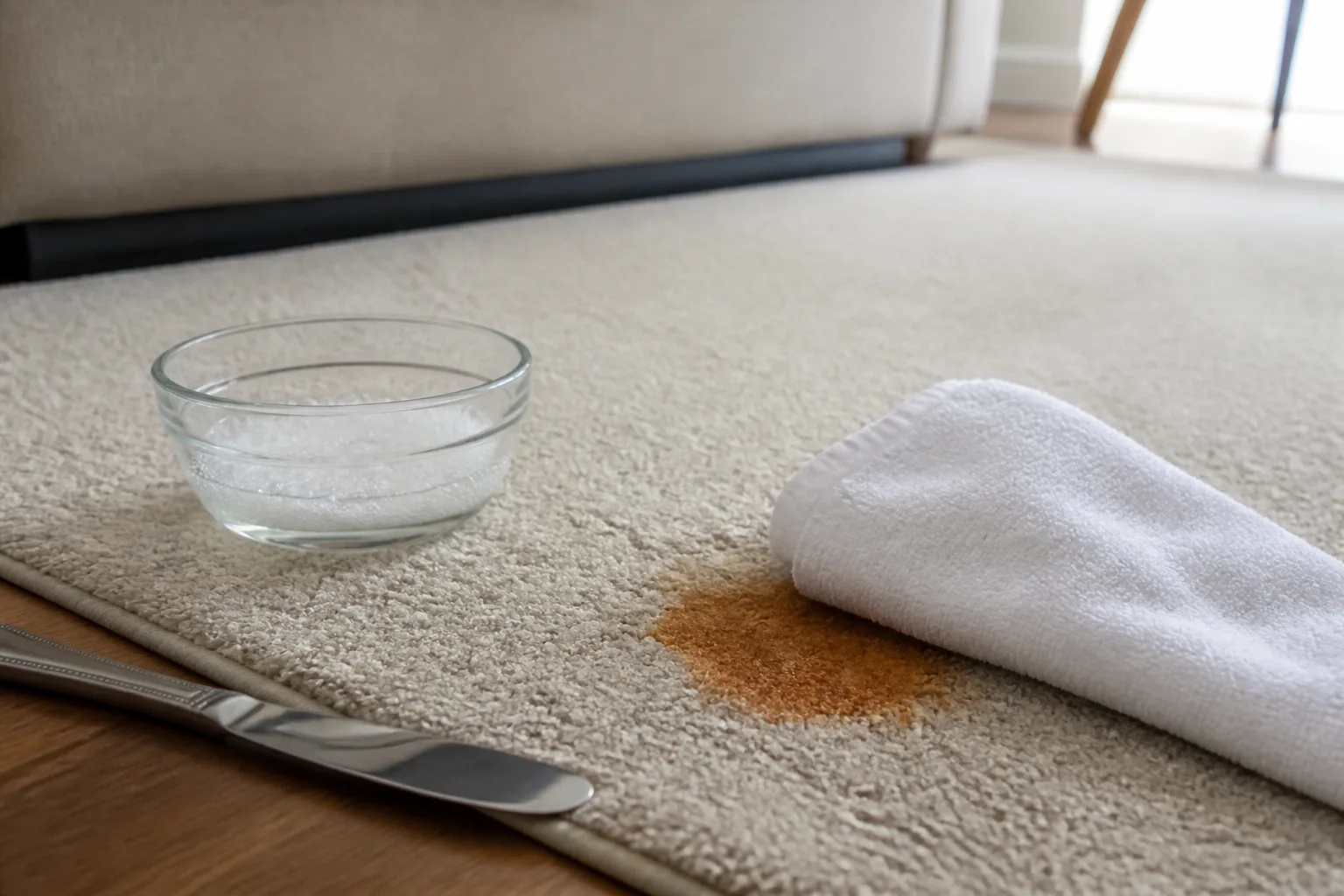
Do not pour laundry bleach, peroxide, alcohol, or dry-cleaning solvent onto carpet or upholstery as a general fix. These products can lighten dyes, weaken finishes, or affect backing and adhesives; a product’s suitability for a shirt does not make it suitable for a rug. For an expensive rug, natural-fiber upholstery, or a stain near a seam or cushion insert, stop after dry removal and ask a professional to assess it.
What to Do About Old or Already-Washed Stains
A stain that has dried or gone through a wash may take more than one treatment, but it is still worth beginning with a dry lift. Use tape on washable cloth or a no-contact vacuum pass on carpet to remove any pollen dust that remains on top. Then inspect the pigment separately; do not assume every yellow patch is still loose pollen.
For clothing, use only a pretreatment that the care label allows, and repeat the product’s normal treatment cycle if its instructions permit. Avoid escalating to stronger bleach, longer soak times, hot water, or a solvent without checking both product and care labels. If the garment has already been heat-dried, the mark may be harder to remove, so set expectations and stop when further treatment risks the fabric.
On carpet or upholstery, repeated wet treatments can create a larger halo or damage the backing even if the original spot is small. If a stain does not improve after one careful application of a surface-labeled cleaner, allow the area to dry and reassess instead of layering on more chemicals. A visible ring, spreading color, or change in texture is a reason to stop.
Choose a Cleaner Without Guessing
Pollen stains are not all identical. The yellow dust may include loose grains plus colored material that has transferred to the textile; Stain Expert’s pollen guide notes that pollen color and pigments vary by flower. That is one reason a method that works on a washable cotton shirt may be a poor choice for silk, a dyed rug, or a finished sofa.
Laundry products and oxygen bleach
Start with ordinary laundry detergent or a stain product that names the fabric and the treatment method on its label. Pretreatment is more controlled than dumping several additives into the washer, and it makes it easier to check whether the stain is fading before drying. The Utah Education Network’s stain-removal chart advises pretesting stain treatments on a hidden area, a useful precaution even when a product is advertised for colors.
Oxygen-based bleach can be helpful for some washable items, but it is not a universal pollen remover and is not automatically safe on every colored or delicate textile. Confirm that the clothing care label allows it and that the product directions cover the fiber; do not use it on wool or silk unless the manufacturer explicitly says it is safe for that item. Chlorine bleach is even less suitable as a first move because it can remove color and damage fibers.
Carpet spotters and solvents
Choose a spot cleaner labeled for carpet or upholstery, not a laundry product from the cupboard. Check whether it is safe for the carpet fiber and color, test an unseen area, ventilate the room as directed, and use the smallest amount that the label calls for. The practical guidance in Fantastic Services’ carpet and fabric pollen article also cautions that treatments such as peroxide may affect color and should be tested first.
Avoid applying rubbing alcohol, dry-cleaning fluid, or nail-polish remover unless the surface manufacturer or a qualified cleaner recommends that exact product for the material. Solvents can dissolve finishes, spread dye, or leave a ring; they also have handling requirements that are easy to miss. If you do not know the fiber, backing, dye, or upholstery code, professional advice is safer than experimenting in the middle of the stain.
Prevent Pollen From Staining Again
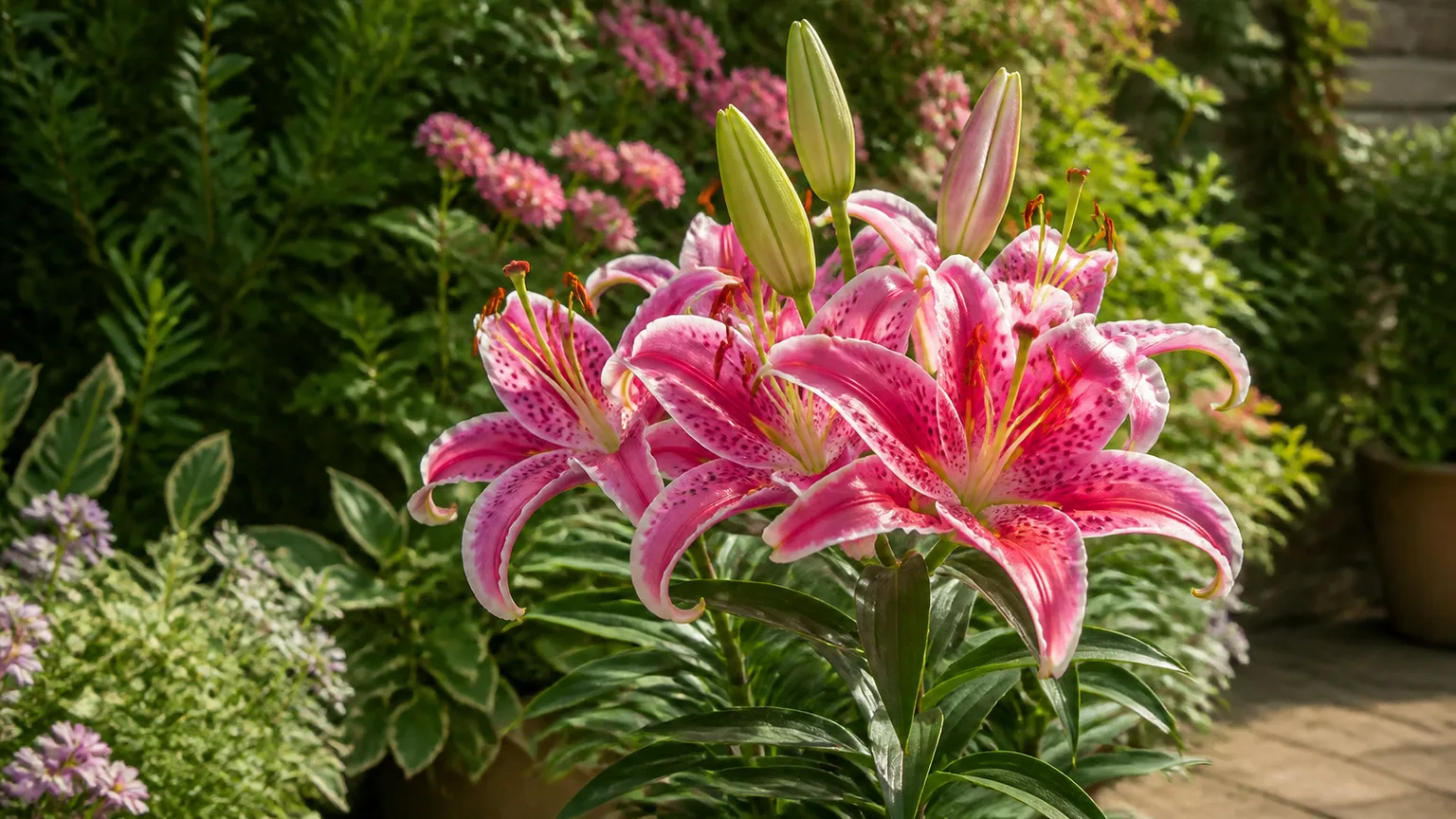
With lilies, the most useful prevention step is to remove the pollen-bearing anthers before they release visible dust. Hold a tissue beneath the flower, gently remove only the anthers with clean tweezers or small scissors, and discard them without brushing them across petals or fabric. Do not pull the whole stamen or handle dusty anthers with bare fingers; if pollen has already shed, keep the bloom upright and lift loose grains dry.
Place pollen-heavy flowers where sleeves, curtains, tablecloths, and pale upholstery will not brush against them. When arranging a bouquet, work over a washable surface and keep a piece of tape and a white cloth nearby for accidental spills. If pollen lands on a garment, treat it before the clothes go into a hamper together.
For a vase arrangement, ask the florist whether the lilies have been de-anthered or can be prepared before you take them home. Stain Expert’s pollen guide recommends removing the anthers while the bloom opens and before the pollen sheds. Hold a tissue beneath the flower, snip only the pollen-bearing tips at the ends of the stamens, and discard the tissue; do not brush dusty anthers across petals or fabric.
When to Call a Professional
Use a professional cleaner when the care label requires it, the item is valuable, the color bleeds during a spot test, or a home treatment has spread the mark. A cleaner is also the better choice for silk, wool, leather-trimmed garments, antique rugs, viscose or other delicate fibers, and upholstery with an unknown cleaning code. Bring the product name or explain any cleaner you already used so the professional does not unknowingly combine treatments.
For carpet, call a qualified cleaner if the pollen is embedded in a deep pile, the stain covers a broad area, the rug is hand-knotted or naturally dyed, or the cushion or backing became wet. Ask whether the service has experience with your specific fiber and dye, and tell them when the stain happened. Avoid scrubbing or applying a second chemical while you wait; dry removal is still the lowest-risk step.
A tiny, fresh stain on ordinary washable fabric is usually a reasonable home-cleaning job. A larger mark on a high-value textile is not a good place to test several internet remedies, because each extra wetting or solvent can make professional treatment less predictable.
Common Mistakes That Make Stains Harder to Remove
The most common mistake is rubbing loose pollen with a finger, napkin, or wet wipe. That spreads grains beyond the original spot and can press pigment into the fibers, so lift gently and change to a clean piece of tape or cloth as you work.
Another mistake is assuming “color safe,” “natural,” or “all-purpose” means suitable for every surface. Product labels are written for specific uses; check the garment care label or the carpet and upholstery directions, then test a hidden spot. Do not combine stain products or extend a soak because the first attempt seemed too mild.
Finally, do not declare the stain gone while the item is wet or put it straight into a hot dryer. Let it air-dry enough to inspect, repeat only a permitted treatment if the mark remains, and stop if the color, finish, or texture changes. A slow, controlled pass protects the material better than a fast succession of stronger cleaners.
Conclusion
To remove yellow pollen stains, begin with the dry grains: shake or lift pollen from clothing and use a no-contact vacuum pass on carpet. Then follow the garment or surface label, spot-test the cleaner, and use the gentlest treatment that is approved for that material.
Keep heat away until the mark is gone, and stop before a delicate fabric, dyed rug, or fixed upholstery is damaged. If the item is valuable or the stain spreads, let a cleaner assess it; for the next bouquet, removing lily anthers before pollen sheds can prevent the same problem from starting.