How to Remove Watermelon Stains: Clothes, Carpet, Upholstery
Learn how to remove fresh or dried watermelon stains from clothes, carpet, and upholstery with safe, surface-specific steps and a no-heat check before drying.

For a fresh watermelon spill, lift away the pulp, blot up liquid, and keep heat away. Rinse washable clothing from the back with cool water; on carpet or upholstery, use a clean white cloth and small amounts of a surface-safe cleaner so the juice does not spread or soak into backing and cushion foam.
Watermelon is mostly juice, but the pulp and natural color can remain in fibers after the moisture evaporates. The method depends on whether the item can go in a washing machine or needs to be cleaned in place. A care label or upholstery cleaning code should decide that before you add detergent, water, or bleach.
Start here: lift, blot, and protect the item
Use a spoon or dull edge to lift any pieces of fruit without scraping the textile. Then press a clean white cloth or paper towel onto the wet area; lift and repeat with a clean section until it stops picking up much juice. Rubbing pushes liquid sideways and deeper into the material, so use pressure without scrubbing.
| Surface | First move | Next move |
|---|---|---|
| Washable clothing | Lift pulp and blot | Flush from the reverse side with cool water |
| Carpet | Lift pulp and blot | Use a small amount of mild solution on a white cloth |
| Upholstery | Lift pulp and blot | Check its cleaning code before any wet treatment |
| Dry-clean-only item | Blot; do not soak | Take it to a cleaner and identify the spill |
Keep a wet garment out of the dryer and a wet cushion away from direct heat. If the fruit landed on a delicate, valuable, or unidentified textile, stop after blotting and check the maker’s care instructions before trying a cleaner.
How to remove watermelon stains from clothes
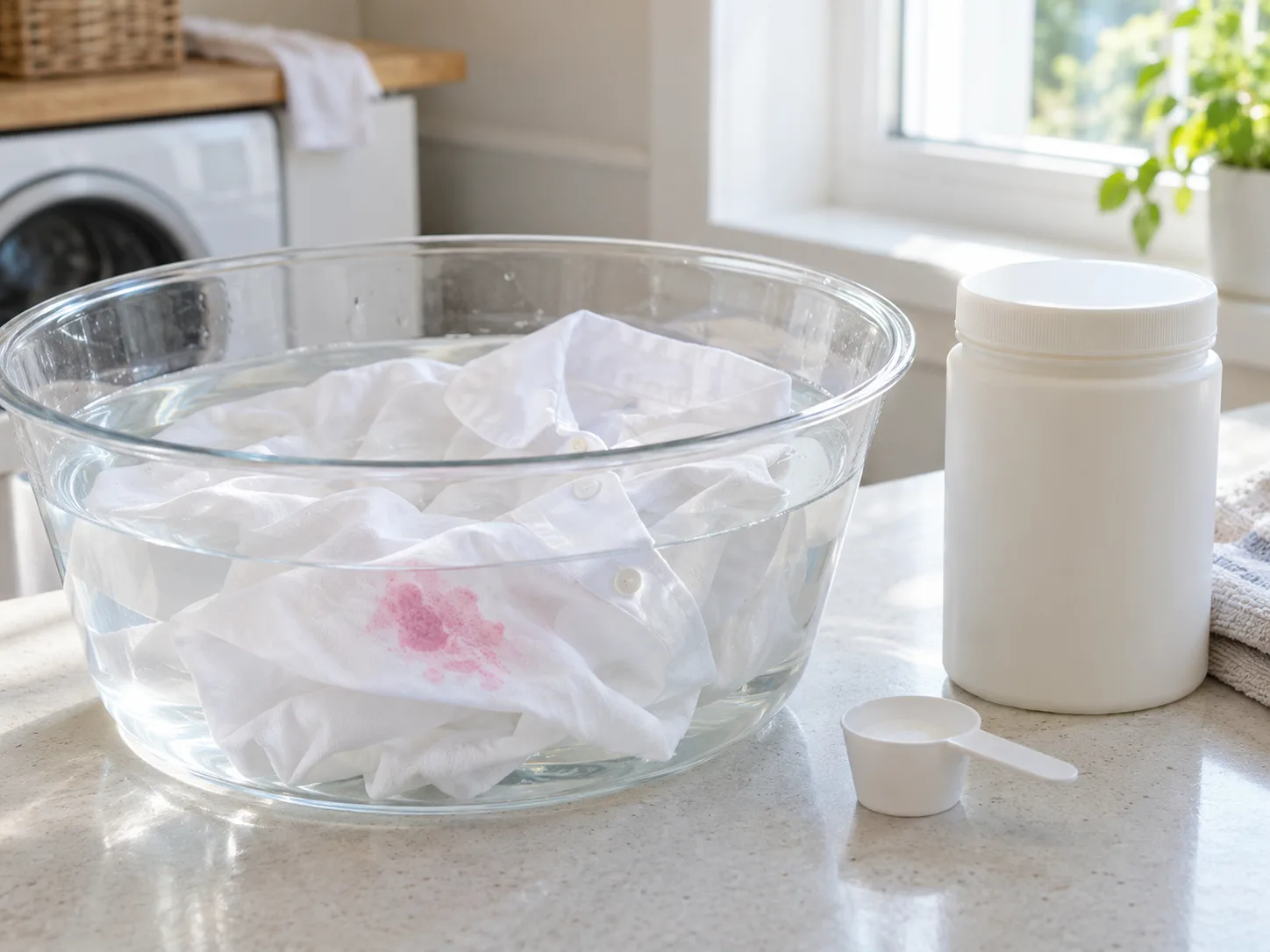
Washable cotton, polyester, and many everyday blends usually tolerate a rinse and laundry detergent, but the garment’s care label comes first. Check for special instructions, color restrictions, or a dry-clean-only designation, and test any stain product on a hidden seam if you are unsure how the dye will react.
Flush fresh juice through the back of the fabric
Hold the stained area with the wrong side facing up under a gentle stream of cool tap water. This lets water carry loosened juice out through the way it entered instead of pushing it farther into the face of the weave. Stop once the water running through the spot is much clearer; there is no benefit to soaking the whole garment at this point.
The University of Georgia Cooperative Extension’s fruit-stain guidance recommends prompt cool-water rinsing and cautions readers to follow care labels and pretest cleaning agents. Rinsing first also avoids rubbing a concentrated product into a mark that still contains loose juice.
If the stain is on a shirt while you are away from home, blot with a damp white napkin or cloth rather than a colored paper towel that might transfer dye. Keep the cloth under the spot if possible, and do a proper rinse when you can reach a sink. A quick rinse is useful even if you cannot launder the garment immediately.
Pretreat, wash, and inspect before drying
After flushing, work a small amount of liquid laundry detergent or a stain remover labeled for washable fabric into the remaining mark. Follow its package directions for how long it can stay on the garment; some products are made for short pretreatment, while others call for a soak. Do not scrub delicate knits or stretch fabric between your fingers.
Wash the garment at the warmest temperature allowed by its care label, using the normal amount of detergent for the load. The Tide fruit-stain guide also advises rinsing fruit stains with cold water, pretreating, washing according to care labels, and checking the mark before machine drying. That last check matters: a washed shirt can look clean when wet, then show a faint pink or yellow shadow after it dries.
Before drying, inspect both sides in good light. If any color remains, repeat the pretreatment and wash cycle or move to an appropriate oxygen-bleach step if the garment and product labels allow it. Air-dry between attempts so you can see the result without adding dryer heat.
If the watermelon stain has dried on clothing
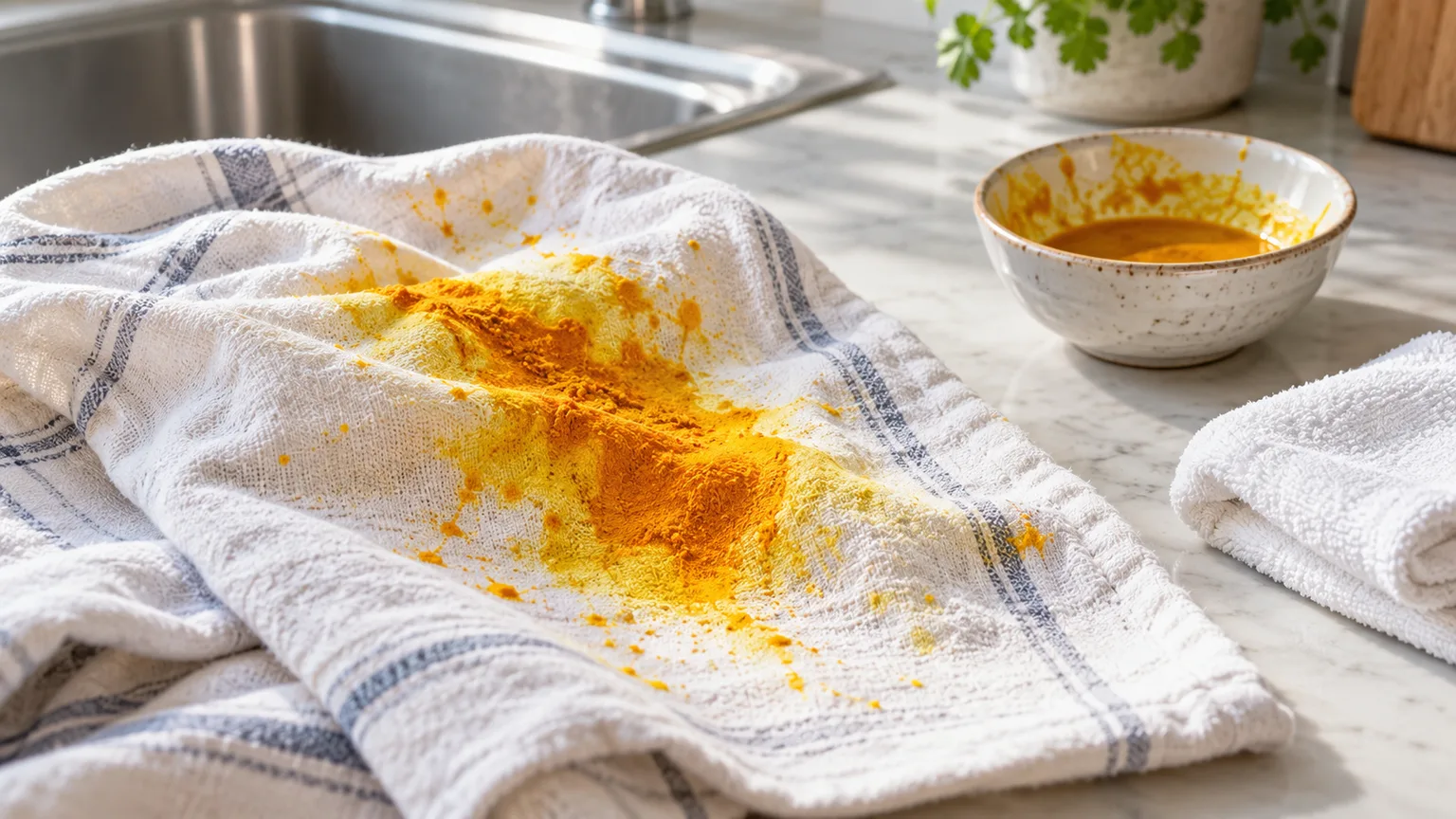
A dry stain is harder to flush because the sticky residue has had time to dry onto the yarns, but it is still worth a careful attempt. First brush or lift off dried pulp without scraping the fibers, then dampen the mark with cool water and allow it to soften for several minutes.
Apply a liquid laundry detergent or fabric-safe stain remover according to its label. If the product permits soaking, use the recommended amount and time rather than leaving the item in an improvised overnight bath. Rinse, wash at the garment’s permitted temperature, and check before drying; repeat once if the mark is clearly getting lighter and the fabric remains unchanged.
If the garment has already been through a dryer, see the heat-set section below. Do not keep escalating to stronger household chemicals simply because the first wash did not remove an old stain. With fragile fabric, uncertain dyes, or a sentimental item, a professional cleaner can assess it before another treatment makes the mark larger.
How to remove watermelon stains from carpet
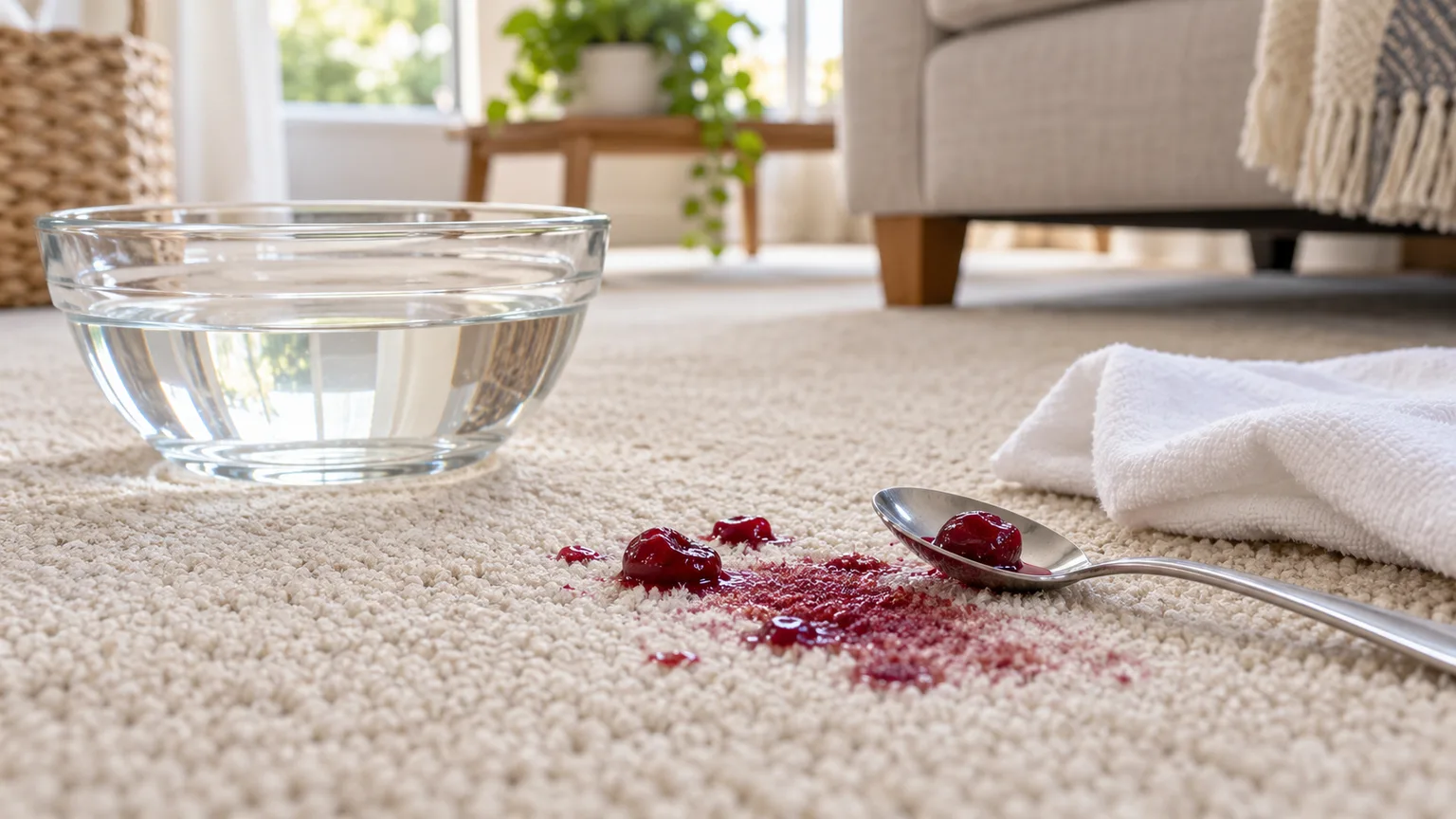
Carpet cannot be rinsed under a tap, so the goal is to lift the spill with as little liquid as possible. Start by removing pulp, then press a dry white towel against the stain. If the juice reached a rug pad or carpet backing, adding more water can spread it below the surface and make drying take longer.
Work from the outside in and control moisture
Mix a mild, clear detergent solution using the product’s label directions. A university textile-care recipe for fruit stains uses one teaspoon of a neutral detergent in one cup of lukewarm water for carpet; use only a detergent that is mild and free of bleach or strong additives. Apply the solution to a white cloth, not straight onto the carpet, and test it in a hidden corner first.
Blot around the outer edge of the mark and move toward its center. Turn the cloth as it picks up color so you are not rubbing the juice back into the pile. Work in short passes, using only enough solution to dampen the stained fibers; stop if the carpet’s color transfers onto the cloth or the spot spreads.
When the stain lifts, use a separate cloth barely dampened with clean water to remove detergent residue, then press a dry towel over the area. If the towel becomes wet, replace it and keep blotting until it pulls up very little moisture. Let the carpet dry with airflow, then gently restore the pile with your fingers or a vacuum after it is fully dry.
How to remove watermelon stains from upholstery
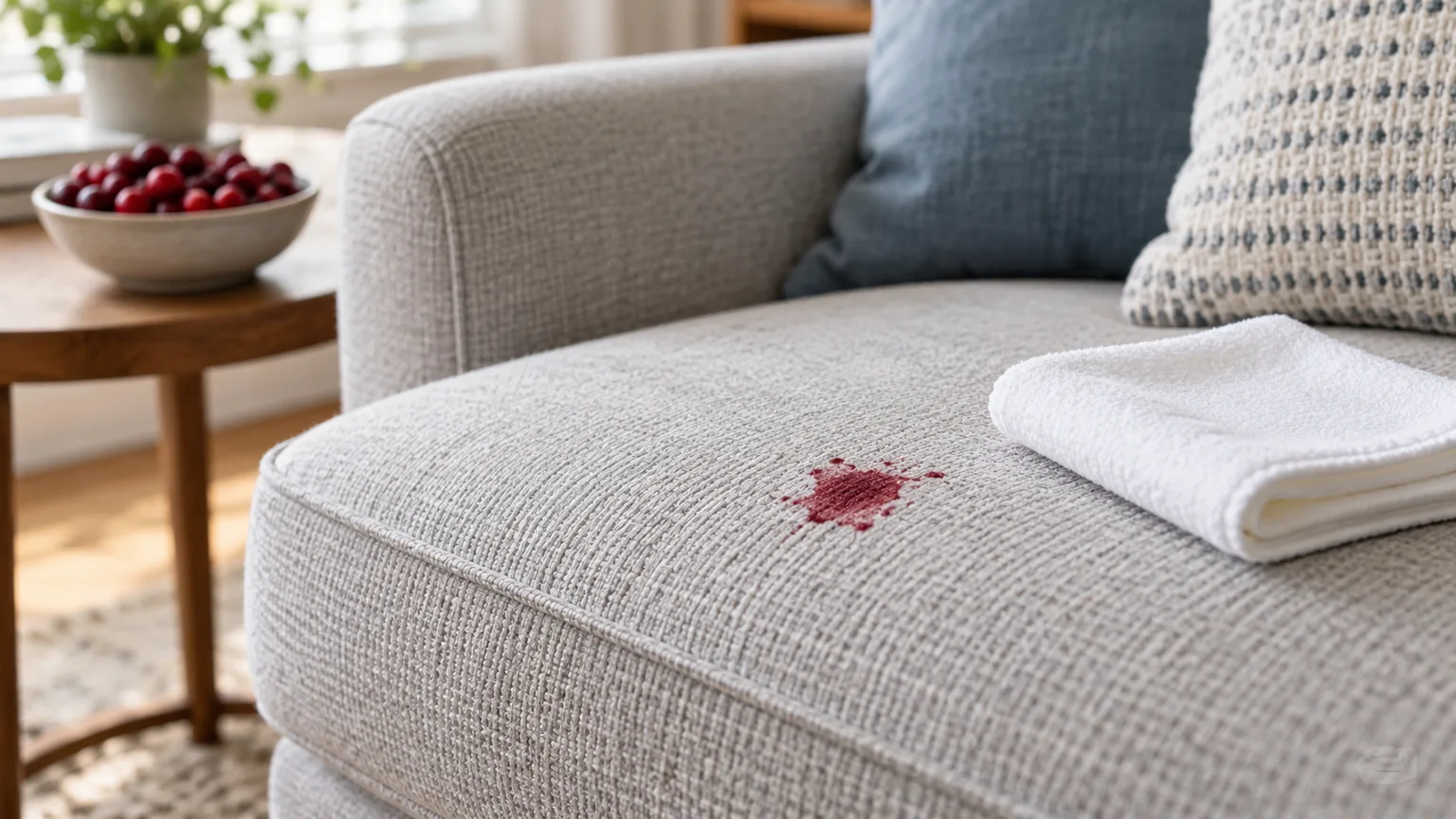
Treat a sofa or chair more cautiously than a washable garment. Upholstery may have a surface finish, backing, or cushion filling that is damaged by excess liquid, and a wet spot can dry with a visible outline even after the color is gone. Blot the juice first, then check the furniture tag or manufacturer’s care instructions before choosing a cleaner.
Check the upholstery cleaning code first
Codes are usually on a tag under a loose cushion or attached to the frame. Sailrite’s upholstery-code guide explains the common categories: W allows water-based cleaners, S calls for a water-free solvent, W/S allows either type, and X is limited to vacuuming or light brushing. The furniture maker’s directions take priority if they differ, and a water-safe code does not mean a cushion is machine washable.
For W or W/S fabric, use a cleaner approved for upholstery, or a small amount of mild detergent diluted as directed. Test it on a hidden area and let that spot dry completely before continuing. Apply cleaner to a white cloth, dab from the outside toward the center, and avoid saturating seams, cushion edges, or foam beneath the fabric.
For an S-code fabric, do not use water or a water-based dish-soap mixture. A solvent product must be approved for upholstery and used exactly as its label directs; because some solvents are flammable or can affect dyes and finishes, use ventilation and do not improvise with alcohol or other household chemicals. With code X, unknown codes, silk, vintage pieces, or a stain on a non-removable cushion, blot and call the furniture maker or an upholstery cleaner.
White clothes, colors, and stain removers
White fabric can make a faint leftover stain easier to see, but it does not automatically make chlorine bleach the right choice. A white shirt may contain elastane, trims, prints, optical finishes, or a blend that cannot tolerate chlorine; check the care label before using any bleach. On colors, test a hidden section with the intended product and rinse it if you see dye on the cloth.
Use only a product labeled for the surface you are cleaning. Laundry stain removers belong on compatible washable garments; carpet and upholstery products should say they are safe for that type of textile. Avoid applying a concentrated product directly to carpet or a couch because it can leave a pale or sticky ring after drying.
When to use oxygen bleach
Oxygen bleach can be a next step for a washable garment with a persistent fruit mark, particularly if the label permits it. It is not the same as chlorine bleach, and “color safe” on a package is not a guarantee for every dye or finish. Check the product label for suitable fibers, water temperature, and soak time; test colored items first.
Dissolve the measured amount completely before adding the garment if the product directions call for a soak. Keep the fabric submerged only for the instructed time, then rinse and wash as directed. Do not use an oxygen-bleach soak on wool, silk, leather, or other materials the package excludes, and do not use it on carpet or upholstery unless the specific product is labeled for that use.
If a white cotton item’s label specifically allows chlorine bleach, follow the product and garment directions rather than pouring bleach on the mark. Never combine stain products in a bowl or layer one cleaner over another; rinse the previous treatment out before switching to a different product.
If the mark has been through the dryer
Dryer heat can make a remaining stain more difficult to remove, but it does not prove the garment is ruined. Let the fabric cool, inspect it in daylight, and repeat the cool-water flush and detergent pretreatment if the care label permits. Avoid ironing or putting it back in the dryer until the mark has disappeared or stopped responding to safe treatment.
For a light-colored, washable garment, an oxygen-bleach product may help if both labels allow it. Work patiently and assess after each wash rather than increasing the product concentration. If the fabric has changed color, become rough, or started to distort, stop and ask a cleaner before trying another chemical.
Older stains on carpet and upholstery
A dried spot on carpet or furniture needs moisture, but not a puddle. First lift any crusted pulp gently, then place a clean cloth dampened with the appropriate solution over the mark for a short period so the residue can soften. Do not leave a wet towel sitting on a cushion or carpet long enough to soak the filling or backing.
Blot in small sections, change cloths as they pick up color, and rinse with a separate cloth dampened with clean water if the cleaning product requires rinsing. Repeat the same mild process only while the stain is transferring and the surrounding color and texture look normal. If nothing transfers after a careful pass, more detergent is unlikely to help and may leave residue.
If an old spot has a yellow or brown cast, it may include dried residue or a change from aging and prior cleaning. A second treatment may lighten it, but no home method can promise full removal once a stain has been heat-set or the dye has changed. Stop if the pile looks flattened, the fabric color is lifting, or the treated area is growing.
Avoid remedies that can spread or damage the stain
Do not scrub with a brush, rub bar soap into the stain, or pour a large amount of cleaner onto the surface. Those actions can spread juice, damage a delicate pile, or carry cleaner deeper into carpet backing and upholstery foam. Do not use hot water as the first step on a fresh mark; start with a cool rinse for washable fabric and a small, tested treatment for fixed textiles.
Skip untested lemon juice, vinegar, rubbing alcohol, and homemade mixtures on colored fabric or upholstery. An acidic or solvent-based product can alter dye or finish, and online recipes do not account for your specific carpet backing or furniture code. Never combine cleaners; use one product at a time, follow its label, and rinse out a treatment before changing products.
Dry-clean-only and delicate items
If a garment says “dry clean only,” blot excess juice without wetting the fabric and take it to a cleaner as soon as practical. Tell them it is watermelon and point out whether it is fresh, dried, or has already been washed; do not apply laundry detergent, vinegar, or a stain pen before you go.
Silk, beaded or embroidered garments, vintage clothing, lined jackets, and items with unstable dyes deserve the same caution even if a small area appears washable. Water can create a ring or make colors move, while rubbing can distort the weave or embellishment. If the care label is missing or unreadable, let a professional identify the fiber and appropriate treatment.
How to prevent a cleaning ring or stiff residue
A clean-looking spot can still dry with a dark outline or crunchy feel if detergent remains in the fibers. Use little cleaner, keep the treatment area compact, and rinse with a second white cloth dampened only with water when the product directions call for it. Follow by pressing a dry towel over the area to draw out moisture rather than using heat.
On upholstery, do not keep widening a damp circle to make the wet boundary disappear. That often turns a small stain into a larger water mark. If a test patch dries without a ring, you can repeat the same light method; if it does leave a halo, stop and get professional advice before treating a larger panel.
What to do if a pink or yellow mark remains
First let the item dry fully; damp fabric can make a stain look darker or broader than it is. For clothing, repeat detergent pretreatment and a label-safe wash before using bleach. For carpet or upholstery, check whether the white cloth is still picking up color; if it is, another mild pass may help, but if it is clean and the mark remains, stop rather than adding stronger chemicals.
A residual yellow or brown shadow can be oxidized fruit residue, a cleaner mark, or a change in the textile itself. Those possibilities call for different treatments, so note what you already used and tell a professional. Never treat discoloration with a stronger product until you know whether it is remaining fruit or color loss from an earlier cleaner.
When to call a professional cleaner
Get help before treating silk, wool or viscose rugs, antique upholstery, a non-removable cushion, a dry-clean-only garment, or any item that is valuable or difficult to replace. Call sooner if the watermelon reached carpet padding or cushion foam, the tag says S or X, a test patch changes color, or the spot expands after blotting.
A cleaner can also help when the stain remains after a careful wash-and-inspect cycle or a single label-approved repeat treatment. Bring the item’s care label or furniture code and share every product you used. That information narrows the options and helps prevent a second cleaner from reacting with residue from the first.
Conclusion
The safest watermelon-stain routine is simple: lift the pulp, blot instead of rubbing, and choose a treatment based on the surface. Flush washable clothes with cool water before detergent, keep carpet and upholstery treatments small and controlled, and check the item before adding bleach or heat.
If the mark remains, repeat only a method the care label allows and inspect after each step. A dry-clean-only garment, sensitive upholstery code, valuable textile, or stain that is no longer transferring is a good point to stop and call a professional.