Satin Philodendron Pruning: Where to Cut and When to Trim
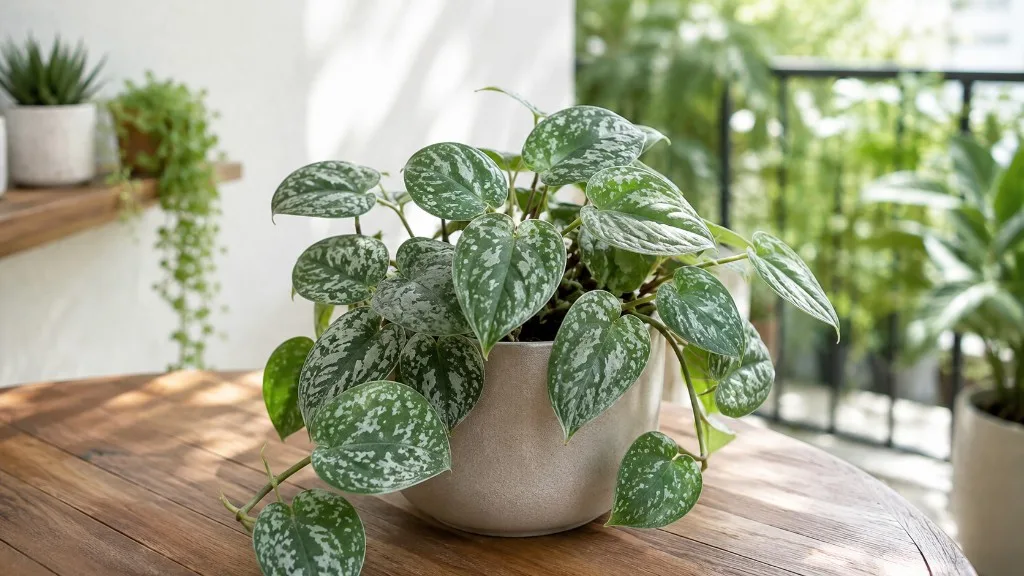
Satin Philodendron Pruning: Where to Cut and When to Trim
Satin Philodendron Pruning: Where to Cut and When to Trim
Quick answer
If your plant is sold as satin philodendron, it is usually Scindapsus pictus rather than a true philodendron. Prune it by cutting just above a node on healthy trailing vines, usually in late spring or early summer, and remove no more than about one-third of the healthy foliage in one session. Dead, yellow, or mushy tissue can be removed whenever you see it.
First cut: remove clearly dead or damaged growth before shaping anything else. That sanitation pass tells you which vines are worth saving, gives you a cleaner view of the plant’s structure, and helps you avoid shortening healthy stems while rot or pest damage is still hiding lower down.
Why pruning works on satin philodendron
The retail name is confusing, but the growth pattern is not. Scindapsus pictus is a trailing and climbing aroid in the Araceae family. It grows from nodes: the swollen points where leaves attach and aerial roots can emerge. When you remove the active tip above a node, the plant can redirect energy into buds lower on the stem.
That matters because satin philodendron often becomes sparse in the same predictable way:
- vines lengthen faster than they fill in
- lower leaves age out
- long internodes develop in weak light
- the plant looks full only at the tips
Pruning helps because it interrupts that one-way extension and encourages branching from lower nodes. It does not fix bad light, but it gives you a way to rebuild the shape once placement is corrected.
What to check before you cut
Look over the whole plant in bright light before you touch the shears.
Check for:
- soft or blackened stem sections near the base
- yellow leaves that are fully spent versus leaves only beginning to stress
- long bare gaps between leaves
- webbing, sticky residue, or cottony pests at nodes
- recent repotting or chronic wet soil
If the base is soft, the priority is not shaping. It is root or stem rescue. Likewise, if the plant was repotted very recently, postpone major pruning unless you are only removing clearly dead tissue.
Where to cut
Make every structural cut just above a healthy node. That means slightly above the point where a leaf joins the stem, not halfway down a bare stretch.
Use this rule:
- for a yellow leaf only: remove the leaf at the petiole base
- for a damaged stem tip: cut back to firm tissue just above the next healthy node
- for a leggy vine: shorten it above a node where you want fresh side growth to begin
Leaving a long stub above the node usually creates an ugly dead section. Cutting below the node removes the tissue that could have branched.
When to prune
Late spring through early summer is the best window for major shaping because the plant is actively producing new growth. Warm temperatures and longer days help wounds dry and new buds activate faster.
You can still prune at other times for cleanup, but be more conservative in fall and winter. In a dim season, a heavily cut satin philodendron may sit for weeks before it shows any visible response.
How much to remove
For a routine trim, stay under about one-third of the healthy foliage in one session. That gives the plant enough remaining leaf area to keep feeding itself while it recovers.
If the basket is extremely overgrown or sparse, stage the work:
- Remove dead and damaged tissue first.
- Shorten the worst leggy vines.
- Wait for new growth to start.
- Shape the remaining vines in a later round if needed.
This is especially important on a slower plant like Scindapsus pictus. It does not rebound as quickly as a vigorous golden pothos.
The right pruning sequence
Follow the cuts in this order:
- Remove dead, yellow, or diseased leaves.
- Cut away mushy or broken stem sections back to firm tissue.
- Shorten the longest leggy vines above healthy nodes.
- Keep a few healthy cuttings for propagation if the plant needs thickening.
- Stop and reassess the silhouette before taking more.
That order keeps the job practical. Many plants need less shaping once the obvious dead material is gone.
Using the cuttings
Healthy satin philodendron cuttings are not waste. They are your easiest way to rebuild a sparse pot.
Choose cuttings with:
- at least one healthy node
- one or two leaves
- firm green stem tissue
Root them in water or a loose, airy mix. Once rooted, they can be planted back into the same container to fill bare areas near the crown. That is often the fastest way to turn a stringy hanging plant into a fuller one.
Aftercare
After pruning, keep the plant in bright indirect light, not deep shade and not harsh direct sun. Water on normal dry-down checks rather than “extra” watering because you pruned it. If you removed a substantial amount of foliage, the plant may actually need water a little less often for a short period.
Do not stack multiple stressors in the same week. Avoid combining heavy pruning with:
- aggressive repotting
- strong fertilizer
- a major location change
Wait for fresh growth to resume before making another big intervention.
Why satin philodendron gets leggy again
If the plant keeps returning to long bare runners, pruning is not the real missing piece. Light is. Scindapsus pictus tolerates moderate conditions, but it stays denser and colors better when it gets stronger indirect light than many people give it.
Pruning fixes the old shape. Better light fixes the next round of growth.
Safety note
ASPCA lists satin pothos as toxic to cats and dogs because of insoluble calcium oxalate crystals. Keep trimmings away from pets and wash up after handling cut stems.
Conclusion
Prune satin philodendron by cutting above nodes, not by giving the whole plant a blunt haircut. Start with dead or damaged growth, shape the longest leggy vines during active growth, and keep healthy cuttings to refill the pot. If the plant becomes sparse again quickly, treat that as a light problem first and a pruning problem second.