How to Grow and Care for Yerba Mate
Grow Ilex paraguariensis in a pot or suitable warm climate with practical light, watering, repotting, propagation, pruning, pest, and harvest guidance.
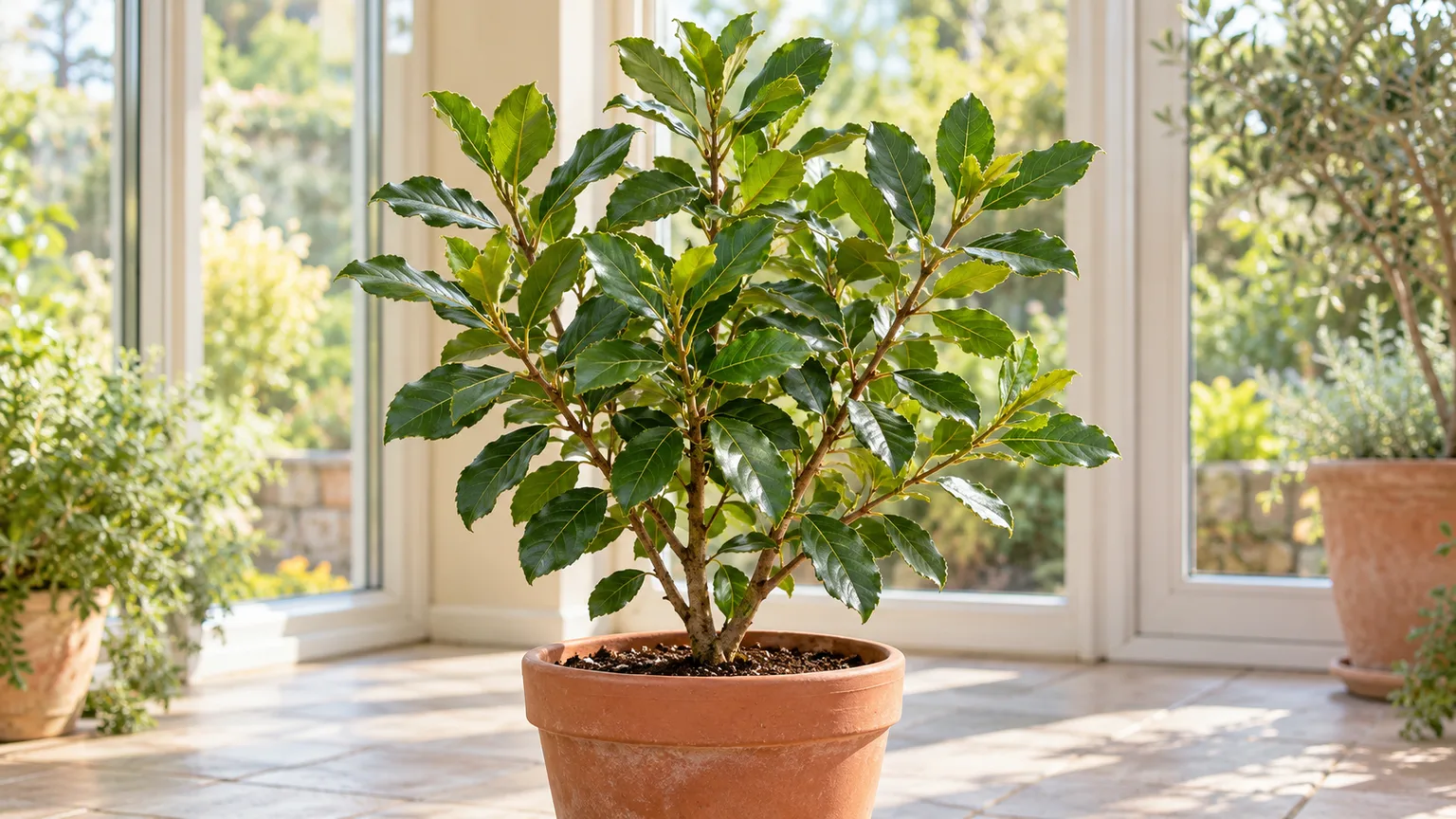
Yerba mate (Ilex paraguariensis) is an evergreen holly grown for leaves used to make a caffeinated drink. It can also be a handsome container shrub, but it is not a carefree, low-light houseplant: it wants warmth, bright light, steady root moisture, and an acidic mix that drains. For most gardeners outside subtropical climates, a pot that can move indoors before cold weather is the realistic way to grow it.
The name can cause confusion because yerba mate is a plant, a harvested leaf, and a brewed beverage. The plant is one species of Ilex, not the tea plant (Camellia sinensis). Kew’s Plants of the World Online profile records its native range across Brazil to northeastern Argentina, while the USDA ARS GRIN record documents its accepted botanical name and beverage use. A small nursery specimen can stay manageable for years; in its native range, the species is a tree that may reach 15 to 20 meters, according to Plant Pono’s species profile.
Yerba Mate Care at a Glance
| Need | Practical starting point | What to watch |
|---|---|---|
| Light | Bright indirect light or filtered sun; acclimate to direct sun gradually | Pale growth or long gaps between leaves suggest too little light; bleached patches suggest sun stress |
| Temperature | Warm conditions; protect the pot before nights approach 50°F | A specialist nursery lists 50°F as its indoor minimum, a useful conservative target rather than a universal damage point |
| Soil | Acidic, organic-rich potting mix with open drainage | Persistent yellowing or crust on the mix can signal pH or root-zone trouble |
| Water | Keep the root ball evenly moist, not saturated | Water when the surface begins to dry, then empty the saucer |
| Growth | Slow in a pot; prune lightly after establishment | Frequent harvesting or hard pruning can set back a young plant |
Yerba mate is a better choice for someone who enjoys tending a warm-climate plant than for someone who wants a fast, easy source of tea. The most reliable first step is to buy a healthy, rooted plant, keep it in a pot with drainage, and learn how quickly its particular mix dries in your room.
Decide Whether to Grow It Indoors or Outdoors
If your winter brings frost, plan to grow yerba mate in a container and move it to a bright sheltered space before temperatures drop. The roots in a pot experience colder swings than roots in the ground, so a plant that spends summer on a patio should not be left outside until freezing weather arrives. Bring it in gradually when nights become cool rather than waiting for leaf damage.
Outdoor planting is plausible only in warm, humid regions without routine freezes, and local ecology matters as much as climate. Plant Pono’s profile reports that yerba mate is naturalized on Oʻahu and flags traits such as bird-dispersed seed and shade tolerance as concerns for forest spread; its profile recommends lower-risk alternatives. On Oʻahu, do not add it to a landscape planting. Elsewhere in Hawaiʻi, check current local guidance before planting it outside; a contained indoor pot presents a different risk from a fruiting tree in a yard.
Indoors, set it close to the brightest suitable window you have, with room for air movement and enough space to grow into a small woody shrub. A bright conservatory, sunroom, or sheltered patio in warm weather usually suits it better than a dim interior corner. If you cannot provide bright light, warmth, and regular attention to moisture, a more forgiving holly or houseplant is likely to be a better fit.
Give It Bright Light Without a Sudden Sun Jump
Aim for bright, filtered light indoors, such as a few feet from a sunny window or behind a light curtain. A plant acclimated to a greenhouse can scorch if it moves directly into several hours of hot afternoon sun, even though established plants outdoors can take more sun. Start with morning light or a bright shaded position and increase exposure over a week or two while watching the newest leaves.
The plant’s native context helps explain why “full sun” is not the only workable setup. Plant Pono describes it as a tree associated with moist forest understories and notes shade tolerance; indoor glass, however, changes the intensity and duration of light. If growth becomes stretched or the plant leans toward the window, move it brighter or add a suitable grow light rather than responding with extra fertilizer.
Turn the pot a quarter-turn every week or two if growth is strongly one-sided. Do not keep moving it between very different conditions: stable light usually matters more than searching for a theoretically perfect spot. When you take it outdoors for summer, harden it off in a shaded location first, then introduce more morning sun gradually.
Keep the Plant Warm and the Air Reasonably Humid
Yerba mate is subtropical and should be treated as cold-sensitive. Logee’s specialist growing listing gives a 50°F minimum indoor temperature; use that as a conservative point to bring a potted plant inside, not as a laboratory-tested temperature at which every plant will fail. Avoid frost, cold drafts, and a windowsill that becomes icy at night, even when the room itself feels comfortable.
Humidity helps reduce stress, but there is no need to chase a single percentage if the leaves look healthy. A small hygrometer can show whether a heating vent is drying the plant’s corner; if the air is consistently dry, group plants or run a room humidifier nearby. Keep the humidifier clean, leave space around the foliage, and do not compensate for dry air by keeping the soil waterlogged.
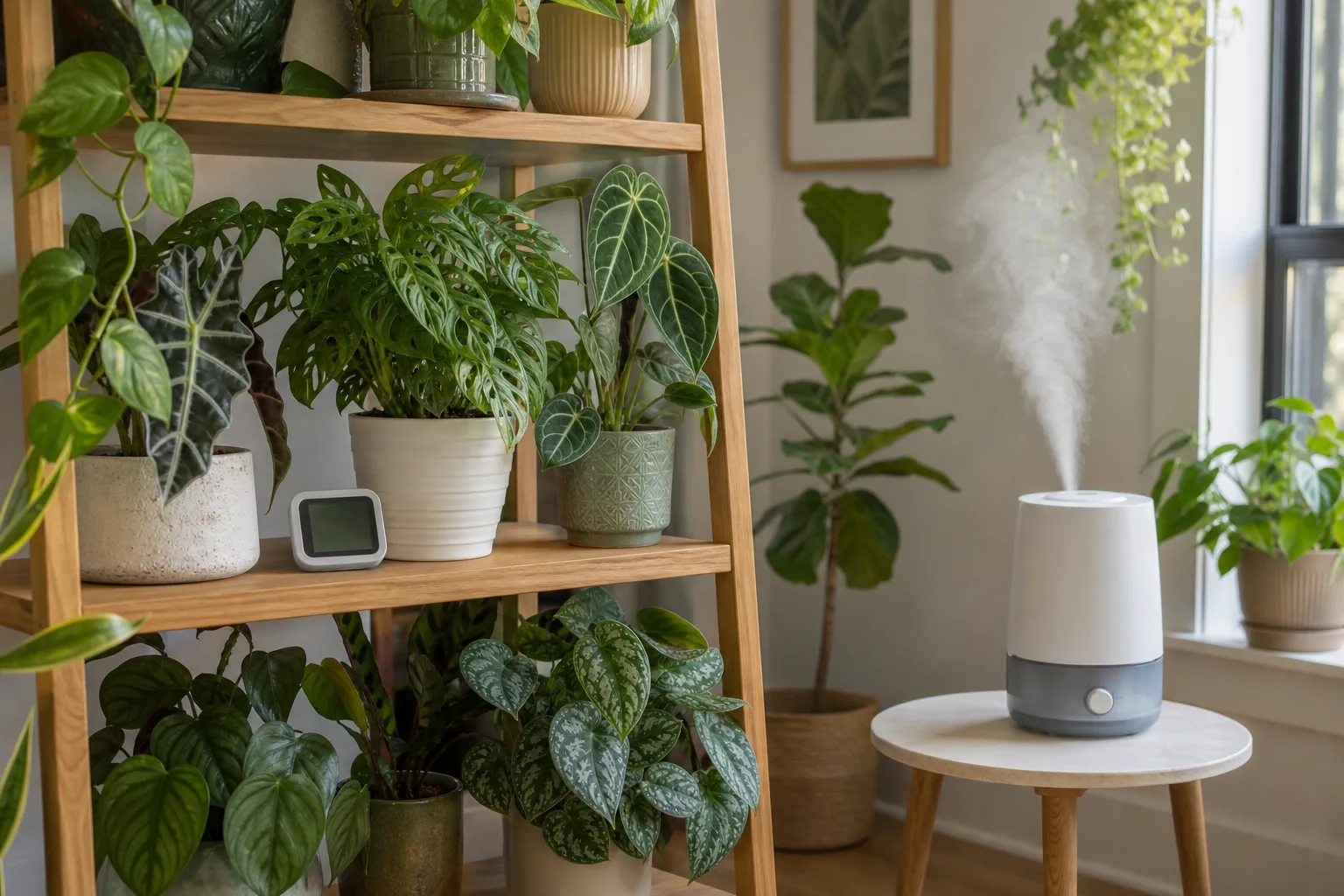
Misting is a weak substitute for stable room humidity because its effect is brief and wet foliage can linger in a cool, poorly ventilated room. If you use a pebble tray, keep the pot above the waterline and empty stagnant water regularly; the tray should not block the drainage holes. Prioritize warmth, bright light, and an evenly moist root ball before adding gadgets.
Use Acidic, Moisture-Retentive Soil That Still Drains
Choose a loose potting medium labeled for acid-loving plants, such as an ericaceous or camellia-and-holly mix. Yerba mate favors acidic conditions, but a suitable mix must also let excess water escape; fine, compacted soil can stay airless around the roots even if its pH is right. If a commercial mix remains wet for many days in your home, blend in a modest amount of perlite, pumice, or fine bark to improve structure.
Do not fill a container with garden soil. It can compact in a pot, drain unpredictably, and make the moisture around the root ball harder to judge. A practical test is to wet a handful of mix: it should hold together lightly, then crumble when touched, rather than forming a sticky lump or shedding water immediately.
If leaves yellow despite reasonable watering, check the mix and roots before adding an acidifier or fertilizer. A crust on the soil surface, hard irrigation water, and repeated use of alkaline amendments can gradually shift conditions, but yellow leaves alone do not prove that pH is the cause. Use a soil test appropriate for a container mix if the problem persists; avoid improvised vinegar treatments that create only a temporary, uneven change.
Water by Root-Zone Condition, Not a Fixed Calendar
Keep the root ball consistently moist during active growth, but never leave the plant standing in runoff. Press a finger into the top half-inch to inch of mix; when that layer is beginning to dry, water slowly until a little drains from the bottom. Empty the saucer after the pot finishes draining so the roots receive air between waterings.
How often that happens depends on pot size, room temperature, light, season, and the mix. A small pot near a warm window may need checking every few days, while a larger pot in a cool room can stay damp much longer. Check the soil rather than watering every Monday or copying a schedule from a different house.
If the mix dries all the way through, water it in two passes a few minutes apart so the root ball can rewet instead of shedding water down the pot’s sides. If it stays saturated, pause watering and confirm that the holes are open and the pot is not sitting inside a water-filled cachepot. Healthy care is the balance between moisture and oxygen, not constant wetness.
Feed Lightly While New Growth Is Active
A container-grown yerba mate can use a light feeding during its active growing season, especially after it has settled into the pot and is producing new shoots. Choose a fertilizer labeled for acid-loving plants and follow its label; start at the low end of any permitted range if the plant is small or recently repotted. Do not feed a dry root ball, because concentrated fertilizer salts can injure roots.
Stop or reduce feeding when growth slows in the cooler, darker part of the year. A weak plant is not automatically hungry: low light, cold exposure, compacted mix, and root rot can all stall growth, and fertilizer will not repair those conditions. If new leaves are normally green and the plant is growing steadily, an aggressive schedule adds risk without a clear benefit.
If you plan to harvest leaves for a drink, use only fertilizers and pest products whose labels specifically allow use on edible crops, and follow all harvest intervals. Ornamental-plant products are not automatically suitable for a plant whose leaves will be steeped. Keep a record of what you apply so you can make an informed decision later.
Choose the Right Pot and Repot Without Burying the Stem
Use a pot with several drainage holes and only modestly more room than the root ball. A pot that is much too large can hold a broad mass of wet mix around a small root system, while a pot that is tight with circling roots dries rapidly and restricts new growth. When the plant is actively growing and roots are emerging from the drainage holes or circling the root ball, move it into a container roughly one size larger.
Water the plant the day before repotting, slide it out gently, and loosen only the outermost circling roots. Set the root collar at the same depth it occupied before; burying the woody stem does not help it establish and can keep the base too wet. Fill around the roots with fresh mix, water thoroughly, and let the pot drain before returning it to its usual spot.
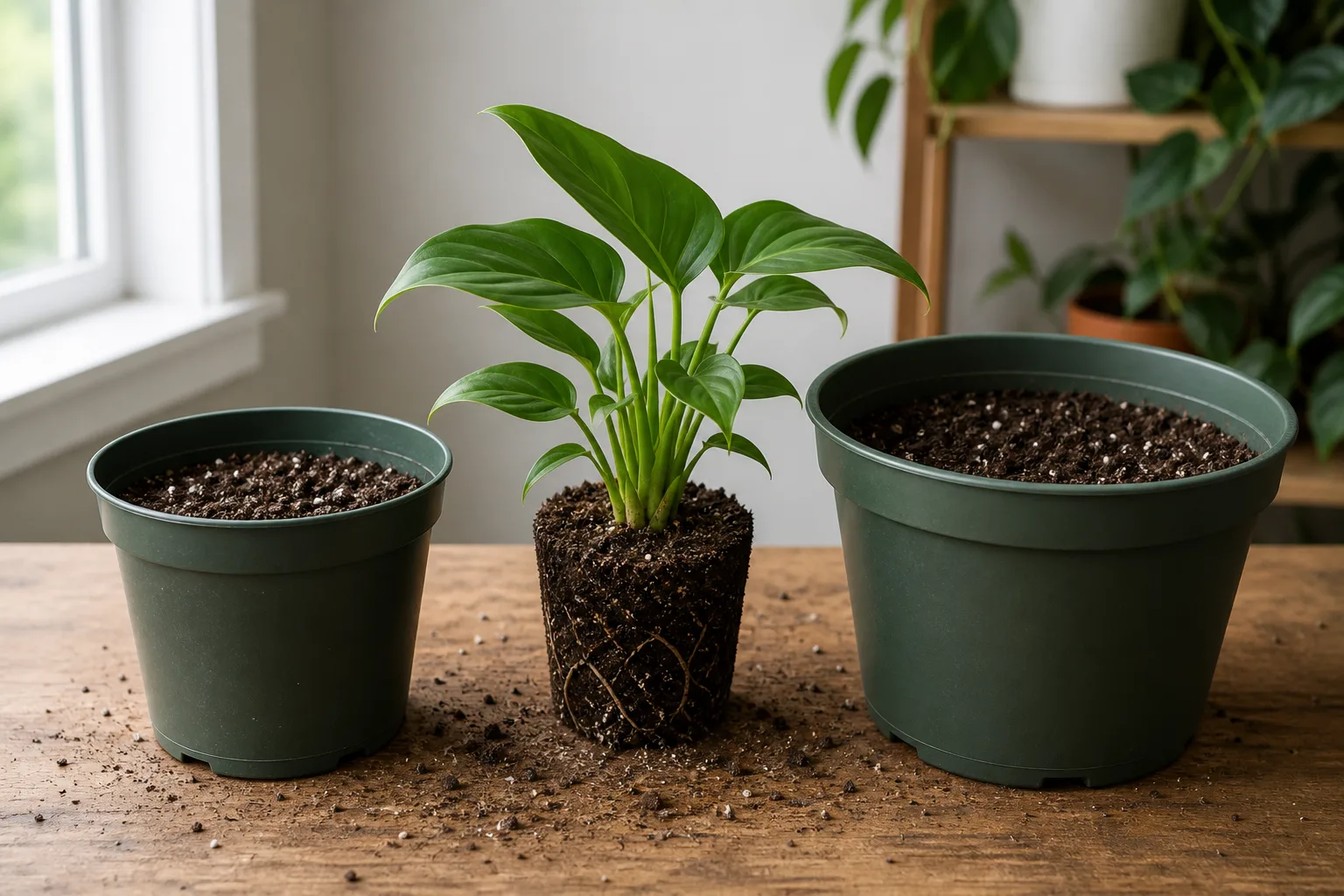
Repot in spring or early summer if possible, when the plant can resume growth. Avoid combining repotting, heavy pruning, and leaf harvest in the same week; each reduces the plant’s margin for recovery. If the roots are healthy and the plant is growing, refreshing the top layer of mix can be less disruptive than upsizing every year.
Prune for Shape, Not as a Substitute for Light
Prune to control size, remove dead or damaged stems, and encourage a branching shape. Use clean, sharp pruners and make cuts just above a leaf node or side branch. A light tip-prune after a healthy flush can make a young plant denser, but repeatedly shearing it into a tight ball removes growing tips without solving a dark or cold location.
Wait until the plant is established before shaping it aggressively. Remove a small amount at a time, then watch how it responds; on a slow-growing plant, replacing a large amount of lost foliage takes time. Avoid pruning a stressed plant, a plant that has just been repotted, or one that is entering a cold, low-light season.
If the goal is to collect leaves, pruning and harvesting are not separate from care: each cut removes the surface that fuels root and branch growth. A small ornamental plant can tolerate occasional pinching better than repeated stripping. Let new shoots mature between harvests and stop if the plant’s canopy becomes sparse.
Propagate Yerba Mate With Realistic Expectations
Propagation is possible from seed or cuttings, but it is not a quick shortcut to a large tea supply. The species is woody, slow to establish in a pot, and its seed and cutting behavior can vary with maturity and growing conditions. For most home growers, a rooted nursery plant is the predictable choice; try propagation only if you can wait and keep more than one candidate alive.
Why Seed Is Slow and Unpredictable
Buy fresh, correctly labeled seed from a supplier that gives a current germination protocol. Remove fruit pulp if you have just collected seed, rinse the seed clean, and sow it in a sterile, airy seed mix kept evenly moist and warm. Do not bury it deeply, let the tray dry out, or assume that a few weeks without sprouts means every seed is dead.
Yerba mate seed can have dormancy that delays and spreads out germination. A peer-reviewed study in CERNE explains that multiple dormancy mechanisms, including morphological dormancy, complicate seed germination and uniform production. That research is a warning against promising a fixed sprouting date; follow the seed supplier’s verified instructions and keep the tray labeled and monitored for an extended period.
Once a seedling has several true leaves and a stable root system, pot it on carefully and keep it out of harsh midday sun. Tiny seedlings dry out much faster than an established shrub, so use a humid but ventilated setup and check the surface daily. Gradually remove any cover as roots and leaves strengthen; sealed, stagnant air invites damping-off and fungal problems.
Why Cuttings Are Not a Guaranteed Shortcut
A semi-hardwood cutting from a healthy, vigorous shoot may root, but results are not dependable in ordinary household conditions. If you want to experiment, take several cuttings with clean pruners during active growth, keep a node below the surface, remove lower leaves, and insert them into a clean, airy medium. A rooting hormone may help some cuttings, but it cannot overcome old or weak material, poor sanitation, or a medium that stays waterlogged.
Keep the cuttings warm and humid with bright indirect light, not direct sun. A loose clear cover can reduce moisture loss, but vent it and remove fallen leaves so condensation does not remain trapped. The CERNE research on yerba mate vegetative propagation emphasizes that rooting and survival depend on the age and physiological condition of the plant material and on environmental management; its controlled methods do not guarantee success for a windowsill cutting.
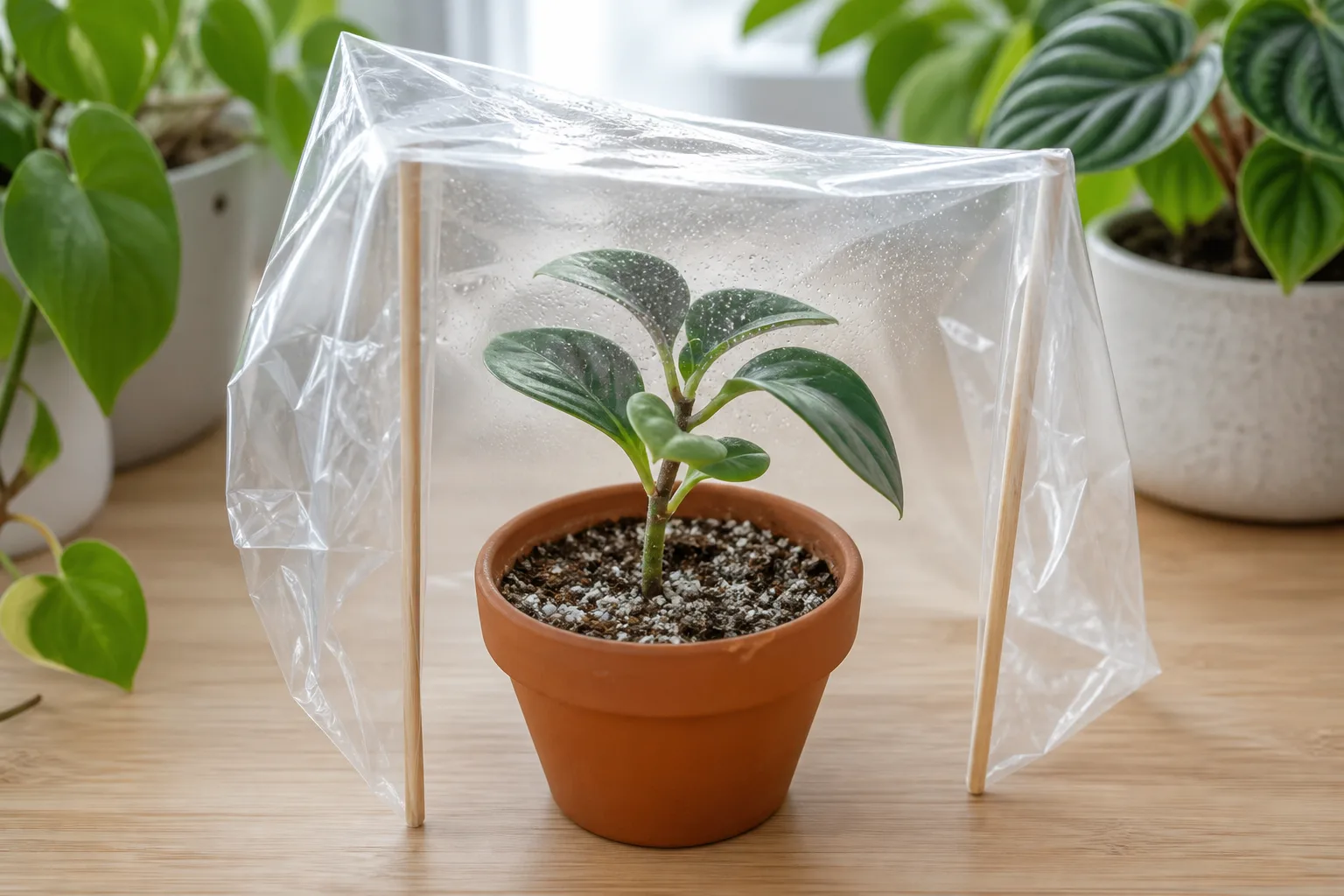
Wait for new growth and gentle resistance before potting a cutting separately. A leaf that remains green is not proof of roots; the cutting can live on stored moisture for a while. Keep the rooted plant protected from abrupt drying and postpone fertilizer until it shows sustained new growth.
Harvest Only From a Healthy, Correctly Identified Plant
The leaves of Ilex paraguariensis are used as the base for yerba mate beverages, but a newly purchased ornamental will not produce a meaningful crop right away. Let it establish and build a full canopy before taking any leaves; harvest lightly from several shoots instead of stripping one branch. A slow-growing indoor plant may offer an occasional tasting amount rather than a household supply.
Processing changes the result as much as the plant does. Traditional mate uses dried, crushed leaves, and some styles are lightly smoked; freshly plucked leaves are not equivalent to a finished, shelf-stable product. The University of Reading Herbarium identifies yerba mate as a caffeinated holly, and a botanist-authored discussion of holly and caffeine notes that caffeine levels can vary with plant material and processing. Do not assume a home-grown leaf has a predictable caffeine strength.
Only use foliage from a plant you have positively identified and have not treated with a product that prohibits edible use. Follow the product label’s waiting interval if it permits harvest; if you cannot confirm what was applied, do not brew the leaves. The plant’s red-to-purple fruit is not the crop, and it may not form indoors because Plant Pono notes that the species is dioecious and needs cross-pollination to fruit.
Troubleshoot Yellow Leaves and Leaf Drop in the Right Order
A symptom is a clue, not a diagnosis. Before changing several parts of care, note which leaves are affected, when the change began, recent repotting or moves, and whether the root ball is wet or dry. Change one condition at a time so the plant’s response tells you something.
Yellow Leaves: Test Light, Roots, and Soil Before Feeding
If only an occasional oldest leaf yellows as the plant grows, remove it and watch the new growth. If several leaves fade at once, check the mix first: a sour smell, persistently wet soil, or dark soft roots points to poor drainage and root stress. Allow the pot to drain, clear blocked holes, and repot into a looser mix only if the roots are compromised or the soil structure has failed.
If roots look firm and the mix is not saturated, review light and soil chemistry next. New growth that is pale and stretched may need brighter light; yellowing between green veins can indicate a nutrient-availability problem, including pH-related lockout. Test the mix before adding fertilizer or acidifying products, because excess fertilizer can damage roots and an incorrect pH treatment can make the problem harder to read.
Leaf Drop: Check Moisture, Cold, and Sudden Changes
Leaf drop commonly follows a change: a cold night, a move from a greenhouse to a dry room, a draft, a sudden light shift, or a root ball that swung from soggy to dry. Check the soil at the root depth, not just the surface, and look at the pot’s drainage before assuming that a dry room is the cause. Restore stable warmth and light, then keep moisture even rather than soaking the pot repeatedly.
If leaves continue to fall, inspect the undersides and stems for pests and check whether the plant is still producing healthy buds. Remove only leaves that are fully dead, and avoid a hard prune while it is recovering. If the roots are healthy, give the plant several weeks of consistent conditions before making another major change.
Watch for Scale, Aphids, and Spider Mites
Inspect stems, leaf joints, and the undersides of leaves when watering. Aphids cluster on soft new shoots; scale can look like small fixed bumps on stems; spider mites often leave fine stippling or webbing, especially in a hot, dry room. Isolate a plant with pests before the insects spread to other indoor plants.
For a small infestation, rinse the foliage and remove visible insects with a damp cloth or cotton swab. Recheck every few days because eggs and hidden crawlers can survive the first cleanup. If you need a treatment, identify the pest, choose a product labeled for indoor ornamental plants—or edible crops if harvesting—and follow its directions exactly; do not spray in direct sun or mix products.
Conclusion
Yerba mate can grow as a potted evergreen where it gets warmth, bright filtered light, acidic soil, and steady moisture with good drainage. A pot makes cold protection and root-zone control possible, but the plant grows slowly and needs more consistent care than a typical low-maintenance houseplant. Buy a rooted plant if you want the best chance of success, and treat seeds and cuttings as experiments rather than guaranteed production methods.
Before planting outdoors, check climate and local ecological guidance; on Oʻahu, Plant Pono specifically flags naturalization concerns. For an indoor plant, start with a bright sheltered position, water when the surface begins to dry, and adjust only after checking the roots and mix. Let the plant establish before pruning or harvesting, and keep any tea-making plans separate from ornamental pesticide treatments and assumptions about caffeine strength.