9 Ways to Reuse Old Planters at Home and in the Garden
Reuse old planters without planting: match material and shape to a project, manage drainage, and avoid unsafe food or flame uses in and around your home.

A stack of empty planters can look like a project waiting to happen, but the right reuse depends on what each vessel can safely do. A shallow saucer, a heavy urn, and a thin nursery pot are not interchangeable: one may work as a birdbath basin, another as a table base, and a brittle or cracked one may not belong in a high-traffic spot at all.
The useful question is not simply “What can I make?” It is “What job fits this planter’s weight, opening, drainage, and finish?” Once you answer that, you can make a practical choice without adding another object that leaks, wobbles, or sits unused.
Choose the right planter before choosing a project
Start with the planter’s current condition, then match its size and material to a use. A sound planter can be repurposed; a cracked, unstable, or flaking one should be retired from jobs where failure could injure someone or damage a floor.
Match the shape, material, and condition
A wide, heavy planter is more useful as a stationary base than a tall, narrow one. A tall pot can work as an umbrella stand or display sleeve, but its center of gravity rises as you fill it; if a gust, doorway bump, or bag strap can tip it, choose a shorter vessel or move it to a sheltered corner.
Material changes the answer, too. Unglazed terracotta is porous and can absorb water, so it is a poor choice for a wet indoor use unless a separate waterproof insert contains the moisture. Glazed ceramic and stone may be easier to wipe clean, but they can chip or crack, while thin resin or nursery plastic is light and may flex under weight. Metal can rust or develop sharp edges, depending on its coating and condition.
Inspect the rim, base, and any old repair before you choose a project. Set the pot on the exact surface where it will live and press gently on each side; a rocking planter will still rock after you add a tabletop, basin, or decorations. Look inside for rough shards, flaking paint, mineral crust, old soil, and any chemical smell that remains after washing.
The Royal Horticultural Society’s reuse guidance encourages gardeners to keep useful materials in circulation, but reuse only helps when an object has a real second job. If a planter is unsafe or its finish is coming away, check local recycling or disposal rules rather than forcing a decorative project that creates more work. (See RHS guidance on reducing, reusing, and recycling.)
Clean it and decide what the drainage hole should do
Before the planter moves indoors or becomes a water feature, empty it completely. Brush away loose soil and root fragments outside, then scrub the inside, rim, and base with warm water, dish soap, and a firm brush; rinse and let the vessel dry fully before adding a liner or decoration.
Take apart anything that can be removed, such as a plastic liner, saucer, rubber foot, or old adhesive-backed pad, and clean each part separately. A liner that is too small may slip down and hide water; one that catches rain needs enough clearance to lift out. After rinsing, dry the planter completely before adding a pad or insert, because trapped moisture can leave rings on wood and encourage mildew.
If the old finish is flaking, do not sand it indoors or use it for a surface that will be handled often. Choose an outdoor decorative use only if the base remains stable and the edges are safe; if not, retire the planter instead of trying to disguise damage with paint or a liner.
This matters even when you are no longer growing in it. University of Minnesota Extension guidance notes that soil and debris on reused gardening containers can carry plant diseases, while Ask Extension’s container-cleaning advice recommends removing stuck soil and mineral deposits before disinfecting a pot used again for plants. For household decor, a complete wash is usually the useful starting point; if a pot held a diseased plant or has persistent musty residue, keep it out of food-adjacent and child-accessible areas.
The BBC Gardeners’ World Magazine feature on upcycled garden containers is a reminder that a container’s shape and material determine whether a reuse works. For non-plant projects, apply the same idea in reverse: a hole that helps a pot drain is helpful in some jobs and a leak path in others.
Do not seal a hole by default
For a birdbath, umbrella stand, or indoor wastebasket, first ask whether water or loose material needs to escape. A removable saucer, plastic insert, or small bucket often solves the problem while keeping the original planter intact and easier to clean.
If a project truly needs a watertight vessel, use a compatible, exterior-rated sealant only if the material and manufacturer allow it, and test the container outdoors before bringing it indoors. Do not assume a bead of caulk will hold forever: movement, freeze-thaw weather, and a porous surface can loosen a patch. For a water feature or bird bath, a purpose-made removable basin is usually simpler to inspect and wash than a permanently sealed planter.
9 ways to reuse old planters without planting
A planter becomes more useful when the new job respects its dimensions. These ideas work best when you can still lift, clean, or inspect the vessel after the conversion; permanent glue and hidden cavities can make an attractive reuse difficult to maintain.
1. Make a coffee table from a heavy planter
A broad, intact stone, concrete, or thick ceramic planter can support a small tabletop, especially in a sunroom, covered patio, or living room where a low accent table is useful. Turn the vessel upside down only if its base is broad and flat; otherwise, keep it upright and fit a top that rests on the rim without rocking.
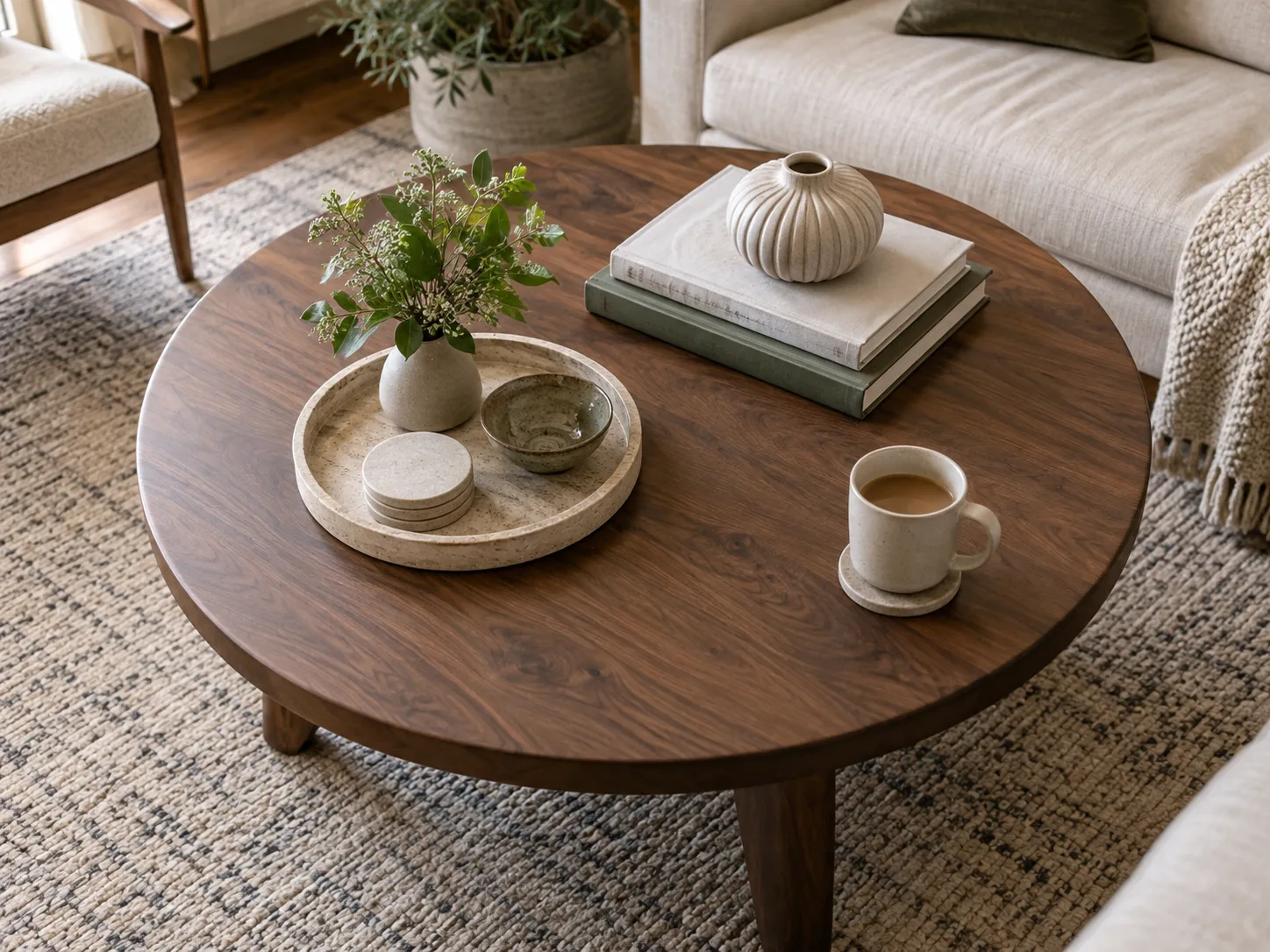
Measure the top before you buy or cut it. A round wood panel or glass top should be wide enough to be useful but not so oversized that someone can bump an unsupported edge and tip the base. Add a non-slip pad or a purpose-made support ring between the surfaces, and use felt under the planter if it will sit on wood or tile.
Before putting anything breakable on it, test the empty setup on a level floor by gently pressing the edge in several directions. If it shifts or the planter flexes, do not “fix” the wobble with loose stones or a heavy stack of books; choose a shorter, heavier base or a lighter top. Treat this as an occasional table, not a step stool or a seat.
2. Use planters as bench supports only around a real frame
Two matching planters can visually frame a garden bench, but the planters should not be the only thing holding a person’s weight unless they are specifically designed and rated for that purpose. A hairline crack in concrete or ceramic can spread suddenly, and a polished bowl-shaped base can slide on paving even when it feels heavy.
A safer version uses planters as decorative sleeves around a structural bench frame, or as end tables beside a bench rather than as the supports under it. The seat should attach to a stable frame that carries the load to the ground, with the planters unable to shift or pinch fingers. Keep the bench on firm, level ground and do not place it on a raised deck or balcony unless the structure and combined weight are suitable.
If you cannot verify the frame, attachment, and surface stability, skip the seating conversion. Use one planter as a single side table instead; the result still makes use of an oversized pot without asking it to perform as furniture it was never built to be.
3. Add a birdbath bowl to a stable planter pedestal
A low, heavy planter can lift a shallow birdbath bowl to a useful viewing height and make a simple focal point for a patio. Place a purpose-made, removable basin on top rather than using a planter with unknown paint, glaze, or sealant as the drinking surface; the pot is the pedestal, not the water vessel.

Choose a bowl that is shallow, textured, and easy to lift for cleaning. Set the base on a level spot where it cannot rock, and keep it close enough to cover for birds to retreat but not directly beneath branches or a feeder where droppings and seed debris will foul the water quickly. If the bowl could slide, use a stable rim or a compatible outdoor securing method that still lets you remove it for washing.
A birdbath is only useful if you maintain it. Audubon’s birdbath care guidance recommends refreshing water every other day and rinsing and scrubbing the basin with a nine-to-one water-and-vinegar mixture; follow current local wildlife guidance if a disease advisory is in effect. Do not leave a deep or algae-covered basin as a permanent feature just because the planter looks decorative.
4. Give a broad pot a second life as a bug shelter
A broad, stable planter with a chipped but non-sharp rim can become a protective shell for a small insect shelter. Turn it on its side in a quiet, sheltered garden corner and fill it with dry, untreated stems, hollow canes cut to short lengths, bark pieces, or pine cones; arrange the materials so they stay in place rather than spilling into a path.
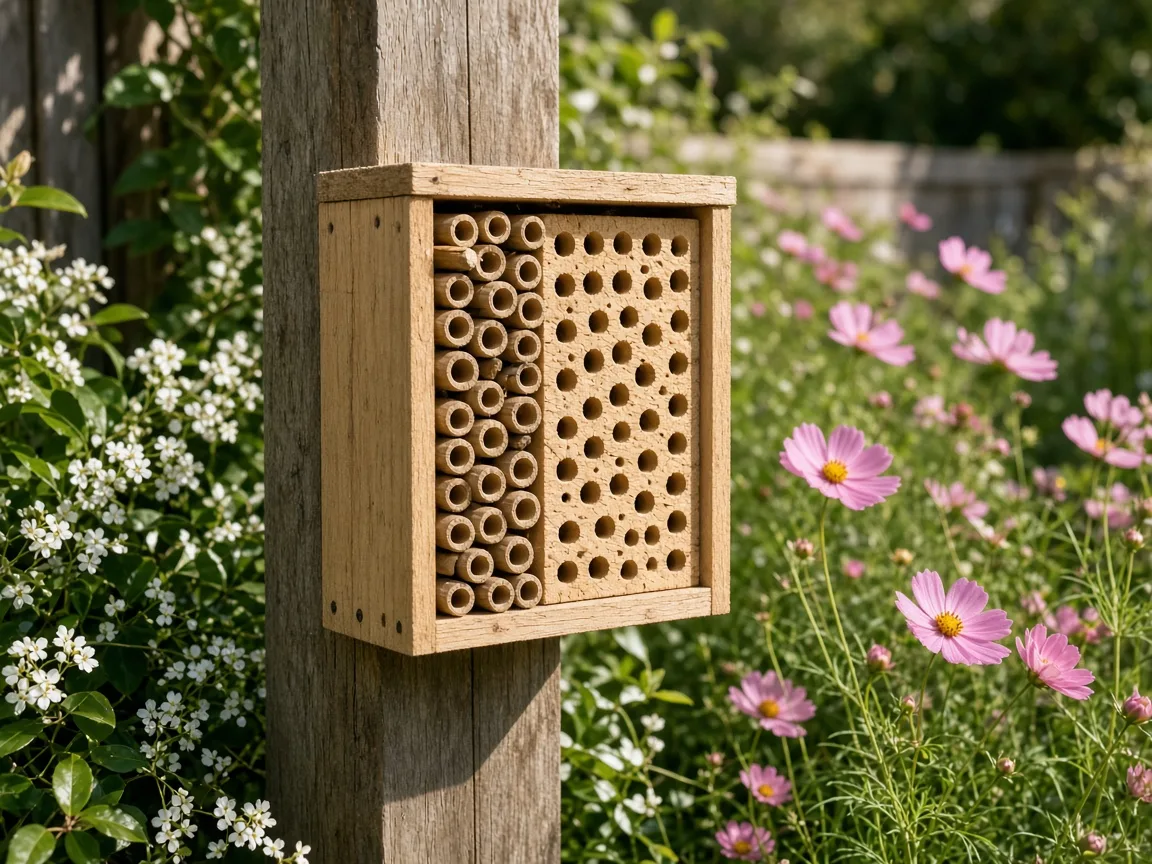
Use only a vessel whose edges are safe to handle, and avoid chemically treated wood, pesticide containers, or anything with an unknown oily residue. Keep the opening out of direct wind-driven rain, but do not seal it so tightly that the contents remain damp. A shallow drainage gap at the back or bottom helps the shelter dry after wet weather.
This is a low-cost habitat feature, not a guarantee that insects will move in. Check it occasionally for collapse or soggy material, and replace the contents if they mold or break apart. If the pot is genuinely broken, position the opening so no sharp edge faces a child, pet, or walkway; otherwise, recycle or discard it safely.
5. Turn a tall planter into an umbrella stand
A tall, narrow planter can corral umbrellas by the door, but only if its base is wide and heavy enough to resist a top-heavy load. Place a removable, waterproof bucket or drip tray inside to catch rainwater; the liner protects porous terracotta and lets you empty the water without scrubbing the planter each time.
Sort the umbrellas by length before choosing a pot. Long golf umbrellas can lever against the rim and tip a narrow vessel, while a few compact umbrellas may fit comfortably in a smaller container. Add a non-slip pad beneath the stand and keep it off stairs and narrow walkways, where a wet umbrella or protruding handle can become a trip hazard.
Drain and dry the inner liner regularly instead of allowing stagnant water to sit at the bottom. A planter with an existing drainage hole may protect the base from puddles, but do not rely on that hole to drain into hardwood, a closet floor, or a shared hallway. Keep the removable tray accessible and empty it after storms.
6. Make a dry seasonal centerpiece with a removable insert
A shallow, attractive planter can hold a rotating centerpiece for an entry table or covered porch. Put decorations in a separate bowl, tray, or box that lifts out, then arrange shells, pine cones, ribbon, ornaments, or other dry, non-food objects inside; an insert protects the planter’s surface and makes it easy to change themes.
The insert also prevents small objects from falling through drainage holes and makes dust easier to remove. If you use paint or adhesive on the outside, choose a product labeled for the planter material and let it cure fully in a ventilated place before bringing the piece indoors. Do not coat a surface that will touch food, drink, or a child’s mouth.
Southern Living’s old-planter reuse ideas include seasonal decor and table displays; the practical difference is to treat the planter as an outer shell rather than assuming its interior is a safe serving surface. Keep this centerpiece dry and away from open flames, heaters, and sun-heated windowsills where adhesives or finishes may soften.
7. Use a large planter as a lined wastebasket
A smooth-sided, glazed planter with an intact rim can make a decorative wastebasket in a bathroom, office, or craft room. Use it for dry paper or light packaging, not food scraps, liquids, sharp glass, or anything that could puncture a liner and leave residue in a porous vessel.
Select a liner that fits below the rim without bunching. If the planter has a drainage hole, keep a removable tray underneath or choose a rigid inner bin so the bag cannot sag into the opening; sealing a hole permanently is unnecessary for most dry trash. For a heavy ceramic pot, set it where people can lift the liner without dragging the planter across the floor.
Wash and dry the planter before it enters the home, and use a plastic or washable insert if the interior has a rough texture. If the surface has cracks, flaking glaze, or a persistent odor after cleaning, choose a different use. A beautiful pot should not become a harder-to-clean waste container than the one it replaced.
8. Make a safe lantern with a battery-powered light
A large planter can frame a battery-powered LED candle or string light on a porch, patio, or protected entry. Place the light in a stable glass or plastic sleeve inside the planter so it stays upright, and leave enough open space around it that the light can be switched off or removed without pulling the entire arrangement apart.
Do not pour candle wax into a planter or burn a wick directly in it. A planter may be porous, cracked, painted, or not designed to handle heat; its drainage hole and narrow interior can also make hot wax or a flame difficult to control. A battery-powered light gives you the soft glow without exposing an unknown material to heat.
Keep the lantern where rain cannot fill the vessel and where it will not block a doorway. If you use battery lights outdoors, check their packaging for outdoor suitability and bring them in when the planter is exposed to heavy rain or freezing temperatures. Avoid stringing cords across a path or leaving batteries loose where children or pets can reach them.
9. Create a decorative catchall for entryway odds and ends
A small glazed planter with a smooth, intact interior can collect keys, sunglasses, dog-walk bags, or other small objects near the door. It is a useful option for an attractive vessel that is too small for furniture but too heavy or fragile to become a portable caddy.
First, make sure the bottom is flat so the container does not rock when someone reaches in. Cover a drainage hole with a removable silicone plug or use a washable insert; a felt pad protects the shelf and keeps metal keys from chipping a glazed finish. If the pot has a rough or flaking interior, keep it as a display piece instead of putting small items that need frequent handling inside.
Place the catchall away from the door swing and out of reach of small children if it holds keys, coins, or other objects they should not mouth. Do not turn it into a bowl for snacks or a spot for drinking glasses unless a documented food-safe insert provides the contact surface. A planter’s decorative appearance is not evidence that its glaze or prior use is suitable for food.
Uses to skip when the planter’s material is unknown
Do not use an old planter itself for food, ice, drinking water, pet food, or kitchen utensils that will touch food unless you can verify that the material and finish are intended for that contact. A removable, documented food-safe insert can change the contact surface, but an ordinary trash bag or a coat of paint does not prove the vessel is suitable. Avoid storing water for people to drink in a container that may have a porous interior, old finish, fertilizer residue, or unknown repair.
Avoid open flames and direct candle wax in a planter. If you want a candle-like look, keep the planter as an outer decorative sleeve around an enclosed LED light or a candle in a separate, purpose-made holder; do not burn the candle while it is buried in dry decorations or leaves.
Finally, do not use a planter as a stool, ladder step, child’s seat, or the sole support for a bench unless the entire assembly is designed and rated for that load. Thin-walled pots, rim cracks, loose tops, and uneven bases can fail without warning. A lower-risk project is usually the better reuse.
Protect the planter from weather, tipping, and damage
Outdoor use changes a planter’s condition. Water trapped in porous terracotta or concrete can contribute to cracking during freeze-thaw weather, while prolonged sun can make some plastics brittle; metal can rust if its finish is damaged. Before winter, empty any water-holding project, dry the vessel, and move fragile or valuable planters to a sheltered location if your climate freezes.
Weight also matters where the planter sits. A large stone or concrete pot can be difficult to move and may add a concentrated load to a balcony or deck, so keep heavy conversions on ground-level paving unless the structure’s capacity is known. Use non-slip feet or pads where they fit, keep drainage away from wood flooring, and do not set tall planters beside a door where someone can knock them over while carrying bags.
Inspect the reuse after the first rain, freeze, or week of daily use. A liner that leaks, a top that shifts, a crack that spreads, or a finish that flakes is a reason to change the project rather than patch indefinitely. The RHS’s reuse and recycling advice is useful here: keep an item in use when it still serves well, and check local rules when it is no longer a sound choice.
Conclusion
The best ways to reuse old planters begin with a quick inspection: check the material, stability, surface, and drainage hole before picking a project. A solid planter can become a table base, birdbath pedestal, umbrella stand, display, or other useful feature when the new job fits its limits.
Clean it, use a removable liner where possible, and keep unknown materials away from food, drinking water, and open flame. If the vessel wobbles, leaks, cracks, or sheds its finish, retire it from demanding jobs and recycle or dispose of it according to local rules.