How to Grow Lavatera: Care, Pruning, and Propagation
Learn how to grow Lavatera from seed or nursery plants, choose a type for your space, and tailor watering, pruning, and winter care to its growth habit.
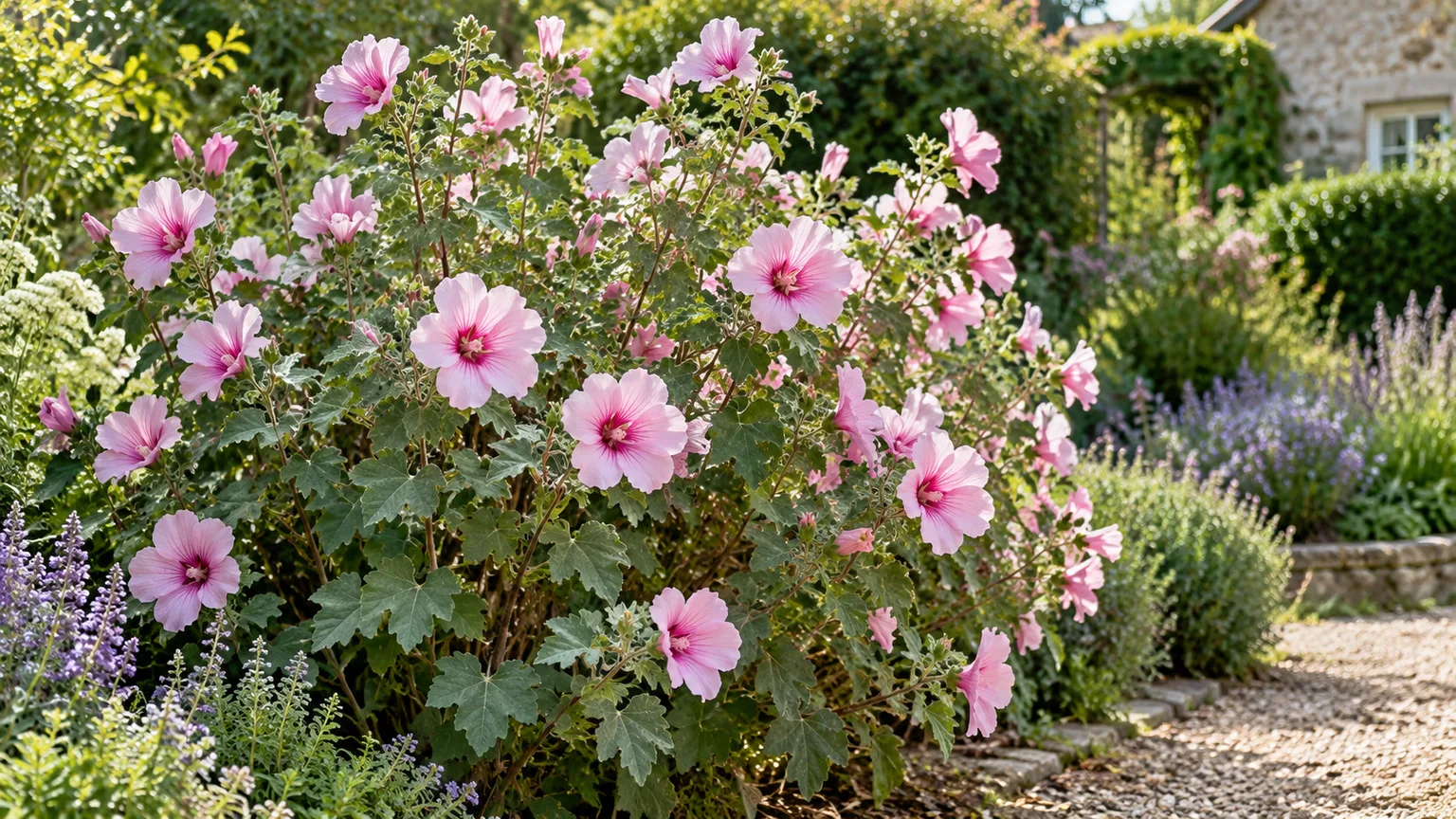
Lavatera is easiest when you start with the plant label. The name covers annual rose mallows, herbaceous perennials, and woody shrubs or subshrubs, so the right watering, winter plan, and pruning cut depend on which kind you have. Most want a sunny spot and soil that drains well; the biggest preventable mistakes are planting a tender shrub where it will freeze, keeping roots wet through winter, or cutting every form down the same way.
You may also see some of these plants sold or described under Malva, a related taxonomic name increasingly used for plants long known as Lavatera. Nurseries may retain familiar Lavatera labels, so use the cultivar name and growth habit—not a name change alone—to guide care. The Royal Horticultural Society (RHS) continues to give Lavatera growing advice across annuals, perennials, and shrubs, while BBC Gardeners’ World notes the recent movement of some plants into Malva. (RHS Lavatera growing guide; BBC Gardeners’ World Lavatera guide)
Match the care to the kind of Lavatera
Before buying or pruning, find the full botanical or cultivar name on the seed packet or plant tag. “Tree mallow” is used for more than one type, and the generic name does not tell you whether your plant should die back to the crown, keep a permanent woody base, or finish its life in one season.
| Type | Typical example | What to expect | Main care distinction |
|---|---|---|---|
| Annual rose mallow | Lavatera trimestris | A fast-growing, seed-raised summer flower | Sow again each year; save seed only if you accept variation |
| Herbaceous perennial | L. thuringiaca and selections | Dies back seasonally and regrows from the base | Leave standing through winter if useful, then clear old stems before new growth |
| Woody subshrub | L. × clementii ‘Barnsley’ or ‘Barnsley Baby’ | Woody lower growth with vigorous seasonal shoots | Wait until late spring for the main renewal prune |
| Shrubby mallow | L. maritima | Semi-evergreen shrub suited to mild, sheltered sites | Keep and shape its framework rather than cutting it to the ground |
| Island mallow | L. assurgentiflora | Large, sprawling shrub for a spacious, mild coastal garden | Confirm its mature size and local winter fit before planting |
These categories overlap in nursery naming and botanical references, so treat the table as a first sorting tool. Check the label for mature width, flowering habit, and winter hardiness in your region before you decide where a woody selection belongs. Oregon State University’s profile of L. thuringiaca, for example, describes a woody subshrub form and lists it as hardy to USDA Zone 8; that profile is useful for identification but should not be generalized to every plant sold as Lavatera. (Oregon State University Landscape Plants: Lavatera thuringiaca)
Annual rose mallow grows from seed
Lavatera trimestris is the annual most gardeners mean when they buy a packet of rose mallow seed. It grows quickly into a branching plant with large, open, hibiscus-like blooms, commonly pink, rose, or white. It is useful for filling a sunny gap or producing cut flowers, but it is not a perennial shrub that will return from woody stems next spring.
Named selections help you choose flower color and eventual size. ‘Mont Blanc’ is a white-flowered annual, while ‘Beauty Mix’ and ‘Salmon Beauty’ are color selections; the RHS notes that annual forms can also suit summer bedding and cut flowers. NC State Extension’s ‘Salmon Beauty’ trial records rapid germination, vigorous growth, and profuse flowering for that particular cultivar, which is encouraging but not a promise that every packet, climate, or sowing date will perform identically. (RHS Lavatera growing guide; NC State Extension ‘Salmon Beauty’ trial)
Herbaceous perennials return from the crown
Perennial mallows such as L. thuringiaca may lose their top growth in winter and push new stems from the crown when spring conditions return. Keep the old stems until late winter if they shelter the crown or provide winter habitat, then remove them before the new shoots are tall enough to snag or shade.
Do not assume every label that says “perennial” means evergreen stems. In colder gardens, the roots may survive while the stems die back; in mild climates, a plant can keep more structure. The RHS advises choosing a cultivar according to the space and checking its hardiness label, because a genus-wide zone number can conceal meaningful differences.
Woody shrubs and subshrubs keep different amounts of framework
The popular ‘Barnsley’ and compact ‘Barnsley Baby’ are subshrubs: they develop woody bases but make much of their flowering growth during the current season. The RHS lists ‘Barnsley Baby’ under 1 meter (about 3 feet), and larger selections such as ‘Barnsley’ can reach around 2 meters (about 6½ feet), so check the tag before squeezing one into a small border. These plants can be renewed hard in late spring, after you can see where fresh growth is emerging. (RHS Lavatera growing guide; BBC Gardeners’ World Lavatera guide)
Lavatera maritima is a more persistent shrub and a better fit for a mild, sheltered garden than a cold, exposed site. It is often semi-evergreen, with gray-green lobed leaves and pale flowers with a darker center; size varies with climate and cultivar, so use the nursery’s mature dimensions for spacing. Gardeners’ World lists it as a medium shrub around 1.5 meters tall and 1 meter wide, while the RHS recommends it for very mild regions or for gardeners who can protect it. (BBC Gardeners’ World tree mallow profile; RHS Lavatera growing guide)
Island mallow (L. assurgentiflora) is another shrub, but its size makes it a poor default for a small border. Virginia Tech describes a sprawling, multistem form that can reach 12 feet; Ohlone College identifies it as a drought-tolerant ornamental native to California’s Channel Islands. Those coastal adaptations do not make it a universal choice for cold inland gardens, so check local winter performance and reserve plenty of room before planting. (Virginia Tech Dendrology: island mallow; Ohlone College: island mallow)
Choose a sunny, sheltered, well-drained site
Lavatera flowers best in full sun, and tall stems are more reliable when they are not buffeted by strong winds. Give a shrub room to spread and airflow through its branches; a plant jammed between a wall and taller shrubs may grow thin, lean outward, or flower mainly at the top.
In a very hot climate, a little late-afternoon shade can reduce heat stress, but all-day shade is a poor trade if you want abundant flowers. In a cooler or damp climate, use the warmest sheltered pocket you have and pay more attention to winter drainage than to summer heat. The RHS and Gardeners’ World both recommend sun, shelter, and freely draining soil for reliable growth. (RHS Lavatera growing guide; BBC Gardeners’ World Lavatera guide)
Balance sun, heat, and wind
A sunny wall can warm the site and protect a shrub from wind, but it also creates a rain shadow: soil close to a foundation may dry much faster than the rest of the bed. Check moisture a few inches down before watering rather than assuming rain reached the root zone.
Tall annuals can lean after heavy rain, especially in fertile soil or a windy, exposed bed. Space them so air can move between plants and, if a location is consistently windy, use a discreet support early in the season rather than trying to prop up brittle, fully grown stems later. A sheltered position often removes the need for staking.
Improve drainage without overfeeding
Lavatera tolerates ordinary and even stony soil better than a constantly wet root zone. If water stands in the planting area for hours after rain, move the plant to a raised bed or a better-drained site; adding a small scoop of gravel to the bottom of a planting hole does not correct a poorly draining bed.
In a heavy clay garden, improve a broad area with organic matter and avoid compressing wet soil around the rootball. Do not turn the planting pocket into a rich compost pit: excessive fertility can push leafy growth at the expense of flowers. A soil test is useful if plants repeatedly struggle, but routine high-nitrogen feeding is rarely the fix.
Plant annuals and woody forms differently
Plant in spring once the ground is workable and the risk of hard frost has passed for young starts. The exact week varies with local climate: use your frost dates and soil conditions rather than a fixed calendar date. Buying or sowing a plant too early does not make it bloom sooner if cold, waterlogged soil checks its growth.
For a perennial or shrub, select the permanent location before planting. The RHS advises allowing for the eventual size on the label and planting shrubby Lavatera in spring; small mail-order plants may be better grown on in a larger pot before they go into the ground. (RHS Lavatera growing guide)
Sow annual Lavatera where it will flower
Direct sowing avoids an extra transplant and is the simplest route when you have a sunny bed and a sufficiently long growing season. Rake the surface smooth, water it if it is dry, and sow seeds shallowly according to the packet—usually just covered—then thin seedlings to the spacing stated for the cultivar. Give each plant enough room to branch rather than leaving a dense clump that competes for light and air.
If your season is short, start seeds indoors several weeks before the last frost in individual cells or small pots. Use a free-draining seed mix, keep it lightly moist rather than saturated, and give emerging seedlings strong light so they do not stretch. Harden them off gradually before planting outdoors; acclimating them over several days reduces the shock of moving from a protected room to sun, wind, and cool nights. The RHS recommends spring sowing for annual mallows, and Harvest to Table describes both indoor starts and direct sowing after frost danger has passed. (RHS Lavatera growing guide; Harvest to Table: how to grow tree mallow)
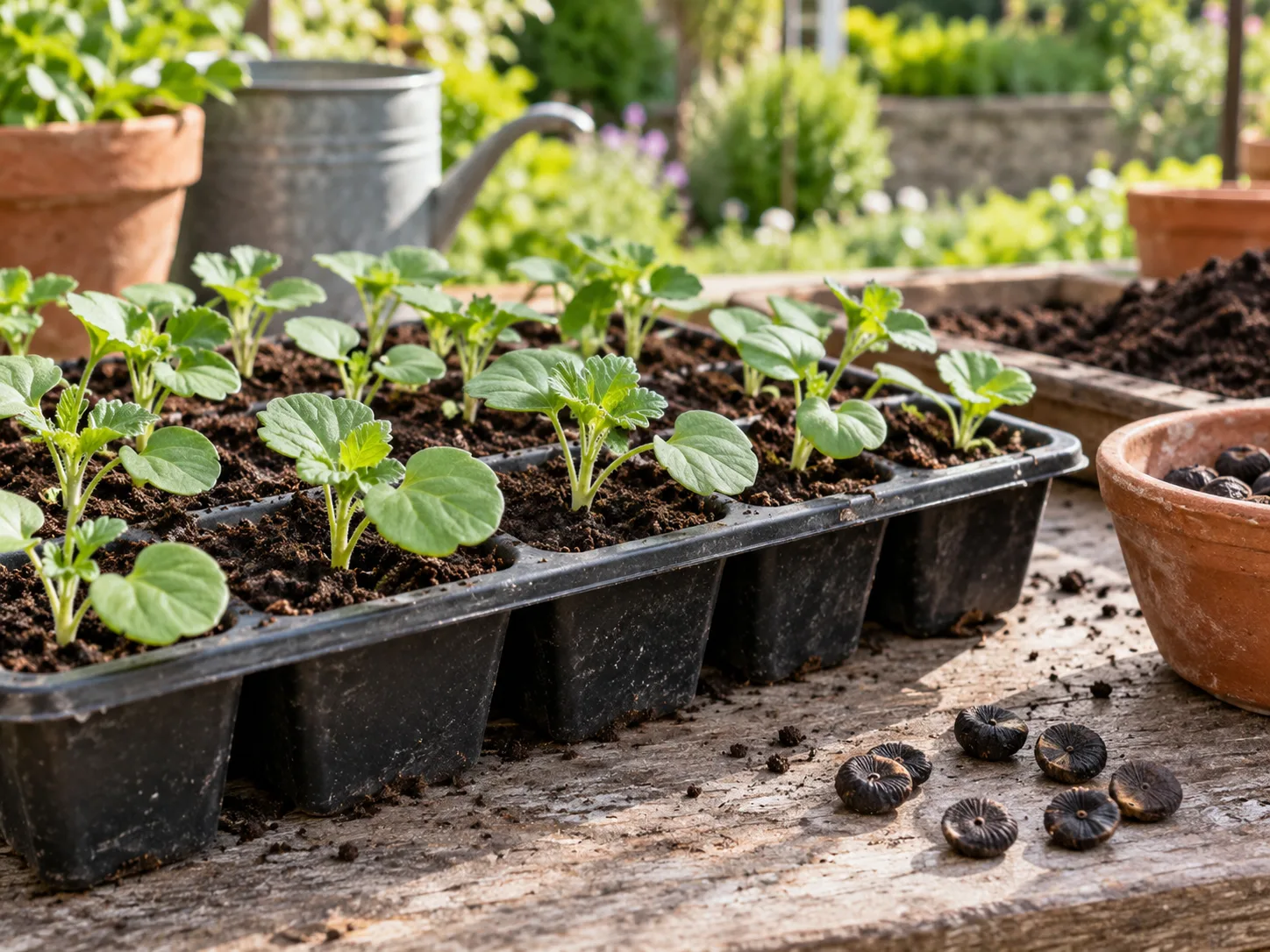
Water newly sown ground gently so you do not wash the seed into a trench. Keep the seed zone evenly moist until germination, then water at the base when the surface begins to dry. If seedlings emerge too close together, thin them while small; crowding is easier to fix early than after roots tangle.
Set out perennial plants while roots are still contained
Dig a hole about as deep as the nursery rootball and wider than it, then set the plant at the same depth it was growing in the pot. Backfill with the soil you removed, firm it gently, and water slowly until the root zone is wet. Avoid repeatedly lifting and shifting a young shrub: a stable, well-chosen site gives it the best chance to establish.
A container-grown Lavatera can be planted in spring once the soil is not frozen or saturated. If the rootball is tightly circling, tease only the outer roots gently; do not strip away the soil or tear apart the root system. Add mulch around the plant to slow surface drying, keeping the mulch away from the stems so the base does not remain damp.
Water to establish, then respond to the soil
Water after planting and during the establishment period, especially through dry spells. A deep soak that reaches the root zone is more useful than frequent splashes that wet only the surface. Once a garden-grown plant has rooted in, Lavatera is reasonably drought tolerant; the RHS says established plants should need little extra watering except where conditions call for it. (RHS Lavatera growing guide)
Before watering a wilted plant, touch the soil. Dry soil and limp leaves point toward drought; wet soil with persistent drooping points toward poor drainage or damaged roots, and adding more water can make that situation worse. A brief midday slump during intense heat may recover in the evening, so check again when the sun is lower before reaching for the hose.
Containers need closer attention because their limited soil dries faster than a border. Check the mix during warm, windy weather and water thoroughly when the upper layer has dried; let excess drain away and empty standing water from a saucer. In winter, keep a dormant potted perennial barely moist rather than allowing it to sit in cold, saturated compost.
Lavatera is not a heavy feeder. If the ground is already reasonably fertile, skip routine fertilizer; where soil is poor, a modest layer of compost in spring is usually a better starting point than repeated high-nitrogen applications. Too much fertilizer can create a big leafy plant with fewer flowers, and it does not compensate for shade or waterlogged roots. (RHS Lavatera growing guide; Harvest to Table: how to grow tree mallow)
Prune Lavatera by its life form
There is no single correct date or cut for every plant called Lavatera. The practical question is whether the stems are annual, die back to a perennial crown, or form a woody framework that you need to keep. When the label is unclear, wait until new growth appears and inspect the base before making a major cut.
Leave annuals to flower or set seed
An annual rose mallow does not need a hard spring pruning. Pinching a young, leggy plant can encourage branching, but it also removes growing tips and may delay its first flowers; do it early, only if a bushier shape matters more than the earliest bloom.
Deadheading can keep an annual looking tidy and may encourage it to continue flowering, but leave a few healthy seed capsules if you want to collect seed. Dry the capsules fully, store the seeds in a labeled envelope in a cool, dry place, and expect seedlings from saved seed to vary if the parent was a named hybrid or a mixed cultivar. BBC Gardeners’ World cautions that saved Lavatera seed may not come true to the parent plant. (BBC Gardeners’ World Lavatera guide)
Herbaceous perennial forms can be left standing over winter, then cut back before fresh shoots grow tall. That timing avoids cutting into emerging growth and preserves some winter cover for insects and the crown. Remove diseased material promptly rather than leaving it through the season.
Cut back subshrubs and framework shrubs on different schedules
For ‘Barnsley’ and related L. × clementii subshrubs, tidy lightly in autumn if wind is likely to rock the stems, but save the hard cut for late spring. Cut back to around 30 centimeters above the ground once you can see vigorous new shoots, removing weak, dead, or damaged material as you go. Keeping the cut until growth is visible reduces the risk of cutting below live buds after a cold winter. (RHS Lavatera growing guide; BBC Gardeners’ World Lavatera guide)
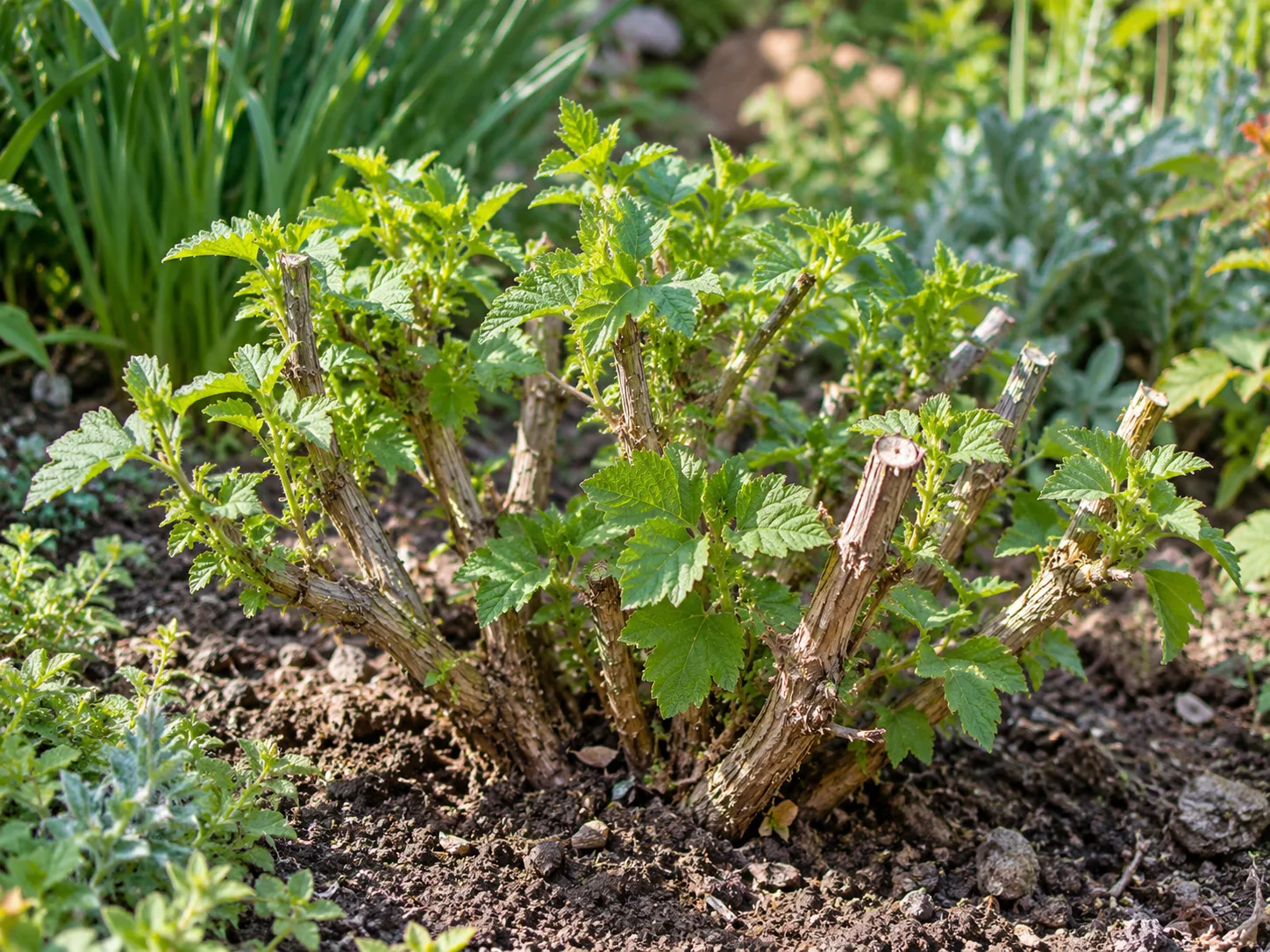
A shrub such as L. maritima is handled differently because it keeps a woody framework. In spring, remove dead, damaged, crossing, or inward-growing stems, then shorten last year’s growth to a healthy bud or side shoot while preserving the main shape. If the plant has become large, reduce it gradually over more than one season instead of cutting a mature framework to ground level.
Avoid heavy autumn pruning of tender woody types. New growth stimulated late in the season can be exposed to frost, while an unpruned framework offers some protection from wind and cold. If the plant has been badly damaged, wait until spring growth reveals what is still alive, then prune back to live tissue.
Grow Lavatera in containers, propagate it, and prepare for winter
A container is most practical for compact cultivars such as ‘Barnsley Baby’ or an annual L. trimestris. Choose a large, stable pot with drainage holes and a free-draining, soil-based or multipurpose container mix; very small pots dry quickly and can make a tall, flower-heavy plant unstable. Place it in full sun where the pot is sheltered from strong winds, and water more frequently than you would a plant in the ground.
Do not choose a large shrub simply because it fits in a pot at the nursery. A mature woody Lavatera needs enough root volume to remain stable, and moving it into progressively larger containers risks turning a short-term display into repeated root disturbance. If you want a permanent patio plant, buy a compact cultivar and use the largest practical final pot from the start. The RHS specifically recommends smaller cultivars for patios and checking the mature size before purchase. (RHS Lavatera growing guide)
Annuals are easiest to propagate from seed. For a named woody cultivar, take softwood or greenwood cuttings in early summer, when new shoots are flexible but not floppy; seed-grown offspring may not retain the parent’s flower color or growth habit. The RHS recommends cuttings for shrubby and perennial forms, while its general softwood guidance recommends using young growth from the current season. (RHS Lavatera growing guide; RHS softwood cuttings guide)
Take a short, nonflowering shoot, remove the leaves from its lower portion, and insert the bare stem into moist, free-draining propagation mix. Keep the cutting warm in bright, indirect light and humid but not waterlogged; ventilate any cover so condensation does not stay on the foliage. Once it resists a gentle tug and produces new growth, pot it on and protect it through its first winter before planting it out.
Winter care depends on the same plant-type distinction. Annual L. trimestris completes its life cycle and can be composted after frost ends flowering; herbaceous perennials regrow from the crown if their roots survive; tender woody shrubs need the mildest sheltered spot or protection in an unheated greenhouse. For a container plant, move it before hard frost and water sparingly while growth is slow. Do not rely on one zone range for the whole genus: check the exact cultivar’s local hardiness and remember that wet soil, exposure, and winter swings can matter as much as the minimum temperature.
Diagnose fewer flowers, drooping, and rust
If a healthy plant makes leaves but few flowers, check its light before feeding it. Too much shade is a common reason for weak flowering, while excess nitrogen can push foliage at the expense of buds. An annual sown late may also need more warm growing time, and a late frost can damage new growth on a perennial or subshrub. Move the next planting to a sunnier place or adjust the sowing date; a fertilizer spike will not fix a light problem.
Drooping has two opposite causes, so the soil check comes first. If the root zone is dry, water deeply and reassess later; if it stays wet, pause irrigation and improve drainage rather than adding more. Wilting that continues in moist but not saturated soil can signal root or stem injury, so inspect the base for rot, cracks, and wind damage.
Rust is the disease to watch most closely. It may show as small yellowish marks on upper leaf surfaces and orange-brown powdery pustules beneath; affected leaves can yellow or fall early. The RHS identifies rust as a risk for Lavatera and hollyhock relatives. Remove badly affected leaves, clear fallen debris, keep plants spaced for airflow, and water at soil level where practical. Do not expect an infected leaf to turn green again. (RHS: hollyhock rust; RHS Lavatera growing guide)
Short-lived subshrubs can also decline gradually at the base despite good care. The RHS puts the average prime lifespan of some subshrub types at roughly four to five years and notes that L. maritima often flowers best on younger wood. Take cuttings while the plant is healthy rather than waiting until an old, woody specimen has lost most of its vigor. (RHS Lavatera growing guide)
Conclusion
For reliable Lavatera, identify the life form first, then give it sun, drainage, and room to mature. Sow annual rose mallow for one-season color, preserve the crown of herbaceous perennials, and time pruning around the structure of woody types. Water new plants through establishment, avoid unnecessary feeding, and treat wet winter soil and incorrect pruning as the main preventable risks. If you love a named shrub, take cuttings before it ages out; that is the simplest way to renew the plant without guessing what its seed offspring will become.



