13 Best Vegetables to Grow Indoors (With Light Tips)
Find vegetables that grow indoors, from quick microgreens and lettuce to cherry tomatoes and peppers, plus the setup and care each needs to produce well.
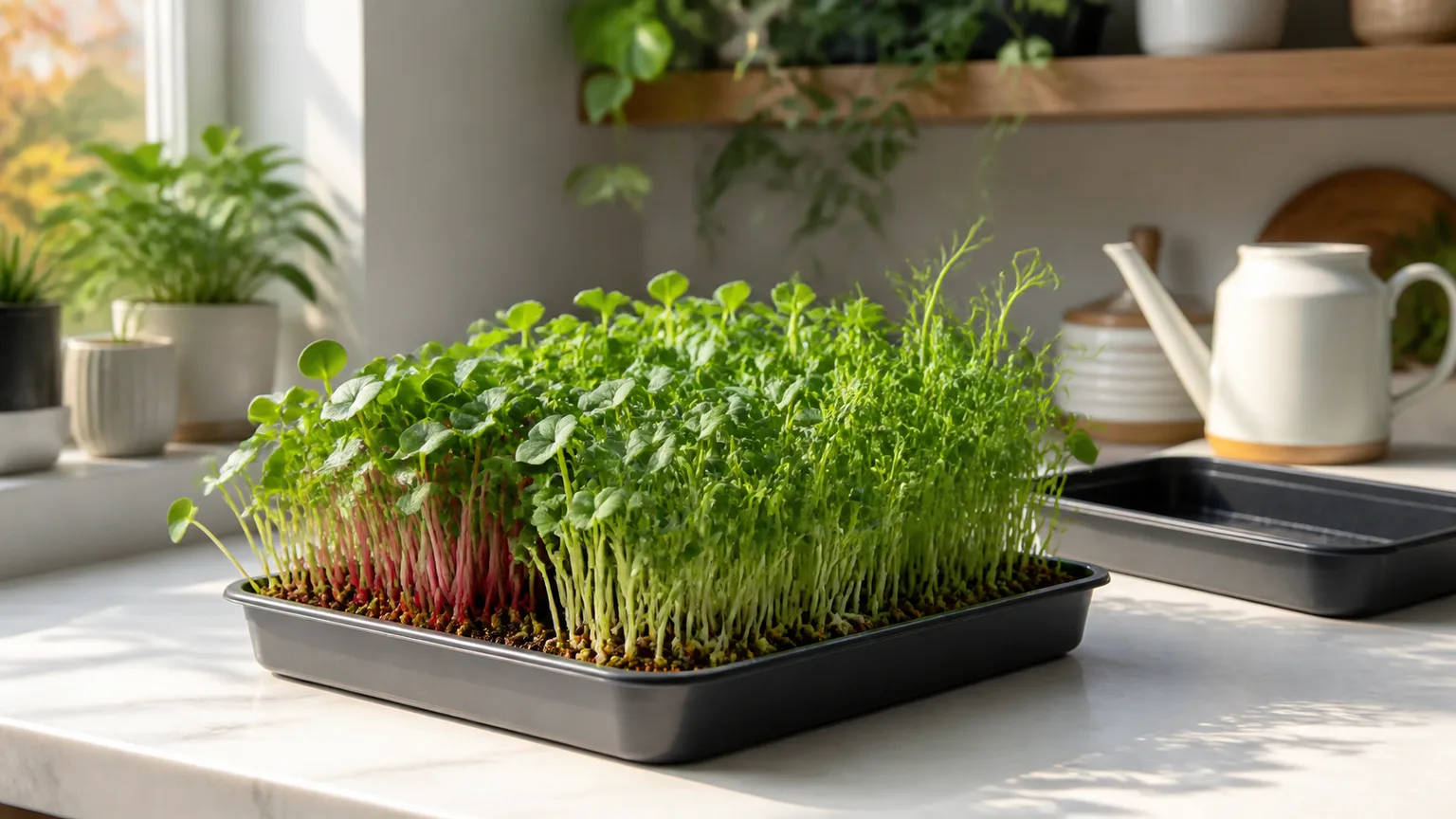
Growing vegetables indoors works best when you choose crops for the light and space you have, rather than trying to recreate an outdoor garden on a windowsill. A shallow tray of baby greens can give you repeated handfuls of salad; a fruiting tomato may need a dedicated LED fixture, a large pot, and room for a support cage. Both count as indoor gardening, but they are different projects.
The most dependable choices are microgreens, loose-leaf greens, scallions, garlic greens, and quick roots such as radishes. Tomatoes, peppers, and beans can produce indoors too, but they are better treated as a second step after you have strong light and enough room. Below are 13 crops, organized by the kind of harvest they offer and the setup they need.
Start with the harvest your room can support
Before choosing a seed packet, decide what you want to harvest. If you want frequent small servings with minimal equipment, grow leaves or shoots. If your goal is a bowl of tomatoes or peppers, plan for an intense light source, a larger container, and a longer wait. A plant can stay alive in a dim room without producing a useful harvest; survival is not the same as productivity.
Quick leaves and shoots need the least investment
Leaf crops do not have to flower and set fruit, so they make better use of modest indoor light. Microgreens are harvested young, while loose-leaf lettuce, arugula, spinach, kale, and chard can be cut leaf by leaf. Scallions and garlic greens are also space efficient because you eat the foliage rather than waiting for a full bulb. A bright window may be enough for some of these, though winter windows and shaded rooms often slow growth.
Fruit crops need a brighter, larger setup
Tomatoes, peppers, and beans use more light to build flowers and fruit than a tray of greens needs. Virginia Cooperative Extension explains that leafy and root vegetables can tolerate partial shade, while fruiting vegetables generally need at least six hours of direct sun and do better with more. Indoors, a window’s orientation, nearby buildings, and the season all change how much usable light reaches leaves, so a sunny-looking room may still be too dim for fruiting crops. (Virginia Cooperative Extension)
The 13 best vegetables to grow indoors
These choices balance compact growth with an edible harvest. Indoor edible-crop roundups from horticulture publishers similarly favor greens and shoots for small spaces, while fruiting vegetables ask more of the light and container setup. Maturity estimates on seed packets assume favorable conditions; indoor plants may take longer when light is weak, temperatures are cool, or containers are crowded. (Epic Gardening)
| Crop | Best indoor harvest | Light and space fit |
|---|---|---|
| Microgreens | Whole seedlings | Shallow tray; easiest quick crop |
| Leaf lettuce | Baby leaves or outer leaves | Bright window or grow light |
| Arugula | Young leaves | Compact; prefers cooler conditions |
| Spinach | Baby leaves | Cool room and steady moisture |
| Kale | Baby leaves or outer leaves | Compact varieties suit pots |
| Swiss chard | Tender young leaves | Bright location; harvest outer leaves |
| Scallions | Green tops | Small pot; regrow from seed or roots |
| Garlic greens | Mild garlic-flavored leaves | Small pot; each clove gives a limited harvest |
| Radishes | Small roots and leaves | Fast, but needs consistent moisture |
| Baby carrots | Short roots | Deep, loose container |
| Cherry tomatoes | Small fruits | Strong light and a large pot |
| Compact peppers | Small or medium fruits | Warmth, bright light, and pollination help |
| Bush beans | Young green pods | Strong light; more room than greens |
Fast-cut greens for shelves and windowsills
1. Microgreens. These are the quickest way to get an edible crop from a small indoor space. Sow radish, broccoli, mustard, pea, or mixed microgreen seed densely in a clean, shallow tray and harvest the seedlings when they have opened their first true leaves. Depending on the crop and conditions, that is often around one to three weeks. Microgreens give you one main cut, not a plant that keeps producing indefinitely, so sow another tray every week or two if you want a steady supply. Savvy Gardening describes them as a short-cycle crop that can grow in a shallow layer of potting mix under a light; do not confuse them with sprouts, which are germinated and eaten at a different stage. (Savvy Gardening)
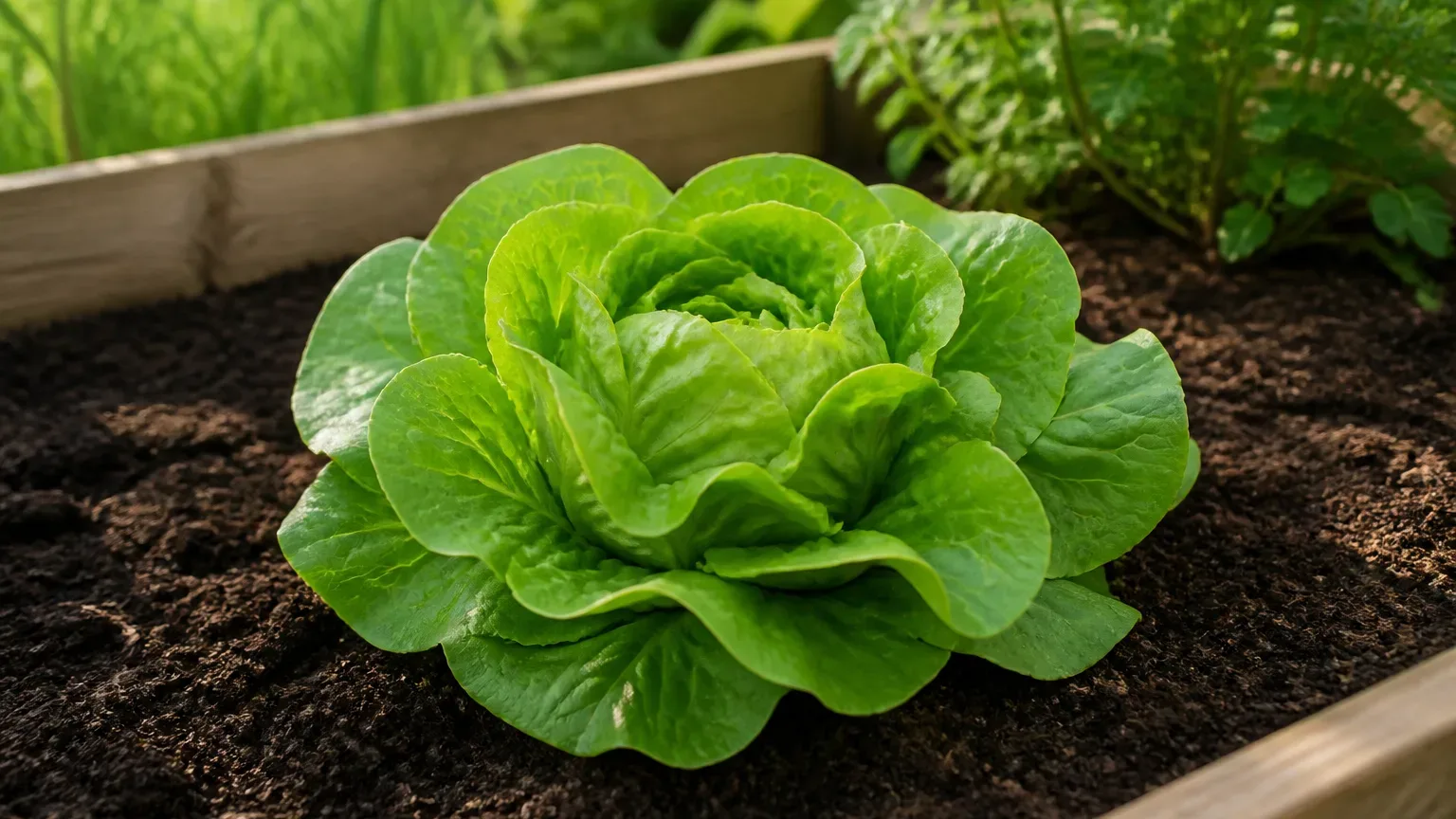
2. Loose-leaf lettuce. Choose leaf or mini romaine types rather than expecting a tight supermarket head from a crowded tray. Sow a narrow band, thin seedlings so air can move between them, then clip outer leaves or cut a small section above the crown. Leave enough central growth for regrowth, and keep a second tray coming behind the first. Lettuce is a practical first crop because it is shallow-rooted and harvested as leaves, not because it thrives in any dark corner. A small pot or tray with drainage and several inches of mix gives roots more room than a thin decorative planter.
3. Arugula. Arugula earns its spot when you want a peppery salad green that grows quickly and does not need a large pot. Sow a few seeds every couple of weeks rather than filling a large container all at once; young leaves are tender, and mature plants can turn sharp or bolt in warm conditions. Harvest individual leaves while the center is still growing, or cut the whole plant for a one-time batch. If your room is warm, keep the tray away from a radiator and use a light timer so the crop gets a consistent day.
4. Spinach. Spinach is useful indoors for baby leaves, but it is less forgiving of heat than people expect. Choose a compact, slow-to-bolt variety, sow into a wider pot with drainage, and keep the root zone evenly moist rather than saturated. A cool room and strong light help produce thicker leaves; warm, dim conditions tend to give weak growth and an early flower stalk. Harvest the outside leaves once the plant is established, leaving the crown intact for another flush.
5. Kale. For a small indoor setup, grow kale for baby greens instead of trying to raise a full-sized plant in a tiny pot. Sow several seeds in a tray, thin them, and start clipping tender leaves once the plants have enough growth to recover. Compact or dwarf varieties can stay in a larger pot for ongoing outer-leaf harvests, but they still need a bright location and good airflow. Savvy Gardening recommends both baby-leaf and mature-pot approaches; the baby-leaf method is usually easier to fit into an apartment shelf. (Savvy Gardening)
6. Swiss chard. Chard is a good choice if you like substantial leaves and want a plant that looks attractive while producing food. Sow a compact variety in a deeper pot than you would use for microgreens, then thin it to one or two plants so the roots and leaves have room. Pick the outer leaves while they are young and leave the central growing point untouched. Chard is more tolerant of warmth than spinach, but it still cannot make up for weak light by growing in a bright-looking room.
Roots and alliums for containers
7. Scallions. Scallions grow well for their green tops in a small pot, and you can start them from seed or plant rooted ends from a bunch. A potting-mix planting is better for repeated growth than leaving the roots in a jar of water indefinitely, because the plant needs nutrients and root space. If you use kitchen scraps, keep the base in water only long enough to see new roots and shoots, then pot it up. Harvest the green leaves with scissors and leave the base to keep growing; regrown tops will not turn into a new full-size onion bulb.
8. Garlic greens. Plant individual cloves about an inch deep in a pot of mix and clip the leaves when they are tall enough to use. The taste is milder than a mature garlic clove, so use the greens like chives in eggs, soups, or stir-fries. A clove has limited stored energy, so expect a modest flush and replace it with a new clove when growth slows. Growing garlic greens is a worthwhile windowsill crop; expecting a large garlic bulb from a clove grown indoors is not.
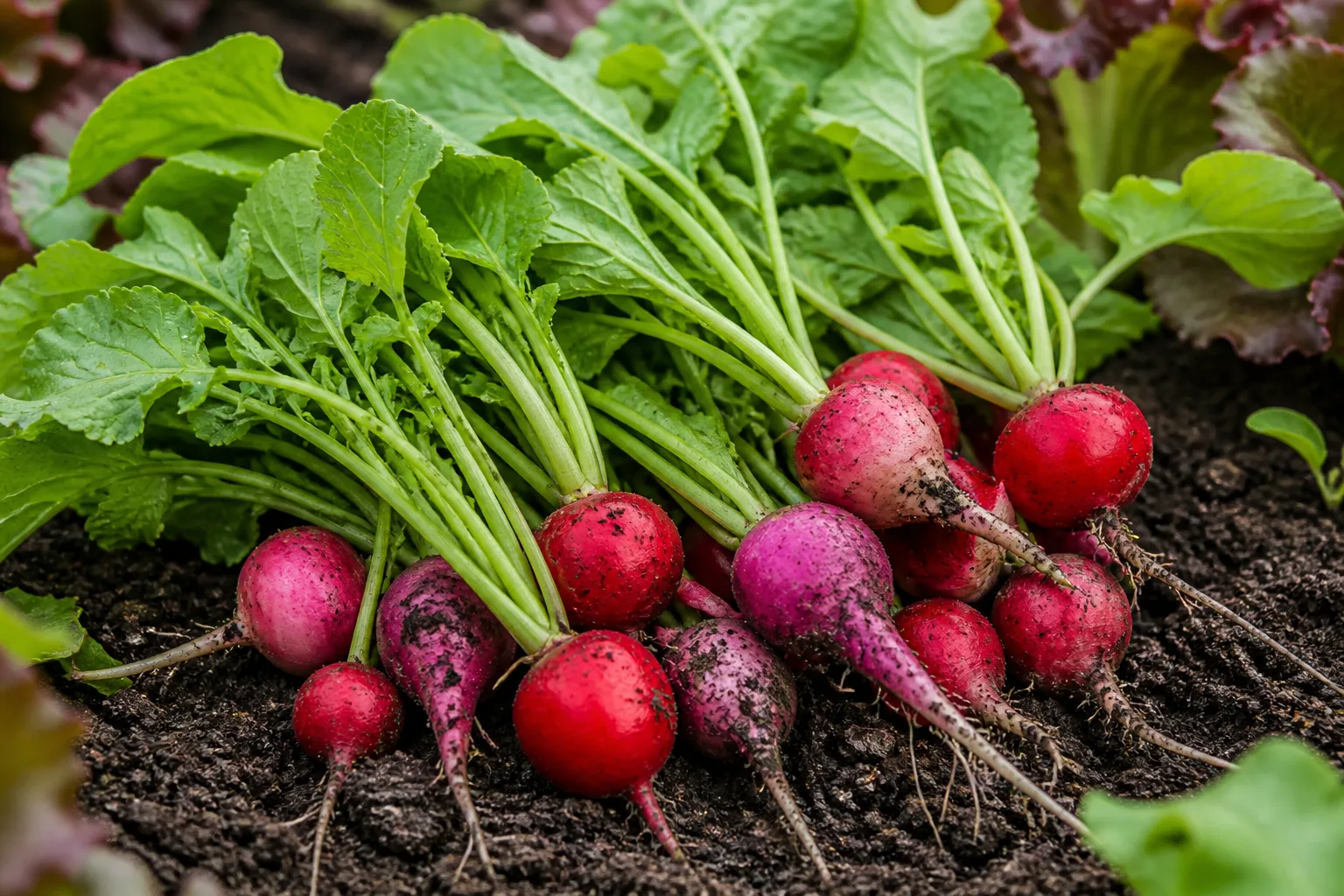
9. Radishes. Small spring radishes are among the better root crops for a container because they mature quickly and do not need a deep barrel. Use a pot at least 4 to 6 inches deep, sow seeds about an inch apart, and thin them to the spacing on the packet. Keep the mix evenly moist while the roots swell: letting it dry sharply and then soaking it can lead to pithy, split, or misshapen radishes. Pull one test root when it reaches the variety’s expected size instead of waiting for all the tops to look enormous.
10. Baby carrots. Carrots can grow indoors, but choose short, rounded, or baby-root varieties and give them a deeper pot than leafy greens need. A container around 8 to 12 inches deep, filled with loose, stone-free potting mix, reduces the chance of forked or stunted roots. Sow carefully and thin seedlings early; crowded tops may look lush while the roots stay pencil-thin. This crop rewards patience and a straight-sided pot, but it is a less reliable first choice than microgreens or lettuce.
Fruiting crops when you can supply strong light
11. Dwarf cherry tomatoes. A compact, determinate cherry tomato is a better indoor choice than a tall, sprawling indeterminate variety. Give one plant its own large pot with drainage, stake or cage it while small, and place a full-spectrum grow light close enough to illuminate the whole canopy without overheating the leaves. A south-facing window can help, but in many homes it will not provide enough winter light for steady flowering and fruit. Tomato flowers contain both male and female parts, but a plant indoors lacks wind and insects; gently shake the flower clusters or tap the support when blossoms open to move pollen.

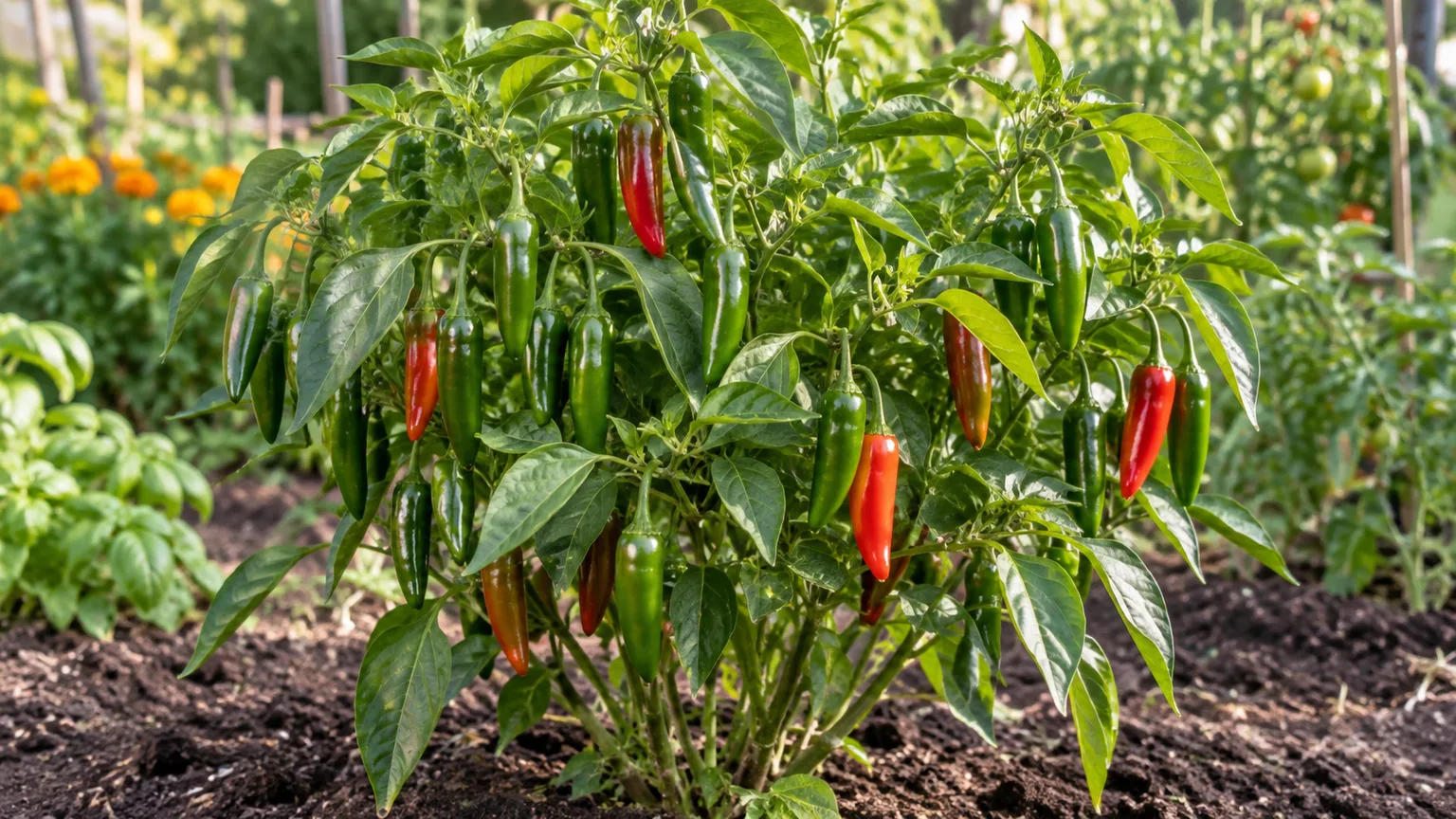
12. Compact peppers. Small-fruited pepper varieties can live in a pot through winter and may set fruit indoors if they get warmth and strong light. Choose a compact cultivar rather than a large bell pepper if space is limited, and let the pot dry slightly at the surface between waterings instead of keeping it soggy. Pepper flowers are self-pollinating, but a gentle shake of the plant or a soft brush across open flowers can improve pollen movement inside a still room. Expect fewer fruits than an outdoor plant unless your lighting is strong and the plant is healthy.
13. Bush beans. Dwarf bush beans can produce pods indoors, but they belong in the “try with a grow light” group, not the low-effort windowsill group. Sow directly into a deep container because beans dislike root disturbance, and choose a compact bush type rather than a climbing pole bean. Give the leaves strong, even light and enough spacing for air to circulate. Harvest pods while they are young and tender; once a small indoor plant is overloaded with mature pods, it slows down and the crop is less enjoyable.
Build an indoor growing setup that fits the crop
Choose a light before you buy seed
Start by observing the window over a full day, not by judging the room at noon. North-facing windows, winter sun, deep sills, trees, and neighboring buildings all reduce the light plants receive. If you can only offer moderate window light, pick leafy crops and microgreens. If you want tomatoes, peppers, or beans, plan on supplemental lighting before sowing.
Use a full-spectrum white LED grow light made for plant growth and put it on a timer. Keep the fixture at the distance its manufacturer recommends; too far away encourages thin stems, while too close can bleach or overheat leaves. Many indoor growers run lights for roughly 12 to 16 hours, adjusting duration to crop, fixture strength, and natural window light, then give plants a dark period. Savvy Gardening notes that light is often the main constraint for indoor food gardens and recommends supplemental fixtures for light-hungry fruit crops. (Savvy Gardening)

A regular desk lamp is not automatically a grow light: it may not spread enough usable light across the leaves, even if it looks bright to you. Place the fixture above the canopy, not several feet away at the side, and raise it as plants grow. If stems lean toward the window, rotate the tray every few days while correcting the light source.
Match pot depth to the edible part
Use clean containers with drainage holes and a lightweight potting mix formulated for containers. Garden soil packs down in a small pot and can hold too much water or drain poorly. Penn State Extension emphasizes drainage, container size, and soilless mix as core choices for container vegetables; Virginia Cooperative Extension also notes that roots need air as well as water. (Penn State Extension) (Virginia Cooperative Extension)
- Microgreens: a shallow tray with drainage or a method for watering from below.
- Baby lettuce and other greens: about 6 inches of mix is a practical starting point.
- Radishes: 4 to 6 inches or more, depending on the variety.
- Baby carrots: roughly 8 to 12 inches of loose mix.
- Tomatoes: a large container for one plant; extension guidance recommends a pot at least 20 inches wide for a tomato.
- Peppers: a substantial pot; Penn State cites about 14 inches for peppers in containers.
These are starting points, not rules that override a seed packet or cultivar description. For indoor use, a stable saucer catches drainage, but empty it after watering so roots do not sit in runoff. Do not add a layer of gravel to the bottom as a substitute for drainage holes; use a pot with open drainage and an appropriately sized tray.
A planting routine that avoids common failures
Sow, thin, and rotate
Begin with one or two crops rather than a crowded assortment. Moisten the potting mix before sowing, follow seed-depth directions, and label each pot with the variety and planting date. Once seedlings develop their first true leaves, thin them to the recommended spacing instead of letting every seedling compete. Crowding traps moisture around leaves and makes it harder to tell whether a plant is thirsty or simply shaded by its neighbors.
Plant small batches every one or two weeks for quick greens and radishes. Succession sowing gives you a sequence of young plants instead of one tray that matures all at once. You can also group crops by needs: keep cool-season greens together and reserve a warmer, brighter position for tomatoes and peppers. Virginia Cooperative Extension cautions that vegetables indoors grow more slowly and dry out less quickly than outdoor containers, so do not copy an outdoor watering schedule by habit. (Virginia Cooperative Extension)
Water and feed by plant response
Water until excess drains from the bottom, then empty the saucer. Check moisture with a finger at the root zone instead of watering on a fixed weekday schedule. A small tray under grow lights may dry quickly; a cool pot on a dim winter sill may remain wet for days. If the surface is dry but the deeper mix is still damp, wait and check again rather than adding more water.
Container plants have a limited amount of mix to draw nutrients from, but fertilizer is not a cure for pale, stretched growth caused by inadequate light. Start with a potting mix that includes nutrients or follow the label for a mild, balanced fertilizer. Penn State Extension recommends feeding container vegetables as the season progresses, while Virginia Cooperative Extension warns against exceeding label rates because container roots have little soil buffer. Indoors, where growth is slower, use the product label and the plant’s response rather than automatically feeding as often as an outdoor container. (Penn State Extension) (Virginia Cooperative Extension)
Keep foliage from staying wet overnight, leave some space between pots, and inspect the undersides of leaves for aphids, whiteflies, or spider mites. If you bring an outdoor pepper or tomato inside, check it carefully for insects first and isolate it from houseplants for a short observation period. A small fan can improve air movement, but aim it so leaves move gently rather than constantly drying out.
Harvest for repeat growth
Harvest leafy crops a little at a time once they have enough growth to recover. For loose-leaf lettuce, kale, chard, and spinach, remove outer leaves and protect the center; for microgreens, use clean scissors to cut the whole tray at once. Wash produce under clean running water before eating and refrigerate cut greens promptly. A small pot rarely feeds a household by itself, so think of indoor vegetables as a steady accent crop for salads, sandwiches, eggs, and soups.
Root crops are a one-time harvest: pull radishes and carrots when they reach usable size, then resow the space. Fruiting plants can produce over a longer window if light, water, and nutrition stay consistent. Remove ripe tomatoes and peppers as they color so the plant can direct energy to the remaining fruit. When a crop slows down, replace it instead of trying to force another flush from exhausted roots.
Troubleshoot stretched leaves, slow roots, and missing fruit
Seedlings are tall, pale, or leaning. This usually points to insufficient light or a fixture that is too far away. Move the lamp closer within its safety and manufacturer limits, add duration only if the plants are not already receiving a long photoperiod, and space the tray so seedlings are not shading one another. More fertilizer will not correct weak stems caused by low light.
Leaves yellow while the pot stays wet. Check drainage and the mix before adding fertilizer. A container without holes, a saucer that remains full, or frequent small sips can leave roots short of oxygen. Let the mix approach the crop’s normal watering point, improve air movement, and remove badly damaged leaves. If new growth continues to yellow after the root zone is corrected, review light, nutrition, and pest signs.
Radishes or carrots make tops but tiny roots. Thin seedlings to the spacing on the packet, use loose mix without stones, and check that the container is deep enough. Crowded roots cannot swell. Heat and uneven watering can also make roots tough or misshapen, so keep cool-season crops out of warm appliance air and avoid letting the pot swing from bone dry to soaked.
Tomato or pepper flowers drop without fruit. First assess light and temperature: a stressed plant often sheds blossoms before it can support fruit. If the foliage is healthy and light is adequate, gently vibrate open flower clusters or use a soft brush to move pollen. Avoid shaking the plant hard, which can damage stems, and do not keep the pot constantly wet in an attempt to prevent flower drop.
Conclusion
The best vegetables to grow indoors are the ones that match the light you can reliably provide. Start with microgreens, lettuce, arugula, spinach, kale, chard, scallions, garlic greens, or radishes if you want a compact harvest without a major setup. Choose carrots when you can spare root depth, and try tomatoes, peppers, or bush beans only when you can provide strong light, appropriate pots, and patience.
The simplest plan is to set up one tray of greens, sow a second batch before the first is finished, and learn how quickly your room dries the mix. Add a fruiting crop after you have solved the light question. That sequence turns indoor gardening into a predictable small harvest instead of a collection of struggling pots.