How to Grow and Care for Crossandra
Crossandra (firecracker flower) needs bright indirect light, warm water, and steady humidity. Learn indoor and outdoor care, cultivars, propagation, and bloom troubleshooting.
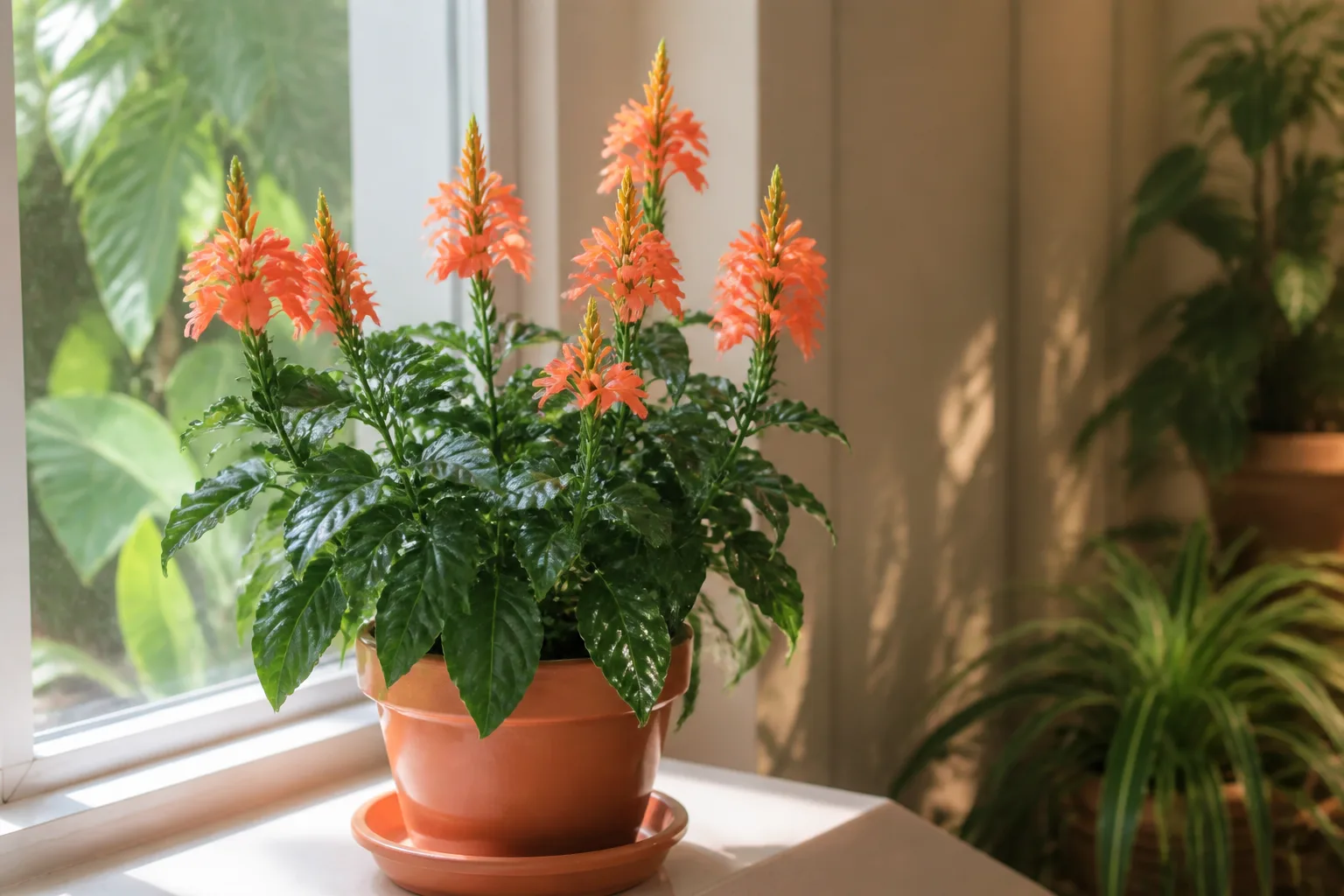
Crossandra (Crossandra infundibuliformis), the firecracker flower, is one of those tropical plants that looks effortless in a garden-center photo and then tests your patience on the windowsill. The glossy leaves stay handsome even when blooms pause, but the salmon, orange, and gold flower spikes are why you bought it—and they only keep coming when light, warmth, humidity, and watering all line up.
This guide covers the full cycle: choosing a cultivar, planting outdoors in warm zones, growing crossandra as a houseplant, feeding and deadheading for repeat blooms, propagating from cuttings or seed, overwintering without leaf drop, and fixing the problems that show up first (yellow leaves, bud drop, and dark, shocked foliage after a cold watering).
What Is Crossandra (Firecracker Flower)?
Crossandra is a tropical evergreen shrub in the acanthus family (Acanthaceae)—the same broad group that includes Mexican petunia and the yellow shrimp plant. It is native to southern India and Sri Lanka, with related species across tropical Africa and Asia. In the wild and in warm landscapes it can reach 3 feet tall and 2 feet wide, though indoor plants usually stay closer to 12–18 inches.
The flowers are the main event: tubular blooms arranged in flat, fan-shaped clusters on upright spikes.
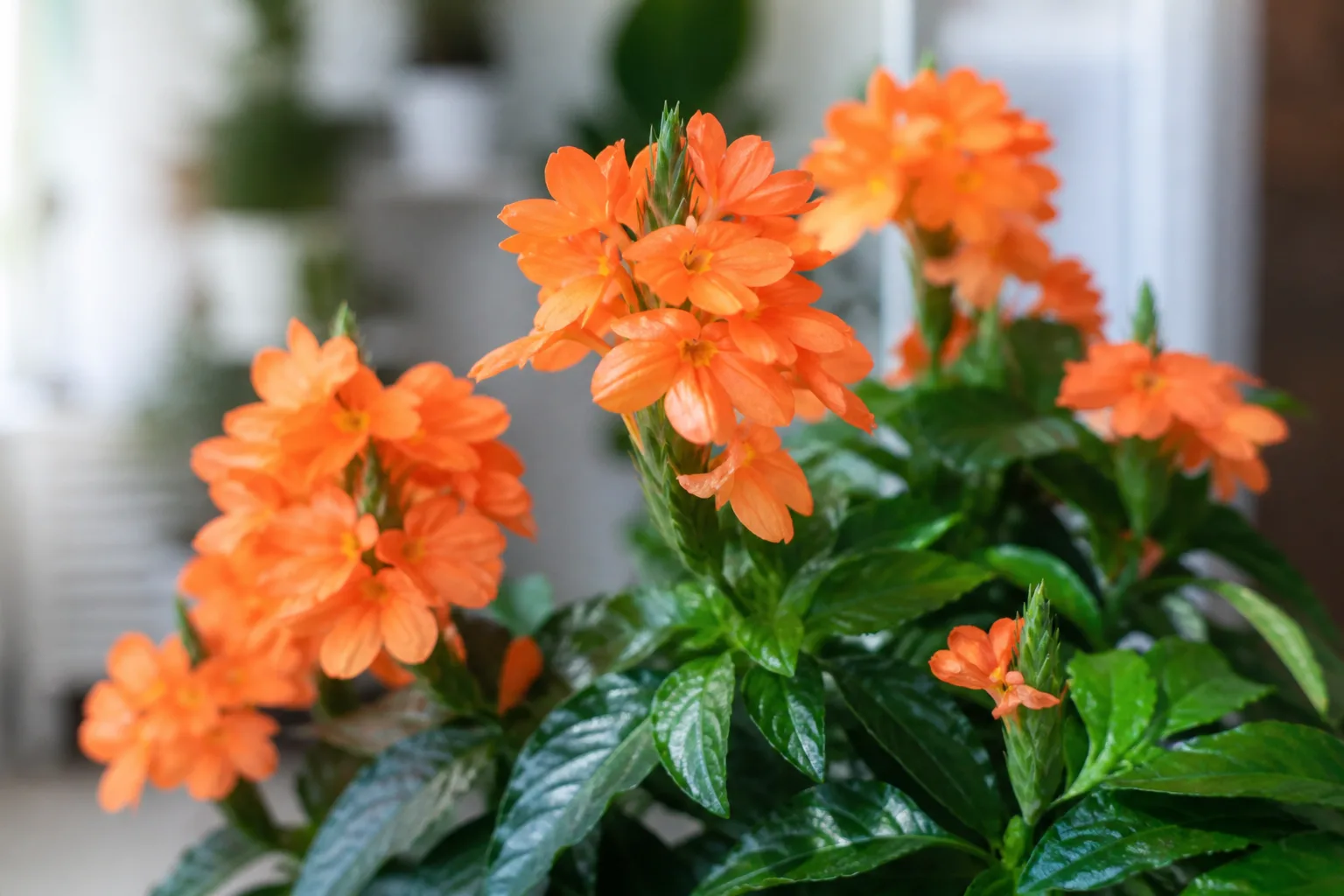
Colors run from salmon and apricot through orange, red, yellow, and pink. They are not fragrant, but they last well on the plant and attract butterflies, bees, and dragonflies outdoors. Rain can bruise the delicate petals, so covered porches and bright indoor windows often show cleaner color than open beds in wet summers.
The nickname firecracker flower comes from the seed pods. After flowers fade, pods form along the spike; in humid or rainy weather they can pop open and fling seeds—a clever dispersal trick in the tropics and a messy surprise on your dining table. Trim fading spikes before pods mature if you want to avoid explosions and self-seeding.
According to NC State Extension, crossandra is non-toxic to cats, dogs, and horses, which makes it a safer colorful option than many tropical bloomers in pet-friendly homes. (NC State Extension)
Indoor vs Outdoor: Annual or Perennial?
Your USDA zone decides the role crossandra plays in your garden:
| Climate | How to treat crossandra |
|---|---|
| Zones 9–11 (and frost-free Florida) | Evergreen perennial outdoors; blooms much of the year |
| Zone 8 and colder | Outdoor annual or container plant moved inside before frost |
| Indoors anywhere | Long-blooming houseplant if light and humidity are adequate |
UF/IFAS notes that crossandra starts dropping leaves when temperatures fall into the 50s°F and cannot tolerate cold weather. (UF/IFAS Gardening Solutions) Treat it like a true tropical: if your fall nights dip below 55°F, plan to bring pots indoors or accept it as a seasonal color plant.
Crossandra Quick Reference
Use this table as a setup checklist before you buy soil or pick a window.
| Factor | Target |
|---|---|
| Light | Bright indirect sun; up to 4 hours of gentle direct sun outdoors |
| Day temperature | 70–75°F ideal |
| Night minimum | Above 55°F; leaf damage below that |
| Water | Keep evenly moist; never bone-dry; use room-temperature water indoors |
| Soil | Rich, well-draining; acidic pH (below 6.0) |
| Humidity | High; pebble tray or humidifier in dry homes |
| Fertilizer | Monthly in spring–summer; reduced in fall–winter |
| Mature size | 1–3 ft tall × 1–2 ft wide |
| Hardiness | USDA zones 9–11 as outdoor perennial |
| Bloom | Spring through fall outdoors; year-round possible indoors |
| Propagation | Stem cuttings (spring); seed (late winter indoors) |
Light: Bright Indirect Sun Without Scorch
Crossandra is not a low-light plant. It wants bright, filtered light—think an east window, a few feet back from a south window, or dappled shade under a tree outdoors. NC State lists partial shade to full sun (2–6+ hours) depending on climate; in hot, dry regions, afternoon shade prevents scorched leaves and washed-out flowers. (NC State Extension)
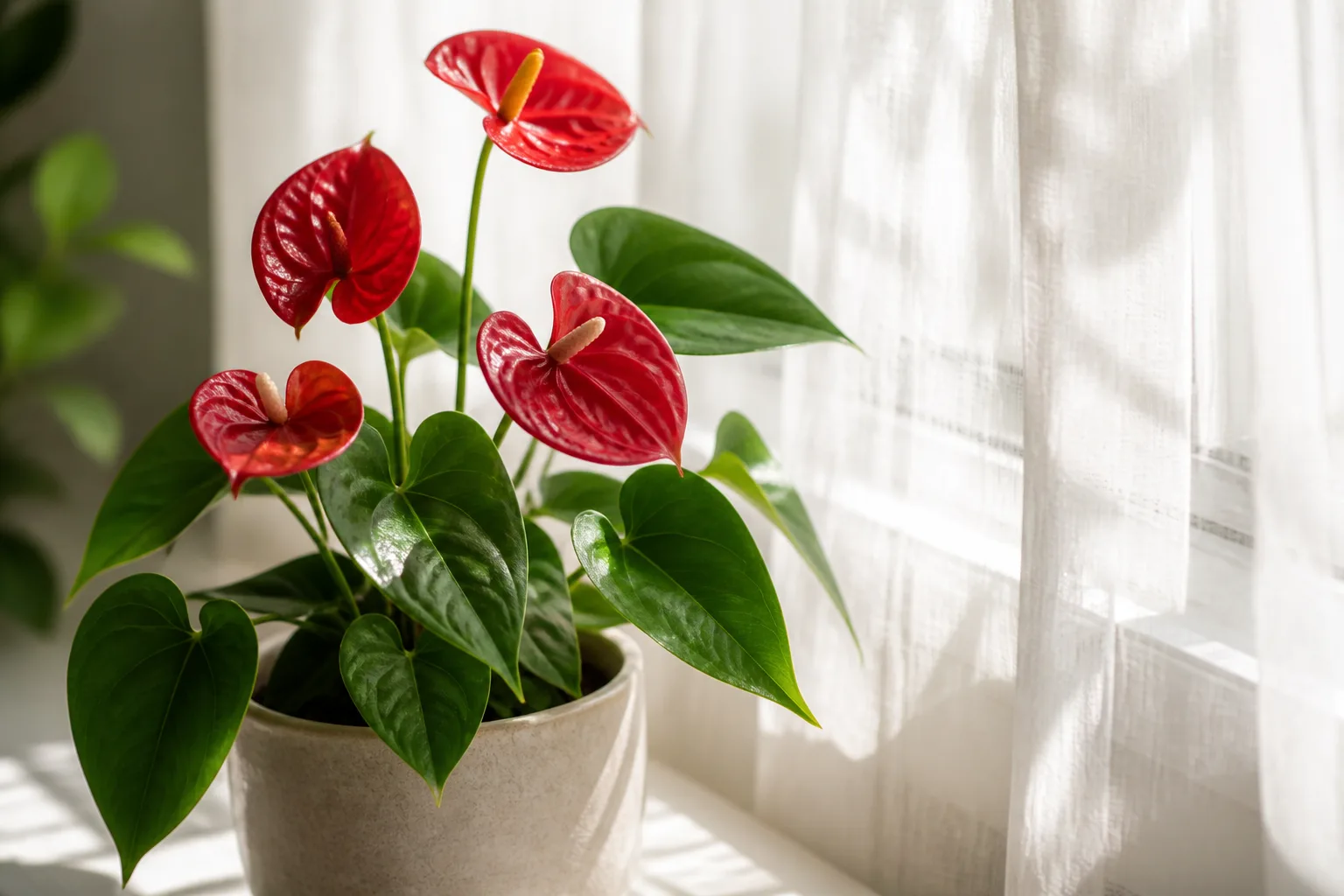
Indoors, a north window can work if the room is bright, but an east exposure or supplemental grow light usually produces more spikes. Low light is the most common reason houseplant crossandra stops blooming while still growing leaves. If spikes are sparse and internodes stretch, move the plant closer to the glass or add a full-spectrum fixture for 12–14 hours daily—see our grow lights guide for placement basics.
Outdoors, morning sun with afternoon protection mirrors its native understory. Deep shade yields foliage without flowers; harsh midday sun on a patio can crisp leaf edges in arid climates.
Soil, Water, and the Warm-Water Rule
Crossandra is drought-intolerant but also sensitive to soggy roots. The goal is evenly moist, airy soil—not a swamp and not a desert.
Soil pH and Potting Mix
NC State classifies crossandra as an acid-loving plant with preferred soil pH below 6.0. (NC State Extension) In the ground, work peat, compost, or leaf mold into loamy soil before planting. In pots, use a peat-based potting mix with perlite for drainage. Avoid heavy garden soil in containers; it compacts and invites root rot.
If a soil test shows neutral or alkaline pH, amend with organic matter and consider an acid-forming fertilizer rather than lime. Crossandra in the wrong pH range often shows pale leaves and weak flowering even when watering is correct.
Watering Rhythm Indoors vs Outdoors
Outdoors in summer, water when the top inch of soil feels dry, then soak until water runs from drainage holes. In hot weather, container plants on patios may need water every day or two. Reduce frequency in cool, cloudy weather.
Indoors, use the same finger test, but pay equal attention to water temperature. Both NC State and UF/IFAS stress warm or room-temperature water. Cold tap water can shock tropical roots, producing dark, discolored leaves and sudden decline—a failure mode many generic houseplant guides skip. Fill a watering can and let it sit overnight, or mix hot and cold to reach room temperature before you pour.
Letting the soil go completely dry causes wilting and bud drop. Keeping the pot in standing water causes yellow lower leaves and root rot. A porous clay or terracotta pot helps the root zone breathe; pair it with a saucer you empty after each watering.
Temperature and Humidity Needs
Crossandra thrives in warm, humid air similar to its native monsoon climate. Daytime temperatures around 70–75°F support the steadiest growth. Below 55°F, expect leaf drop and stalled blooms; frost kills the plant outright.
Humidity matters indoors, especially when heating systems dry winter air. NC State recommends setting the pot on a tray of pebbles and water with the pot base above the waterline—not sitting in water. (NC State Extension) Our DIY pebble tray guide walks through setup.
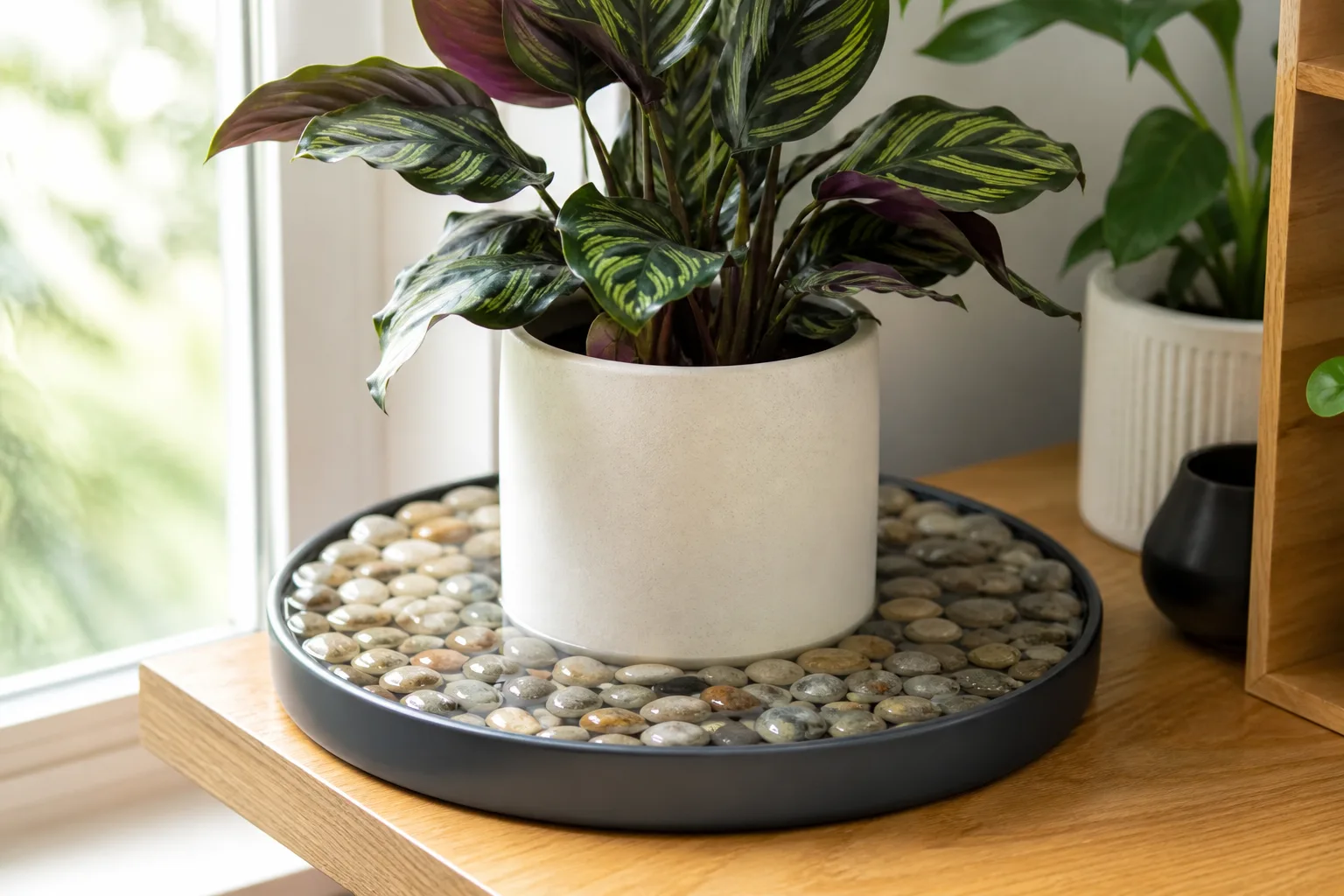
Grouping crossandra with other tropicals, running a humidifier, or misting lightly in the morning can also help, though misting alone rarely fixes a dry furnace room.
Avoid cold drafts from AC vents, single-pane winter glass, and frequently opened doors. If leaves blacken at the margins in winter, move the pot inward from the window at night or add a sheer curtain.
Popular Cultivars Worth Growing
Nearly all garden-center crossandra is C. infundibuliformis (sometimes listed as C. undulifolia—a synonym in trade). Color differences come from named cultivars:
| Cultivar | Flower color | Notes |
|---|---|---|
| ’Orange Marmalade’ | Bright orange | Strong bloomer; can flower year-round indoors |
| ’Florida Sunset’ | Orange | Landscape favorite in Florida beds |
| ’Lutea’ | Golden yellow | Blooms until first frost outdoors |
| ’Mona Wallhead’ | Salmon-pink | Compact, 12–18 in.; useful for small pots |
When you propagate from cuttings, label pots—cultivar traits do not come true from seed, and seed-grown plants may vary in color intensity.
Planting Crossandra Outdoors
Wait until night temperatures stay above 55°F before planting outdoors in spring. In zones 9–11, you can plant in beds or containers in partial shade with rich, well-drained soil amended with organic matter.
Spacing: Allow 12–18 inches between plants so air circulates; crowded crossandra in humid summers can develop leaf spots. Mulch lightly to retain moisture, keeping mulch off the crown.
Companion plants that share similar light and moisture needs include impatiens, coleus, caladiums, and begonias in shade borders. Crossandra adds vertical flower spikes where mounding annuals fill the foreground.
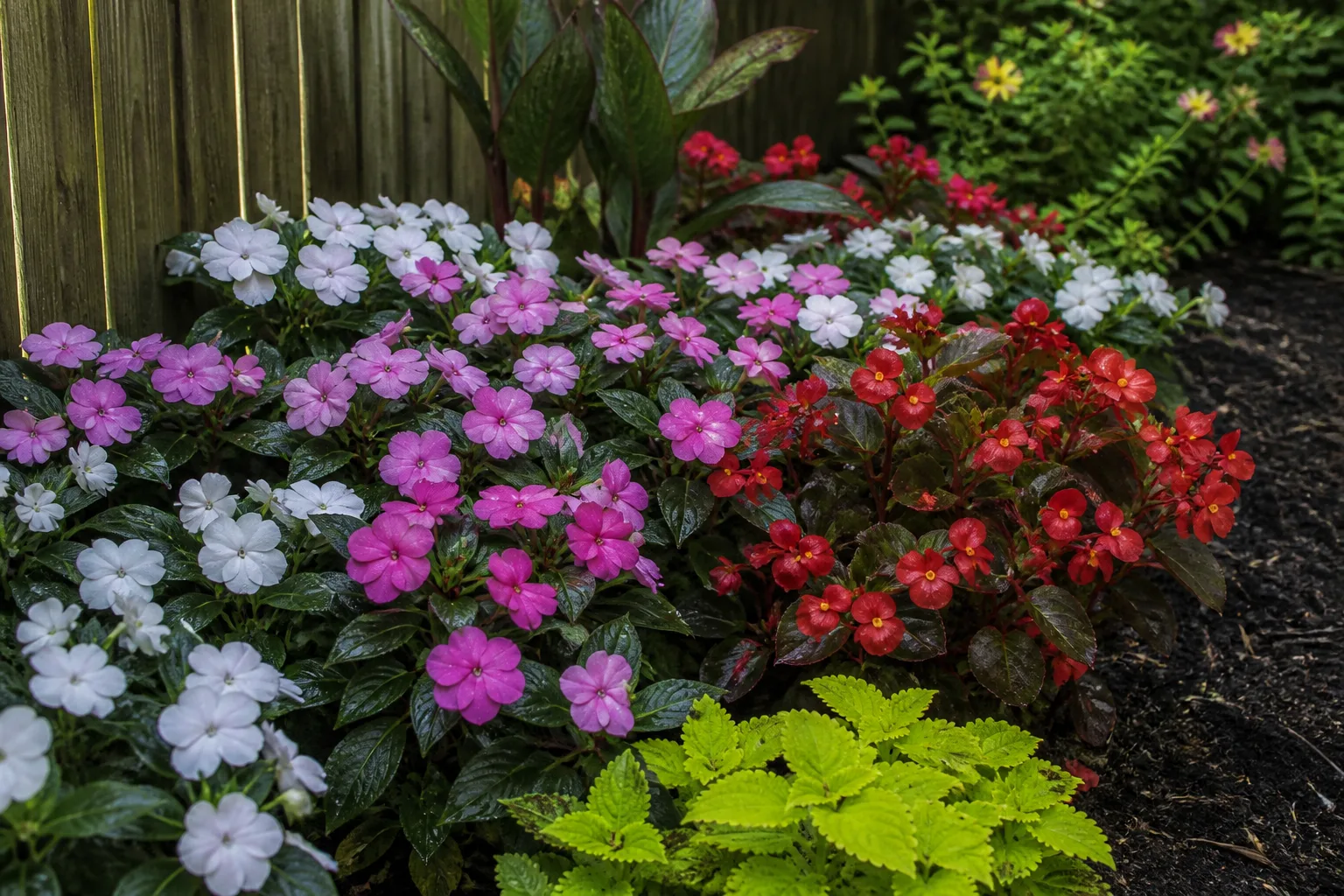
In cooler zones, grow crossandra in containers you can move. That is often more practical than planting in ground you will abandon after the first frost.
Growing Crossandra Indoors
Indoor crossandra behaves like a long-blooming gift plant that can become a permanent resident if you respect its tropical habits.
Window placement: East is ideal; south or west works with sheer curtains. Rotate the pot a quarter turn weekly so spikes do not lean hard toward the glass.
Containers: Choose a pot 1–2 inches wider than the root ball with drainage holes. Crossandra tolerates being slightly root-bound and blooms well in a snug pot—do not upsize aggressively.
Winter indoors: Growth slows and bloom may pause even with good care. Reduce watering slightly—soil should stay lightly moist, not saturated—and cut fertilizer back. Provide the brightest spot you have. For broader winter routines, see winter houseplant care.
Bloom expectations: With strong light and warmth, cultivars like ‘Orange Marmalade’ can flower through much of the year indoors. Without adequate light, the plant becomes a handsome foliage specimen until you improve conditions or move it outdoors for summer.
Fertilizing for Steady Blooms
Crossandra is a moderate feeder during active growth. UF/IFAS recommends a balanced fertilizer monthly in spring and summer, then every eight weeks in fall and winter for plants that stay in growth. (UF/IFAS Gardening Solutions)
Indoors, a half-strength liquid fertilizer every two to three weeks from spring through early fall matches how fast container plants use nutrients. Southern Living suggests feeding every three to four weeks during the growing season and cutting back in winter—roughly half the summer rate. (Southern Living)
Rules of thumb:
- Feed only when soil is moist and the plant is actively growing.
- Skip fertilizer on a stressed, wilted, or cold-shocked plant.
- Pale leaves with green veins may indicate iron deficiency in alkaline soil—fix pH before piling on more fertilizer.
- Salt buildup on pot rims means you are feeding too heavily; flush the soil with warm water and reduce concentration.
Pruning, Deadheading, and Seed Pod Control
Crossandra does not demand heavy pruning, but regular grooming extends the show.
Deadheading: Pinch or snip faded flower spikes just above a leaf node. This redirects energy into new buds instead of seed production. Spent spikes look messy and trigger the exploding seed pods that earned the firecracker nickname.
Spring cutback (perennials outdoors): In zone 9–11, trim leggy or frost-damaged stems in early spring before new growth starts. Remove no more than one-third of the plant at once.
Shape: Pinch soft tips on young plants to encourage bushiness. Mature indoor plants rarely need structural pruning unless they stretch toward a weak light source.
Propagating Crossandra from Cuttings
Stem cuttings are the fastest, most reliable way to copy a cultivar. Take cuttings in early spring when growth resumes.
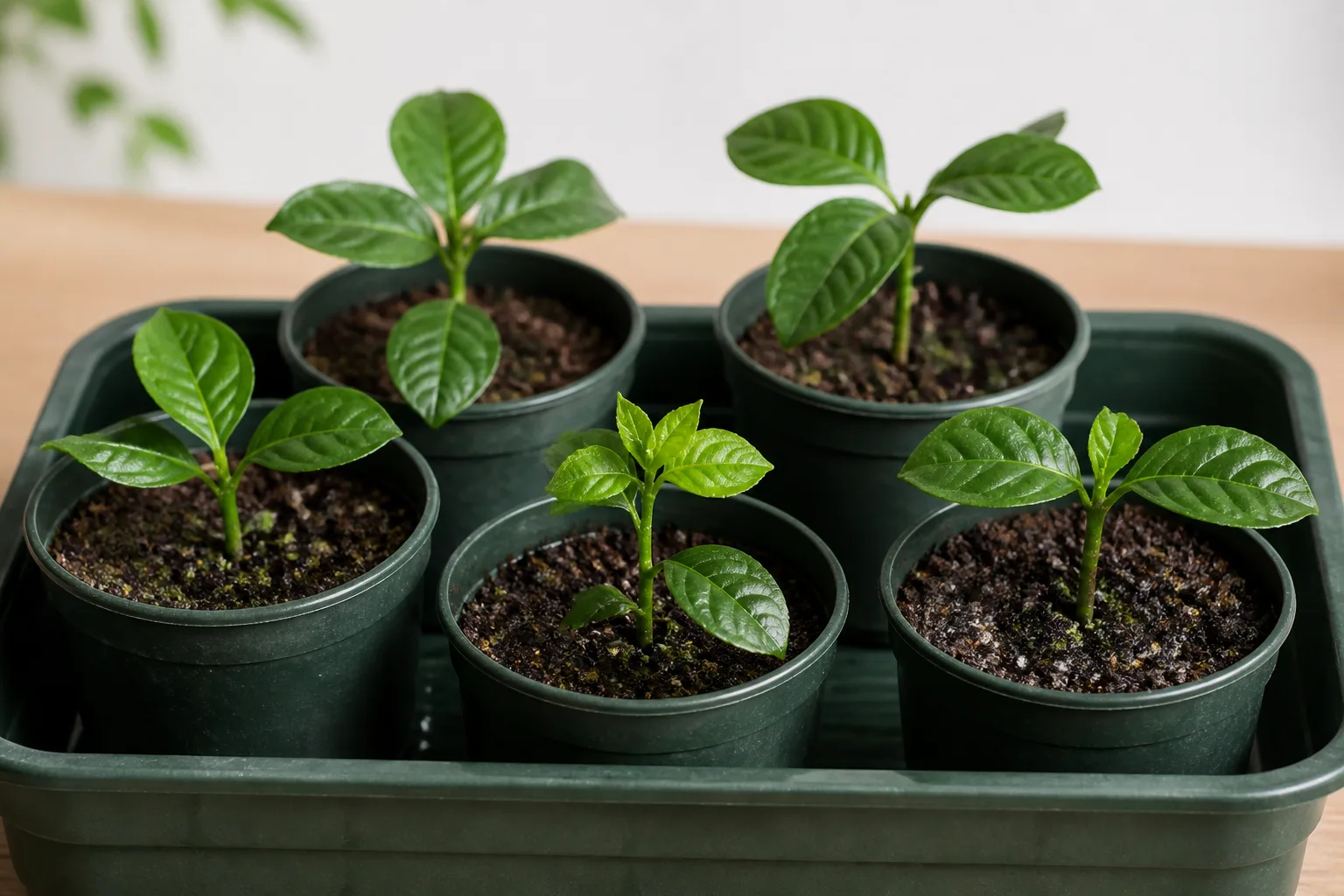
- Choose a healthy stem with several nodes. Cut 3–4 inches just below a node with clean shears.
- Remove all but the top one or two leaf pairs.
- Dip the cut end in rooting hormone (optional but helpful).
- Insert into moist seed-starting mix in a small pot. Firm gently.
- Cover with a clear bag or dome to hold humidity. Place on a heat mat set around 75–80°F if your room is cool.
- Mist the soil surface when it dries on top. Roots and new leaves usually appear in two to three weeks.
- Remove the cover gradually, then pot individually once roots resist a gentle tug. Harden off before moving outdoors.
Cuttings root faster with bottom warmth and bright indirect light—not direct sun, which cooks enclosed cuttings. If you propagate to expand a bed, start enough cuttings in late winter so plants are blooming by mid-summer.
Starting Crossandra from Seed
Seed propagation is slower but inexpensive. Blooms typically appear about four months after germination, so start indoors in late winter for spring plants.
- Fill a seed tray with fine, moist seed-starting mix.
- Press seeds onto the surface and cover lightly with mix or vermiculite.
- Mist gently; cover the tray to retain humidity.
- Keep soil warm—around 80°F—using a heat mat. Germination often takes 7–10 days.
- Grow seedlings under bright light. Transplant into individual pots when they have two to three true leaves.
- Move outdoors only after nights stay above 55°F.
Seed-grown plants may differ in flower color from the parent. For predictable ‘Orange Marmalade’ or ‘Mona Wallhead’ color, stick with cuttings.
Repotting and Transplant Shock
Crossandra dislikes unnecessary disturbance. It can bloom well root-bound for several years, and UF/IFAS describes it as slow growing despite NC State’s “rapid” label in ideal heat—expect modest indoor expansion.
When to repot: Roots circling the drainage holes, soil that dries within hours, or obvious decline despite good care. Otherwise, every two to three years in spring is enough.
How to minimize shock:
- Water thoroughly 24 hours before repotting.
- Move up only one pot size (about 2 inches wider).
- Use fresh, acidic potting mix with perlite.
- Water lightly after repotting and keep the plant in the same bright spot—no new stress from relocation.
- Hold fertilizer for three to four weeks while roots settle.
If the plant wilts after repotting, increase humidity and shade slightly for a week. Do not drown it with extra water—that worsens rot.
Overwintering Crossandra
In frost-free zones, outdoor crossandra needs little beyond reduced feeding and occasional grooming. Elsewhere, move containers indoors before the first frost or treat the plant as a disposable annual.
Indoor overwintering checklist:
- Inspect for pests before bringing inside; rinse foliage if needed.
- Place in the brightest cool room you can offer—growth slows below ideal warmth but should not freeze.
- Reduce watering; aim for lightly moist soil.
- Expect fewer flowers until days lengthen; some cultivars rest visibly.
- Resume regular feeding when you see new spring growth.
- In spring, trim dead stems and repot only if truly root-bound.
If you lack bright winter space, taking cuttings in fall and growing small replacements under lights often outperforms dragging a large leggy plant through December.
Pests, Diseases, and Troubleshooting
Crossandra is relatively pest-resistant when healthy. Stress invites trouble.
Common pests: Mealybugs, aphids, spider mites, and whitefly—especially on indoor plants. Start with a shower rinse or insecticidal soap on leaf undersides. Isolate infested pots until clear.
Diseases: Overwatering drives root rot (yellow lower leaves, mushy stems, sour soil). Improve drainage, repot into fresh mix, and trim black roots. Powdery mildew and Botrytis appear in cool, humid, stagnant air—increase airflow and avoid wetting flowers at night.
| Symptom | Likely cause | First fix |
|---|---|---|
| Yellow lower leaves, soggy soil | Overwatering / root rot | Let soil dry slightly; check drainage; repot if roots are black |
| Wilting with dry soil | Underwatering | Soak pot; adjust schedule |
| Bud and flower drop | Overwatering, cold drafts, or sudden dry spell | Stabilize moisture; move from AC vent |
| Dark, discolored leaves | Cold water or cold exposure | Use room-temperature water; warm the room |
| Few or no blooms | Low light | Move to brighter window or add grow light |
| Leggy stems | Insufficient light | Brighten site; pinch tips after moving |
Rain outdoors can spot and shorten flower life—another reason covered patios shine in wet climates.
Conclusion
Crossandra rewards gardeners who treat it like the tropical bloomer it is: warm roots, warm water, bright indirect light, and steady humidity. Outdoors in zones 9–11 it is a long-season perennial with pollinator value; farther north it shines as a container annual or a colorful houseplant that can bloom for months when light is strong.
Master the top-inch dry test, deadhead before seed pods pop, and propagate favorite cultivars from spring cuttings so you are never hunting garden centers for another salmon-orange spike. Get those basics right and the firecracker flower lives up to its name—without the surprise of seeds ricocheting off your windowsill.