Downsizing During Empty Nest: A Practical Guide
Downsizing during empty nest? Learn when to move, how to declutter, edit your plant collection, audit apartment light, and design greenery in a smaller home.
The hallway that used to fill with backpacks goes quiet. Bedrooms sit clean for weeks. You realize you are heating, insuring, and mowing square footage that nobody walks through anymore. Downsizing during empty nest is not a failure of the family chapter you just finished—it is a practical reset for the one opening now, whether that means staying put and editing what you own or trading a four-bedroom suburban house for a two-bedroom condo downtown.
Apartment living after decades in a house feels strange at first. Many empty nesters have not lived in a multi-unit building since college or early career years. The surprise is how quickly a smaller, well-chosen space can feel liberating once the edit is honest: less maintenance, more walkable mornings, and room to travel without guilt about an empty yard. The goal of this guide is not minimalism theater. It is to help you decide what to keep—including the plants that matter—so your next address supports the life you are actually living.
Why the Empty Nest Changes What You Need From Home
Family homes are built around peak occupancy: extra bedrooms, a dining table for holidays, a garage full of sports gear, and a yard sized for childhood summers. When daily life shrinks to one or two adults, those spaces stop feeling generous and start feeling like unpaid labor. Downsizing is less about chasing trendy small-space aesthetics and more about matching housing to maintenance appetite, budget, and how often your kids actually visit.
That shift is emotional as well as logistical. A house can feel hollow after the noise leaves, even when you are proud of where your children landed. Editing possessions and square footage is one way to stop living inside the memory layout of a full nest and start building a home that fits today.
Signs Your Current House Is Oversized for This Chapter
You do not need a dramatic trigger to consider moving. Several quiet signals usually appear together before anyone says the word downsize out loud. Maintenance tasks you once delegated to weekend family labor now eat entire Saturdays. You heat or cool rooms that stay closed for months. Guest bedrooms become junk archives because “someone might need it someday.” Travel plans get delayed because pet care, lawn schedules, or house-sitting feel heavier than the trip is worth.
Plant people notice a parallel signal outdoors: perennial beds and raised rows that were fun when everyone helped weed become solo chores. If your garden identity is shifting from feeding a household to feeding your own curiosity, a balcony herb rail or sunny window ledge may deliver more joy per hour than a quarter-acre you resent in August.
Apartment and Condo Living After Decades in a House
Condos and apartments reward different skills than suburban houses. You trade private yard access for shared walls, elevator logistics, and HOA rules—but you also trade snow shoveling, gutter cleaning, and weekend mower noise for a superintendent and a front desk that accepts packages while you are away. For empty nesters who want urban walkability or lock-and-leave travel, that trade is the whole point.
The adjustment is real. Storage is vertical, not sprawling. Renovations require permission. Neighbors hear your television. Soundproofing and layout matter more than square footage on paper. The win comes when every chosen square foot earns its place: a guest room that doubles as an office, a dining nook that hosts four comfortably instead of twelve rarely, and plant displays that use height because width is scarce.
What Actually Improves When Square Footage Shrinks
Less space forces decisions, which sounds harsh until you experience the relief. Countertops stay clearer when there is nowhere to stash “later” piles. Closets stop growing mystery categories when each item must fit a defined zone. Many empty nesters report spending more time outside the home—coffee shops, trails, museums—because the apartment is a launch pad, not a campus.
For plants, smaller indoor footprints can improve care quality. You notice wilt faster when everything is within eyeshot. Watering rounds take minutes instead of hours. The RHS guidance on planting design for small spaces emphasizes thinking in all directions—up, along, and through—rather than consigning greenery to corners. That mindset suits condos beautifully: shelving displays, railing planters, and one sculptural specimen often look more intentional than the scattered collection that filled a sunroom.
The Financial Tradeoffs Nobody Mentions at Open Houses
Open-house math is seductive in both directions. A downtown condo may cost more per square foot than a suburban mortgage while offering a locked-in rate you will not see again if you sell a low-interest house. Total monthly spend still matters more than the sticker shock of price per foot. Add HOA fees, parking, storage locker rent, and higher insurance in flood or wind zones, then subtract lawn service, pool chemicals, and the furnace filter aisle you no longer visit.
Empty nest downsizing is sometimes sold as automatic savings. Sometimes it is not. What it often buys is different: time, walkability, and a housing bill that matches two people instead of four. Run the comparison on total cost of ownership plus maintenance hours, not square footage alone, before you equate smaller with cheaper.
Higher Cost Per Square Foot Can Still Lower Total Stress
Paying more per foot for a well-located two-bedroom can make sense when it removes a commute, frees weekends, or puts you near healthcare and friends. The mistake is treating premium location as a lifestyle upgrade without auditing whether the building allows what you need—pets, grill rules, planter weight on balconies, and package rooms for plant deliveries while you travel.
If you are carrying a rare low mortgage, selling is a one-way door. Renting a smaller place for a year while you test neighborhood and building culture is a legitimate empty-nest strategy. So is staying in the family home but renting a travel apartment elsewhere for part of the year. Financial advice should be personalized; this guide’s job is to flag the tradeoffs so your plant and furniture plans do not outrun the lease you sign.
Decluttering Before You Choose an Address
Whether you move or not, decluttering before downsizing reduces decision fatigue later. Start with categories, not rooms: paperwork, kitchen duplicates, hobby gear, holiday decor, and furniture sized for a larger life. Empty nesters who skip this step often pay movers to transport items they discard six months after arrival.
Sentiment is not the enemy. Unexamined sentiment is. The goal is to keep objects that still function in your daily life or fit a defined memory zone—one bookcase of family photos, one trunk of heirlooms—not to spread emotion across every closet so nothing can leave.
The Usefulness-Over-Sentiment Sorting Rule
When you touch an item, ask two questions: Does this still get used? and If someone else opened this box after I am gone, would it help them or burden them? Useful heirlooms—a grandmother’s mixing bowls you bake with weekly—stay. Occasion-only china that has not left the cabinet in a decade is a prime donate or sell candidate unless you are certain a child wants it now, not theoretically.
Apply the same rule to plants. That struggling fiddle-leaf fig in a dim hallway is not a moral failure; it is a mismatch. Keeping it because you paid a lot five years ago is how apartments arrive overcrowded and underwatered. Our root-bound houseplants guide helps you decide when repotting saves a keeper versus when scale makes rehoming kinder.
Furniture That Will Not Fit a Smaller Floor Plan
Measure twice, fantasize once. Sectionals built for great rooms dwarf condo living areas. King beds may block closet doors in secondary bedrooms. Dining tables that seated twelve become hallway obstructions. Many empty nesters sell large pieces before move day and buy or rent appropriately scaled replacements after move-in, when wall lengths and outlet locations are real—not imagined from a floor plan PDF.
Murphy beds, nesting tables, and wall-mounted desks are clichés because they work. So do fewer, better lamps instead of ceiling-only lighting; see our grown-up apartment swap guide for layering light without renovation.
Downsizing Your Plant Collection Without Starting Over
A lifetime of gardening does not have to shrink to one sad succulent, but it probably should not clone a suburban jungle into 900 square feet either. Treat your collection like a curated exhibit: fewer specimens, each with a assigned light zone and care routine you can sustain while traveling.
Walk every room and label plants keeper, propagate-then-pass, rehome now, or compost. Keepers need a confirmed bright spot in the future floor plan. Propagate-then-pass plants—pothos, spider plants, succulents—let you keep genetics without keeping bulk. Rehome now covers oversized tropicals that will outgrow a standard ceiling in two seasons. Compost is for pests, chronic disease, or plants you have resent-watered for years.
Which Plants Survive a Smaller Indoor Life
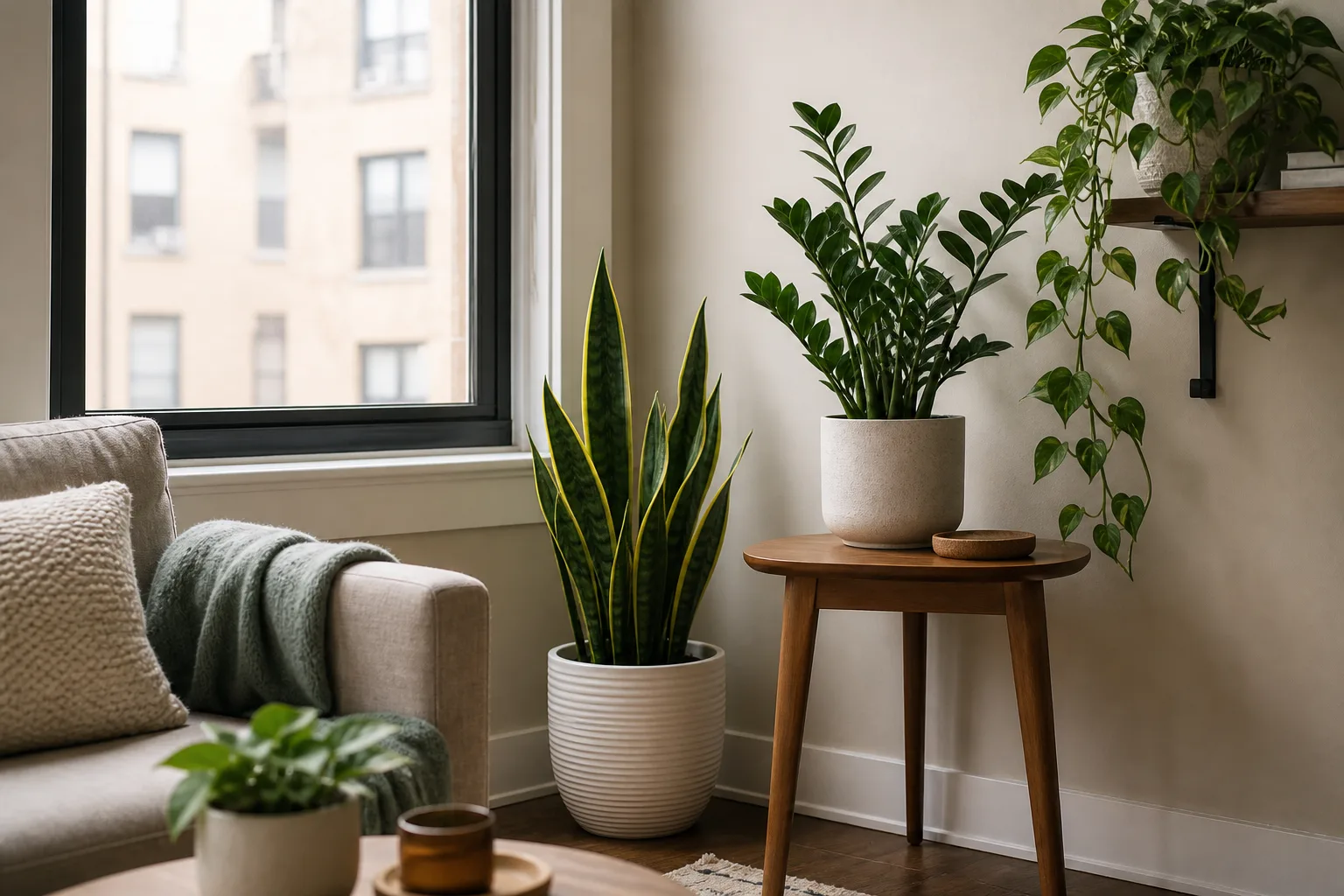
Small apartments favor forgiving, vertical, or slow-growing species. Epic Gardening’s small-space houseplant guidance highlights classics that tolerate variable light and missed waterings: snake plant, ZZ plant, pothos, spider plant, heartleaf philodendron, and compact Chinese evergreen cultivars. They are not boring defaults—they are load-bearing plants that stay attractive when life gets busy.
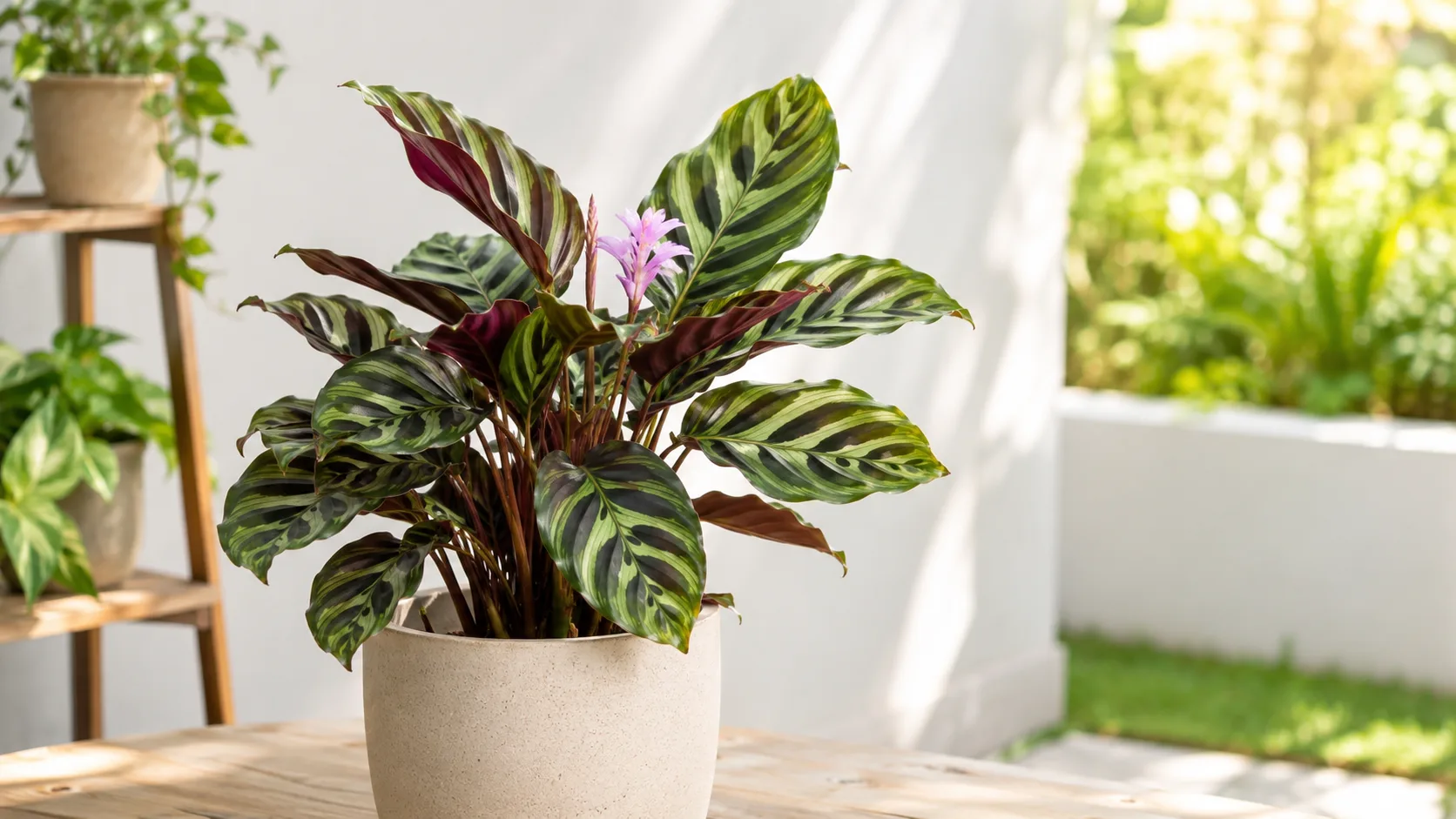
Match ambition to windows. North-facing units need our best low-light indoor plants short list. Bright south glass can host a single statement monstera or citrus if you commit to rotation and humidity; styling ideas live in decorating with monstera. Avoid collecting ten high-maintenance calatheas unless you enjoy daily misting more than weekend brunch.
Rehoming, Propagating, and Composting With Intention
Rehome through local plant swaps, community gardens, and neighborhood groups—never dump living plants curbside in cold weather. Take clean cuttings weeks before move day so new owners get established starts, not stressed mother plants. Document care notes; kindness scales.
Propagation is how you keep emotional continuity without keeping volume. Grandma’s pothos becomes three gifts and one trailing shelf plant. Compost diseased material responsibly; do not infect a community garden with scale you fought for two years.
Auditing Light Before You Sign a Lease

The most expensive plant mistake in downsizing is signing a lease with beautiful floors and inadequate glass. Visit candidate units at midday and late afternoon on a clear day. Photograph each window orientation. Note overhangs, neighboring towers, and tinted balcony doors that steal foot-candles.
Map zones: high light (within three feet of unobstructed south or west glass), medium (bright indirect all day), low (north or deeply recessed windows). Count how many keeper plants each zone supports. If your collection needs two high-light stations and the condo offers one, negotiate a different unit or edit the collection before move-in—not after your fiddle leaf drops leaves in protest.
Bring a simple light meter app or hardware meter for comparison between listings. Landlords rarely know exposure; you should.
Moving Houseplants Into a Condo or Apartment
Move week is not the time to repot everything into ceramic. Water two days before transport, not morning-of soggy soil. Group plants by fragility. Wrap tall stems to stakes. Pad pots in boxes with crumpled paper so shifts do not crack glaze. Label this side up on anything trailing.
Climate control matters more than you think. Summer van trunks cook leaves; winter truck beds freeze roots. Ride with the sensitive load or climate-control the cargo area. Unpack within 24 hours, place in final positions immediately, and expect two to four weeks of adjustment leaf drop even when you did everything right.
Packing, Transport, and First-Week Recovery
Sequence: prune dead material only; no heavy fertilizing until settled. Set plants in their mapped zones before hanging art—you will not move a 12-foot shelf later to chase ten more inches of light. Hold off buying new plants until routines stabilize; empty nest moves often trigger retail therapy that refills clutter you just eliminated.
For outdoor containers you cannot bring, harvest perennial divisions for friends, document varieties, and photograph bed layouts if you might replicate herbs on a balcony next season. Our quick-impact container garden playbook adapts to any month you land in a new place with sun and a railing.
Designing Greenery in a Smaller Footprint
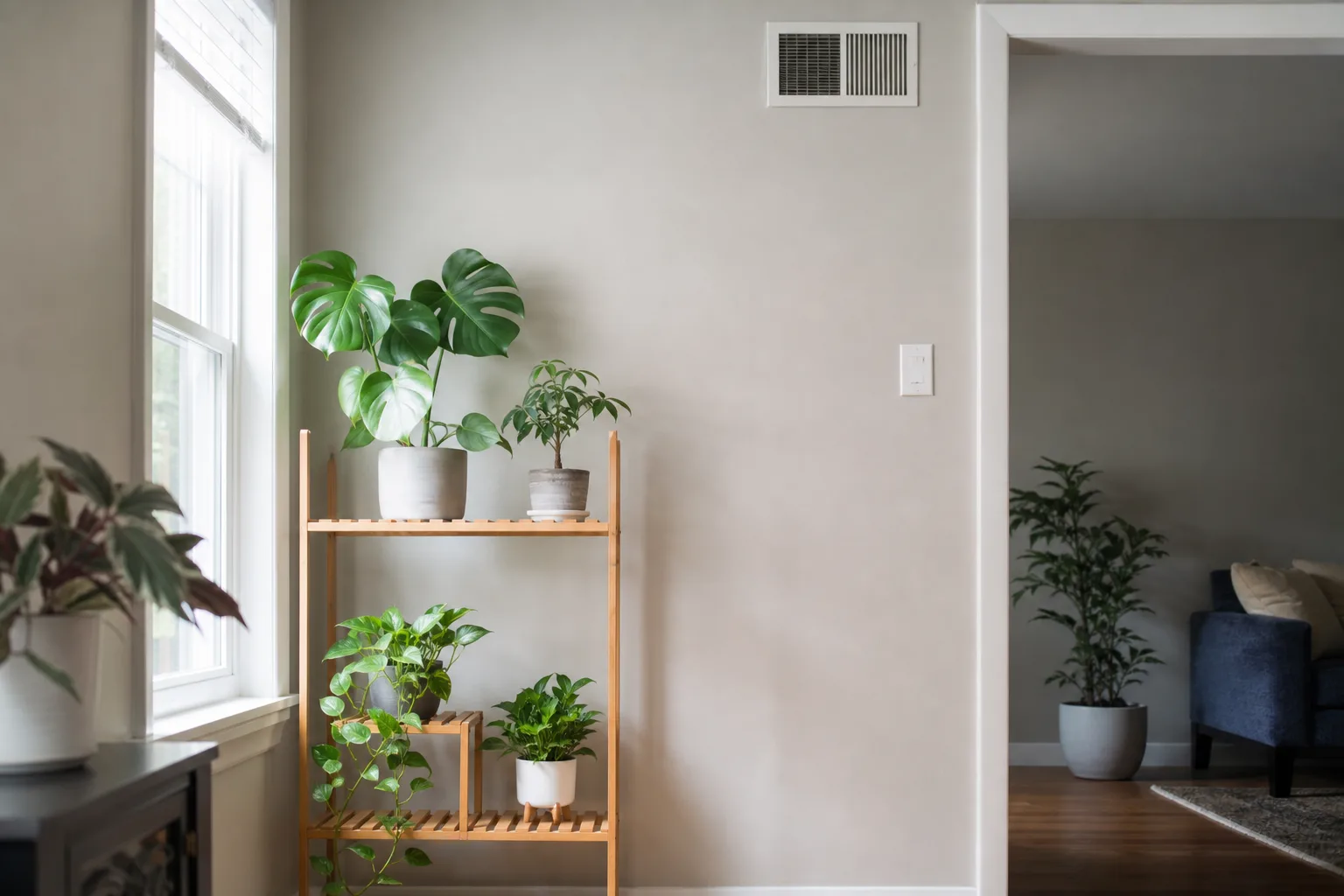
Once light is mapped, design vertically. The RHS recommends shelving, wall grids, and climbers to use surfaces beyond the floor—critical when a condo living room must host seating, dining, and plants without looking like a greenhouse aisle. Choose one hero plant at entry sightline height, then repeat smaller textures on staggered shelves rather than dotting identical pots at floor level.
Keep palettes cohesive: three pot finishes, two leaf shapes, one trailing element. Open shelving in kitchens can display the tableware you actually use daily—parallel to how display shelving shows the plants you truly love, not every propagation experiment.
Shelves, Vertical Gardens, and Balcony Railings


Interior shelving near windows beats dark corners every time. Use felt pads under saucers and trays to protect leases. For balconies, confirm weight limits and drip rules before installing railing planters; wind exposure demands tough plants. Our DIY vertical garden ideas guide covers drainage and load math that matter on elevated slabs.
Railing boxes suit herbs and trailing flowers when you cook more at home again. Deeper containers on the floor hold dwarf citrus or compact tomatoes if your microclimate gives six hours of direct sun. Start with one successful rail box before building a farm; empty nest time is precious—spend it enjoying plants, not fighting HOA violations.
A building storage locker can free indoor closet space for a cat litter zone, seasonal decor, or bulky potting supplies while keeping daily living areas calm. Many empty nesters initially reject storage, then find a small locker cheaper than renting an extra bedroom worth of apartment solely for boxes and soil bags.
When a Building Storage Unit Beats a Bigger Apartment
If purge is real but you still need holiday wreaths, camping gear, and a backup desk, a building storage unit often costs less than additional interior square footage. Use it for seasonally rotated items and bulky plant supplies—not for a shadow plant collection you avoid dealing with. Revisit locker contents yearly; storage fees are rent on procrastination.
The decision test: if something has been in storage for two years without use, it graduates to sell or donate. Plants do not belong in unlit lockers long term; this space is for pots, trellises, and soil—not photosynthesizing guilt.
Conclusion
Downsizing during empty nest is less about proving you can live with less and more about choosing what deserves your next chapter: the address, the hours, and the living things you tend. Apartment and condo living after a family house feels unfamiliar for a few months, then often feels like reclaiming time you spent maintaining rooms nobody used.
Start with honest signals that your current home overserves you. Run real math on total costs, not price per foot alone. Declutter with a usefulness filter that includes plants. Audit light before you lease. Move houseplants with climate care and patience. Design upward with shelves, balconies, and one or two statement plants instead of recreating every corner of the old sunroom.
The house that raised your family was right for that story. A smaller, intentional home—with greenery that fits the windows you actually have—can be the launch pad for everything that comes next.