25 Flowers for Allergy Sufferers: Lower-Pollen Picks
These 25 flowers rely mainly on insects rather than wind to move pollen. Compare options for shade, containers, borders, bouquets, and scent sensitivity.
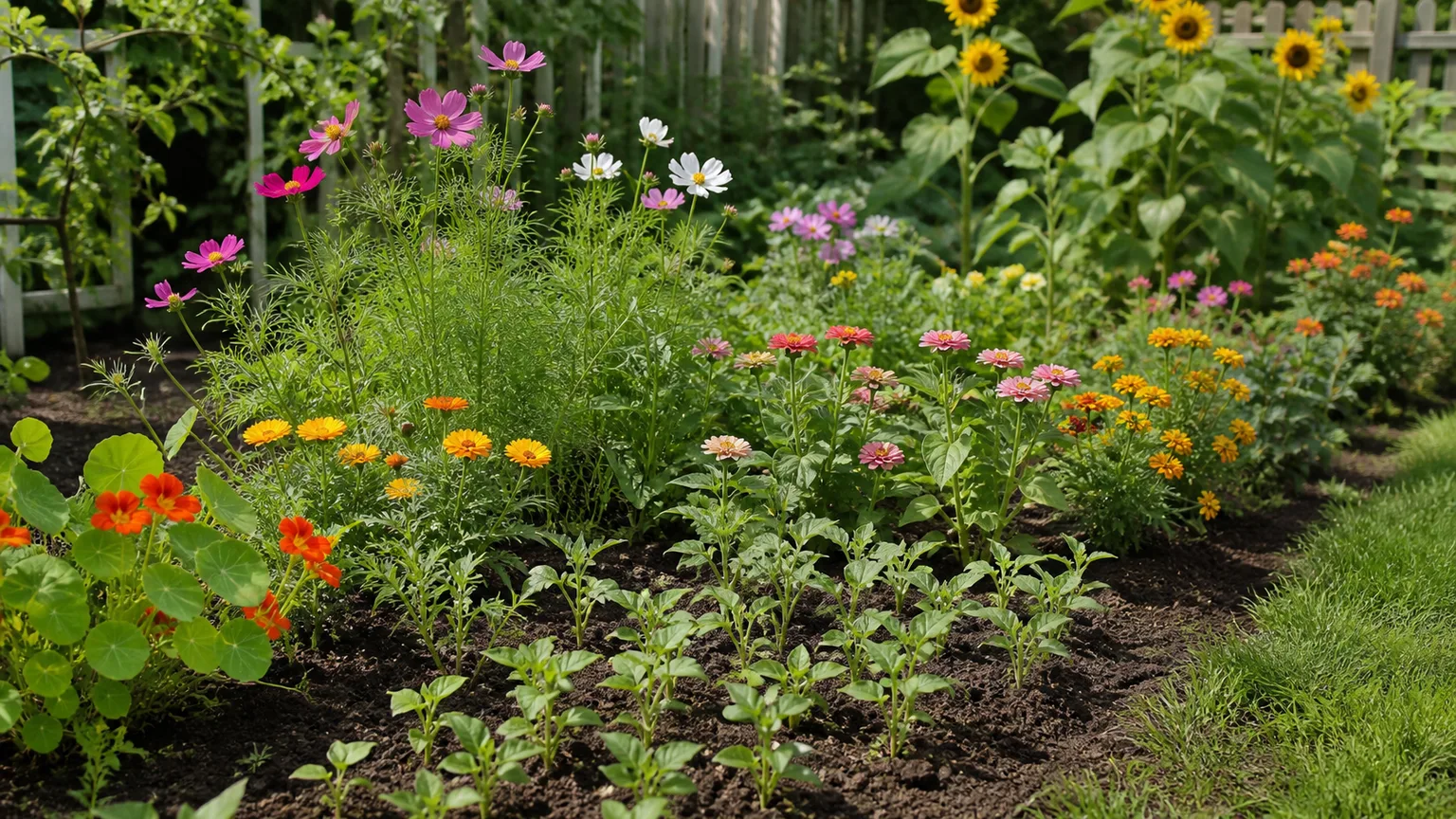
A colorful flower bed can be a reasonable starting point for someone with seasonal pollen allergies, but no flower list can guarantee a symptom-free garden. The useful distinction is how pollen travels: showy blooms that rely mainly on insects are generally less likely to release large clouds of pollen than wind-pollinated grasses, trees, and weeds. A particular plant can still bother a particular person, and strong fragrance, mold, direct contact, or nearby lawn pollen may be the real trigger.
That means the best flowers for allergy sufferers are not simply the ones with the prettiest petals. Choose plants that fit the person’s known triggers, keep strongly scented or pollen-heavy blooms away from doors and seating, and start with a small trial planting. The 25 options below are lower-airborne-pollen starting points, not medical guarantees; each has a practical caveat worth considering before it goes in the ground.
Start with pollen type, not color
Pollen has to move from one flower to another for plants to reproduce. Some plants outsource that job to wind and release fine, light pollen in quantity; others use insects or other animals, so pollen tends to be heavier or stickier and stays closer to the flower. The American Academy of Allergy, Asthma & Immunology (AAAAI) and the American College of Allergy, Asthma & Immunology (ACAAI) both describe showy, insect-pollinated flowers as generally less likely to trigger airborne seasonal symptoms than wind-pollinated plants. “Less likely” is the right standard. No flower is pollen-free simply because it has colorful petals.
Insect-pollinated blooms usually release less pollen into the air
Roses and other conspicuous flowers often attract bees, butterflies, birds, or other pollinators. Their pollen is carried from bloom to bloom rather than broadcast across a neighborhood, which makes these plants a sensible place to begin when designing a low-allergen border. The AAAAI’s allergy-friendly gardening guidance names several familiar garden flowers, including geraniums, hibiscus, iris, roses, and snapdragons; the ACAAI also includes azaleas, begonias, cacti, tulips, and zinnias among plants less likely to trigger allergies. Those lists are useful starting points, not a promise that any one gardener will tolerate every plant.
The difference matters most for exposure through the air. A bee-pollinated flower can still shed pollen when it is cut, shaken, deadheaded, or brought close to the face. Someone with a known allergy to a specific plant should follow their clinician’s advice even if that plant is generally considered lower risk for hay fever.
Pollen allergy, fragrance irritation, and contact reactions differ
Hay fever, or allergic rhinitis, is a response to airborne allergens such as pollen. It commonly causes sneezing, nasal congestion, a runny nose, or itchy and watery eyes, according to the ACAAI’s pollen-allergy guidance. A strong floral scent can also irritate someone’s nose or trigger headache or asthma symptoms without being the same process as a pollen allergy; touching sap, leaves, thorns, or cut stems can cause a separate skin reaction. The practical fix depends on which problem is happening, so don’t assume every reaction around flowers is proof that the pollen is the culprit.
If a particular bloom reliably causes symptoms, note the plant, time of day, weather, nearby lawn work, and whether the reaction began after smelling or touching it. That record can help an allergist identify a pollen trigger and can help you distinguish a pattern from coincidence. For severe, persistent, or breathing-related symptoms, ask a clinician rather than using a plant list to self-diagnose.
25 flowers that can be lower-airborne-pollen starting points
These are familiar ornamental plants with showy blooms or, in a few cases, attractive foliage and modest flowering. Their pollen is generally less likely to disperse widely than the pollen from ragweed or many grasses, but cultivar, local climate, how close you garden, and your personal sensitivity all matter. Think of each as a candidate to test, not a guarantee.
Flowering shrubs and bold blooms
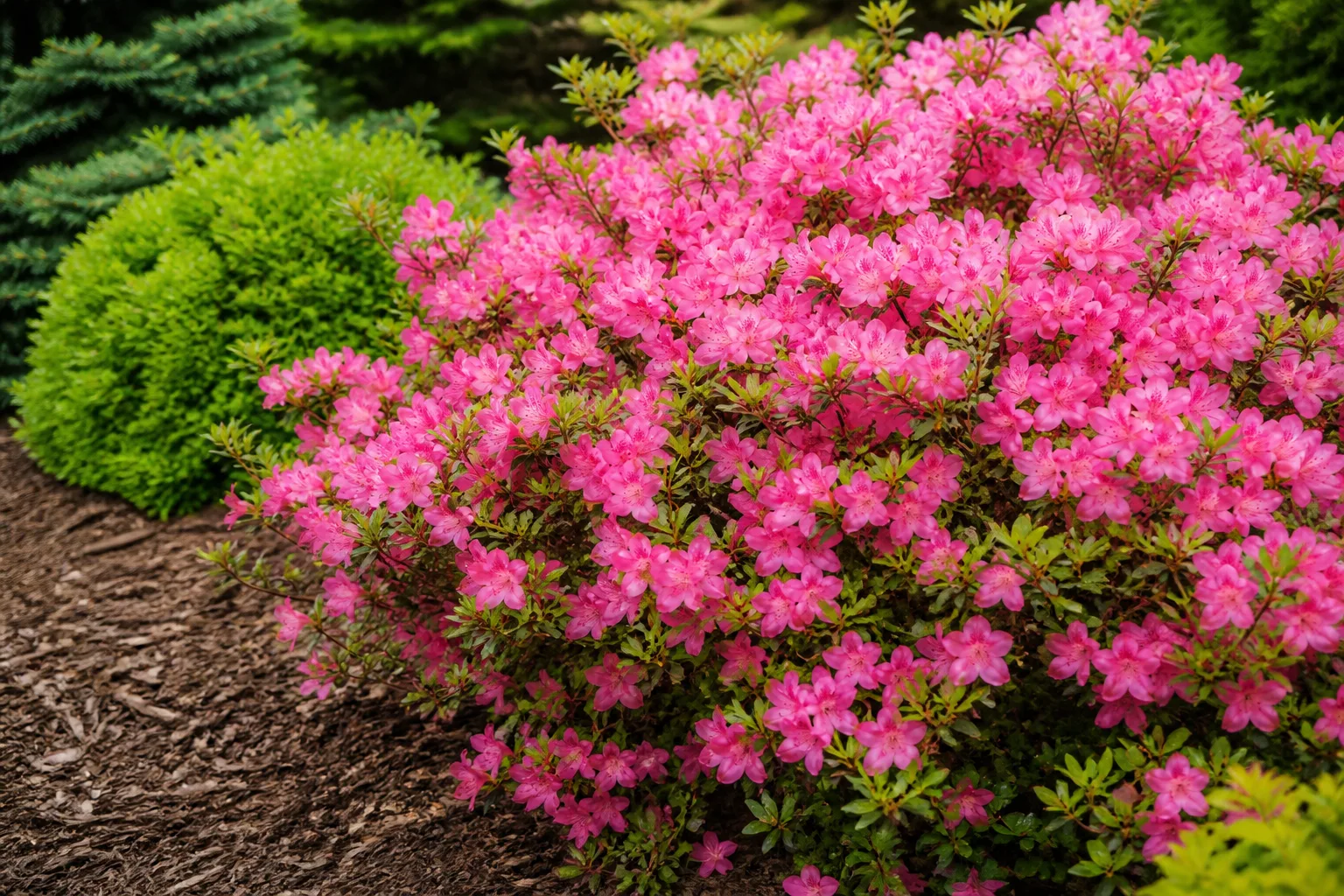
1. Azalea. A spring azalea brings a strong burst of color to a partly shaded bed and depends on pollinators rather than wind for pollen transfer. Choose a site with the acidic, well-drained soil azaleas prefer, and avoid placing a large shrub immediately beside a frequently opened window if you are still learning your triggers.
2. Bougainvillea. In warm climates, bougainvillea supplies color with papery bracts surrounding small true flowers. It is often grown in a sunny container or trained against a support; the branches can be thorny, so give it room where people brush past and use gloves for pruning.
3. Camellia. Camellias offer rose-like flowers when many other shrubs are quiet, often in fall or winter depending on species and climate. Their broad petals make them a useful choice for a sheltered, partly shaded spot, while good drainage and protection from harsh afternoon heat help the shrub stay healthy.
4. Hibiscus. Hardy and tropical hibiscus both produce large, noticeable flowers, but their climate needs differ: hardy types may survive winter outdoors in colder regions, while tropical hibiscus needs warmth or indoor protection. Use it as a statement plant away from a narrow walkway if the flowers attract many insects or if handling pollen is uncomfortable.
5. Hydrangea. Hydrangeas work well where a gardener wants a long season of leafy structure and large flower clusters. They are not all identical: sunlight, soil moisture, mature size, and flower form vary by species and cultivar, so pick the right hydrangea for the site instead of expecting the word “hydrangea” to guarantee a low-exposure result.
Shade plants and easy containers
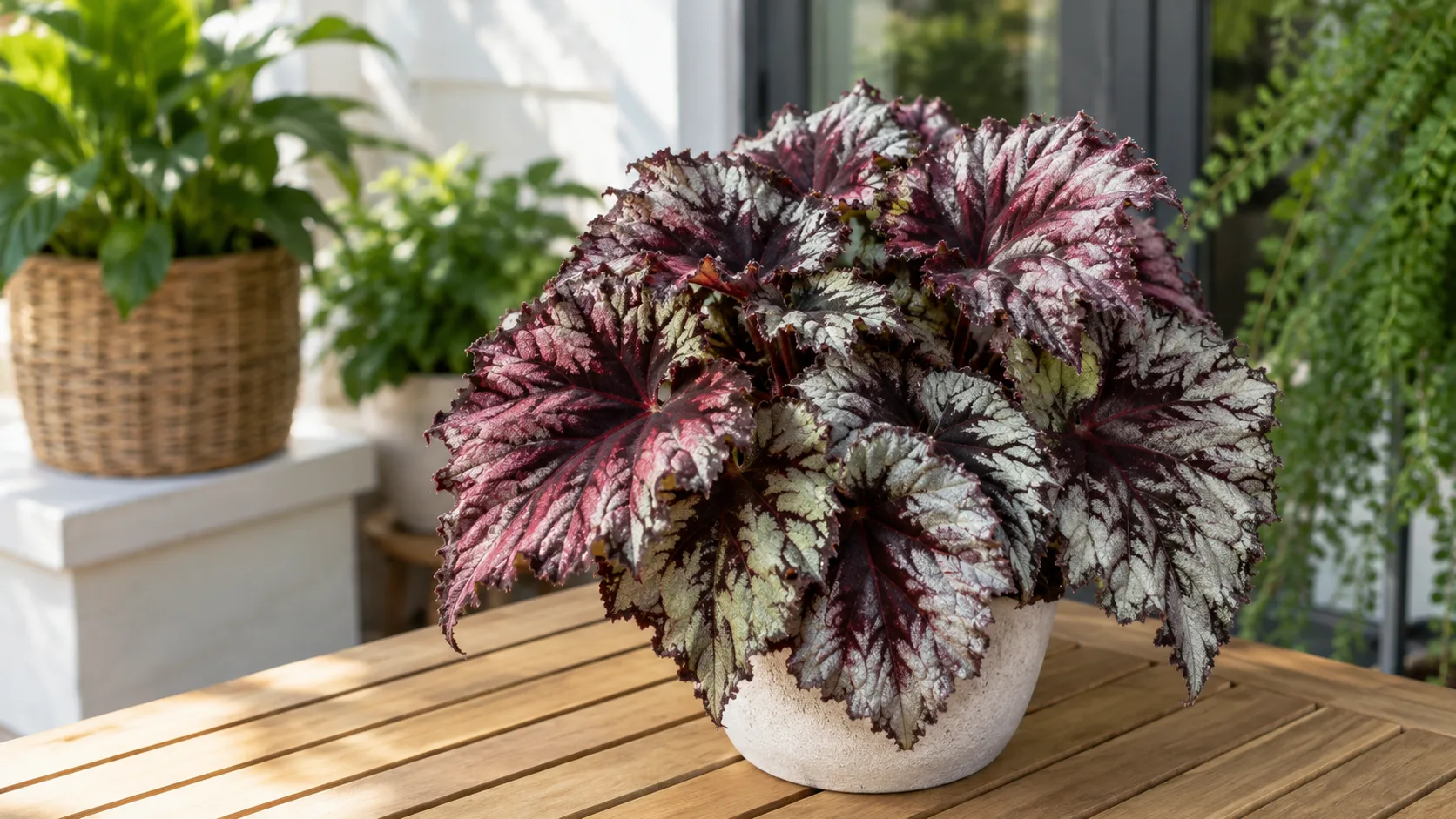
6. Begonia. Begonias are useful for shaded porches, window boxes, and containers, with many types grown as much for foliage as flowers. Their pollen is not typically carried on the wind in the way grass pollen is; choose a begonia for the light and humidity you can provide, since the genus includes very different forms.
7. Coleus. Coleus earns its place through patterned leaves rather than showy blooms. Pinching flower spikes is a normal way to keep plants bushy, and it also limits the time spent around a flowering plant; this is a practical foliage choice, not a way to remove pollen from the surrounding air.
8. Hosta. Hostas can brighten a shady border with large leaves, then send up flower stalks that attract pollinators. Gardeners who prefer foliage can remove the stalks before flowering, but there is no need to cut blooms solely because they exist if the person has no known sensitivity and the plant is not causing symptoms.
9. Impatiens. Impatiens bring reliable color to containers and shaded beds where many sun-loving annuals struggle. Select a cultivar suited to local disease pressure and keep plants spaced enough for air movement; a crowded, persistently wet pot can create mold or mildew concerns that have nothing to do with pollen.
10. Orchids. Many orchids are grown indoors, where their intricate flowers make an attractive display in bright indirect light. Their pollen is packaged differently from the loose clouds produced by wind-pollinated plants, but a scented orchid or a flowering plant kept close to someone who reacts to it may still be a poor fit.
11. Petunia. Petunias suit sunny containers and hanging baskets, and newer cultivars offer a wide range of colors and growth habits. Put pots where watering and deadheading are easy, but not directly beside a bedroom window if fragrance or close-up flower exposure is one of your known triggers.
12. Geranium. “Geranium” can mean a hardy cranesbill (Geranium) or the familiar annual bedding plant (Pelargonium), so check the label before buying. Both are commonly used in beds and containers; some people report skin irritation from handling foliage, which is a separate reason to wear gloves or choose another plant.
Pollinator-shaped flowers for beds and borders

13. Cactus. Flowering cacti can suit a sunny, dry bed or a pot, depending on the species. Their blooms are pollinated by animals such as insects, birds, or bats rather than relying on wind, but the plants’ spines are a handling hazard; choose a location where pruning and watering do not require close contact.
14. Clematis. Clematis vines can turn a fence or trellis into a vertical flower display, with the exact bloom season depending on the cultivar. Give the roots cool soil and the foliage suitable light, and train the vine where it will not snag clothing or force a person to reach through the blooms to maintain it.
15. Columbine. Columbine’s spurred flowers draw hummingbirds and insects, making it a natural fit for a partly sunny pollinator border. It often self-sows, so leave seedlings where they suit the design and remove extras before they spread; direct flower contact may still be uncomfortable for a sensitive gardener.
16. Iris. Bearded iris has large flowers that guide bees toward the bloom, while other irises have different forms and site preferences. Plant rhizomes in a sunny, well-drained place and avoid burying them deeply; the main planning issue is often proper drainage and division, not airborne pollen.
17. Phlox. Creeping phlox can cover a sunny slope, while tall garden phlox adds height and summer color. Cultivars vary in fragrance and mildew resistance, so choose based on the site and scent tolerance, and avoid packing tall plants tightly against doors or outdoor seating.
18. Sea thrift. Sea thrift (Armeria maritima) produces compact rounded flower heads on a low mound and fits sunny, sharply drained sites, including rock gardens. It is not a plant for a soggy border; leave enough room to see the flowers without leaning into a dense clump.
19. Snapdragon. Snapdragons have tubular blooms that visiting bees work their way into, which keeps most pollen associated with the flower. They can add spring or fall color where summers are hot, and compact cultivars can fit pots; deadhead with gloves if handling flowering stems is a trigger.
20. Verbena. Many garden verbenas flower for a long stretch in sunny containers or at the front of a border. Trailing varieties can spill over a pot edge, while upright types add height; choose mildew-resistant cultivars for humid conditions and keep containers away from a frequently used doorway if scent is a concern.
Bulbs, cut flowers, and cool-season color
21. Lilies. Lilies can have abundant visible pollen even though their showy flowers do not disperse it like a wind-pollinated grass. For an indoor arrangement, remove the anthers before they shed onto clothing or a table if the main issue is mess or close contact; this does not make a lily universally allergy-safe, and fragrance can be intense in some types.
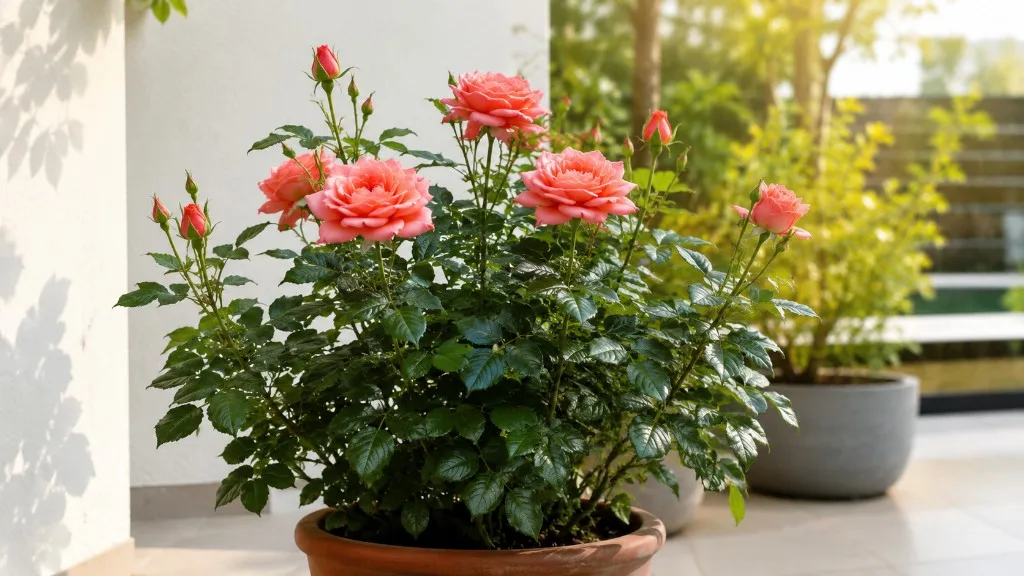
22. Roses. Roses are a widely available garden and cut-flower option, and the AAAAI includes them among flowers that usually cause fewer seasonal allergy problems because insects move their pollen. Densely petaled cultivars may keep pollen less exposed than single flowers, but a strong fragrance or direct handling can still bother some people.
23. Spring bulbs. Crocus, daffodils, hyacinths, and tulips provide early color before summer borders fill in. They are useful for extending bloom through the year, but hyacinths can be strongly scented indoors and some bulb sap can irritate skin; wear gloves when planting or arranging bulbs if contact is a concern.
24. Violas and pansies. Pansies and violas are compact, cool-season choices for pots, window boxes, and edging. They give color in spring and fall when many annuals slow down, and their small flowers are easy to keep away from close seating if a particular plant seems to cause a reaction.
25. Zinnia. Zinnias are straightforward warm-season annuals for sunny beds and cutting gardens, and allergy organizations list them among lower-likelihood choices. Their open flower heads invite pollinators and can produce visible pollen, so do not put a vase beside someone’s face just because the plant is considered a sensible garden candidate.
The table below is a quick way to match the shortlist to a site. These are broad garden-use cues, not hardiness or allergy guarantees; check the exact species and cultivar label for your region.
| Garden need | Flowers to consider | What to check first |
|---|---|---|
| Part shade | Azalea, begonia, camellia, hosta, impatiens | Soil acidity for azalea; moisture and mature size for shrubs |
| Sunny containers | Bougainvillea, hibiscus, petunia, verbena, zinnia | Heat, watering frequency, thorny stems, and winter protection |
| Vertical color | Clematis, snapdragon | Trellis support, cultivar pruning group, and reach for maintenance |
| Early-season color | Camellia, crocus, daffodil, hyacinth, tulip, pansy | Local bloom timing and fragrance indoors |
| Dry or rocky sites | Cactus, sea thrift, some irises | Drainage and climate hardiness |
How to design a garden around your actual triggers
A low-allergen garden is a layout decision as much as a plant list. Reduce exposure where it matters most—beside the home’s doors, windows, patio chairs, and paths—then put plants with intense scent, lots of visible pollen, or frequent deadheading farther from those areas. This approach can preserve a varied flower bed while lowering the chance that a bloom sits directly in a person’s breathing zone.
Put lower-exposure choices near the places you use most
Start with the route people use every day. Place a small number of showy, mostly insect-pollinated plants in containers or beds near the entrance, and avoid wind-pollinated ornamental grasses or prolific weeds right beside an open window, porch, or outdoor dining area. If a person has a confirmed trigger, distance is not a cure, but it can reduce direct contact and make the space easier to enjoy.
Keep lawn grass and weedy edges in the plan too. A flower bed may be thoughtfully selected and still sit beside a lawn that releases grass pollen, an unmanaged lot full of ragweed, or a compost pile with moldy material. If the household has severe symptoms, consider asking a local extension office about plant identification and an allergist about the pollen that matters for that person before replacing large areas of landscaping.
Use weather, pollen counts, and simple routines to limit exposure
Check a local pollen report before longer gardening sessions. The AAAAI’s National Allergy Bureau shares counts from certified stations, but an overall count does not always show the concentration of the exact pollen that affects one person. If testing has identified a trigger, pay attention to that allergen and its local season, not only to a general “high pollen” label. The CDC notes that pollen type and amount vary by region and season, and changing weather can shift when pollen appears.
Pollen often travels more in hot, dry, windy weather, while rain and calm conditions can temporarily reduce airborne exposure, the AAAAI explains. A brief thunderstorm may increase pollen counts, so the ACAAI cautions against assuming every rainy forecast makes outdoor work easier. If possible, garden when the relevant count and conditions are favorable, wear a mask or other protection recommended by an allergist, keep hands away from eyes, and wash up after working outdoors.
When you come inside, change clothes, rinse off, and wash your hair if pollen has collected on it. Keep gloves and garden shoes near the door, and avoid carrying freshly cut stems through bedrooms. These habits cannot remove every allergen, but they limit how much outdoor material follows you into the home. The ACAAI also recommends checking local pollen conditions, taking prescribed allergy medicine as directed, and discussing individualized strategies with an allergist.
Flowers and plants to approach more carefully
“Worst flowers for allergies” is an oversimplification because allergy risk depends on the pollen a person reacts to, how a plant pollinates, when it blooms, and how closely someone handles it. The more useful caution list is about common airborne pollen sources and high-exposure situations. Avoiding every colorful flower is neither necessary nor realistic for most gardeners.
Wind-pollinated weeds and grasses are the bigger hay-fever concern
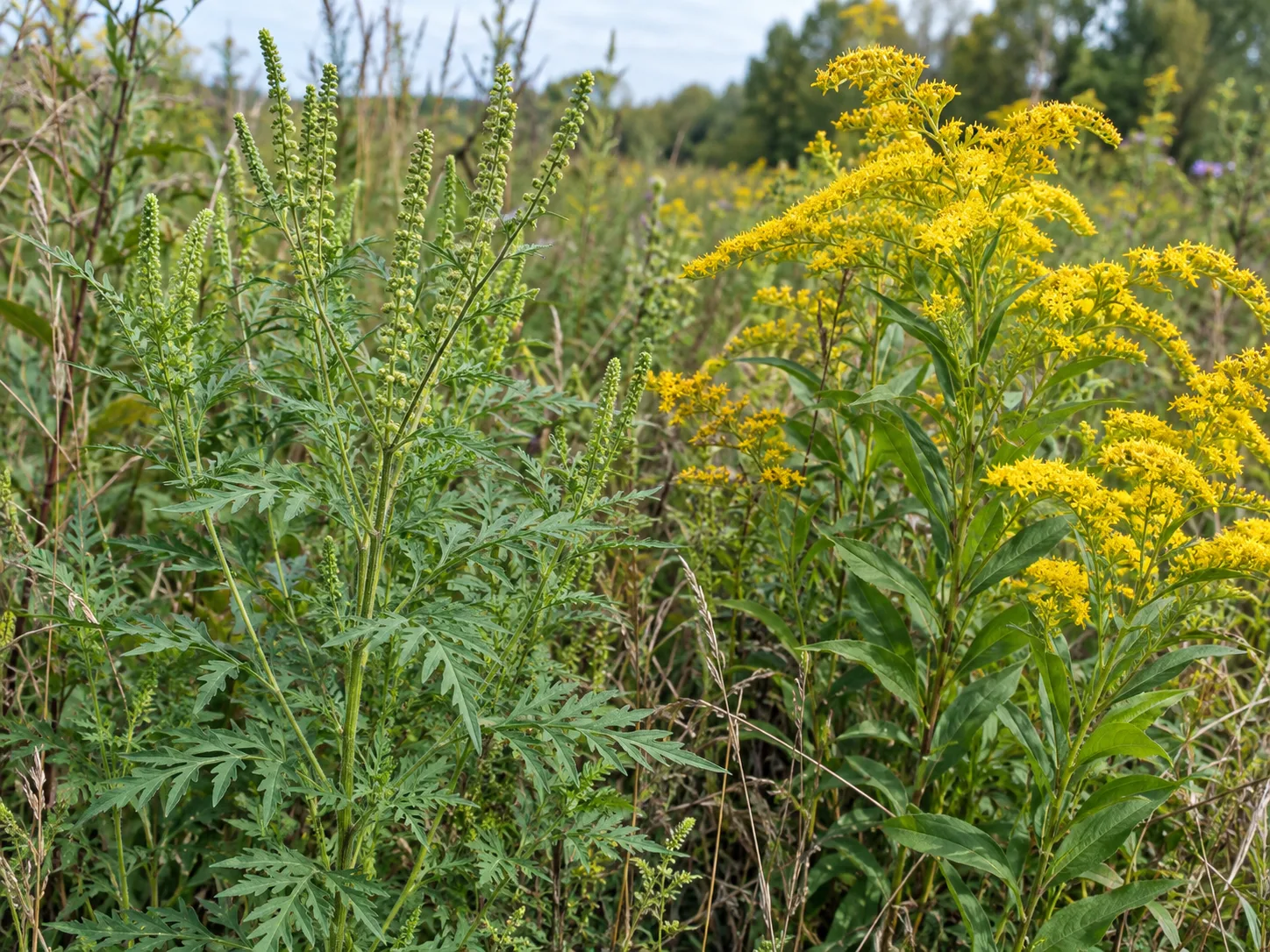
The ACAAI identifies trees, grasses, and weeds as common sources of pollen that is light enough to travel easily through the air. In the United States, examples include ragweed and mugwort in late summer and fall, and grasses such as ryegrass, timothy, and Bermuda grass in spring or early summer, with timing varying by location. The AAAAI likewise lists several wind-pollinated trees and grasses among higher-allergen plants.
Ornamental grasses can be a problem for someone sensitive to grass pollen, especially when flower heads are shedding and wind carries pollen toward a patio or open window. Ragweed is a more meaningful late-season concern than a showy garden flower that happens to bloom at the same time. A daisy-family label alone does not tell you whether a plant will trigger symptoms: AAAAI and ACAAI gardening lists include some daisies, sunflowers, dahlias, and zinnias as lower-likelihood garden choices. If a specific flower has caused symptoms before, trust that experience and medical advice over a general family-level rule.
Fragrance, visible pollen, and handling can still matter
Even a lower-airborne-pollen plant may be a poor choice directly under a bedroom window if its fragrance is intense. Hyacinth, gardenia, jasmine, and lilac are common examples of fragrant blooms; an odor can feel irritating or provoke symptoms for some people without establishing a pollen allergy. If scent is the problem, try one plant in a spot away from occupied windows before planting several together.
Direct contact deserves its own check. Lily pollen can be conspicuous and stain surfaces; thorns, sap, leaves, or bulb material can irritate skin in some people. Gloves and long sleeves help with ordinary garden handling, but anyone with a known contact allergy should verify plant-specific advice with a clinician. A garden that is lower in airborne pollen is not automatically free of skin, insect-sting, or mold risks.
Make cut flowers and indoor displays easier to manage
A bouquet changes the exposure: the flowers come close to the face and stay inside a room for hours. Choose lightly scented arrangements with flowers that do not shed visibly, and start with a small bunch rather than filling a bedroom with mixed stems. If a particular person reacts to pollen, an all-flower bouquet is still not a safe substitute for personalized medical guidance.
Lilies are a good example of why a single label can mislead. Their pollen can be abundant and messy even when the plant is not a classic wind-pollinated hay-fever source. Removing the anthers before pollen is released can reduce staining and direct contact, but it does not guarantee that an allergy-sensitive person will tolerate the flower or its fragrance. Ask the florist for a low-scent alternative if the room’s occupant is sensitive.
Keep vases clean, change the water regularly, and remove fading stems before they become slimy or develop visible mold. Place arrangements where they are easy to remove if symptoms start, rather than making the person with allergies carry them through the home. The same principle applies to flowering houseplants: airflow and distance may help with exposure, but do not keep a plant that reliably worsens symptoms simply because it is indoors.
Common mistakes when choosing allergy-friendly flowers
The first mistake is trusting the word “hypoallergenic” as if it means zero risk. Many gardening lists use it casually to mean “less likely to put pollen into the air,” while people may have a specific plant allergy, asthma, fragrance sensitivity, or contact reaction. Ask what kind of exposure a claim refers to before buying a plant or bringing flowers inside.
Another mistake is judging every flower by color or family. A bright flower can be attractive to insects and less likely to distribute pollen widely, while a patch of wind-pollinated grass may release fine pollen without looking especially showy. At the same time, “insect-pollinated” does not mean “cannot cause symptoms”; direct handling, a high personal sensitivity, or another allergen in the garden can change the experience.
Do not plant a whole border before testing one or two choices. Trial a plant in a container, keep it away from a window and seating area, and note symptoms alongside local pollen conditions and outdoor tasks. If the plant causes no trouble over the relevant bloom period, you can decide whether to add more; if symptoms occur, remove or relocate it and review the pattern with an allergist rather than repeatedly exposing yourself to confirm the result.
Finally, do not forget the parts of the yard that are not flowers. Mowing, raking dry leaves, handling damp compost, and weeding a nearby lot can expose a gardener to grass pollen, mold spores, or wind-pollinated weeds. Gardening Know How’s allergy-friendly garden guide and a master gardener’s low-allergen garden design article at Mother Earth Living both emphasize that plant placement, weather, fragrance, and everyday maintenance shape the experience of an allergy-aware garden. A thoughtful flower choice helps most when paired with a plan for the whole yard.
Conclusion
For many people with seasonal pollen allergies, showy, insect-pollinated flowers such as roses, azaleas, begonias, snapdragons, and zinnias are reasonable choices to test first. They are generally less likely to spread pollen through the air than ragweed, ornamental grasses, or wind-pollinated trees, but no plant list can predict an individual reaction. Keep fragrant, pollen-heavy, or frequently handled flowers away from doors and seating, check the pollen that affects you, and trial a small planting before committing to a full bed. If symptoms are severe, persistent, or involve breathing, ask an allergist to identify your triggers and make a personal exposure plan.


