Propagation Success Calculator
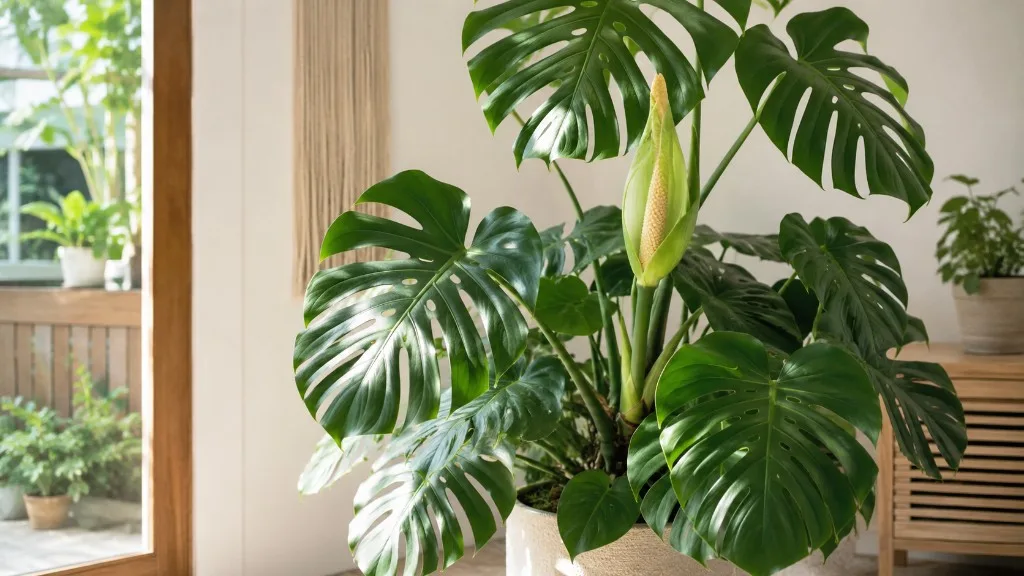
Propagation feels simple until one cutting roots in six days, another sits unchanged for a month, and a third turns soft before it ever starts. The Propagation Success Calculator helps you put a realistic number on those odds before you cut up a favorite plant. It weighs the factors that usually decide whether a cutting, division, offset, or air layer has enough stored energy, viable growth points, moisture control, warmth, and seasonal momentum to become an independent plant.
Use the estimate as a planning tool, not a promise. A clean 82% result does not mean every cutting will root, and a low result does not mean the attempt is doomed. It means your current setup has more or fewer failure points. The value is in seeing which lever matters most: the method you chose, the quality of the node, the season, or the humidity around the cutting.
What the calculator estimates
The calculator estimates the chance that a houseplant propagation attempt will produce a viable rooted plant under your current setup. It is built for common indoor propagation methods: stem cuttings in water, stem cuttings in soil or propagation mix, leaf or leaf-petiole cuttings, division or offset separation, and air layering.
It does not identify a plant, diagnose disease, override patent or plant-variety restrictions, or guarantee that a rooted cutting will thrive after potting. It also cannot see species-level details that matter, such as whether a leaf cutting can make a whole new plant, whether the parent plant is carrying a hidden infection, or whether the room cools sharply at night. For plant-specific care after rooting, pair the result with the relevant LeafyPixels plant guide under /plants/ and symptom guides under /symptoms/.
Why propagation success is never one number
Propagation is a probability problem because a cutting is living tissue under stress. Once removed from the parent plant, it must avoid drying out, resist rot, maintain enough energy to stay alive, and build new roots before its reserves run too low. Extension guidance describes asexual propagation as reproducing new plants from vegetative tissue such as cuttings, layering, division, and separation, with the resulting plants usually genetically identical to the parent plant asexual propagation.
That is why two visually similar cuttings can behave differently. One may have a strong node, a hidden aerial root nub, a firm stem, and a good carbohydrate reserve. Another may be too young, too old, dehydrated, flowering, chilled, or cut from a declining parent. The calculator cannot measure all of that directly, so it asks for practical proxies that a home grower can judge quickly.
The scoring logic in plain language
The calculator starts from a moderate baseline and adjusts the score according to four inputs: propagation method, node quality, season, and humidity. Division and air layering raise the estimate because they usually preserve more stored resources or reduce water stress. Leaf cuttings lower the estimate because they are species-dependent and often slower. Multiple healthy nodes raise the estimate more than a single node. A cutting with no useful node receives a large penalty because many stem-propagated houseplants cannot make a new shoot without a node or bud.
Spring raises the estimate because many houseplants are entering active growth. Winter lowers it because light, warmth, and growth rate are often weaker indoors. High humidity raises the estimate because unrooted cuttings cannot replace water as well as established plants. Low humidity lowers it because water loss can outrun root formation.
The final score is capped between 10% and 95%. That cap matters. Even the best setup still has biological uncertainty, and even a weak setup may succeed with an easy species or unusually good cutting material.
Choosing the right propagation method
Stem cuttings are the default method for many vining and soft-stemmed houseplants. They work well when the cutting includes at least one viable node and enough leaf area to keep photosynthesis going without losing too much water. Water propagation is easy to monitor and is familiar for pothos, tradescantia, monstera, philodendron, and many other foliage plants. Soil or propagation-mix cuttings skip the later transition from water roots to potting mix, but they demand better moisture judgment because you cannot see root growth directly.
Division and offset separation often score higher because the new plant may already have roots. University of Missouri Extension describes division as a method for plants that naturally produce offsets or basal shoots, where those shoots can be separated and planted individually when they have roots division method. That is why spider plants, peace lilies, many ferns, calatheas, haworthias, and clumping aroids often propagate more reliably by division than by isolated leaves.
Air layering is slower and fussier, but it keeps the future plant attached to the parent while roots form. NC State Extension notes that layering tends to be successful because water stress is minimized while the stem remains attached to the parent plant layering advantage. Use it for larger, woody, or high-value stems where a failed cutting would be costly.
Node quality is the biggest reality check
For stem cuttings, the node is not a decorative detail. It is the zone where leaves, buds, and new growth points connect to the stem. Virginia Cooperative Extension explains that at least one node should be below the media surface for stem cuttings, and that some plants root only at nodal tissue at least one node. If a cutting has multiple nodes, the calculator treats it as more resilient because there are more possible rooting and shooting points.
A single healthy node can work, especially on easy plants, but it leaves less margin for damage or rot. Multiple nodes or visible aerial roots give you a stronger starting piece. A stem segment with no viable node is a poor candidate for many aroids and vines. University of Minnesota Extension is explicit for monstera: leaves and petioles without a node and axillary bud will not produce new growth without a node.
There are exceptions. Some plants can produce new plants from leaf tissue, leaf-petiole cuttings, cane sections, bulbs, rhizomes, or tubers. Snake plant, many begonias, African violets, peperomias, ZZ plants, and succulents do not all follow the same stem-node rules. That is why the calculator separates leaf cuttings from stem cuttings instead of treating every piece of plant material the same way.
Season changes the odds indoors
Indoor plants do not experience outdoor seasons perfectly, but season still matters because day length, window temperature, and room humidity change. In spring and early summer, many houseplants have stronger light and active growth. In late autumn and winter, the same shelf may be cooler, dimmer, and drier because of heating systems.
Virginia Cooperative Extension notes that success with herbaceous stem cuttings is generally improved in spring because those plants are actively growing and more likely to root quickly actively growing. Missouri Extension’s houseplant propagation guide also lists spring and early summer as the quickest or most successful timing for several common houseplants, including philodendron and pothos spring and early summer.
That does not mean winter propagation is pointless. It means the estimate should be more cautious. If you propagate in winter, compensate with better warmth, brighter indirect light, clean tools, smaller batches, and a humidity strategy that prevents desiccation without trapping stagnant, wet air.
Humidity helps, but wetness can still ruin cuttings
High humidity helps because unrooted cuttings lose water through leaves before they have roots to replace it. Illinois Extension recommends increasing humidity around cuttings, keeping the rooting medium evenly moist but not soggy, ventilating enclosed cuttings as needed, and using bright indirect light increase surrounding humidity. A clear bag, dome, propagation box, or closed transparent container can all work when used carefully.
The danger is confusing humidity with saturation. A cutting can fail from dry air, but it can also fail from waterlogged media, low oxygen, or fungal rot. Michigan State University Extension warns that too much moisture during vegetative cutting propagation can lead to waterlogged substrates, uneven rooting, rot, and cutting loss too much moisture. The best setup keeps the air humid while the medium remains airy.
If condensation runs constantly down the container walls, leaves stay wet all day, or the cutting smells sour, ventilate. If leaves wilt within hours, the dome may be too dry, too hot, or too bright. The calculator’s high-humidity boost assumes humid, clean, ventilated conditions, not a sealed swamp.
Light and warmth set the pace
Cuttings need enough light to support growth, but too much direct sun under a dome can cook leaves. Iowa State Extension recommends bright indirect light for houseplant stem cuttings and notes that too much light can burn foliage, especially under bags or domes, while too little light slows root formation bright indirect light. That makes a bright windowsill with filtered light, a shelf near a window, or a gentle grow light better than harsh afternoon sun.
Warmth matters too. Illinois Extension recommends keeping rooting media warm, about 75-80 degrees Fahrenheit 75-80°F. Iowa State gives a broader air-temperature target of 65-75 degrees Fahrenheit and suggests 75-80 degrees Fahrenheit media warmth for good results warm air and rooting media.
In practice, avoid cold stone windowsills, drafty glass, heat vents, and dark shelves. A cutting in a propagation box on a cold sill may have high humidity but poor root initiation. A cutting near a heater may have warmth but dry air. The calculator does not have separate warmth and light fields, so use the humidity and season result as a prompt to inspect those conditions manually.
Water propagation versus soil propagation
Water propagation is useful when you want visibility. You can see callus formation, root initials, root length, cloudiness, and stem rot early. It is also forgiving for many soft-stemmed tropicals. The trade-off is that water roots are not identical to roots formed in an airy potting medium, so transplanting still requires care. Move rooted cuttings before roots become a long tangled mass, and keep the first potting mix evenly moist while roots adapt.
Soil or propagation-mix rooting is less theatrical but often more direct. A sterile, well-drained, moisture-retentive medium gives the cutting air and moisture at the same time. NC State Extension recommends a rooting medium that is sterile, low in fertility, well drained for aeration, and moisture-retentive enough that watering is not constant rooting medium. Perlite blends, seed-starting mixes, sphagnum, vermiculite blends, and chunky houseplant propagation mixes can all work depending on species.
Choose water when observation matters and the plant tolerates it. Choose mix when the plant dislikes sitting in water, when rot risk is high, or when you want roots already adapted to a potting environment. For succulents and drought-adapted plants, avoid importing tropical-propagation habits without checking the species.
Leaf cuttings and leaf-petiole cuttings need species confidence
Leaf cuttings are attractive because they use small plant pieces, but they are not universal. Some leaves can root without ever making a new shoot. Others can produce plantlets only if the correct tissue is present. African violet leaf-petiole cuttings, begonia leaf sections, peperomia leaves, snake plant leaf sections, and many succulents each have their own rules.
That is why the calculator lowers the estimate for leaf or leaf-petiole cuttings. The method can be excellent for the right species, but a bad match looks deceptively promising at first. A leaf may stay green for weeks, make roots, and still never become a complete plant if it lacks the tissue needed for new shoot growth.
Before using the leaf-cutting option, confirm the plant’s propagation biology in a plant-specific guide. If LeafyPixels has the plant, start with /plants/. If the plant is unusual, check a university extension or botanical-garden source before assuming that any healthy leaf can clone the plant.
Rooting hormone can help, but it is not magic
Rooting hormone is most useful when the plant is slower, woodier, or less willing to root on its own. Virginia Cooperative Extension says rooting hormone can hasten rooting, increase root number, or make rooting more uniform, with the important exception that it is not usually needed on soft, fleshy stems rooting hormone. For easy pothos, tradescantia, coleus, spider plant offsets, and many soft tropicals, technique often matters more than hormone.
Handle hormone cleanly. Iowa State Extension recommends putting powder in a separate container, never returning leftovers to the original container, and avoiding direct dipping into the original supply because disease can spread that way separate container. More is not always better; Iowa State also notes that too much rooting hormone can sometimes slow root development too much rooting hormone.
The calculator does not currently ask whether you used rooting hormone, so treat it as a manual adjustment. If your score is moderate because the cutting is woody or seasonal timing is weak, hormone may improve the practical odds. If your cutting is already an easy, green, multi-node stem in spring, hormone may not change much.
Clean cuts and clean containers prevent avoidable losses
Sanitation is one of the easiest ways to avoid turning a good cutting into a failed cutting. Missouri Extension recommends that pots, media, and equipment used for rooting cuttings be clean and sterile, and says tools should be washed or dipped in alcohol clean and sterile. Illinois Extension similarly starts its houseplant propagation procedure with healthy plants, clean sharp cutting tools, and disease-free rooting media clean and sharp.
Use a sharp blade or pruner, clean it between plants, and avoid cutting from a parent plant with pests, mushy stems, active rot, or unexplained decline. Remove leaves that would sit below water or media. Do not crowd cuttings so tightly that leaves stay pressed together under a dome. Label batches with plant name, method, and date so you can tell slow rooting from true failure.
Cleanliness matters even more in high humidity. A dome creates a helpful microclimate for cuttings, but it also gives fungi and bacteria a comfortable place to spread if dead leaves, dirty tools, contaminated media, or rotting stems are present.
Worked example: a pothos stem cutting in spring
Say you take a pothos cutting in April with two nodes and one visible aerial root nub. You choose “stem cutting in water,” “multiple nodes or aerial roots present,” “spring,” and “moderate” or “high” humidity depending on the setup. The calculator should return a high estimate because the method, node quality, and season all support rooting.
The practical plan is still specific. Cut below a node, remove any leaf that would sit under water, place the node in clean water, keep the vessel in bright indirect light, and refresh the water before it turns cloudy. When roots are roughly an inch or more and the cutting is firm, pot into a small container with airy houseplant mix and keep the mix evenly moist during the transition.
If the score is lower than expected, check the node answer first. Many failed pothos “cuttings” are actually leaves with petioles or stem pieces without a viable node. They may look fresh in water but never produce new vines.
Worked example: a ZZ leaf cutting in winter
A ZZ leaf cutting in January is a different situation. You might choose “leaf or leaf-petiole cutting,” “no node” or the closest available leaf-cutting option, “winter,” and “moderate” room humidity. The calculator will likely return a low or moderate estimate because the method is slower and the season is weaker.
That does not mean ZZ propagation cannot work. It means the timeline and success criteria are different. ZZ leaf cuttings can take months to make roots and rhizomes, so judging them after two weeks is premature. Warmth, patience, clean media, and controlled moisture matter more than constant checking.
For slow leaf cuttings, use the estimate to decide how many cuttings to start and how much space to commit. A low score may be acceptable if the plant is common and you are experimenting. It is less acceptable if you are cutting up a rare or sentimental plant with only one viable piece.
Worked example: division of a crowded peace lily
A crowded peace lily with several crowns is a classic division case. You choose “division or offset separation,” “multiple nodes or aerial roots present” if the divisions have crown and root material, “spring” or “summer,” and the humidity level that matches your room. The estimate should be high because each division can begin with roots, leaves, and a growing point.
The risk is not root initiation; it is recovery after separation. Water the plant before dividing, use clean tools, keep each division large enough to have roots and shoots, and avoid placing newly divided plants in harsh light. Some wilting is normal after division, especially if roots were torn, but persistent collapse means the division may be too small, too dry, too wet, or too exposed.
This is where the calculator helps with planning. If division scores much higher than a leaf or stem cutting for a clumping plant, choose division unless you have a strong reason to preserve the parent plant intact.
How to improve a low score without forcing it
Improve the weakest input first. If the node quality is poor, take a better cutting instead of trying to rescue a bad one. If it is winter, wait for spring unless the plant is already broken or declining. If humidity is low, use a ventilated dome or propagation box. If the method is mismatched, switch from leaf cutting to stem cutting, from stem cutting to division, or from cutting to air layering.
Do not stack every intervention at once. A dome, heat mat, fresh cut, hormone, water change, new medium, and brighter light can help when used correctly, but too many changes make it hard to know what caused success or failure. Start with clean material, viable nodes, bright indirect light, warm conditions, and careful moisture. Those basics solve more propagation problems than complicated additives.
Use related LeafyPixels tools when the propagation result points to a care issue rather than a cutting issue. The /tools/humidity-calculator/ can help you sanity-check dry rooms, the /tools/grow-light-distance-calculator/ can help with artificial lighting, and the /tools/plant-watering-calculator/ can help after the rooted cutting is potted.
When not to propagate yet
Do not propagate from a plant that is actively rotting, covered in pests, severely dehydrated, or declining for unknown reasons unless you are trying to salvage it. A stressed parent can pass problems to the cutting, and weak tissue has less energy to root. If you see mushy stems, blackened nodes, webbing, sticky residue, scale insects, or a sour smell, diagnose first through /symptoms/ and quarantine the plant if pests are possible.
Do not propagate a patented or protected cultivar for sale unless you have confirmed the legal status. The calculator estimates biological success, not permission. Also be cautious with toxic plants around pets and children. Propagation stations often place attractive cuttings at counter height, and many common houseplants can irritate mouths or cause illness if chewed. Check plant-specific toxicity information before placing jars and trays where pets can reach them.
Finally, do not cut a plant that is too small to spare tissue. A calculator can produce a decent estimate for a cutting, but the parent plant still pays the cost of losing leaves, stems, or crowns.
How to read the final percentage
Read the percentage as a decision band. A high score means the setup is favorable enough to proceed with normal care. A moderate score means one or two weak points could decide the outcome, so improve the easiest factor before cutting. A low score means you should either change the plan, start extra cuttings, wait for a better season, or accept that the attempt is experimental.
The percentage is most useful when you compare scenarios. Run the calculator once for a water cutting and once for a soil cutting. Run it once for a single-node cutting and once for a multi-node cutting. Run it once for winter room air and once for spring with a propagation box. The difference between results shows which change is worth your effort.
Keep notes. Record the date, method, plant, node count, humidity setup, light location, water or medium type, and the week roots first appeared. After a few batches, your own home data becomes more valuable than any generic estimate.
Conclusion
The Propagation Success Calculator is best used before you make the cut. It turns the major propagation variables into a practical estimate, then gives you a way to improve the attempt before you risk plant material. The strongest setups usually have healthy parent plants, viable nodes or rooted divisions, active-season timing, bright indirect light, warm media, clean tools, and humidity that prevents wilting without creating rot.
Use the score to make a better propagation plan, not to chase a perfect number. If the estimate is high, proceed carefully and keep conditions steady. If it is moderate, strengthen the weakest factor. If it is low, wait, choose a better method, or start with a less valuable cutting. Propagation always includes uncertainty, but a thoughtful setup gives the plant more chances to do what it is already built to do: replace lost roots, push new growth, and become independent.