Winter Pansy Care for Color Through Spring
Grow winter pansies in beds or containers with climate-aware planting, drainage, watering, frost care, and simple bloom-maintenance tips.
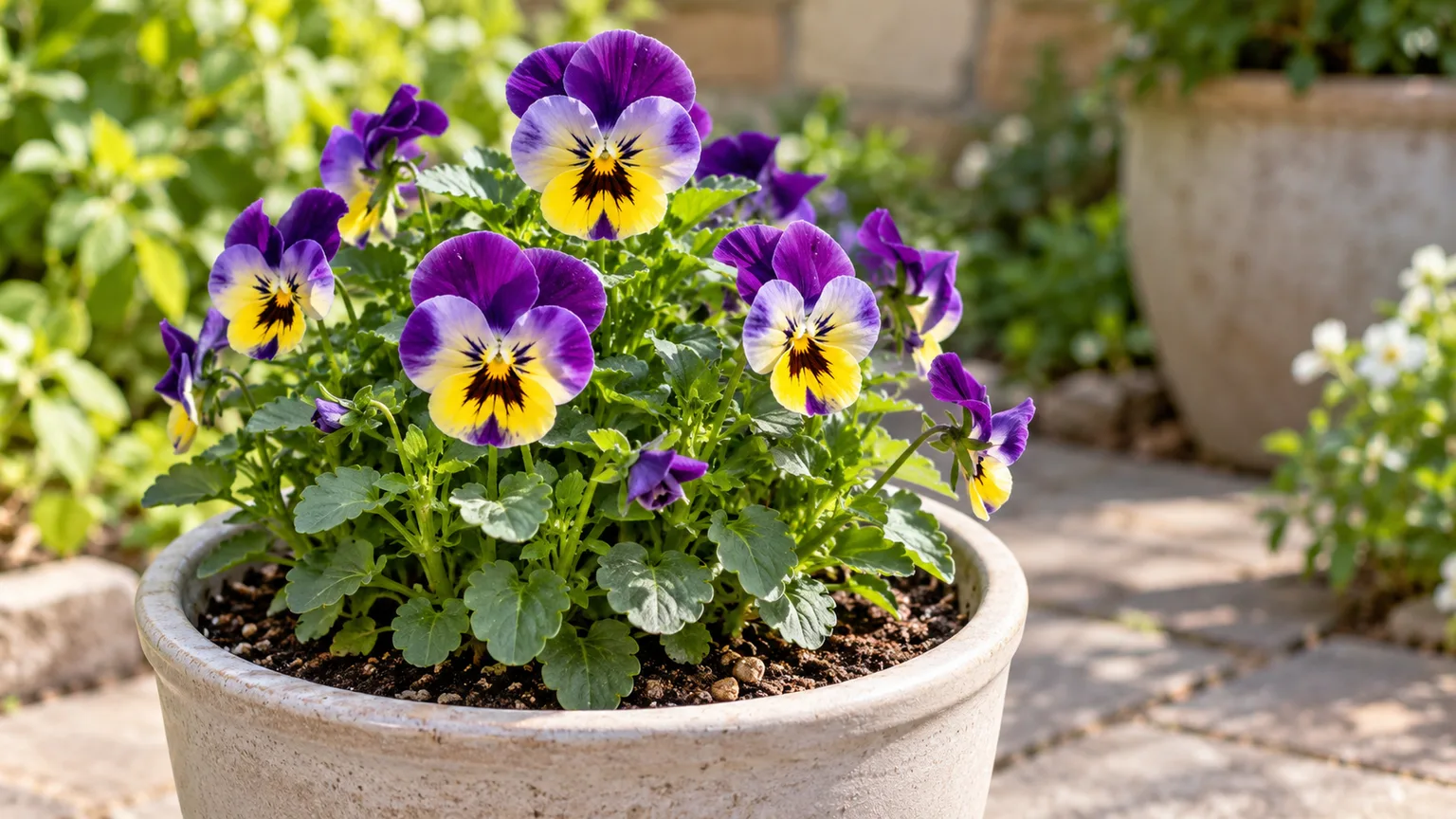
Winter pansies bring color to a season when many flower beds are resting, but their success depends on timing and drainage more than on a “magic” frost rating. Plant them while the soil is workable and cool, give them bright light and steady moisture, and protect container roots when a severe freeze is forecast. In mild-winter regions they can flower for months; where freezes are prolonged, expect a pause and treat them as seasonal color rather than permanent structure.
What “Winter Pansy” Means
“Winter pansy,” “ice pansy,” and “cold-hardy pansy” are common garden labels, not a guarantee that every plant belongs to one species or tolerates the same cold. Many bedding pansies are hybrids sold under Viola × wittrockiana, while smaller-flowered violas and cold-season selections may sit beside them at the garden center. Read the cultivar tag for the specific series and local recommendations; do not assume a plant is unusually hardy just because “ice” appears on its label.
Pansies are members of the violet family, Violaceae. North Carolina State Extension describes garden pansies as cool-weather bedding plants that prefer humus-rich, consistently moist but well-drained soil, full sun to part shade, and fall planting for winter and early-spring flowers. The extension profile also notes that heat eventually ends their performance, which is why many gardeners grow pansies as seasonal annuals rather than expecting a permanent perennial border. North Carolina State Extension’s plant profile is a useful baseline, but your local climate and the cultivar label determine the details.
Certified Master Gardener Laura Elsner’s practical pansy-growing guide at Epic Gardening reaches the same seasonal conclusion: these flowers are at their best in cool weather, with light and heat exposure shaping how long they keep blooming.
The name also causes a common expectation problem: a winter-blooming plant does not necessarily bloom every week of winter. Flowering slows or pauses when temperatures are too low, then resumes when conditions improve if the crown and roots remain healthy. A bed may look quiet for a stretch without being dead, so wait for a thaw before pulling plants that still have firm crowns and green leaves.
When to Plant Winter Pansies
Plant in autumn in climates where winter stays cool but the ground does not remain deeply frozen. The goal is to give transplants time to root before repeated hard freezes, not to hit one date on the calendar. In mild-winter areas, early fall planting can settle plants in before the coolest bloom period; in colder regions, a spring planting is often more reliable if autumn has already turned cold or the soil is frozen.
Use your local first-frost date as a planning clue, not a strict deadline. Pansies can tolerate cool conditions, but a plant that goes into cold soil as a small, dry, root-bound plug has less time to establish than a healthy transplant planted into workable soil. If the nursery only has oversized, flowering plants late in the season, choose compact plants with healthy foliage and intact root balls, then protect them while they settle.
| Your winter pattern | Practical planting approach |
|---|---|
| Mild winters with occasional frost | Plant in fall while soil is cool and workable; leave room for the mound to fill out. |
| Frequent freezes with thaw periods | Plant early enough for roots to settle, and use a sheltered bed or protected container location. |
| Long, severe freezes or frozen ground | Wait for an early spring planting window instead of forcing late-fall transplants into frozen soil. |
| Hot summers and mild winters | Plant in fall as temperatures ease; expect heat to end the display when warm weather returns. |
If you missed the autumn window, do not discard the idea. Wait until soil can be worked and plants are available in spring, then set them out during a cool spell. A spring planting may have a shorter run before heat arrives, but it can still give several useful weeks or months of flowers.
Choose a Site for Winter Light and Shelter
Aim for bright exposure with several hours of direct sun. During the short days of winter, an open spot that receives sun can support better flowering than a deeply shaded bed beneath dense evergreens or an overhang. In warmer regions, though, intense afternoon sun can heat the soil and shorten the display as spring approaches; morning sun with light afternoon shade is a better compromise there.
Wind and cold air matter as much as a map zone. A bed beside a building may avoid drying winter winds, while a low hollow can collect cold air and stay wet after snowmelt. Do not place pansies where roof runoff dumps onto the crowns or where a downspout keeps soil saturated. Shelter should reduce exposure without blocking all light or trapping moisture around foliage.
The USDA Plant Hardiness Zone Map is based on average annual extreme minimum winter temperature and helps compare regional climates; it does not promise that a particular pansy will flower or survive every cold snap. USDA’s zone-map information is best treated as one piece of context. The Royal Horticultural Society’s hardiness guidance likewise explains that ratings are guidelines, since growing conditions and exposure also affect a plant’s hardiness. Cultivar, wind exposure, wetness, the length of a freeze, and whether roots are in open ground or a pot all change the actual risk.
Prepare Soil That Holds Moisture but Drains
Pansies need moisture, but roots sitting in cold, airless soil are more vulnerable to decline than roots in a well-drained bed. Before planting, check how the site behaves after rain: if water puddles for hours, choose a raised bed or improve the structure across the planting area rather than placing each root ball in a small pocket of loose potting mix. A small amended pocket in heavy clay can act like a basin and hold water around the roots.
Mix finished compost into poor garden soil to add organic matter and improve its texture. If the bed is already fertile and drains well, heavy amendment is unnecessary. Avoid applying fresh manure or a strong fertilizer at planting; the immediate job is to establish roots, not push tender top growth. For containers, use a fresh potting mix formulated for outdoor containers, and make sure the pot has open drainage holes.
Do not chase a precise soil-pH number unless a soil test or persistent symptoms point to a pH problem. Yellow leaves can come from waterlogged roots, dry soil, poor light, cold damage, or nutrient availability, so changing acidity without diagnosing the cause can add expense without fixing the plant. Correct drainage and watering first, then test the bed if a broader nutrient issue remains.
Planting Winter Pansies Step by Step
Set plants out when the soil is cool, workable, and not saturated. Water nursery packs before planting so the root balls are evenly moist; a dry root ball can repel water after it is planted, while a dripping-wet one is hard to handle and may be stressed in cold soil. Arrange plants before digging so spacing matches the mature spread on the tag and the color pattern looks balanced from the path or window.
Loosen compacted roots gently if they circle the bottom of the pot. Dig a hole about as deep as the root ball and wider than it, then set the crown at the same level it was growing in the nursery container. The crown is where stems meet roots; burying it under a mound of wet soil encourages rot, while leaving the upper roots exposed lets them dry out.
Backfill with the loosened soil, firm it lightly, and water once to settle the root zone. Space plants according to the cultivar label: compact selections can sit closer, while vigorous or spreading types need more room for airflow and mature growth. Crowding looks full on planting day but can create a damp, tangled canopy later, especially in a rainy winter.
Finish with a thin layer of clean organic mulch around the plants if the bed needs help holding moisture. Keep mulch away from the crown and do not heap it over the foliage. In exposed areas, mulch is most useful as root-zone insulation and moisture moderation; it cannot make an unsuitable cultivar immune to sustained extreme cold.
Watering Through Winter Weather
Water by checking the soil rather than following a weekly schedule. After planting, keep the root zone evenly moist while new roots establish. Once plants are settled, rain may provide much of what they need, but winter wind, a rain shadow under eaves, and a dry spell can still leave the bed parched.
Push a finger into the soil near the root ball. If the top inch or two feels dry and the soil beneath is not frozen, water slowly at soil level so moisture reaches the roots. If it feels damp, wait. Container pansies usually need closer attention because a small pot holds less water and dries faster than a garden bed; check containers more often during windy, sunny thaws.
During a freeze, do not pour water onto frozen soil and expect it to reach roots. Wait until the soil thaws, then check moisture; avoid leaving pots standing in a saucer of water as temperatures drop. Pansies that wilt during a freeze may be reacting to cold rather than thirst. Let them thaw and assess them later before adding water, since a saturated root ball can compound cold stress.
Watering overhead is not automatically harmful, but foliage that stays wet through a cloudy, cool day dries slowly and can favor leaf disease. A watering can with a narrow spout or drip line keeps more water near the root zone. In beds, water in the morning when practical; in containers, make sure excess water can run out freely.
Feeding Without Forcing Soft Growth
Start with soil quality. A compost-amended bed may not need repeated feeding during the cool season, while pansies in a container can use nutrients sooner because frequent watering leaches them from the pot. If growth is healthy and flowers are forming, more fertilizer is not a shortcut to more color.
When feeding is needed, use a balanced fertilizer labeled for flowering annuals and follow its label rate and interval. Apply to moist soil rather than to a wilted or dry root ball, and do not concentrate granules against stems. Avoid repeated high-nitrogen feeding: lush leaves can crowd the plant and may come at the expense of a compact, flower-rich habit.
If a plant is struggling, diagnose the site before feeding. A cold, saturated bed will not be corrected by fertilizer, and a root-bound plug may need careful planting rather than more nutrients. In cold weather, growth is naturally slower; a plant that is not actively growing has little use for a heavy dose.
Deadheading for a Longer Bloom Window
Remove flowers as they fade, especially when the weather is mild enough for the plant to keep growing. Snip or pinch the flower stem near its base, above the foliage, rather than removing only the petals. That keeps spent stems from becoming a nest of damp, decaying material and reduces seed formation, which can redirect energy away from new flowers.
You do not need to inspect every plant daily. A quick pass once or twice a week during a mild bloom period is enough for many small beds; deadhead more often if you want a tidy container display. If a freeze has damaged flowers, wait until they thaw and the damaged tissue is clear, then remove mushy or brown stems without cutting healthy leaves.
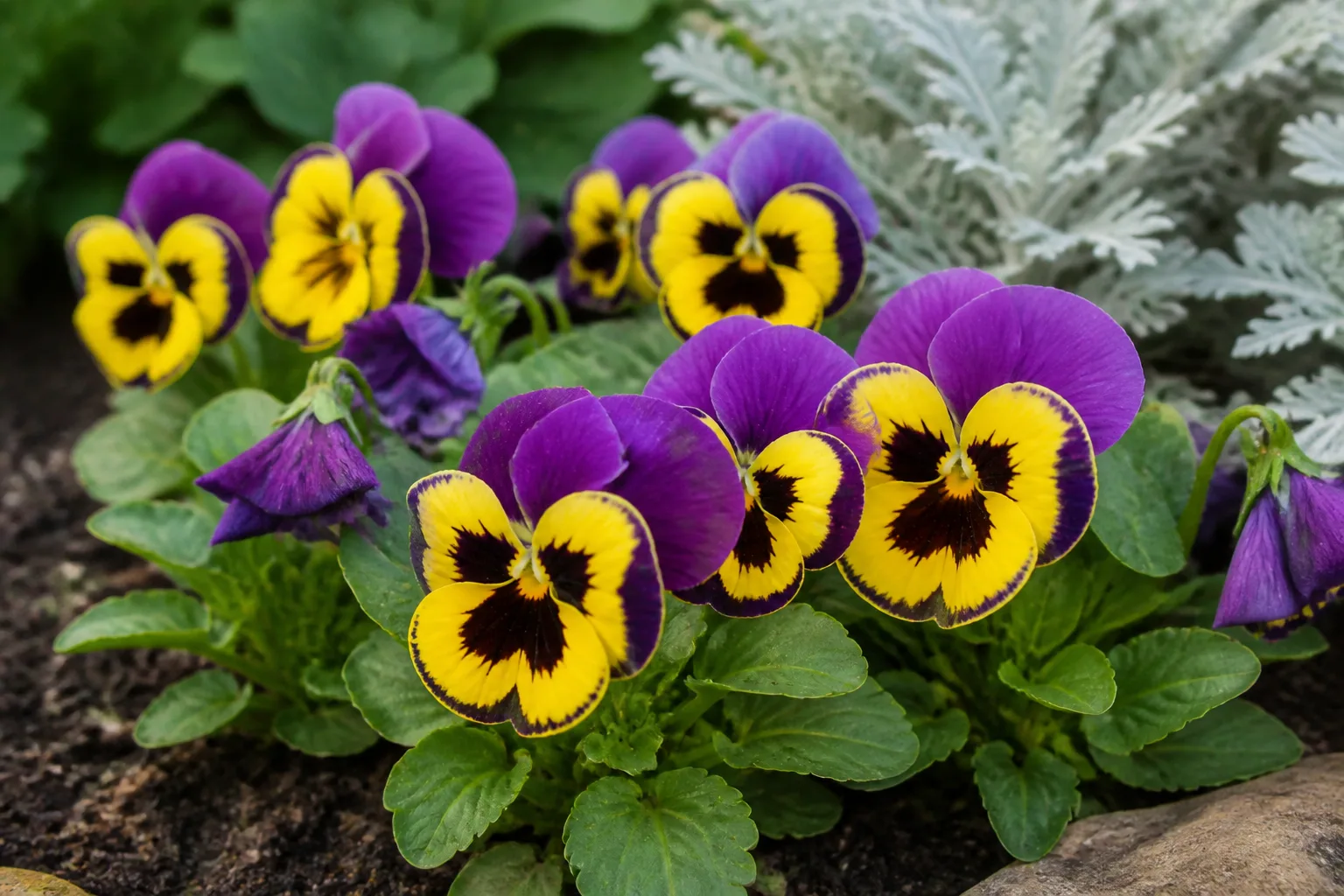
North Carolina State Extension notes that deadheading prolongs bloom, but it cannot override the season. When heat arrives, flowers may become smaller, stems stretch, and new buds slow despite good care. Treat deadheading as maintenance that helps a healthy plant use its cool-season window, not as a way to force pansies through summer.
Frost, Snow, and Hard-Freezing Nights
Winter pansies can tolerate cool weather and some frost, but there is no single temperature that predicts survival for every cultivar and setting. A short freeze followed by a thaw is different from several nights of severe cold with frozen soil, drying wind, or repeated freeze-thaw cycles. Flower petals can look limp or water-soaked after a cold night even when the plant crown remains alive.
After a freeze, let the plants thaw naturally and wait before pruning. If leaves regain firmness, the damage may have been temporary. Remove tissue that stays black, mushy, or clearly dead once the plant is fully thawed, but do not strip green foliage just because flowers have drooped. Pansies often pause blooming in harsh weather and resume when conditions moderate.
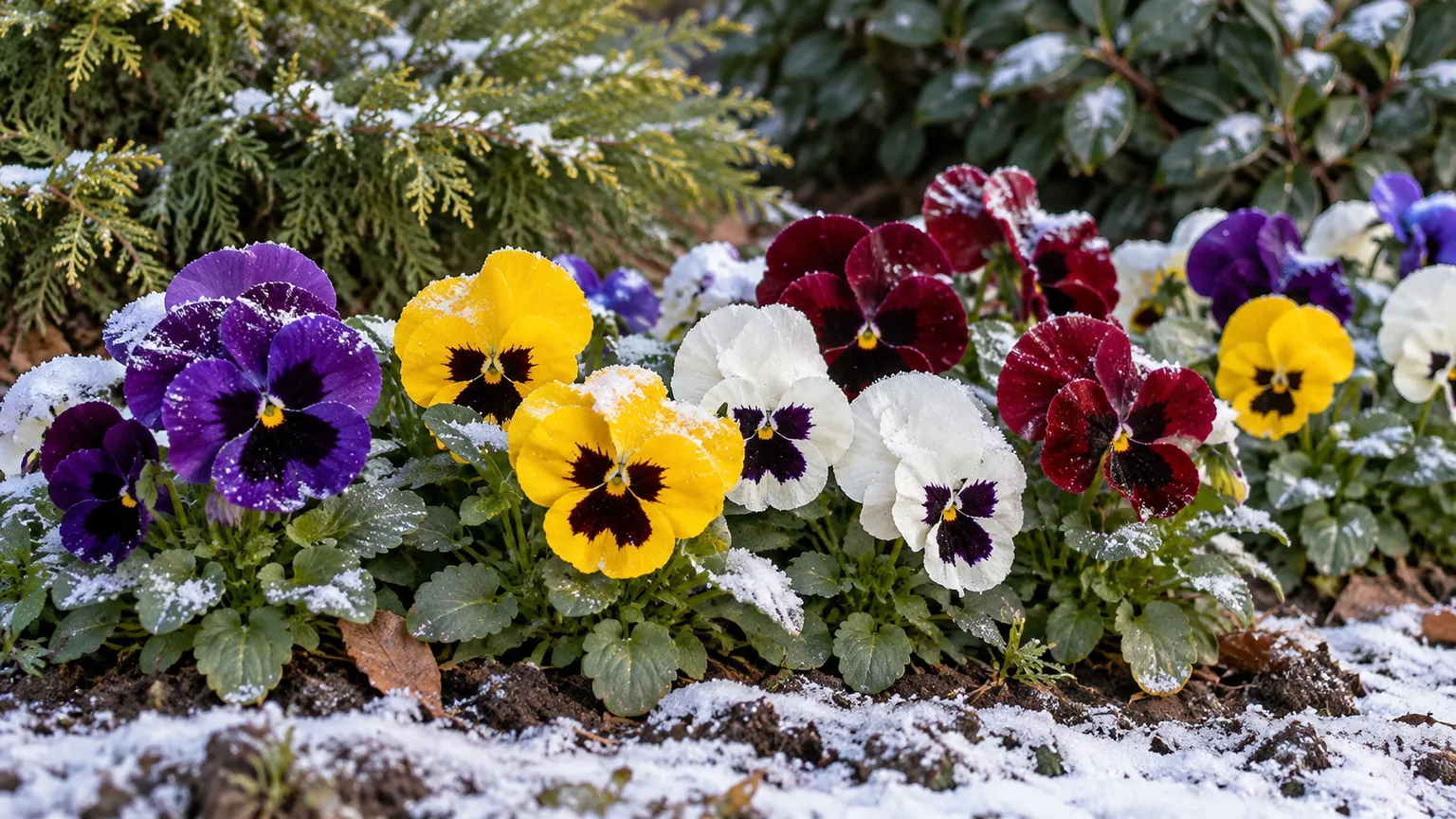
For a forecast hard freeze, protect plants according to their situation. A light breathable frost cloth can reduce exposure on a small bed; remove or vent it when the weather warms so the plants are not held under a damp cover. A thin mulch layer can moderate soil temperature around roots, but do not bury crowns. A wall or sheltered porch can reduce wind exposure without bringing plants into a heated room.
The rules change for pots. Container walls expose roots to cold from the sides, so a plant that is hardy in a garden bed can be less dependable in a small, exposed pot. Group pots against a protected wall, set them on the ground rather than on a windy railing, and move them to an unheated sheltered space during a severe cold spell if practical. Return them to bright outdoor conditions during milder weather; a warm, dim living room is usually a poor long-term winter home for a cool-season flower.
Growing Winter Pansies in Containers
Choose a pot with drainage holes and enough soil volume to buffer temperature and moisture swings. Tiny novelty pots can dry out quickly and freeze around the roots faster than larger containers. A broad planter gives several plants room to fill in, but do not crowd them so tightly that air cannot move through the foliage.
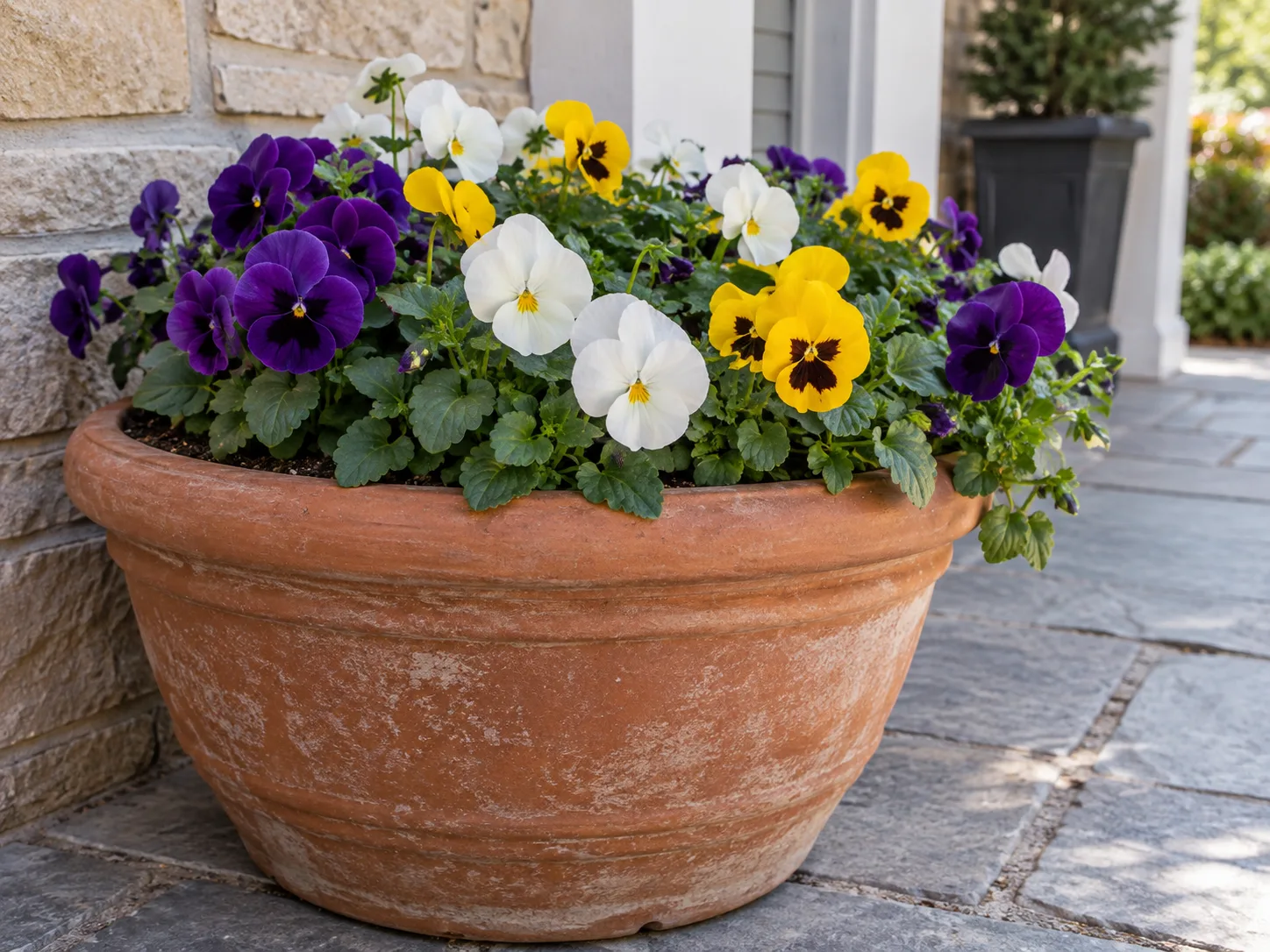
Fill the pot with fresh outdoor potting mix, leaving space at the rim for watering. Slide each plant from its nursery pack by supporting the root ball rather than tugging on stems. If roots are tightly circling the bottom, loosen the outside gently; avoid shredding the roots or pulling the crown apart. Set each crown level with the mix surface, backfill, and water until excess flows from the drainage holes.
Place the container where it receives bright light and is easy to inspect after rain or a freeze. A sheltered entry or patio can work well if it is not under a roof edge that dumps water into the pot. Rotate the planter occasionally if one side is shaded, and remove dead flowers and wet leaves from the center so the canopy stays open.
The winter-care guidance from Plant Addicts also favors sheltering outdoor pots when cold exposure is a concern. Use an unheated protected spot as a temporary refuge during a severe cold spell, then return the planter to bright outdoor conditions when the weather moderates.
Check soil by touch rather than watering every day. If the top layer is dry and the mix beneath is just barely moist, water thoroughly; if the pot is heavy and damp, wait. During freezing weather, do not let a full saucer hold water against the bottom. The combination of cold roots and standing water is more damaging than a brief dry surface.
Choosing Colors and Flower Types
Choose plants for both appearance and habit. Large-flowered pansies create a bold face-on display in borders and pots; smaller violas and many cornuta types produce more numerous, smaller blooms and can spill over container edges. Series names such as Matrix, Penny, or Cool Wave describe particular breeding groups, but flower size, spread, and local winter performance can vary by cultivar.
Read tags for mature size, sun exposure, and the breeder’s cold-region guidance. A compact, cold-selected series may be a better bet for a small exposed planter than a tall, large-flowered type chosen only for color. If you are planting a long border, grouping three or five plants of one color creates a clearer block than mixing one of every shade; for a container, combine pansies with other cool-season plants only when their water and light needs match.
Flower colors range from white, yellow, and orange to violet, blue, red, and mixed patterns. The familiar dark “face” is a color marking, not a sign of a different care requirement. Pick colors that remain visible against the winter landscape: pale blooms show well near evergreen foliage, while dark purple can disappear in shade or against dark mulch.
Troubleshooting Winter Pansies
Change one likely cause at a time. Pansies react to weather quickly, so a single photo or a single yellow leaf rarely identifies the problem. Check the crown, root-zone moisture, recent temperatures, light, and whether damage is concentrated on one exposed side before treating or feeding.
Limp Foliage After a Freeze
If the plant droops after a cold night, wait for a full thaw before deciding it is dead. Cold-stressed leaves may flatten and recover; tissue that remains black, translucent, or mushy is more likely to be damaged. If the crown is firm and green growth remains, remove only dead material and keep the soil lightly moist, not wet.
Yellow Leaves or Stunted Growth
Look first at drainage and watering. Yellow lower leaves with a soft or dark crown can point to persistently wet conditions, while a dry root ball may produce limp foliage and stalled growth. Correct the moisture issue before adding fertilizer. If the whole planting remains pale after drainage and watering are corrected, test the soil and use the result to decide whether pH or nutrients need adjustment.
Few Flowers or Leggy Stems
Deep shade, heat, drying, crowding, and old flowers can all reduce the display. Move container pansies to brighter light during the cool season, give them afternoon shade as warm weather returns, and remove faded flowers. A tall, stretched plant needs more light or a cooler site; heavy feeding may make the foliage even lusher without restoring compact flowering.
Leaf Spots, Slugs, and Snails
Inspect leaf undersides and stems before spraying. Remove badly spotted leaves, water near the soil rather than keeping foliage wet, and increase spacing if the canopy is crowded. Slugs and snails leave irregular holes and are most active in damp conditions; reduce hiding places and check around the bed after dark. If pests persist, use only a product labeled for the site and pest, following its instructions.
What to Do After Spring Bloom
As days warm, watch for smaller flowers, stretched growth, and leaves that wilt despite moist soil. These are signs that heat—not a lack of fertilizer—is ending the cool-season display. In a mild climate, moving a container to morning sun and afternoon shade may extend flowering; in a hot-summer climate, replacing the planting with warm-season flowers is often the simplest choice.
Some pansies may survive and return after a mild summer or reseed, but do not plan the garden around that outcome. North Carolina State Extension notes that heat eventually brings pansies to the end of their run and recommends removing them then. If a plant is still healthy and your climate stays cool, trim away spent stems, keep it watered, and see whether it rebounds; otherwise, compost it and prepare the bed for the next season.
If you want pansies again next fall, note which colors and cultivars held up best, whether the bed stayed wet, and how much protection containers needed. That simple record is more useful than relying on a broad zone claim alone. Choose a locally recommended series and plant it in a spot where winter sun, drainage, and access for care all work together.
Conclusion
The best winter pansy plan is simple: plant healthy, correctly labeled stock into cool, workable soil; give it bright light and reliable drainage; and adjust watering to what the soil is doing. Protect pots from severe exposure, let frozen plants thaw before pruning, and remember that flowering can pause without the plant being dead. With those choices, ice pansies can add a long stretch of color to fall and spring, even though no cultivar can promise uninterrupted blooms through every winter.



