When to Pick Banana Peppers for a Delicious Harvest
Find the right banana pepper harvest stage for pickling, fresh eating, heat, and seed saving. Learn what size and color to look for and how to cut safely.
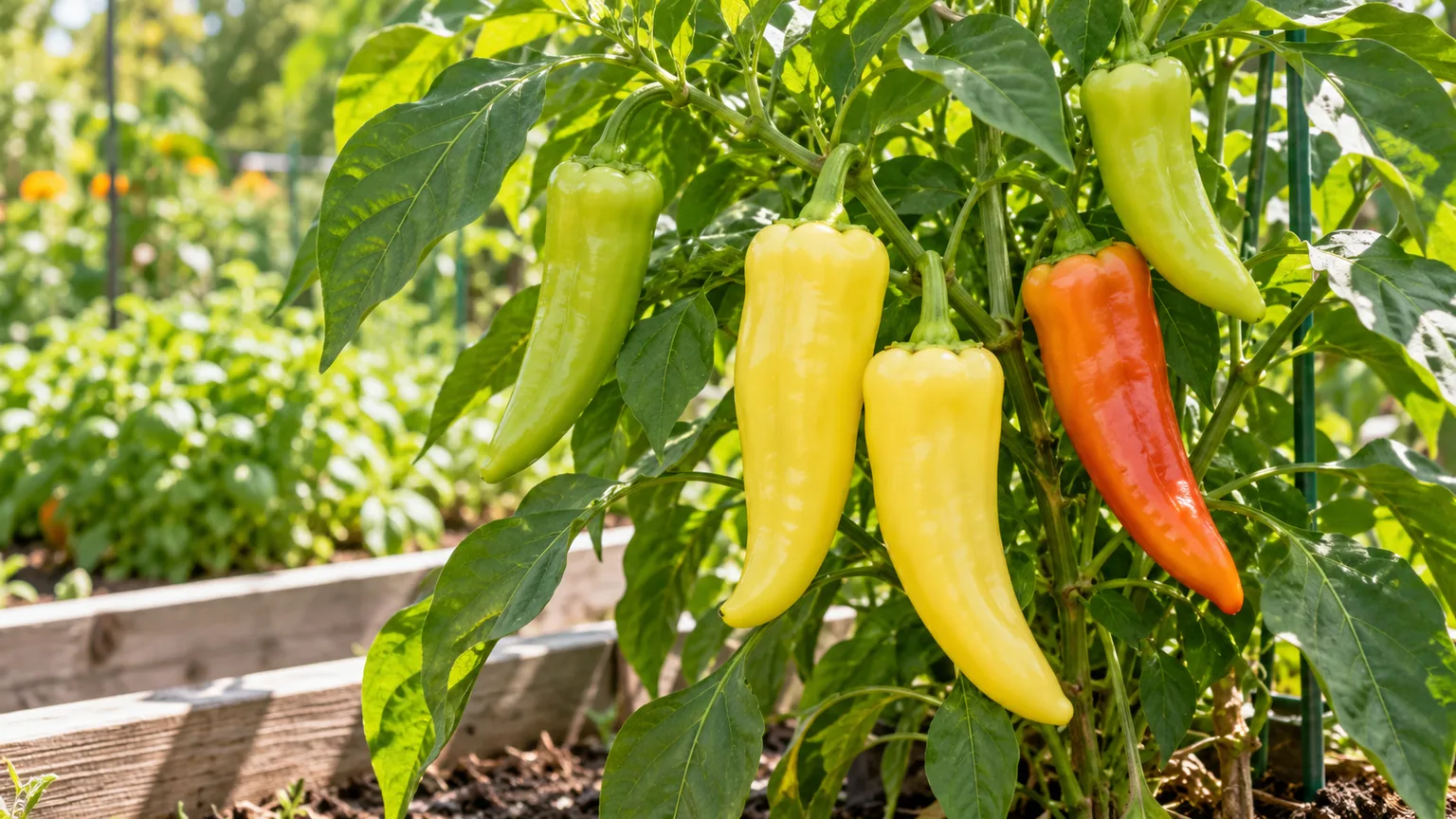
Pick a banana pepper when it has reached the usual size for its cultivar, feels firm, and has the color you want for the kitchen. For most sweet banana peppers, that means a full, glossy pod that has changed from pale green to pale yellow: it is ready to eat and usually has the crisp texture people want for rings and pickles. If you want softer, sweeter fruit or viable seed, leave selected peppers on the plant until they ripen to orange or red.
You do not have to wait for every pepper on a plant to turn yellow, and you do not have to harvest every pod at the same size. Banana peppers are edible at more than one stage; the decision is a trade-off among crunch, sweetness, plant production, and seed maturity. Once you know which cultivar you planted and what you plan to do with the fruit, the color becomes a useful choice rather than a pass-or-fail test.
The quick answer: pick by size, color, and firmness
For a typical sweet banana pepper, look for a smooth, firm fruit that has filled out to the size described on its seed packet or plant tag and is turning a clear waxy yellow. Many varieties are roughly 6 to 8 inches long at maturity, but that is a reference range, not a rule: named cultivars differ, and fruit on a single plant can vary. University of Connecticut’s cultivar list, for example, describes Banana Supreme at 7 to 8 inches and Sweet Banana at about 6 inches; the University of Delaware lists Sweet Banana at 6 to 7 inches. Those examples show why your cultivar label matters more than a ruler borrowed from another variety. (University of Connecticut’s pepper cultivar guide; University of Delaware Cooperative Extension’s pepper guide)
The most useful visual sequence is pale green while the fruit is expanding, pale yellow once it has filled out, then orange and red as it continues to mature. If you want crisp slices, cut at the yellow stage. If you prefer a sweeter, softer pepper, or plan to collect seed, leave one or two good fruits to finish changing color on the plant rather than holding the whole harvest for that purpose. (University of Wisconsin–Madison Extension’s sweet pepper guide)
Read three harvest signs together
No single sign is reliable in every garden. A pepper can be long but still thin and actively growing; another cultivar may be ready at a shorter length. Use size, color, and texture together, then compare the result with the variety description if you have it. The seed packet gives a useful estimate, while the fruit itself tells you what is happening in your specific weather and garden.
Judge size against the cultivar
A fully grown banana pepper usually looks filled out and tapered, not narrow like a small, newly set fruit. Check its length over several days if you are unsure: when it has stopped gaining much size and the surface begins to change from green to yellow, it is moving into a useful harvest window. A 4-inch pepper might be mature for one compact type or undersized for another, so avoid treating “four inches” or “eight inches” as a universal cutoff.
Published size ranges vary because “banana pepper” covers multiple cultivars. A sweet selection may commonly reach 6 or 7 inches, while some hot banana types grow longer; thick-walled hybrids can look ready before they match an older open-pollinated variety’s length. The cultivar’s expected size is the best baseline, but if the label is lost, a full-looking fruit with a waxy yellow cast and a firm wall is a reasonable signal to try one pod and judge it for your intended use. (UConn’s pepper descriptions; Savvy Gardening’s banana pepper harvest guide)
Follow the color change on the plant
Most banana peppers start light green, then pass through greenish yellow or pale yellow before orange and red. For the familiar sweet, tangy flavor and a crisp bite, pale yellow is a practical target. Green fruit can still be cooked or eaten, but it may taste more vegetal and can have less-developed sweetness; the longer on-plant color stage is a preference, not a safety requirement. (University of Wisconsin–Madison Extension; Pepper Geek’s harvest guide)
Do not wait for a pepper to become bright banana-yellow if its own cultivar ripens to a cream, chartreuse, or slightly greenish yellow. Some fruit shifts color subtly, and bright sun can bleach the exposed side so it looks different from the shaded side. Check more than one surface and look for a general change across the pod, not one sunlit patch. If the fruit is full-size and firm, a slight green tinge does not automatically make it unusable.
Check firmness and skin condition
A harvest-ready pepper should feel firm and look smooth, with a glossy or waxy skin and a fresh-looking stem. It should not be soft, wrinkled, or rubbery. A pepper that has softened considerably, developed deep folds, or begun to shrivel has gone beyond the crisp stage; it may still be usable if it is otherwise sound, but it is a poor choice for crunchy pickles.
Avoid squeezing hard to test firmness. Hold the fruit lightly and compare it with another on the same plant; a ripe but healthy banana pepper should feel solid without being rock-hard. If the pod is split, badly bruised, moldy, or has a soft decaying area, do not save it for storage or seed. A clean, minor surface blemish is different from rot, but cut damaged fruit open before deciding whether it is suitable to eat.
Choose the stage that matches the flavor and use
Banana peppers are not harvested at one mandatory color. The stage changes the balance of crispness and sweetness, so the right time depends on whether you want a firm ring for a jar, a fresh slice for a sandwich, a more mellow pepper for roasting, or seeds for next season. Use the guide below as a starting point, then taste your own cultivar because variety and growing conditions both affect flavor.
| Stage on the plant | What to expect | Best use |
|---|---|---|
| Pale green, still expanding | Firm but often more vegetal and thinner-walled | Cooked dishes when you need a pepper now |
| Full-size, pale yellow | Crisp, tangy, and easy to slice | Fresh eating, sandwiches, salads, refrigerator pickles, or a tested canning recipe |
| Orange to red | More fully mature, usually sweeter and softer | Roasting, stuffing, sauces, cooked dishes, or a ripe-color mix |
| Final ripe color, beginning to soften | Seeds have had more time to mature | Seed saving from an open-pollinated, suitable parent |
Pale yellow for crunch and pickling
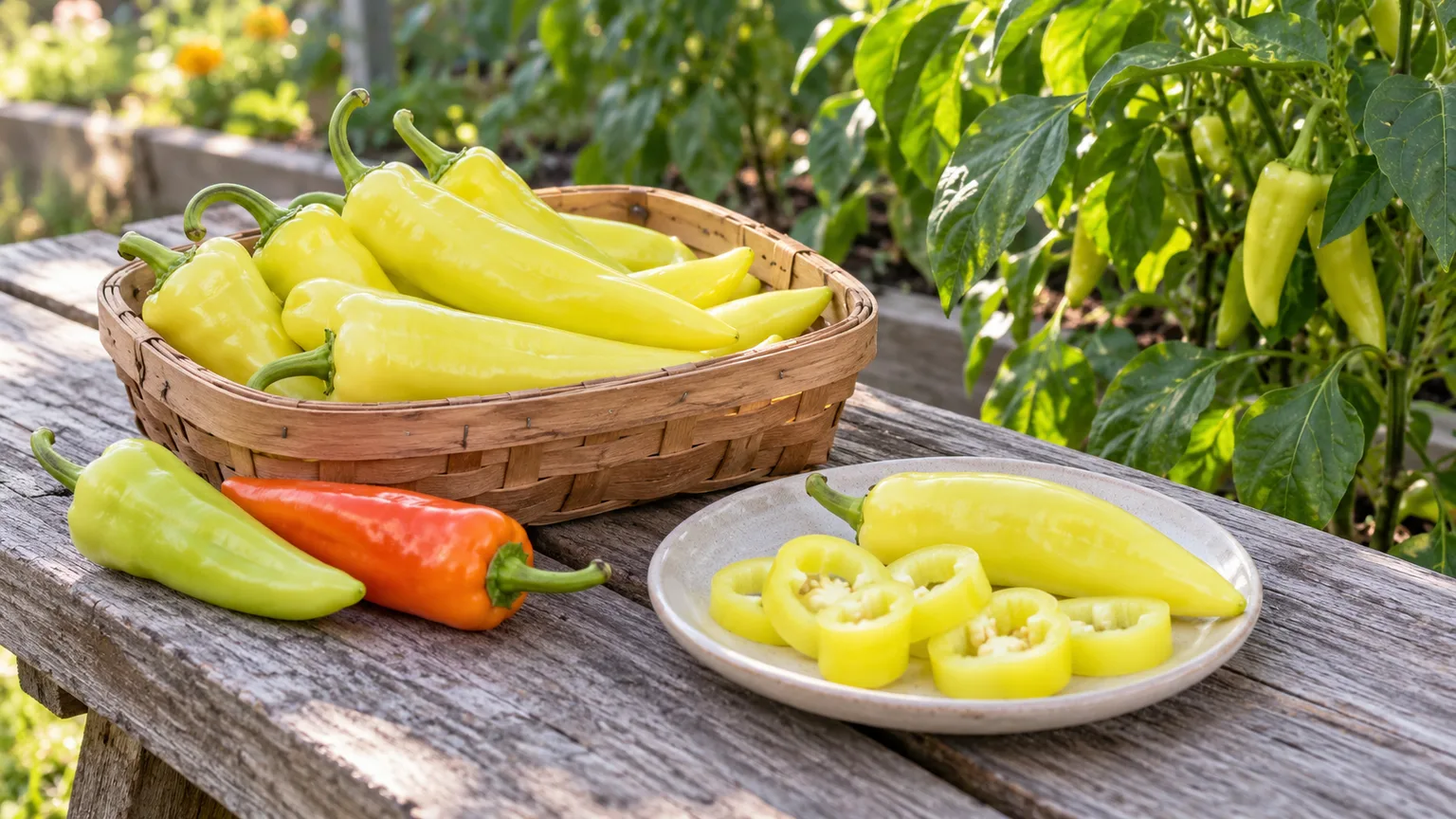
For most gardeners, the yellow stage is the best compromise between flavor and texture. The pepper has sized up, the walls remain firm, and the mild tang works well with vinegar, sandwiches, salads, pizza, and fresh salsa. If your main goal is crisp pickled rings, pick when the fruit is fully yellow or yellow with only a slight green tinge; leaving every pod to turn red can give you a softer result.
The pale-yellow window is also convenient because peppers can be harvested individually as they reach it. A large plant will not ripen every fruit together, so check every few days during a heavy flush. Put the yellow fruit in the kitchen basket and leave a few chosen pods to color up if you want to compare the flavor or save seed. This small split in the harvest protects the main batch from becoming too soft while still letting you learn what the red stage tastes like.
Orange or red for sweeter, softer fruit
If you leave the pod on the plant after it turns yellow, it may shift through orange and finish red, depending on the cultivar. Fully colored fruit is typically softer and sweeter than the yellow-stage pepper. That can be a pleasant change for a roasted pepper, cooked sauce, or stuffed dish, but it is not an upgrade for every recipe: if crisp texture is the point, earlier is better.
Ripening takes time and varies with cultivar, temperature, light, and plant condition. A red pepper also occupies the plant longer than a yellow one, so you may prefer to pick most fruit at yellow and keep only a few for full color. Some hot banana types become more pungent as they mature, but color alone cannot tell you how hot an unfamiliar plant is; the cultivar label and a cautious taste test are more useful. (Pepper Geek’s variety-specific harvest notes)
Why days to maturity are only a guide
Seed packets often list a number of days to maturity, but that estimate cannot tell you when each pepper on the plant is ready. Catalogs may count from transplanting, and growers may start their own record from sowing or planting outdoors; check the wording on the packet rather than assuming the clock began on the same date as a calendar article. A “70-day” label is a planning estimate for a named cultivar under expected conditions, not a deadline after which every fruit must be yellow.
Pepper fruit also needs time to grow after flowering. Utah State University Extension describes peppers as reaching a mature-green stage around 30 days after flowering, with another 10 to 20 days often needed for full color; temperature and variety affect that pace. This is a broad pepper guideline, not a banana-pepper timer. In a cool spell, cloudy location, crowded container, or stressed plant, fruit may size and color more slowly; a warm sunny stretch can speed the change. (Utah State University Extension’s pepper harvest guidance)
Use days to maturity to decide when to begin checking, not when to harvest automatically. Once the first fruit approaches its expected size, inspect the plant every few days and note how quickly the pods change. That observation becomes more useful than the packet number for later flushes on the same plant. If a freeze is near, shift the goal from perfect color to a sound harvest: full-size green or partly colored peppers are worth collecting before frost even if they have not reached your preferred stage.
How to harvest without breaking branches
Pepper branches can be brittle, and a heavy branch may snap if you tug on one fruit. The safest routine is to support the branch with one hand and cut the fruit stem with clean, sharp scissors or garden snips with the other. Leave a short piece of stem attached to the pepper rather than cutting into the shoulder or pulling until the branch gives way. A clean cut is especially useful when the fruit is tightly attached or the plant carries several pods together. (Utah State University Extension’s harvest and handling guide; Oregon State University’s pepper production guidance)
Harvest when the plant is dry if you can, and choose a cool part of the day during hot weather. Utah State Extension notes that early morning is a good harvest window because the plants are cooler and well hydrated. Place fruit gently in a basket rather than dropping it into a deep pile; bruises and punctures shorten storage life and make it easier for decay to spread. Sort immediately: use ripe red fruit first, set aside clean yellow peppers for pickling, and discard fruit that is cracked with soft decay.
After the first harvest, check the plant regularly for new yellow pods. Removing fruit at intervals helps maintain ongoing production, but the benefit is not a promise that every plant will set a specific number of additional peppers. Harvesting promptly simply prevents fruit from remaining on the plant until it is overripe, damaged, or beginning to rot. Oklahoma State’s pepper production guidance recommends harvesting at regular intervals to maintain production. (Oklahoma State University Extension’s pepper production guide)
Sweet banana, hot banana, and Hungarian wax peppers
“Banana pepper” can refer to sweet or hot cultivars, and the long tapered yellow fruit of a hot type can look much like a sweet one. The word on the seed packet or nursery tag is more reliable than appearance: look for “sweet,” “hot,” or a named cultivar, and keep the label with the plant if you grow several peppers. University of Wisconsin–Madison Extension specifically notes that both sweet and hot banana peppers are sold, while UConn lists Hungarian Yellow Wax separately as a medium-hot cultivar that ripens from waxy yellow to crimson. (University of Wisconsin–Madison Extension; UConn’s pepper cultivar guide)
Hungarian wax and banana peppers are often mixed up because they share a tapered shape and yellow waxy color. The names are not dependable substitutes for each other: one packet may label an actual Hungarian wax type, while another may call a hot cultivar “hot banana.” Their length, wall thickness, and pungency can overlap, so do not identify an unknown pod solely from a photo or the yellow color. If you inherited a plant without a tag, grow it to full size, sample a tiny amount of one fruit, and record what you learned before pickling or serving a batch.
The color-stage advice still helps once you know the type. Sweet banana peppers are commonly picked pale yellow for crunch and tang; hot banana types may be left longer if you want a more mature, stronger-tasting fruit, though cultivar genetics and growing conditions matter. If heat is important to the dish, taste-test one pod rather than trusting a universal promise about red fruit. Wear gloves when cutting a pepper that proves hot, and wash tools and hands before touching your eyes or handling mild fruit.
Will nearby hot peppers make this year’s fruit spicy?
No. Pollen from a nearby hot pepper does not make the fruit already growing on a sweet banana plant suddenly hot. The pod’s flesh is part of the mother plant, so cross-pollination affects the genetics inside its seeds and can influence plants grown from those seeds in a future season. Oklahoma State University Extension explains that nearby hot and sweet pepper plants can cross, but their effect appears in saved seed, not in the current season’s fruit. (Oklahoma State University Extension’s vegetable FAQs; Ask Extension’s pepper pollination answer)
This distinction matters if you taste a pepper that is unexpectedly hot. A cross in the current garden is not a good explanation for why the pod on a known sweet plant has heat; check whether the seedling was mislabeled, whether you planted a hot cultivar, or whether the plant identity was mixed up. A single unusually spicy pod may be a genetic variation or a different variety, so taste more fruit carefully before deciding what to serve. If you do not plan to save seeds, growing hot and sweet peppers near each other is not a reason to separate them for the flavor of this year’s harvest.
If you do want reliable seed next year, use distance, timing, or flower isolation to limit crossing. Peppers can self-pollinate, but insects may move pollen between compatible plants, and recommended isolation practices vary by seed-saving goal and local pollinator activity. A practical home-garden method is to cover selected unopened flowers with a breathable pollination bag, label the flower or branch, and keep track of which fruit is reserved; consult a seed-saving guide for the method and distance appropriate to your garden. (Southern Exposure Seed Exchange’s pepper seed-saving guide)
Should you leave banana peppers on the plant for seed?
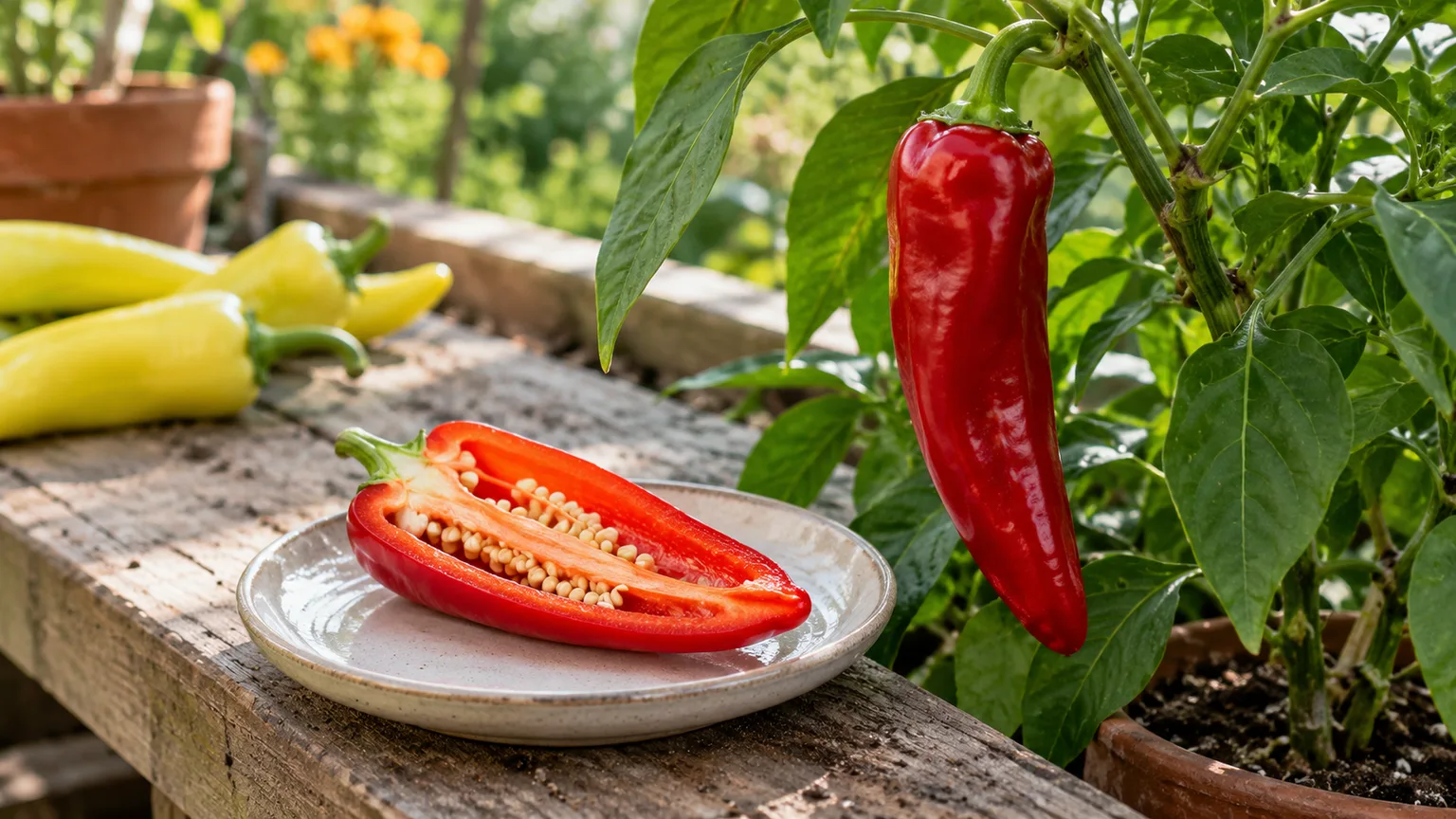
Yes, if seed saving is the goal, but do not harvest the seed fruit at the same stage you would pick a crisp pepper for dinner. Leave a healthy pod on the plant until it reaches its cultivar’s final color and begins to soften or wrinkle slightly. For many banana cultivars that means orange or red; the color to watch is the one expected for that particular seed variety. Seed maturity is a later stage than the best pickling stage, and waiting for it reduces the pepper’s crispness.
Keep seed fruit until it reaches final color
Tag one or two promising fruits while they are still attached so you do not accidentally harvest them with the yellow batch. Choose a vigorous plant with the flavor, shape, and maturity timing you want to keep, and avoid fruit that is diseased or badly damaged. UC Agriculture and Natural Resources recommends allowing peppers to reach full color and even begin to wrinkle before collecting seed; its guide says fruit may be harvested up to two weeks past the eating stage. A ripe red pepper is therefore a better seed source than a firm yellow pepper picked for a salad. (UC Agriculture and Natural Resources’ pepper seed-saving instructions)
If frost threatens before the fruit reaches its final color, you can take the whole plant indoors or pick fruit that has already started to color, but the seed may be less mature than seed from a fully ripe pod. Do not expect a green fruit picked at the last minute to produce equally reliable seed after sitting on a windowsill. Some peppers may show color change after harvest, but that is not the same as completing the full ripening process on the plant; University of Maryland Extension advises that peppers generally do not ripen after harvest. When seed quality matters, select an earlier-ripening fruit or a cultivar suited to your season next year. (University of Maryland Extension’s pepper ripening answer)
Dry and label seed from a suitable parent
Cut the fully ripe pepper open and scrape the seeds onto a clean plate or coffee filter. Spread them in a single layer in a dry, shaded, well-ventilated place until they feel hard rather than flexible; do not pile damp seeds together or bake them to hurry the process. Once thoroughly dry, store them in a labeled envelope or airtight container in a cool, dry location. Write down the cultivar name, year, fruit color, and any isolation method so you remember whether the seed should grow true to type or is an experiment.
Save seed from an open-pollinated cultivar if you want offspring that resemble the parent, and remember that nearby compatible peppers may have crossed. Seeds from an F1 hybrid can germinate but often do not produce plants with the same predictable traits as the purchased hybrid. One plant can produce viable pepper seed, but maintaining a variety over multiple seasons is more reliable when you preserve seed from several healthy plants and reduce unwanted crossing. UCANR describes stored pepper seed as viable for up to three years under proper storage; germination still depends on how mature and dry the seed was when saved. (UCANR’s pepper seed guide; University of Florida IFAS’s open-pollinated seed guide; Oklahoma State University Extension’s seed-saving guidance)
What to do with small, green, split, or wrinkled fruit
A small green pepper is not automatically a failed harvest. If it is firm, healthy, and large enough to use, you can pick and cook it, but it will usually be less developed in flavor than a full-size yellow pod. If you want a larger, sweeter fruit, leave it to grow and check again in a few days. The plant’s own mature size is your best reference; do not wait for an exact length if a cold snap is approaching or the branch is overloaded.
A freshly split pod without softness, mold, leakage, or an off smell may be usable, but use it promptly rather than store it. If it shows any of those signs, discard it and do not taste it. A wrinkled pepper can be a sign of dehydration or overmaturity, but wrinkles alone do not tell you whether it is safe or tasty; inspect an otherwise fresh, clean fruit before using it.
If the plant has a heavy load and branches are bending, do not wait for every pod to reach full red. Pick the biggest firm fruit at yellow, support the branch while cutting, and consider a simple stake or cage for the remaining crop. At season’s end, a frost forecast changes the decision: collect the usable mature-green and colored fruit before freezing weather rather than leaving a valuable harvest outside for a color that may not develop. (Utah State University Extension’s pepper growing guide)
Store and use each harvest stage well
Keep whole peppers dry and unwashed until you are ready to prepare them, then refrigerate them in a breathable produce bag or container and use them while the skin is still firm. They are best eaten soon after picking if you want the freshest crunch. Yellow-stage fruit is easiest to slice into rings for sandwiches, salads, pizza, and quick refrigerator pickles; mature red fruit is a good choice for roasting, stuffing, or cooking into a sauce where a softer texture is welcome.
For longer storage, freeze cleaned and dried peppers whole or sliced; frozen peppers soften after thawing, so plan to use them in cooked dishes rather than as crisp raw slices. For shelf-stable pickles or canned peppers, follow a tested recipe and its processing directions exactly. Do not improvise the vinegar strength, pepper-to-liquid ratio, jar size, or processing time: the National Center for Home Food Preservation’s marinated pepper recipe accepts banana peppers and gives a tested process. Quick refrigerator pickles are a separate method and must remain refrigerated.
Handle hot types with care while slicing or seeding them. Capsaicin can remain on the knife, cutting board, and fingers, so use gloves for an unknown or pungent cultivar, avoid touching your face, and wash equipment after use. If you are unsure whether a pepper is sweet, cut and taste a tiny piece before processing the whole harvest; this is safer than discovering that a jar intended for a mild sandwich topping contains the heat of a hot wax type.
Conclusion
The best time to pick banana peppers is when each pod is full-size for its cultivar, firm, and at the color stage that matches what you want to eat. Pale yellow is the useful all-purpose target for sweet, crisp fruit and pickling; orange or red means a softer, sweeter pepper, while fully ripe color is the stage to aim for when saving seed.
Check the plant every few days, cut rather than tug, and leave only selected pods to finish ripening. If the cultivar is unknown, make a cautious taste test before using the batch; banana-shaped peppers can be sweet or hot, and the label tells you more than appearance. With those cues, you can harvest each fruit when it is ready for its purpose instead of waiting for a single date that never fits every plant.



