Rabbit-Resistant Plants: Flowers, Perennials & Ground Cover
Find rabbit-resistant plants for sun, shade, bulbs, and ground cover. Compare annuals and perennials, learn where resistance fails, and know when to fence.
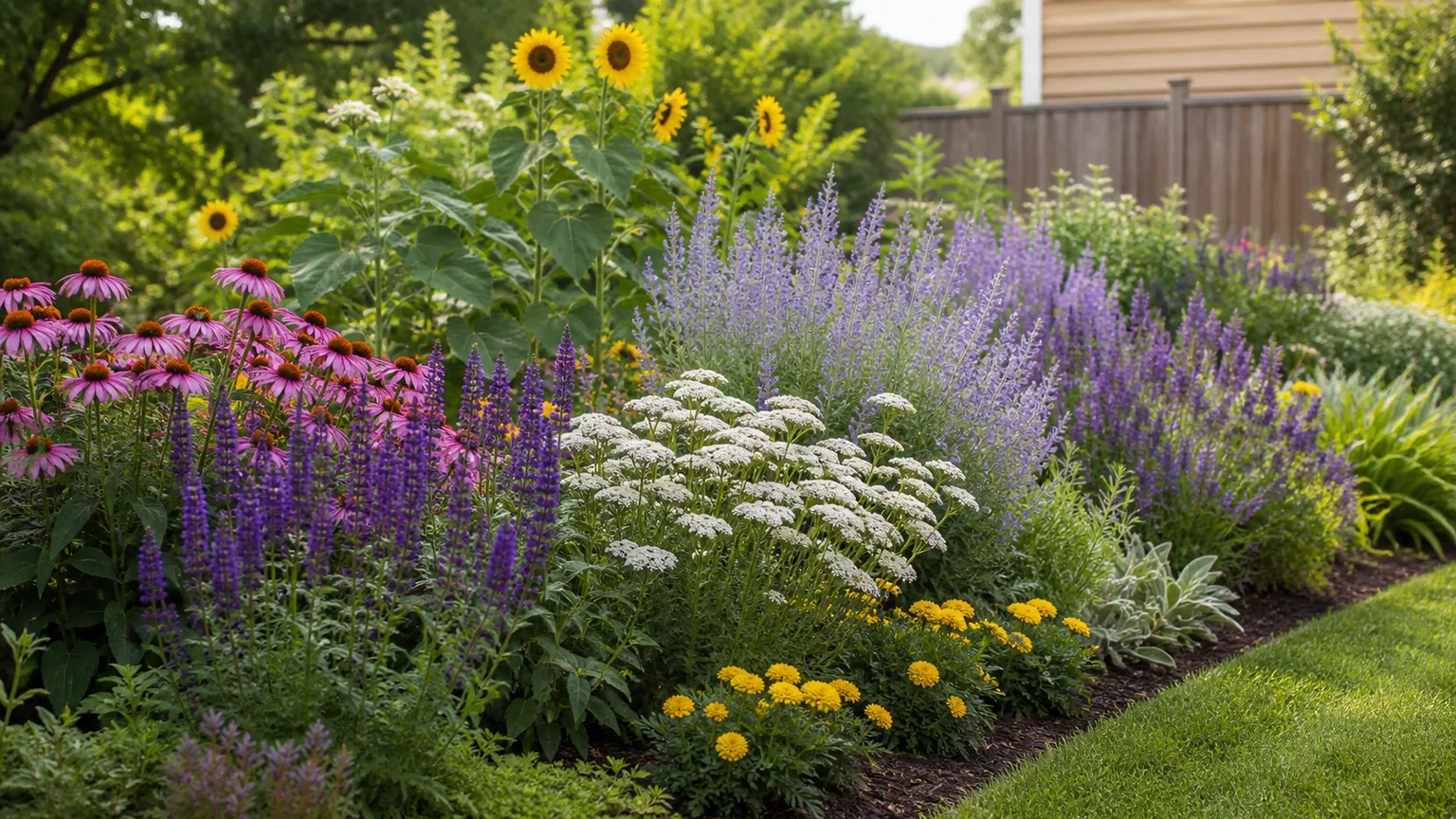
Rabbits can turn a promising bed into a row of clipped stems overnight, so it is sensible to begin with plants they are less likely to browse. The useful word is resistant, not proof: a plant that is ignored in one yard may be sampled in another, especially when rabbits have few other foods or a new planting is full of tender growth.
The best plan is to match plants to the bed first, then use a fence or guard for the few plants you cannot afford to lose. This guide groups reliable candidates by season, light, and role, and flags the popular choices that deserve a small trial before you plant a whole border.
What “Rabbit-Resistant” Really Means
No flower or landscape plant is guaranteed to escape rabbits. Colorado State University Extension explicitly cautions that animal preferences vary with environmental conditions and that no plant is animal-proof; Penn State Extension’s cottontail guidance notes that rabbits eat many kinds of flowers and switch to woody plants in fall and winter. A “rabbit-resistant” label is best read as less often damaged under ordinary conditions, not as a promise.
Rabbits tend to pass over foliage that is strongly aromatic, prickly, fuzzy, leathery, or unpleasant-tasting. Those traits can lower the odds of browsing, but they do not make a plant a repellent for its neighbors. A rabbit that is hungry, accustomed to a plant, or attracted to new soft growth can ignore the usual pattern. Extension lists also differ: horticulturalist Melinda Myers told Birds & Blooms that marigolds are often called resistant even though a reader’s rabbits ate them, and that zinnias appear on both resistant and susceptible lists.
Start With Site Conditions, Not a Generic List
Choose for the garden you have: hours of sun, drainage, moisture, winter hardiness, and the space a mature plant needs. A drought-tolerant lavender can fail in wet shade even if rabbits avoid it; a shade-loving ground cover will thin out in a hot, dry bed. Penn State Extension’s rabbit-resistant plant list is organized partly by light and moisture, a more useful starting point than a single undifferentiated list.
| Garden situation | Plants to trial | Practical caveat |
|---|---|---|
| Hot, dry sun | Lavender, yarrow, lamb’s ear, blanket flower, ornamental grasses | Drainage and local hardiness matter; some yarrow spreads |
| Average sun | Salvia, coreopsis, catmint, Russian sage, iris | Resistance varies by species and cultivar |
| Part shade | Columbine, coral bells, foamflower, bleeding heart | Some flower stalks or new shoots may still be browsed |
| Shade ground cover | Ajuga, spotted dead nettle, foamflower, sweet woodruff | Check local spread and invasive-plant guidance |
| Spring bulbs | Daffodils, ornamental alliums, iris | Protect emerging shoots; toxicity matters around pets and children |
| Fast annual color | Snapdragons, verbena, cleome, ornamental salvia | Treat as a mix to test, not a rabbit barrier |
Buy plants that suit your hardiness zone and microclimate, not just a national rabbit list. Local extension offices can refine choices for regional cottontails, heat, humidity, snow cover, and invasive species. For a first bed, trial a few plants in the spots where they will eventually grow and watch what happens before buying a large quantity.
Quick Picks by Garden Situation
For a sunny bed, start with yarrow, catmint, salvia, or blanket flower. For shade, try coral bells or foamflower, and use a small patch of ajuga only where its spreading habit is welcome. For a container that can be moved or raised, ornamental salvia or verbena gives seasonal color while making access harder, though a pot on the ground is still within reach.
Annual Flowers That Usually Hold Up
Annuals are useful when you want quick color while testing what the rabbits in your yard will leave alone. Snapdragons, verbena, cleome, ageratum, and flowering tobacco occur on multiple rabbit-resistant lists, including Penn State’s regional list and the practical roundup from Birds & Blooms. Match each to climate: snapdragons prefer cool spring or fall weather in many regions, while many salvias and verbenas flower best in warm, sunny conditions.
For a low border, verbena offers a spreading habit; for height and pollinator visits, cleome or snapdragons can fill the middle of a bed. Ornamental salvias add upright flower spikes and aromatic foliage. Think of these as candidates to try, not as a scented fence that will keep rabbits away from petunias or vegetables planted behind them.
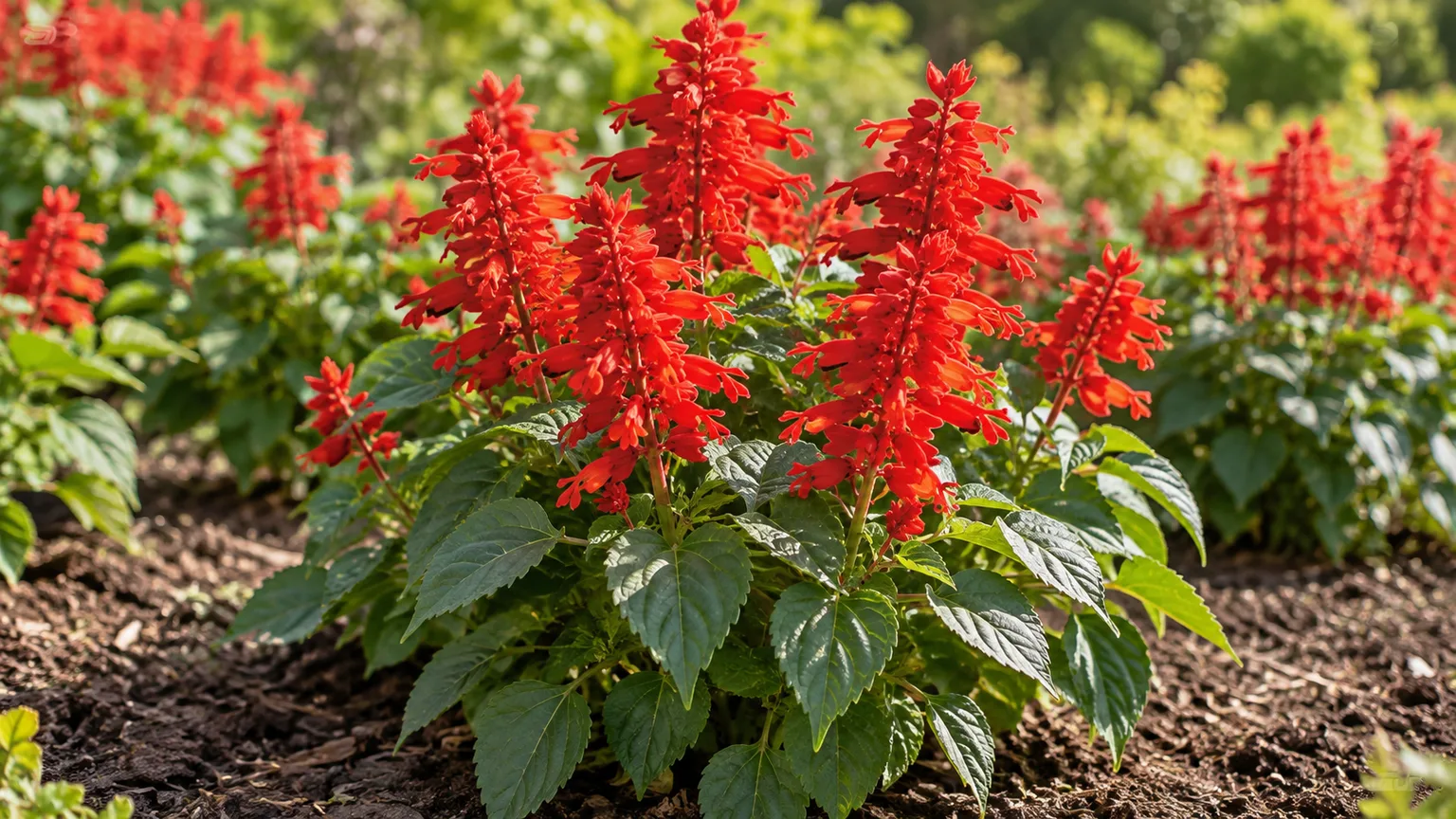
Marigolds and zinnias need a special caveat. They are commonly recommended as resistant, but gardeners report mixed results; Birds & Blooms describes marigolds being eaten and notes that zinnias are on both sides of the list. If you like them, plant a small group and protect the rest of the bed until you see how local rabbits respond.
Sun-Loving Perennials With More Than One Season of Value
Perennials can provide a dependable backbone and return after winter, so they are more cost-effective than replacing a bed of annuals every year. Start with well-documented options such as yarrow, coreopsis, catmint, lavender, Russian sage, lamb’s ear, blanket flower, ornamental sage, and iris. Penn State and Colorado State Extension lists include many of these; their culture still matters more than a resistance label.
Yarrow and blanket flower suit sunny, well-drained beds and tolerate dry spells once established. Catmint and Russian sage bring aromatic foliage, while lamb’s ear contributes soft silver leaves rather than a long flower display. Lavender is a good choice only if the site has strong sun and drainage; in humid or wet conditions, poor plant health can become a bigger problem than rabbit browsing.
Yarrow, Coreopsis, and Salvia for Long Color
Yarrow produces flat flower clusters and finely divided, aromatic leaves, and it can handle dry soil after establishment. Some forms spread more than gardeners expect, especially in fertile, consistently moist beds; choose a less spreading cultivar or give it an edge you can maintain. Coreopsis, also called tickseed, suits a sunny border and brings bright summer flowers, while perennial salvias provide upright spikes that complement lower mounds.
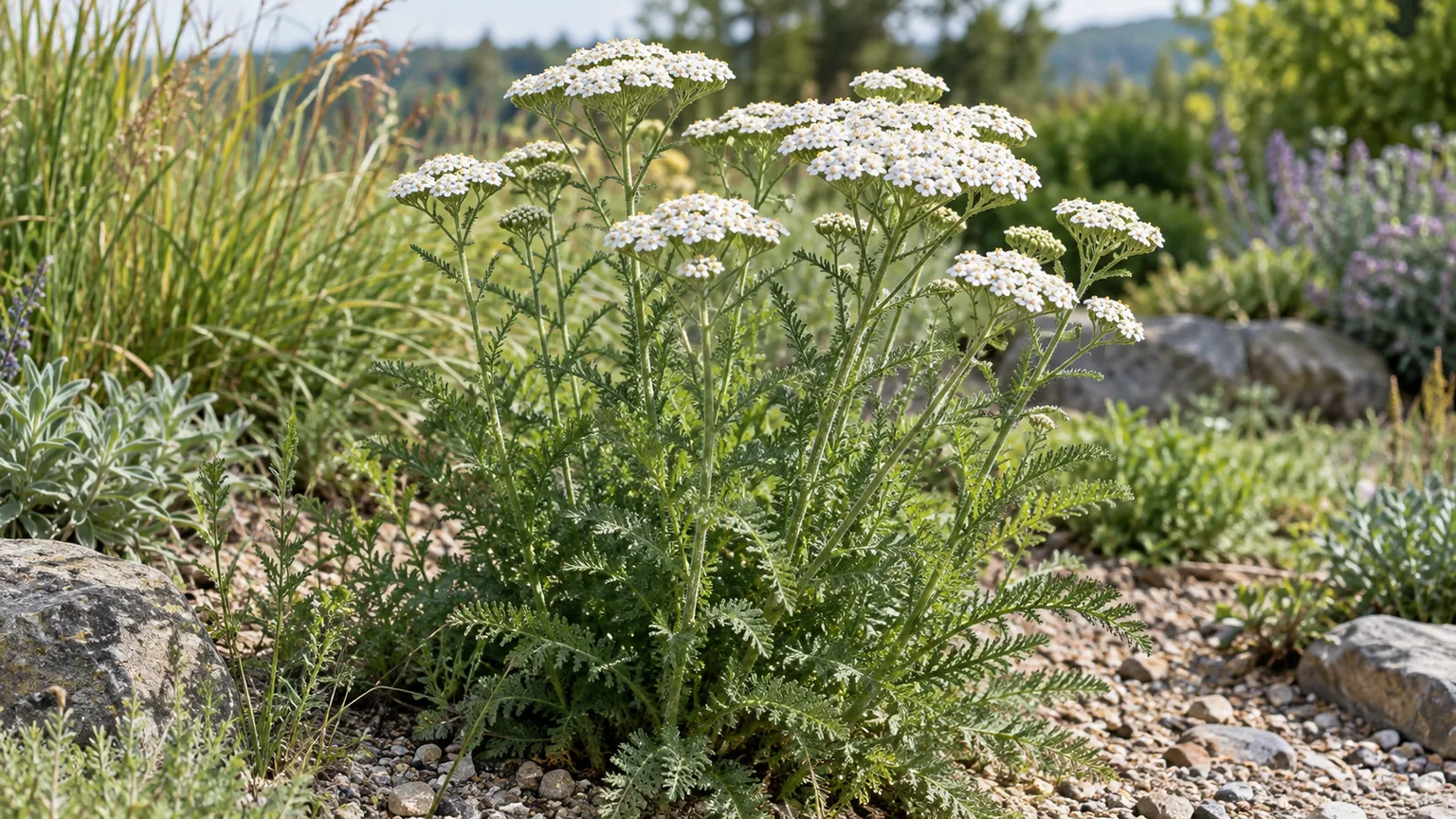
Those plants offer different roles, which is more useful than planting a large drift of one species. A mix of heights and bloom times helps preserve color if rabbits sample one favorite. Leave space for mature clumps, and do not push a new planting into lush, soft growth with excess fertilizer; a Kansas State University horticulture specialist quoted by Rural Messenger notes that young or overfertilized succulent plants are more likely to be damaged.
Part-Shade Perennials for Woodland Edges
Columbine, coral bells, foamflower, and some hardy geraniums are worth considering where afternoon sun is limited. Columbine brings spring flowers and adapts to part shade, though many types are relatively short-lived and may self-seed. Coral bells are often grown for colorful foliage, which can supply structure after flowers fade.
Do not assume every part of a listed plant is equally safe from browsing. Colorado State Extension describes coral bells as rabbit-resistant in foliage but notes that flower stalks may be eaten. If a rabbit clips a stalk, the plant may still keep its leaves and recover, but the bloom display can be reduced that season.
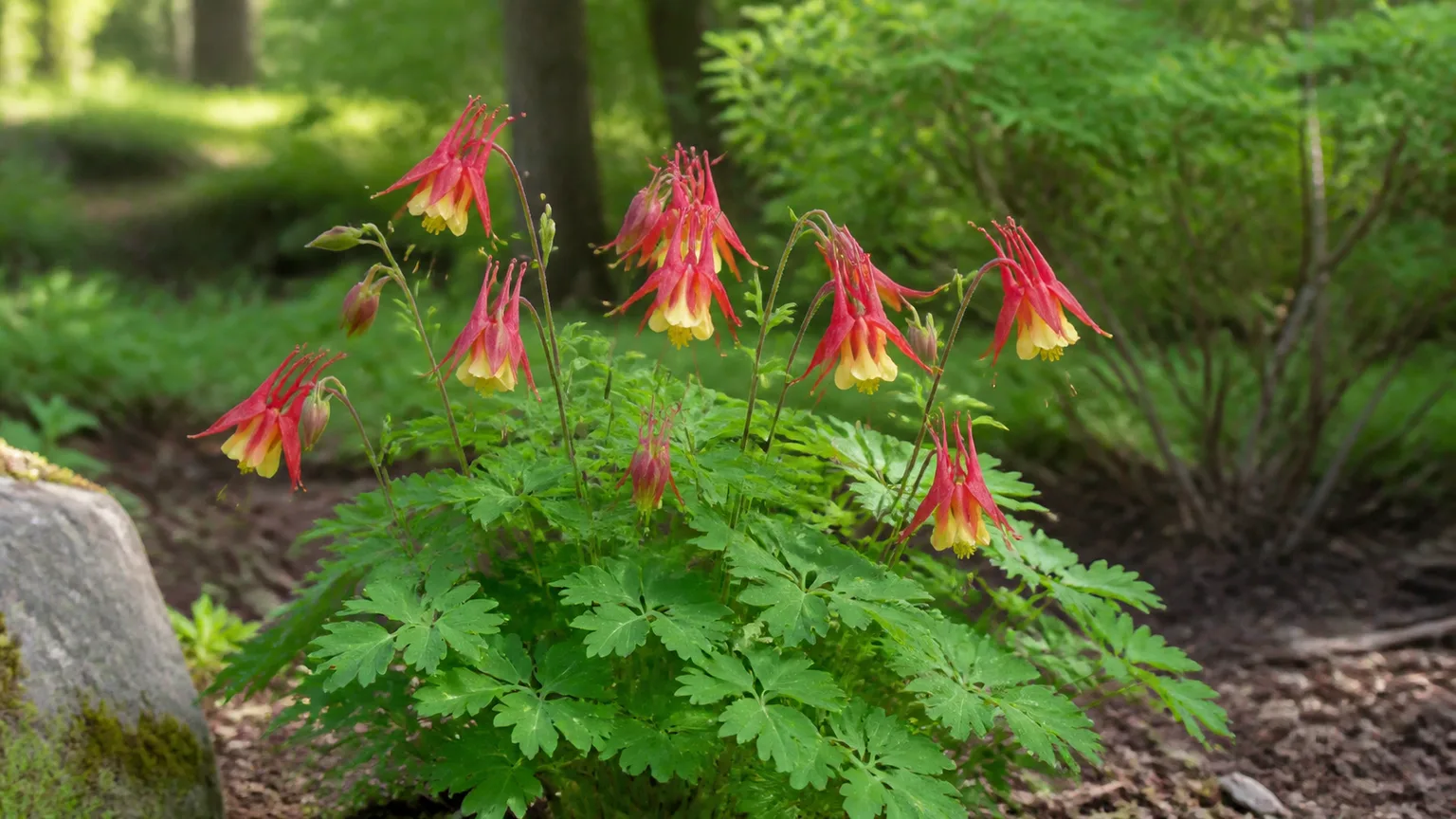
In deeper shade, prioritize plants that naturally thrive there rather than trying to make sun-loving lavender or yarrow perform. Foamflower, coral bells, and certain native woodland species can work well; check the mature spread and local native-plant recommendations before filling an entire bed. Resistance is not a reason to plant a species that will struggle in the site.
Ground Covers for Beds Rabbits Cross
Ajuga, spotted dead nettle, foamflower, and sweet woodruff are commonly used for low cover in shade or part shade. Their foliage is less succulent than the seedlings rabbits prefer, and some have aromatic or textured leaves. Ajuga spreads by runners, so it can cover a gap quickly; that same trait makes it a poor fit beside small rock-garden plants or where you need a restrained edge.
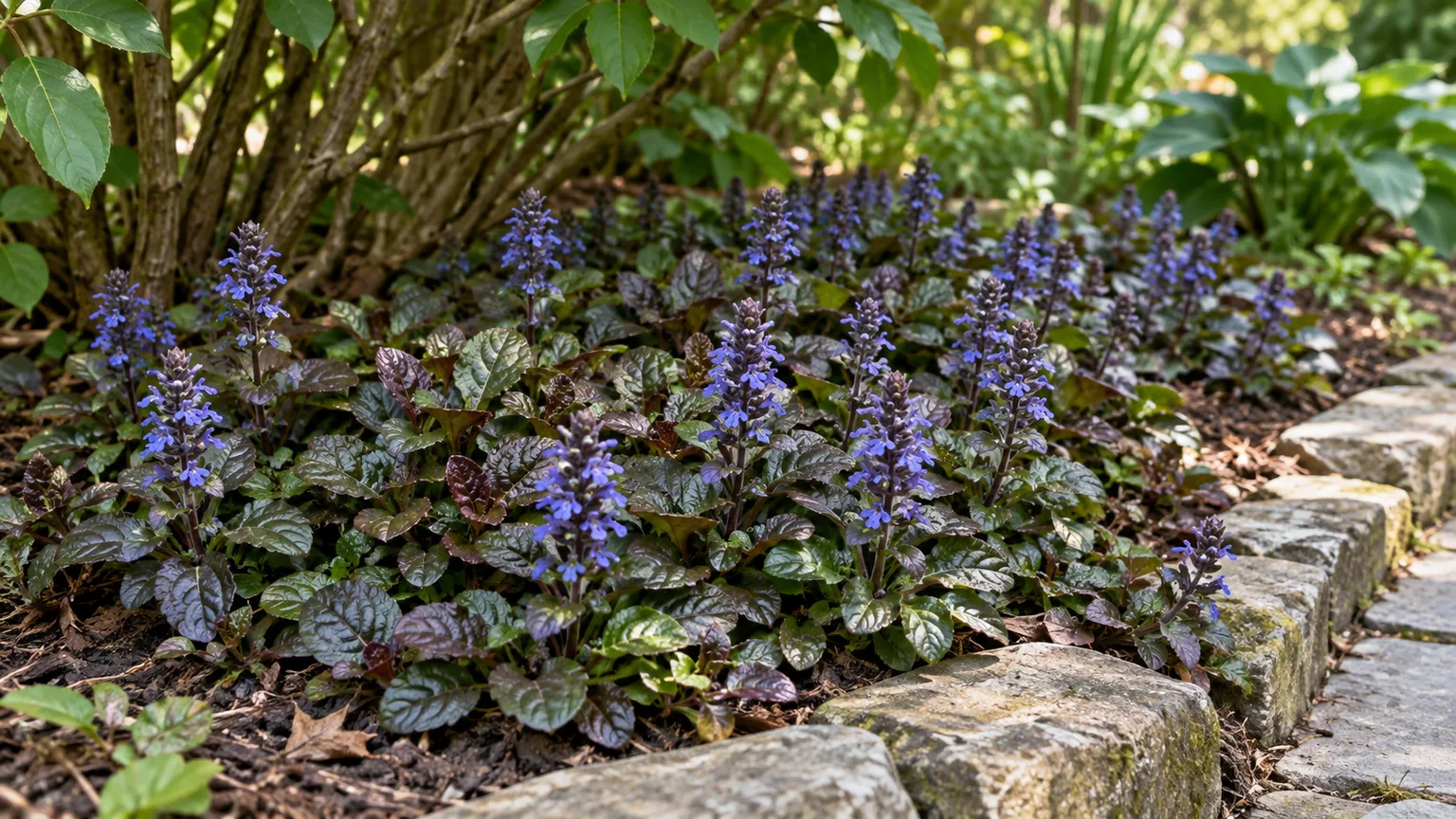
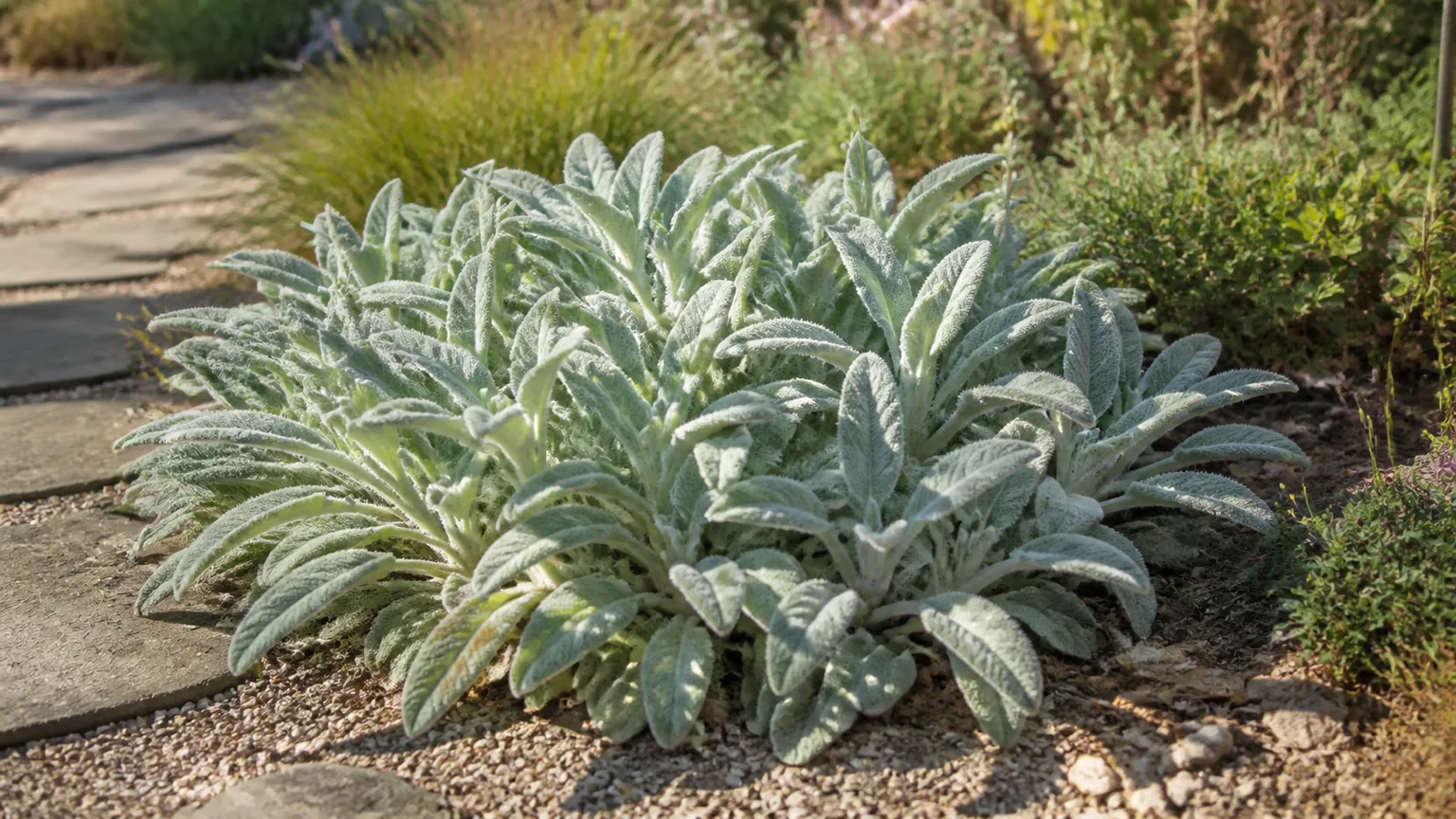
For a sunny, dry edge, lamb’s ear offers fuzzy foliage, while creeping juniper can cover a slope or hot, well-drained strip. These are very different plants: lamb’s ear is a soft herbaceous perennial, and juniper is a woody evergreen ground cover. Use them where drainage and mature width fit, not as interchangeable rabbit-proof carpets.
Ground cover does not always prevent rabbit damage. It may hide young plants or create shelter nearby, and spreading species can escape their intended area. Before planting ajuga, sweet woodruff, periwinkle, or Japanese spurge over a large patch, check your state’s invasive-plant guidance and ask whether the species is appropriate for your area; native alternatives often fit local conditions better.
Bulbs and Early Spring Flowers
Daffodils and ornamental alliums are often left alone, and iris is another option for spring or early summer color. They can fill the gap before many perennials emerge. Tulips, by contrast, are a familiar early target: Penn State Extension notes that tender flower shoots, including tulips, can be attractive to rabbits.
Even bulbs listed as resistant are vulnerable when shoots first break the soil. If you are planting a valuable bulb display, place a small-mesh cage over the bed until the foliage is established, or choose a bulb the local extension list rates as less often damaged. Do not infer that every bulb in a genus performs the same way.
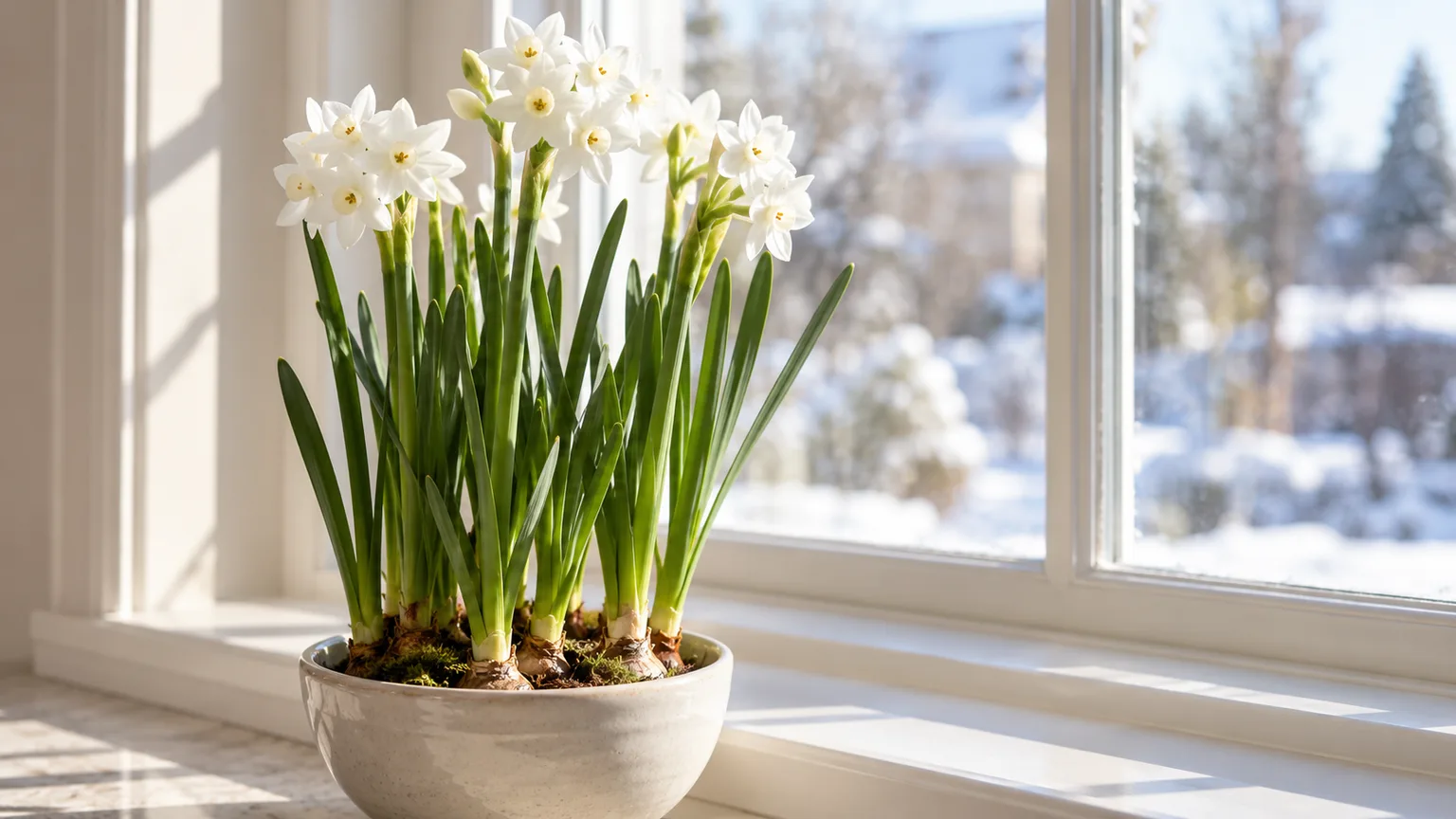
Daffodils are not an appropriate “rabbit deterrent” where dogs, cats, or horses may chew or dig them: ASPCA lists Narcissus as toxic to those animals and identifies the bulbs as the most poisonous part. Screen the exact plant for the animal you care about before planting, and never use toxicity as a substitute for fencing. ASPCA’s plant database is not a rabbit-safety list.
Shrubs, Vines, and Small Trees
Woody plants broaden the choices beyond flowers. Junipers, holly, boxwood, flowering quince, cotoneaster, and some viburnums are on regional rabbit-resistant lists; Virginia creeper and trumpet vine also appear in landscape references. Species, cultivar, and region make a difference, so use these as starting points rather than guarantees.
The season changes the risk. Penn State Extension says rabbits eat flowers and vegetables in spring and summer, then browse woody plants in fall and winter; snow can also let them reach higher stems. Protect young trees and shrubs with wire cylinders that extend above the rabbit’s expected reach, especially where snow accumulates. An unprotected sapling can be more valuable to a rabbit than a supposedly unappealing perennial nearby.
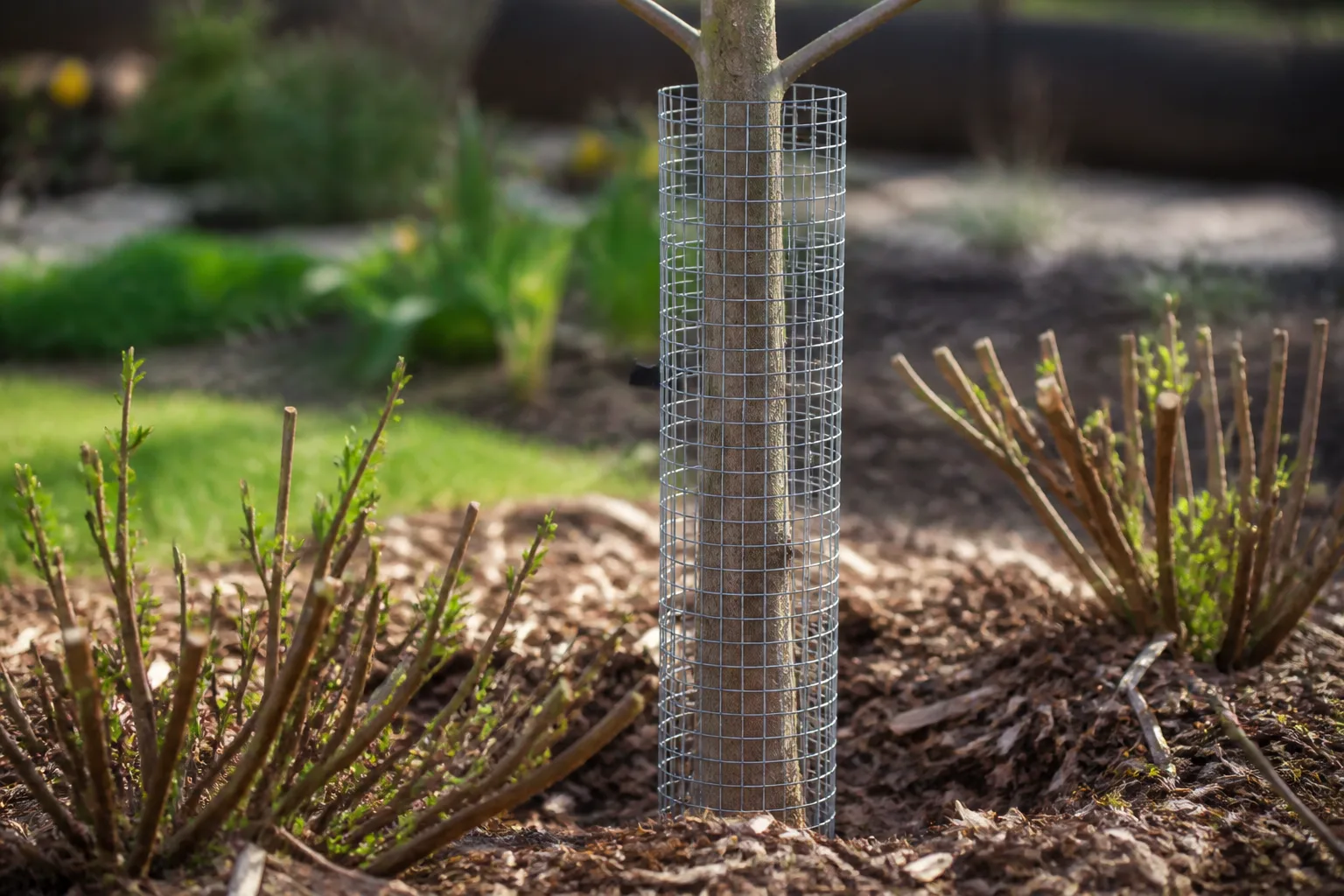
Trees and shrubs take longer to replace than annual flowers, so do not test their resistance without protection if the plant is costly or important for screening. A small guard around the trunk is often a simpler safeguard than trying to choose a tree rabbits never touch.
Plants Often Called Rabbit-Proof That Need a Trial
Some popular recommendations have a misleadingly firm reputation. Marigolds, zinnias, and even plants with strong scents can be damaged in a particular garden. A rabbit that has learned to eat a plant may keep returning; another rabbit may ignore the same plant. This is why “often avoided” is more accurate than “rabbits won’t eat it.”
Also separate deer-resistant from rabbit-resistant. The animals do not share exactly the same menu or feeding reach, so a “deer-proof” label does not prove a plant will survive rabbits. When a source gives no plant species, conditions, or region, treat the claim as a prompt for a small test rather than a buying guarantee.
Safety and Spread: Two Filters Before You Buy
Several plants on broad resistance lists are avoided partly because they contain compounds that can harm animals or people. Colorado State Extension marks monkshood as toxic as well as rabbit-resistant, and Poison Control warns that every part of Aconitum napellus contains toxins. That is a reason to reject monkshood around children, pets, or livestock—not a reason to use it as a natural rabbit barrier.
If an animal may eat plants, check a trustworthy source for that animal and the exact species name. ASPCA’s database covers dog and cat exposures and cautions that any plant material may upset their stomachs; it does not establish safety for rabbits. If a pet chews a plant and you are unsure what it was, keep a sample or photograph and contact a veterinarian or animal poison-control service.
Spread is the other filter. A plant that handles browsing well can still cause a future problem if it reseeds freely, runs beyond the bed, or is invasive in your area. Ask a local extension office about the species and cultivar, especially before using a fast-spreading ground cover or a woody ornamental in a natural area.
Build a Planting Plan That Can Recover
Use resistant plants as the bed’s structure, then place favorites that rabbits often eat in a protected spot. In a mixed border, that might mean a background of salvia and yarrow, a small trial patch of zinnias, and tulips inside a temporary cage. The goal is not to make every plant equally unpalatable; it is to keep one setback from erasing the whole design.
Keep a simple note of what was nibbled, when it happened, whether the plant was new growth, and whether other food was available. After one season, you will have a more useful list for your own yard than a national ranking. Replace failed plants with a different species or cultivar, not a larger quantity of the same one.
Protect the Plants You Cannot Replace
For a small bed or vegetable patch, Penn State Extension recommends a two-foot chicken-wire fence with the bottom tight to the ground or buried a few inches; mesh one inch or smaller helps keep young rabbits from passing through. Close the gate and check for gaps after mowing or soil work. In high-pressure areas, raise or reinforce the barrier to suit local conditions, and allow for the extra reach rabbits gain when snow piles against it.
For seedlings, bulb shoots, and young woody plants, a temporary cage or individual trunk guard is often easier to maintain than a perimeter fence. Repellents can be another layer, but their effectiveness varies; follow the current product label and reapply as directed, especially after rain or when new growth appears. A repellent does not protect untreated growth.
When Resistant Plants Still Get Eaten
First, confirm that a rabbit caused the damage. Penn State Extension describes cottontail cuts as clean and angled, like a knife cut; deer usually leave a ragged edge. Rabbit damage is generally low to the ground, though snow raises the feeding line. Droppings or tracks nearby are useful supporting clues.
Next, look at the plant’s age and the pattern. Fresh transplants, seedlings, and soft new shoots are easier to bite than established, tougher growth; Gardening Know How likewise warns that young plants are especially susceptible. If only the new leaves are gone, cage the plant for a few weeks while it establishes rather than immediately removing it.
If an established plant is repeatedly clipped, switch from relying on its label to relying on a barrier. Move the plant into a container out of reach, cage the plant, or fence the bed. If only one species is hit, keep the rest of the bed and replace that one with a different candidate. If many plants are damaged in the same area, change the protection plan rather than buying a longer list of “rabbit-proof” flowers.
Conclusion
The most dependable rabbit-resistant garden starts with plants that suit the site: aromatic or textured choices such as yarrow, salvia, catmint, lamb’s ear, and ajuga can be useful, while annuals, bulbs, and shade plants fill specific seasonal gaps. Their resistance lowers risk; it does not remove it.
Test a few plants, record what rabbits actually eat, and protect seedlings, bulbs, and valuable woody plants with mesh when failure would be costly. That combination gives you a more colorful bed and a practical response when local rabbits ignore the list.



