Vegetables and Herbs to Plant in August
Choose August vegetables and herbs by your first frost date, then learn which crops to sow, transplant, shade, and water for a reliable fall harvest.
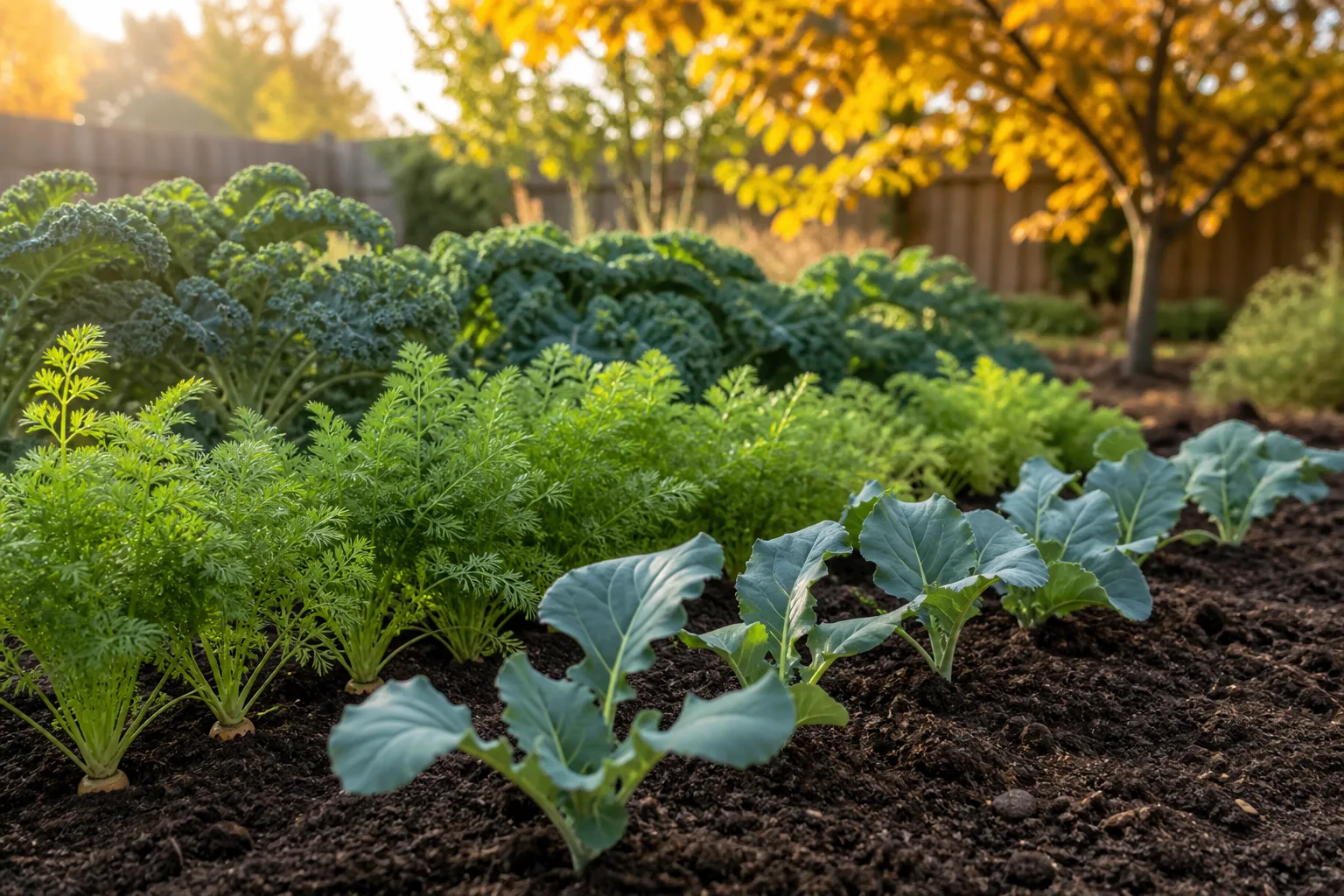
August planting is a handoff between seasons: summer crops are still producing, but the next round needs to be chosen for shorter days, cooler nights, and the first frost. The right choices can bring tender greens, crisp roots, herbs, or one more round of beans to the table; the wrong choices may run out of daylight before they make a harvest.
This guide describes the August planting window in the United States. As of October 17, 2026, August has passed; use this as a plan for next August, and use your local October planting calendar if you are deciding what to sow now. The timing principles still apply wherever you garden: match each crop’s time to maturity to your local weather, not to a national month-by-month list.
1. Decide by frost date, not the calendar alone
“Plant in August” can mean an early-month sowing in Maine, a late-month transplant in Georgia, or no outdoor sowing at all in a tropical region with a different rainy-season calendar. Your location, elevation, garden microclimate, variety, and whether you sow a seed or set out a transplant all change the answer.
1.1 Calculate your last useful sowing date
Find the average date of your first killing frost—the frost that ends tender crops, rather than the first cool night—and read the seed packet’s days to maturity. Check whether the packet counts from sowing or transplanting; for a transplant, do not add the nursery’s seed-starting period a second time.
Then allow time for fall conditions. Virginia Cooperative Extension’s fall-garden formula adds the crop’s average harvest period and roughly two weeks for slower growth as days shorten; for frost-tender fruiting crops such as beans, cucumbers, tomatoes, and squash, it recommends an additional two-week buffer before frost. A useful planning shorthand is: first killing frost minus days to maturity minus about 14 days for slower fall growth; add another 14 days for frost-tender crops and add harvest time if you want more than one picking. These are planning margins, not guarantees; local shade, soil temperature, and a cold pocket can move the outcome. (Virginia Cooperative Extension)
For example, a 35-day radish with a frost date 70 days away has a more comfortable window than a 65-day bean with the same frost date. A small garden with limited space should favor fast crops or edible leaves that can be harvested young rather than filling a bed with a crop that may never size up.
1.2 Read “August” by climate and hemisphere
This article’s regional advice is for the Northern Hemisphere, especially U.S. gardens. In the Southern Hemisphere, August is late winter, not late summer; use local spring sowing advice instead. In tropical and subtropical areas, rain, heat, and dry-season transitions may be more useful than frost dates, so follow a local extension calendar.
Hardiness zones alone do not tell you whether a vegetable will mature before frost. They describe typical winter low temperatures for perennial plant survival; for annual vegetables, your local first-frost estimate, days to maturity, and current soil and air temperatures are more useful.
2. Quick August planting choices by harvest speed
Use the seed packet to compare varieties, because maturity can differ by weeks even within one crop. As a starting point, these groups help you narrow the choices before you calculate exact dates:
| Time available before cold weather | Crops to consider | Best starting method |
|---|---|---|
| About a month or less | Radishes, baby arugula, leaf lettuce, mustard greens, small turnips | Direct sow; pick leaves or roots young |
| About one to two months | Beets, spinach, chard, carrots, cilantro, dill, bush beans where the season is long enough | Direct sow most; use quick-maturing varieties |
| More than two months, or a protected bed | Kale, collards, cabbage, broccoli, peas, cucumbers, summer squash | Transplant brassicas; direct-sow only where the frost window allows |
These are broad maturity bands, not a promise that a plant will mature by the packet’s stated day. Fall growth often slows, heat can delay germination, and a crop listed as “days to maturity” may assume consistent conditions. Start with the fastest variety that suits your use, then count backward from your frost date.
3. Leafy greens for cooler weather
Leafy crops are among the most flexible August choices because many can be harvested before they reach full size. A gardener with a short season can thin lettuce or mustard for baby leaves, while someone with a longer fall can let plants form larger leaves or heads.
3.1 Lettuce, arugula, spinach, and mâche
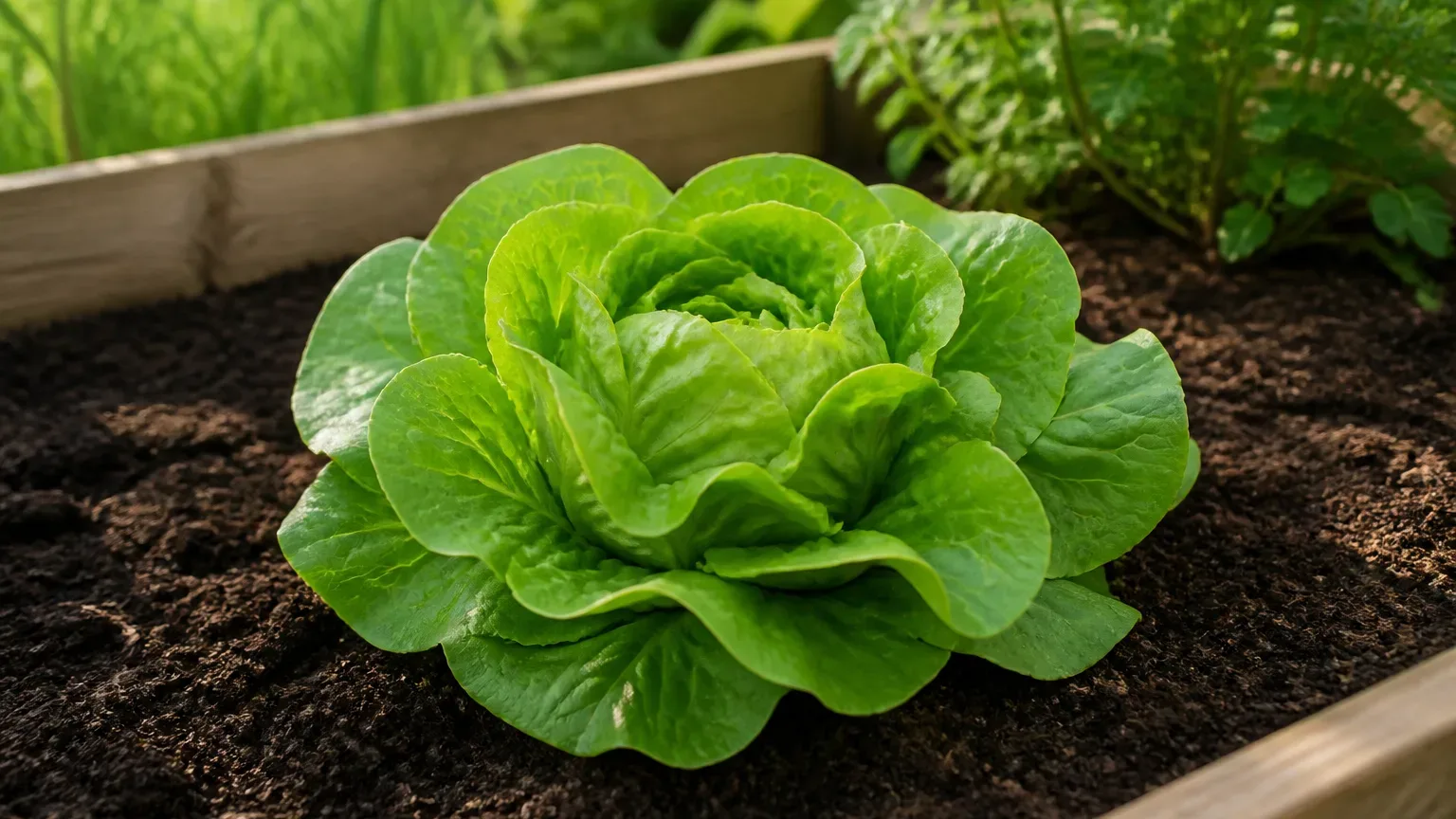
Leaf lettuce, arugula, and mustard greens can provide quick baby-leaf harvests when planted into moist soil. Choose bolt-resistant or heat-tolerant lettuce for early August, and give it light afternoon shade while the seedbed is hot; as nights cool, the plants can receive more direct sun. Arugula and mustard germinate quickly, but warm weather may make their flavor sharper, so sow small patches rather than a large row.
Spinach is more particular about heat. It is a stronger bet late in August or when the soil has cooled than during a heat wave, because seed may germinate poorly in hot, dry ground. Keep the surface evenly moist and consider starting a small patch in a cooler, shaded spot; if it fails, wait for cooler conditions and sow again instead of repeatedly watering a hot bed.
Mâche, also called corn salad, grows slowly but tolerates cool weather and is useful in regions where late-season salad greens can continue into fall. Sow it thinly, keep the bed moist until seedlings establish, and harvest outer leaves or whole rosettes depending on the variety. Leafy greens and mâche are a good choice when you want repeated small harvests rather than one large harvest day.
4. Brassicas and hardy greens
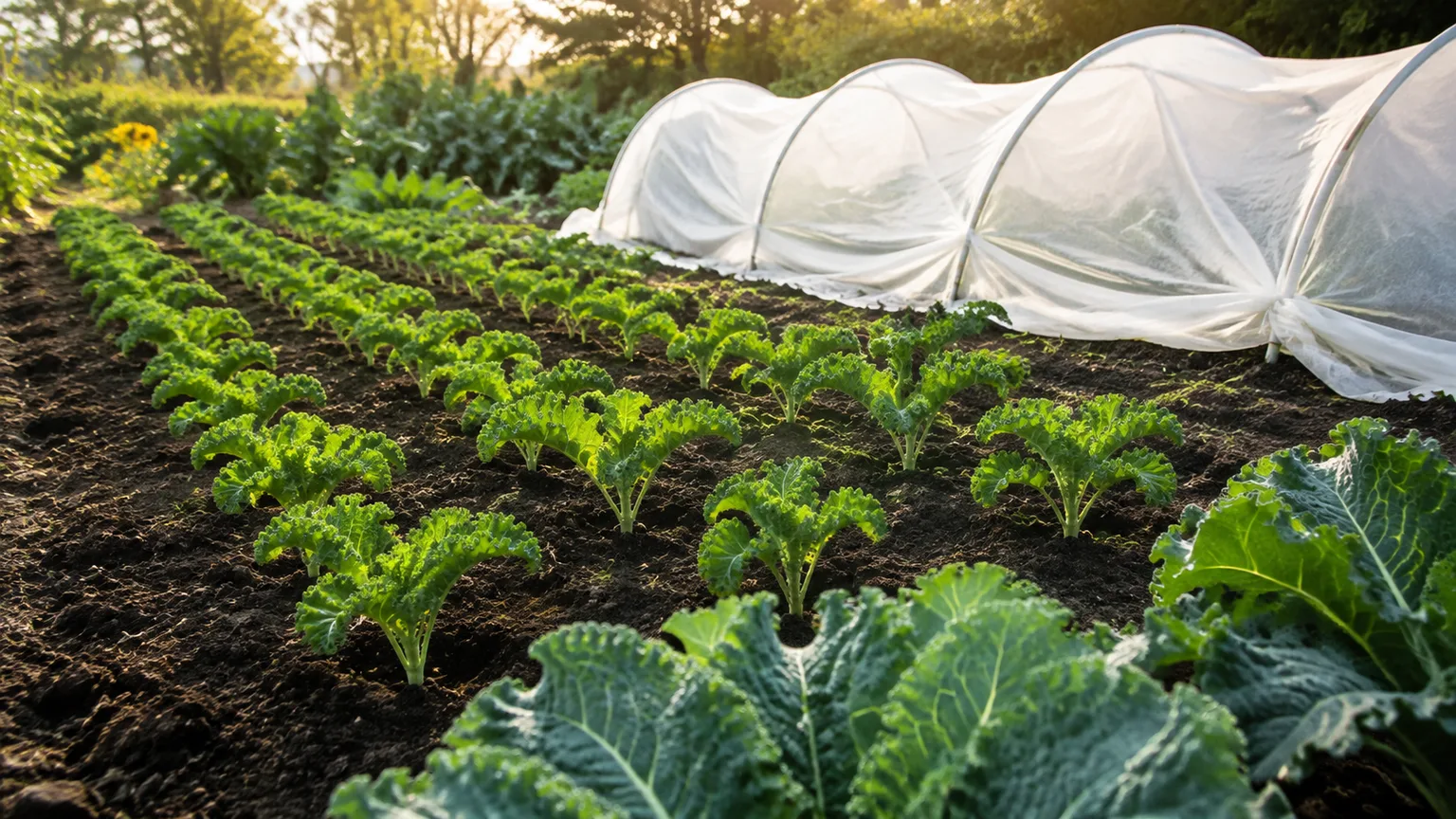
Broccoli, cabbage, cauliflower, and Brussels sprouts are usually better August purchases as young transplants than as seeds sown outdoors. They need a longer runway than radishes or baby greens, and direct seeding in August may leave them too small when daylight and warmth decline. Pick compact, early-maturing varieties, check the packet for days from transplant, and avoid plants with yellowing, root-bound stems or insect damage.
Kale and collards are more forgiving. In a short-season garden, buy sturdy starts or begin seeds indoors early enough to set out established plants; in a milder region, sowing in August may still leave time for a useful leaf crop. Collards are especially practical in the Southeast, where fall weather can extend their picking season. A light frost can improve flavor for some hardy greens, but frost tolerance does not make a tiny plant mature instantly—size and establishment still matter.
Brassicas attract cabbageworms and other caterpillars. Check leaf undersides every few days, especially while plants are small, and use a light insect barrier soon after transplanting if pests are common in your area. Keep the barrier supported so it does not press on leaves, and remember that a cover also needs to be opened for pollination if you are growing a fruiting crop beneath it.
5. Root crops for fall meals and storage
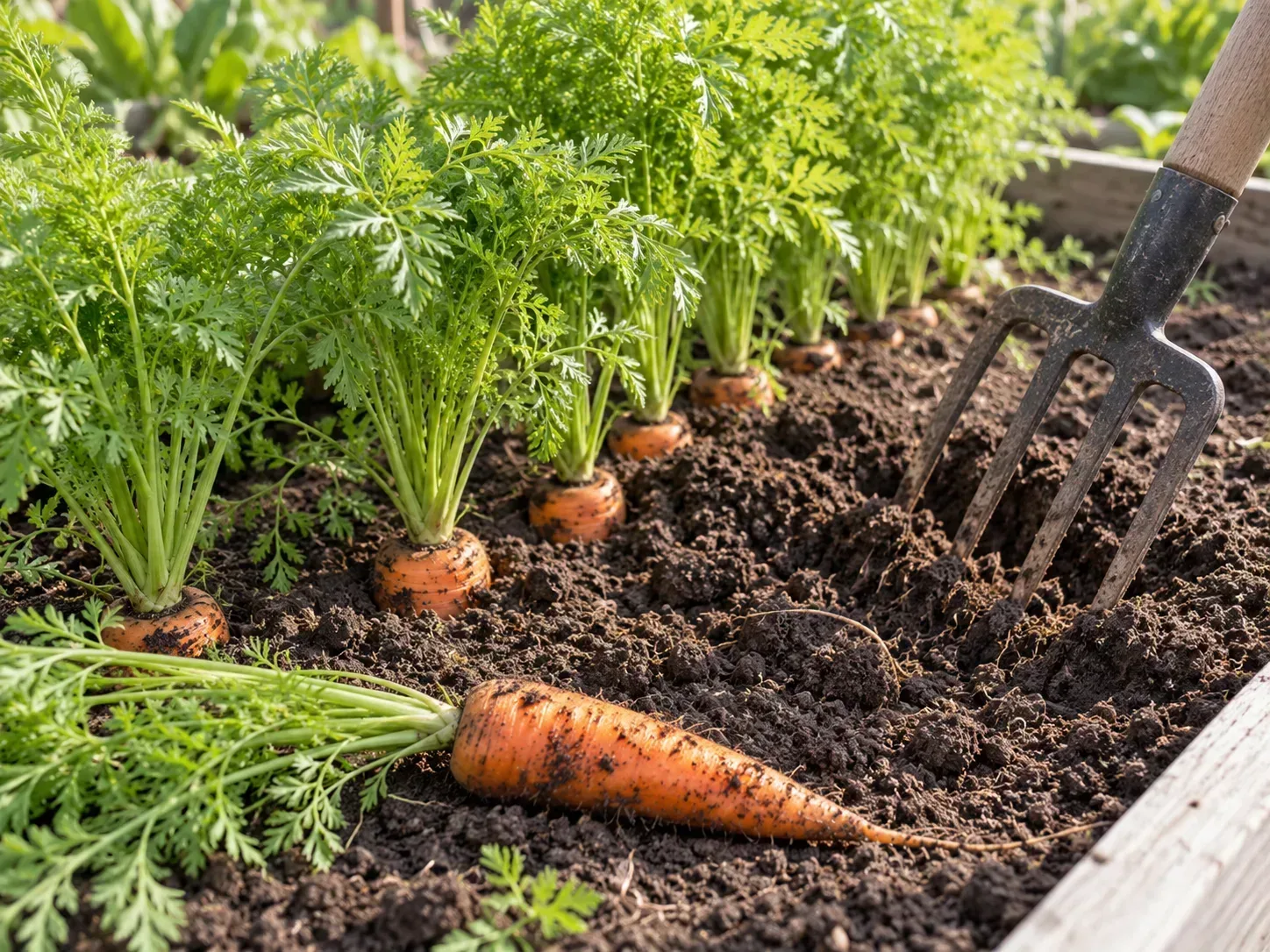
Radishes, turnips, beets, and carrots are useful because they can be eaten at more than one size. Radishes and salad turnips are among the quickest; beets can be pulled young or left to size up; carrots need loose, stone-free soil so roots can lengthen without forking. For all of them, seed depth and consistent moisture matter more than rich fertilizer.
Direct-sow root crops rather than transplanting them. Loosen the top few inches, remove clods, and avoid adding a heavy dose of nitrogen that encourages leafy tops at the expense of roots. Sow a little more densely than the final spacing requires, then thin seedlings while they are young; overcrowding makes roots small and misshapen.
Carrots are a better late-August bet in the northern half of the country when the variety is fast, the frost window is long enough, and the seedbed can be kept damp until emergence. In hot regions, wait for the soil to cool or sow in a partially shaded row. Turnips and radishes may be harvested small if the season closes early, so they are sensible “insurance crops” when the remaining window is uncertain.
6. Peas, beans, and warm-season holdovers
Bush beans can still make a final harvest in a long-season garden if the variety matures quickly and your frost calculation leaves a buffer. They are frost-tender, so do not count only the packet days; allow time for fall slowdown and a picking period. Pole beans take longer to begin producing and are usually a poor late-August gamble in a short season.
Peas need a different judgment. They prefer cool weather, but seed may struggle to germinate in very warm soil. In cooler northern gardens, a late-August sowing may start a fall crop; in a hot Southern garden, wait until heat eases rather than forcing the seed into a baking bed. A short row or container trial is less risky than dedicating the entire garden to a crop that dislikes the current temperature.
Cucumbers, summer squash, and sweet corn are regional exceptions, not universal August recommendations. They may work in the Deep South, Gulf Coast, or warm desert locations where the frost-free season is long, but they need warm soil and enough time for fruit to set and mature. Corn also needs multiple rows for reliable pollination. Georgia’s extension calendar, for example, lists August dates for beans, potatoes, cucumbers, and squash for its own climate; it also notes that planting guidance shifts across the state. Do not transfer those dates to a colder state. (University of Georgia Cooperative Extension)
7. Herbs that rebound as nights cool
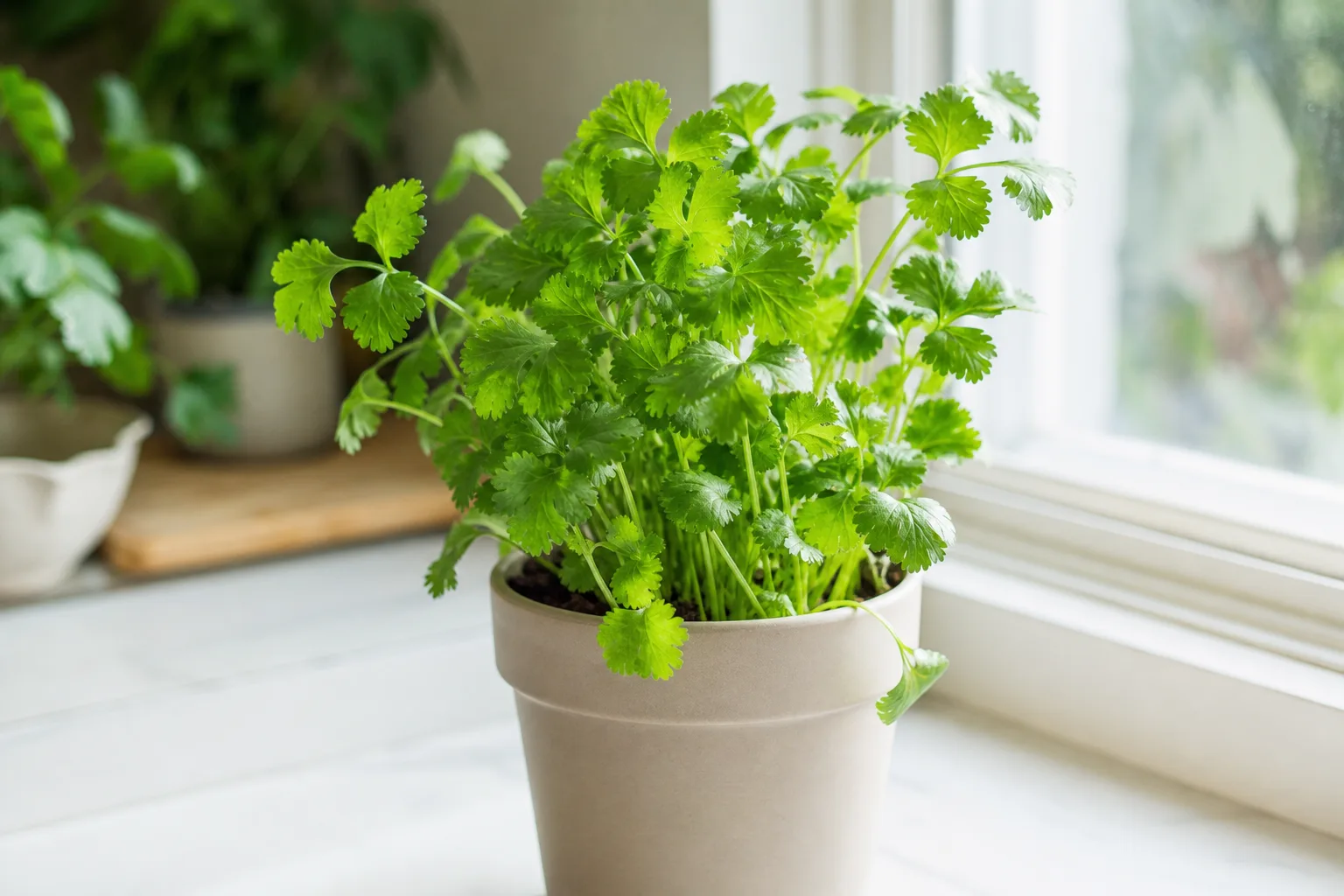
Cilantro is often more satisfying in a fall garden than in midsummer. Heat makes it bolt quickly; cooler nights slow that transition and extend the window for leaves. Sow a few short rows or pots every couple of weeks rather than a large patch all at once, and harvest outer leaves before plants flower. If your climate stays hot through August, wait until the forecast begins to moderate.
Dill is also quick from seed and can provide leaves before flowering, then seeds if enough time remains. Parsley takes longer to establish, so transplants are the safer choice if fall is short. Basil can be planted in a warm, frost-free region for a final flush of leaves, but it is tender and should not be counted on for a fall harvest where frost is near.
Keep herbs in a sunny bed with reliably moist soil while they establish. A container can help in hot climates: move it out of harsh afternoon sun during the hottest stretch, then return it to brighter conditions as temperatures drop. Don’t use the same watering rhythm for every herb; check the potting mix and water when it begins to dry rather than leaving roots soggy.
8. Match crops to your U.S. region
Regional labels are only a first filter. Elevation, coastlines, heat islands, slopes, and cold-air pockets can make two gardens in the same town behave differently, so pair any broad regional pattern with your actual frost date and the variety’s maturity information.
8.1 Northern and high-elevation gardens
In New England, the upper Midwest, northern mountain valleys, and higher elevations, August often means prioritizing speed. Sow radishes, baby greens, turnips, and fast beets early in the month; plant kale, collards, broccoli, and cabbage as transplants if there is enough time. A late-August planting of spinach or carrots can work where fall is long, but it is risky if frost arrives early or the bed is shaded.
Treat cucumbers, summer squash, tomatoes, and corn as unlikely unless you are extending an existing plant or have a protected, unusually warm site. If a crop needs more time than the calendar allows, grow it for leaves or baby harvests only if the species tolerates that use; do not assume every vegetable can be harvested young without losing quality.
8.2 Midwest, Mid-Atlantic, and Pacific Northwest
These regions contain wide weather differences, but many gardens can use August for a mixed fall bed: greens for quick picking, radishes and turnips for fast roots, and brassica transplants for a later harvest. The Pacific Northwest’s mild coastal gardens may continue much longer than inland or high-elevation sites; inland Mid-Atlantic gardens may also see a much earlier frost than coastal neighborhoods.
Use the remaining daylight and forecast, not state boundaries, to decide between seed and transplant. Harvest-to-Table’s Stephen Albert describes August as a bridge month across his gardens in Iowa, eastern Massachusetts, and Northern California, while stressing that cold-climate planting is constrained by frost and mild-climate schedules can extend into winter. That contrast is more useful than assuming one month means the same crop list everywhere. (Harvest to Table)
8.3 Southern and desert gardens
In the Southeast and Gulf Coast, August can be hot enough to delay cool-season germination, even when the calendar says “fall planting.” Prepare beds now, start brassica transplants in a protected, partly shaded place, and time direct-sown greens for a cooling forecast. Collards, turnips, mustard, and later lettuce are common fall choices, but exact sowing dates move northward or southward within a state.
In the low desert Southwest, gardeners often move into a fall warm-season window as summer heat begins easing; tomatoes or cucumbers may be possible where the frost-free season is long enough. But high desert and mountain gardens can have short seasons despite warm afternoons. Use local extension calendars and nighttime temperatures, and do not read “Southwest” as a single climate.
9. Prepare the bed and sow into hot soil
Clear the row as soon as a spring or summer crop is finished, remove diseased material, and keep healthy roots in place if they do not obstruct the next planting. Add a thin layer of finished compost if the bed is depleted; avoid automatically feeding a recently fertilized bed, because excessive leafy growth can delay fruiting or root development. A soil test is more reliable than guessing at lime or fertilizer.
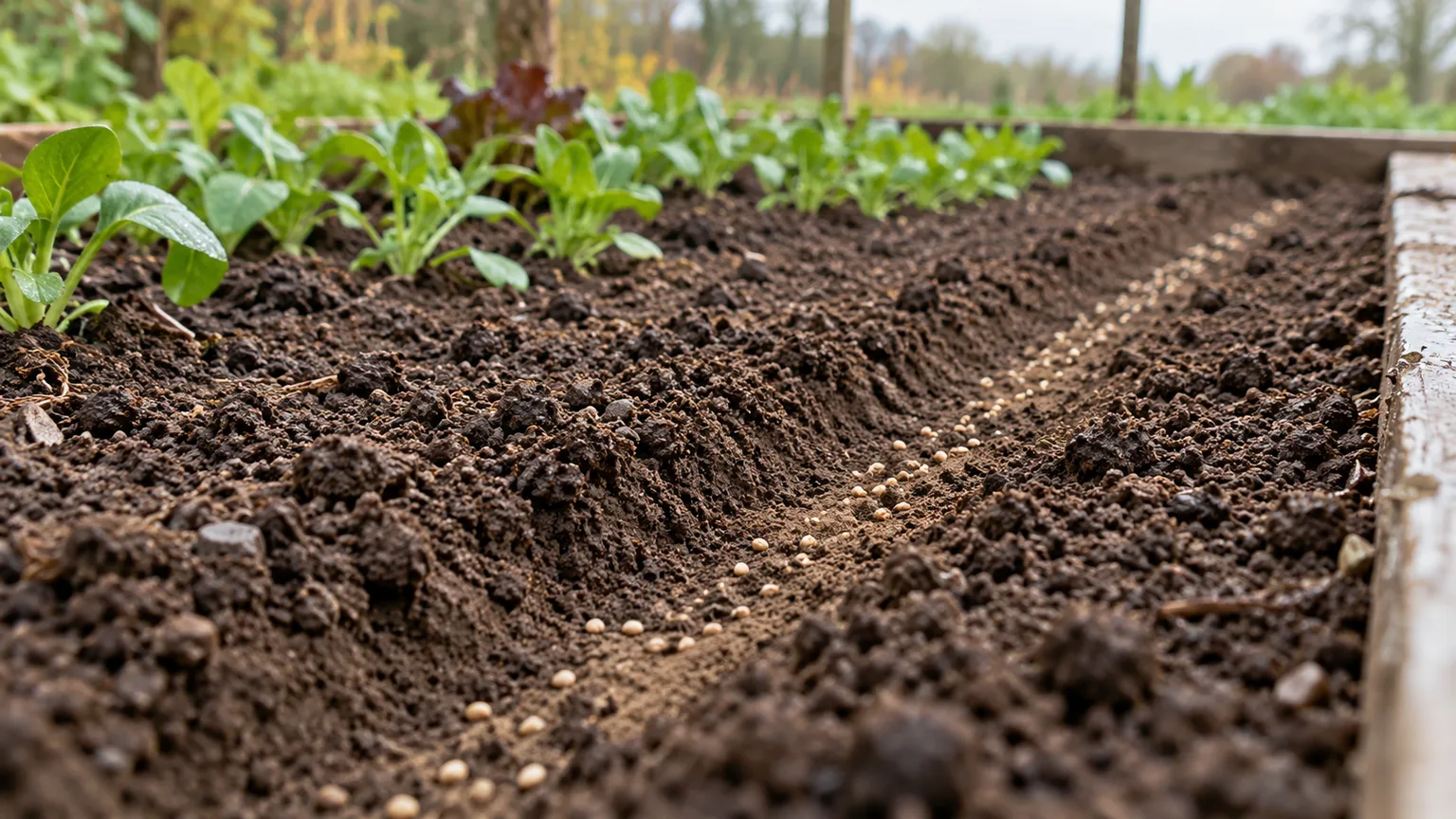
Late-summer seedbeds often dry out before seeds germinate. Water the row the day before sowing, make a shallow furrow, water it again if it is dusty, place seed at the packet’s depth, then cover lightly and firm the soil so seed contacts moisture. Virginia Tech describes using shade, a shallow trench, or a temporary board to keep a hot seed row moist; if you try a board, remove it as soon as seedlings reach the surface so they do not become pale or weak. (Virginia Cooperative Extension)
Do not bury fine seed too deeply under mulch. Keep heavier mulch between rows, where it reduces evaporation and suppresses weeds, and leave the seed line thinly covered so sprouts can emerge. Once seedlings are established, add mulch around—not over—them.
10. Keep seedlings cool, moist, and established
A row of seeds can fail in August even when the crop is seasonally appropriate. The top layer of soil heats and dries quickly, and tiny seedlings have roots too shallow to reach deeper moisture. Check the surface each morning and again on very hot or windy days; water gently enough to wet the seed zone without washing seeds into a clump.
Temporary afternoon shade can lower stress for lettuce, spinach, cilantro, and other cool-season seedlings. Use an open shade cloth or a light barrier that allows airflow, then reduce the shade once the weather cools and plants are established. Shade is a germination aid, not a permanent condition for crops that need strong light to grow compactly.
For transplants, water the container before planting, set the root ball at the same depth it was growing, and water the soil around it. Transplant in the evening or on a cloudy day when possible. A wilted plant in midday sun may recover by evening, but persistent wilting in moist soil is a sign to check roots and drainage rather than adding more water automatically.
11. Succession sowing and harvest timing
Instead of sowing a month’s worth of salad greens at once, sow a small patch every 10 to 14 days while conditions and your frost window allow. Horticulture writer Amber Noyes gives the same interval for repeating arugula; treat it as a useful rhythm, not a fixed calendar rule, because each sowing still has to fit your local frost window. (Gardening Chores) This spreads the harvest and reduces the chance that all the lettuce bolts or all the radishes become woody in the same week. If the first sowing struggles in heat, delay the next round until evenings cool rather than repeating the same conditions.
Use space that opens up as summer crops finish, but change plant families where practical. Follow tomatoes with a non-solanaceous crop, and avoid putting cabbage-family crops in the same small patch year after year if clubroot or other brassica disease has been a problem. Succession planting is not only repeating a seed packet; it is planning which bed becomes available, what the next crop needs, and how quickly that crop must finish.
Harvest leaves regularly once plants are large enough to recover. For lettuce, pick outer leaves or whole heads according to the variety; for collards and kale, remove lower leaves while leaving the growing point intact. Pull roots before they become oversized or woody, especially as the weather shifts. Check the forecast early enough to harvest frost-tender crops before a hard freeze.
12. Mistakes that waste the August window
The most common mistake is treating all vegetables as if they respond to frost in the same way. Radishes and kale tolerate cold better than beans, basil, and cucumbers, while a frost-tolerant crop can still fail if it is planted too late to reach a useful size. Separate the question “Will it survive frost?” from “Will it mature before growth slows?”
Other avoidable problems include sowing spinach into hot, dry soil; choosing a slow variety because its name sounds familiar; transplanting brassicas that are already stressed or root-bound; and watering lightly so often that only the surface stays wet. Fix the bottleneck first: wait for cooler soil, choose a faster variety, start with a healthy transplant, or water deeply enough to reach the root zone.
Finally, avoid using the USDA hardiness zone as a vegetable planting calendar. Two yards in the same zone can have different frost dates, shade, and soil temperatures. When a packet’s maturity time plus the fall buffer does not fit your remaining season, choose another crop or grow the plant for an earlier leaf harvest rather than hoping the weather will stretch.
Conclusion: Plant for your own frost window
The best vegetables and herbs to plant in August are the ones that fit your remaining growing season. Fast greens, radishes, turnips, and some beets suit a shorter window; broccoli, cabbage, kale, and collards are better as established starts when seed-to-harvest time is tight; beans, cucumbers, squash, and basil belong mainly in warm, long-season regions.
Start with your local first killing frost, check whether the seed packet counts maturity from seed or transplant, and add time for slower fall growth. Then prepare a moist bed, protect new seedlings from heat, and sow in small successions. That simple sequence turns August from a guess into a workable planting plan.



