8 Outdoor Garden Plants That Thrive Indoors
Bring begonias, coleus, geraniums, herbs, and more indoors safely. Learn which plants suit a sunny window, how to check for pests, and what changes in winter.

Some plants that fill summer beds and containers can live through winter inside, but “bring it indoors” can mean two different things: keeping a plant growing in a bright room or protecting it until spring. The right plan depends on the plant and the light, temperature, and space you can offer.
Begonias, coleus, geraniums, fuchsias, tropical hibiscus, compact peppers, abutilon, and several herbs are candidates. They are not equally easy houseplants. A sunny, warm window may keep one leafy and flowering while another needs a cool rest or does better as a rooted cutting.
Will you grow the plant indoors or just save it for spring?
Before you dig anything up, decide what success looks like. If you want winter flowers or fresh peppers, the plant needs enough light and warmth to stay active. If you mainly want to keep a favorite variety for next year, a smaller cutting, a semi-dormant plant, or a cool frost-free room may be easier than forcing a large garden plant to grow in a dim living room.
The three approaches are active growth, cool overwintering, and cuttings. Active growth suits plants that can use a bright window or grow light. Cool storage is useful for some plants that tolerate a slower winter, but the room must remain frost-free and the plant should not be treated like a fast-growing summer container. Cuttings are a space-saving backup for plants such as coleus, fuchsia, and Pelargonium.
Horticulturist Jessica Walliser describes growing plants indoors, storing them dormant, and saving cuttings as different ways to overwinter frost-sensitive garden plants. The method should fit your conditions, not the other way around; Hobby Farms’ guide to overwintering geraniums, coleus, and begonias lays out those options in practical detail.
The safe way to bring garden plants indoors
Start before cold nights
Use the forecast rather than a fixed calendar date. Penn State Extension advises preparing before temperatures fall into the 40–50°F range because many plants commonly grown as houseplants can be damaged by cold; tropical species may need to move sooner. The Penn State Extension guide to bringing plants indoors also recommends starting the adjustment before the first frost.
Move plants gradually if you have time. For one to two weeks before they come inside, shift sun-grown plants into brighter shade outdoors so the change in light is less abrupt. If a cold snap is coming, protect the plant first; a perfect acclimation schedule is less important than preventing cold injury.
RHS guidance groups overwintering plants by the temperatures and light they tolerate. Its recommendations list begonias, Pelargonium, and fuchsia for a warm, bright conservatory, while tropical hibiscus is listed for an intermediate, cooler one. That is a useful reminder that “indoors” is not one climate; RHS advice on overwintering in conservatories explains why the plant’s minimum temperature matters as much as its name.
Inspect, rinse, and quarantine
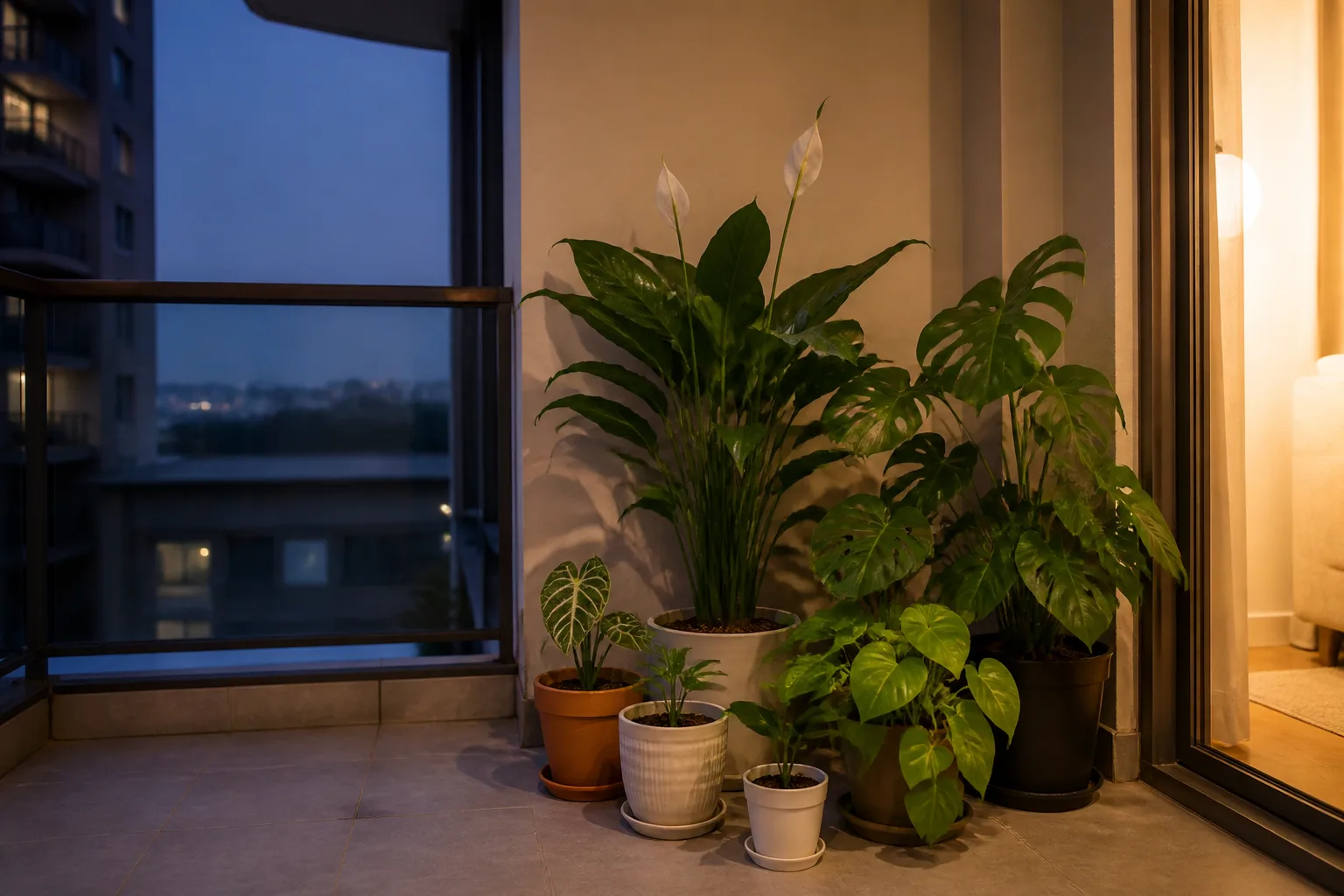
Check the leaf undersides, stem joints, new growth, pot rim, and soil surface for aphids, whiteflies, spider mites, scale, ants, and egg clusters. Remove dead or badly damaged leaves, then rinse the foliage and stems with a gentle stream of water. If pests are visible, identify them before using a treatment; use only a product labeled for that plant and pest, and follow its directions.
A pot that has sat outdoors can also hold slugs, insects, or weed seedlings. Brush off loose debris, check the drainage holes, and remove the decorative saucer so you can see whether water drains freely. Penn State recommends isolating incoming plants from established houseplants for three to four weeks, which gives hidden pests time to appear before they spread.
If a plant is heavily infested or diseased, weigh the effort against the value of keeping it. A small healthy cutting may be a better way to save the variety than bringing a struggling parent plant into a room with other plants. Do not place newly moved plants among a collection until you have checked them repeatedly.
Set up light, temperature, and containers
A bright windowsill is brighter than the middle of most rooms, but a window’s direction is only a starting point. Put sun-loving flowering or fruiting plants close to the brightest glass, then watch for stretched stems, pale new leaves, or buds that fall before opening. Foliage plants such as rex begonias and coleus can often manage bright indirect light, while peppers and hibiscus usually need stronger light to keep producing.
A grow light can close the gap when winter daylight is weak or a sunny window is unavailable. Place it according to the fixture’s instructions and adjust the distance as the plant grows; a light that is too far away may keep a plant alive without supporting compact growth or flowers. Keep plants away from cold drafts, hot radiators, and leaves pressed against chilly window glass.
For a plant dug from a garden bed, choose a container only slightly larger than its root ball, with open drainage holes, and use fresh potting mix. Remove enough garden soil to make the roots manageable, but do not wash or break up a healthy root ball unnecessarily. A plant already growing in a pot may be easier to move intact after trimming dead leaves and checking the roots.
Reduce water as growth slows
The outdoor watering schedule no longer applies once the plant is inside. Lower light, cooler rooms, and slower growth all reduce water use, so check the potting mix before watering instead of following a weekly routine. For many plants, let the surface dry slightly, then water thoroughly and empty the saucer after it drains.
Yellow leaves do not always mean thirst. After a move, a plant may shed a few leaves as it adjusts to lower light; if the pot stays wet, the more likely problem is excess water or poor drainage. Do not fertilize a dormant plant, and hold fertilizer for actively growing plants until you see new growth.
Eight garden plants that can come inside
These are useful candidates, not a promise that every specimen will flower indoors. Outdoor-grown plants often need pruning, pest inspection, or a change in winter goal before they fit comfortably inside.
Rex begonias
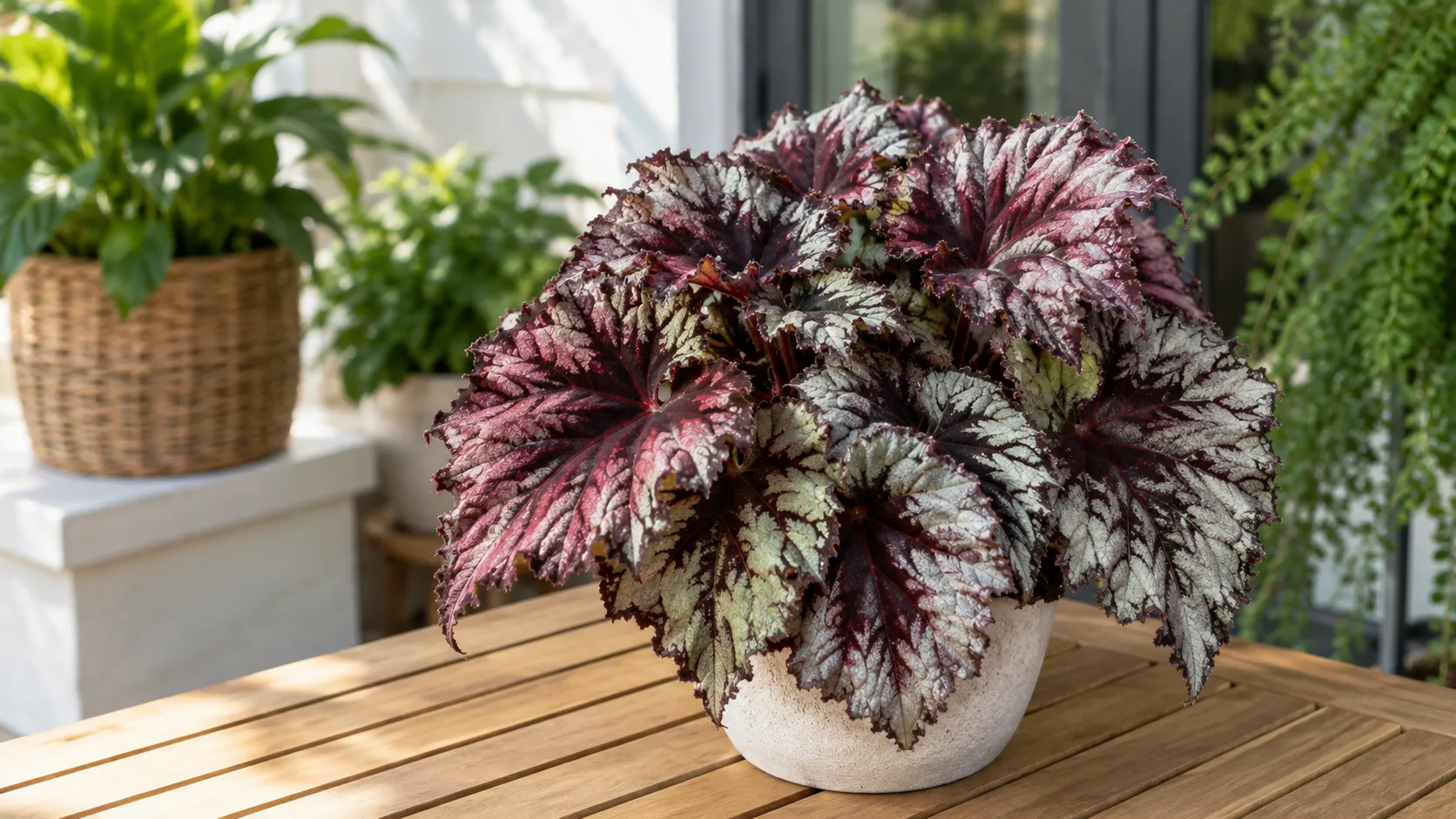
Rex begonias earn their place indoors for foliage rather than a winter flower display. Their patterned leaves bring color to a bright room without needing the full sun that hibiscus, peppers, or rosemary prefer. Choose a compact plant that is free of pests and has enough healthy foliage to recover from the move.
Set it in bright, indirect light and keep it warm, away from cold windows and heating vents. Water when the surface of the mix starts to dry, but do not leave the pot standing in water; consistently soggy soil can damage roots, while a dry root ball can crisp the leaves. If your home is very dry, group plants or use a room humidifier rather than misting leaves repeatedly.
Rex begonia is the better choice when you want a foliage plant that can look attractive even if winter growth is modest. It is not the easiest option for a chilly, poorly lit porch, and it may look rough after a sharp change in light or temperature. For more specific growing notes, see how to grow semperflorens begonias indoors; that guide covers a different begonia group, so match its advice to the type you own.
Fuchsias
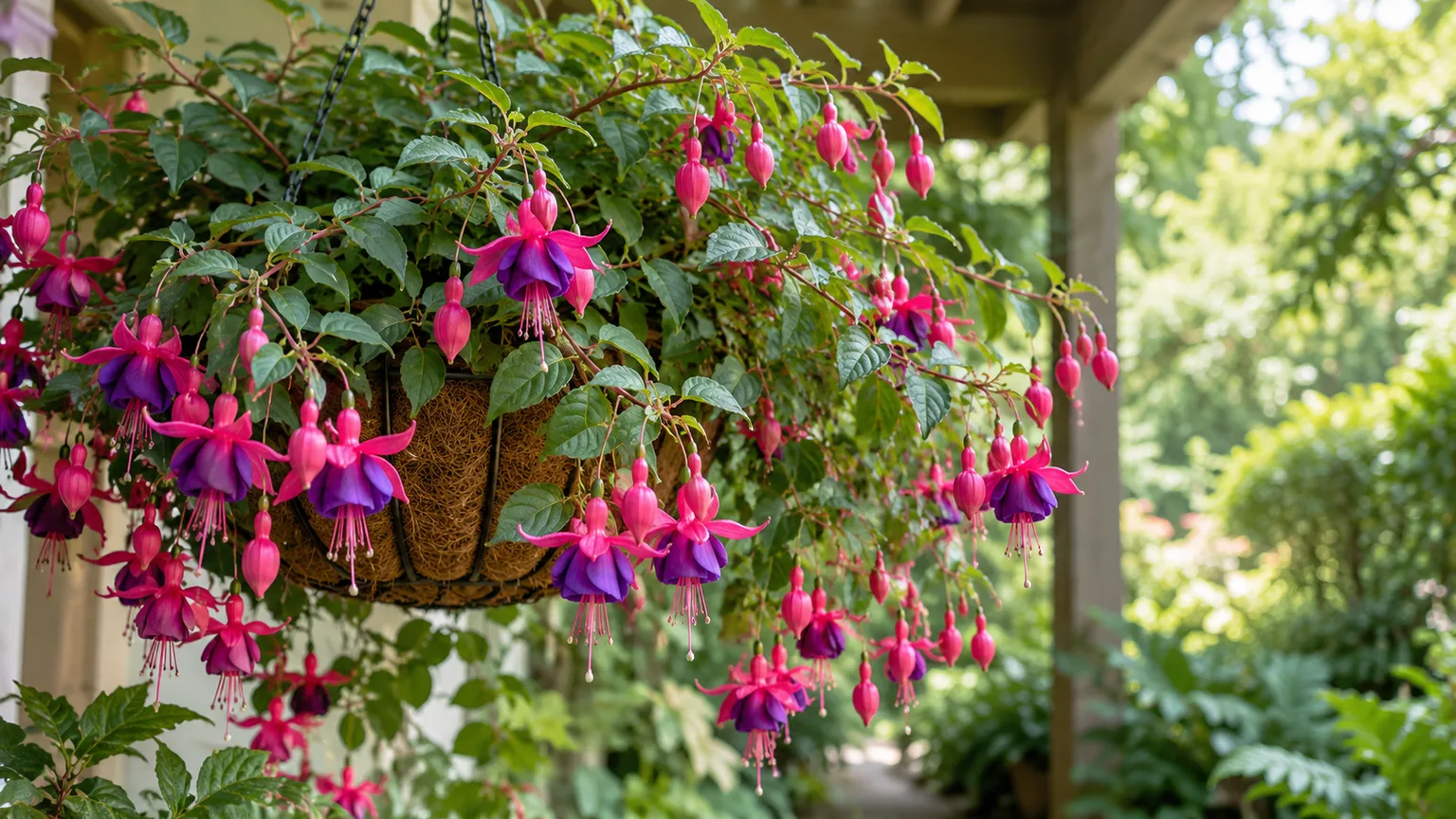
Fuchsia is worth saving if you want pendant flowers, but it is not a carefree choice for a hot, dim room. It naturally prefers cooler growing conditions than many tropical flowering plants. A bright, cool room can keep it in better shape than a warm spot above a radiator; a cool frost-free area can also be a practical place to let it rest more slowly.
Before moving a large plant, remove dead growth and cut it back only enough to fit the space or reduce stress. Keep the potting mix lightly moist while it is actively growing, then water less if growth slows in a cool room. Do not assume a leafless plant is dead: inspect the stems for living tissue and keep the root ball from drying completely.
Fuchsia rust, aphids, and other pests can travel in on an outdoor specimen, so inspect the leaf undersides and stems closely. If the plant is too large or has pest problems, take a few healthy cuttings before cold weather and keep those under bright, indirect light. Fuchsia is best for gardeners who have a cool bright spot or are willing to overwinter a smaller cutting rather than maintain a full-sized flowering basket.
Garden geraniums (Pelargonium)
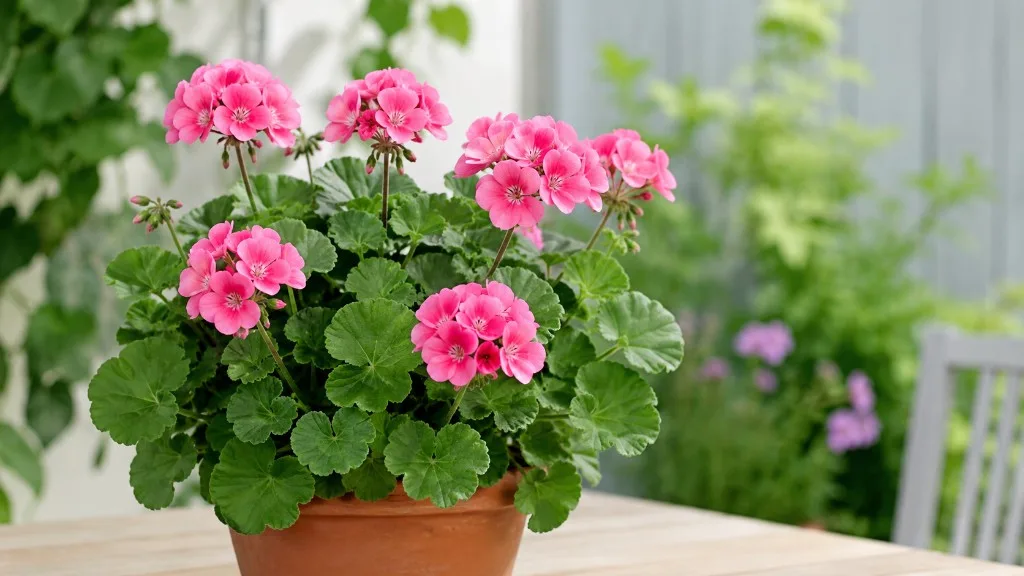
The garden “geranium” usually means Pelargonium, not the hardy perennial Geranium that stays in many outdoor beds. Pelargoniums are often grown as annuals in cold climates even though the plants can survive for multiple years when protected from frost. Their thick stems and compact size make them easier to manage than a sprawling shrub.
If you have a sunny window, keep a potted Pelargonium growing lightly through winter. Reduce watering as growth slows and pinch or trim lanky tips if the plant stretches; do not cut it back just to force it into bloom. If you do not have enough light or room, save the plant in a cool, frost-free spot or root cuttings instead. The RHS includes Pelargonium among plants that can overwinter in a warm, bright conservatory, while Penn State’s guidance emphasizes moving plants before cold damages them.
Indoor air and weak light may mean fewer flowers than the plant produced outside. That is not failure if your aim is to keep the parent plant alive until spring. For another view of overwintering choices, Hobby Farms’ horticulture writer Jessica Walliser describes keeping geraniums actively growing, storing them dormant, or taking cuttings.
Flowering maple (Abutilon)
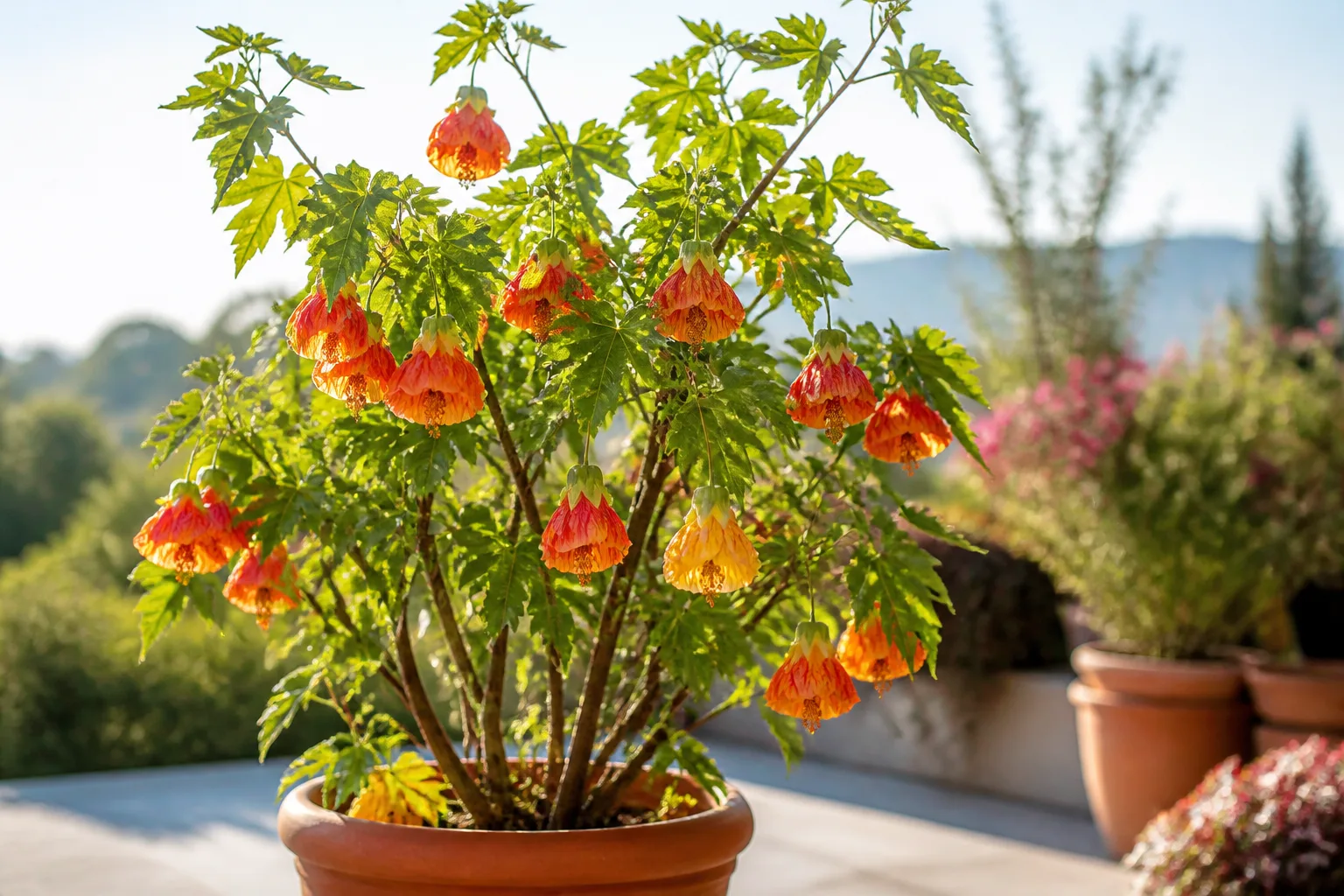
Abutilon, often called flowering maple or parlor maple, is a tropical shrub rather than a true maple. It can be moved indoors from a garden container, but its size and need for bright light make it a better candidate for a sunroom or large window than for a dark corner.
Put it in the brightest warm spot you can offer, with room around the crown for air to move. Water when the surface of the mix begins to dry, then allow excess to drain; a plant that has slowed down in winter should not be kept on a summer watering schedule. A light trim can bring the canopy back into scale, but avoid severe pruning just before moving it if the plant is already stressed.
The main indoor trade-off is flowers versus compactness. In a bright space, abutilon may continue producing some blooms; in weaker light, it can stretch and drop leaves, so prune for shape only after it has settled. If there is no adequate window or grow light, take cuttings or treat the plant as a seasonal specimen instead of expecting it to look like a summer shrub all winter.
Coleus
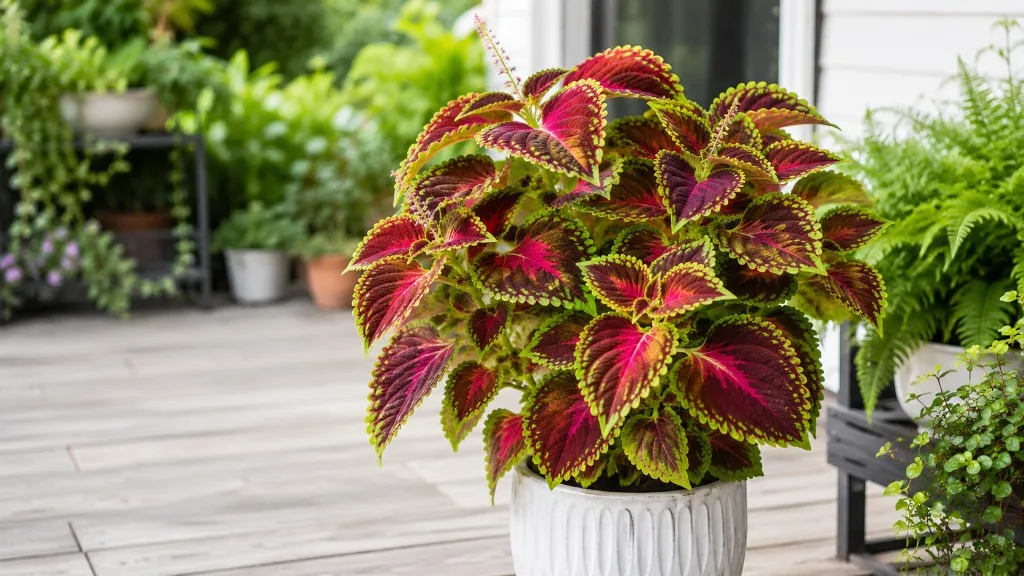
Coleus is one of the easiest plants on this list to preserve because it roots readily from stem cuttings and earns its keep through colorful leaves. A small cutting is often easier to manage than an old garden plant with a thick, crowded root system. If the parent is too large to fit, keep the healthiest tip growth and start over with a young plant.
Give coleus bright, indirect light and warmth. Keep the mix evenly, lightly moist while it is growing, but let excess water drain rather than leaving it in a cachepot. Pinch the stem tips when the plant becomes leggy to encourage branching; flowers are not a crisis, but removing them can keep the display focused on foliage.
The plant may lose leaves or pause after the move, especially if outdoor sun drops to a dim interior room. A simple solution is to root several cuttings in advance, then keep the strongest one under a bright window or grow light. This is a reliable choice for someone who wants color but does not have the very sunny conditions needed by hibiscus or peppers.
Tropical hibiscus
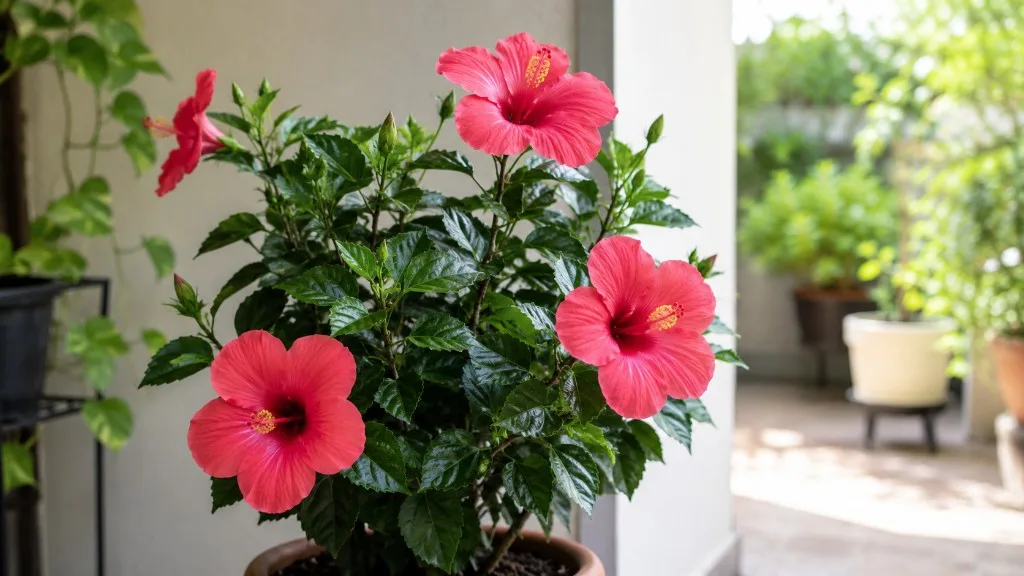
Tropical hibiscus can stay indoors as a living shrub, but flower production depends on light and warmth. A bright south- or west-facing window is a better starting point than a shelf across the room; a grow light helps if you want active growth and blooms through a short-day season. The RHS lists Hibiscus rosa-sinensis for an intermediate conservatory, a reminder that it does not need the same hot conditions as a pepper plant.
Move it before cold nights, inspect carefully for aphids and whiteflies, and let it adjust in one bright location rather than moving it repeatedly. Water when the top layer of mix has begun to dry, then let the pot drain. Daily watering is not a safe default: the plant uses less water in weak light, and wet roots can decline even while a few leaves are falling.
Some bud drop or leaf loss can follow a move from outdoor sun to indoor light. Give the plant time to settle before pruning or changing its spot again, and accept that it may rest or flower less if the room is not bright enough. If your priority is summer bloom rather than a large winter houseplant, overwinter a smaller cutting or keep the plant dormant in conditions suited to the cultivar.
Compact hot peppers
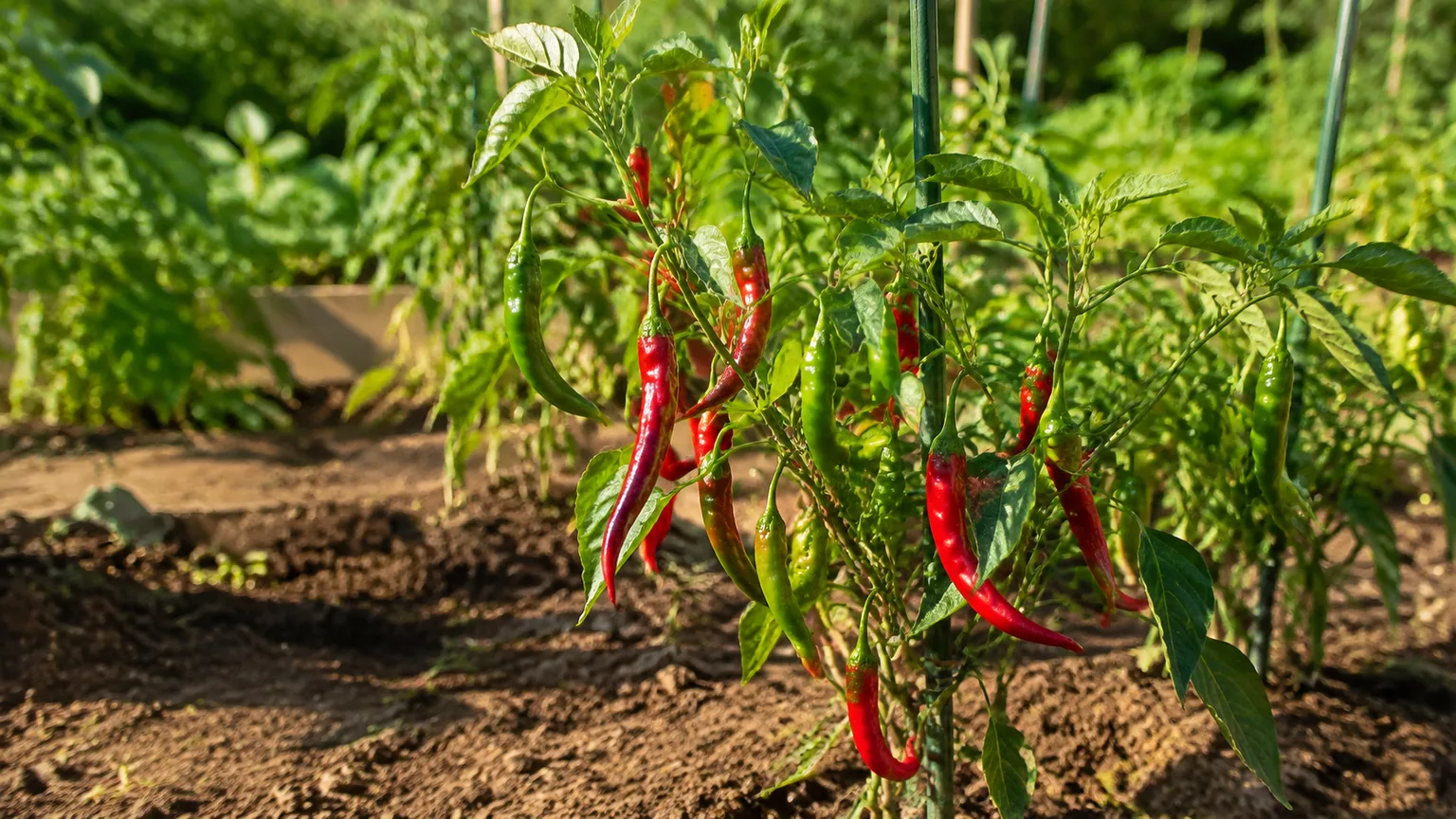
Compact chili and ornamental pepper plants can remain productive indoors if they get enough light, but they are among the least forgiving picks for an average window. A small plant is easier to place and inspect than a tall, sprawling one. Keep the pot only as large as needed for the root system so it is manageable to water and move.
Give peppers the brightest spot available, or use a grow light if you want the plant to keep flowering and setting fruit. Without enough light, expect slower growth and fewer peppers; the plant may survive without maintaining the harvest you had outdoors. Water when the upper inch of mix dries, and check the pot again after fruiting slows because its water use will drop.
Look carefully for aphids and whiteflies before bringing the plant near houseplants, and avoid spraying edible foliage with a product unless its label allows that use. If there are already ripe fruits, harvest them before the plant comes inside. For a dedicated dormancy and spring revival plan, see how to winterize pepper plants.
Kitchen herbs
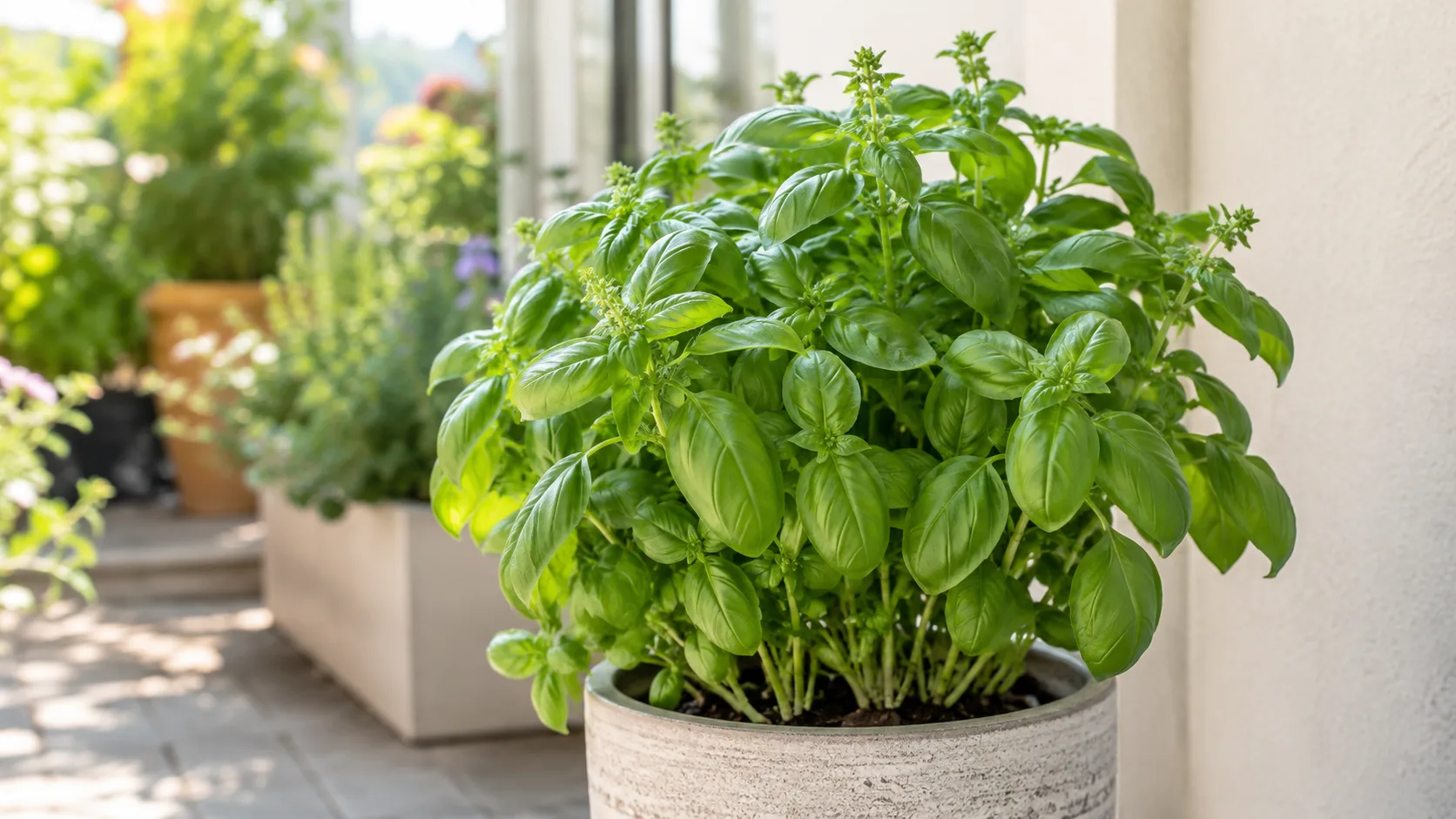
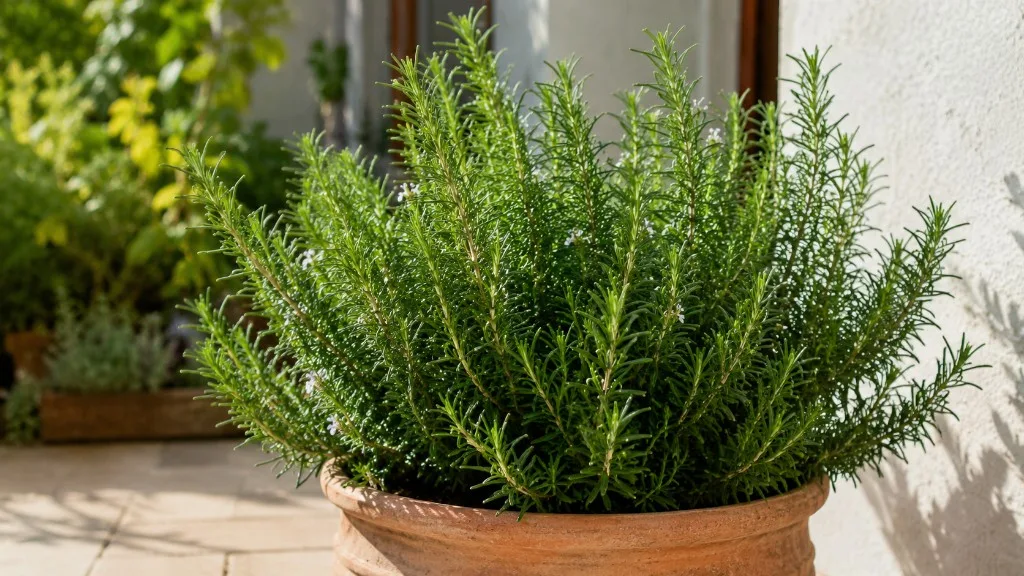
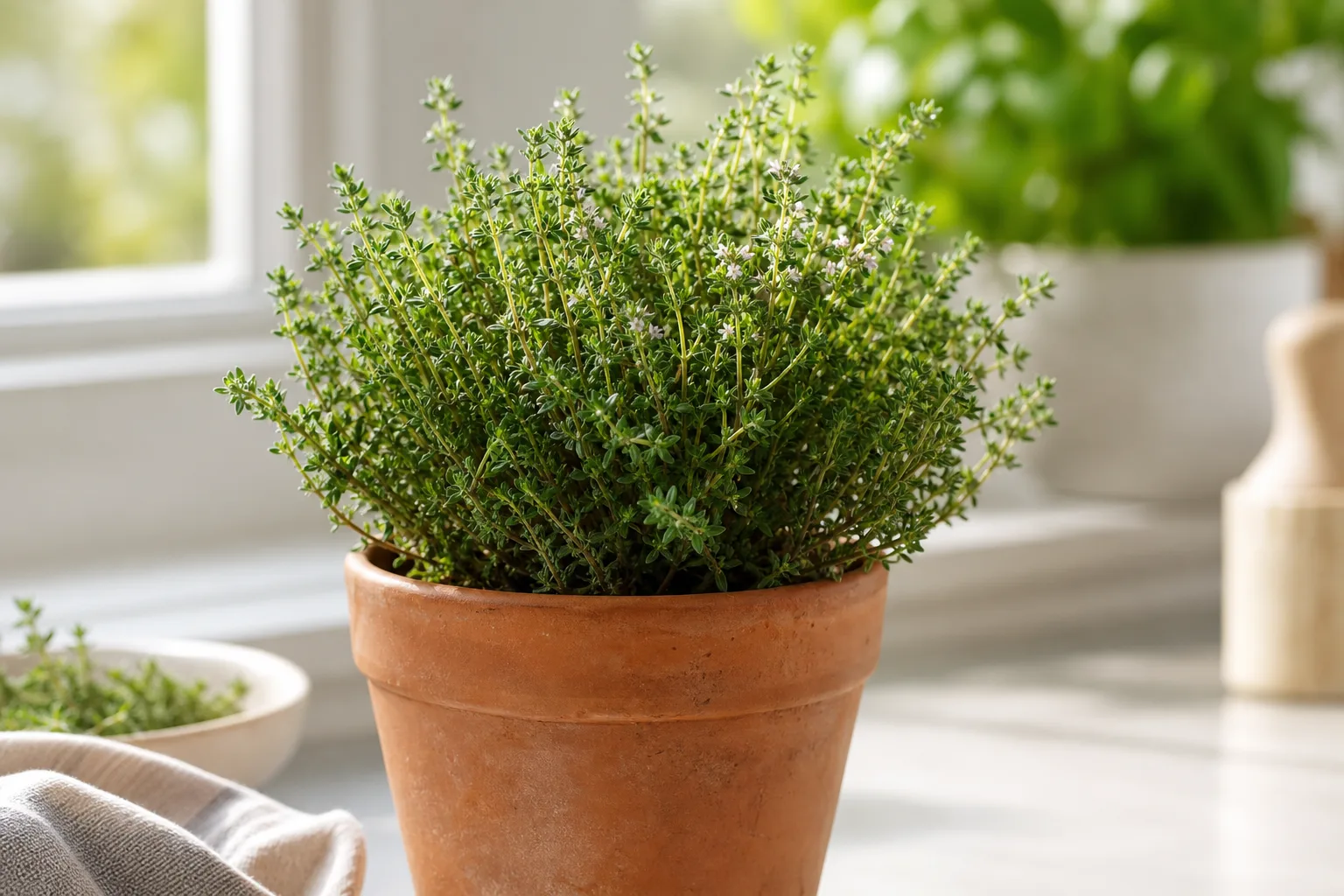
“Herbs” is not one care category. Basil wants warmth and strong light and is often the first to struggle in a cool, dim room; if you have no bright window, keep a small cutting under a grow light instead of moving a large outdoor plant. Chives and parsley can be potted from the garden, but they still need a bright location and may grow more slowly until daylight increases.
Rosemary and lemongrass are perennial herbs in warm regions, yet both need more light than many indoor kitchens provide. Rosemary dislikes staying wet, while lemongrass needs warmth and room for its arching leaves. Use a pot with drainage, water according to the mix and growth, and harvest lightly so a plant already adjusting to lower light is not stripped bare.
For a small apartment, choose only one or two herbs that match the window and the meals you cook. Chives may be the simplest culinary plant to keep, while basil and rosemary give a stronger harvest when paired with supplemental light. Do not expect a potted herb from the garden to behave exactly like a purpose-grown indoor herb: its roots, light exposure, and water use have all changed.
Which choices fit your home?
Match the plant to the room you actually have, not to an ideal greenhouse. A bright window is enough for some foliage plants, but flowering and fruiting usually need stronger light. A cool spare room may preserve a plant with less active growth, while a heated living room is better for tropical plants that cannot tolerate cool conditions.
| Your setup or goal | Best candidates | What to expect |
|---|---|---|
| Bright indirect light, limited floor space | Coleus cuttings, rex begonia, compact herbs | Foliage and modest growth; flowering is less certain |
| Very bright window or grow light | Pelargonium, abutilon, hibiscus, hot peppers | Better chance of active growth; flowers and fruit still depend on light |
| Cool, frost-free spare room | Fuchsia or Pelargonium that can slow down | Plant may rest or lose leaves; water less and check stems |
| Keeping the exact garden plant | A healthy small potted specimen | Inspect and quarantine before adding it to a plant collection |
| Saving space for spring | Coleus, fuchsia, or Pelargonium cuttings | Smaller plants are easier to maintain, but need light and monitoring |
If the available room is dark and warm, do not try to overwinter a whole group of sun-loving plants there. Take cuttings from the easiest candidates, keep one or two compact specimens under a grow light, and let the rest finish their season outdoors or in a suitable protected space.
Why outdoor plants struggle indoors
The biggest change is usually light. Even a sunny room is dimmer than an outdoor patio, so plants that looked sturdy outside may stretch toward glass, drop older leaves, or stop flowering. If new growth is long and pale, increase light before reaching for fertilizer; extra feed cannot replace photons.
The second common problem is watering by habit. A pot that needed water every day in summer may stay wet for a week indoors because growth and evaporation have slowed. Check the soil, drainage holes, and saucer; if it remains wet and the plant declines, improve the light and airflow and let the mix dry to the level that plant prefers.
Pests and temperature swings can compound the stress. Outdoor aphids, whiteflies, scale, and mites can multiply indoors, while cold glass, heater blasts, or drafts can trigger leaf and bud drop. Penn State Extension’s inspection, rinse, and quarantine steps are useful because they reduce the chance of treating a pest after it has already moved to neighboring plants.
Finally, not every plant should be kept actively growing. Some garden plants do better when growth slows or the plant is kept in a cool, frost-free place. Fine Gardening’s winter guidance explains dormancy and notes that potted, non-hardy plants may need protected storage; select that route only when it suits your plant and your storage conditions.
Move them back outside in spring
Wait until frost risk has passed and nighttime temperatures are suitable for the plant before taking it back outdoors. A houseplant that has spent winter behind glass has not been prepared for full midday sun, wind, or a sudden drop in temperature, even if it was grown outdoors the previous summer.
Start with a sheltered, shaded spot for a few hours, then gradually increase its outdoor time and morning sun over one to two weeks. Bring it back inside if nights turn cold, and avoid setting a recently moved plant into a windy or exposed bed on the first day. Increase watering only as new growth and outdoor conditions raise water use.
Before replanting an in-ground specimen, check that the soil is workable and the plant is growing actively. A container can go back outside once the weather suits its needs, but move it into stronger sun gradually. This transition is the other half of overwintering: stable roots and clean foliage matter more than moving it outdoors on a particular calendar date.
Conclusion
Several garden favorites can survive indoors, but the best choice is the one that matches your room and your goal. Coleus and some begonias offer foliage, while hibiscus, abutilon, fuchsia, Pelargonium, peppers, and herbs need more attention to light, temperature, or winter watering.
Choose active growth, cool storage, or cuttings before you dig. Move plants in ahead of cold nights, inspect and isolate them, water according to slower growth, and accept that winter blooms or harvests may be limited. That plan gives your strongest plants a fair chance to return to the garden in spring.