How to Grow and Care for Mayapple in a Woodland Garden
Grow mayapple with the right shade, moist soil, and room to spread. Learn when it goes dormant, how to divide it, and why seeds take patience in a garden.
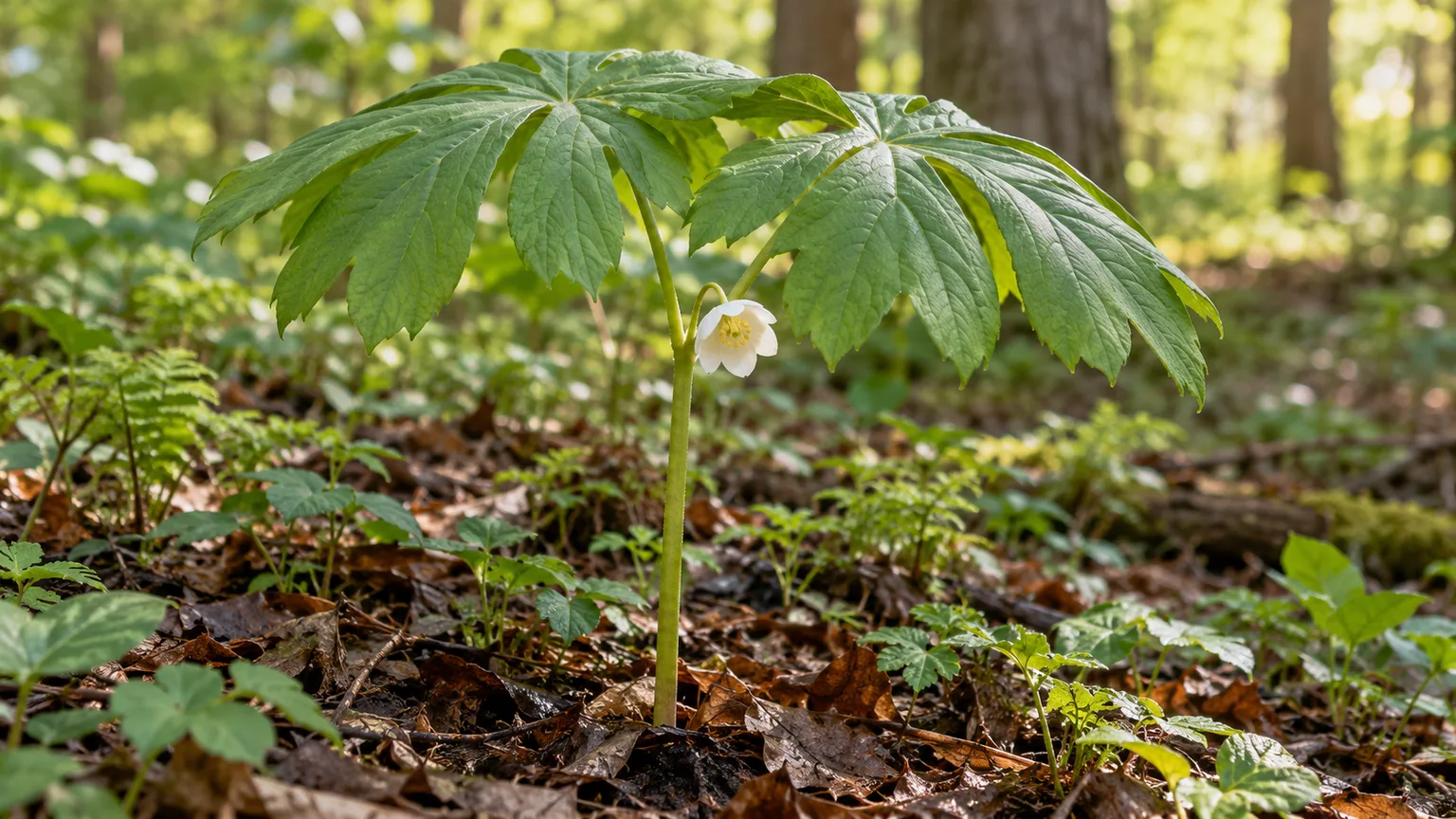
Mayapple (Podophyllum peltatum) is a native woodland perennial that grows from creeping rhizomes, often forming a broad colony of umbrella-like leaves. It is best for a shaded area where a spring display is welcome and the bed can look open after the foliage disappears in summer. Before planting, decide whether you can give it that seasonal space: mayapple is easy to maintain once established, but it does not behave like an evergreen groundcover.
The key is to copy the conditions it uses in a deciduous forest: partial to full shade, soil that stays reasonably moist but drains, and a layer of decomposing leaves. It is also important to know where the plant spreads and how to handle it. The leaves, stems, roots, and seeds are poisonous, and the sap can irritate skin, so mayapple is a poor choice beside a play area or where a curious pet routinely chews plants.
Is Mayapple a Good Fit for Your Garden?
Mayapple earns its place in a woodland or native-plant garden for a short, distinctive season. In early spring, shoots rise before many tree canopies leaf out; each shoot carries one or two broad, deeply divided leaves, and flowering stems hold a nodding white bloom beneath the leaf canopy. The display is subtle up close because the flower can be hidden, but a group of plants makes a striking leafy layer across the forest floor.
The trade-off is the summer gap. Mayapple commonly retreats underground by mid-summer, leaving neighboring plants and leaf litter visible where its foliage stood. University of Wisconsin–Madison Extension notes that sunnier sites can senesce earlier, so a plant that disappears in June is not necessarily dead; its rhizome is the perennial part that returns the next spring. If you need continuous green coverage or summer flowers in that exact spot, choose another plant or plan companions that emerge later.
The underground rhizomes also spread outward and can build a dense colony. That habit is useful when you want a naturalized patch beneath trees, but it can crowd small plants or move beyond a narrow border. Treat mayapple as a colony-forming ground layer: give it a defined area, leave a buffer from prized slow-growing neighbors, and do not put it where you expect to keep every plant in a fixed position.
Choose a Woodland-Style Site Before Planting
Pick the location before you order plants, because mature mayapple is much easier to accommodate than to remove from a crowded bed. A deciduous tree canopy is a natural fit: the site is bright in early spring, then shaded as leaves fill in. Avoid places that are mowed, heavily walked, compacted, or dug repeatedly, since the shoots are short-lived and the shallow rhizomes can be cut when you work the soil.
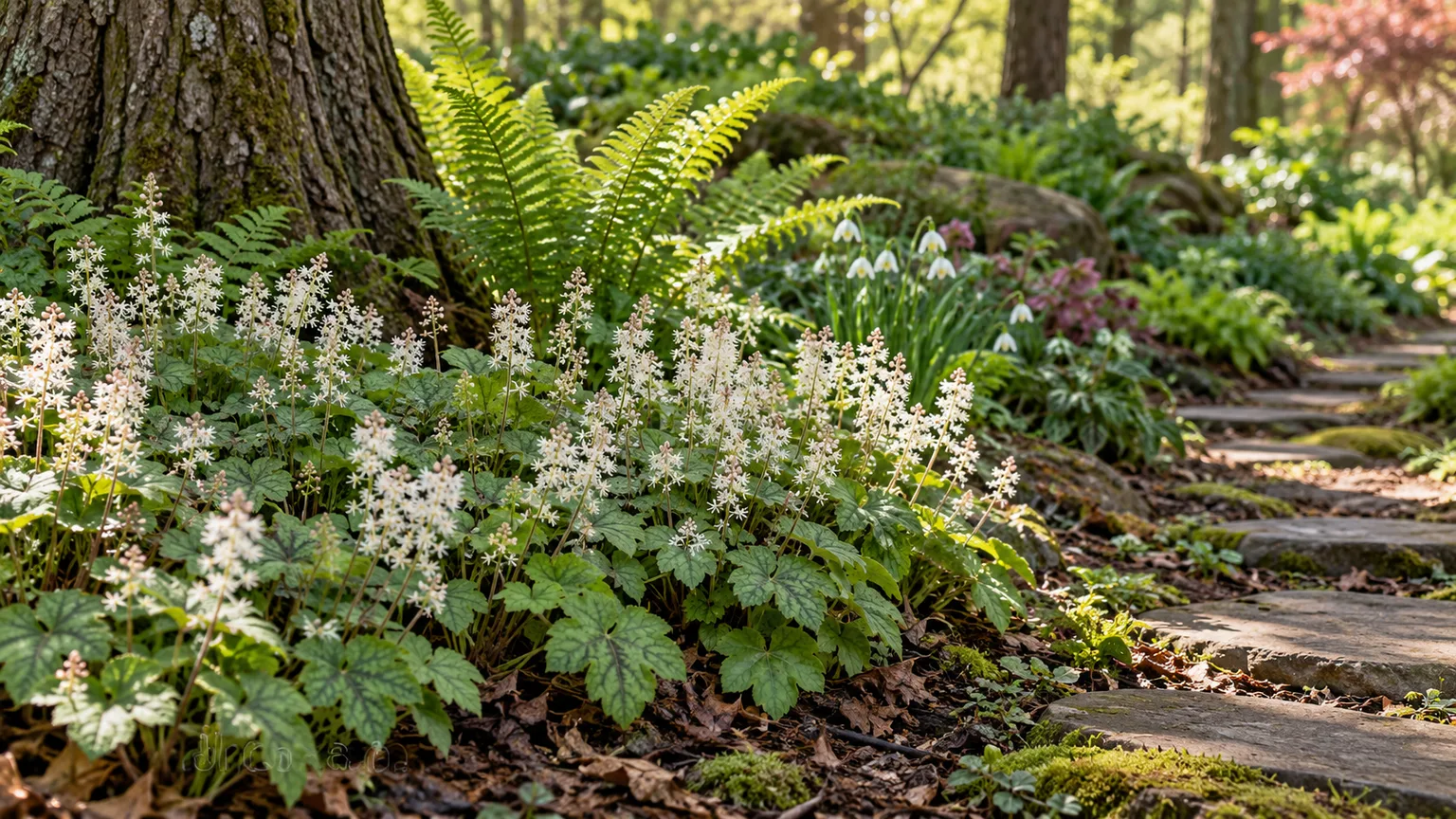
Match the Shade to Your Climate
Mayapple tolerates partial to full shade. Under deciduous trees, it receives more light in spring before the canopy closes, then grows in the cool shade that suits its woodland habit. Avoid a position exposed to strong summer sun for most of the day, especially when the soil dries quickly; a sunnier site can shorten the green season.
Watch the site through the season instead of judging it from a single afternoon. Wisconsin Extension notes that sunny locations can bring earlier dormancy, so observe the bed from spring through midsummer. North Carolina State Extension describes mayapple as drought-tolerant in forest settings, not as a plant that should be left dry during establishment or placed in a baking, treeless bed.
Build Moist, Well-Drained, Leaf-Rich Soil
Mayapple prefers moist, humus-rich soil that drains rather than staying waterlogged. North Carolina State Extension describes its preferred ground as acidic, sandy to loamy soil; in a garden, a loose loam under trees often needs little preparation. A compacted patch of clay or a spot that stays puddled after rain needs attention before planting. If drainage is poor, choose a nearby raised or naturally sloping area rather than digging a deep hole and filling it with a different soil texture, which can create a water-holding pocket.
Use a light surface dressing of finished compost or leaf mold if the ground is low in organic matter. You do not need to chase a precise pH number or add fertilizer to make the plant bloom; a stable woodland soil matters more than a quick nutrient boost. Keep the soil surface covered with leaf litter or a thin mulch, and avoid burying the crowns under a deep layer of fresh chips.
Plant Nursery-Grown Rhizomes in the Right Place
The most dependable start is a nursery-grown plant or legally sourced dormant rhizome from a reputable native-plant nursery. Mayapple grows in connected underground rhizomes that can extend beyond the shoots you see, so a visible plant does not show the full size of a wild colony; Wisconsin Extension describes the species as a dense, colony-forming perennial. Do not dig from public land or a wild colony without landowner permission and any required permits. If you divide stock in a private garden, take a small section from the edge and leave the source patch intact; cultivated nursery stock is the practical starting point for most gardens.
Plant dormant nursery stock in fall or very early spring, when you can keep track of its location and the soil is workable. Set the rhizome with any visible buds facing upward and follow the supplier’s depth instructions. The GardenersHQ Mayapple growing guide by Dean Ravenscroft, Ph.D., gives about 1 inch (2.5 cm) as a planting depth and roughly 12 to 16 inches between plants; these are useful starting points, not a promise that the colony will stay within that spacing. Keep a wider boundary around the patch if you want the spread to remain away from other plantings.
If you buy a potted plant that is already growing, move it with as much of its root ball intact as possible. Set the crown at the same level it occupied in the pot, firm the soil gently, and water once to settle the root zone. Mark the spot discreetly so that you do not accidentally dig or plant over it after the leaves vanish.
Water, Mulch, and Feed Lightly
During the first growing season, check the soil every few days after planting and water when the root zone begins to dry. The goal is evenly moist soil, not a permanently wet planting hole. Water at the soil line during dry spells, then let excess drain; persistent sogginess can damage roots and is a signal to reconsider the site rather than add more water.
Once a patch is established under trees, normal rainfall and leaf litter may be enough for much of the year. If a long dry period arrives while leaves are still green, give the soil a slow, thorough soak. After the foliage has gone dormant, routine watering is unnecessary in most gardens unless you are establishing a new division or the ground is unusually dry for a prolonged period.
A thin annual top-dressing of leaf mold or compost can replace organic matter without turning the bed into a high-fertility border. Mayapple usually does not need routine fertilizer. Skip high-nitrogen lawn feed and frequent liquid feeding: pushing soft growth is not a substitute for suitable shade and soil, and it will not prevent the normal summer dieback.
Expect Spring Growth and Summer Dormancy
Mayapple is a spring ephemeral, so its aboveground season is only part of its life cycle. New shoots emerge in early spring, the leaves unfold as the stems lengthen, flowers appear in spring, and the fleshy fruit develops after pollination. By summer, the leaves yellow and collapse, and the plant disappears until the following growing season; the rhizome remains underground, as Wisconsin Extension’s plant profile describes.
Timing shifts with latitude, spring temperatures, moisture, and light. A warm spring can bring earlier emergence and flowering, while an exposed or sunny site may shorten the green period. Use the plant’s pattern over several years as your baseline rather than expecting a fixed calendar date. Wisconsin Extension reports that the plant commonly goes dormant by mid-summer, but its exact timing varies with conditions.
Leave the Dormant Bed Undisturbed
When the leaves naturally yellow after fruiting, let them finish rather than cutting them down while they are still green. Green leaves are still supporting the plant’s seasonal growth. Once the foliage has collapsed, you can tidy only what looks unsightly, but do not rake deeply, till, or plant bulbs through the same patch; the rhizomes sit near the soil surface and are easy to sever.
Keep a marker at the edge of the colony, especially if you share the garden with someone who may mistake an empty summer bed for a dead planting. This simple step prevents accidental digging and reduces the temptation to water, fertilize, or replace the space while the plant is resting. If a newly planted rhizome does not emerge the next spring, wait and check the marked site carefully before disturbing the soil; dormant or newly transplanted material can be slow to establish.
Plan What Will Fill the Summer Gap
Mayapple works best as one layer in a seasonal shade garden, not as the only plant expected to cover bare ground all year. Pair it with locally native ferns, sedges, or later-emerging shade perennials that can occupy the space after mayapple dies back. Choose companions with similar moisture needs and enough room between crowns; an aggressive groundcover that grows continuously can shade, bury, or compete with the mayapple shoots as they emerge.
Better Homes & Gardens’ shade-garden design guidance recommends combining plants with different foliage textures and using summer-blooming annuals or perennials to keep shaded spaces interesting. Apply that idea selectively: the companion should suit your region and not crowd a native ephemeral. For example, leave open pockets around a mayapple colony, then use a clump-forming fern or sedge at the edge where its summer foliage can soften the transition without concealing every emergence point.
Sketch the bed in two seasons before planting. In spring, note the mayapple’s canopy and the path you need to reach nearby plants; in summer, imagine the same area without those leaves. If the empty space would be a problem from a window or walkway, use a different location rather than trying to force mayapple into a role it does not fill.
Divide Rhizomes to Expand a Patch
Division is the practical way to expand a mayapple planting when you already have an established, healthy colony. University of Wisconsin–Madison Extension recommends dividing the roots while the plant is dormant, from late summer or fall through very early spring. Division is preferable to seed when you want a new patch sooner, but it still takes time for a section to settle and produce strong shoots.
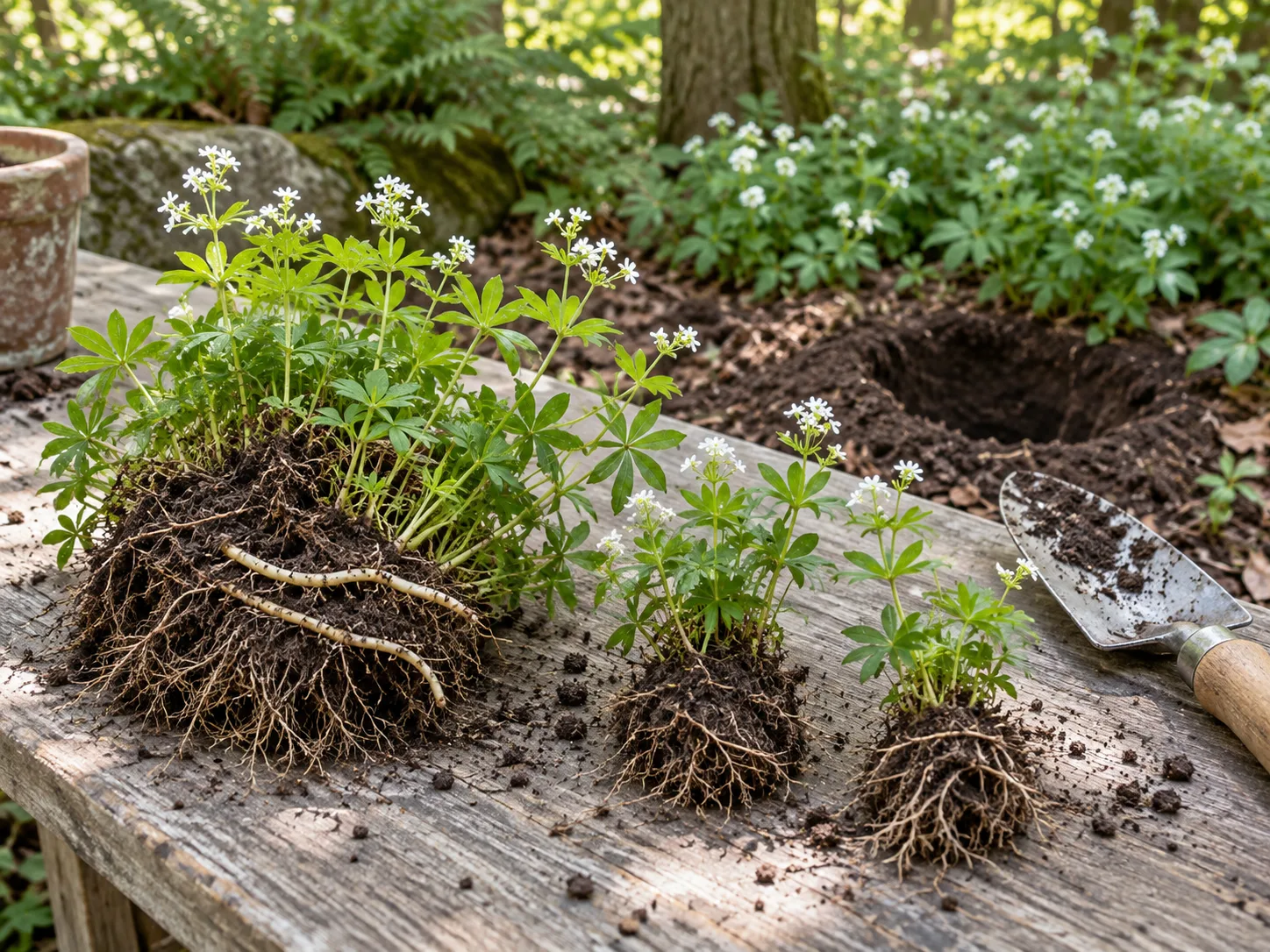
Work While Plants Are Dormant and Keep Sections Moist
Choose a cool day when the soil is workable, and dig at the edge of the colony rather than lifting a large section from its center. Wear waterproof gloves, use a clean sharp spade or knife, and expose only enough rhizome to find a natural branching point. Each section should have a healthy bud or growing point and attached roots; a rootless fragment is less likely to establish and stray fragments can sprout where you do not want them.
Replant divisions promptly at the nursery depth, water them in, and cover the surface with leaf mold. Keep the site evenly moist while the new section reestablishes, but do not keep it saturated. If the soil dries quickly or the division has few roots, give it extra attention through the next active growing period and avoid moving it again.
Do not divide plants from public land or a wild colony without landowner permission and any required permits. Even on private land, take only a small, deliberate division and leave the source patch intact. Buying cultivated stock is the lower-impact choice for most gardeners, especially when you are still learning how far the rhizomes travel.
Grow Mayapple From Seed for a Slower Start
Seed is a patient project, not a quick way to fill a bed. Seedlings can take four to five years to reach flowering size, and germination is variable, according to Wisconsin Extension. Choose seed if you want to raise several plants or enjoy the process; choose nursery stock or a division if you want a visible colony in the near term.
A ripe fruit turns golden, but do not treat that as an invitation to taste it. North Carolina State Extension notes that the fruit’s seeds are poisonous, and the National Park Service describes disagreement about whether the fruit itself is safe in quantity. For an ornamental garden, the useful part is the seed inside: wear gloves, remove the pulp, and keep every part of the harvest away from pets and children.
Use Fresh Seed and Let Seasons Break Dormancy
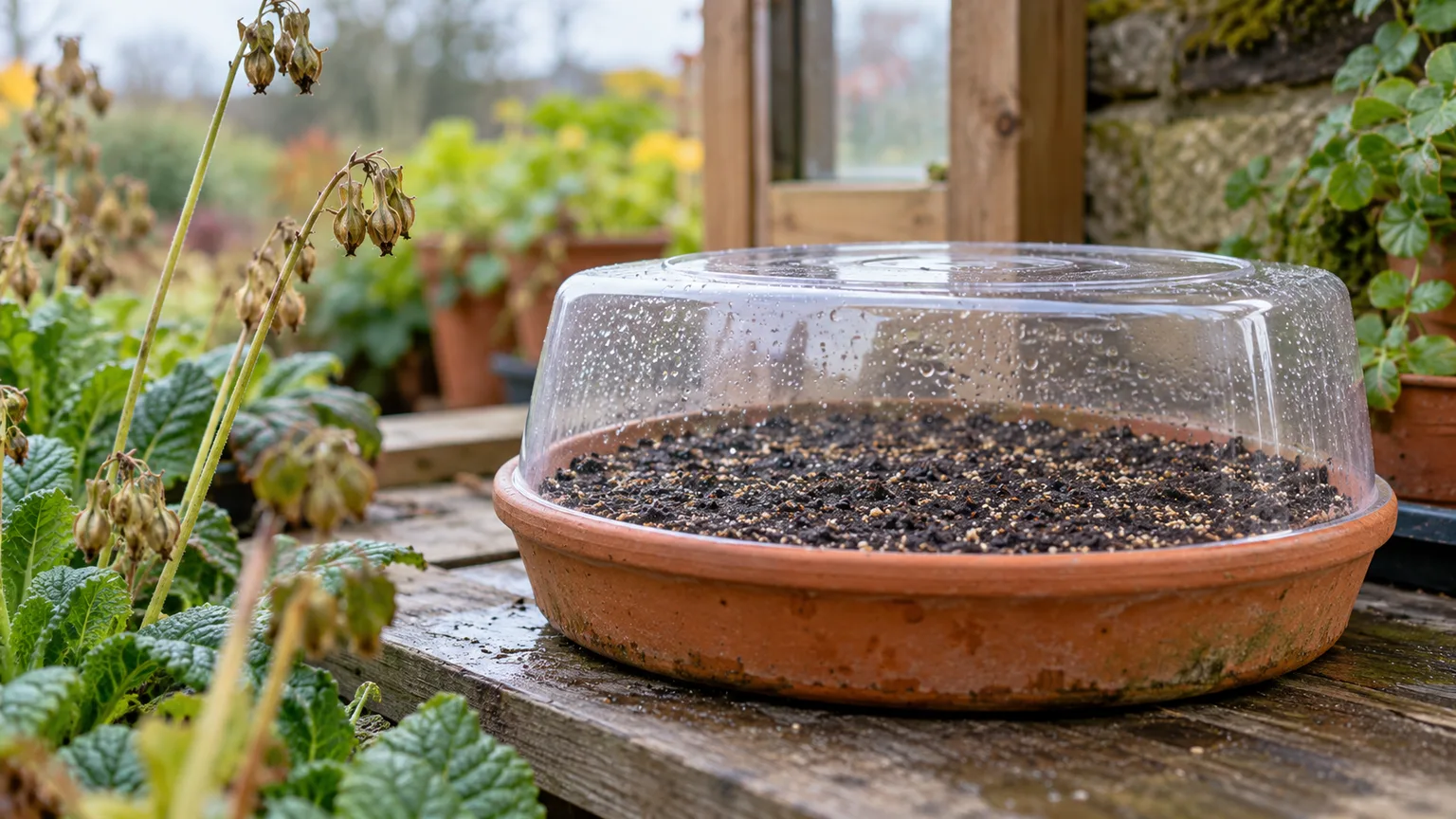
Sow fresh, cleaned seed outdoors in a shaded nursery pot or prepared seed bed soon after collecting it, and label the location. Cover the seed lightly with a loose, moist medium and protect it from being dug up. Keep the medium damp but not waterlogged, then allow it to experience natural seasonal temperature changes; do not discard the pot after one quiet winter because emergence may be delayed.
If you must store seed, keep it moist rather than letting it dry completely and follow a reliable native-plant propagation protocol. Wisconsin Extension says stored seed needs about three months of cold-moist stratification, while the named Mayapple guide from GardenersHQ describes sowing fresh seed in shaded flats and allowing it to germinate over a variable period. These details are a reminder that seed behavior depends on freshness and treatment; there is no dependable indoor shortcut that turns mayapple into a fast-growing seedling.
Once seedlings appear, keep them shaded and evenly moist, and avoid transplanting them until they have developed enough root and leaf growth to handle disturbance. Expect several seasons of small plants before flowering. If a batch fails, check first that the seed did not dry out or rot in a waterlogged pot, then try fresh seed rather than increasing fertilizer or warmth.
Understand Flowers, Fruit, and One-Leaf Stems
Mayapple has a useful growth distinction: a shoot with one umbrella-like leaf is vegetative, while a shoot with two leaves can carry the flower in the fork between them. The flower faces downward under the leaves and can be easy to miss unless you gently look beneath the canopy. North Carolina State Extension describes the flower as a short-lived spring bloom, so a brief flowering window is normal.
A young division or a plant in its first seasons may produce leaves without flowers. That is not a reason to add more fertilizer or move the plant into stronger sun. Give the rhizome time to establish, protect the spring leaves from mowing and trampling, and evaluate the colony after several growing seasons. The number of leaves is more informative than the height of a single shoot when you are wondering why there is no bloom.
After pollination, a fleshy fruit develops and turns yellow as it ripens. The fruit can be a useful wildlife food, but it is not a garden crop to advertise as edible. The seeds and unripe fruit are poisonous, and respected references do not give the same practical assurance about eating ripe fruit. Leave fruit in place for wildlife if it is safe to do so; otherwise, remove it with gloves before children or pets can reach it.
Diagnose Rust and Early Foliage Loss
Yellowing after the plant has flowered and fruited, followed by a gradual collapse of the leaves in early or mid-summer, is usually seasonal dormancy. Mark the date and check whether the colony returns next spring. If it does, the pattern is normal even if the bed looks empty for several months.
Early yellowing while neighboring plants are still in spring growth deserves a closer look. Check recent rainfall, soil moisture, and how much direct sun reaches the patch; a dry, hot exposure can shorten the leaf season, while standing water can injure roots. Also look for damaged stems from mowing, foot traffic, frost, or digging. Correct the site problem where possible, then wait to see whether healthy shoots return rather than repeatedly lifting the rhizome.
Mayapple rust can cause yellow or orange spots and rust-colored spores on leaves. North Carolina State Extension reports no serious insect or disease problems and notes that rust may affect foliage; a spotted leaf alone does not mean the whole colony is failing. Avoid a routine fungicide treatment. Remove badly fallen leaves after the plant is dormant if they are unsightly, keep the area from being overwatered, and ask a local extension office to identify a severe or spreading problem before applying any product.
Keep the Plant Away From Pets and Children
Mayapple is an ornamental plant with serious handling and ingestion risks. North Carolina State Extension identifies the roots, stems, leaves, seeds, and unripe fruit as poisonous and warns that plant contact can cause dermatitis, including severe irritation around the eyes. ASPCA Animal Poison Control lists mayapple as toxic to dogs, cats, and horses, with signs that can include vomiting, diarrhea, lethargy, and panting.
Place it where pets do not graze and children are not likely to pick leaves or fruit. Wear gloves when planting or dividing it, wash tools and hands afterward, and avoid touching your face while working. If sap contacts skin, wash the area; if it reaches the eyes, rinse promptly with clean water. If a person or pet may have swallowed any part, contact a medical professional, veterinarian, or poison-control service immediately and provide the plant’s name rather than waiting for symptoms.
The ripe fruit is the source of most “edible mayapple” confusion. Some botanical references describe ripe fruit as edible after the seeds are removed, but the National Park Service notes disagreement about toxicity and advises against sampling wild fruit unless identification and ripeness are certain. Because ornamental planting does not require eating it, the safest and clearest garden rule is not to consume any part of the plant and to keep fallen fruit out of reach.
Conclusion
Grow mayapple in a shaded, leaf-rich area with soil that stays moist but drains, and give the rhizomes room to form a colony. Plant nursery-grown stock in fall or early spring, water it while it establishes, and let the foliage complete its spring season before the plant disappears underground. A marked boundary and later-growing companions can make the summer gap easier to manage.
Choose division for a quicker, straightforward expansion and seed for a longer experiment that may take years to flower. Source plants responsibly, handle them with gloves, and keep the leaves, roots, seeds, stems, and fruit away from pets and children. With those conditions understood, mayapple is a low-intervention woodland plant whose spring presence is worth planning around.



