How to Grow and Care for Ivory Halo Dogwood
Grow Ivory Halo dogwood for gray-green leaves edged in cream and vivid red stems. Get practical planting, watering, pruning, and troubleshooting advice.
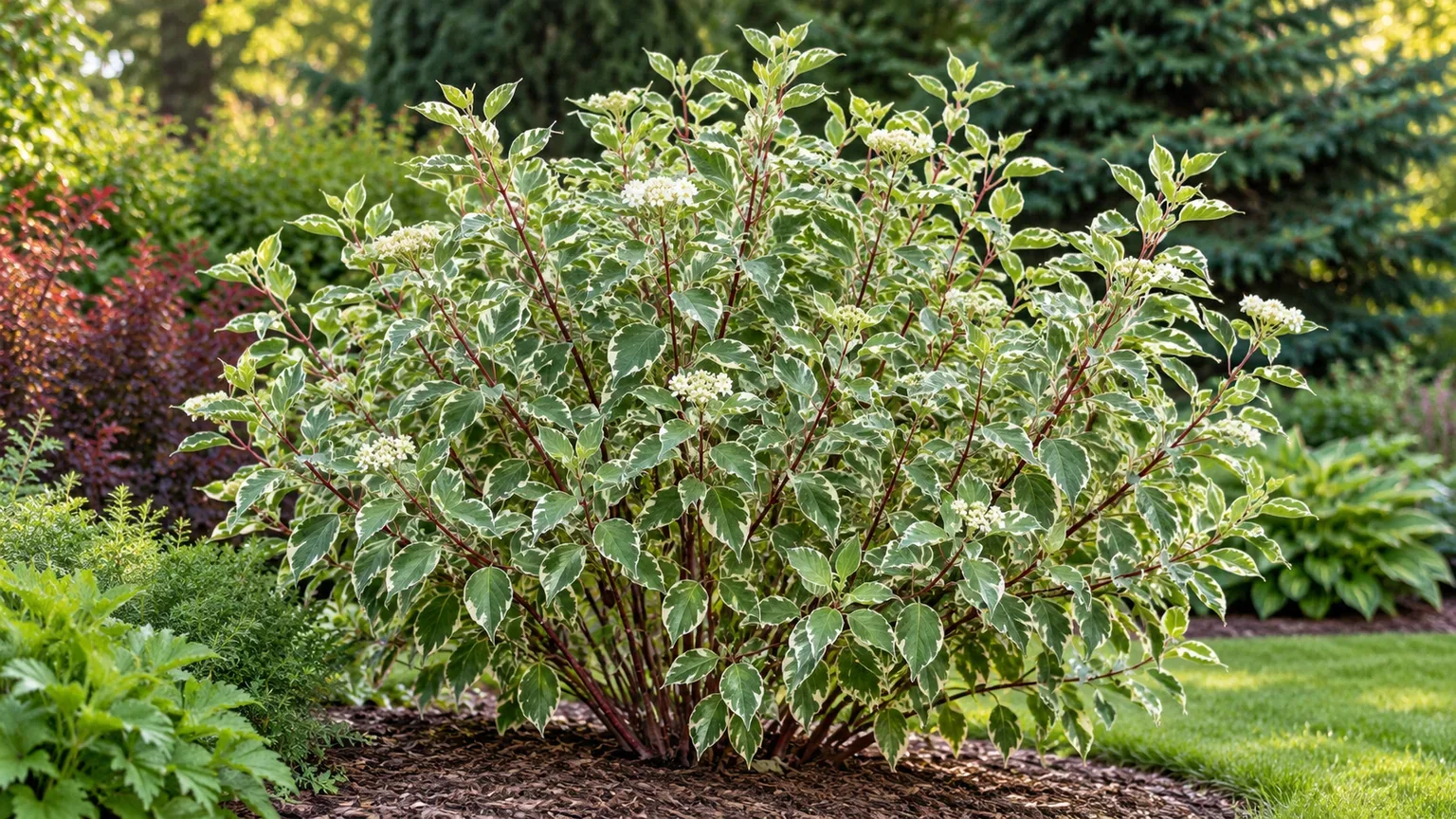
Ivory Halo dogwood is a compact, deciduous shrub grown for two seasons of strong color: gray-green leaves edged in creamy white through the growing season and red young stems after the leaves fall. Give it sun to partial shade, soil that stays evenly moist but drains well, and enough room for a naturally spreading clump. Prune selectively in late winter or early spring when you want to renew the brightest stems.
This cultivar is often sold as Cornus alba ‘Bailhalo,’ though botanical references may list it under Cornus sericea. Oregon State University’s Landscape Plants profile identifies the cultivar name as ‘Baihalo’ and Ivory Halo™ as the trademark; it describes a compact shrub roughly 5 to 6 feet tall and wide. The variation in botanical labels can be confusing, but the plant’s cream-edged leaves and red stems are the useful clues when shopping.
Ivory Halo dogwood care at a glance
| Care need | Practical guidance |
|---|---|
| Mature size | About 5 to 6 feet tall and wide, with suckers that may widen the clump |
| Light | Full sun to part shade; afternoon shade helps in hot-summer sites |
| Soil | Moist, well-drained soil; improve poor soil with finished compost |
| Water | Keep the root zone evenly moist while establishing and during dry spells |
| Pruning | Remove some of the oldest stems in late winter or early spring for fresh red growth |
| Seasonal interest | Cream-margined foliage in the growing season; red young stems in winter |
Established plants are generally straightforward to grow, but their best color depends on matching the site to the climate and refreshing older stems. The shrub is not evergreen, and its pale leaf margins can scorch in hot, dry, exposed conditions. Use the quick guide as a starting point, then adjust care to your soil and local weather.
Identify Ivory Halo and understand its growth habit
Ivory Halo is a selection of white-edged Tatarian dogwood. Its leaves have gray-green centers and irregular cream margins, giving the plant a lighter look than a plain green shrub. The foliage provides most of its spring-to-fall display. Small clusters of flowers may appear in late spring or early summer, followed by pale fruit when conditions allow, but neither is as dependable a landscape feature as the foliage and colored stems.
The most vivid red color develops on younger stems. As branches age, their color often becomes duller, which is why pruning is part of display maintenance rather than just size control. The shrub typically reaches about 5 to 6 feet in height and spread, according to Oregon State University, but that measurement is not a hard boundary: available moisture, light, climate, and the time since the last renewal cut all affect its shape.
Ivory Halo is a shrub, not a small dogwood tree. It can send up basal shoots, or suckers, and gradually form a wider clump. The North Carolina State Extension profile for Cornus alba describes the species’ tendency to spread by suckers. That habit can fill a broad bed, but it matters beside paths, foundations, or a narrow border where repeated removal may be needed.
Choose a site with useful light and summer protection
Plant Ivory Halo where it receives full sun or partial shade. A sunny position generally supports denser growth and can intensify the red color of new stems, but harsh afternoon sun combined with heat and dry soil can stress the leaves. In a hot-summer region, morning sun with light afternoon shade is a sensible compromise. In cooler climates with reliable moisture, the shrub can take more direct sun.
Think about reflected heat as well as the sun’s path. A west-facing wall, paved drive, or other surface that radiates heat can make a site much hotter and drier than the nearby garden. If the shrub has browned margins every summer in such a spot, move it to a cooler exposure or provide afternoon shade rather than trying to correct the problem with frequent shallow watering.
Choose a place with room for a shrub at least 5 feet across, plus extra space if you do not plan to remove suckers regularly. A low area can suit dogwood if the soil remains moist and water drains away after rain. Do not assume that “likes moisture” means it should sit for long periods in stagnant water. The NC State Extension plant profile describes the species as adaptable to several soil conditions, while emphasizing the spread it can make in favorable sites. Consistent moisture and drainage are both useful.
Plant Ivory Halo dogwood at the right depth
Plant a container-grown shrub in spring or fall when the soil is workable and temperatures are moderate. Avoid planting during a heat wave or when the ground is frozen or saturated. Before digging, check mature spacing and locate buried utilities. Set the plant where you can reach its base for future pruning, and leave room for air to move through the canopy.
Dig a hole two to three times as wide as the root ball, but no deeper than the root ball’s height. Loosen the sides of a glazed or compacted hole so roots can grow into surrounding soil. Slide the shrub from its container and tease apart circling roots gently; if the root mass is tightly matted, make a few shallow vertical cuts to encourage outward growth. Set the root flare at or slightly above the surrounding soil level, then backfill with the native soil you removed. Avoid burying the stems or creating a deep basin that holds water against the crown.

A simple planting sequence
- Water the container before planting so its root ball is moist and easier to handle.
- Dig a broad, shallow hole and check that the root flare will sit at the finished grade.
- Backfill with the excavated soil, breaking up large clods without packing it hard.
- Water slowly to settle the soil around the roots and close air pockets.
- Spread 2 to 3 inches of organic mulch over the root zone, keeping it several inches away from the stems.
Do not add a concentrated layer of fertilizer, manure, or potting mix to the planting hole. A small pocket of amended soil can hold water differently from the surrounding ground and may discourage roots from moving outward. If the whole bed is poor, improve a broad area with finished compost before planting instead of creating a rich pocket beneath the shrub.
Water through establishment and dry spells
For the first growing season, check the soil around the root ball several times a week, especially during warm, windy weather. Water when the upper few inches of soil begin to dry. Apply water slowly over the root zone so it reaches the original root ball and the nearby soil; a brief sprinkle that wets only the surface will not help roots settle in. Continue monitoring through the second season, tapering as new growth and local conditions show the plant is established.
After establishment, water during prolonged dry weather rather than following an inflexible weekly schedule. Rainfall, soil texture, temperature, and exposure change how often a shrub needs irrigation. Probe with a finger or trowel near the edge of the root zone: if soil is dry several inches down, water deeply; if it is still damp, wait and check again. Mulch reduces evaporation and helps the soil stay more even between rains.
Ivory Halo tolerates moist soil better than many shrubs, but roots still need oxygen. Repeated standing water, a compacted clay layer, or a poorly drained planting hole can contribute to root stress. If a site stays waterlogged, improve drainage across the bed or choose a better location. Do not respond to wilting automatically by adding water; check the soil first, since both drought and saturated roots can produce drooping or discolored leaves.
The practical distinction is between soil that feels cool and slightly damp and soil that remains waterlogged. The BBC Gardeners’ World advice on plants for moist soil also notes that choosing for the actual site matters: moist ground is not the same as poorly drained, compacted ground. Use that distinction to decide whether to water, wait, or address drainage.
Improve soil and be restrained with fertilizer
Ivory Halo grows in a range of garden soils as long as water can drain through them. A loam rich in organic matter is convenient because it holds moisture while remaining workable, but you do not need a special potting mix or a precise pH adjustment without evidence that the soil needs one. If the ground is compacted or depleted, incorporate finished compost into a broad planting area before planting and keep mulch replenished afterward.
Routine fertilizer is often unnecessary for a healthy, established shrub. If new growth is sparse across the whole plant and a soil test points to a nutrient shortage, use a balanced fertilizer at the label rate and timing for shrubs. Avoid high-nitrogen feeding as a shortcut to red stems: excess nitrogen can push lush, weak shoots, and the color benefit comes mainly from young stems and a regular renewal cycle, not from forcing growth.
Keep grass and weeds from competing directly with the shrub, but avoid cultivating deeply around the base. Dogwood roots occupy the upper soil layers, and hoeing or digging close to the stems can damage them. Maintain a shallow mulch layer and replenish it as it breaks down. Pull mulch back from the crown so the bark does not stay wet against a pile of organic material.
Prune for red stems and a balanced shape
Pruning is optional if you like the shrub’s natural size and older branch structure. It becomes useful when you want a stronger flush of red winter stems, need to remove damaged wood, or want to contain the plant. The best timing for renewal is late winter or early spring, before new growth begins. In that window, the bare framework is visible and cuts do not remove a season’s variegated leaves.
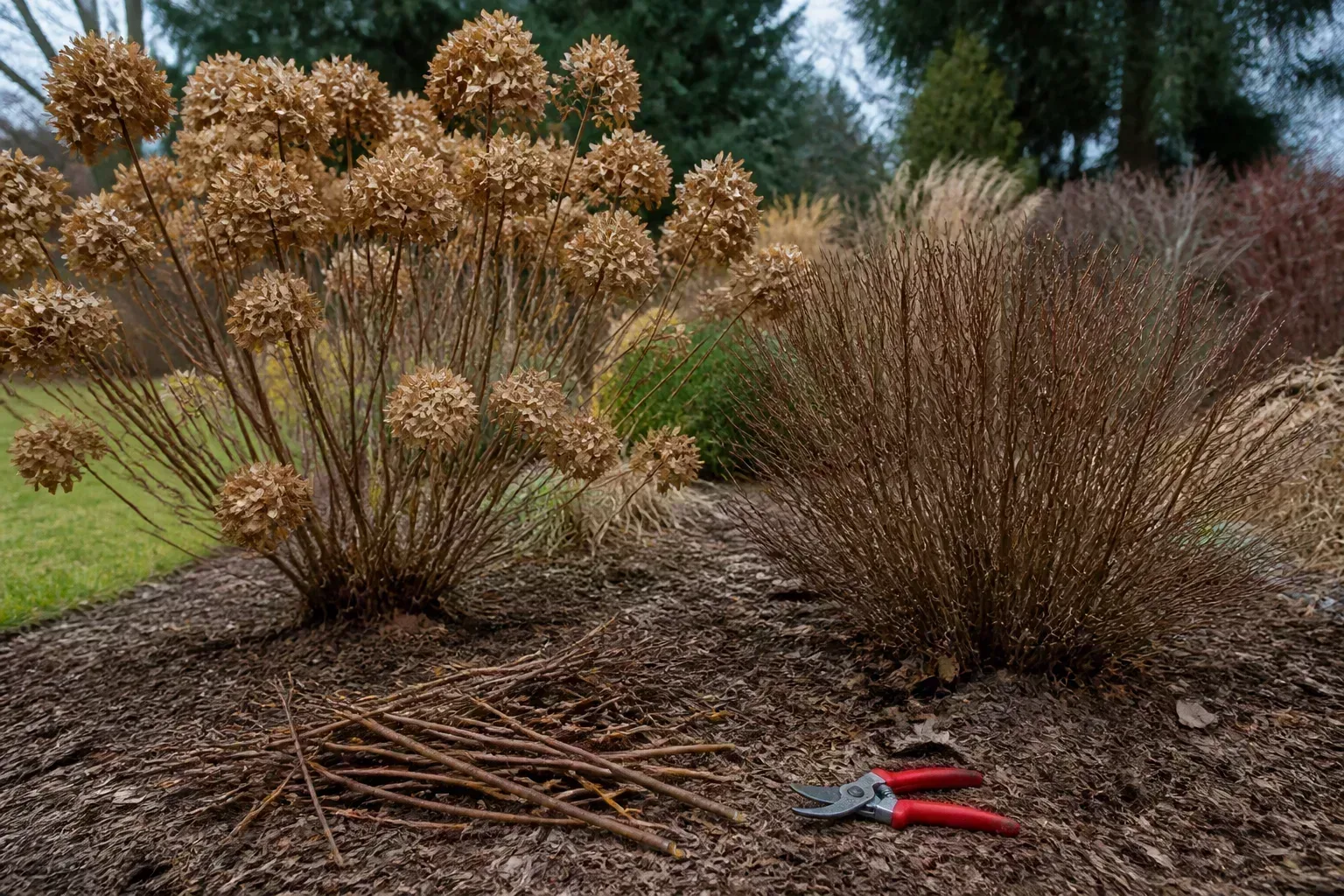
Use clean, sharp bypass pruners or loppers. First remove dead, broken, crossing, and very weak stems at their point of origin. Then select some of the oldest, dullest branches and cut them close to the ground. A gradual approach—removing about one-third of the oldest stems in a year—keeps a useful framework while encouraging younger replacement growth. The Proven Winners red twig dogwood guide describes pruning older stems to encourage new colorful growth, a principle used for shrub dogwoods grown for winter bark.
Selective renewal or a harder rejuvenation cut
For a low-maintenance routine, remove the oldest stems selectively every year or two and take out suckers that are growing beyond the intended outline. Do not shear the whole shrub into a tight ball: shearing leaves a dense outer shell of foliage, hides the natural arching branches, and does not selectively replace the old stems that have lost their color.
If the shrub has become crowded and leggy, a harder rejuvenation cut can reset it. In late winter, cut the main stems back to roughly 6 to 12 inches above the ground, or renew the plant in stages over two seasons if you want to keep more of its structure. A severe cut is stressful and sacrifices the coming season’s normal display, so avoid repeating it every year. Water during dry weather as the new shoots develop, and keep weeds from taking advantage of the open space.
Use hand pruners for small stems and loppers for thicker branches; avoid tearing or crushing the bark. Clean tools between plants if you are removing diseased branches. For an ordinary maintenance cut, there is no need to apply wound paint. If you are unsure which branches are old, compare bark color and thickness: older stems are usually larger and less brightly colored than the newest shoots.
Follow the shrub through the seasons
In spring, fresh leaves open with their distinctive cream margins, and new shoots extend from the base and older stems. Keep the root zone evenly moist while the plant resumes growth. If you prune, do it before this flush begins. Do not fertilize simply because the shrub is waking up; first look at the previous year’s growth and the soil condition.
During summer, the variegated canopy brightens a mixed border. In hot or windy spells, watch the leaf margins and check soil moisture before symptoms become widespread. A layer of mulch helps moderate temperature and slows evaporation. Small flowers may be followed by pale fruit; wildlife value and fruiting can vary with pollination and local conditions, so think of them as a bonus rather than the principal reason to grow this cultivar.
In autumn, the leaves drop and reveal the red twigs. The stems are typically most vivid when young, which is why removing a portion of the oldest wood improves winter color over time. Once the shrub is dormant, check for branches that cross, rub, or extend too far into a walkway; make major renewal cuts in late winter before growth restarts.
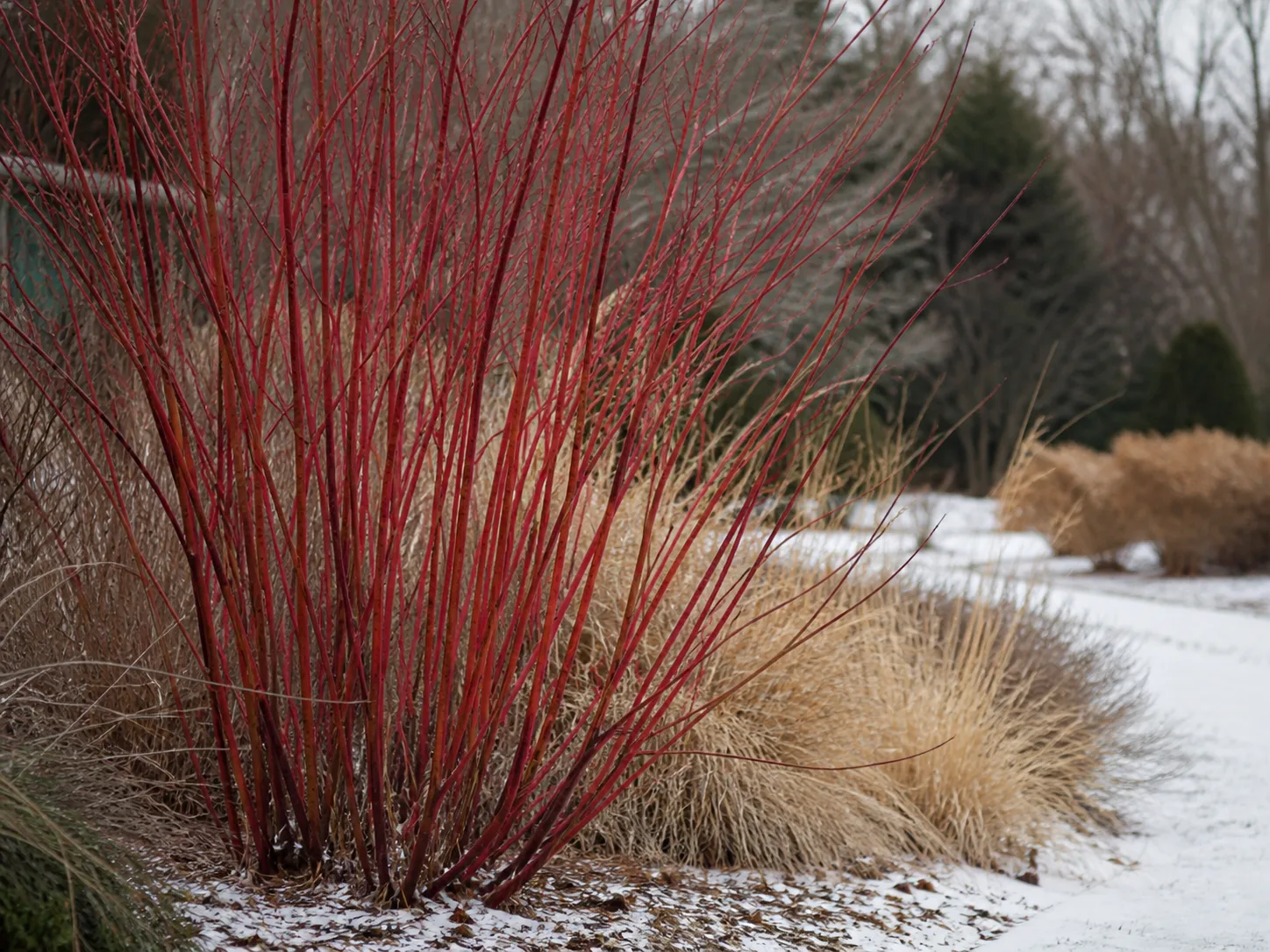
The plant is deciduous, so bare stems in winter are normal, not a sign that it has died. Look for flexible twigs and buds along the branches, and assess the base again in spring. If a few branches fail to leaf while others grow, remove the dead wood and investigate whether drought, damage, or persistent wet soil affected that part of the plant.
Give a suckering shrub enough room
Use Ivory Halo where its medium-size clump can serve as a low screen, a bright background for darker evergreens, or a winter accent against a fence or snow. Plant it in a broad mixed border with room around the base rather than squeezing it into a narrow foundation strip. A group can make the cream-edged foliage and winter stems more visible, but allow each plant enough air and access for pruning.
Its basal shoots can be useful: they fill open ground and help the shrub maintain a full appearance after old stems are removed. If the clump is spreading too far, cut unwanted suckers at ground level with clean pruners, ideally while they are small. Recheck the perimeter once or twice each growing season. Where the shrub is next to a lawn, keeping a clear mulched edge makes stray shoots easier to spot.
You can also dig and transplant a young sucker in early spring or fall if it has roots of its own. Take a generous section of root with it, replant promptly at the same depth, and water it as you would any new shrub. A root barrier can limit spread in a carefully prepared bed, but it does not remove the need to inspect the edge; roots may go around or beneath an improperly installed barrier.
Troubleshoot leaf, stem, and pest problems
When Ivory Halo looks stressed, check the site and soil before reaching for a pesticide or fertilizer. Note which leaves are affected, whether the symptoms began after heat or heavy rain, and whether the whole shrub or only a few branches are involved. A single brown leaf edge is less concerning than expanding spots, widespread dieback, or a shrub that fails to leaf out in spring.
The NC State Extension profile lists several diseases and occasional pests for Cornus alba, including leaf spot, anthracnose, powdery mildew, canker, leaf miners, and scale. These are species-level possibilities, not a diagnosis for every marked leaf. Heat, water stress, poor drainage, and mechanical injury can produce symptoms that look similar, so start with a close inspection and correct the growing condition you can verify.
Brown or scorched leaf edges
Brown margins often follow heat, dry soil, wind, or a hot reflected exposure. Check moisture several inches below the surface, then water if the root zone is dry. If soil is already wet, do not add more water; investigate drainage and root condition instead. A layer of mulch and afternoon shade can help reduce repeat summer stress. Leaves damaged by scorch will not turn green again, but healthy new growth can replace them.
Pale or bleached patches on the sunward side may also reflect excessive exposure or heat. If symptoms occur every year in the same location, consider moving the shrub while it is dormant or adding nearby shade rather than applying fertilizer. Variegated leaves contain less green tissue than solid green leaves, so they may show stress more clearly when the site is too hot and dry.
Leaf spots, stem dieback, scale, and leaf miners
Small spots are common on many garden shrubs, but expanding lesions, yellowing, or repeated premature leaf drop deserve attention. Remove fallen diseased leaves and thin crowded branches to improve airflow. Water at the soil surface when possible, rather than wetting leaves late in the day. If leaf spots continue to spread or the plant loses substantial foliage, take a sample or clear photos to a local extension service for diagnosis before treating it.
Inspect stems for sunken or cracked areas and prune out dead or cankered branches during dry weather, cutting back to healthy wood. Disinfect tools between cuts if disease is suspected. Check leaf undersides and twig joints for scale insects, and look for blotched or mined areas in leaves. For a light infestation, prune affected material and monitor new growth. Use a labeled control only when an infestation is confirmed and significant; follow the product directions and protect pollinators.
If branches are dying back across the shrub, step back and review water and drainage first. The Nature & Garden dogwood overview emphasizes that dogwoods perform poorly when the soil dries excessively and describes pruning near the end of winter for stem color. Persistent drought, waterlogged roots, deep planting, and winter injury can all weaken stems. Correcting the site is more useful than repeatedly trimming symptoms without finding the cause.
Propagate from established stems
The simplest way to make another Ivory Halo is to separate a rooted sucker from the edge of an established clump. Do this in early spring before vigorous growth or in fall after the weather cools. Water the parent plant the day before, dig around the sucker to locate its connection and roots, and sever it cleanly with a spade or pruners. Replant at the same depth, water thoroughly, and keep the soil evenly moist while it establishes.
Softwood cuttings can also be rooted in summer, though success varies with timing, humidity, and technique. Take a healthy nonflowering shoot, keep it moist while preparing the cutting, remove the lower leaves, and place it in a clean, free-draining rooting medium. Maintain bright indirect light and consistent humidity without leaving the medium saturated. Because Ivory Halo is a named cultivar, check local propagation rules and plant-patent status before distributing or selling propagated plants; propagation for personal use and commercial sale are not necessarily treated alike.
Conclusion: grow it for foliage, then renew its stems
Plant Ivory Halo dogwood in sun to partial shade where its soil stays moist but drains well, and plan for a clump about 5 to 6 feet across that can send out suckers. Water by checking the root zone, mulch to buffer summer drying, and hold fertilizer unless growth or a soil test gives you a reason to use it. Those steps help the shrub establish without encouraging excess foliage at the expense of a balanced framework.
For the brightest winter effect, remove some of the oldest stems in late winter or early spring so younger red shoots replace them. Watch the cream-margined leaves during heat, check before watering a wilted plant, and manage suckers while they are small. With those simple routines, Ivory Halo brings light-colored foliage to the garden in warm months and renewed red stems after leaf fall.