Is Dyed Mulch Safe? Check the Wood Source First
Dyed mulch can work in ornamental beds when its source is known. See what certification covers, what it misses, and how to choose for food gardens and pets.

Dyed mulch can be a reasonable surface cover around established ornamental plants when the product comes from a traceable source and its label gives you enough information to make a decision. A red, black, or brown surface does not prove a mulch is contaminated, but color cannot tell you whether the wood underneath is clean, treated, painted, or a mixture of sources. If you want colored mulch, look for a current Mulch & Soil Council (MSC) certification mark and confirm the exact product; if you cannot verify what the load is made from, choose a known-source alternative for food beds and other sensitive uses.
That recommendation is more precise than “colored mulch is safe” or “never use dyed mulch.” MSC certification includes several checks, including chemical testing for CCA-treated wood contaminants in mulches, but the Council also says the program is not a guarantee of a product’s safety and does not certify color claims. Certification is a useful screen for a defined issue, not a promise that every product is suitable for every garden, crop, person, or pet (MSC Product Certification).
The short answer: color is not a safety test
The visible dye is only one part of a mulch product. The material that was chipped or shredded, the way it was processed, the product label, and the use you have in mind matter at least as much as whether the chips are red, black, or brown. Two bags with the same color can have different ingredients and different levels of traceability.
For a labeled, certified product used as a surface layer in a landscape bed, the color itself is not a reason to assume the mulch is hazardous. For a bag with no useful label, an anonymous bulk pile, or mulch advertised only as “recycled wood,” you have less evidence about its history. That uncertainty matters most around edible crops, children’s play areas, and pets that chew or dig in the bed.
A simple rule helps: choose by source first, certification second, and color last. If the seller cannot identify the material or show current certification, use a known clean mulch in beds where you grow food or where children spend time. You do not need to panic if you already spread an unknown product; avoid digging it into the soil while you identify it, then decide whether to keep or remove it based on the material and site.
What “dyed mulch” means
Dyed mulch is wood or bark material colored to create a more uniform or longer-lasting-looking surface. It is still mulch: a loose layer over soil that can reduce exposed ground, slow evaporation, and soften the appearance of a bed. The pigment changes the appearance; it does not tell you the wood species, where the wood came from, or what treatments it may have received before processing.
Product formulas vary, so do not assume every red or black mulch uses the same colorant. If you have a skin sensitivity, need to avoid a specific ingredient, or want to know whether color may rub off, read the package or ask the manufacturer for the product’s safety data sheet (SDS). An SDS can describe ingredients and handling precautions, but it does not necessarily provide a full chain-of-custody history for the wood feedstock.
Pigment and wood are separate questions
Ask two different questions when you evaluate a colored product: “What was used to make this color?” and “What material was colored?” A colorant description cannot answer the wood-source question, and a claim that the pigment is plant-based does not establish that the underlying wood is untreated. Likewise, a label that identifies hardwood or bark does not automatically tell you whether the load includes reclaimed pieces.
The product’s color is not a dependable contamination indicator in either direction. Natural bark can be dark or reddish, and dyed products can be made from clean wood. A strong smell, faded color, or lack of visible paint chips also cannot certify the material’s history. Treat appearance and smell as reasons to ask more questions, not as substitutes for documentation.
If your concern is staining, test a small amount on a damp, light-colored cloth or paving sample before spreading the product over a large area. That simple test can show whether loose pigment transfers under wet conditions. It only answers the staining question; it does not test for preservatives or other contaminants.
Why recycled feedstock deserves scrutiny
Wood mulch may come from chipped tree and shrub material, bark, or recycled wood. Clean arborist chips and known bark products have a clearer origin than a mixed pile containing scrap lumber. “Recycled” by itself is not a guarantee of quality or a warning that the product is bad; it describes a broad category, so ask what the supplier accepts and how the incoming material is screened.
The practical concern is old lumber that was treated, painted, sealed, or manufactured with resins. If that material is chipped and blended into mulch, you may not be able to identify it by looking at the finished product. The Royal Horticultural Society (RHS) advises against using shredded treated timber as mulch because older wood can contain arsenic or chromium; it also says wood products such as fiberboard and chipboard contain synthetic resins with effects on plants, soil, and the environment that are not known (RHS guidance on woody waste as mulch).
CCA-treated lumber and other treated wood
CCA means chromated copper arsenate, a preservative used to protect some wood from decay and insects. The concern with an old piece of treated lumber is the treatment history, not whether the chips were later colored. The MSC program says certified mulches undergo chemical testing for CCA-treated wood contaminants, which is why its mark can help screen a product for this specific risk.
That check does not mean every uncertified dyed mulch contains CCA, or that all mulch made from recycled wood is contaminated. It means you should not infer safety from a tidy appearance, a color name, or a seller’s use of the word “premium.” If a product contains treated lumber, the RHS recommendation is clear: do not use it as mulch.
Pallets, painted boards, and mixed scrap
Pallet wood is not automatically unsafe, and the word “pallet” alone does not tell you the full story. But a pallet may have been used to ship many kinds of goods, repaired with different pieces, or marked for a treatment process that does not reveal its entire history. A heat-treatment mark, where present, is not proof that the wood was never painted, contaminated during use, or combined with other scrap.
For a garden product, ask the mulch maker whether reclaimed feedstock is accepted, what kinds of wood are excluded, and whether the finished product is certified. A vague answer such as “clean recycled wood” is less useful than a named feedstock, documented screening, and a certification mark that can be checked. If the seller cannot answer, select a traceable bark or arborist-chip product instead of trying to sort the risk by color.
What MSC certification does and does not verify
The Mulch & Soil Council describes a product-certification system based on its Voluntary Uniform Product Guidelines. Its published criteria say that certified products must meet label requirements, pass laboratory testing, and be subject to random audit testing in retail markets; mulch products also undergo chemical testing for CCA-treated wood contaminants. The certification is intended to help consumers check that package claims correspond to the product inside, rather than judge quality by appearance alone (MSC certification details).
Growing a Greener World also recommends looking for the MSC mark when checking mulch products, and points readers to the Council’s product certification program (Growing a Greener World’s mulch-safety guidance). In practice, verify the mark on the product or current product listing, then make sure the bag or delivery ticket identifies the same manufacturer and product name. A retailer’s general statement that it sells “certified mulch” is not enough if you cannot match the certification to the item you are buying.
There are important limits. MSC says its certification cannot guarantee or warrant a product’s safety, performance, or results; it also says certification does not apply to color claims. Its contaminant testing for mulch specifically names CCA-treated wood, so do not treat the mark as a test for every possible chemical, paint, pesticide, or unknown material. It also does not automatically certify a product as appropriate for a particular edible crop or as a pet-safe chew toy.
Think of the logo as one verified screen in a broader purchasing decision. Read the label for the wood source, ask about intended uses, and follow any manufacturer warnings. If a food-garden package says not to use it around edible crops, follow that restriction even if you see a certification logo; if the label does not address food use and the source is unclear, pick a known clean mulch for that bed.
How to inspect a bag or bulk delivery
A bag gives you a label to inspect, while a bulk load requires you to ask the supplier before accepting it. Check the manufacturer and product name, stated wood or bark material, certification claim, intended use, and any handling or use restrictions. Keep a photo of the package or delivery ticket so you can identify the product later if you have questions.
For a bulk order, request a written description of the feedstock and a direct answer about treated, painted, or engineered wood. Ask whether the product carries current MSC certification and whether the delivered load is from that same product stream. If the supplier cannot say where the wood comes from or how it is screened, you do not have enough information to use it confidently in a vegetable bed or a play area.
BBC Gardeners’ World Magazine recommends choosing a mulch for the job it needs to do and preparing the soil before spreading it; its guidance also notes that organic mulch should not be piled so deeply that it smothers plants (Gardeners’ World guide to mulches and mulching). Those are growing and installation questions, not contaminant tests, but they help avoid buying a product that is unsuitable even when its source is acceptable.
Questions to ask the seller
Before a large purchase, ask:
- What wood or bark goes into this product?
- Is any reclaimed wood used, and what materials are excluded?
- Is this exact product currently MSC-certified, and can I verify the product name?
- Is it labeled for use near edible plants, and are there any restrictions?
- Can I review the manufacturer’s SDS or product information?
- For bulk mulch, will the invoice identify the product and supplier?
A responsible seller may not know every detail of a load’s history, but they should be able to give a clear product description and show the documentation they have. If you get only assurances such as “it’s all natural,” “it is just dye,” or “we have used it for years,” ask for product information instead. Natural origin does not substitute for knowing whether old treated or manufactured wood is included.
Is dyed mulch suitable for vegetable gardens?
For a vegetable or herb bed, choose the material with the clearest source and the label that fits food-growing use. Compost, leaf mold, straw, or known untreated wood chips are straightforward options when they suit the crop and your watering routine. These materials avoid making an unknown recycled feedstock the surface immediately beside food plants.
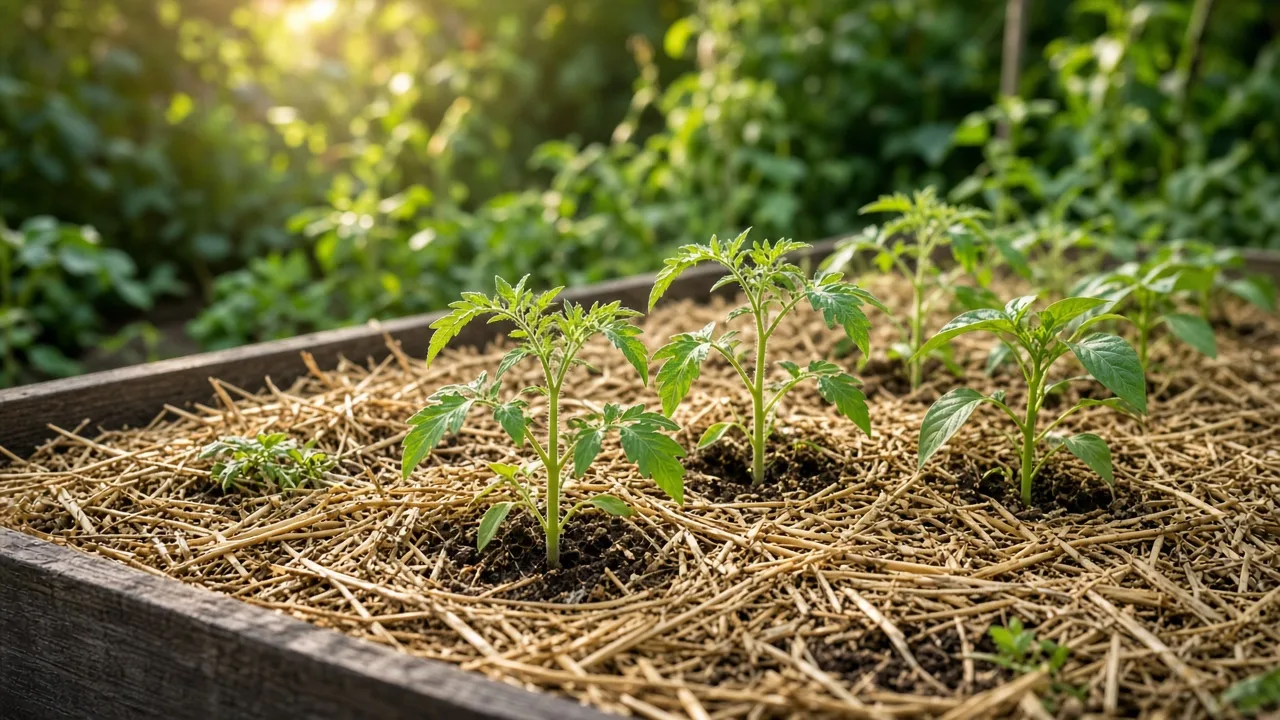
That is a cautious purchasing standard, not a claim that all colored mulch contaminates vegetables. MSC certification screens for a specific CCA-related concern, but its own explanation does not describe the mark as a blanket certification for edible-crop safety. If a particular dyed product is explicitly labeled for food gardens and its manufacturer documents the source, you can evaluate it using those instructions; do not use a product that warns against edible use.
Fruit trees and berry shrubs create a slightly different layout from annual vegetables. The mulch is typically laid on the soil beneath the canopy, where fruit may not directly contact it, but the source still matters because the material can be moved, cultivated, or replaced over time. If you cannot verify a colored product’s composition, use known-source bark or chips around the tree and keep mulch away from the trunk; for berries near the ground, favor clean straw, leaf material, or another crop-appropriate option.
If you have already used unknown mulch around food plants, do not immediately assume the crop is contaminated or safe. Stop adding the product, avoid mixing it into the soil, save the bag or receipt if you have one, and identify the feedstock with the supplier. If the mulch contained visible treated or painted scraps, or if a supplier confirms a contaminant concern, contact your local cooperative extension office or environmental health authority about whether soil testing is appropriate and which analytes to request; a routine fertility test will not necessarily answer a contaminant question.
Handling precautions for adults, children, and pets
Use ordinary garden hygiene when handling mulch: wear work gloves to reduce splinters and skin contact, avoid rubbing your face while working, and wash hands before eating. If the material is unusually dry and dusty, keep your face out of the dust and follow any handling guidance printed on the package or SDS. Gloves can reduce contact, but they cannot make an unknown product safe or prevent someone from inhaling dust or accidentally swallowing material.
Keep bags and loose mulch away from toddlers who may put small pieces in their mouths. For play spaces, use a product specifically labeled for that purpose and confirm its material and safety information; a landscape product is not automatically playground surfacing. If anyone develops irritation after contact, stop handling that product and follow the label’s first-aid advice or seek medical guidance for persistent or severe symptoms.
Dogs may dig in or chew almost any loose mulch, so prevent ingestion rather than relying on color as a signal. Also distinguish dyed wood mulch from cocoa bean shell mulch: they are different products. Poison Control explains that cocoa bean mulch contains theobromine and caffeine, which can poison dogs that swallow it; it recommends avoiding cocoa mulch around dogs (Poison Control guidance on cocoa bean mulch and dogs). If a pet eats mulch, identify the product and contact a veterinarian promptly, especially if the material is cocoa shell or the pet shows symptoms.
What to do if unknown mulch is already in place
First identify the setting and look for evidence. A sealed package, receipt, product name, invoice, or supplier record may let you verify a certification claim or material description. A smell or color cannot identify the wood treatment, and the absence of visible scraps does not prove the load was clean.
If the mulch is in an ornamental bed, looks like ordinary bark or chips, and there is no known reason to suspect treated material, avoid working it into the soil and ask the supplier for its source. You can leave it as a surface layer while you investigate rather than disturb the whole bed. If the origin remains unknown and you prefer not to keep it, replace it at a practical time with a product whose source you can verify.
Act more conservatively when the product has visible painted, sealed, or manufactured-wood fragments, the supplier confirms treated timber, or the mulch was spread in a food garden or child play area. Keep children and pets away while you arrange removal; do not compost or burn suspect treated wood mulch, and ask your local waste authority how it should be handled. Avoid tilling it into the bed, since that makes the material harder to separate and brings it into closer contact with soil.
Testing can help only when it is matched to a real question. A routine soil test usually reports fertility measures such as pH and nutrients, not every preservative or contaminant that might be present. If you have evidence of a specific material or treatment, ask a local extension service or environmental testing lab what sample to collect and which analytes to request before paying for a test. Testing a random soil sample without knowing what you are looking for may not resolve the concern.
Lower-uncertainty alternatives to dyed mulch
If the source is unclear, choose a material whose origin and intended use are easier to verify. Compost and leaf mold suit many beds where soil improvement is a priority; straw is often easy to move in and out of vegetable rows; clean, untreated arborist chips work well under established trees and shrubs when applied appropriately. BBC Gardeners’ World Magazine describes compost, leaves, bark, and grass clippings as common organic mulch materials, each with different uses, while the RHS explains that woody waste can be useful when the material and planting situation are suitable.
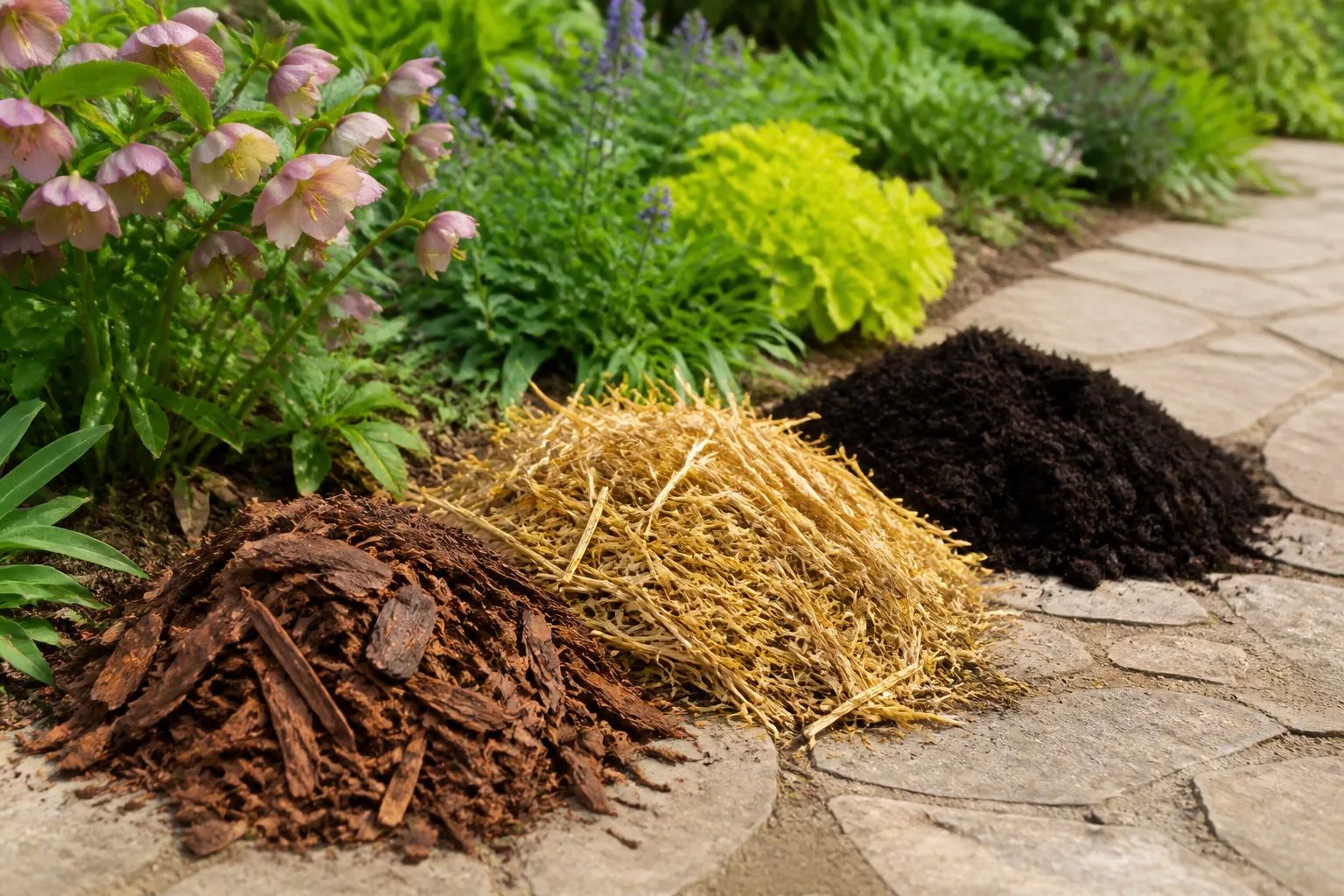
| Garden use | Lower-uncertainty starting choice | Why it may fit |
|---|---|---|
| Annual vegetable rows | Straw, leaf mulch, or finished compost | Easy to refresh and use around seasonal crops |
| Established shrubs and trees | Known-source bark or untreated wood chips | Durable surface cover that can weather in place |
| Seedlings or new beds | Fine compost or light crop-appropriate mulch | Easier to keep away from small stems and crowns |
| Paths or ornamental areas | Verified bark, clean chips, or gravel where suitable | Lets you prioritize appearance and maintenance |
| Pet-accessible area | A labeled, non-cocoa product that pets cannot easily eat | Reduces confusion with dog-toxic cocoa shell mulch |
These are starting points, not automatic guarantees. Untreated fresh woody material can still be a poor match for some new plantings or seedbeds; the RHS notes that fresh wood can contain plant compounds that may affect germination and young plants, while established plantings tolerate woody mulch better. If you use fresh arborist chips, keep them on the soil surface rather than mixing them into the root zone, and choose a composted or aged product around seedlings.
If you want a colored finish for an ornamental bed, you can still choose it deliberately. Verify the manufacturer and certification, confirm that the product’s label allows the intended use, and try a small patch before buying enough to cover the whole yard. For a comparison of the design and maintenance trade-offs between natural and colored finishes, see our natural versus colored mulch guide.
Apply mulch without creating plant problems
Mulch is most useful as a surface layer, not as material mixed through the soil. Before spreading it, remove perennial weeds, water dry soil, and smooth hollows that collect water. BBC Gardeners’ World Magazine recommends laying mulch on prepared, moist ground and avoiding a thick layer that prevents bulbs or other plants from emerging.
For many beds, start around 2 to 3 inches of fine-to-medium organic mulch, then adjust for particle size, plant needs, and local guidance. Coarse wood chips can be used more deeply because larger pieces leave open space, but more is not automatically better. The RHS gives about 3 to 5 inches for wood chippings and 2 to 3 inches for composted organic mulches, and advises leaving a gap around woody stems.
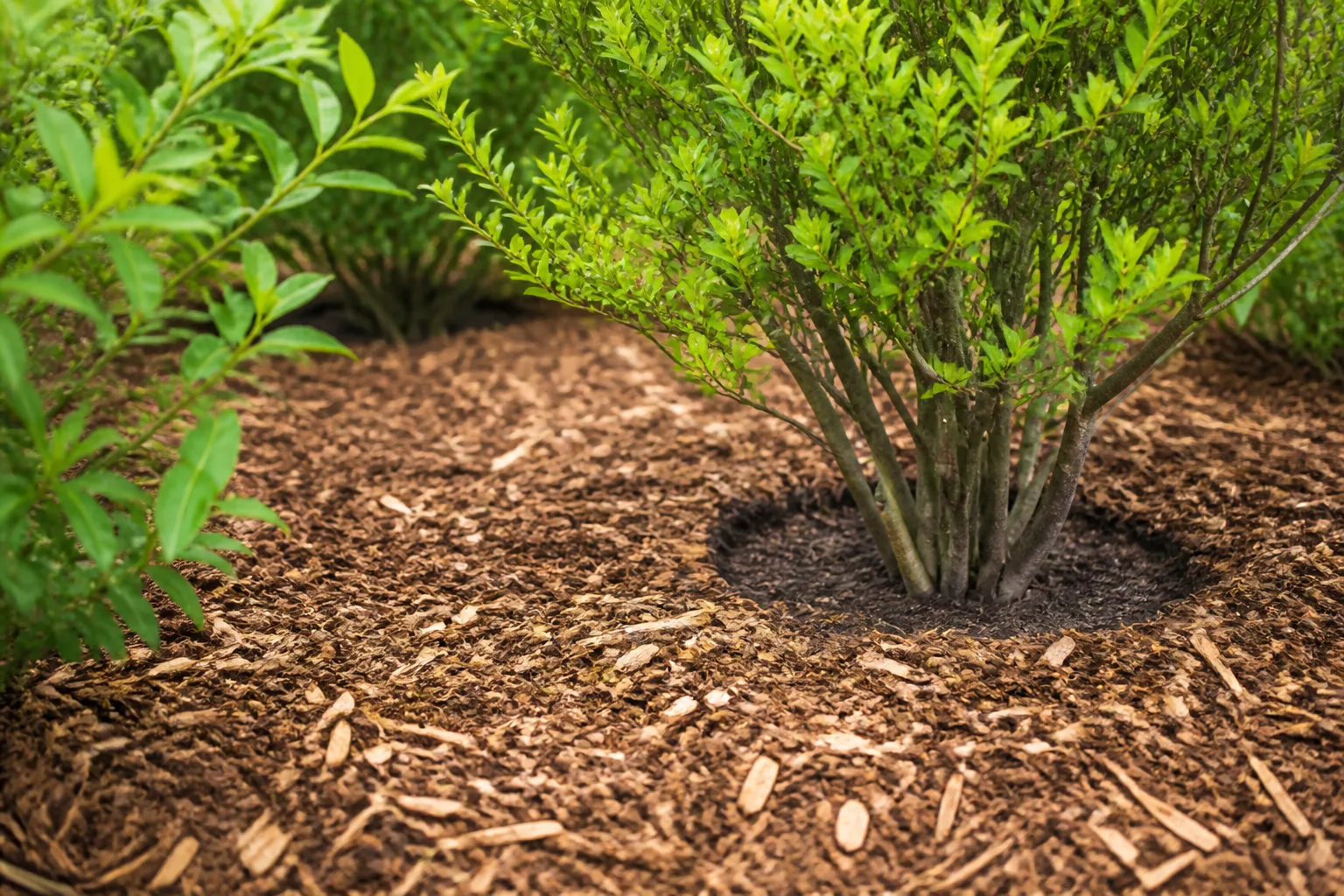
Keep the layer off plant crowns and away from the base of shrubs and trunks. Do not create a mulch volcano around a tree; leave the root flare visible and make a broad, even ring instead. A moderate, well-placed layer reduces bare soil without holding persistent moisture against bark or burying small plants.
A colored surface will fade and weather. Do not add more mulch just to restore the original shade if the bed is already covered adequately. Check the depth first, rake the top lightly if it is matted, and top up only bare or thin areas. That avoids gradually burying crowns and stems while still giving you the appearance and soil-cover benefits you wanted.
Conclusion
Dyed mulch is not automatically unsafe, and its color alone cannot tell you whether it is suitable. Choose a product with a traceable wood source and, when available, current MSC certification; understand that the mark tests for defined criteria such as CCA-treated wood contaminants and does not guarantee every aspect of safety or certify the pigment’s color claim. For edible beds or uncertain loads, known-source straw, compost, leaf mold, or untreated chips make a simpler choice. Keep mulch on the surface, handle it with basic garden hygiene, and treat unclear feedstock as a reason to verify or replace the product—not as proof that your garden has already been harmed.



