Hot Composting: How to Make Compost in Less Time
Hot composting works when a pile is large, balanced, moist, and aerated. Learn how to monitor heat, turn it, troubleshoot setbacks, and judge maturity.
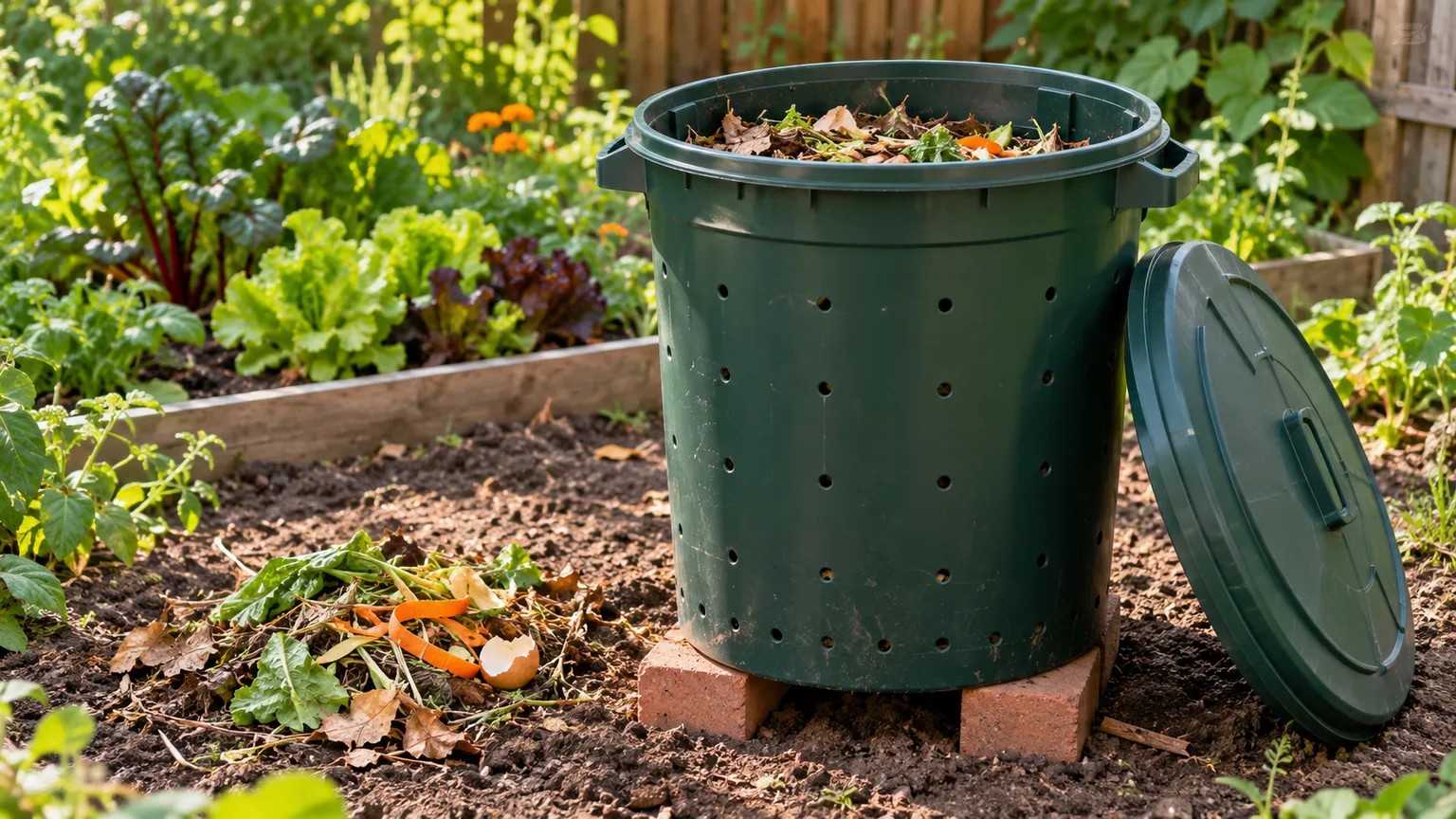
Hot composting is a managed, oxygen-rich process that uses a large, balanced, moist pile to generate heat and break down plant material faster than a neglected heap. The way to make it work is not to chase a dramatic thermometer reading: build enough volume, feed microbes a sensible mix, keep air and water in balance, and turn material so the cooler edges get their turn in the center.
Expect a fast active phase, followed by a separate curing period. Weather, pile size, ingredients, and management change the pace, so a three-week finish date is not a reliable promise.
Hot composting at a glance
For a dependable home batch, gather roughly a cubic yard of material, mix fresh nitrogen-rich “greens” with dry carbon-rich “browns,” moisten the whole pile, and keep it aerated. A common starting point is two or three loose volumes of browns for each volume of greens; the actual carbon-to-nitrogen ratio is about 25–30:1 by weight, not a 25-to-1 bucket recipe. Check the core with a compost thermometer, then turn the pile when heat drops, air is short, or the outside material needs to move inward. NC State Extension Savvy Gardening
That is the short version, but the conditions work together. A large pile can still stall if it is dry or packed tight, and a rich mix will smell instead of heat if it lacks oxygen. Begin with the checks below rather than adding an “activator” whenever the thermometer disappoints.
Is hot composting right for your setup?
Hot composting is useful when you can collect a batch of yard trimmings and food scraps at once, turn the pile, and keep an eye on moisture. It can break down material faster than a passive heap, but it asks for space, a pitchfork or shovel, and enough time to redistribute the pile. If your garden produces only a small amount of waste or you cannot turn a large batch, cool composting in a bin is still a reasonable way to recycle it; it simply takes longer and should not be treated as a reliable weed-seed or pathogen treatment.
The most manageable setup is usually a single batch in a three-sided bay or sturdy open pile on level, well-drained ground. A bin helps keep the pile together, retain moisture, and deter animals, but an overly small tumbler may not hold enough mass to stay hot. Place the pile where you can reach it with a hose and a fork, and keep it away from structures and areas where runoff could reach a well or surface water. NC State Extension
Choose a pile size that can retain heat
Volume is the pile’s insulation. Microbes release heat as they break down material, while the outer surface loses heat to the air; a small heap often loses heat faster than its microbes can make it.
NC State Extension uses 27 cubic feet—a 3-foot cube—as a practical minimum for a hot compost pile. This is a starting benchmark, not a guarantee: cold wind, dry air, or a cold season can call for more material or insulation, while a very large, compacted mass can be difficult to aerate. NC State Extension Cornell Cooperative Extension
Measure the useful mass, not just the bin’s outside dimensions. If the container is 3 feet wide but only half full, the active material may not have enough volume to hold heat. A perforated barrel or small tumbler can still make compost, but if it cools quickly, keep the batches smaller and accept a slower process rather than cramming wet scraps into a space that cannot breathe.
Balance browns and greens
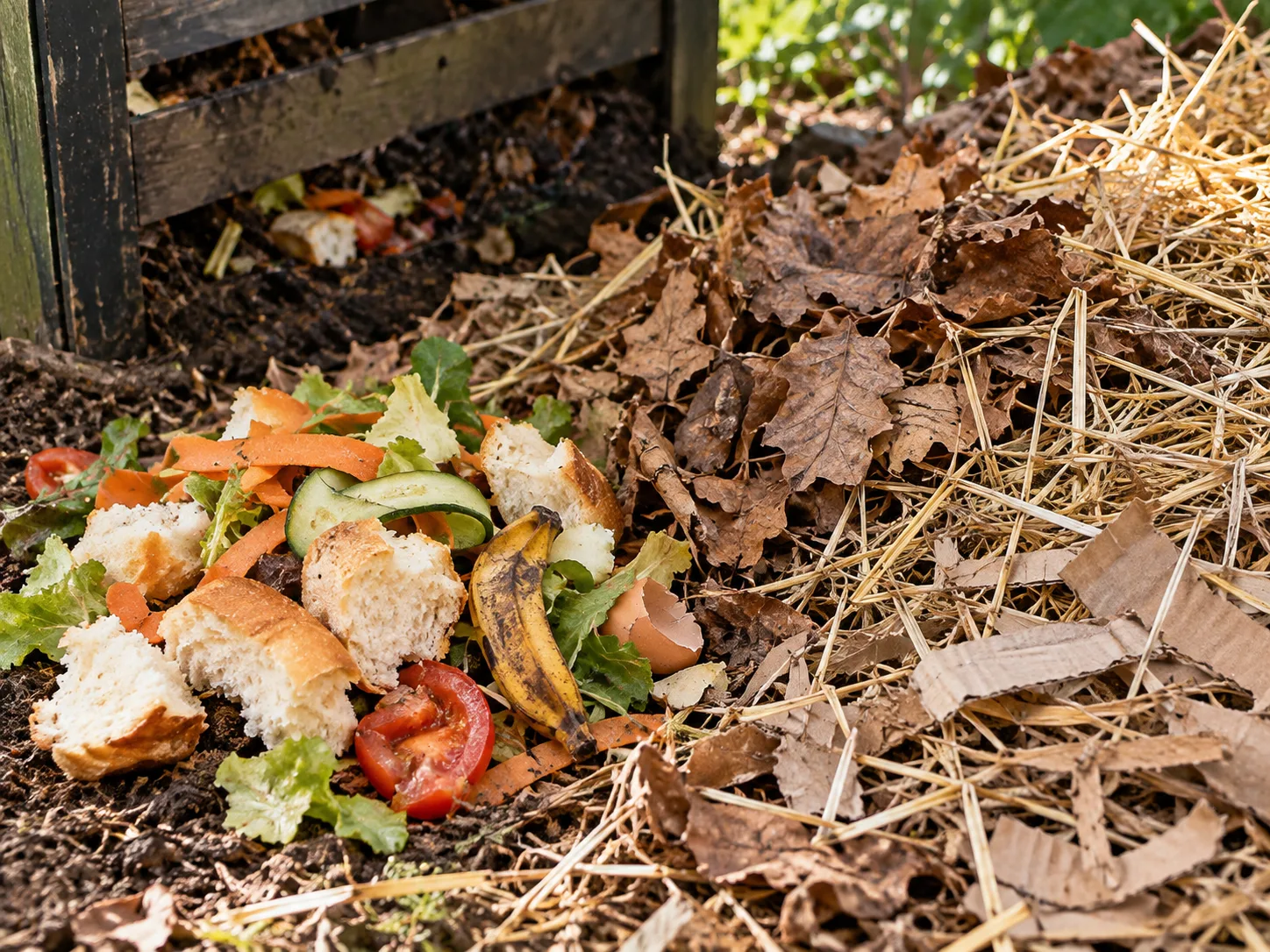
“Browns” include dry leaves, straw, chopped stalks, and plain shredded cardboard; they supply carbon and help keep the pile porous. “Greens” include fresh plant trimmings, grass clippings, fruit and vegetable scraps, and coffee grounds; they provide nitrogen and moisture. The labels describe their role in the pile, not just their color—coffee grounds are a green even though they look brown.
Microbes need both carbon and nitrogen. A target C:N ratio around 25–30:1 is a useful technical guide, but home gardeners rarely know the exact ratio of mixed waste, so begin with about two to three loose buckets of browns for each bucket of greens and adjust by texture and smell. Grass clippings are especially easy to overdo: mix them thoroughly with dry leaves or shredded cardboard so they do not mat into a dense, airless slab. Savvy Gardening NC State Extension
Chop materials without blocking airflow
Cut bulky stems and tough trimmings into pieces roughly one to two inches long. Smaller pieces expose more surface for decomposers and speed breakdown, but grinding everything into a fine, wet pulp can pack the pile and shut out oxygen. Keep some coarse leaves or small twiggy material mixed through the batch so air can move. NC State Extension Colorado State University Extension
Mix browns and greens as you add them instead of building thick layers that can compact. If you prefer layering, keep layers thin and loosen each one with a fork; a few shovelfuls of finished compost can introduce microbes, but it is optional because decomposers are already present on most materials. The pile heats because its food, moisture, oxygen, and size support microbial growth, not because a commercial starter is magic.
Build a single batch for predictable results
Hot composting is easier to manage when you assemble most of the material at once. Set aside leaves and other dry browns through the season, then combine them with fresh greens when you have enough to fill the bay.
A batch that is already heating is harder to monitor if you keep adding new scraps, since each addition is cooler and follows a different decomposition schedule. If you need to add material continuously, use a separate collection bin and start a new batch when you have enough.
As you build, wet dry layers rather than soaking only the top. Mix the ingredients well, shape the pile so rain runs off without drying the sides, and cover loosely with a tarp or breathable cover if heavy rain or wind is stripping moisture.
The cover should not seal the pile; it still needs oxygen. A neat, slightly domed pile with a stable base is easier to turn than a tall, narrow stack that collapses. NC State Extension

Manage moisture like a sponge, not a swamp
Extension guidance puts compost moisture around 40–60%, but a field test is easier than estimating a percentage at home. Pick up a handful from the interior and squeeze it: it should feel like a wrung-out sponge, with at most a few drops of water. NC State Extension
If the material crumbles dry, add water while turning so it reaches the center. If water streams out, the pile is soggy; mix in dry leaves, straw, or shredded cardboard and check whether rain is pooling around the base.
Too little water slows microbial activity; too much water fills the air spaces that microbes need and encourages sour, anaerobic odors. Do not judge moisture by the surface, which may dry while the center stays wet. Check more than one handful, especially after rain or a deep watering, and adjust gradually rather than flooding the pile in one pass.
Measure temperature at several points
Use a compost thermometer with a stem long enough to reach the core. Insert it through the side toward the center at mid-height, wait for the reading to settle, and repeat from another side or at another depth. The center is usually the hottest area and the edges are cooler, so a single core reading tells you that microbes are active there; it does not show that every leaf or scrap has received the same heat. NC State Extension Cornell Cooperative Extension
Extension sources describe the hot range somewhat differently. NC State discusses a hot pile reaching about 140–150°F, while Cornell and Colorado State describe rapid decomposition at lower temperatures and warn against excess heat; Cornell notes that sustained temperatures above 160°F can kill beneficial microbes. NC State Extension Cornell Cooperative Extension Colorado State University Extension
For a home pile, look for a sustained rise into the hot range and a healthy cycle of warming and cooling rather than trying to force one exact number. If the pile runs very hot, turn it to release heat and restore air. Do not use your hand as a thermometer because the center can burn you.
Keep a simple record of the date, temperature, moisture, and any turnings. A steady fall after a peak can mean the easiest food is depleted, but it can also mean the pile is dry, compacted, or short on nitrogen. Check those conditions before deciding it is finished; temperature monitoring shows the pile’s pattern but does not replace checks for texture, smell, and maturity. Cornell Cooperative Extension
Turn when the pile needs oxygen or redistribution
Turning supplies oxygen, loosens compressed material, and moves cooler outer matter into the hotter center. A practical starting rhythm for an actively managed pile is to inspect it about weekly, then turn when the temperature drops from its peak, the center feels cool, the pile smells sour, or the contents have settled into a tight mass. Turning more often is not automatically better: each turn releases heat and moisture, so match the work to the pile’s condition and the weather. NC State Extension Cornell Cooperative Extension
When you turn, build the pile again beside the old one so you can move material systematically. Put the former outside and top layers into the new center, and place the hottest central material on the outside; break up clumps, check moisture as you go, and add water or dry browns only where needed. If you use a three-bay bin, move the whole batch one chamber over rather than flipping only the top. GrowIt BuildIt
Troubleshoot a pile that will not heat
A cold pile usually points to a condition that is limiting microbial activity. Diagnose it in this order: confirm that the material has enough volume, squeeze a handful to check moisture, loosen compacted clippings, and look at the green-to-brown balance. A thermometer that stays near outdoor air temperature does not automatically mean you need a store-bought activator.
| What you notice | Likely cause | First fix |
|---|---|---|
| Pile is dry and crumbly throughout | Not enough water or too much exposure | Turn while adding water; cover loosely between checks. |
| Center is damp and warm but edges are cold | Too little total volume or weak insulation | Add material to reach a larger mass; protect it from wind. |
| Pile is wet, heavy, and sour-smelling | Excess moisture or poor airflow | Turn in dry browns and clear standing water. |
| Pile is damp but not heating | Too many browns, too few greens, or poor mixing | Fold in fresh grass clippings or other greens, then aerate. |
| Grass clippings form slimy mats | Greens were added in dense clumps | Break the mats apart and mix them with dry leaves or straw. |
Use one correction at a time and check the pile again after it has had a chance to respond. A small pile may simply need more material; a large wet pile may need more air, not more nitrogen. If you cannot meet the size or turning demands, leave it as a slower compost pile instead of overmanaging it.
What to keep out of the pile
Do not add meat, fish, dairy, grease, oily foods, pet waste, or litter to a typical backyard hot pile. These can attract animals or introduce risks that a household compost pile is not designed to manage. Keep out diseased or insect-infested plants, weeds that have gone to seed, and invasive roots unless you have a documented process capable of treating them; a hot center does not ensure that seeds or pathogens at the edge have been exposed. NC State Extension
Be cautious with lawn clippings, manure, and other material from unknown sources. Persistent herbicide residues can survive composting and injure sensitive plants, and a warm pile is not a chemical test. If you do not know what was applied to hay, manure, or grass, do not put it into compost you plan to use around seedlings or vegetables. NC State Extension
Know what heat can and cannot sanitize
High heat can reduce some weed seeds and pathogens, but a backyard thermometer reading is not a sanitation certificate. The temperature must be maintained for a defined time, and the cooler outside material must be moved through the hot zone. A quick peak at 130°F—or any other single reading—does not tell you that every part of an uneven pile received a verified treatment.
The distinction matters in formal composting rules. EPA’s Process to Further Reduce Pathogens for sewage sludge specifies at least 55°C (131°F) for three days in an in-vessel or static aerated system; a windrow process must maintain that temperature for at least 15 days and include at least five turnings. U.S. Environmental Protection Agency
Those are regulated sewage-sludge treatment requirements, not a blanket home-garden standard. They illustrate why time, process, and turning matter alongside temperature; a homemade pile does not meet them just because a center probe touched 131°F.
For food-safety decisions, use your local extension’s guidance for the material and crop involved. Avoid pet waste in a home pile, and do not treat hot composting as permission to use raw or poorly managed manure on edible crops. If reliable sanitation is essential, use a controlled composting service or a documented process appropriate to the feedstock rather than guessing from a household pile. NC State Extension
Let the pile cure before using it
When the active pile stops heating, it may be ready to cure rather than ready for the garden. Keep it slightly moist, loosely covered, and aerated while the remaining pieces break down and the material stabilizes. Extension guidance recommends a curing period after the hot phase; in practice, use the pile’s condition rather than an exact number of weeks because weather, particle size, and the original recipe all affect the finish. NC State Extension
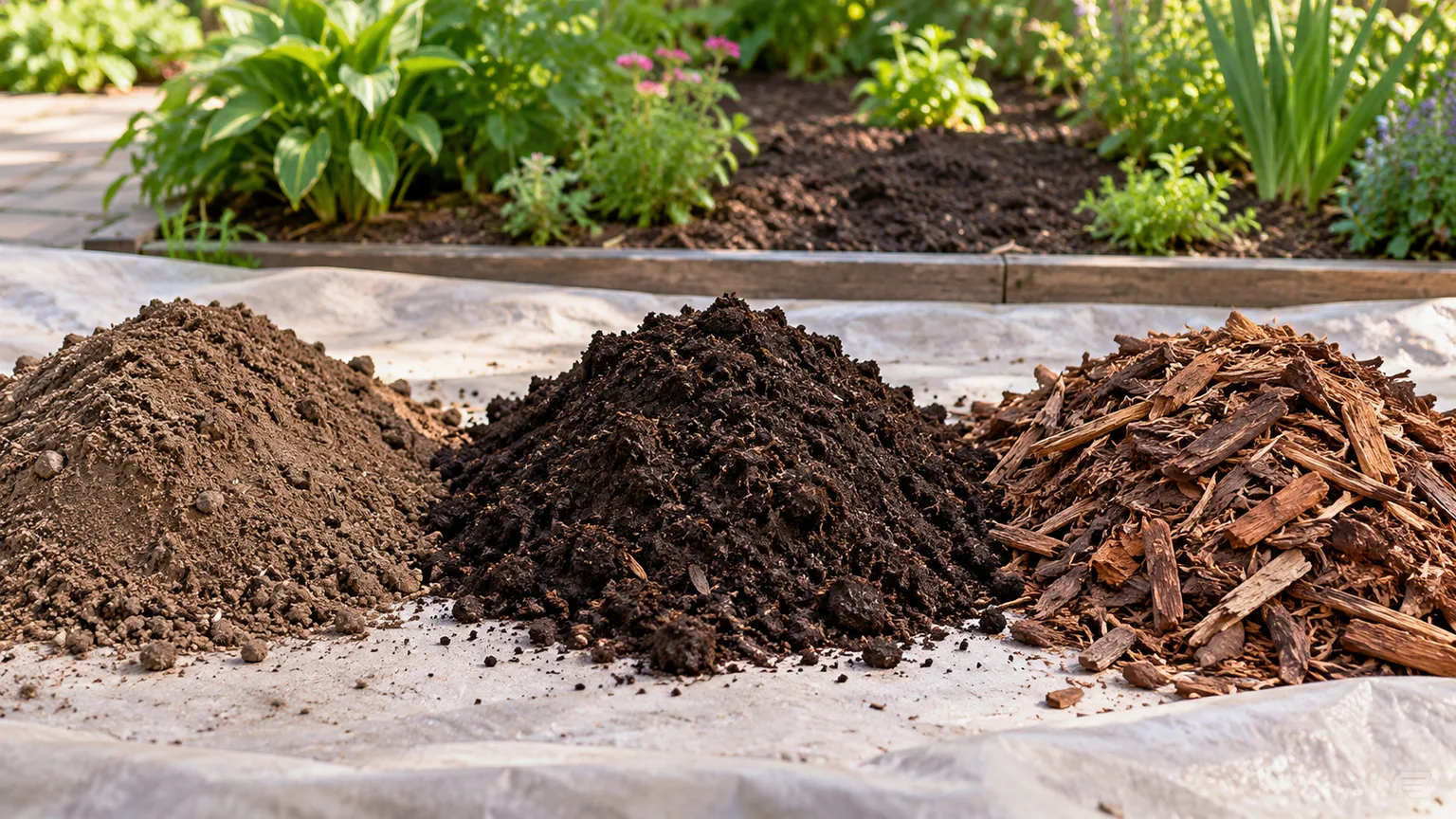
Mature compost is dark and crumbly, smells like fresh earth rather than ammonia or rotten eggs, and has few recognizable scraps or leaves. Its temperature should settle close to ambient; if turning makes it heat strongly again, give it more time. NC State Extension Cornell Cooperative Extension
When you need an extra check, sow radish seeds in a small sample: poor germination or damaged seedlings can signal immature or phytotoxic material. A stable, mature compost pile should not keep reheating or smell sour after a turn.
Use finished compost with restraint
Finished compost improves soil structure and adds organic matter, but it is not a concentrated, complete fertilizer with a guaranteed nutrient analysis. Spread it as a modest surface layer or mix it into a bed according to the needs of the site, and use a soil test when you need to manage nutrient levels precisely. If the material is still recognizable, smells sharp, or heats after turning, cure it longer instead of burying it around new roots. NC State Extension
Keep a coarse screen nearby if you want a fine texture for seed-starting or containers. Return twigs and incompletely decomposed pieces to the next batch; they still contain useful carbon and will continue to break down. Store finished compost slightly moist and covered, but allow some airflow so it does not turn anaerobic while sitting.
Conclusion
Hot composting works when a pile has enough mass, a workable balance of browns and greens, even moisture, and oxygen. Build a batch you can turn, read the temperature in more than one place, and diagnose a cooling pile before adding anything.
Heat can speed decomposition, but it cannot guarantee that every part of a backyard pile is sanitized or mature. Give the material time to cure, then use it when the texture, smell, and temperature show that the process is complete.