21 Best Plants for Shelves: Small and Trailing Picks
Choose plants for shelves by light, footprint, and watering needs. Compare 21 compact and trailing houseplants, plus tips for drainage, pruning, and pets.
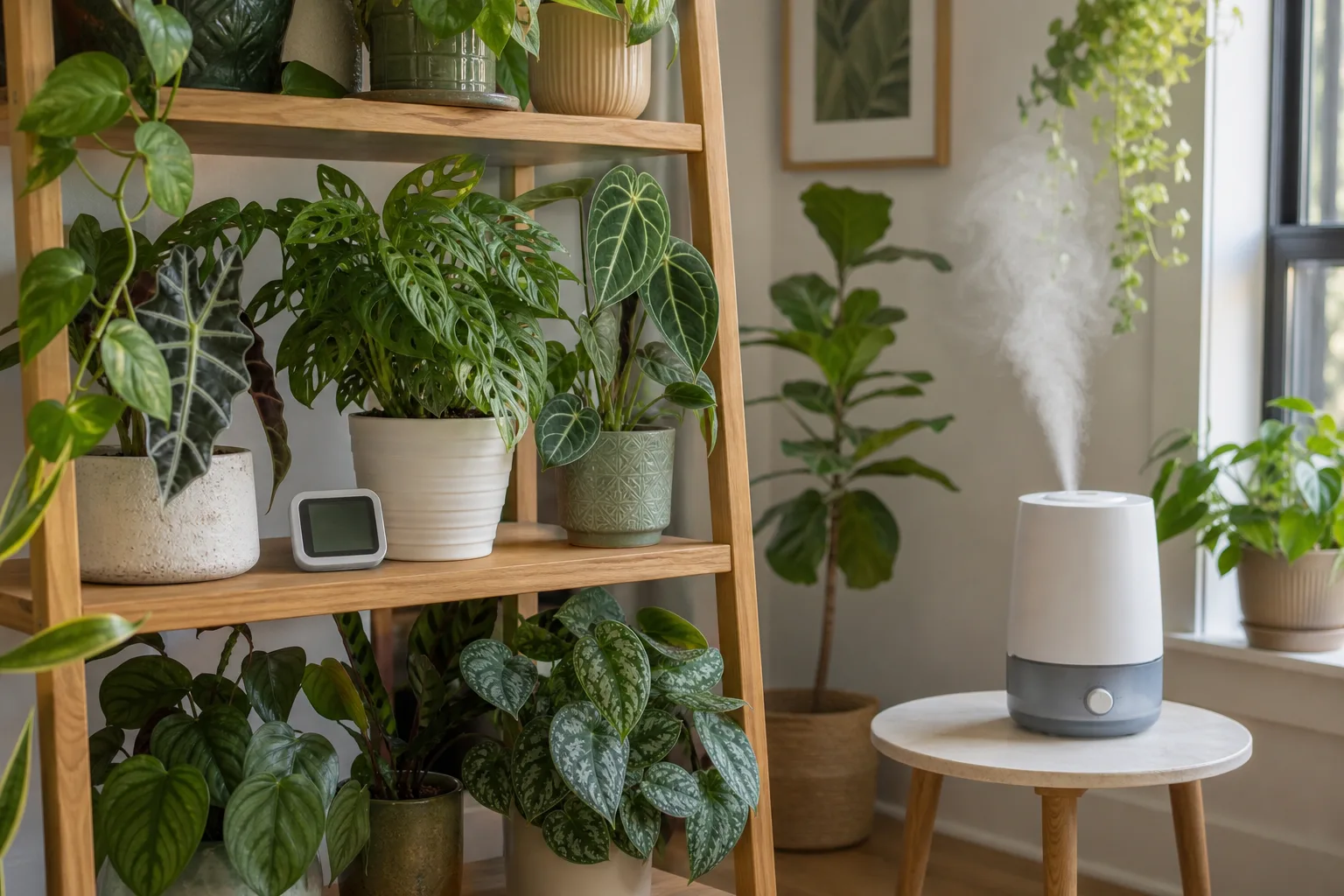
A good shelf plant earns its place in three ways: it fits the usable depth, gets enough light where the leaves sit, and can be watered without soaking the books or furniture below. The best candidates are not always the tiniest plants at the nursery. A compact rosette can eventually widen, a vine can cover the whole shelf, and a plant that tolerates shade may still decline in a windowless corner.
Use the list below as a shortlist, then match the plant to your room. A shelf near a bright window can support air plants and small peperomias; a shelf farther into a naturally lit room is a better home for a snake plant, pothos, or ‘Zenzi’ ZZ. If your shelf receives no daylight at all, use a grow light or choose a different display rather than expecting a living plant to grow in darkness.
Start With the Shelf, Then Match the Light
Measure the plant’s real footprint
Measure the shelf’s clear depth and width, not just its overall dimensions. The pot, saucer, leaves, and any support must all fit. Leave room for foliage to spread and for your hand to reach the pot; a plant that technically fits but cannot be lifted or turned will become harder to water and inspect.
Weight matters too. A wet pot weighs more than a dry nursery pot, and a ceramic cachepot plus a full saucer adds more. Check that a wall shelf is anchored to support the combined load, and keep heavy or top-heavy pots on lower, stable shelves. For floating shelves, account for the bracket’s rated load and the wall material rather than assuming the shelf can hold a row of wet containers.
Trailing plants need a different measurement: estimate how much vertical clearance you want below the shelf. Pothos and heartleaf philodendron can be pruned, but their vines keep lengthening when conditions suit them. Choose an upright snake plant or a compact peperomia if a hanging vine would brush a lamp, block a walkway, or tempt a curious pet.
Read the light where the pot will sit
A window’s direction does not tell the whole story. Distance from the glass, exterior shade, curtains, neighboring buildings, and the season all affect how much light reaches a shelf. The Royal Horticultural Society explains that light fuels plant growth and that inadequate light can produce pale, weak, or stretched growth; “low light” still means some usable daylight, not a dark room with no window. See the RHS guide to how plants use light and its houseplants for shady rooms.
Watch the plant after you place it. Long gaps between leaves, smaller new leaves, loss of variegation, or a stem leaning hard toward the window can mean the shelf is too dim. Bleached patches or crisp scorch on the window-facing side point to too much direct sun for a shade-adapted plant. Move it gradually and reassess new growth; old leaves will not become compact or regain lost patterning.
If you can comfortably read printed text in the space during daytime without switching on a lamp, many foliage plants have a chance, but that is only a rough screen, not a light measurement. For a deeper shelf, a small grow light can help if it is positioned close enough to the foliage and left on a consistent daytime schedule. A decorative lamp across the room is not a substitute for plant lighting.
21 Plants That Fit Different Shelves
The plants are grouped by their growth habit and care so you can choose for the shelf you have. Common names and cultivar sizes can vary between sellers; check the botanical name on the plant label, especially when matching pet-safety information.
Upright plants for narrow shelves
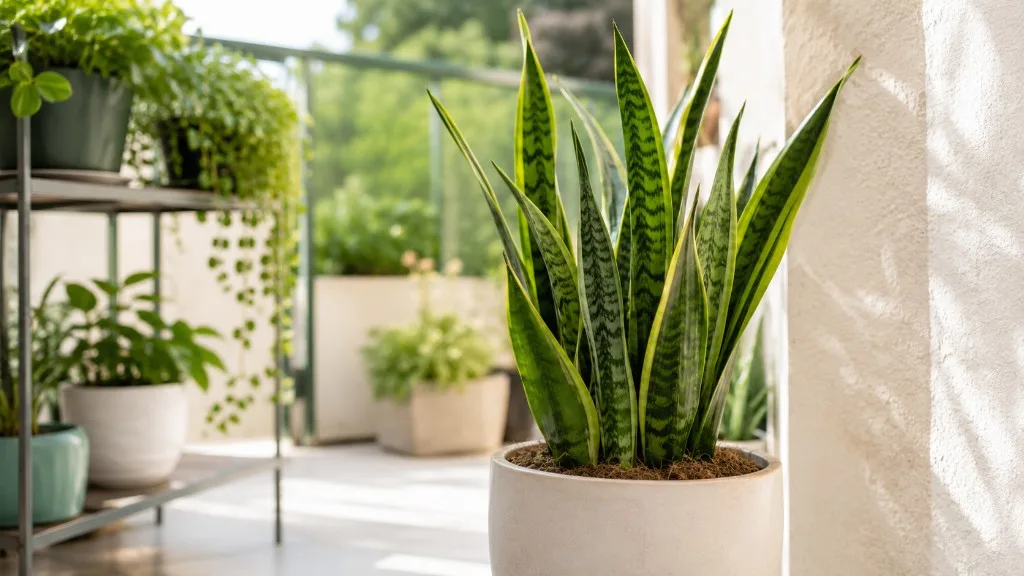
1. Bird’s nest snake plant (Dracaena trifasciata ‘Hahnii’, often sold as Sansevieria ‘Hahnii’). Its short, upright rosette stays visually contained and avoids long stems spilling over a narrow shelf. Give it bright indirect light if you want steady growth, although it tolerates lower light; let the mix dry thoroughly before watering again. A small pot with drainage is safer than a large decorative container that holds wet soil for too long.
2. Cylindrical snake plant (Dracaena angolensis, commonly sold as Sansevieria cylindrica). Round, spear-like leaves make this a strong vertical accent, but the plant can eventually become taller than its original shelf position suggests. It is a better fit for a deep, stable shelf with headroom than for a shallow ledge above a seating area. Use a gritty, free-draining mix and wait until the root zone is dry before watering.
3. Dwarf samurai snake plant (often sold as Sansevieria ehrenbergii ‘Dwarf Samurai’). This miniature form is useful where a standard snake plant would feel oversized. Its thick leaves hold water, so frequent sips are a common route to rot; give it a bright spot and let the pot dry well. Buy a clearly labeled plant, since small snake-plant cultivars can be sold under inconsistent trade names.
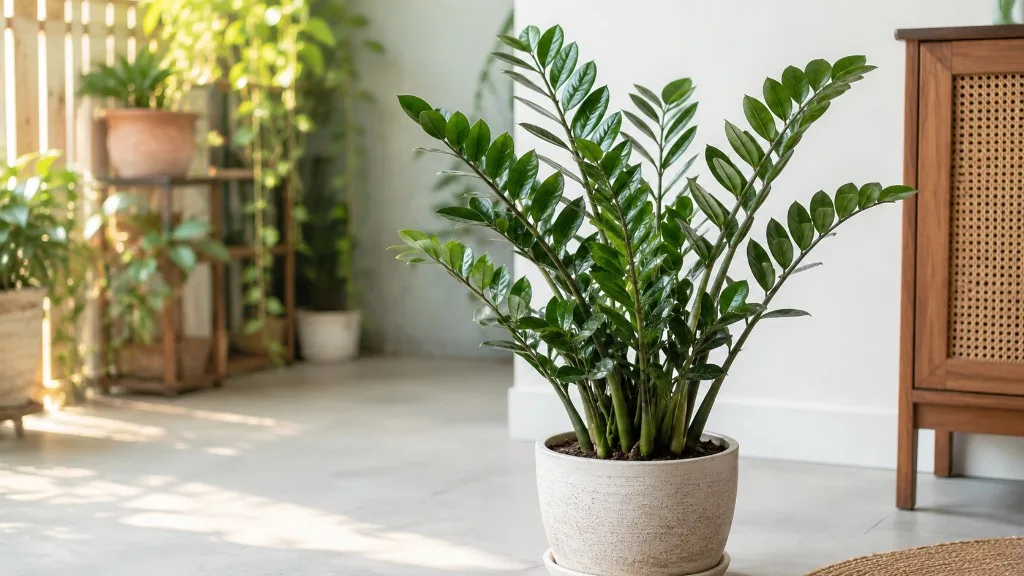
4. ‘Zenzi’ ZZ plant (Zamioculcas zamiifolia ‘Zenzi’). A compact, slow-growing ZZ gives a shelf a tidy upright shape and handles a lower-light position better than most plants in this list. It still needs ambient daylight and a pot that drains. Its swollen underground rhizomes store water, so a dim shelf plus constantly wet mix is a poor combination; wait for the mix to dry before watering.
Trailing plants for shelf edges
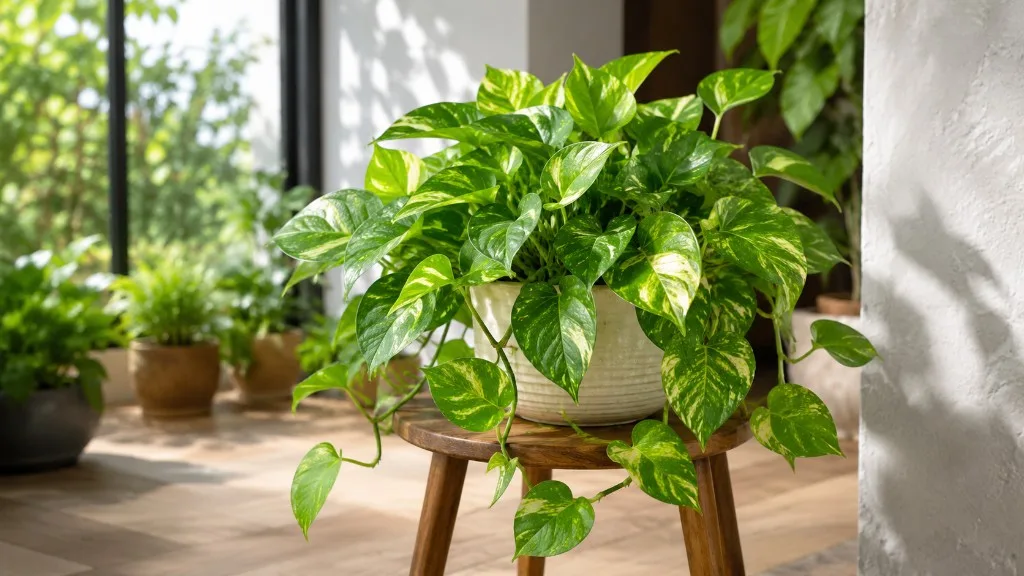
5. Golden pothos (Epipremnum aureum). This is one of the most flexible trailing choices: a healthy vine softens the shelf edge, and you can shorten it when it reaches too far. It tolerates lower light, but the yellow patterning is usually stronger when the plant gets brighter indirect light. Water once the upper portion of the potting mix has dried rather than following a fixed weekly schedule.
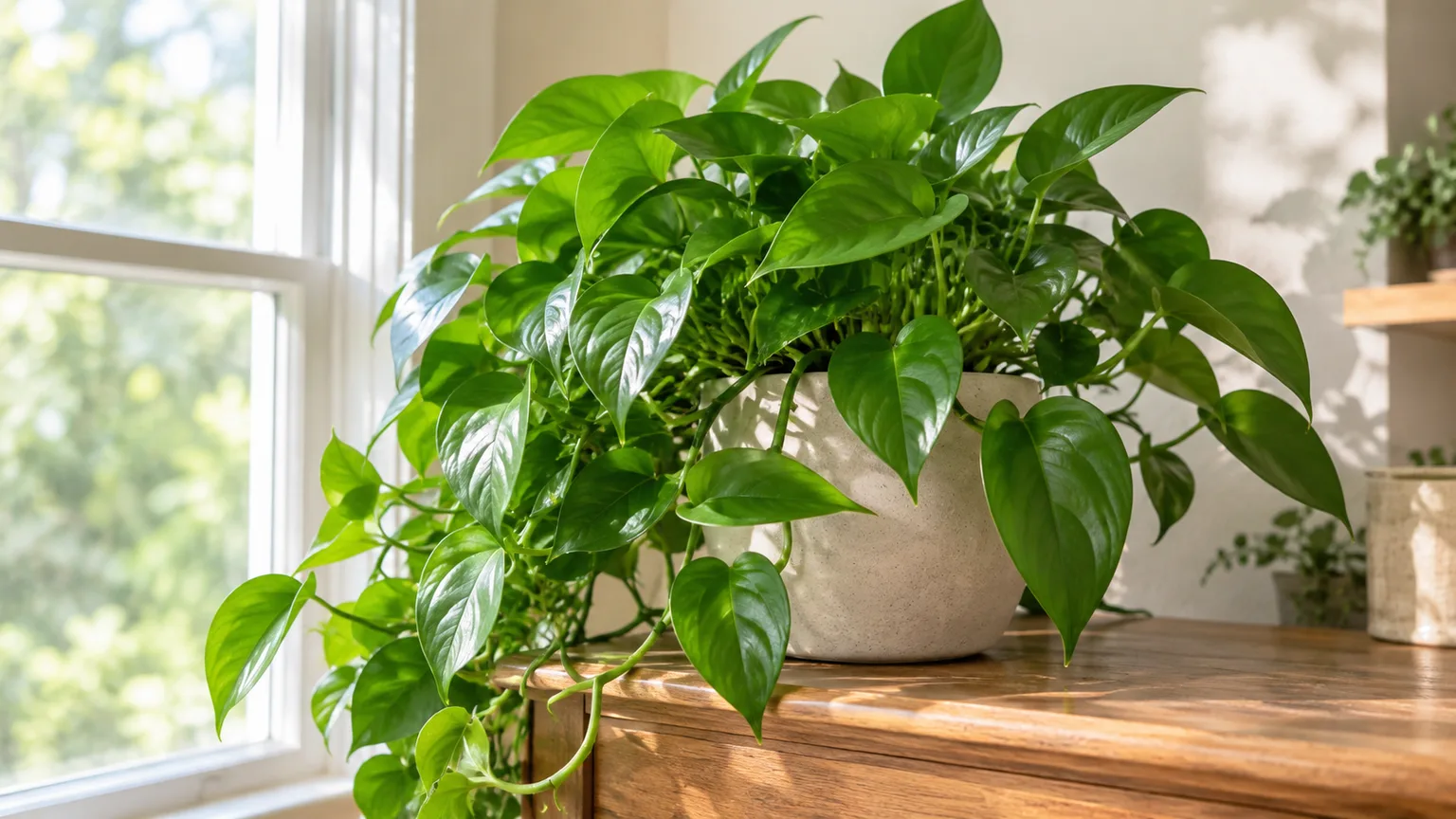
6. Jade pothos (Epipremnum aureum ‘Jade’). Choose the all-green cultivar if you prefer solid foliage or the shelf is not especially bright. Its trailing stems have the same pruning advantage as golden pothos, and it is generally less likely to lose a decorative variegation pattern in a dimmer spot. Low light does not mean low water forever: check the mix, then water thoroughly and allow excess to drain.
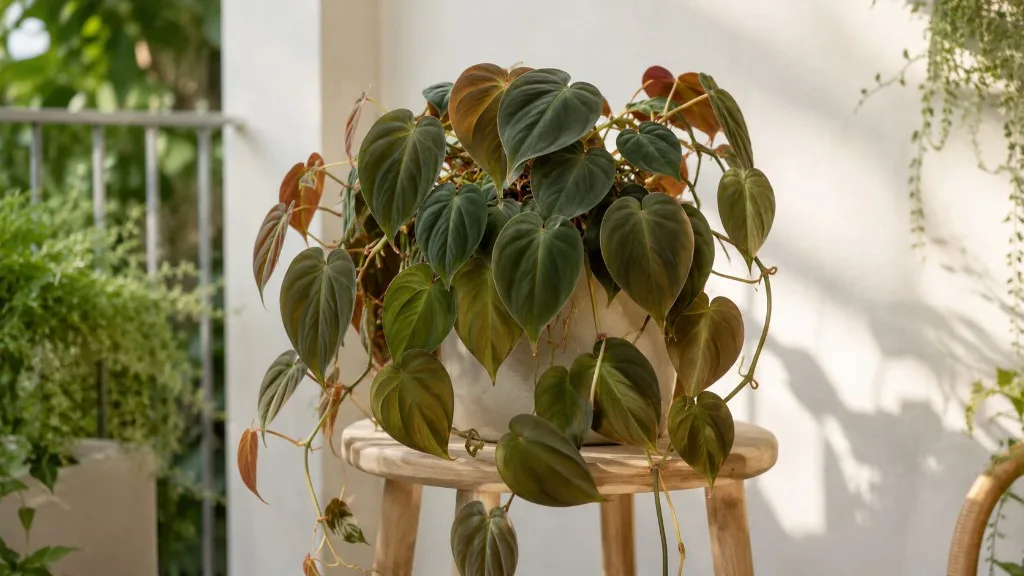
7. Heartleaf philodendron (Philodendron hederaceum, often labeled P. scandens). Heart-shaped leaves and flexible vines suit a shelf edge, but stems can become sparse if the light is too weak. Place it in bright to medium indirect light for fuller growth, pinch or trim long stems, and let the top layer of mix dry before watering. NC State Extension describes heartleaf philodendron as a climbing houseplant and flags philodendrons as a pet and ingestion concern, so avoid placing it where children or animals can reach the leaves.
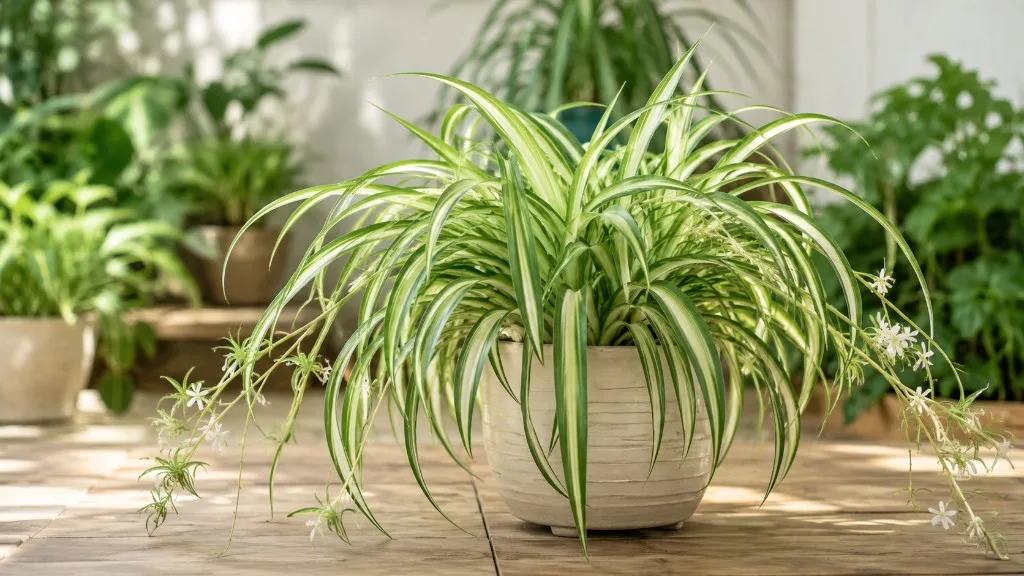
8. Spider plant (Chlorophytum comosum). A spider plant works on a shelf with room for its arching leaves and baby plantlets to spill over the edge. It is adaptable, but a crowded or very narrow shelf can turn its graceful arch into a traffic hazard. Bright indirect light supports stronger growth; allow the top of the mix to begin drying between waterings. BBC Gardeners’ World Magazine also recommends it as a flexible living-room plant and notes that mature plants produce offsets.
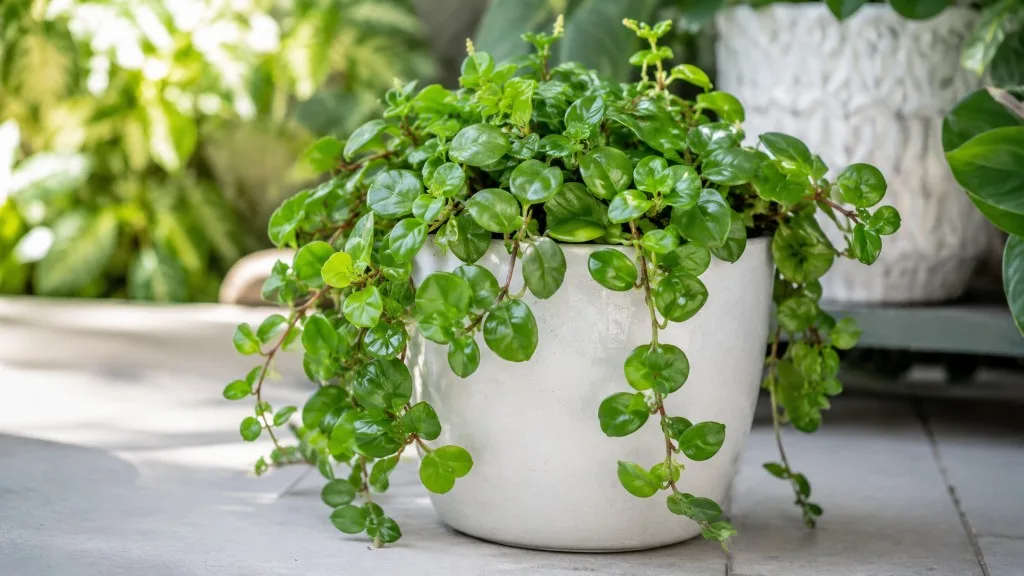
9. Peperomia ‘Hope’ (Peperomia tetraphylla ‘Hope’). Its rounded, thick leaves and branching, trailing stems give a shelf a softer look than a large-leaved vine. It prefers medium to bright indirect light and a potting mix that partly dries between waterings. The succulent-like leaves store some moisture, but this is not a reason to leave the plant in harsh sun or bone-dry soil for long periods.
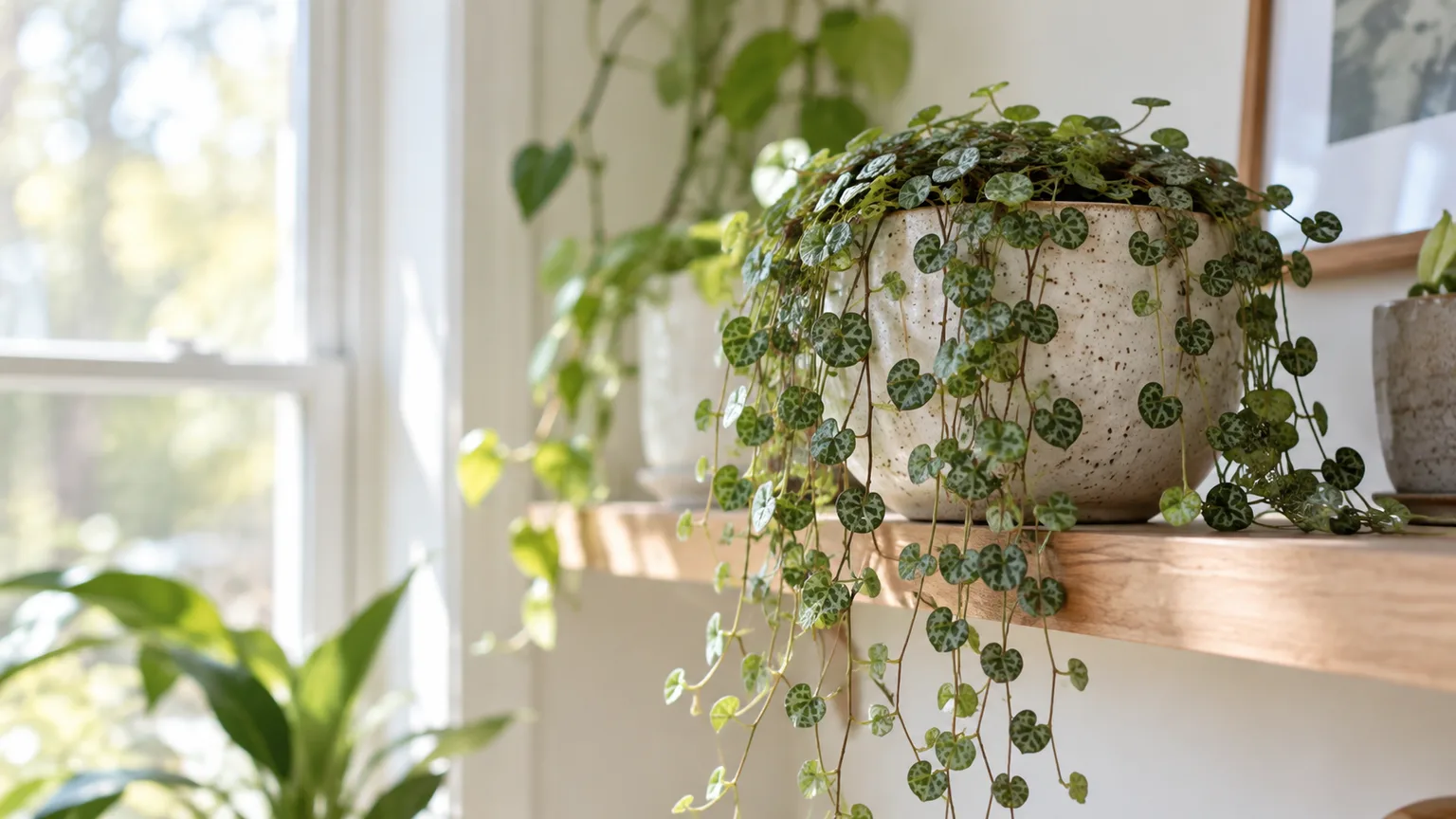
10. String of turtles (Peperomia prostrata). The small patterned leaves stay close to the shelf edge at first, then form delicate strands. Give it bright indirect light; a truly dim shelf tends to produce weak, widely spaced growth and leaf drop. Use a small pot with drainage, water when the surface begins to dry, and keep it away from hot vents that dry the shallow root ball quickly.
Lush foliage for bright, humid shelves
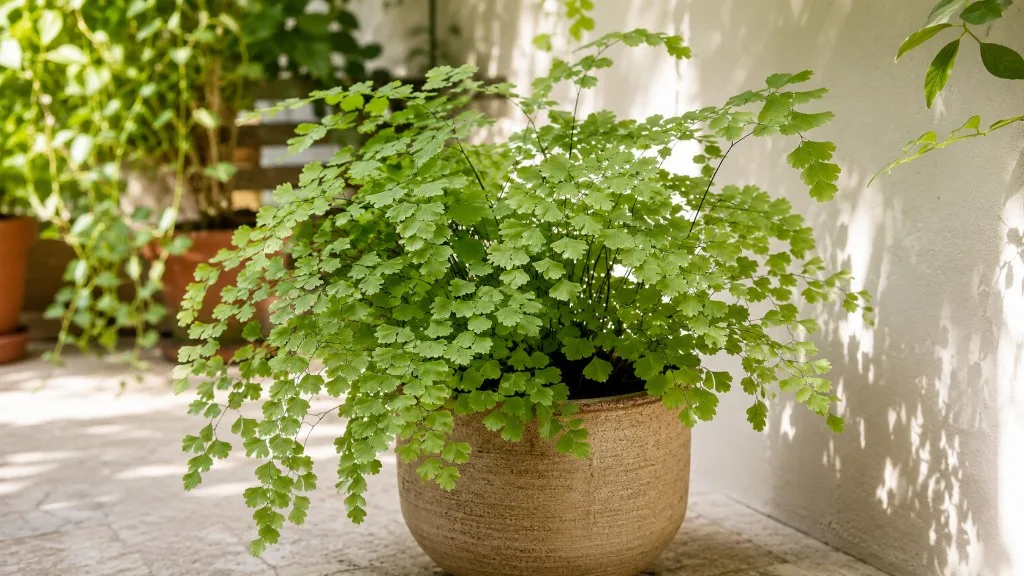
11. Maidenhair fern (Adiantum aethiopicum). Fine, delicate fronds make this one of the most graceful shelf plants, but it is not the right choice for someone who wants to water infrequently. It prefers bright indirect light, even moisture, and higher humidity than many living rooms provide. A bathroom shelf can work if it has a real window and enough air movement; a dark bathroom or a shelf beside a heating vent will not.
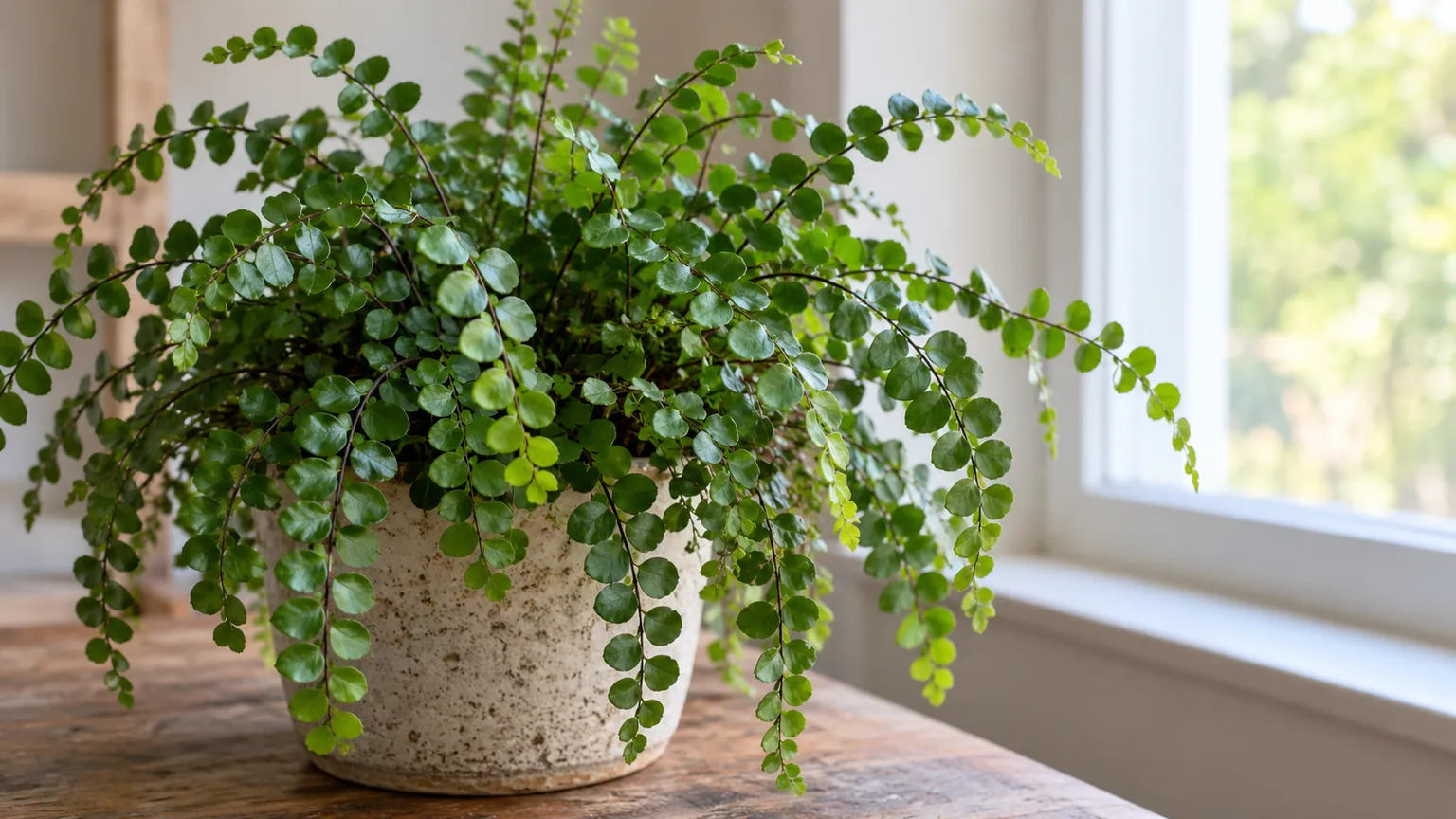
12. Lemon button fern (Nephrolepis cordifolia ‘Duffii’). The rounded leaflets and compact habit are easier to fit than a large Boston fern, though the plant still appreciates consistent moisture and humid air. Place it in medium or bright indirect light and check the pot before the root ball becomes completely dry. If the shelf is warm and the pot is shallow, inspect it more often; if the room is cool or dim, it will use water more slowly.
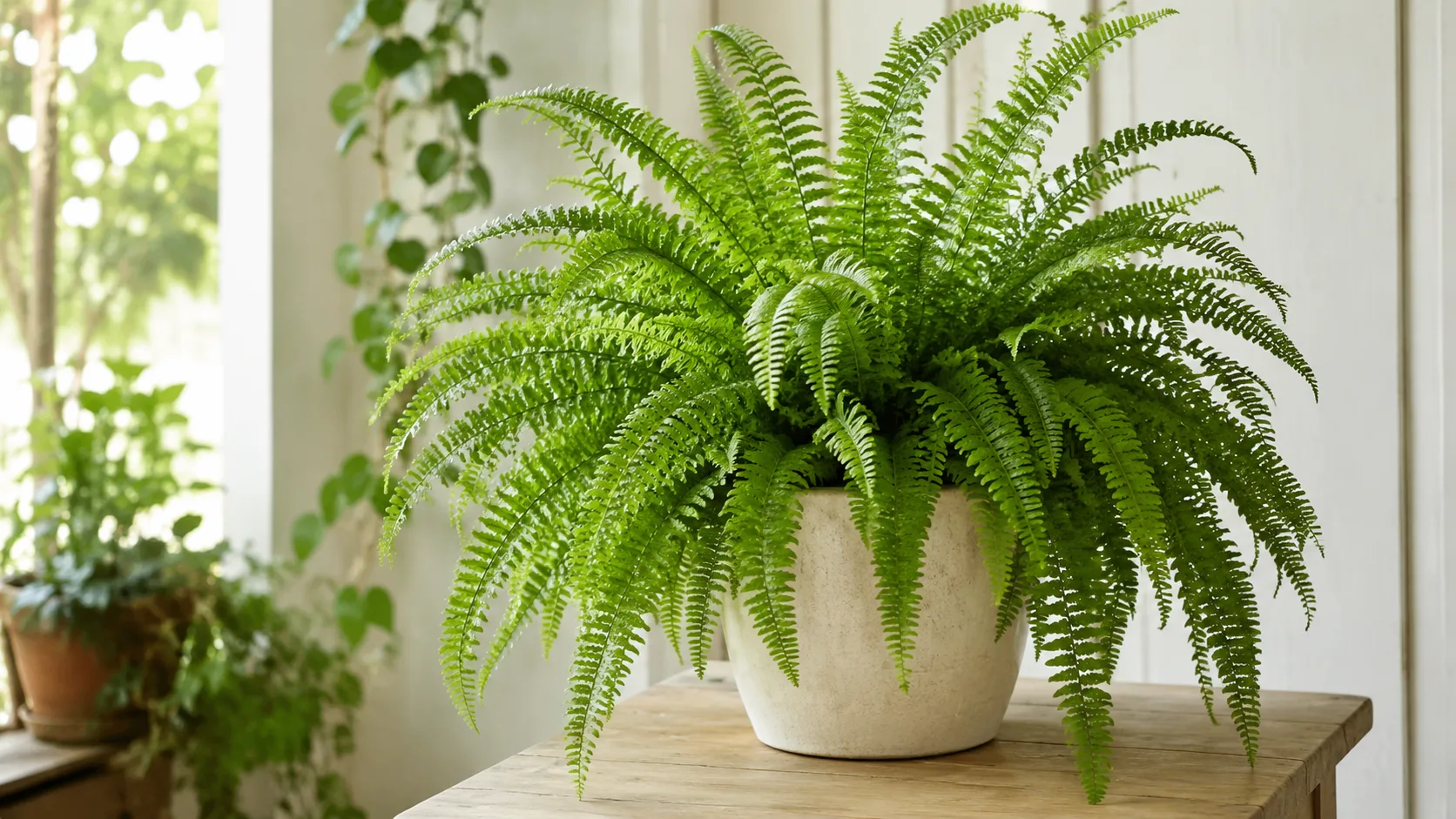
13. Compact Boston fern (Nephrolepis exaltata). A smaller nursery plant can look shelf-sized, but its arching fronds may spread well beyond the pot as it matures. Choose it only if the shelf has generous depth and you can keep the mix evenly moist without leaving the pot in standing water. A bright bathroom or kitchen near a window is usually more forgiving than a dry shelf in a heated room.
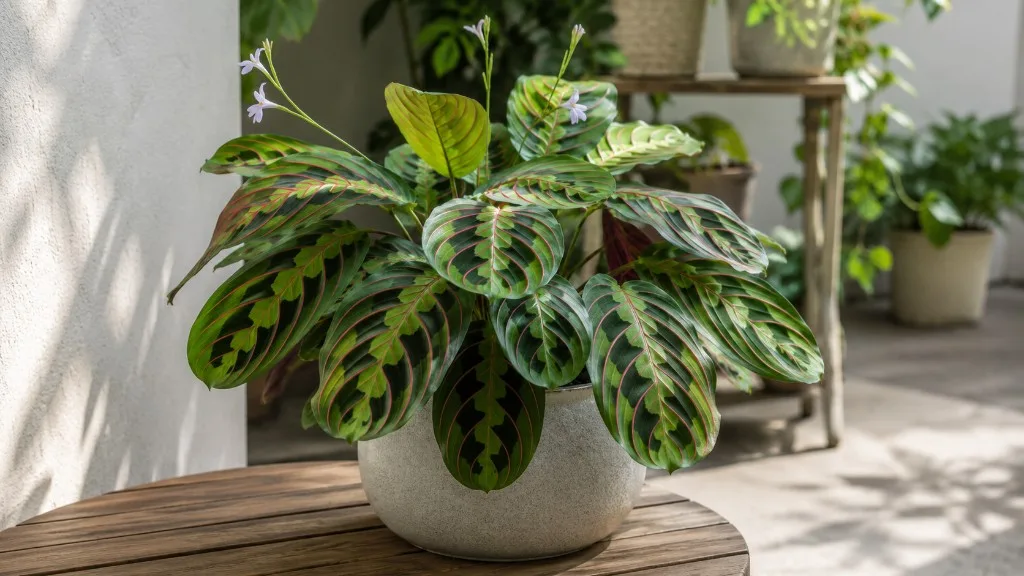
14. Prayer plant (Maranta species). Maranta’s patterned leaves fold and lift as light changes through the day, so the plant brings movement as well as color. It is happiest in bright to medium indirect light, with a lightly moist but not waterlogged mix. Do not interpret its nighttime leaf movement as wilting; look for persistent limpness or dry soil before deciding it needs water.
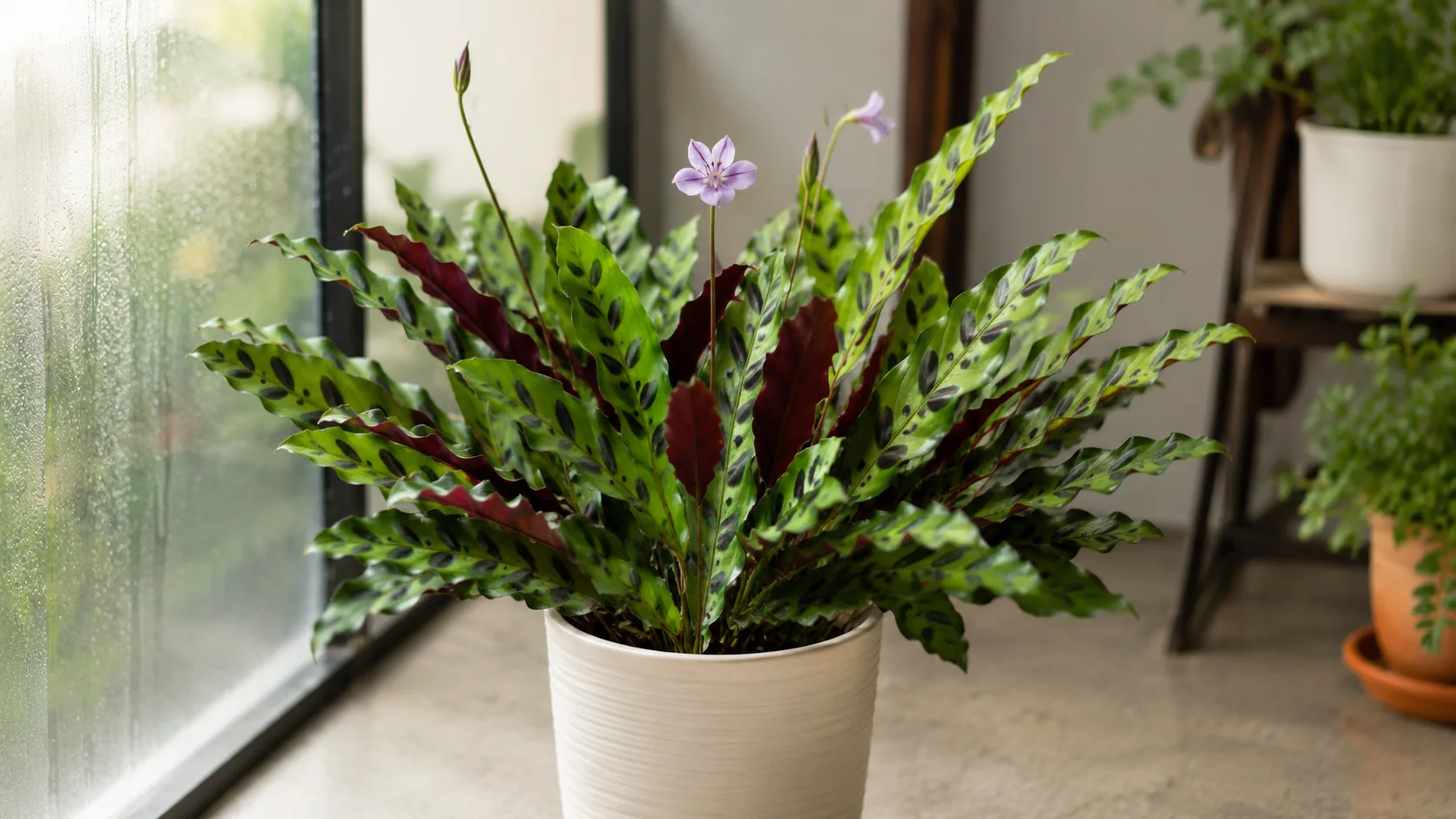
15. Rattlesnake plant (Goeppertia insignis, often sold as Calathea lancifolia). The wavy leaves and dark markings make it a standout, but it is a better choice for a naturally humid, bright room than for a dry, dim shelf. Keep the mix from drying completely while ensuring the pot drains, and protect it from hot air and direct afternoon sun. If you cannot give it steady moisture and suitable light, a pothos or peperomia will be easier to keep looking good.
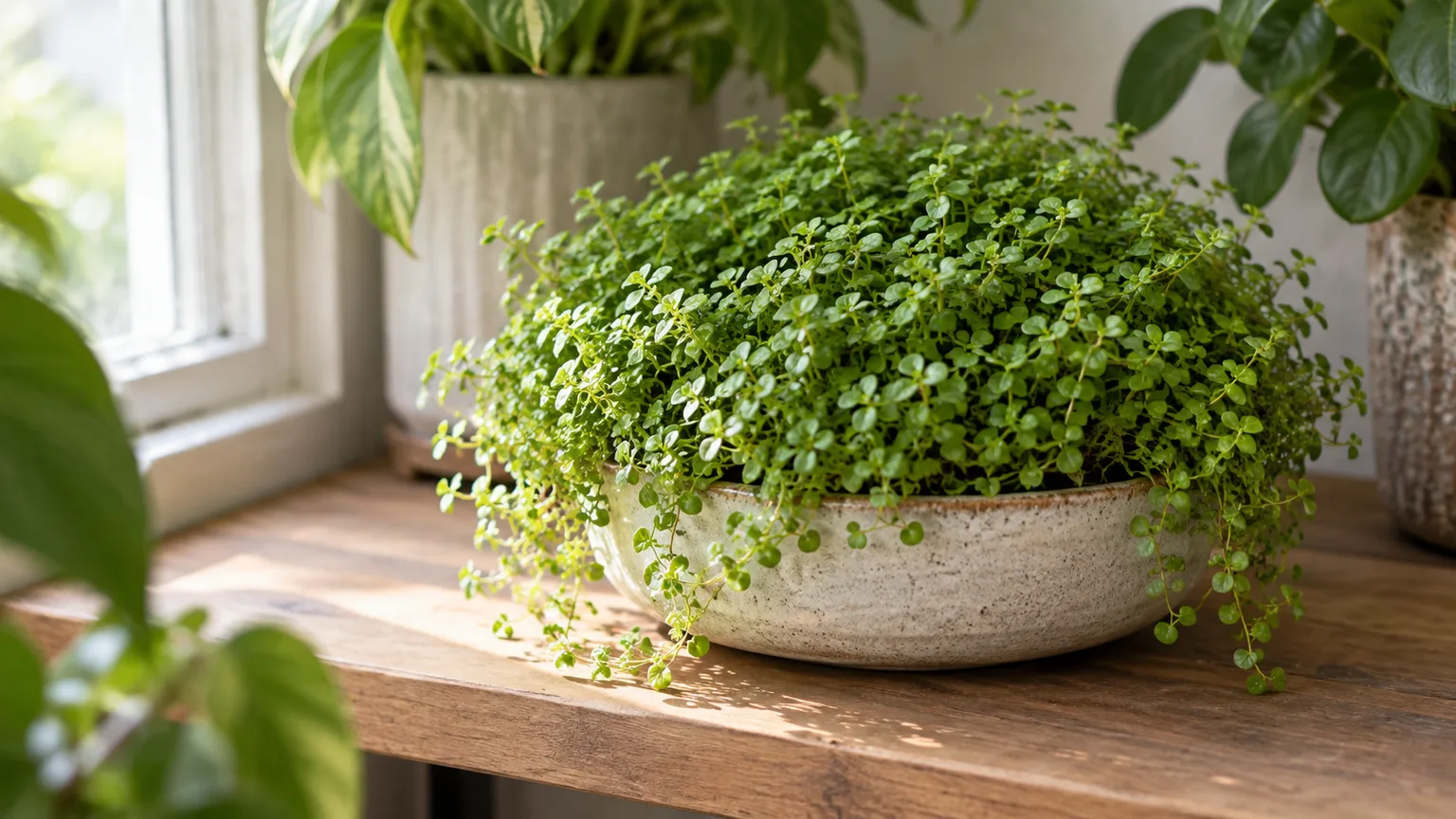
16. Baby tears (Soleirolia soleirolii). Tiny leaves form a dense mat that can spill over the pot, ideal for a low shelf where a fine-textured cascade is welcome. The shallow root system dries faster than a large plant’s, so use a draining pot and check moisture more often in warm rooms. It may thin or crisp if it dries repeatedly; trim it back when it gets untidy and give it bright indirect light.
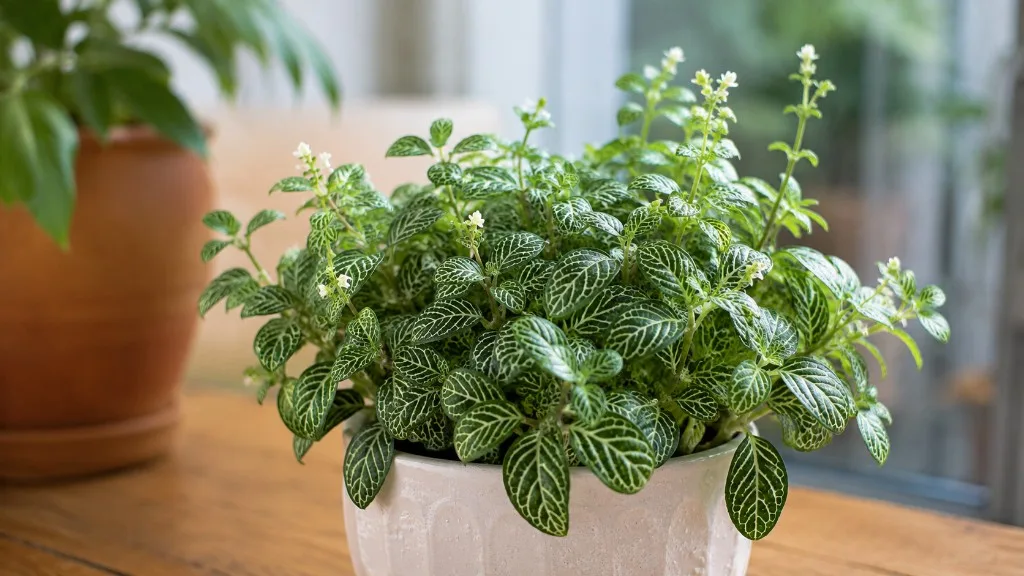
17. Nerve plant (Fittonia species). Fittonia stays low and brings vivid veins in pink, white, or red across the leaves. It suits a bright indirect shelf with steady moisture and more humidity than a very dry room offers. It can droop dramatically when thirsty, but treat that as a warning, not a watering method: repeated wilting stresses the plant, while permanently wet soil can rot its roots. NC State Extension’s Plant Toolbox has species guidance for Fittonia.
Small foliage plants for detail and variety
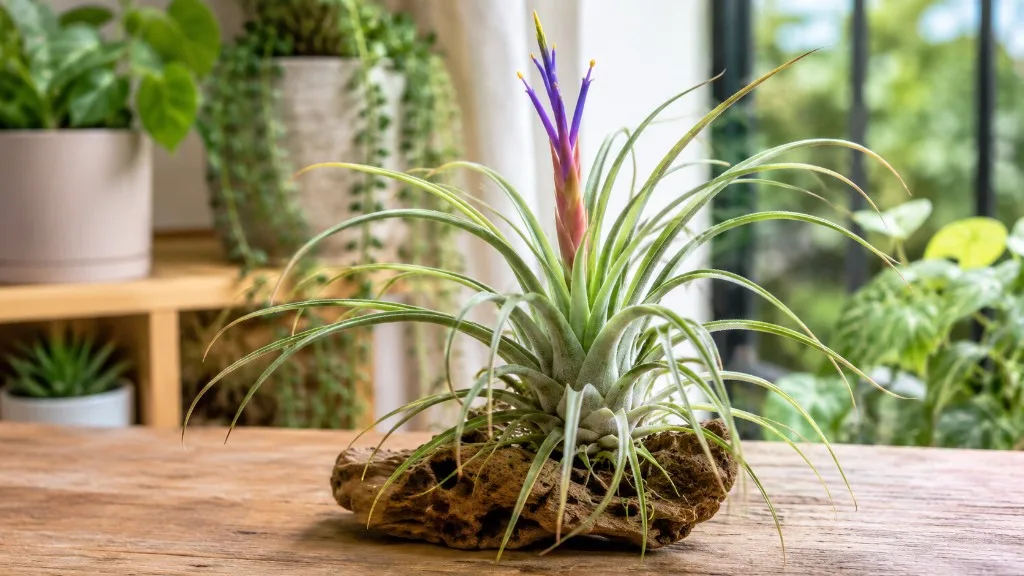
18. Air plants (Tillandsia species). Because they grow without a pot of soil, air plants can sit in a small open holder and add a sculptural accent. They are not low-light plants: give them bright filtered light, good airflow, and a watering routine suited to the species and room. If you soak or rinse one, let it dry fully in an airy position before returning it to a tight holder; water trapped in the crown can cause problems.
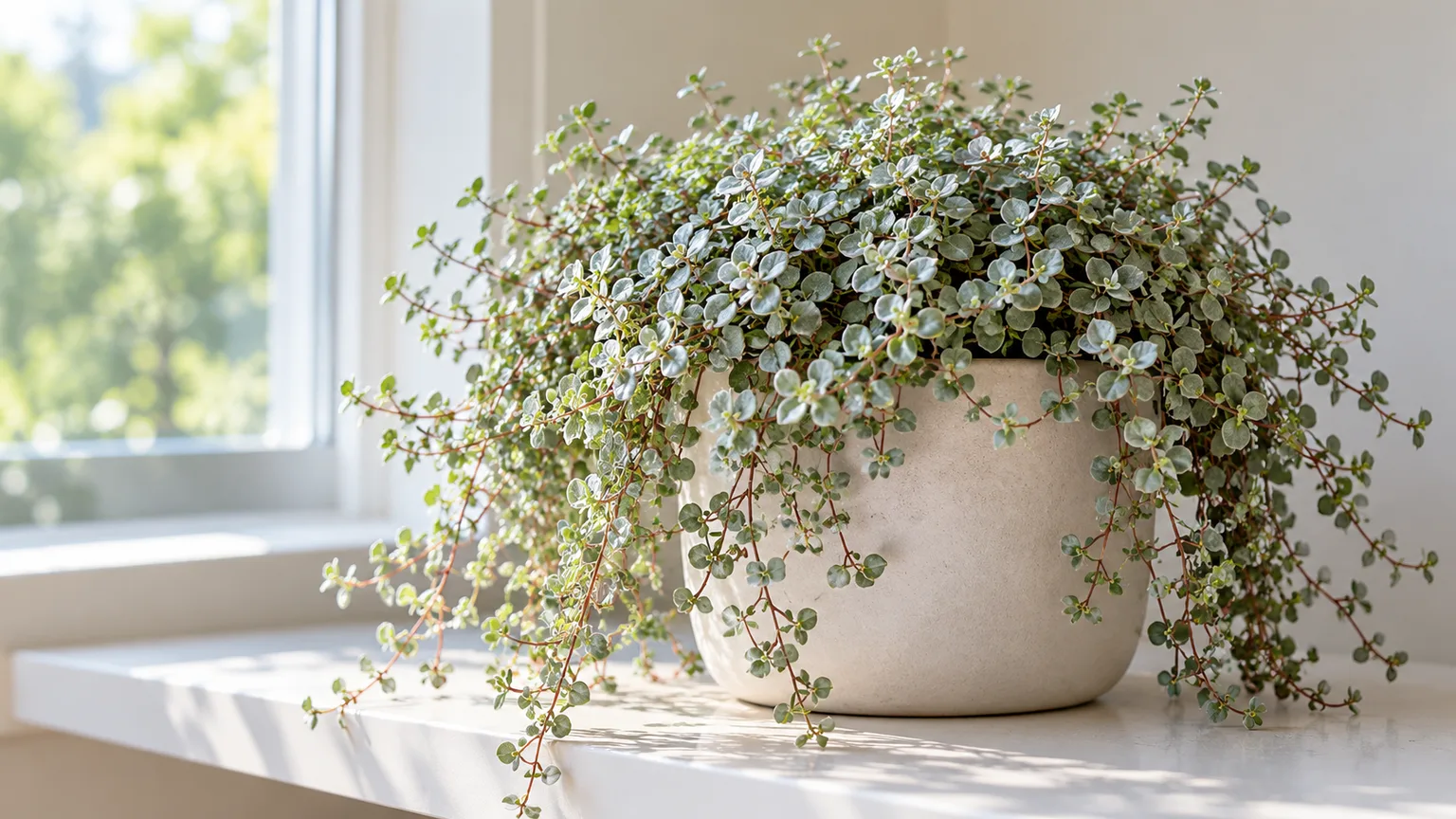
19. Silver sparkle pilea (Pilea glauca, often sold under a trade name). Tiny silvery leaves on fine stems create a trailing, delicate texture that works on a bright shelf. Trade names and exact identification can vary, so buy from a seller who labels the plant clearly. Provide bright indirect light, a pot with drainage, and moderate moisture; do not keep the root zone saturated just because the leaves are small.
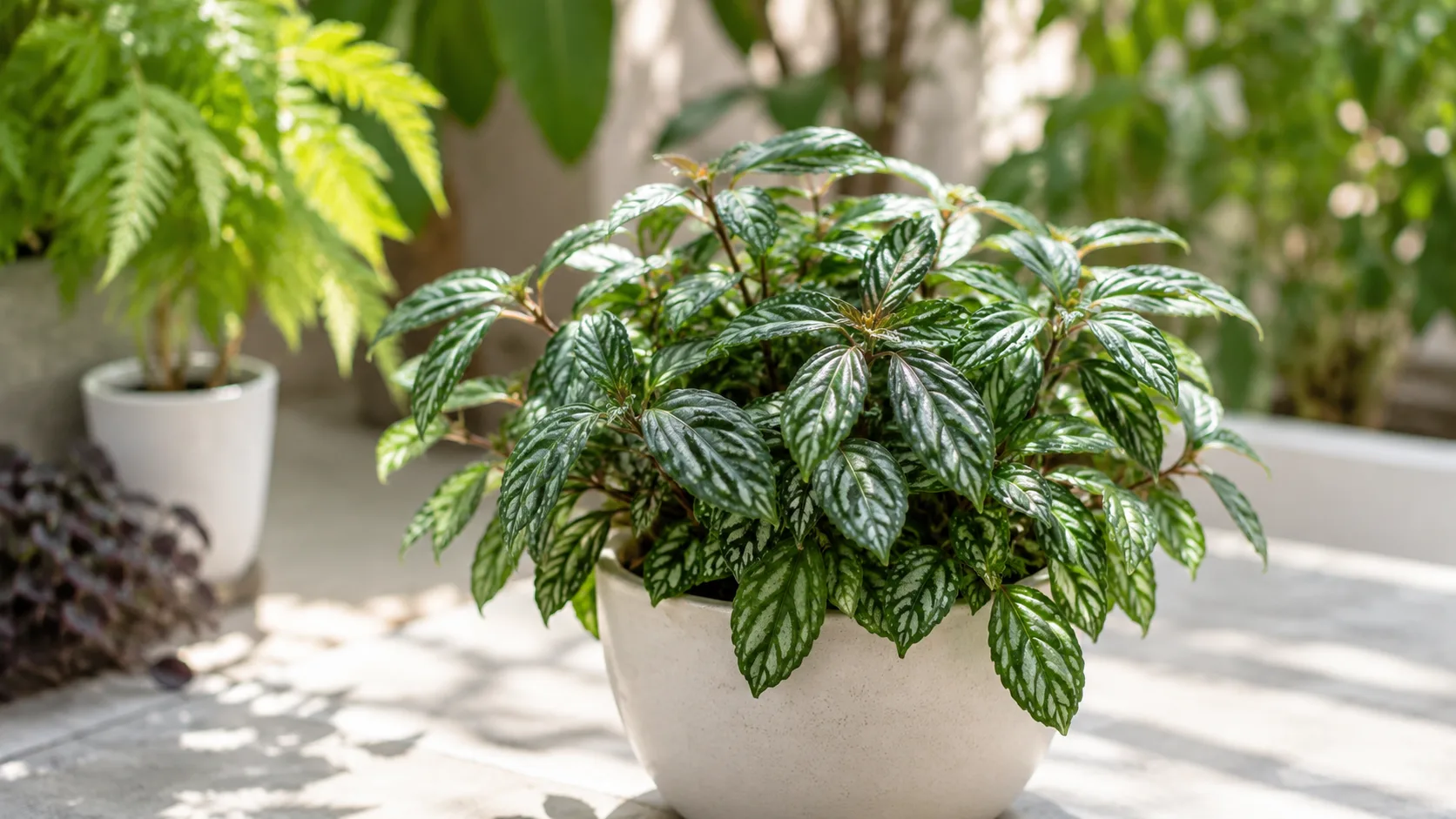
20. Dwarf aluminum plant (Pilea cadierei ‘Minima’). The compact cultivar has green leaves with silver markings and is an option when a shelf needs a small upright accent rather than a vine. Bright to medium indirect light helps preserve its patterned foliage; deep shade can make growth weak. Keep the mix lightly moist but let excess water drain, and trim new tips if the plant starts to sprawl beyond its footprint.
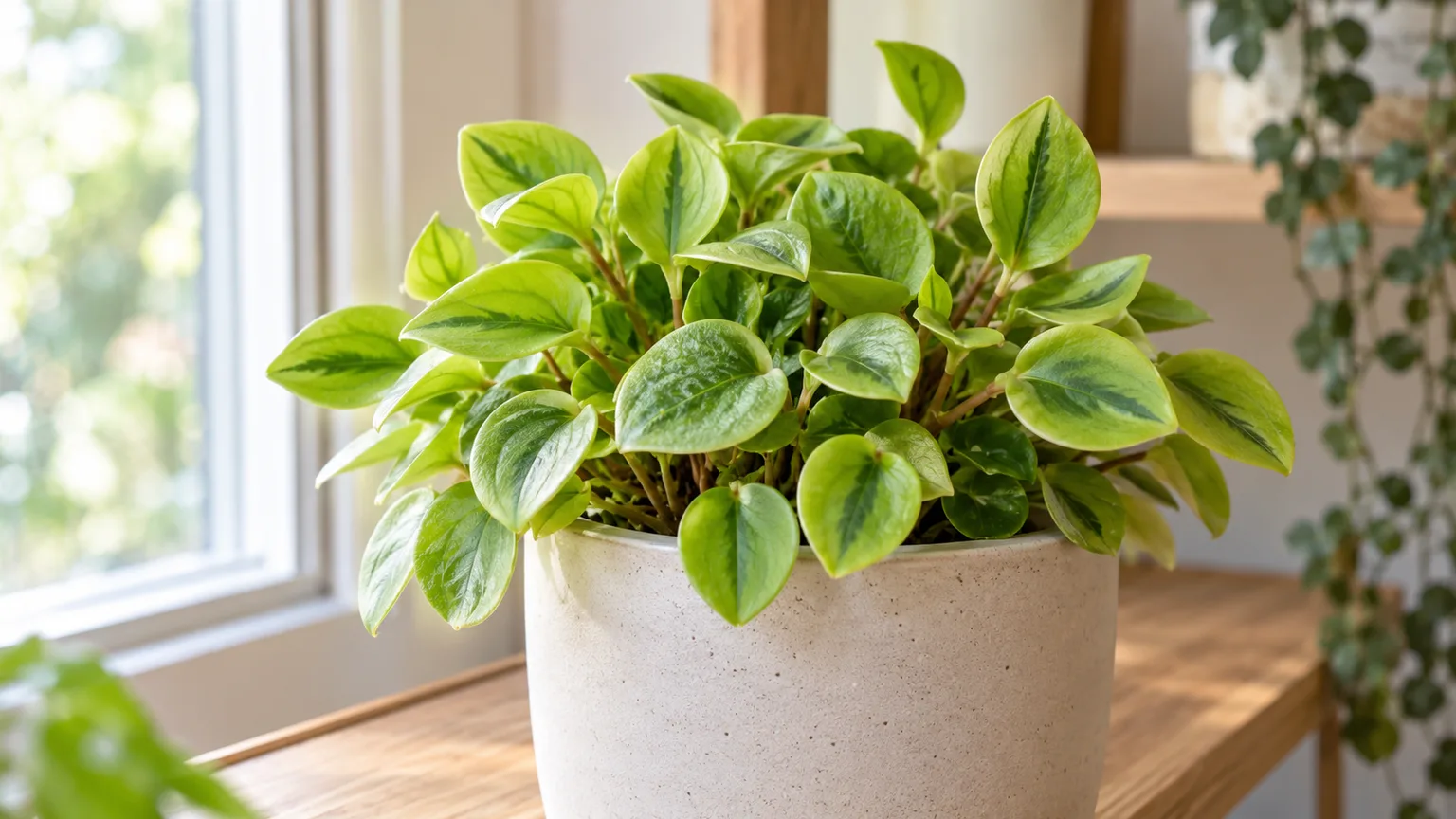
21. Peperomia ‘Pixie Lime’ (Peperomia orba). Its bright green leaves and naturally compact form bring color to a small shelf without a long trailing stem. It does best in medium to bright indirect light and a freely draining potting mix. Let the upper soil begin to dry before watering again; if the leaves or stems turn soft, check for persistent wetness before adding more water. NC State Extension’s Peperomia profiles are useful for comparing species sold under similar common names.
Set Up a Shelf That Is Safe to Water
Fit the pot, saucer, and shelf together
The safest way to water a plant on a high shelf is to lift it down, water it over a sink, and let it drain completely before returning it. A saucer catches an accidental drip, but it should not become a hidden reservoir that keeps the pot base submerged. If a plant is too heavy to move, use a waterproof tray large enough to catch runoff and remove standing water promptly.
Choose a nursery pot with drainage holes inside a decorative cachepot, or set the draining pot on a removable saucer. Keep water away from books, outlets, and electronics, and wipe the shelf dry after watering. Do not use a pot without drainage simply because it looks neater; excess water can collect below the roots where you cannot see it.
Keep delicate and toxic plants in a suitable place
A shelf is not automatically out of reach. Cats jump, vines hang down, and a plant can be knocked off while someone dusts or pulls a book. Secure the shelf to the wall, keep heavy pots low, and do not put toxic plants where a pet or child can chew them. The ASPCA maintains separate toxic and non-toxic plant lists for dogs and cats; search by the botanical name on the label and check the list for your animal. NC State also flags heartleaf philodendron as a problem for pets and children. When a plant has been chewed or swallowed, contact a veterinarian or animal poison-control service with the plant’s name and a photo rather than waiting for symptoms.
Care for Plants Above Eye Level
Water according to the root ball, not a calendar
A shelf can make a plant harder to check, which is why calendar watering causes trouble. Low light and cooler temperatures slow growth and water use; a pot that dries in a few days on a sunny windowsill may stay wet much longer on a dim shelf. Test the potting mix with a finger or a wooden skewer, and use the plant’s normal preference: let snake plants and ZZ plants dry substantially, while ferns and fittonias should not be allowed to dry completely.
When the plant needs water, water the whole root ball rather than adding a small splash to the surface. Let excess water leave the drainage holes, empty the saucer, and then return the plant. In winter, many indoor plants grow more slowly and need less frequent watering; reassess the soil rather than automatically keeping a summer schedule. The RHS houseplant growing guide and BBC Gardeners’ World’s houseplant advice both stress matching care to the plant and the growing conditions rather than treating every houseplant alike.
Prune and rotate before growth gets awkward
Turn pots a little every week or two if all the window light comes from one side; this can encourage more even growth, though a plant still needs enough light overall. Rotate slowly after moving it, especially if it has been in a dim room, so foliage is not suddenly exposed to stronger direct sun. For vines, shorten stems just above a leaf node with clean scissors, then use the cuttings for propagation if you want a fuller pot.
Pruning is a size-control tool, not a permanent way to keep an unsuitable plant tiny. Spider plants produce arching leaves and offsets; Boston ferns spread; snake-plant leaves and ZZ stems become taller over time. If a plant repeatedly blocks the shelf, leans, or needs constant trimming, move it to a more suitable location or choose a naturally smaller species.
Use leaf changes as a light check
Inspect new growth, not just the leaves the plant had when you bought it. If new leaves are smaller, stems stretch, or a patterned plant loses contrast, move it closer to the window or add a grow light. If leaves scorch, fade, or curl on the side facing strong sun, shift it back or filter the light with a sheer curtain.
Check the top and underside of leaves during routine watering. A crowded shelf can limit airflow and make pests harder to spot early. Leave a little space between pots, remove dead leaves, and isolate a plant if you see webbing, sticky residue, or clusters of insects rather than letting the problem spread through the whole display.
Group Plants by Care, Not Just Looks
A shelf looks cohesive when leaf shapes and colors vary, but group plants by their needs first. Pothos, heartleaf philodendron, and a snake plant can share a room with moderate ambient light, but the snake plant should dry further between waterings. Ferns, prayer plants, rattlesnake plants, and fittonias are better grouped where humidity is higher and you can check moisture regularly. Air plants need strong filtered light and airflow, so they do not belong in a damp cluster where water sits in their holders.
Use this quick match to narrow the list:
| Shelf condition | Good starting choices | Watch for |
|---|---|---|
| Dimmer spot with some daylight | Bird’s nest snake plant, jade pothos, ‘Zenzi’ ZZ | Growth slows; water less often; no plant thrives in darkness |
| Bright indirect light, limited depth | Dwarf samurai snake plant, ‘Pixie Lime’ peperomia, dwarf aluminum plant | Confirm the mature plant and pot still fit |
| Shelf edge with room to trail | Golden or jade pothos, heartleaf philodendron, Peperomia ‘Hope’ | Trim vines before they snag, block objects, or become reachable |
| Bright, humid room | Maidenhair or lemon button fern, prayer plant, fittonia | These are less forgiving if they dry out or sit in stagnant air |
| Very small display with no soil pot | Tillandsia | Bright filtered light and drying airflow are still essential |
BBC Gardeners’ World Magazine likewise recommends considering a room’s light and warmth before choosing plants, and pairing plants with similar conditions. Its guidance on living-room plants also points out that trailing plants soften shelf edges while compact plants suit tighter surfaces. Treat that as a design cue after you have checked that the shelf meets each plant’s growing needs.
Common Shelf-Plant Mistakes to Avoid
The most common mismatch is buying for the plant’s appearance in the store rather than the shelf’s light. A small succulent-like peperomia may look suited to any corner, but most do better with brighter indirect light than a truly dim shelf provides. Conversely, ferns can handle a shelf display beautifully but need moisture and humidity that a heated, dry room may not offer.
Another mistake is assuming “low maintenance” means “never check it.” Low-light plants often use water slowly, so watering them on the same weekly routine as a sunny-window plant can keep the roots wet. A trailing plant may be compact today and sprawling next season; plan to prune or move it. If a room has no natural light, use a suitable grow light on a timer or choose a nonliving display instead of repeatedly replacing plants that cannot photosynthesize there.
Finally, do not overload a shelf, block the window with a dense row of foliage, or let water drain onto furniture below. Keep larger pots low, use a stable saucer or tray, and leave enough space to inspect every plant. A display that is easy to reach and maintain will stay attractive longer than one packed edge to edge.
Conclusion
The best plants for shelves are the ones that fit the actual space and receive the light and care you can provide. For a forgiving start, choose a bird’s nest snake plant, jade pothos, or ‘Zenzi’ ZZ in a shelf with some daylight; for a trailing edge, try pothos, heartleaf philodendron, or Peperomia ‘Hope’; save ferns and fittonia for a brighter, more humid position where you can keep up with moisture.
Before you buy, measure the pot footprint and trailing room, check the shelf’s stability, and watch the location’s daylight for a few days. Then make watering easy by using a draining pot you can lift down. Those practical choices matter more than arranging 21 plants at once: start with one or two that match the shelf, and expand only when you know how that spot behaves.