How to Grow and Care for Joseph's Coat
Learn how to grow Joseph's coat in beds, pots, or indoors, with practical advice on light, watering, pruning, cuttings, winter care, and common problems.
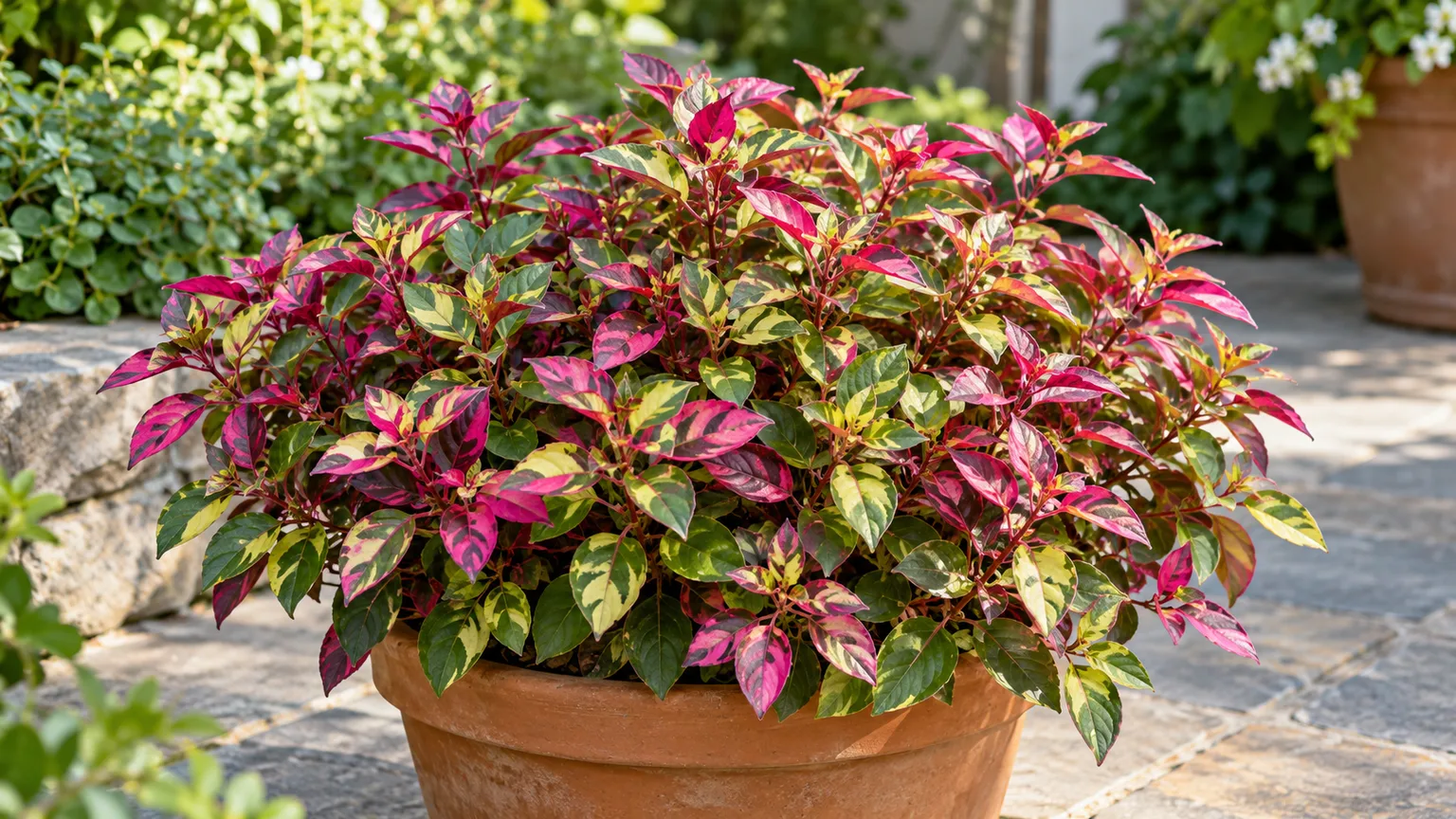
Joseph’s coat earns its place through foliage: small leaves can carry patches of pink, red, yellow, copper, or purple above a green base, and a low, spreading plant can brighten a bed or container for months. The main challenge is balancing enough light for strong color with steady moisture and good drainage, while remembering that the name on a nursery tag may describe several different plants.
Identify the Plant Behind the Common Name
Joseph’s coat is commonly used for Alternanthera ficoidea, a tender, herbaceous member of the amaranth family grown mainly for its foliage; the NC State Extension Plant Toolbox describes the species as a fast-growing, spreading plant (NC State Extension Plant Toolbox). It can be a spreading groundcover, a compact edging plant, a container accent, or a bright houseplant where light is strong. Typical plants are often about 6 to 12 inches tall and 12 to 18 inches wide, but a cultivar’s habit can differ substantially.
The common name is not a precise botanical label. NC State lists several other plants also called Joseph’s coat, including Alternanthera dentata and Amaranthus tricolor; the broader genus also includes plants sold as joyweed, calico plant, or parrot leaf.
Some chartreuse forms are marketed as alternanthera even when their exact species label differs. If the plant’s mature size, color, or cold tolerance matters to your plan, keep the nursery tag or confirm the botanical name before assuming care instructions for one selection apply to another (NC State Extension Gardener).
Joseph’s coat does produce small, pale flowers, often in the leaf axils, but they are easy to miss beside the foliage. In most garden designs, its job is to provide a continuous patch of color and texture rather than a showy bloom. That makes healthy new growth and a compact outline more useful goals than flower production.
Choose a Variety for Color and Shape
Look first at the plant in its pot, not only at a catalog photo. Some selections stay low and spread as edging; others are taller and looser, while foliage can run from nearly solid chartreuse to pink-and-green, red, copper, or deep purple.
Extension references list named selections such as ‘Creme de Menthe,’ ‘Purple Prince,’ ‘Red Carpet,’ and ‘True Yellow,’ but nursery labels can use the common name loosely. Compare the actual leaf pattern and ask how wide the plant is expected to grow before deciding how many to buy.
The color you see at purchase is also affected by growing conditions. A plant raised in a greenhouse may look less saturated after moving into a shaded bed, and intense reflected heat can bleach leaves even where the plant is technically receiving full sun. Choose a cultivar for its mature habit and the color you want, then select the site to support that cultivar rather than trying to force every Joseph’s coat into identical conditions.
Give Joseph’s Coat Enough Light
For strong foliage color, start with a bright site. NC State recommends full sun to partial shade and notes that the brightest leaf colors show best in full sun; indoor plants need the brightest practical window you can provide. Outdoors, that usually means a location receiving several hours of direct light, while light afternoon shade can protect a planting from punishing heat in very hot climates (NC State Extension Plant Toolbox).
A plant that receives too little light often responds with longer gaps between leaves, a looser silhouette, and less vivid coloration. Move it gradually toward stronger light over several days rather than shifting a shaded plant abruptly into intense midday sun.
The opposite problem is possible too: on a hot patio beside pale masonry or paving, afternoon sun and reflected heat may fade or scorch the upper leaves. If color washes out in midsummer, try morning sun with afternoon shade before assuming the plant needs more fertilizer.
Indoors, place the pot near a bright east-, south-, or west-facing window, adjusting for local intensity and how close the foliage sits to the glass. Rotate the pot periodically if one side stretches toward the window. A dim room can keep the plant alive for a while, but it rarely produces the dense, richly patterned growth that makes Joseph’s coat worth growing.
Build a Root Zone That Holds Moisture but Drains
Joseph’s coat grows best in fertile soil that retains some moisture without staying saturated. In a garden bed, loosen compacted ground and work in mature compost across the planting area; avoid filling only the planting hole with a dramatically different mix, which can leave water sitting in the amended pocket. In a heavy clay site that stays wet after rain, choose a raised bed or container instead of trying to solve poor drainage with frequent surface watering.
For pots, use a quality, free-draining container mix and a pot with unobstructed drainage holes. The container should be large enough for the plant’s roots and spreading top growth, but an oversized pot full of wet mix can dry slowly around a small root ball. Do not put gravel in the bottom as a substitute for drainage; water must be able to exit through the holes, and the mix itself should contain air spaces.
A thin organic mulch in a garden bed can slow evaporation in hot weather, but keep it slightly away from stems. If the soil remains wet for days, remove any extra mulch and correct the drainage rather than adding a watering schedule on top of the problem.
Water by Checking the Soil, Not the Calendar
Aim for evenly moist soil while the plant is actively growing. Water the root zone thoroughly when the surface begins to dry, then let excess drain; do not keep adding small sips that wet only the top layer. Established plants can handle some short dry spells, but containers, newly planted starts, and plants in hot sun dry out faster than established groundcover in rich soil.
A simple check is more reliable than “once a week.” Touch the top inch of soil and lift the pot if you can: a light container with dry mix is ready for water, while a heavy pot with cool, damp soil is not.
On a hot, windy patio, check daily because leaves can lose water faster than the root zone replenishes it. In cooler weather or lower indoor light, the same pot may need water much less often.
Wilting does not always mean thirst. If the soil is dry and the pot feels light, water slowly until the root ball is evenly moist and allow it to drain.
If leaves droop while the mix is wet, pause watering and inspect drainage and roots; saturated soil deprives roots of air and can lead to rot. The two cases can look alike above the soil, so check before reaching for the watering can.
Feed Lightly During Active Growth
Rich soil often supplies enough nutrition for a garden planting, especially if you top-dress with compost in spring. In a container, nutrients wash out more quickly, so a light application of a balanced fertilizer during warm, active growth can help maintain foliage. Follow the product’s label for the selected plant and pot size; do not combine a full-strength liquid feed with a heavy dose of slow-release fertilizer.
More fertilizer is not a shortcut to brighter leaves. Excess nutrients can push soft, stretched growth and may build up in a pot, especially when watering is inconsistent.
If the plant looks pale, first check light, root health, and drainage; only feed when those basics are right and growth is active. Stop routine feeding when cool conditions slow the plant or when you bring it indoors for winter.
Pinch Stems to Keep the Plant Compact
Joseph’s coat responds well to pinching. When a stem grows longer than the outline you want, pinch or snip just above a leaf pair; the buds below that point can branch, giving the plant a fuller shape. Start once the young plant is established and growing, then repeat lightly through the warm season instead of waiting until the center has become bare.
Use clean, sharp scissors for a larger trim, and avoid removing so much foliage that little remains to support new growth. A light shear can refresh a groundcover edge, but selective cuts usually preserve a more natural mound.
Save healthy tip pieces for propagation rather than discarding them. The same trimming routine controls a sprawling plant, gives you cuttings, and encourages fresh foliage that often shows color more clearly than older leaves.
Plant Outdoors After Cold Weather Has Passed
Treat Joseph’s coat as a warm-season plant. Set it out after frost danger has passed and the soil has warmed; cold nights can stall growth, and freezing weather can kill plants that otherwise behave as perennials in tropical climates. Harden off greenhouse-grown plants by giving them progressively longer outdoor periods over about a week, especially if they will move from filtered light to direct sun.
Set each plant at the same depth it grew in its nursery pot, firm the soil gently, and water it in. For an edging or groundcover, NC State gives a broad spacing range of 4 to 9 inches; closer spacing closes the gaps sooner, while wider spacing reduces competition and leaves room for the cultivar to reach its mature spread (NC State Extension Plant Toolbox). If you are unsure how fast the variety fills in, plant toward the wider end and let it grow rather than crowding stems against neighboring plants.

After planting, keep the root zone consistently moist while new roots establish, but do not leave the bed waterlogged. The practical timing depends on rainfall, heat, soil texture, and the size of the transplant, so use the soil check rather than a fixed number of days. Once the plant is settled, a mulch layer can help reduce rapid drying between waterings.
Grow Joseph’s Coat in Pots or Indoors
A pot gives you control over soil drainage and makes seasonal moves easier. Choose a container with several drainage holes and a width that accommodates the plant’s expected spread; shallow, cramped pots dry rapidly and can make a vigorous cultivar look thin. If the roots circle tightly or emerge from the holes and the pot dries unusually fast, move up one container size in spring and refresh the mix.
As a houseplant, Joseph’s coat is best thought of as a bright-window tropical rather than a low-light foliage plant. Put it close to a sunny window, turn it periodically, and water when the top layer dries.
Indoor air can encourage spider mites, so inspect leaf undersides and stems when growth becomes dull or stippled. If your room is dim for winter, take several cuttings before moving the main plant inside; small cuttings are often easier to keep compact than a sprawling summer specimen.
Outdoor container plants can dry much faster than bed-grown plants because the pot is exposed on all sides. Check moisture more often during heat waves, and avoid letting the container sit in a saucer full of runoff. For a mixed planter, pair it with plants that also appreciate bright light and regular moisture, then make sure the alternanthera has enough room to spread rather than being crowded by faster neighbors.
Propagate Reliable Plants from Stem Cuttings
Stem cuttings are the most dependable way to reproduce a particular color pattern because the new plant is a clone of the parent. This matters when you want to preserve a named cultivar: seed-grown plants may vary, while a healthy growing tip carries the same foliage traits. NC State lists stem cuttings among the recommended propagation strategies for Joseph’s coat, and Yates also identifies softwood cuttings as an easy method for alternanthera (NC State Extension Plant Toolbox; Yates).

Take several 3- to 4-inch, nonflowering stem tips from vigorous growth. Remove the leaves from the lower portion, then place the bare nodes in clean water or insert them into a small pot of damp, airy propagation mix; keep leaves above the medium. Set the cuttings in bright indirect light, out of harsh midday sun, and keep the medium lightly moist rather than soaked.
In water, refresh the water if it becomes cloudy; in mix, avoid tugging daily to test for roots. Once cuttings resist a gentle pull or show a small root system, pot them individually and keep them shaded from intense sun while they adjust. Taking more than one cutting gives you a backup if one wilts, and pinching the new plant after it resumes growth will encourage branching.
Grow from Seed Only When the Label Supports It
Seed can work for species plants and seed-producing selections, but the result may not match a particular named cultivar. Color patterns and growth habit can vary among seedlings, and seed availability is less predictable than cutting propagation in many garden centers. If keeping the exact color of a favorite plant matters, use stem cuttings or buy a labeled replacement instead.
When you do have viable seed, follow the packet’s depth and temperature instructions, sow in a sterile seed-starting mix, and keep the medium lightly moist in bright light. Do not move seedlings outdoors until frost danger has passed, and acclimate them gradually to direct sun. If the packet only says “Joseph’s coat” without a botanical name or cultivar, ask the supplier what plant it describes before expecting the seedlings to match a particular foliage form.
Overwinter It Before Frost
The species is listed for warm, frost-free climates, with NC State reporting hardiness zones 10a through 11b. In colder regions, grow it as a summer annual or save a plant indoors; do not count on an exposed outdoor planting to return after a freeze (NC State Extension Plant Toolbox). A sheltered microclimate can extend the season, but it does not change the plant’s underlying sensitivity to hard frost.
Before the first expected frost, choose whether to bring in the container, pot up a section of a bed-grown plant, or take cuttings. Inspect leaves and stems for pests, trim weak growth, and move it to the brightest warm indoor place available. It may grow more slowly indoors, so reduce watering as light and growth decrease and suspend fertilizer until new active growth returns.
If a large plant is awkward indoors, cuttings are a practical insurance policy: they occupy less space and can replace the outdoor plant next spring. In a frost-free climate where the plant remains outside, protect roots from prolonged waterlogging during cool rainy periods and prune back frost-damaged tips only after the cold spell has passed.
Diagnose Color, Wilting, and Growth Problems
When Joseph’s coat looks wrong, check conditions in this order: light, soil moisture, drainage, temperature, then feeding. This avoids treating every pale or drooping leaf as a fertilizer problem. Look at new growth as well as old leaves; fresh leaves tell you whether a recent adjustment is helping.
Green or washed-out leaves
If new leaves are mostly green and stems stretch, insufficient light is the likely first suspect. Move the plant to a brighter spot gradually and pinch the longest stems after it has settled.
If the foliage fades or develops bleached patches during the hottest part of summer, too much reflected heat or abrupt exposure to intense sun may be the issue; try afternoon shade and more consistent root-zone moisture. NC State notes that very hot summer sun can bleach leaves, so the answer is not always “more sun” (NC State Extension Plant Toolbox).
Wilting, yellowing, or leaf drop
Check soil before watering. A dry, shrunken root ball usually needs a thorough drink; a wet, heavy pot with drooping leaves suggests poor drainage or damaged roots.
If the mix has stayed saturated, slide the root ball out and look for firm pale roots versus soft, dark, foul-smelling roots. Trim only clearly damaged roots, repot into fresh airy mix, and water again only when the top layer begins to dry.
A few older leaves can yellow as the plant replaces them, particularly after a move indoors or a change in light. Widespread yellowing, stem softness at the soil line, or rapid leaf drop points to a more serious root or temperature problem and deserves immediate inspection.
Leggy growth or a bare center
Leggy stems usually point to low light, skipped pinching, or a plant that has grown beyond its compact phase. Move it brighter, trim the longest stems back to a leafy node, and take the removed tips as cuttings. If the base is woody or crowded and the plant responds poorly to pruning, start new cuttings and replace the old plant rather than stripping it back to bare stems.
Check for Pests Before Treating the Plant
Joseph’s coat is not known for severe pest or disease problems, but indoor plants can still pick up aphids, mealybugs, or spider mites. Look along stem joints and leaf undersides; fine webbing and stippled leaves suggest mites, while cottony clusters or sticky residue can indicate mealybugs or aphids. Isolate an affected pot before pests move to nearby houseplants.
Start with a strong but gentle rinse and remove badly infested tips. If you need a pesticide, choose a product labeled for the plant and pest, follow its directions, and test a small area first because tender foliage can react to sprays. Good airflow, a draining pot, and avoiding prolonged wet leaves help limit the conditions that favor leaf spots and root problems.
Pair It with Plants That Share Its Growing Conditions
Use Joseph’s coat as a foliage accent, low edging, or color block rather than expecting it to carry a tall border. Its saturated leaves stand out beside plain green foliage and can contrast with the shapes of cannas, elephant ears, caladiums, coleus, or upright flowering annuals. In a mixed container, place it near the edge if the cultivar sprawls, but leave room so it does not bury smaller companions.
Choose companions by matching light and moisture first. A plant that wants dry soil or deep shade will become a maintenance problem even if its colors look good together on paper. Extension guidance for colorful alternantheras emphasizes their use as warm-season foliage accents in beds and containers; in hot climates, build combinations that allow a little afternoon protection without putting the whole planting in deep shade (UF/IFAS Extension).
Conclusion
Grow Joseph’s coat in bright light, fertile soil that drains freely, and moisture that stays reasonably even through active growth. Use a little afternoon shade when brutal summer heat bleaches the leaves, pinch stems before they turn lanky, and check the pot or bed before deciding whether a wilted plant needs water.
Most importantly, confirm which Alternanthera your tag describes. In cold climates, plan for it as a warm-season annual or save cuttings before frost; in a frost-free garden, give it room to spread and trim it as needed. Those few decisions preserve the plant’s color and keep it useful as a compact foliage accent instead of a leggy, short-lived experiment.



