How to Grow and Care for Yucca Plants
Yucca plants need bright light and dry soil indoors. Learn watering, species ID, outdoor zones, propagation, and pet toxicity.
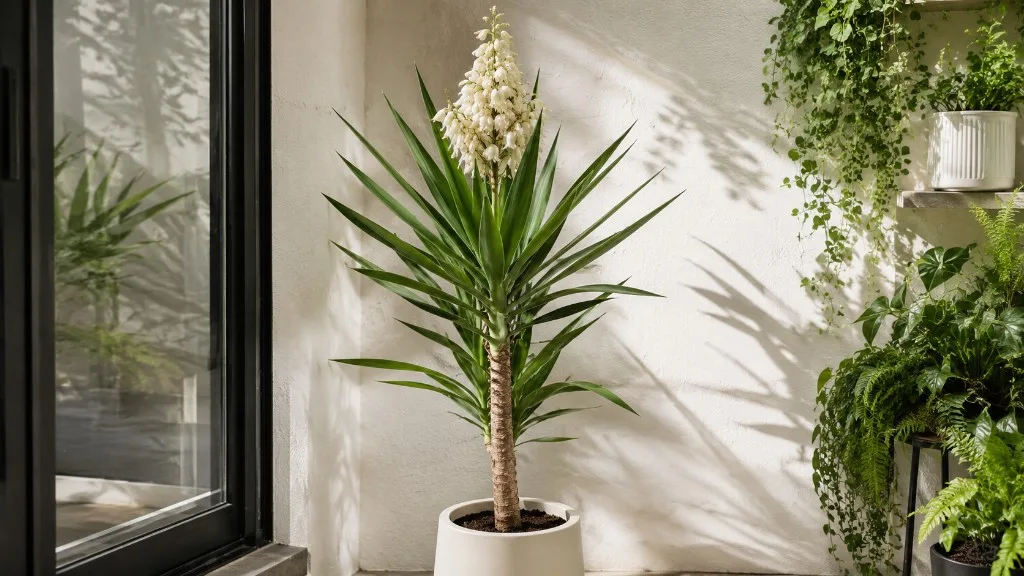
Yucca plants look like they were built for neglect — stiff sword leaves, woody trunks, desert roots — yet they still die in living rooms from kindness. The usual failure is watering a drought-adapted trunk like a peace lily while the foliage stays upright long enough to fool you. Yucca plant care comes down to bright light, gritty soil that empties fast, dry-down watering, and picking the right species for your space. Get those four right and most yuccas forgive a lot; miss one and you get yellow leaves, soft stems, or a pot that never dries.
The genus Yucca holds more than 40 perennial species native to North America and the Caribbean. Indoors, retailers almost always sell spineless yucca (Yucca gigantea, still tagged Yucca elephantipes). Outdoors, gardeners grow cold-hardy types like Adam’s needle (Y. filamentosa) and banana yucca (Y. baccata) in sunny beds. This guide covers species choice, indoor culture, outdoor planting basics, pruning, propagation, pests, troubleshooting, and pet safety — enough that you do not need to bounce between half-answers elsewhere. For symptom-specific fixes on your plant, see the Yucca Plant care hub after the checks below.
Care at a Glance
| Factor | Indoor spineless yucca | Outdoor landscape yucca |
|---|---|---|
| Light | Bright direct to strong indirect; south or west window | Full sun; partial shade only in hottest deserts |
| Water | Top 2–3 inches dry before soaking; drain saucer | Deep soak when dry; reduce in winter |
| Soil | Gritty mix: ~1 part potting soil to 3 parts perlite or sand | Sandy, well-drained; avoid heavy clay |
| Temperature | 60–80°F (15–27°C) ideal; protect below 50°F (10°C) | Varies by species; many hardy to USDA zone 4–5 |
| Pets | Toxic to cats, dogs, horses (saponins) | Same toxicity outdoors |
If you remember one rule, make it this: check soil dryness and trunk firmness before every watering. Soft yellow leaves in a heavy, wet pot are not a thirst signal.
Choosing the Right Yucca for Your Space
Not every yucca belongs on your windowsill. Matching species to location prevents most buyer’s remorse.
Indoor Houseplant Species
Spineless yucca (Yucca gigantea / Y. elephantipes / Y. guatemalensis) is the default indoor yucca. NC State Extension describes it as a popular upright houseplant with soft-tipped, sword-shaped leaves, high drought tolerance, and a massive outdoor size potential that stays manageable in pots for years. Missouri Botanical Garden notes it can reach 15 to 30 feet outdoors in frost-free climates but usually stays much smaller indoors. Retail pots often hold multiple cane sections planted at staggered heights — bare woody trunk under a leaf rosette is normal nursery form, not disease.
Spanish bayonet (Yucca aloifolia) sometimes appears in big-box stores. Stiff leaves end in sharp points up to 20 inches long. UF/IFAS and landscape references treat it as an architectural outdoor plant; indoors it is a poor fit for homes with children, pets, or narrow hallways. If you want a yucca look without spines, choose spineless yucca or a Dracaena — similar silhouette, different genus and care.
Outdoor Landscape Yuccas
Cold-hardy species suit sunny borders and xeric beds:
- Adam’s needle (Y. filamentosa): stemless rosettes, thread-like leaf margins, USDA zones 4–10.
- Banana yucca (Y. baccata): compact, fleshy fruit, southwestern native.
- Joshua tree (Y. brevifolia): iconic Mojave tree; not a houseplant.
NC State warns that giant yucca bases become massive and difficult to remove near foundations — plan placement before planting. Sharp-leaved types belong away from paths and play areas.
Indoor Light and Placement
Yuccas are high-light plants. Indoors they want the brightest spot you can give them: a south- or west-facing window with direct sun for several hours, or strong indirect light within a few feet of glass. Too little light produces thin, stretched leaves and a leaning trunk; the plant literally reaches for photons. Too much sudden direct sun on a plant that lived in a dim corner causes bleached white patches or crispy brown tips — acclimate over 7 to 14 days by adding an hour of sun daily.
The RHS recommends turning potted yuccas regularly so growth stays even. If one side leans toward the window, rotate the pot a quarter turn each week during the growing season. East windows work for spineless yucca if the room is bright; north-facing rooms usually need supplemental grow lights to keep a cane dense.

Soil, Pots, and Drainage
Yuccas evolved in sandy, fast-draining ground. Indoors, standard peat-heavy potting mix alone holds moisture too long around sparse roots. NC State Extension recommends one part potting mix to three parts perlite or coarse sand for houseplants. The RHS adds 20 to 30 percent extra grit by volume to a loam-based compost. A workable blend: quality potting soil, perlite or pumice, and a handful of coarse sand — aim for a mix that runs through your fingers rather than clumping wet.
Drainage holes are non-negotiable. Terra-cotta dries faster than glazed ceramic; either works if water exits freely. Never let a yucca sit in a saucer of standing water. For symptom detail on heavy mixes, see wrong soil mix on yucca.
Watering Without Killing the Roots
Overwatering is the number-one yucca killer indoors. UF/IFAS lists spineless yucca as high drought tolerance with root rot risk when soils stay moist. Water when the top 2 to 3 inches of mix are dry — or when most of a deep root ball has dried in a tall pot. In a bright warm room that might mean every 10 to 14 days in summer; in winter, every three to four weeks or less.
Soak until water runs from the drainage hole, then empty the saucer within 30 minutes. Lift the pot: a light pot means dry soil; a heavy pot after days without watering means wet mix below the surface. Press the trunk base — firm and dry-leaning is healthy structure; soft, spongy tissue with foul soil smell is rot. Fixed weekly calendars fail because light and HVAC change dry-down speed.
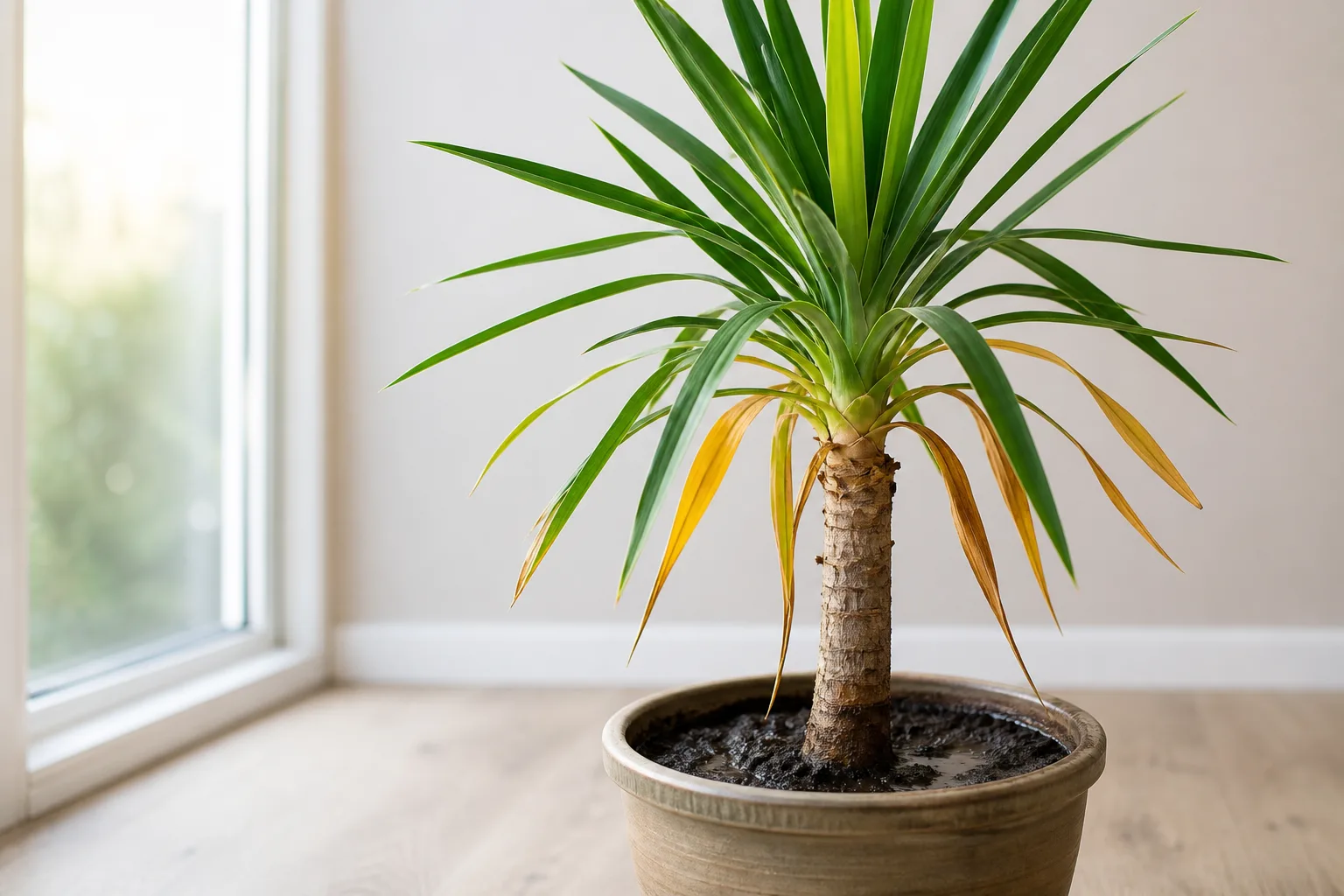
Signs you are underwatering: crisp brown lower leaf tips, slight leaf curl, very light pot weight. Signs of overwatering: sudden yellow limp lower leaves, black stem spots, mold on soil surface. When in doubt, wait — yucca recovers from drought faster than from rot.
Temperature, Humidity, and Airflow
Desert yuccas tolerate wide temperature swings. Indoors, aim for 60 to 80°F (15 to 27°C) during the day. NC State notes damage below 50°F (10°C); the RHS lists a minimum night temperature around 45°F (7°C) for tender Y. elephantipes in winter. Keep plants away from cold drafty doors, heat vents that blast dry air, and single-pane winter glass that radiates cold.
Average indoor humidity is fine — yuccas are not rainforest plants. Stuffy rooms with poor airflow plus wet soil invite fungal leaf spots; a small fan or cracked window in summer helps. Do not mist for humidity; wet foliage encourages disease without solving the actual problem.
Fertilizer Through the Seasons
Yuccas are light feeders. Fertilize only during active growth — roughly spring through early fall. Use a balanced liquid fertilizer at half label strength monthly, or a controlled-release product applied once at season start. The RHS feeds fortnightly at full strength during summer outdoors; indoors, less is safer. Skip fertilizer entirely in winter when growth slows.
Excess nitrogen in wet soil invites soft growth and pests. If leaf tips brown after feeding, flush the pot with plain water and reduce dose. Pale new growth in very bright light may need feeding; yellow older leaves in a wet pot rarely need more fertilizer — check water first.
Pruning Tall Canes and Trunk Cuts
Indoor yuccas outgrow ceilings. Pruning sounds drastic but works: in early spring, when growth resumes, cut the trunk to the height you want with a clean saw or sharp loppers. Remove the plant from the pot if needed for access. The rooted base will sprout new leaves within weeks. The severed top, if it includes healthy stem and leaves, can become a cutting — see propagation below.
Wear gloves; leaf edges are sharp even on spineless types. Wipe tools with alcohol between cuts. Do not prune in winter dormancy unless you must; spring cuts heal faster. Lower leaves naturally brown and shed as the cane ages — pull them gently when dry; do not rip green tissue.
Propagating Yucca by Pups and Cuttings
Three reliable methods exist; offsets and pups succeed more often than random trunk pieces.
Division and pups: In fall, when growth slows, unpot a mature plant. Slice green pups — not pale whitish ones still dependent on the parent — from the base with a sharp knife, keeping some parent root attached. Let cuts callus one to two days, then pot in fresh gritty mix. Keep lightly moist until new growth appears in a few weeks.
Stem cuttings: After a height-reduction prune, let the top section dry in shade for 48 to 72 hours until the cut surface calluses. Plant the base in moist gritty mix, burying enough stem to stand upright. Water sparingly until roots form — usually several weeks. No roots after two months often means rot from planting too wet too soon.
Seeds: Gather dry pods before they split. Stratify seeds in moist sand in the refrigerator for 90 days, then sow at 60 to 70°F in sterile mix. Germination takes four to five weeks and is slow — most houseplant owners propagate from pups instead.
For a deeper spineless-yucca focus, see How to Grow and Care for Spineless Yucca.
Repotting and Refreshing Old Mix
Yuccas tolerate being slightly pot-bound; a stable, heavy base resists tipping. Repot every two to three years in spring, or when roots circle the drainage hole or the pot wobbles from being top-heavy. Move up one pot size only — oversized pots hold excess wet soil.
Large specimens are awkward to lift. Refresh the top 2 inches of mix annually instead of full repotting: scrape old soil, add new gritty blend, water once lightly. Always firm the base after repotting so tall canes do not rock and break new roots.
Moving Yucca Outdoors for Summer
Tender spineless yucca can summer outdoors after frost risk passes — typically late May through August in temperate climates, per RHS guidance. Harden off over 7 to 14 days: start in bright shade, add morning sun, then full sun. Wind and faster dry-down mean more frequent checks, not more water by default.
Use a heavy pot or stake so the plant does not blow over. Return indoors before nights near 50°F (10°C). Reverse acclimate when bringing it back — sudden dim indoor light causes leaf drop. Expect faster growth and possible pest hitchhikers; inspect before re-entry.
Overwintering Outdoor and Container Plants
Hardy landscape yuccas need little winter care in their zone. In borderline areas, stop supplemental watering by late summer so leaves do not hold excess moisture into freezes. Mulch the crown with 6 to 8 inches of shredded bark after foliage dies back; remove mulch in spring after frost passes.
Container yuccas in cold zones must move indoors or into an unheated garage above freezing. Seedlings and new transplants need protection the first winter. Reduce watering to near-zero during indoor dormancy — a dry yucca in cool air survives; a wet one in a dark room rots.
Pests, Diseases, and What to Do First
Yuccas are relatively pest-resistant but not immune. UC IPM notes agave and yucca can host aphids, mealybugs, and scale; agave plant bugs leave small brown scars on leaves. Check leaf axils and trunk joints with a flashlight — pests hide on the underside of lower leaves.
Treat isolated outbreaks with insecticidal soap or horticultural oil, covering undersides, repeating weekly until clear. Fungal leaf spots spread when foliage stays wet from overhead watering — water soil directly, improve airflow, and remove badly spotted leaves. Copper fungicide helps persistent outdoor infections; indoors, fix moisture first.
| Pest | What attracts it | What to look for |
|---|---|---|
| Aphids | Soft new growth, excess nitrogen | Sticky honeydew, ants on stems |
| Mealybugs | Wet soil, sheltered joints | White cottony clusters in leaf axils |
| Spider mites | Hot dry air, dusty leaves | Fine webbing, stippled yellow leaves |
| Scale | Stressed plants, poor airflow | Brown bumps on stems and leaf bases |
Troubleshooting Yellow Leaves and Spots
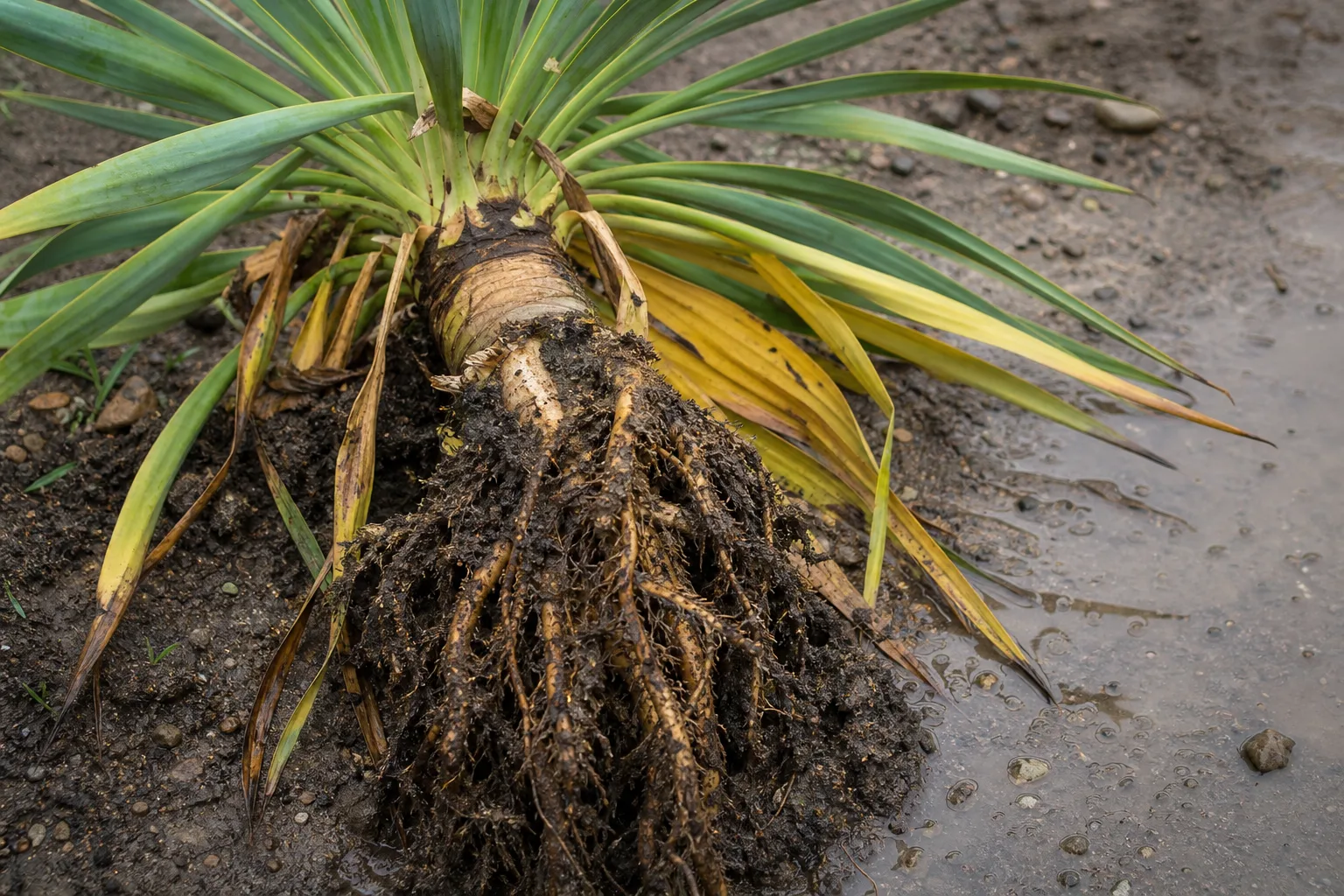
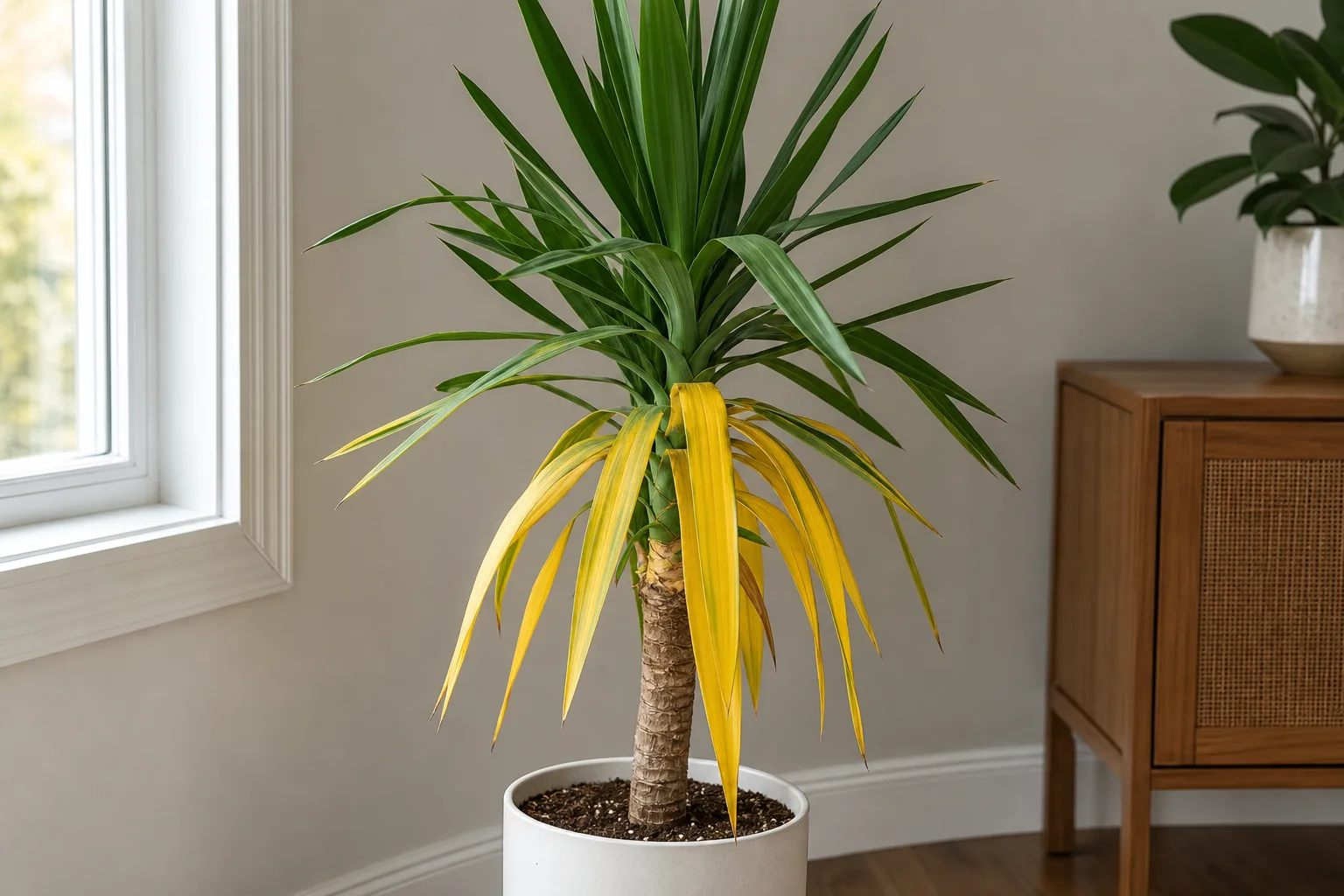
Yellow, limp lower leaves plus soft stem: Overwatering. Stop watering, check drainage, and sniff the soil. If roots are brown and mushy, unpot, trim rot, and repot into dry gritty mix in a smaller pot. Recovery takes months; some plants do not survive advanced rot.
Yellow, brown, or white patches after a move to sun: Sunburn. Shift to bright indirect light, let leaves heal, then re-acclimate slowly. Patches do not green up — new growth will be normal.
Curling leaves with red spots: Temperature stress — too hot near a radiator or too cold on a winter windowsill. Move to stable 60–80°F range; improvement shows within days.
Leggy sparse top, bare trunk: Usually insufficient light. Prune and relocate to brighter conditions rather than feeding harder.
Brown crispy tips only: Underwatering, low humidity drafts, or salt buildup from tap water and fertilizer. Flush soil, adjust watering, trim dead tips for appearance.
Pet Safety and the Yucca vs Yuca Trap
The ASPCA lists Yucca spp. as toxic to cats, dogs, and horses. Saponins concentrate in roots and leaves; chewing foliage can cause vomiting in dogs and cats and more serious effects in horses. NC State adds human symptoms including nausea and diarrhea if ingested, plus minor skin irritation from sap.
Keep yuccas off pet routes and high shelves chewers cannot reach. If ingestion occurs, contact your veterinarian or ASPCA Animal Poison Control at (888) 426-4435.
Critical naming trap: Yucca (two c’s) is the ornamental cane plant in this guide. Yuca (one c) is cassava (Manihot esculenta), an edible root crop. Pet and care advice are not interchangeable — do not apply cassava cooking guidance to houseplant yucca or vice versa.
Conclusion
Yucca plants reward growers who respect their desert roots: bright light, gritty fast-draining soil, and watering only when the mix has actually dried. Pick spineless yucca for indoor canes, keep Spanish bayonet and sharp outdoor species in the landscape, and treat yellow limp leaves in wet pots as an emergency brake on the watering can — not a call for more moisture. Prune tall canes in spring, propagate green pups with patience, and keep chewing pets away from saponin-rich foliage. Nail those habits and a yucca becomes one of the most architectural, low-drama plants in the room — a living sculpture that thrives on attention to drainage, not constant fussing.