5 Summer Crops to Grow in a Home Garden This Year
Discover five favorite summer crops—basil, tomatoes, peppers, beans, and flowers—with practical advice on timing, spacing, heat, harvesting, and small gardens.

A rewarding summer garden does not need a long crop list. A few plants you actually like to eat, cut, or pick can offer more than a bed crowded with novelties you never use. Basil, tomatoes, peppers, green beans, and flowering annuals make a flexible mix: some give quick repeat harvests, some take more space but earn their keep, and flowers can feed a vase as well as a pollinator border.
The best picks still depend on where you garden. A summer crop in a cool northern climate may be a spring or fall crop in a subtropical one, and a plant that loves warmth can stop setting fruit during punishing heat. Use this list as a menu, then fit each crop to your frost dates, heat pattern, space, and appetite.
Choose crops by the kind of summer harvest you want
Start with the use, not the seed display. If you cook most nights, basil and a cherry tomato can be worth more than a high-yielding vegetable you do not enjoy. If you want a steady bowl of produce, choose a long-bearing tomato or pole beans; if you need a compact project, a pot of basil, one pepper, or a short row of bush beans is easier to manage.
| If you want… | A good place to start | The trade-off |
|---|---|---|
| Something to pick often | Basil or pole beans | Both need regular harvesting to stay useful and tidy |
| A large, concentrated tomato crop | A determinate tomato | The main harvest comes over a shorter window |
| Vertical growth | Indeterminate tomatoes or pole beans | Install sturdy support before the vines take off |
| A compact edible plant | Basil, a small-fruited pepper, or bush beans | Containers dry quickly and need close watering checks |
| Cut flowers and pollinator activity | Zinnias; calendula where summers are mild | Flowers need sun and room for airflow |
Think of the garden as a sequence, too. A spring bed freed by peas or lettuce may be ready for beans, basil, or a warm-season flower. University of Minnesota Extension’s crop-planning tools describe succession planting as replacing a finished crop with another and distinguish short-season crops such as beans from long-season crops such as tomatoes and peppers; those examples are tailored to Minnesota, but the planning logic travels well (UMN Extension crop-planning tools).
1. Basil for frequent, fresh harvests
Basil is a small-space favorite because a healthy plant can contribute to dinner repeatedly. Use fresh leaves in salads, sandwiches, sauces, and herb butter, or freeze chopped leaves in oil or water for later. Unlike a tomato vine, it does not need a large bed or a tall support; a pot beside a sunny door can be enough if you keep its roots evenly moist.
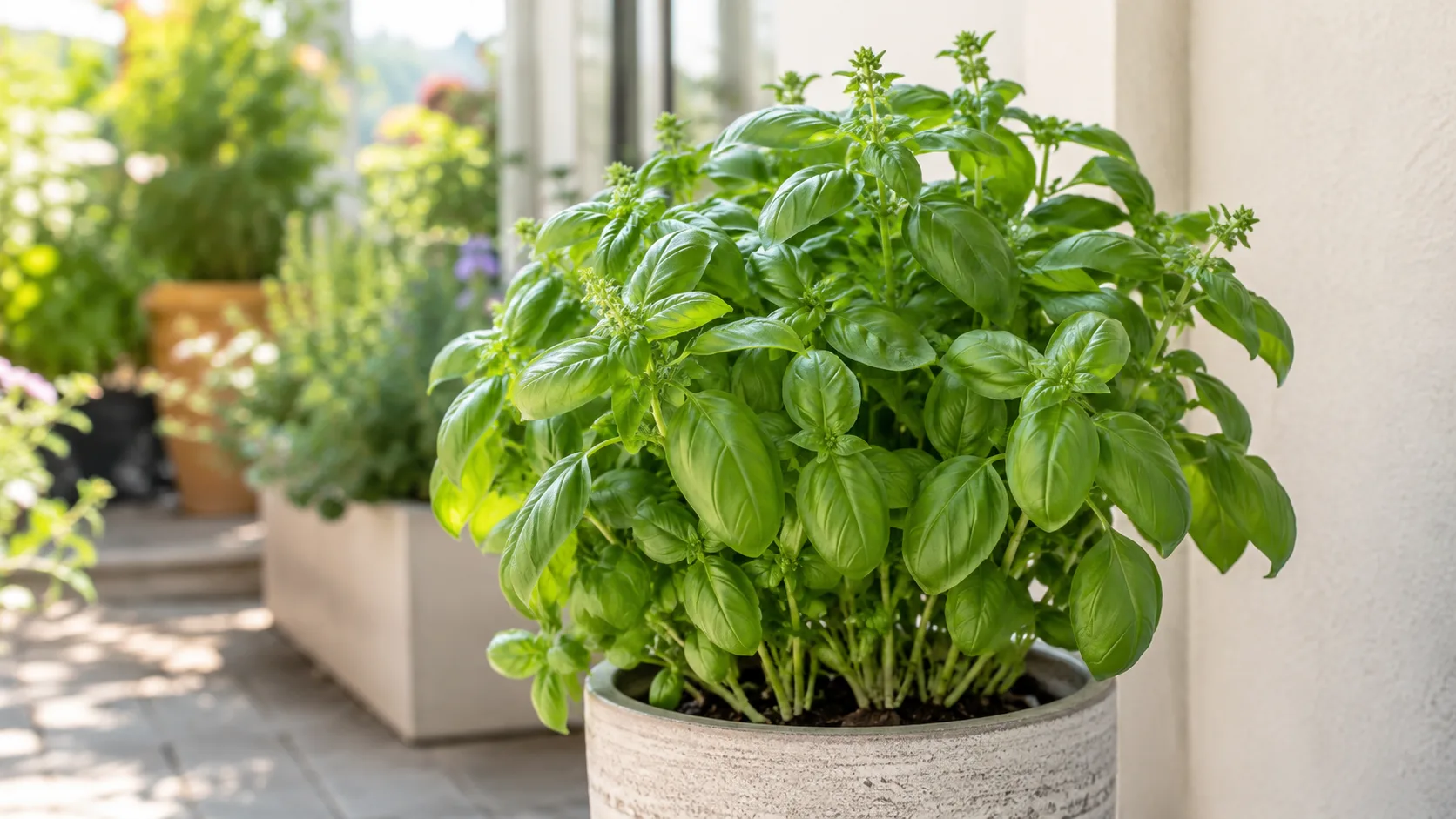
Set basil out only after cold nights have passed and the soil has warmed. It is a tender annual, so a late chill can stall or injure a plant that looked ready in the garden center. Give it several hours of direct sun, dependable drainage, and enough room for air to move around the leaves; a pot will dry faster than garden soil, especially in wind or afternoon heat.
Harvest by cutting the top of a stem just above a pair of leaves rather than stripping only the largest leaves from the bottom. The two growth points below that cut can branch, making a fuller plant with more harvest sites. Begin lightly once the plant has several sets of true leaves, then take no more than about a third of its leafy growth at one time so it can recover.
Sweet, Thai, and compact basil fit different kitchens
Sweet Genovese basil is the familiar choice for pesto and tomato dishes. Thai basil has a more pronounced anise-like note that works well in stir-fries and noodle dishes, while smaller-leaved or compact cultivars suit pots and narrow edges. A few varieties can be grown together without a complicated plan: label them at planting, because seedlings may look similar until you crush a leaf and smell it.
If the goal is a steady supply of leaves, pinch off flower spikes as they appear and continue harvesting above leaf pairs. Flowering shifts the plant toward seed production and often changes the flavor and texture of the foliage. You can also let one stem bloom if you want flowers for insects or seed; that is a choice, not a requirement for attracting pollinators elsewhere in the garden. UMN Extension recommends regular pruning for productive basil and notes that container-grown plants dry faster; its basil guidance is Minnesota-specific, but those care principles are useful broadly (UMN Extension basil guide).
2. Tomatoes for meals, sauces, and sharing
Tomatoes take more room and attention than basil, but one well-chosen plant can make the garden feel abundant. Cherry tomatoes are easy to snack on and often produce many small fruits; slicers are useful for sandwiches; paste types have meaty flesh that suits cooking down into sauce. Pick for how you will use the harvest, not just the prettiest catalog photo.
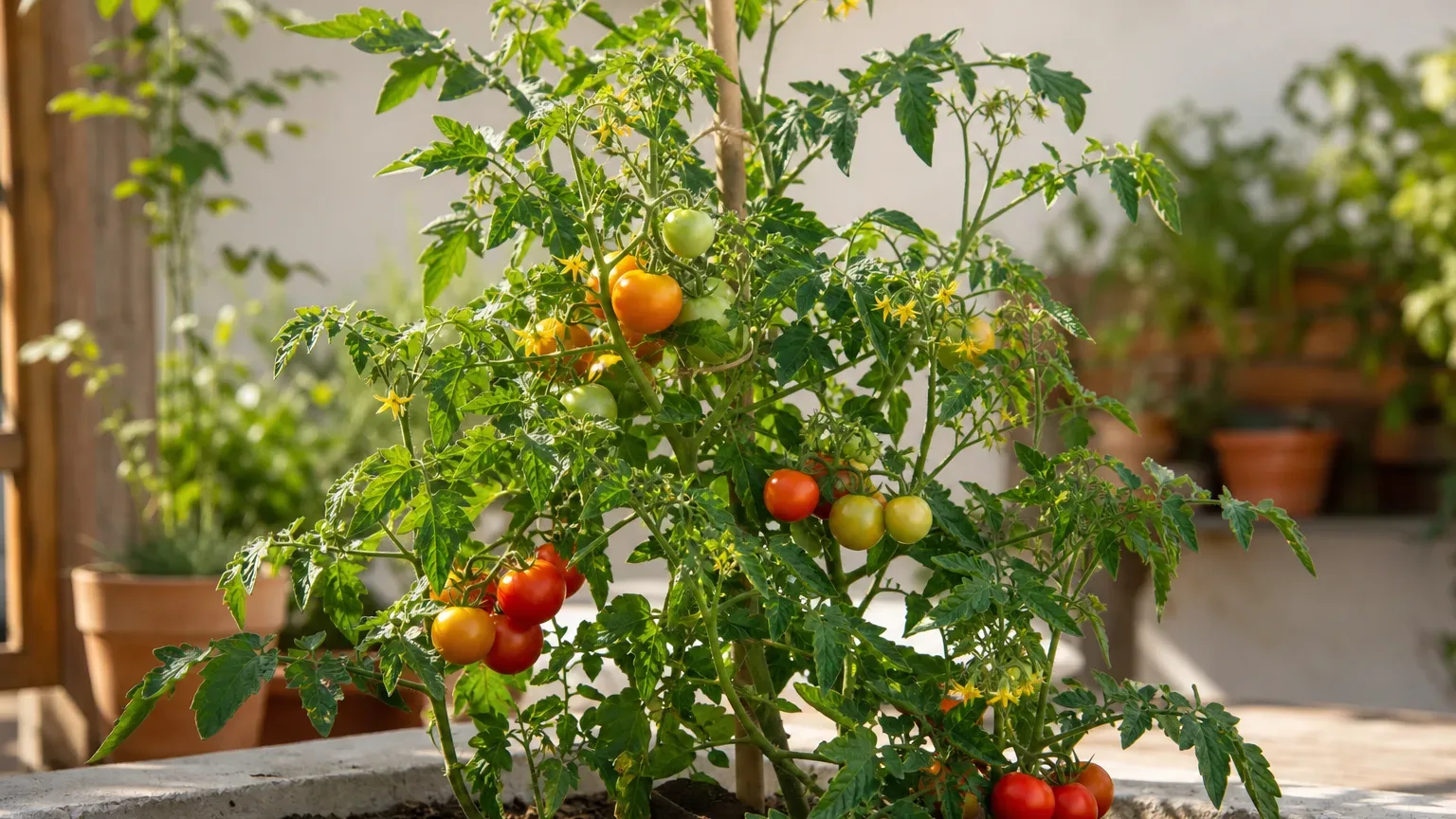
Tomatoes need a warm, sunny site and a long frost-free stretch. In a short-season region, a locally recommended transplant often makes more sense than sowing outdoors, because cold soil delays growth and frost can kill the plant. In a hot-summer region, “summer tomato” can be a misleading phrase: the plant may grow vigorously but set little fruit through hot days and nights. UF/IFAS notes that tomatoes are not reliably a summer crop in Florida because fruit set declines when night temperatures remain above about 70°F (UF/IFAS summer vegetables).
Water at the soil line and keep moisture reasonably steady once fruit forms. Big swings between dry and wet soil can stress plants and contribute to cracked fruit; overhead watering also leaves foliage wet, which can favor disease in humid weather. Mulch after the soil has warmed to slow evaporation and reduce soil splash, and water deeply enough to moisten the root zone rather than sprinkling the surface every day.
When fruit is slow to ripen or flowers fall without setting fruit, do not respond by pouring on fertilizer. Excess nitrogen can push leafy growth at the expense of fruit, and sustained heat can disrupt pollination and ripening. UMN Extension describes tomato flower drop during sustained temperatures above roughly 85°F by day and 70°F at night, and explains that red pigments are not produced above 85°F; these thresholds are useful warning signs, not universal guarantees for every cultivar or microclimate (UMN Extension on heat and vegetables).
Choose a tomato by its space and harvest pattern
Determinate tomatoes grow to a more limited size and tend to produce a concentrated crop. That can suit a container or a gardener who wants to make a batch of sauce at once, though heavy branches may still need support. Indeterminate tomatoes keep growing and setting fruit through the season when conditions cooperate; they need a robust cage, stake, or trellis and more frequent tying or pruning.
The pruning rule depends on type and support. A sprawling bush tomato generally needs room and light pruning at most, while a cordon or single-stem indeterminate plant is often trained by removing side shoots. Don’t remove leaves simply to make a plant look tidy: foliage shades fruit, fuels growth, and helps prevent sunscald. BBC Gardeners’ World distinguishes determinate bush types from indeterminate cordon types and recommends matching tomato type to the harvest and support you can manage (Gardeners’ World tomato guide).
3. Peppers for a long picking window
Peppers are a good choice when you want a compact plant that can keep producing fruit over time. A bell pepper may be harvested green before it reaches its final color, or left longer to ripen red, yellow, orange, or another color listed for that cultivar. Smaller-fruited peppers are often a more forgiving bet in cool or very hot regions than large bells, though cultivar and local conditions matter.
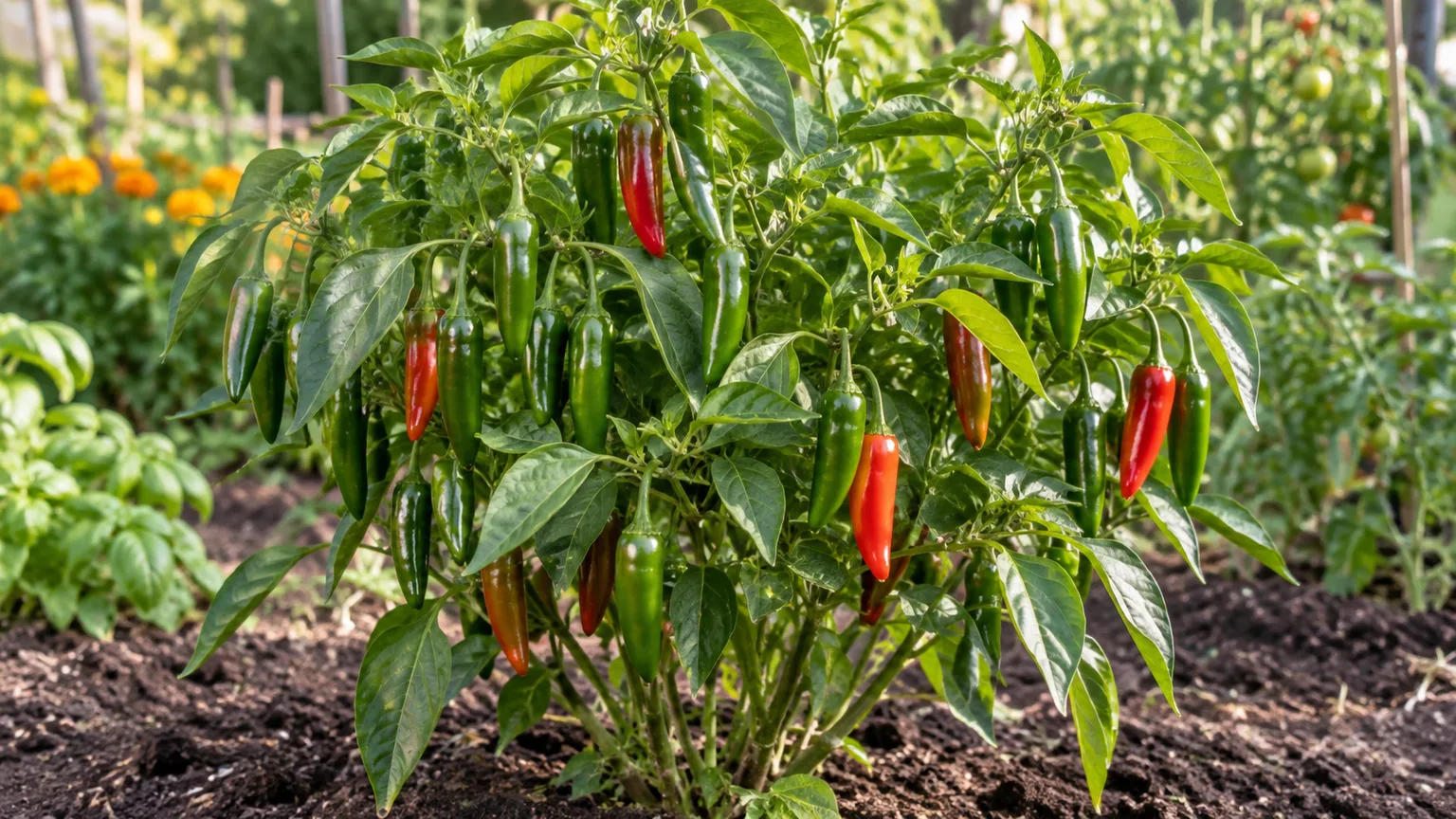
Peppers are warm-season plants. Start seeds indoors well ahead of outdoor planting or buy sturdy local transplants, then harden seedlings gradually over a week or more so sunlight, wind, and temperature shifts do not shock them. Wait until frost danger has passed and nights are reliably mild; as a Minnesota example, UMN Extension advises transplanting after nighttime lows rise above 50°F. It also warns that very hot days, cool or excessively warm nights, and dry soil can weaken growth, and that exposed fruit can develop pale sunscald patches (UMN Extension pepper guide).
Set plants in full sun with enough spacing for mature leaves to shade some fruit without crowding neighboring plants. Water consistently through flowering and fruit enlargement. A small pepper plant in a pot can be easier to protect from a cold snap or move to a less scorching spot, but containers dry quickly and a large bell pepper needs a substantial pot, not a tiny decorative one.
Sweet and hot peppers solve different kitchen jobs
Sweet peppers include bells, banana, pimiento, and many snack types. Hot peppers range from mildly warm to intensely hot, so read the variety description and consider who will eat the harvest before planting several of one kind. The heat compound capsaicin is concentrated in the pale inner ribs and seeds; removing those parts can reduce the perceived heat, but does not make a very hot cultivar reliably mild.
Pick peppers while they are firm and full-sized for the cultivar. Green fruits are often edible before they reach their mature color, but leaving them to color up can change sweetness and reduce the number of new fruits a plant carries at once. Use clean shears if stems resist a gentle twist, so you do not snap a brittle branch. In sustained heat, flowers can drop and fruit set can pause; keep soil moisture steady, avoid heavy nitrogen, and wait for more favorable weather rather than repeatedly disturbing the roots.
4. Green beans for quick, repeatable picking
Snap beans reward a simple routine: sow them into warm soil, keep the seedbed damp until seedlings emerge, and check the plants often once pods form. Their compact size and short wait from planting to harvest make them a practical choice for a first vegetable bed. Fresh beans also turn a small planting into something you can cook immediately, freeze, or share.
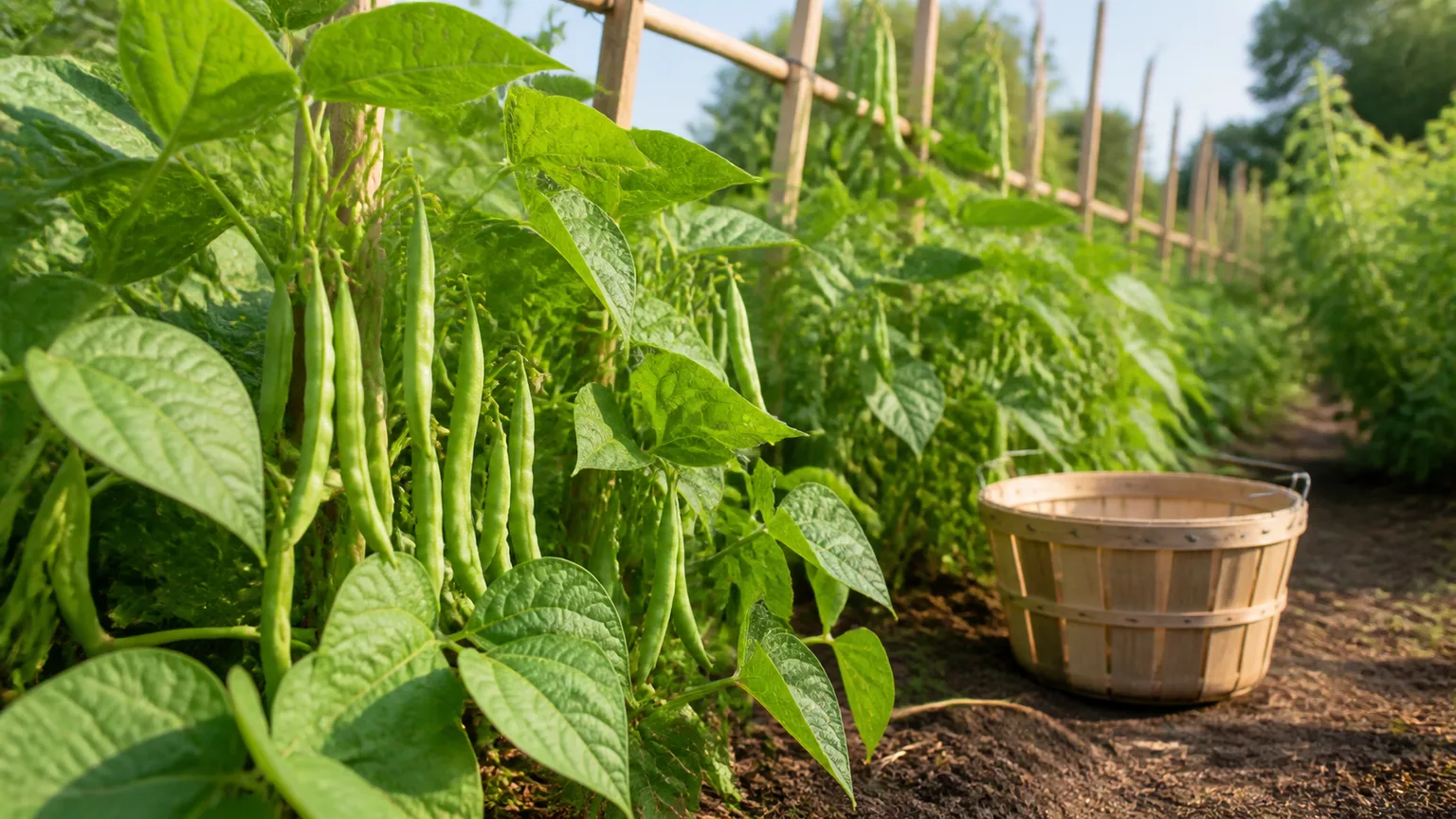
Direct-sow beans after the soil has warmed; cold, wet ground can slow germination or rot seed. Bush beans are commonly spaced in short rows and do not need a trellis, while pole beans need a sturdy support in place before sowing. Avoid moving a trellis into a mature planting, where you risk damaging roots and tangling stems. Keep the bed evenly moist during flowering and pod fill, especially if hot, dry weather arrives.
Harvest snap beans when pods are firm, slender, and still smooth, before the seeds swell enough to make the pod lumpy. Hold the stem with one hand and pick with the other to avoid pulling up or snapping the plant. Frequent picking encourages you to catch pods at good eating quality and keeps a small harvest from becoming an overgrown pile all at once.
Bush beans or pole beans?
Choose bush beans if you want a compact row and a fairly concentrated harvest. Because much of the crop matures in a shorter period, a gardener with a long enough season can sow a small new row about every two weeks rather than planting the entire supply at once. Stop sowing when the remaining time before frost is shorter than the cultivar’s days-to-maturity estimate plus a safety margin.
Pole beans climb and can keep flowering and bearing until frost, so a single sowing often stretches the harvest without repeated planting. They need more vertical room, a secure trellis, and access for picking; a tunnel of vines may shade nearby low crops. UMN Extension’s home-garden bean guide describes this contrast and gives Minnesota-specific sowing and spacing examples (UMN Extension growing beans). Do not mistake either form for a frost-hardy crop: a light freeze can end the planting.
5. Zinnias and calendula for color you can cut
Flowers belong in a useful summer garden if you like fresh bouquets, want color among edible beds, or simply enjoy sharing a garden with insects. Zinnias and calendula offer different timing and texture, so treat them as two options within one flower space rather than interchangeable plants. Neither guarantees pest control for nearby vegetables, and neither needs to be tucked into a tomato pot to be worthwhile.
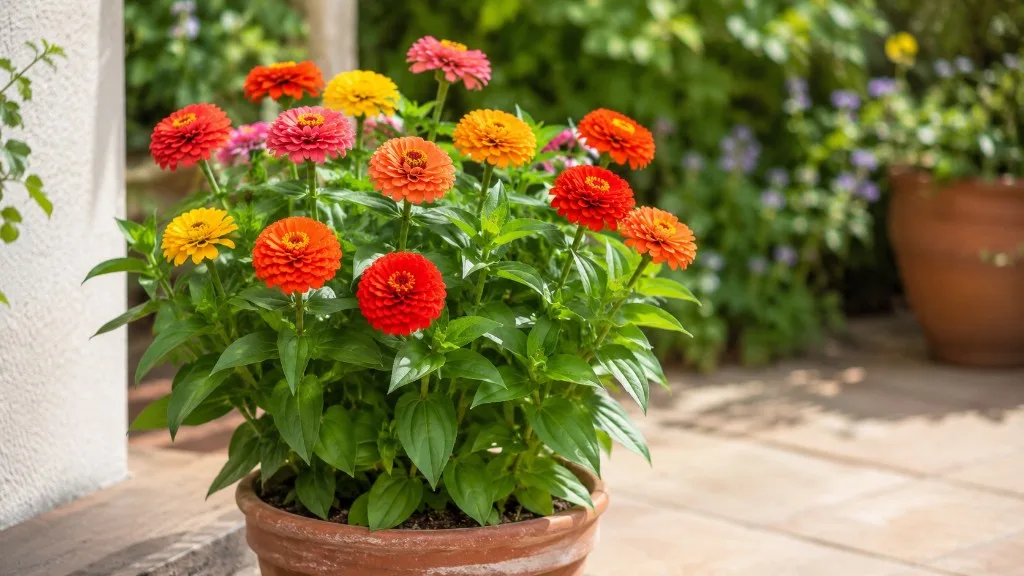
Zinnias for heat-loving bouquets
Zinnias are warm-season annuals that suit sunny beds and cutting gardens. You can sow seed directly outdoors after frost has passed and the ground is warm; their relatively large seeds are easy to space and thin. Check the mature height on the packet: varieties range from low edging plants to tall stems that can shade shorter crops if planted on the sunny side of a bed.
Give seedlings their recommended spacing rather than packing them tightly for an instant wall of color. Airflow helps leaves dry and reduces powdery mildew risk, particularly in humid summers. Water near the soil and harvest long stems above a leaf joint; cutting encourages branching and gives you bouquets before spent flowers set seed. Oregon State University Extension recommends direct sowing zinnias about a quarter-inch deep and thinning seedlings for airflow; it also notes their frost sensitivity and pollinator visits (OSU Extension zinnias).
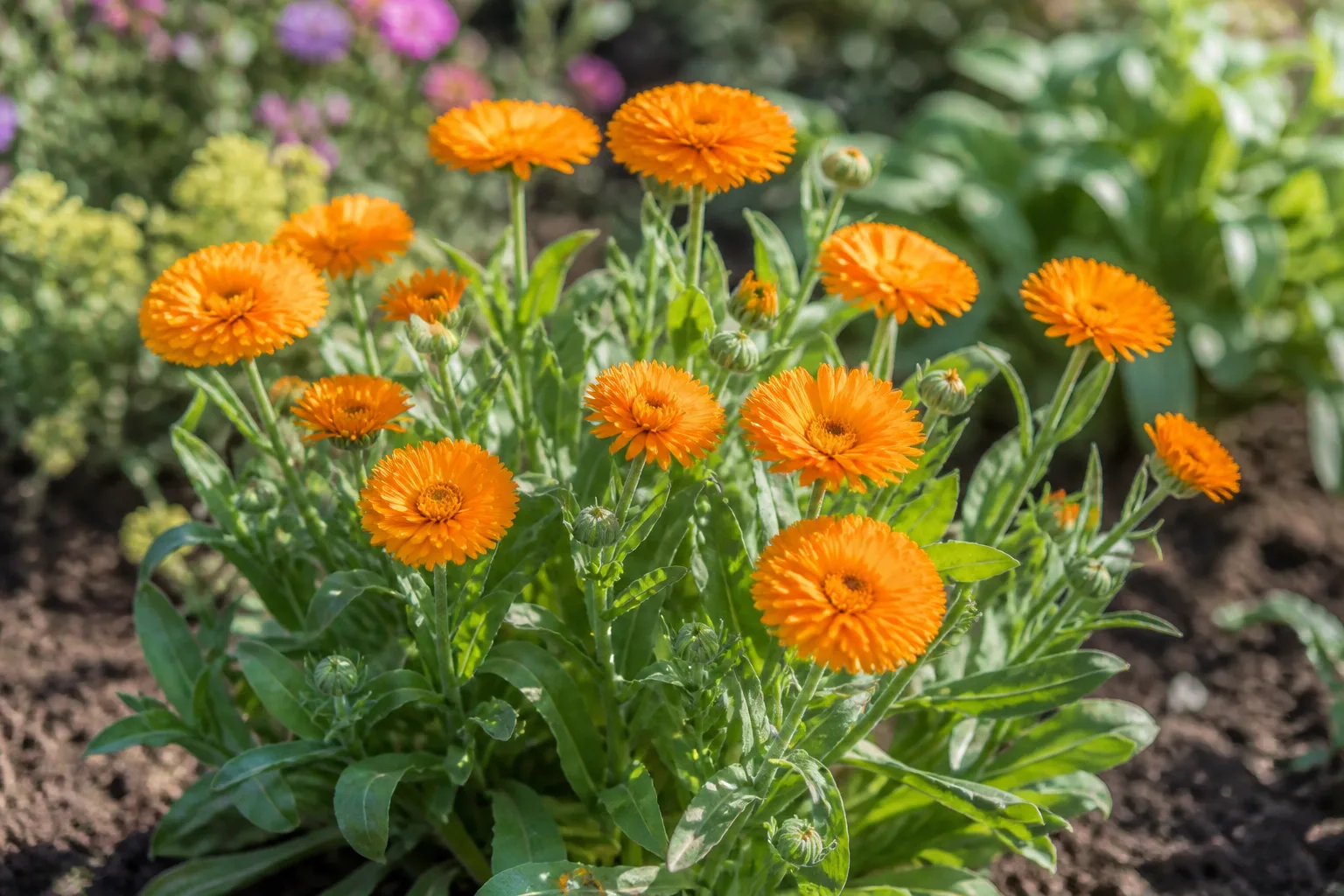
Calendula for edible petals and cooler windows
Calendula, sometimes called pot marigold, is an annual flower whose orange or yellow petals can brighten salads and other dishes. The edible petals are the colorful part; remove them from the green flower base, which is not usually the part people want to eat. Use only flowers you have positively identified and grown without pesticide products whose labels prohibit edible use. A flower’s presence beside vegetables does not prove that it repels pests or improves their yield.
Calendula is more tolerant of cool weather than zinnia and may struggle when high heat arrives. In a region with mild summers, spring sowing can produce a long flowering run; in a hot-summer climate, consider sowing for a cooler shoulder season instead of forcing it through peak heat. Deadhead regularly if you want more flowers, or let a few seed heads mature if you want to collect seed. Gardeners’ World describes calendula as a hardy annual, notes its edible petals, and suggests spring or autumn sowing according to local conditions (Gardeners’ World calendula guide).
Mint is a favorite with a boundary
Mint is a fragrant perennial for tea, cold drinks, and quick kitchen snips, but it behaves differently from the annual crops above. Its underground runners can spread beyond the spot where you planted it and compete with neighboring plants. Put it in a pot with drainage holes, or use a container sunk into a bed with its rim above the soil; inspect the rim for stems that root over the edge.
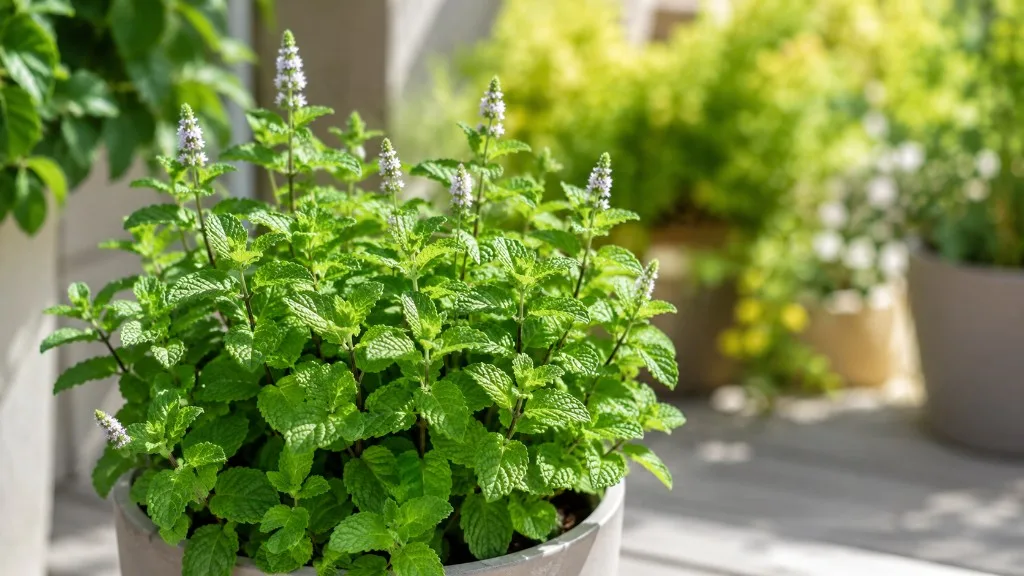
Give mint sun to partial shade and keep the potting mix from drying completely. A container limits its spread, but also dries faster than open ground, so check the root zone more often during hot, windy weather. Harvest stem tips regularly to keep growth usable, and cut the plant back if it becomes lanky. Utah State University Extension cautions that mint spreads quickly in open ground and can outcompete other garden plants, which is why a separate container is usually the low-regret choice (USU Extension mint guide).
Set planting dates by local conditions
“Summer crop” describes when many gardeners harvest, not a universal date for sowing. A tomato that is planted after frost in a northern garden may be finishing its first flush just as a Florida gardener starts planning fall vegetables. Local Extension calendars are useful starting points, but a date from another state should never override your own frost risk, soil temperature, crop variety, and growing-season length.
Use frost dates and soil warmth to set the start
Group crops by how they start. Basil, tomatoes, peppers, beans, and zinnias are frost-sensitive or warm-season plants, but they do not all use the same method. Tomatoes and peppers are usually transplanted, especially where the growing season is short; beans and zinnias are usually direct-sown once soil is warm. Basil can be started indoors or planted as a transplant, but should not be rushed into chilly ground.
Check the average last frost date for your area, then watch the forecast rather than treating that average as a promise. Soil thermometers are useful for direct-sown seeds: some warm-season crops germinate poorly in cold soil even after a warm afternoon. University of Minnesota Extension suggests waiting for the frost danger to pass and the soil to warm before setting out heat-loving plants; its Minnesota planting dates are regional examples, not dates to copy in another climate (UMN Extension planting calendar guidance).
Harden off homegrown transplants by moving them outdoors gradually over about a week, increasing exposure to sun and wind before planting. Water seedlings before transplanting, choose a cloudy day or late afternoon when practical, and water them into the bed. If you buy starts, choose stocky plants with healthy foliage rather than tall, crowded seedlings already carrying many flowers or fruit.
Protect harvests through heat and dry spells
Heat stress can look like thirst even when soil is moist: leaves may curl or droop at midday, flowers can drop, and growth can pause. Before watering again, feel the soil several inches down. If it is already wet, more water may suffocate roots; if it is dry, give the root zone a deep soak and mulch the soil surface to slow evaporation.
Water in the morning when possible and aim the stream at the soil rather than the foliage. A soaker hose or drip line is more consistent than a quick surface sprinkle, particularly in wind. UMN Extension’s vegetable irrigation guidance emphasizes steady soil moisture for yield and fruit quality; that does not mean keeping roots waterlogged, so drainage still matters (UMN Extension irrigation strategies).
If blossoms on tomatoes, peppers, or beans fall during a hot spell, do not assume the plants need more fertilizer or that the whole crop has failed. These crops can temporarily set fewer fruits in sustained heat, and green beans may also drop flowers when hot weather coincides with dry soil. Maintain even moisture, keep plants supported, and wait for conditions to ease. In a garden that repeatedly gets extreme afternoon sun, a temporary shade cloth during the most severe heat can reduce stress, but do not keep fruiting plants in deep shade all season.
Disease prevention starts with the layout. Space plants according to the seed packet, train vines so leaves do not form a dense tangle, remove diseased material rather than leaving it under the plant, and avoid handling wet foliage. Zinnias especially benefit from airflow; tomatoes and peppers benefit from rotation away from other nightshades where soil-borne disease has been a recurring issue. No spacing plan eliminates disease, but it makes it easier for leaves to dry and for you to spot a change early.
Make a small summer bed easy to manage
Draw the bed before buying six kinds of seed. Put tall supports where they will not shade shorter crops, leave a reach-in path or working edge, and reserve a pot for mint. A simple 4-by-8-foot bed might hold one supported tomato at the back, one or two peppers, a short bean trellis or a compact bush-bean row, and basil along a sunny edge; a few zinnias can take the far corner if they will not shade the vegetables. Exact spacing depends on cultivar and local airflow, so use the packet or Extension recommendations over a generic square-foot grid.
In containers, size is the limiting resource. Basil can share a wide pot with compatible herbs, but a tomato or pepper needs a container large enough for its mature roots and a stable support. Put each pot where it gets the light its crop requires and where you can reach it with a watering can or hose; a convenient container that is forgotten behind a shed will underperform a less ambitious bed in easy reach.
Plan for the harvest, too. One cherry tomato can provide repeated snacks; several paste tomatoes may ripen together and require time for cooking or preserving. A short bush-bean sowing is easy to manage but may produce a glut, while a pole-bean trellis stretches picking over more weeks. Basil needs frequent pinching, flowers need cutting or deadheading, and containers need more frequent moisture checks. Choose the workload you can keep up with during your busiest month.
Finally, keep a simple note of what worked: planting date, cultivar, first harvest, heat pauses, and whether you ate the crop. Those observations will be more useful next year than a generic list of “best” vegetables. Summer favorites earn their place by matching the gardener as well as the climate.
Conclusion
Start with a short list: basil for regular kitchen snips, one tomato matched to your space, peppers if you enjoy their flavor, beans for a quick and generous harvest, and zinnias or calendula if flowers belong in your version of a productive garden. Add mint only where its roots can be contained. Then set planting dates by local frost and soil conditions, give plants the spacing and support they need, and water steadily through heat.
You do not need to grow every crop on this list to have a satisfying summer. Choose two or three you will use, leave room to reach them, and let next year’s garden grow from what you learned this one.



