Best and Worst Houseplants: What Fits Your Home?
Best and worst houseplants depend on your light and routine. Compare snake plants, pothos, calatheas, and more before choosing what will thrive at home.
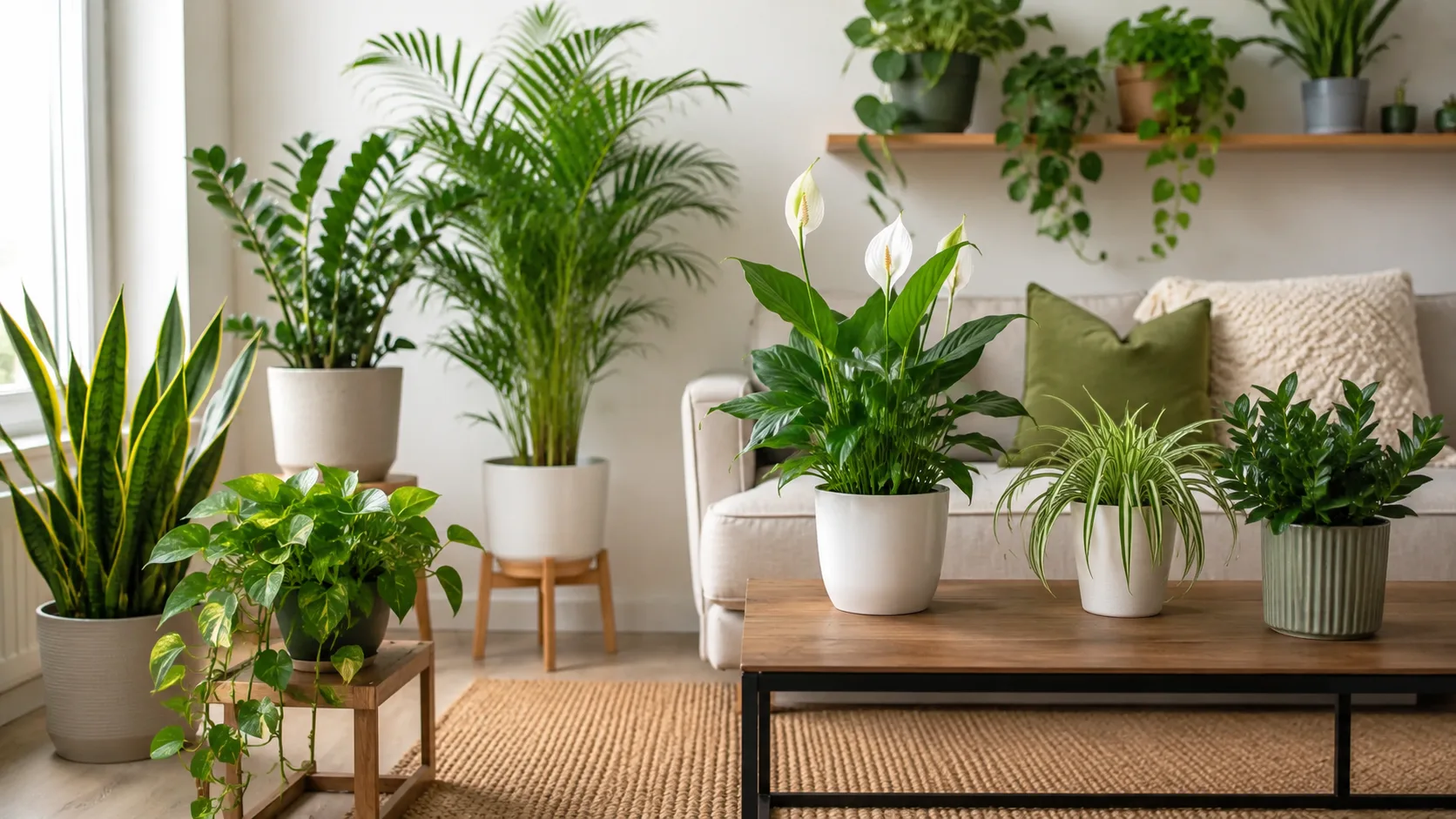
Quick answer: choose for your room and routine
The best houseplants are not necessarily the toughest, prettiest, or most popular. They are plants whose light, watering needs, mature size, and household risks fit the place you can actually give them. A snake plant or ZZ plant can suit someone who lets soil dry, while a trailing pothos or heartleaf philodendron is easier to shape on a shelf; neither choice fixes a truly dark room or a pet that chews leaves.
“Worst” is just as personal. A large monstera can be a poor pick for a narrow apartment even when it is healthy, and a humidity-sensitive tropical can frustrate someone whose winter heat dries the room. Use the comparison below as a fit test, not a universal ranking.
| Plant or group | Best fit | Main trade-off |
|---|---|---|
| Snake plant or ZZ plant | A grower who prefers to water after the mix dries | Slow growth in low light; both need some usable light |
| Golden pothos or heartleaf philodendron | A shelf, hanging pot, or trellis with indirect light | Vines need pruning; popular choices can pose pet risks |
| Monstera deliciosa | A bright room with floor space and support | Leaves and stems need room as the plant matures |
| Chinese evergreen | A warm spot with low-to-medium indirect light | Bright leaf patterns may need better light to stay vivid |
| Calathea or Stromanthe | A grower who can keep moisture and conditions steady | Dry air, uneven watering, or drafts can show quickly on leaves |
| Haworthia | A compact, bright windowsill succulent | Needs a bright position and a mix that drains well |
Best low-intervention picks: snake plant and ZZ plant
Snake plants and ZZ plants are often called easy because they store water and generally tolerate a longer interval between drinks than thin-leaved tropicals. That trait helps a person who forgets a weekly watering reminder, but it does not mean the plant should be placed in darkness or kept in wet soil. A pot with drainage and a chance for the mix to dry matter more than a fixed calendar.
Snake plant: forgiving, but not a no-light plant
The snake plant earns its reputation through upright growth, a compact footprint, and tolerance for a range of indoor light. It is a reasonable pick for a bright room where the plant sits away from direct midday sun, or a lower-light spot where you accept slower growth; it is not a replacement for a window in a room with no natural light.
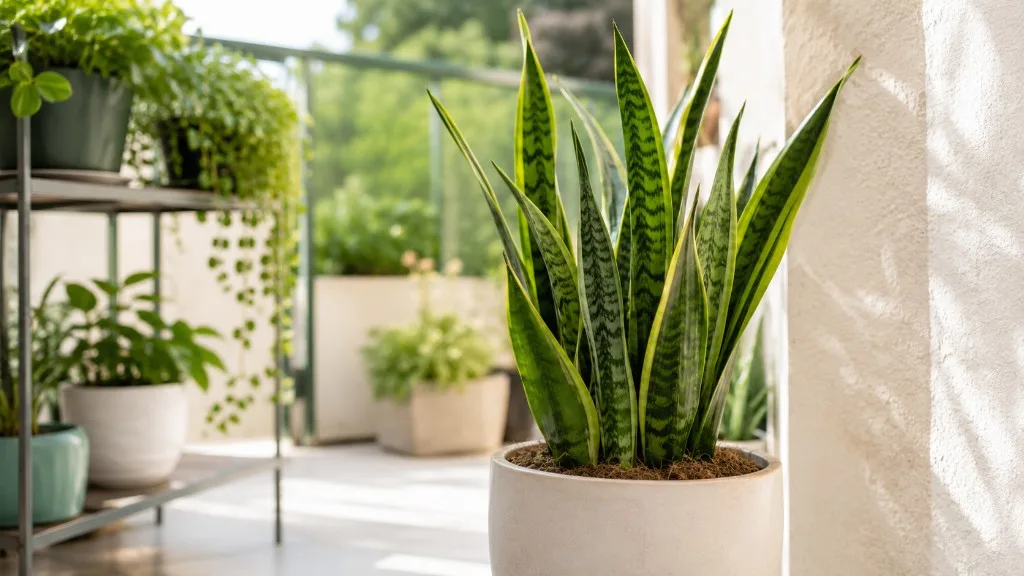
Let the potting mix dry substantially before watering again, and empty the saucer after water drains through. The most common mismatch is giving it the same frequent drinks as a peace lily: roots sitting in wet mix can rot even while the leaves still look firm. If a pet may chew houseplants, note that ASPCA lists snake plant as toxic to cats and dogs, with saponins as the toxic principle and gastrointestinal signs among the listed effects. ASPCA’s snake plant profile
ZZ plant: slow and drought-tolerant
The ZZ plant is for someone who wants a neat, glossy plant and is comfortable with slow change. Its thick underground rhizomes and sturdy leaf stalks help it get through dry periods, so a plant that is not growing quickly is not automatically asking for more water or fertilizer.
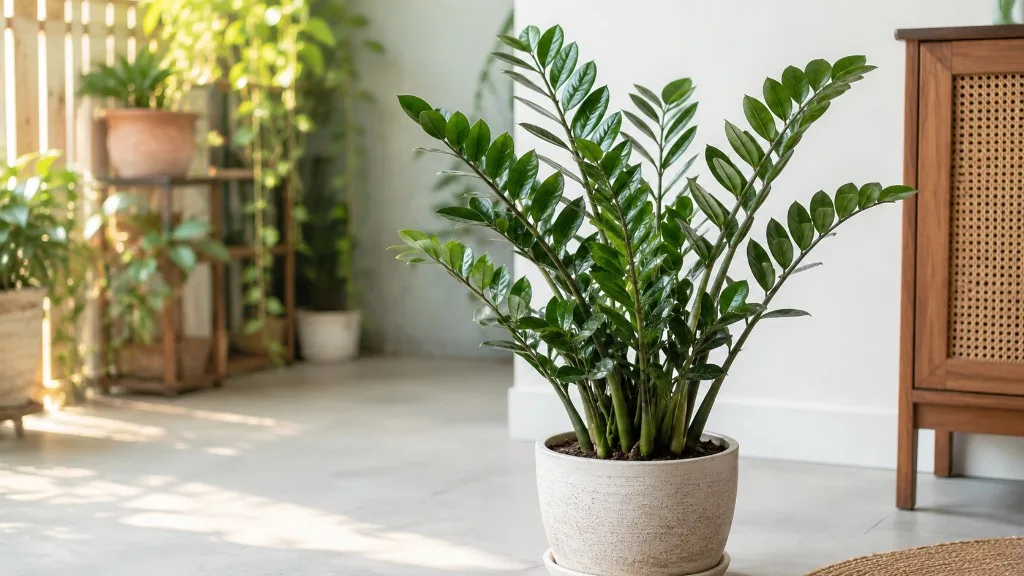
Give it indirect light if you want steady growth, then let the mix dry well before watering. It will often tolerate a dimmer position than a sun-loving succulent, but “tolerate” means persist with reduced growth, not thrive without light. Better Homes & Gardens also identifies ZZ plants as low-to-bright-light plants whose soil should dry between waterings; its guide flags ingestion as a safety concern, so confirm the exact plant against a reliable pet-plant list if animals share the room. Better Homes & Gardens’ easy-care houseplant guide
Best forgiving vines: pothos and philodendrons
Trailing plants make a room feel leafy without taking up much floor space, and their growing tips give you an easy way to change the shape. Pothos and heartleaf philodendron are related in use, not the same plant: they are different genera, with similar vining habits and overlapping tolerance for ordinary indoor conditions.
Golden pothos: a flexible trailing starter
Golden pothos is a practical choice if you want a vine that can trail from a shelf or climb a support. North Carolina State Extension describes it as very easy to grow, notes that it prefers bright indirect light but survives for long periods in low light, and recommends letting its well-drained medium dry between waterings. In deep shade, growth and variegation can fade, so a vine that is getting longer but producing smaller, plainer leaves may need a brighter position rather than more fertilizer. North Carolina Extension Gardener Plant Toolbox: pothos
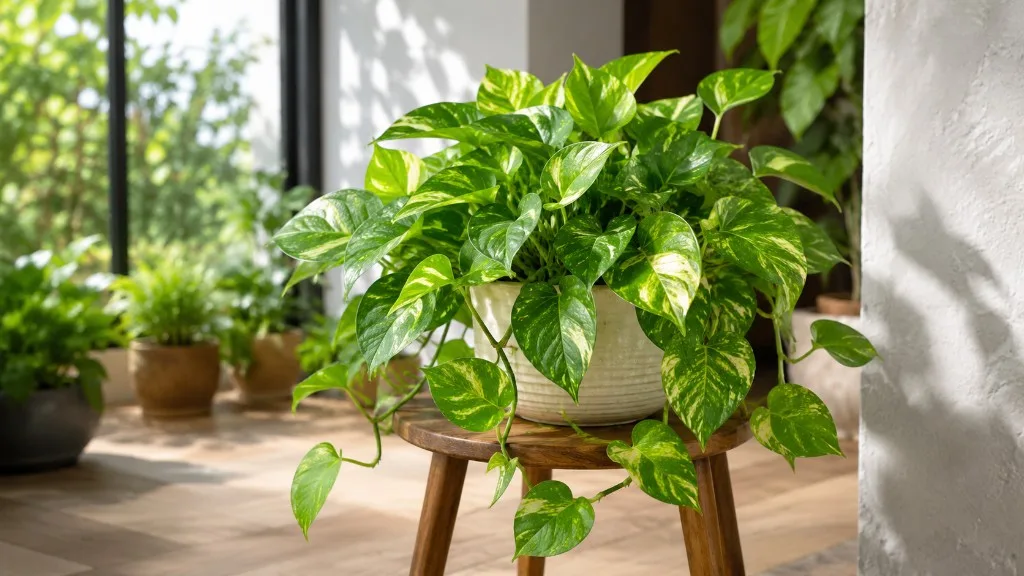
When it becomes leggy, prune above a node and root the cuttings if you want a fuller pot. Pothos is not a “water whenever it looks thirsty” plant: yellowing, limp stems, and a persistently wet pot call for a root-and-soil check before you add more water. ASPCA lists pothos, also called devil’s ivy, as toxic to cats and dogs; keep its trailing stems out of reach or choose another plant if your pet reliably samples foliage. ASPCA’s devil’s ivy listing
Heartleaf and Brasil philodendrons: easy to shape
Heartleaf philodendron is a good option when you want soft, heart-shaped leaves and flexible trailing stems. The variegated ‘Brasil’ adds yellow-green striping, but both look better when they receive enough indirect light to make compact, leafy growth; too little light can leave long bare sections between leaves.
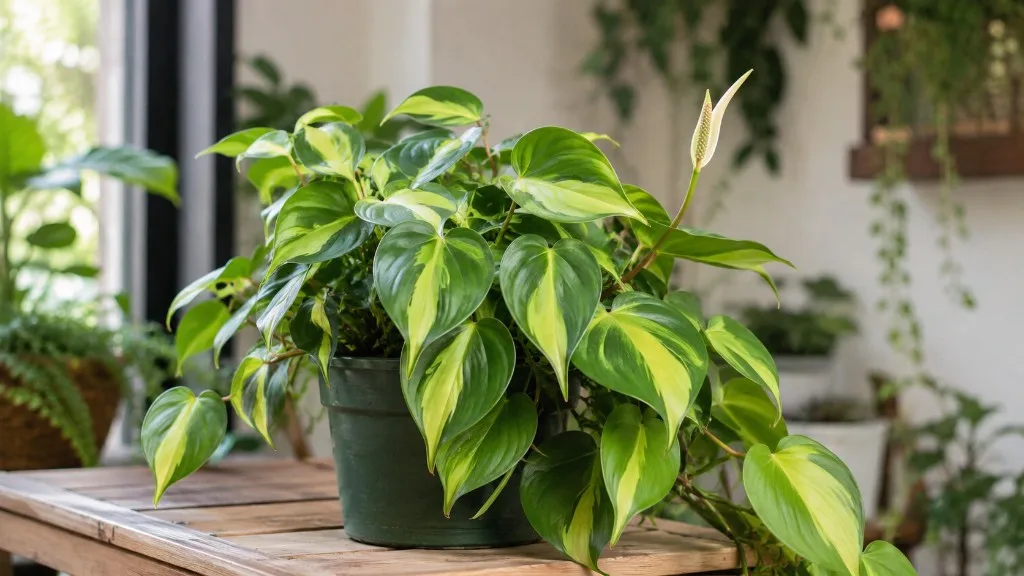
Let the upper layer of mix dry before checking again, rather than watering on the same day each week. Pinch or prune long vines to encourage branching, and use a trellis if you want the plant to climb; that is simpler than buying a new pot whenever the stems spill over the edge. Better Homes & Gardens notes that heartleaf philodendron tolerates low light and occasional missed watering, but its guide also cautions that ingestion is a risk, which is another reason to plan pet access before choosing it.
Best statement plants: monstera and Chinese evergreen
Not every favorite should be judged by how little care it needs. A statement plant can be the right purchase if you enjoy its shape enough to make room for it and can provide the light and routine it needs; it becomes a poor fit when its eventual size is an afterthought.
Monstera deliciosa: rewarding, but space-hungry
Monstera deliciosa offers bold leaves and a climbing habit, but its mature presence can dominate a small room. Before buying, measure the space around the pot and decide where a support could stand; the plant can spread beyond its container, and a heavy stem leaning toward a window may need help staying upright.
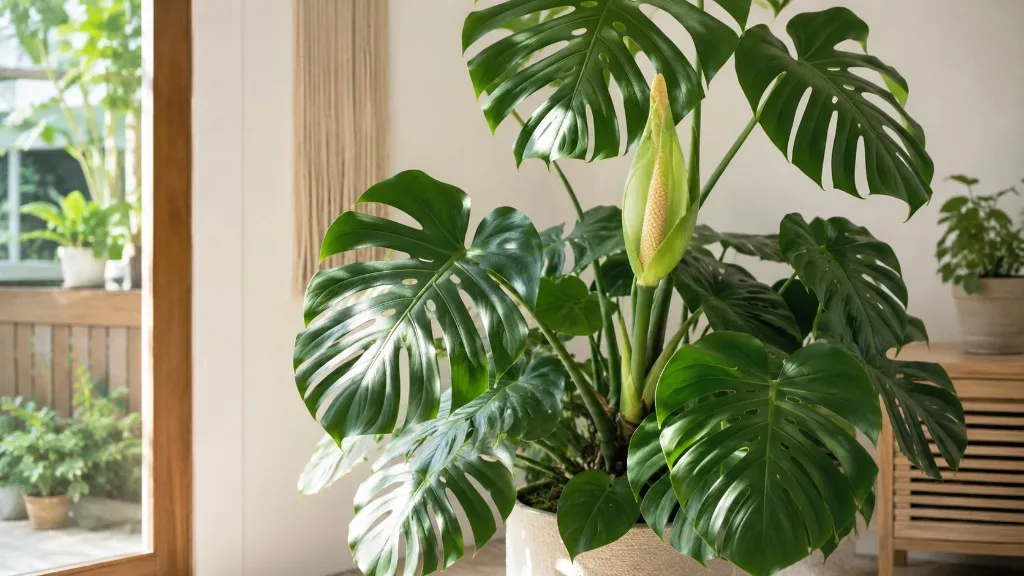
Give it bright indirect light and rotate only when needed to keep growth reasonably balanced. Do not buy a young plant expecting every leaf to arrive with dramatic splits; leaf shape changes with maturity and growing conditions. It can be a favorite for someone who likes a large architectural plant, yet a “worst” pick for anyone who wants a compact plant that stays visually tidy without pruning or support.
Chinese evergreen: color with fewer demands
Chinese evergreens (Aglaonema) offer a broad range of foliage colors in a more compact habit than monstera. Green-leaved selections can work in lower-to-medium indirect light, while strongly patterned varieties usually look their best in a brighter spot out of harsh direct sun.
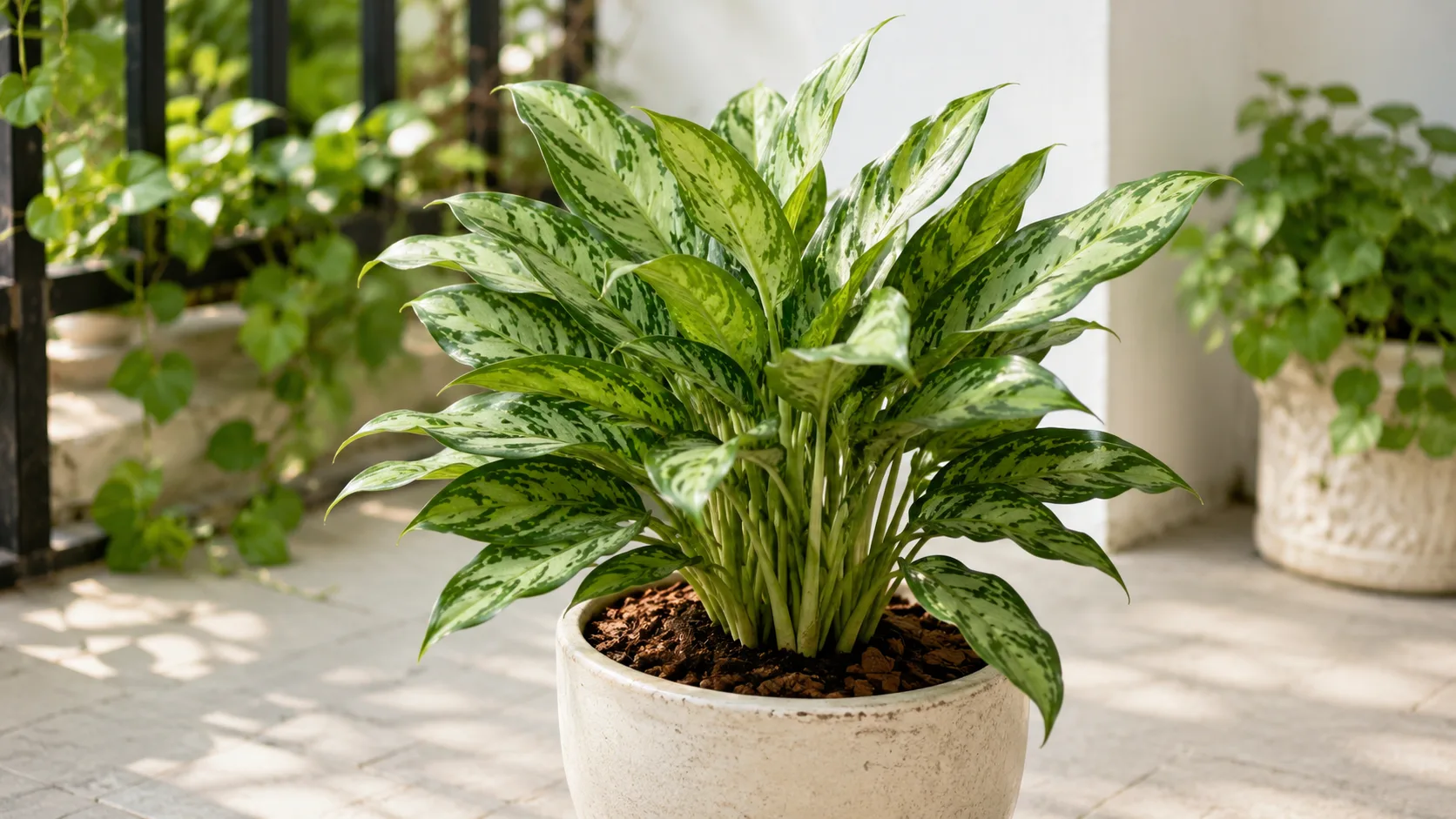
Keep the medium lightly and evenly moist without letting the pot sit in water, and adjust the interval to the pot size, room warmth, and season. This is not quite a “neglect it for weeks” succulent: if the room is warm and the plant is actively growing, an extremely dry root ball can cause stress. If you want color without the trailing vines of pothos, an Aglaonema can be a useful middle ground, provided you check pet safety for the exact cultivar.
When a favorite becomes a difficult fit
Plants that receive the most complaints are not necessarily bad plants; they often expose a mismatch between their preferred conditions and an average heated home. A steady routine can make them manageable, but a buyer should know what “steady” means before bringing one home.
Calathea and Stromanthe: patterned leaves, narrower comfort zones
Calathea (many species are now classified as Goeppertia) and Stromanthe Triostar are bought for leaves with striking stripes, undersides, or pink tones. Their display stays attractive most reliably in warm conditions with bright filtered light and a medium that does not repeatedly swing from soaked to bone-dry; they are less forgiving of inconsistent attention than a pothos or ZZ plant.
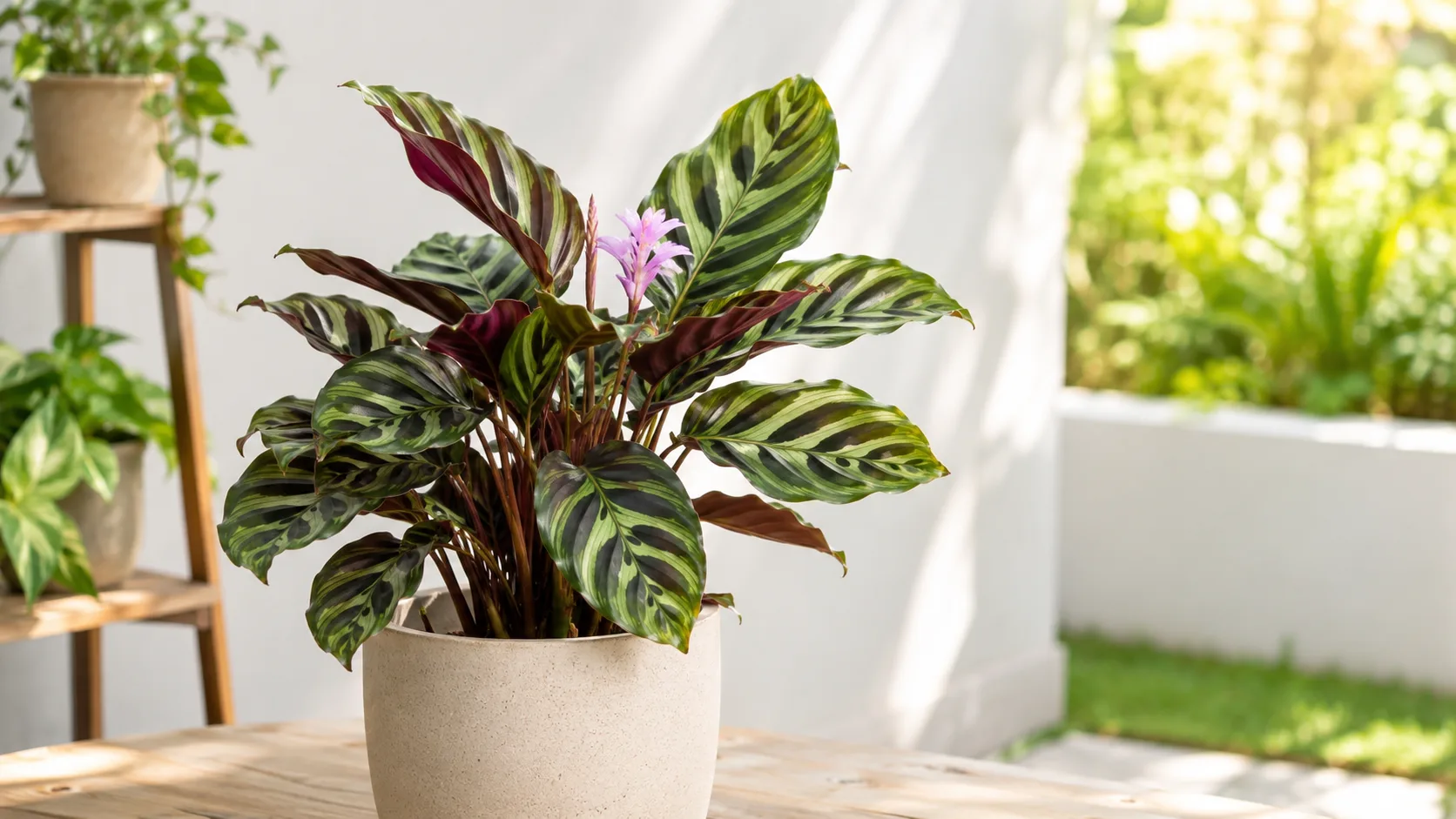
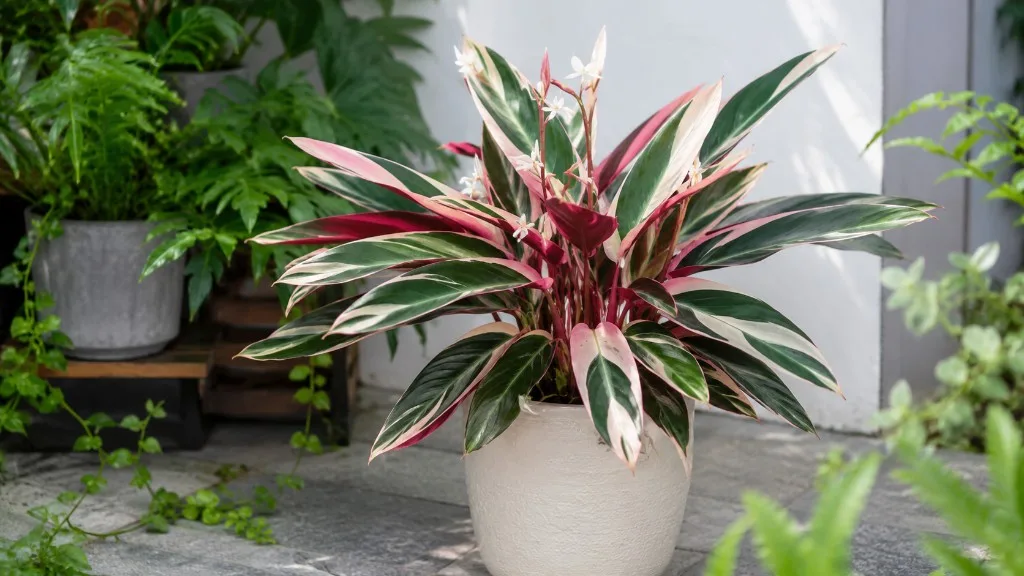
Brown edges do not prove that humidity is the only problem. Check whether the root ball is drying too far, staying wet, or being hit by a cold draft; then look for pests on leaf undersides, especially if new damage appears. A humidifier can help if the room is consistently dry, but misting is a short-lived surface treatment and will not correct poor roots, bad drainage, or direct sun.
Choose one of these plants if you like the foliage enough to watch it and can provide a stable spot. If you travel often, rely on a heater that dries the room, or prefer to water only when you remember, try a Chinese evergreen or pothos first and keep the colorful tropical on your wish list.
Peace lily: readable thirst, dramatic consequences
The peace lily is expressive: when it is thirsty, its leaves can droop conspicuously and perk up after watering. That visible cue can teach a new grower to notice moisture, but repeatedly allowing a peace lily to collapse is not a care strategy; chronic stress can damage leaves and makes diagnosis harder.
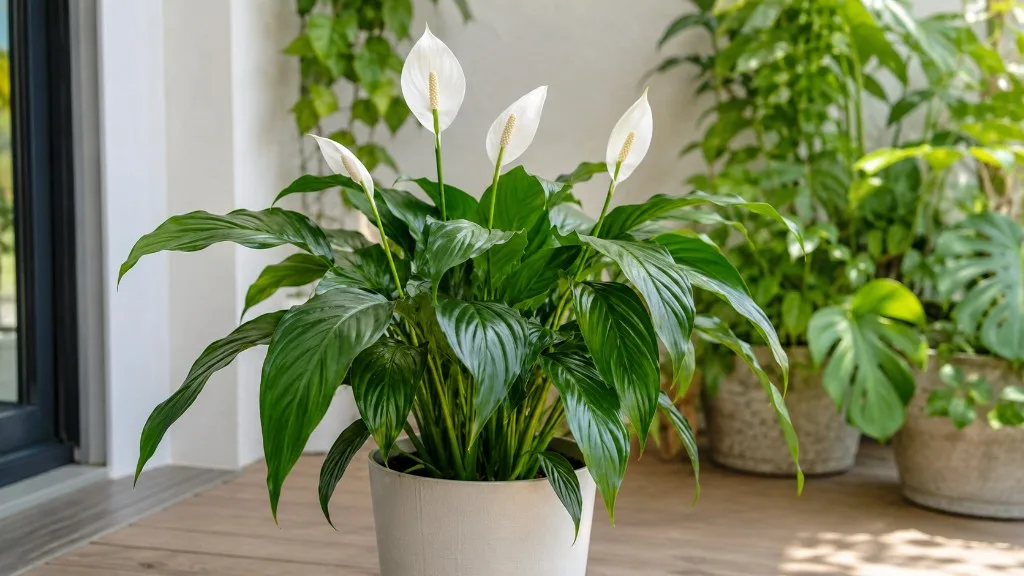
Check the top of the mix and the pot’s weight before the plant wilts, then water thoroughly and let excess drain. If it remains limp after the mix is moist, investigate whether the roots are damaged, the pot has no drainage, or the plant is exposed to heat or cold instead of giving it a second drink. Peace lilies are also toxic to cats and dogs according to ASPCA, which lists insoluble calcium oxalates and oral irritation among the hazards; place one where a pet cannot chew it or select a verified alternative. ASPCA’s peace lily listing
Smaller plants with specific trade-offs
Compact plants solve a different problem: they fit a desk, sill, or narrow shelf, but small pots can dry quickly and leave less room for watering mistakes. A plant’s size does not automatically make it easy, and “succulent” covers plants with meaningfully different light needs.
Polka dot plants and begonias: color needs upkeep
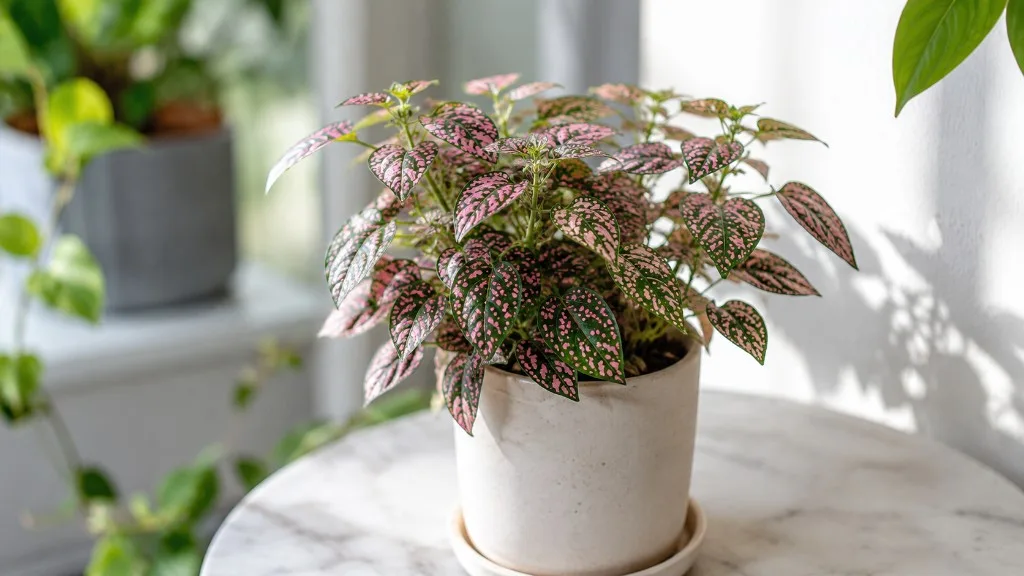
Polka dot plants are appealing when you want pink or white speckles on a small leafy plant. They often need brighter indirect light than a dark corner provides, and they can become stretched or scruffy when growth is weak; pinching tips keeps the plant compact and gives cuttings a chance to fill gaps.
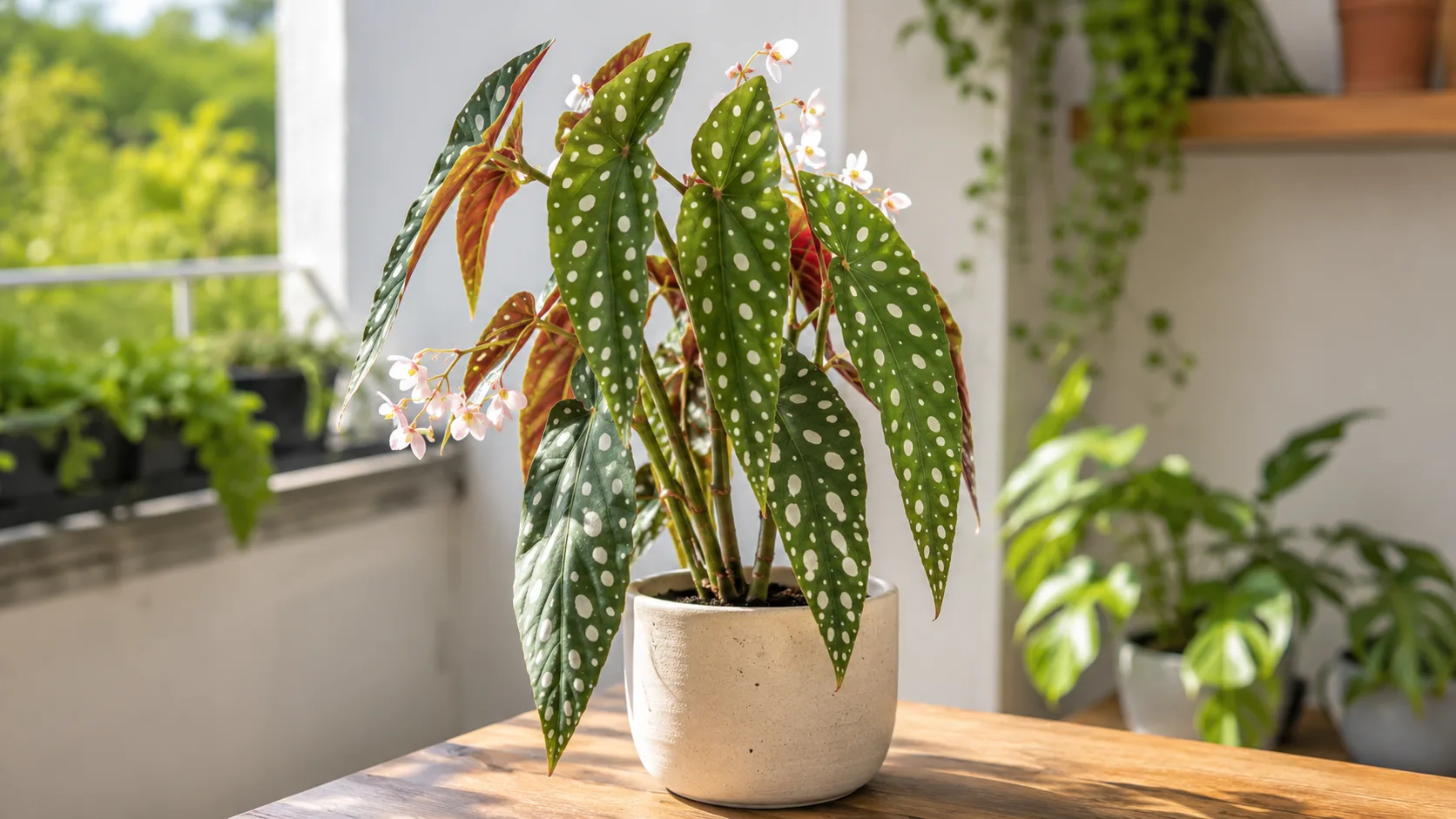
“Begonia” is a large group, not one care profile. A cane begonia such as Begonia maculata, a rex begonia, and a bedding begonia differ in leaf form and growing preferences, so a general verdict that begonias are impossible is not useful; identify the species, give it the light and water it calls for, and avoid a potting mix that remains soggy.
For either plant, inspect the underside of leaves and new growth when shopping. A few minutes of checking for webbing, stippling, or sticky residue can prevent a small pest problem from becoming a collection-wide one after the new plant comes home.
Haworthia and string of pearls: two very different succulents
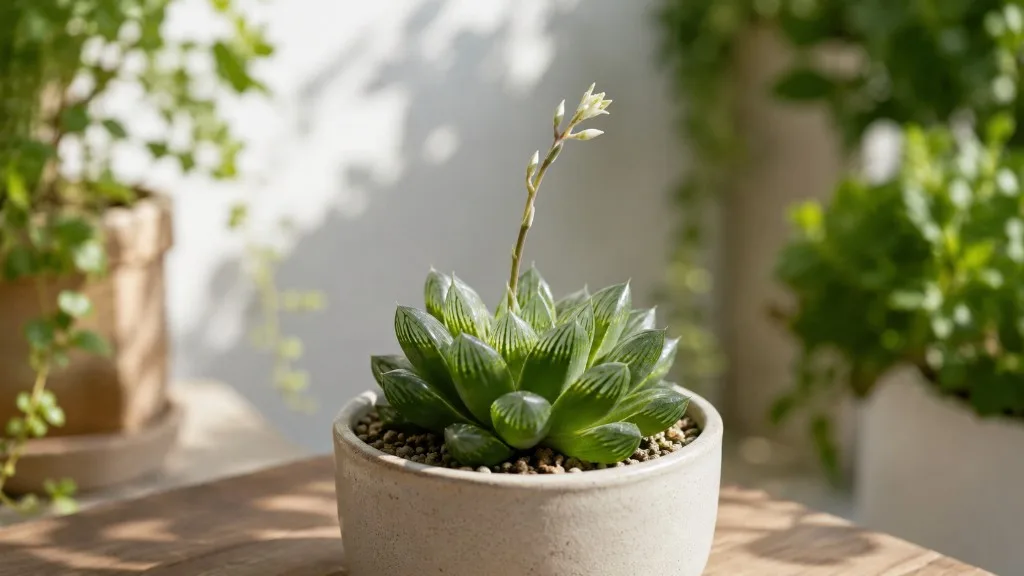
Haworthia is a compact choice for a bright windowsill and a grower who wants a plant that stays small. Give it strong indirect light, a pot with drainage, and a succulent mix that dries between waterings; a dim shelf is not the same as a low-maintenance location for a plant that needs usable light to keep a tight form.
String of pearls looks delicate, but it is also a succulent and can be unforgiving when its fine roots sit wet or the room is too dim. It needs a bright position, a fast-draining mix, and a full watering only after the mix has dried; in a dark bathroom or a damp decorative cachepot, pearls may shrivel or stems may rot rather than trail into a lush curtain.
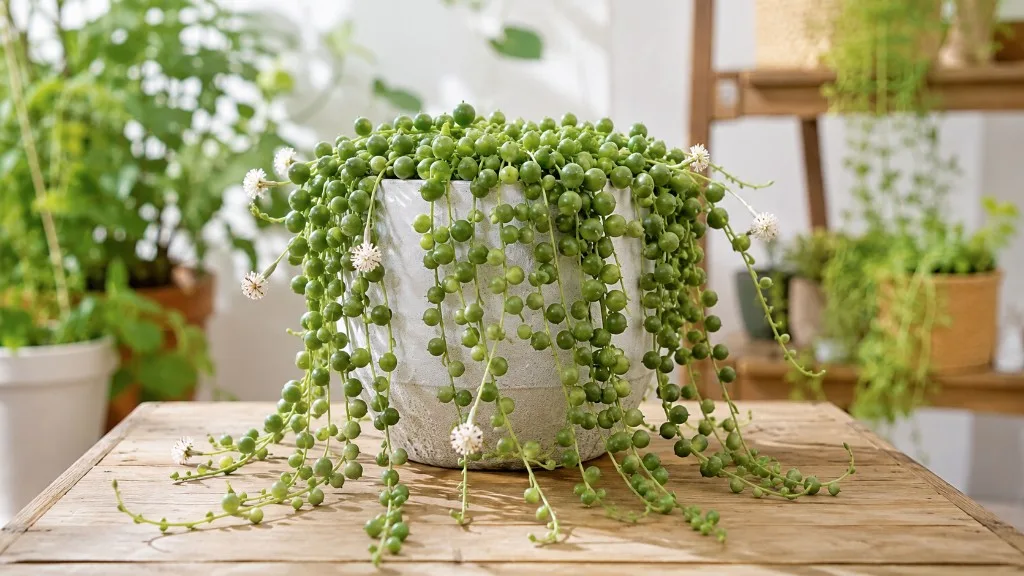
If you want an easy first succulent, choose Haworthia over string of pearls when compact form matters more than a long trailing display. If you want the cascade, be prepared to place it close to a bright window and check the pot rather than assuming all succulents can be ignored for the same length of time.
Match a plant to light, routine, and household
Before picking a name from a list, stand where the plant will sit and look at the light at leaf height. A north-facing window with trees outside may provide less usable light than a bright, unobstructed east or west window; a room that feels bright to a person can still be dim for a plant several feet from the glass.
Check the window and check pet access
Use a simple first filter: choose a plant that fits the window, then pick the watering style you can sustain, then check its mature footprint and toxicity. If the room is dim, do not expect a snake plant or ZZ to flourish in a windowless corner; move it closer to available light or add an appropriately placed grow light. If the location is sunny, a Haworthia or string of pearls may make more sense than a low-light tropical.
For pets, identify the plant by its botanical or commonly accepted name before bringing it home. ASPCA lists snake plants, pothos, and peace lilies as toxic to cats and dogs, and its database cautions that it is not all-inclusive; it also notes that eating any plant material can cause stomach upset. Keep a toxic plant physically out of reach, choose a plant verified for your animal, and contact a veterinarian or poison control if ingestion occurs. ASPCA’s toxic and non-toxic plant database
An editorial favorite is a starting point, not a guarantee that the plant will suit your home. Better Homes & Gardens and Real Simple both include easy-care options such as snake plants, pothos, ZZ plants, and heartleaf philodendrons, but their care notes still distinguish light and watering needs. Compare those requirements with the place you can offer, then buy the plant you can care for consistently rather than the one you feel you are supposed to like. Real Simple’s expert-informed houseplant guide
Conclusion
There is no universal winner in a best-and-worst houseplant list. Snake plants, ZZ plants, pothos, and heartleaf philodendrons suit many homes because they tolerate some variation, while calatheas, Stromanthe, peace lilies, patterned begonias, and string of pearls are more likely to disappoint when light, moisture, or humidity do not match their needs.
Use the shortlist as a practical filter: measure the light where leaves will sit, decide how often you will check the soil, account for mature size, and verify pet safety before purchase. The right houseplant is the one whose care fits your real routine—and whose appearance you still enjoy enough to keep in that suitable spot.