20 Edible Flowers to Grow in Your Garden
From nasturtium to squash blossoms, learn which flowers to grow, what part to eat, and how to avoid lookalikes, allergy risks, and pesticide residues.

An edible flower is not simply a pretty bloom that looks familiar. You need to know the plant’s botanical identity, the specific part people use, and whether that plant has been grown and treated in a way that makes it appropriate for food. A common name such as “marigold,” “violet,” or “hibiscus” can refer to different plants, so use the names and limits below as a starting list—not as a substitute for identification.
The Royal Horticultural Society (RHS) advises that accurate identification is essential and recommends using only flowers with a known edible history. Its guidance also notes that most large flowers are used as petals, while smaller clustered flowers may be used whole. The descriptions below name the plant and the part to harvest, then give a simple use and growing cue. (RHS edible-flower guidance)
Identify the flower before you taste it
Use edible flowers only when you can match the living plant to a reliable botanical name and a source that confirms that particular plant as food. Color, fragrance, a seed packet’s marketing photo, or a familiar common name cannot tell you whether a lookalike is edible. If the plant is uncertain, do not taste it; grow a known culinary species from a labeled seed packet or purchase a plant explicitly sold for edible use.
The edible part matters just as much. A source may recommend petals while leaving out the green base, stem, or other plant parts; another species may be harvested as a whole small flower or a post-bloom calyx. Treat each entry here as a limited instruction for that named plant and part, not a blanket claim that everything in its genus or family is safe.
Match the botanical name to the plant
Keep the seed envelope or nursery label, take a clear photograph of the plant when it blooms, and keep the edible-flower bed separate from lookalikes. This is especially useful for plants sold under overlapping names: calendula is also called pot marigold, but the word “marigold” can also mean plants in Tagetes; edible guidance for Calendula officinalis is not a blanket endorsement of every marigold. Likewise, the instructions for one named violet or hibiscus do not cover every plant using those names.
Do not use a smell test or a tiny bite to identify an unknown bloom. The RHS rule is simple: if identification is in doubt, leave it uneaten. That rule also applies to wild plants, volunteer seedlings, and flowers gathered from a neighbor’s yard unless you can confirm their exact identity and growing history. (RHS edible-flower guidance)
Grow flowers as food, not decoration
Florist flowers, roadside blooms, public-park plants, and nursery bedding plants may have been treated with products that are not labeled for edible crops. A rinse cannot tell you what was applied, when it was applied, or whether a required waiting period has passed. Buy seeds or starts labeled for culinary use when possible, and keep edible plants away from spray drift, pet traffic, and contaminated runoff.
For ornamental plants not labeled for culinary use, the RHS advises growing them on for at least three months and harvesting only later flowerings to reduce pesticide-residue risk. That is a risk-reduction step, not a guarantee: if the product, treatment date, or label directions are unknown, do not harvest those flowers for food. (RHS edible-flower guidance)
20 edible flowers for a home garden
These 20 choices span annual flowers, familiar culinary herbs, and flowers from crops you may already grow. “Edible” applies only to the species and part named in each entry; it does not mean every plant with a similar common name, every cultivar, or every part of the plant belongs on a plate.
Annuals and seasonal blooms
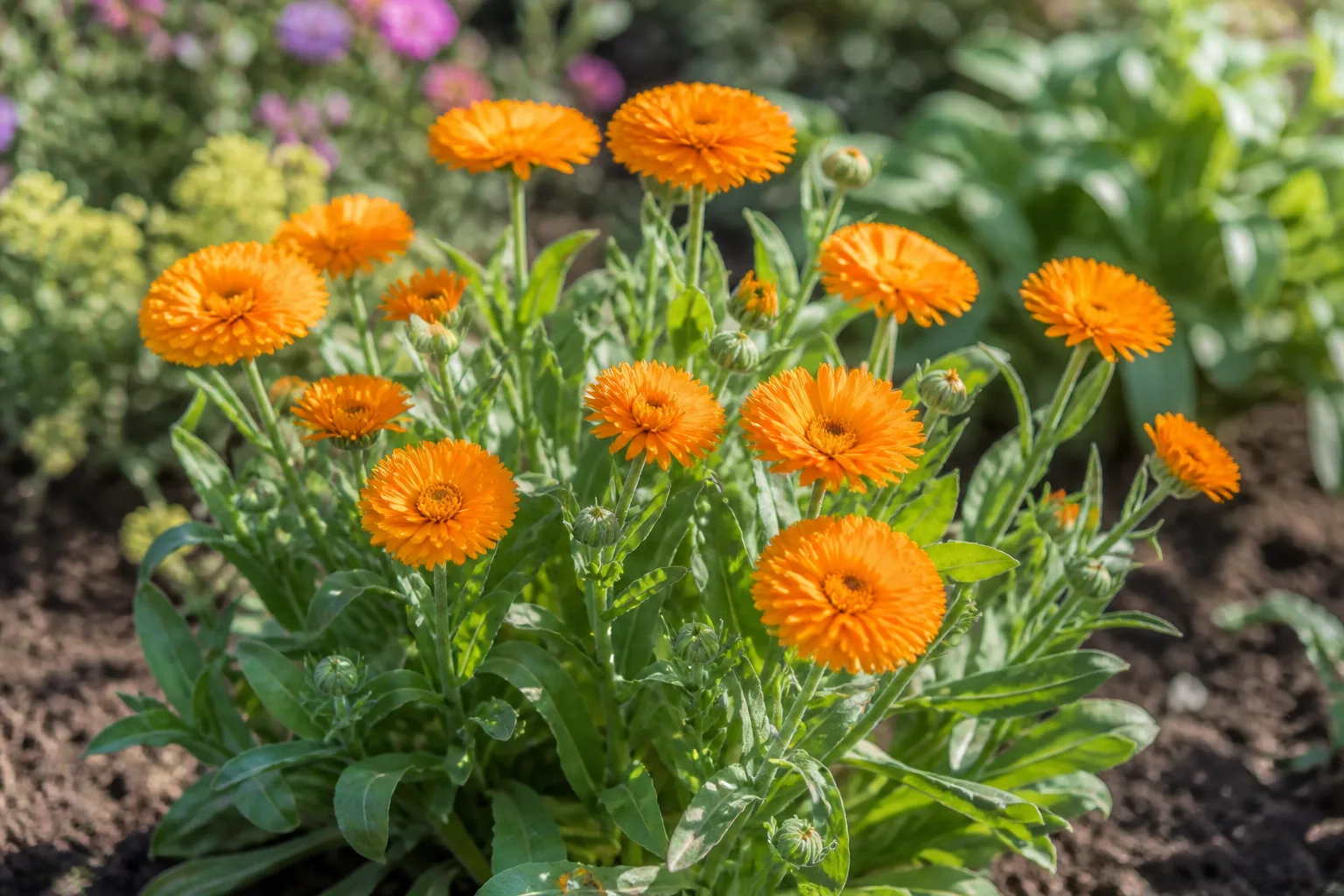
1. Pot marigold (Calendula officinalis). Use the narrow ray florets—the colorful “petals”—and remove the green base and central disk if you want a cleaner texture. Sow in a sunny, draining bed or container, then pick fresh flowers regularly; the peppery petals add color to rice, salads, soups, and herb butter. Calendula is the precise plant meant here, not every flower sold as a marigold. (RHS edible-flower guidance)
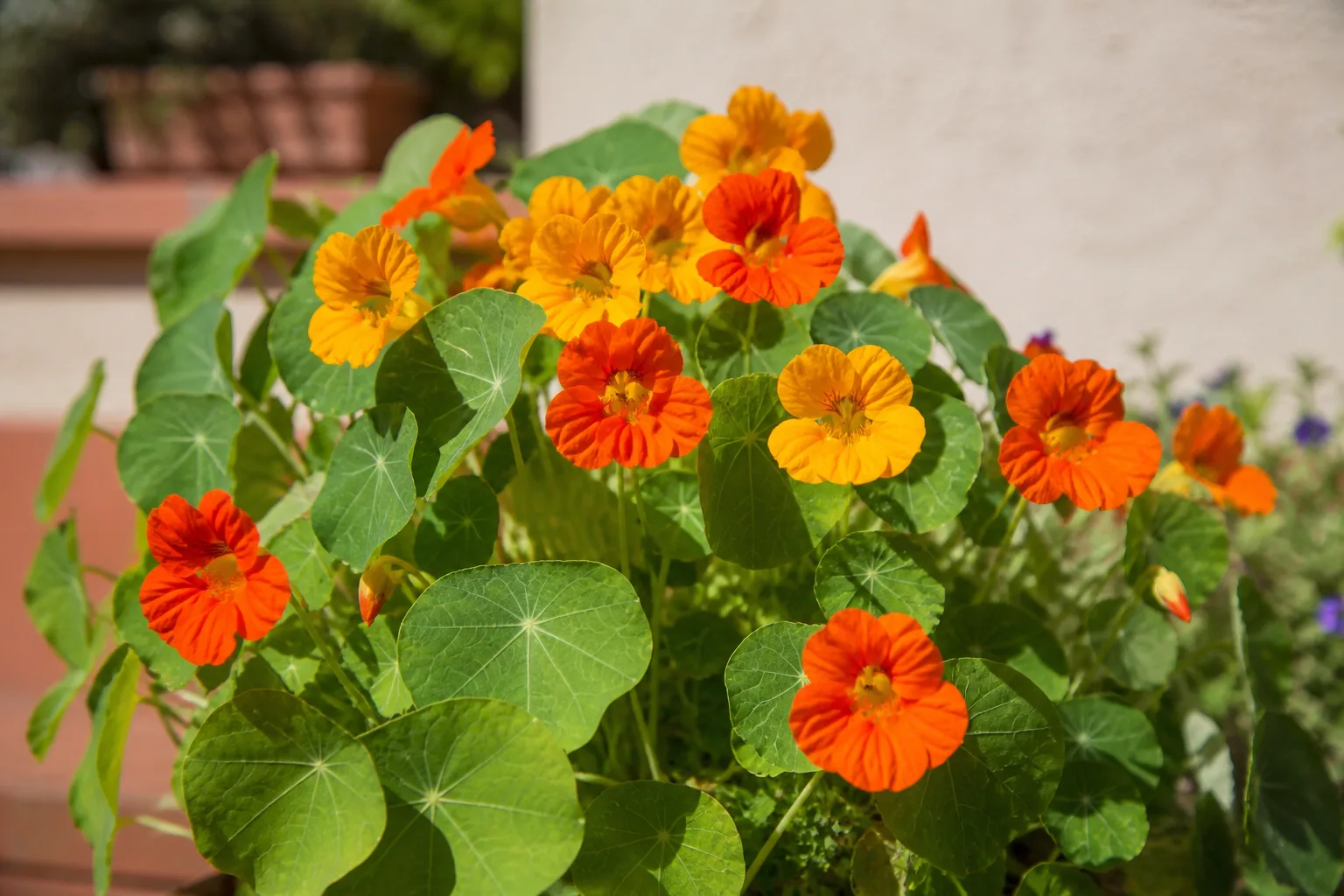
2. Nasturtium (Tropaeolum majus). The whole flower is edible, though petals alone give a milder bite; leaves are also used in cooking, but this entry focuses on the bloom. Give the vining or mounding plant sun and free-draining soil; rich, heavily fertilized soil tends to favor foliage over flowers. Its peppery taste suits salads, sandwiches, and pasta. (RHS edible-flower guidance)
3. Borage (Borago officinalis). Use the blue petals, separated from the hairy green calyx, for a mild cucumber-like accent in salads, desserts, or a drink garnish. Direct-sow this annual where it can have room and sun; it can self-seed, so remove spent heads before seed forms if you do not want volunteers next year. Avoid substituting a different blue star-shaped flower. (RHS edible-flower guidance)
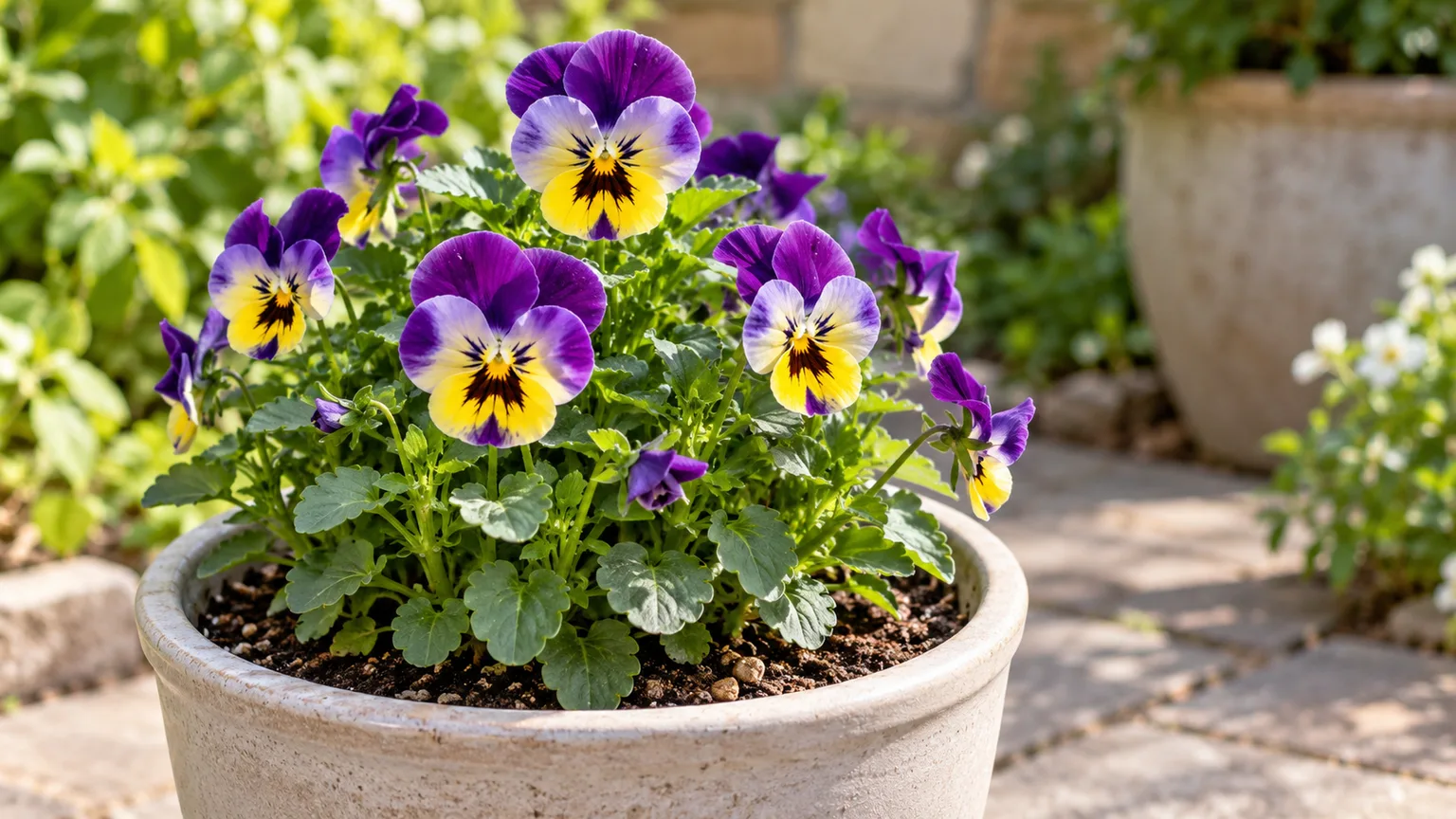
4. Garden pansy (Viola × wittrockiana). Use petals from a correctly identified pansy raised for food, or use the small whole flower only when you have confirmed that plant’s edible guidance. Pansies do best in cool weather; give them sun in mild conditions and some afternoon shade where summers are hot. Their mild flavor and clear colors make them useful on cakes and salads. Do not assume that any wild violet is the same plant. (RHS edible-flower guidance; Fine Gardening)
5. Sunflower (Helianthus annuus). Use the ray petals in salads or cooked dishes; RHS also describes blanching and serving an unopened flower bud. Grow sunflowers as a food crop from a known seed variety in full sun, and harvest only plants whose treatment history you know. Leave some heads to mature for pollinators and seed rather than stripping every bud. (RHS edible-flower guidance)
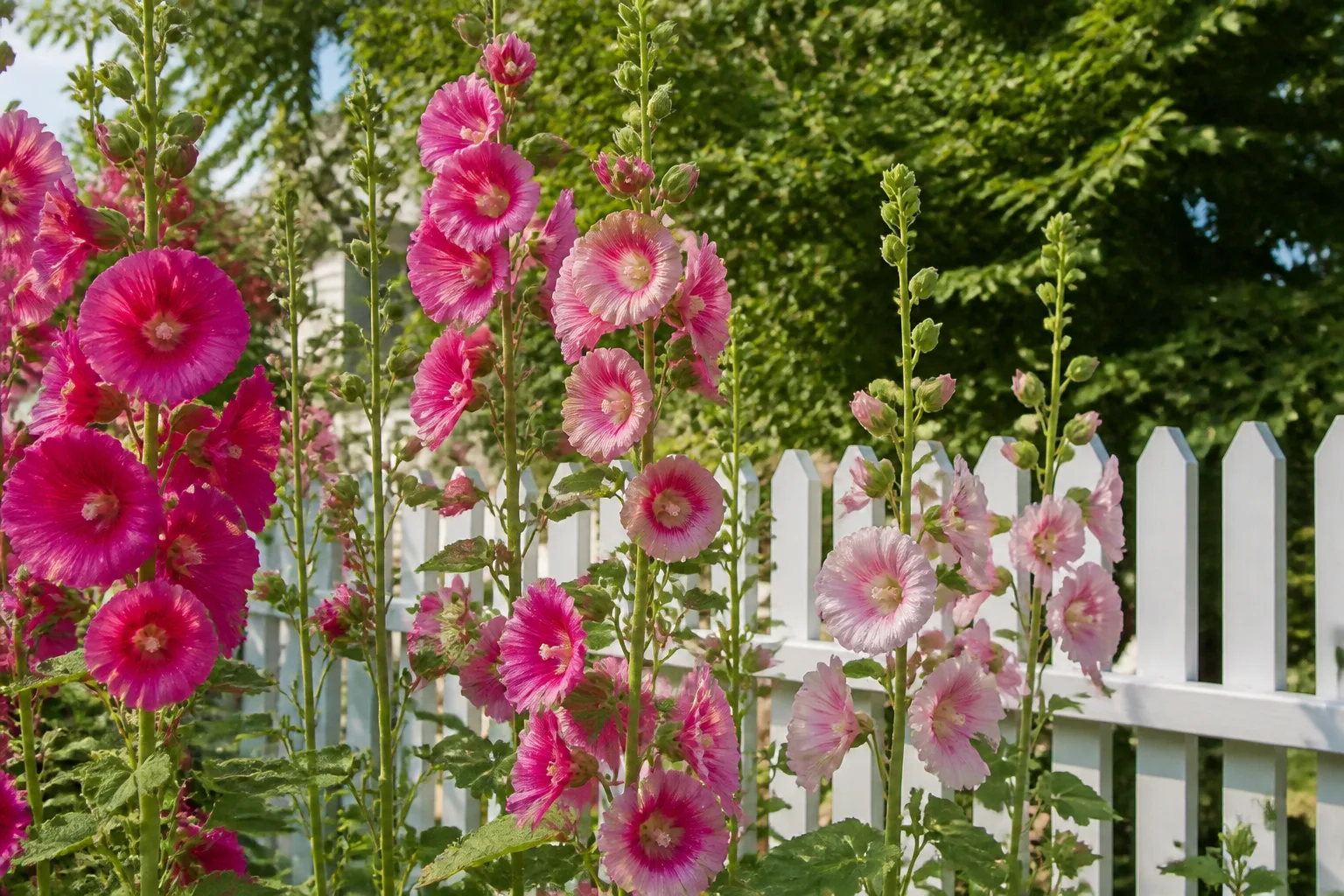
6. Hollyhock (Alcea rosea). Harvest petals only, and remove pollen before using them as a cake or dessert garnish. These tall plants need room, sun, and support from a fence or the back of a bed; because they are often grown ornamentally, treatment history matters as much as species identification. Do not treat the whole plant as edible because the petals are used. (RHS edible-flower guidance)
7. Roselle (Hibiscus sabdariffa). For the familiar tart hibiscus infusion, the useful part is the fleshy red calyx that develops after the petals fall, not an unspecified flower from any hibiscus shrub. Give roselle a warm, sunny growing season and enough room for a large annual plant; in a cool climate, start it only when local conditions allow a long season. The calyx can be steeped for a vivid, tangy drink or used in preserves. (30 Stades)
Herb and vegetable-crop flowers
Herb blooms are often subtler than the leaves, so harvest a few at a time and taste them in a simple dish rather than mixing many unfamiliar flowers together. The RHS lists culinary herb flowers including basil, chives, dill, fennel, mint, and rosemary; the named species below narrow those common labels to garden plants. (RHS edible-flower guidance)
8. Bee balm or bergamot (Monarda didyma). Use the tubular florets from a plant positively identified as this species; they have a strong, spicy aroma and are commonly used for tea or as a small garnish. Plant it in sun to light shade with adequate airflow and soil that does not stay waterlogged. The edible guidance for this named bergamot does not apply to unrelated plants that share the word “bergamot.” (RHS edible-flower guidance)
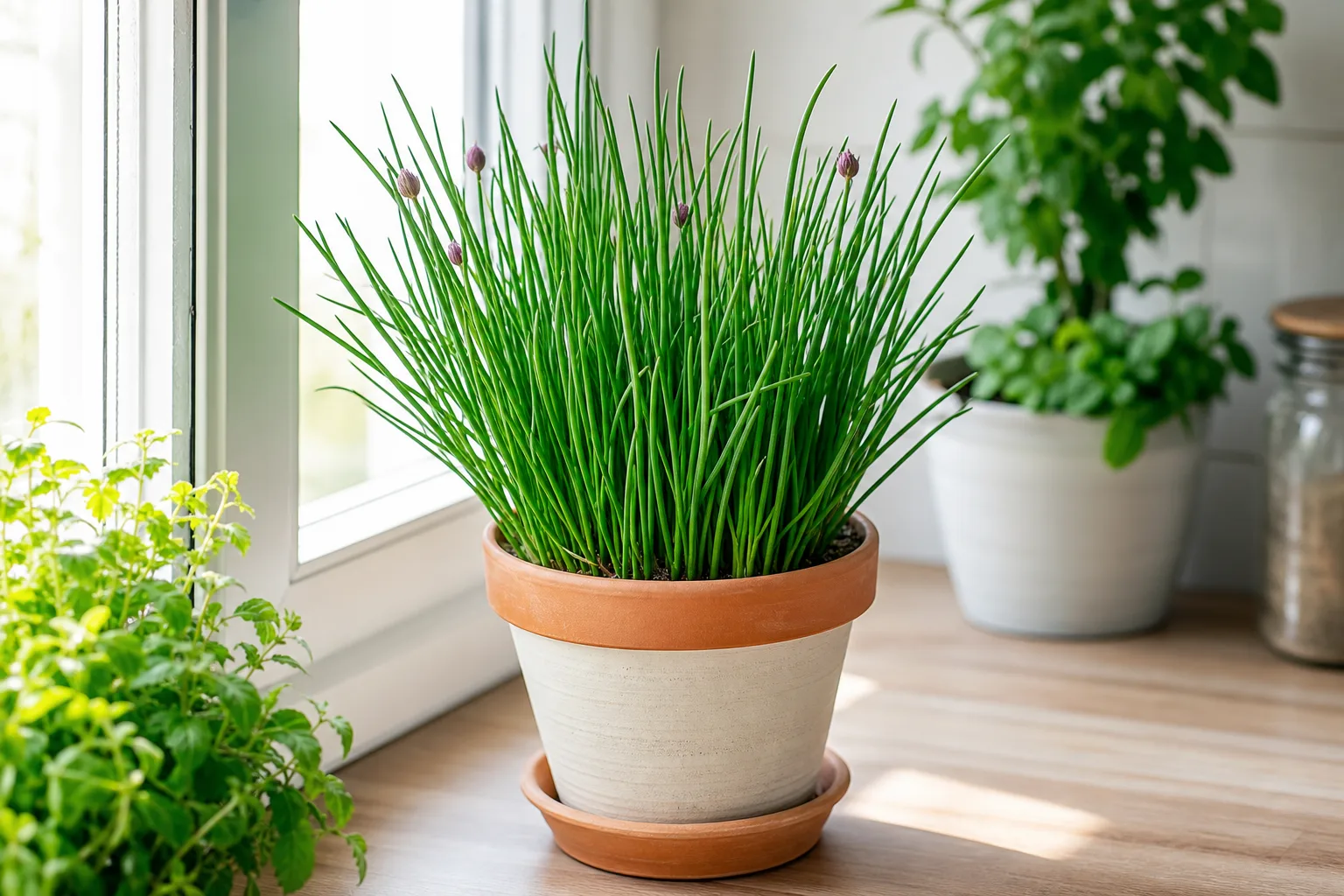
9. Common chives (Allium schoenoprasum). Use the open flower head or its individual florets for a mild onion flavor in eggs, salads, and sauces. Keep a clump in sun with evenly moist, draining soil, and snip only part of the blossoms so the plant can continue growing. Do not harvest an unknown wild allium by appearance alone; the entry applies to cultivated common chives. (RHS edible-flower guidance)
10. Sweet basil (Ocimum basilicum). The small blossoms are edible and carry a softer version of the leaf’s sweet, clove-like flavor; use a few florets in tomato dishes, dressings, or herb butter. Grow basil in warm weather, sun, and soil that drains well. If you want leaves too, pinch some flowering stems but allow a few blooms to open for the kitchen and pollinators. (RHS edible-flower guidance)
11. Dill (Anethum graveolens). The small yellow flowers in an umbel can be used whole in pickles, sauces, or a salad dressing. Sow dill where it can stay in place because the tall stems dislike repeated disturbance; leave some umbels to make seed for later sowing. A name label matters here: do not forage an unknown plant with similar umbrella-shaped flower clusters. (RHS edible-flower guidance)
12. Fennel (Foeniculum vulgare). The fine yellow flower umbels have an anise-like flavor and can season salads, vegetables, or vinegar. Grow culinary fennel in a sunny, well-drained spot and allow room for its height. Although culinary fennel has several edible parts, this entry is about its flowers; do not apply it to unidentified wild members of the carrot family. (RHS edible-flower guidance)
13. Spearmint (Mentha spicata). The tiny flowers in its spikes can be used fresh in a mild herb vinegar, butter, or as a garnish. Plant spearmint in a pot or a contained bed because it spreads vigorously, and keep the plant’s label so it does not get confused with another mint. Pick only the blooms from the named culinary plant, not from an unknown ornamental or wild patch. (RHS edible-flower guidance)
14. Rosemary (Salvia rosmarinus, formerly Rosmarinus officinalis). Use the small flowers as a fresh garnish for salads or tomato dishes; their flavor is gentler than the leaves. Rosemary needs sun and soil that drains freely, especially in a pot. A small number of flowers makes a fragrant accent, while leaving most buds in place preserves the shrub’s display and visits from pollinators. (RHS edible-flower guidance)
15. Garden pea (Pisum sativum). The blossoms can be added to a salad for a fresh pea note, but each flower you pick is one less chance for a pod to form. Grow peas in cool weather with a trellis for climbing types, and take only a few flowers from a vigorous planting. Do not substitute ornamental sweet pea; the botanical name here is Pisum sativum. (RHS edible-flower guidance)
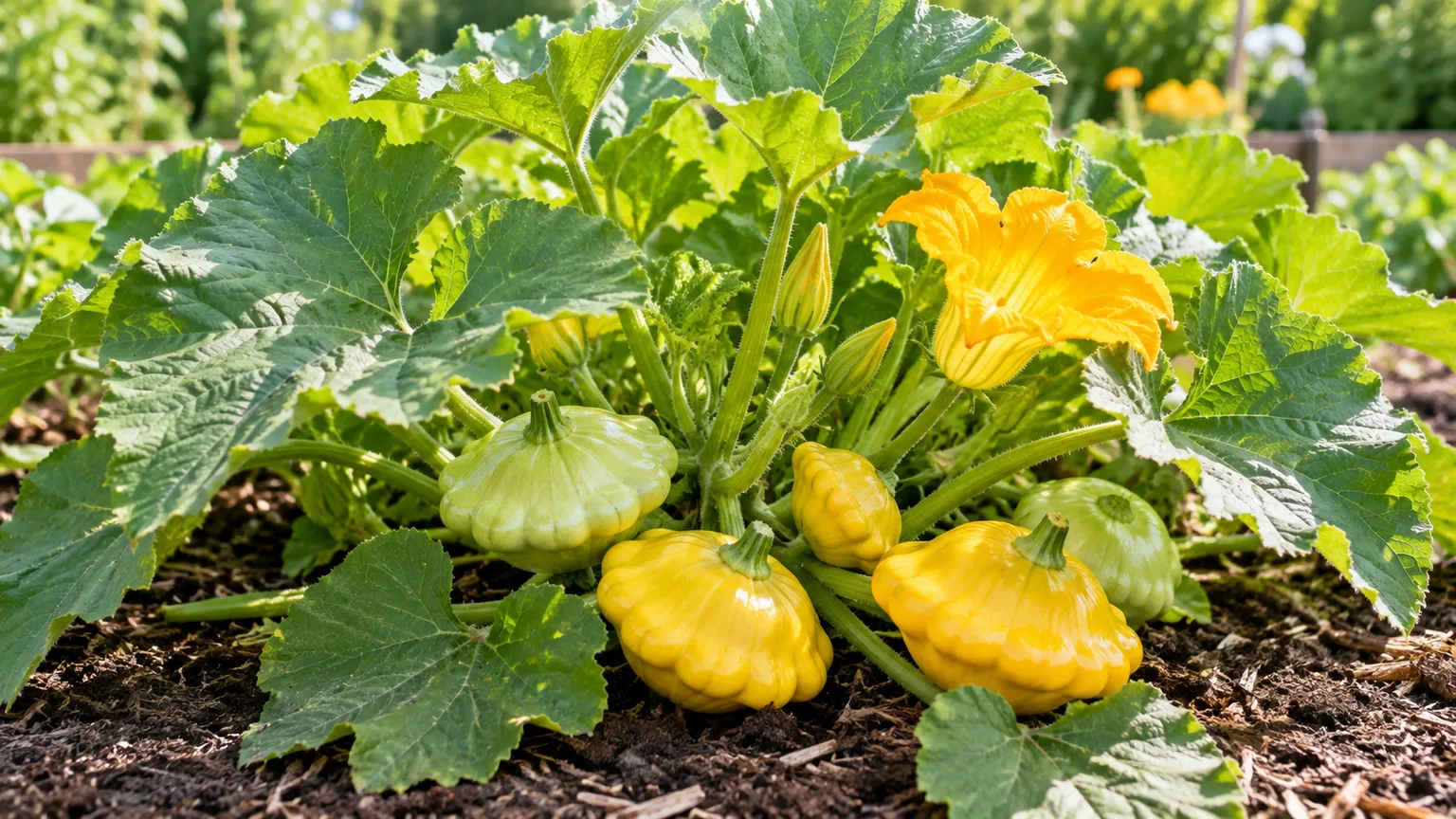
16. Summer squash blossoms (Cucurbita pepo). Harvest flowers only from an identified edible squash such as a zucchini or summer-squash cultivar. Male flowers on long, narrow stems are the usual choice when you want to preserve fruit yield; female flowers sit above a tiny developing squash, so picking them removes a potential fruit. Leave enough open flowers for pollination, and never extend this instruction to unidentified gourds. (RHS edible-flower guidance)
Shrubs and low-growing perennials
For woody or spreading plants, choose a place that is easy to keep clean and away from ornamental spraying, dog paths, and lawn treatments. The RHS recommends picking young flowers on dry mornings and using them promptly; the entries below also show why a name and edible part must travel together. (RHS edible-flower guidance; RHS guidance on using edible flowers)
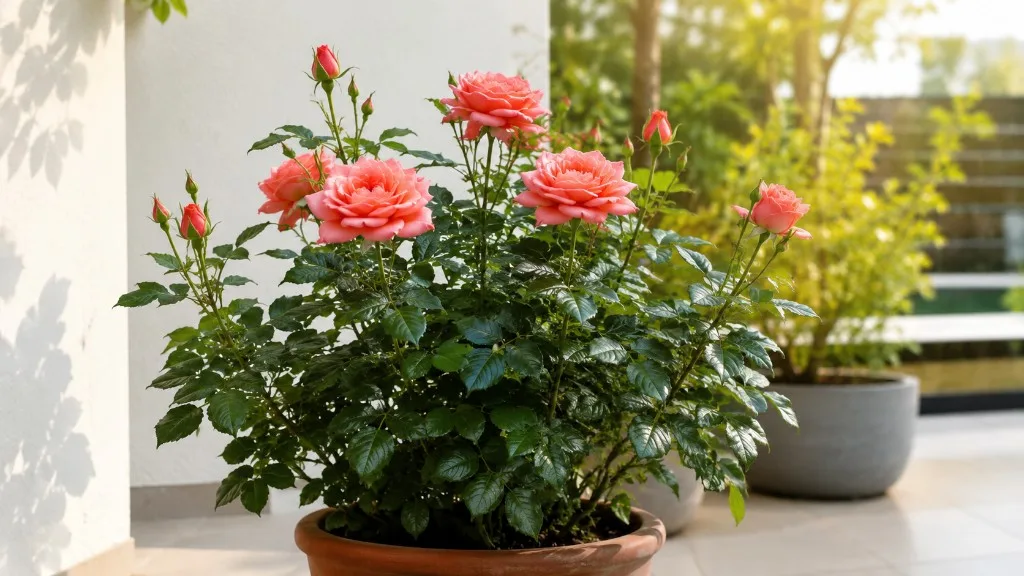
17. Rose (Rosa). Use petals from a positively identified, food-grown rose; remove the bitter pale base of each petal before adding it to sugar, syrup, salads, or desserts. A fragrant cultivar often contributes more flavor, but fragrance does not prove that the plant is safe to eat or free of pesticide residues. Rose care may involve pest-control products, so keep a treatment record and harvest only when the product label and interval allow it. (RHS edible-flower guidance; Fine Gardening)
18. Elderflower (Sambucus nigra). Use the small flowers in the cluster after stripping away the green stems; the blossoms are used in cordials, syrups, and batters. Identify the shrub by its botanical name and a reliable plant key before harvesting, and treat this as an instruction for the flowers only. Do not assume that stems, leaves, or berries have the same preparation or safety rules. (RHS edible-flower guidance)
19. Red clover (Trifolium pratense). Use the flower head from a garden-grown, accurately identified red clover as a garnish or for an infusion. Clover can be grown as a low flowering patch, but a lawn or roadside plant may have been sprayed or contaminated by animals; do not gather it from an unknown site. Leave part of the patch blooming for bees and other pollinators. (RHS edible-flower guidance)
20. Sweet violet (Viola odorata). Use the petals or small flower from the named sweet violet for a delicate garnish, tea, or a crystallized decoration. Grow it in a cool, lightly shaded place and keep it separate from unidentified wild violets. Pansy and sweet violet are both in Viola, but the shared genus does not turn every plant called a violet into a confirmed food plant. (RHS edible-flower guidance; Fine Gardening)
Build a garden you can harvest from
A dedicated edible-flower bed is not essential; a row at the edge of a vegetable plot or a few containers can work. The useful difference is management: a food garden has a known seed or plant source, a known treatment history, and a harvest path that avoids ornamental sprays and foot traffic. Keep a simple note of what you planted and when you last used any garden product near it.
Start with seed or culinary-labeled stock
Seeds are often the easiest way to control identity and treatment history. Keep each packet until the plant is established, sow different species in labeled sections, and do not discard the botanical name after the seedlings are recognizable. If you buy a transplant, ask whether it is specifically grown and treated for culinary use; an “organic” or “natural” label by itself does not answer whether a particular product was used or whether its label permits harvest.
If you decide to repurpose an ornamental plant, check its treatment record before planting it with food crops. The RHS advises a three-month growing-on period for non-culinary-labeled plants and says to harvest subsequent flowering, but it also warns against pesticide-treated flowers unless the product is specifically approved for that use. When history is missing, choose a known food-grown plant instead of trying to infer safety from appearance. (RHS edible-flower guidance)
Set the planting schedule around weather
Treat the list as a mix of seasonal crops rather than one planting job. Cool-season flowers such as pansies and some calendula plantings are most productive before sustained heat, while basil, nasturtium, sunflower, and roselle need warm conditions. Use your local frost dates, seed packet directions, and the expected length of your warm season to decide when to sow; a generic calendar date will not fit every region.
For a longer supply, sow short-lived annuals in small batches instead of planting every seed at once. Keep a few flowers on each plant for pollinators and seed, and harvest from more than one plant so the garden is not stripped after a single meal. Perennials and shrubs such as chives, rosemary, roses, and elder need space to establish before you rely on them for regular flower harvests.
Harvest flowers without damaging the meal or plant
Flowers bruise quickly and often lose aroma after they are picked. Harvest only what you expect to use, and make the edible part clear before it reaches the kitchen: a bowl of loose petals is easier to inspect than a mixed handful of stems and blooms. If a flower is dusty, faded, insect-damaged, or its identity is in question, compost it rather than trying to rescue it for food.
Pick, clean, and store in small batches
Pick young, fresh flowers on a dry morning after dew has lifted and before strong midday sun; use clean scissors and a shallow container so blooms are not crushed. Shake off insects outdoors, then inspect each flower. For large blooms, remove stems and the reproductive or green parts when the named plant’s guidance calls for petals only; keep small edible florets or umbels whole only where the species-specific instructions allow it. (RHS guidance on using edible flowers)
Rinse flowers gently in cool potable water just before use, then blot dry on a clean towel. A rinse removes surface dirt and some insects, but it does not neutralize pesticide residue or make an unknown plant safe. Use flowers promptly; if you need to hold them, keep them dry and refrigerated in a covered container or clean bag, and inspect them again before serving. The RHS suggests using fresh flowers quickly or refrigerating them for a short period. (RHS guidance on using edible flowers)
Start with one named species in a simple dish so you can recognize its flavor and texture. Petals can scatter over salads, soup, or cake; stronger blooms such as nasturtium or bee balm need only a few. Drying or freezing works best when the later use is an infusion or cooked recipe, because delicate petals can lose their shape and fresh aroma. (RHS guidance on using edible flowers; Fine Gardening)
Safety checks before every harvest
Do a three-part check before picking: plant identity, edible part, and growing history. All three must be known. If any one is uncertain, the practical choice is to admire the bloom and use a different ingredient; no cooking trick, soaking method, or online common-name match can repair a missing identification or an unknown pesticide record.
When a pesticide has been used near an edible plant, read the actual product label and follow its directions for the crop, application, protective measures, and waiting period. Never apply a landscape-only product to a plant you intend to eat, and do not invent a “safe after X days” rule from another product’s label. UC IPM’s pesticide-use material emphasizes label reading, correct selection, and safe use; for this garden, the label’s permitted crop and harvest interval control. (UC IPM pesticide-use guidance)
Take allergy and treatment history seriously
Flowers and pollen can bother people who are sensitive to them. If you have a pollen or plant allergy, follow your clinician’s advice and avoid flowers that may trigger symptoms; do not use a bite-sized “test” to challenge a diagnosed allergy. For people without a known sensitivity, try only a correctly identified, food-grown flower and use one species at a time, so an unexpected reaction is easier to connect to a food. (RHS edible-flower guidance; Fine Gardening)
Never serve an edible flower as an unlabeled garnish when guests may have allergies or dietary restrictions. Tell people which plant it is and which part you used, and offer a flower-free option. This small step is especially important with mixed-flower salads, where petals can be difficult to identify after they are scattered through other ingredients.
Conclusion
Growing edible flowers is straightforward once you treat the garden like a small food crop: choose the exact species, keep its label, protect it from unknown sprays, and harvest only the part supported for that plant. The safest starting set is the one you can identify and manage consistently, not the longest list you can collect.
Start with two or three species that suit your climate and kitchen—perhaps calendula for petals, chives for savory dishes, or squash blossoms if you already grow summer squash. Keep the botanical name and treatment history with the plant, pick a small amount on a dry morning, and leave anything uncertain in the garden. (RHS edible-flower guidance; UC IPM pesticide-use guidance)