Do Deer Eat Petunias? Here's What to Know
Yes, deer can eat petunias, though damage varies by yard. Learn to spot browsing, protect exposed buds, and choose flowers that may fare better locally.
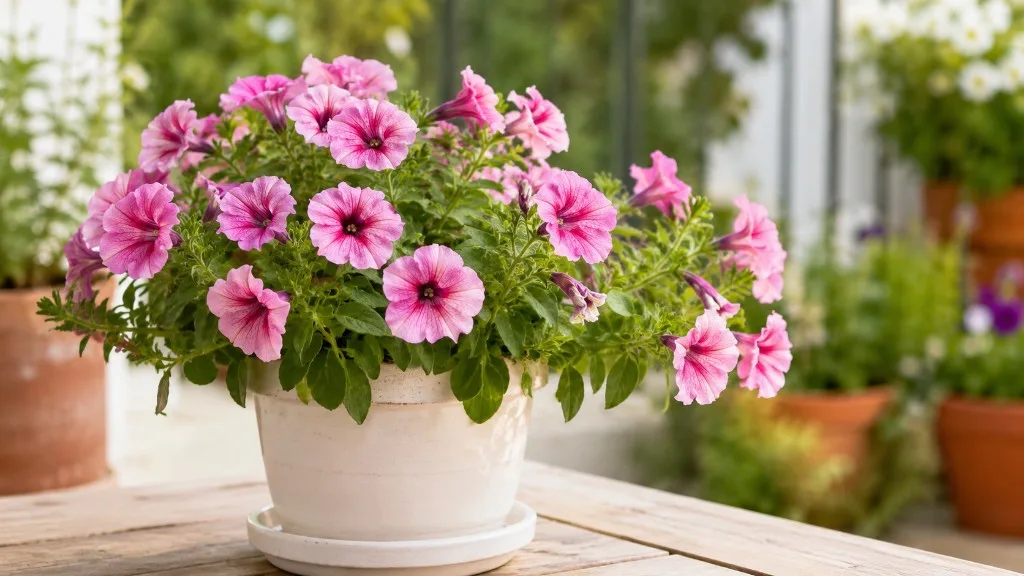
Yes, deer can eat petunias. They may browse the flowers, buds, and tender shoots, but petunia damage is inconsistent: one yard can go untouched while another loses blooms overnight. Treat petunias as a plant that may need protection where deer are active, rather than as either a guaranteed deer favorite or a dependable deer-resistant choice.
That distinction matters because published guidance does not give one universal answer. North Carolina State Extension describes garden petunia as seldom damaged by deer, while Rutgers NJAES places Petunia in a category that is occasionally severely damaged in its regional landscape ratings. A Pennsylvania Extension answer also says deer were the likely cause when buds disappeared from container-grown petunias. Local conditions and the individual deer herd can matter more than a broad label. (North Carolina State Extension Gardener Plant Toolbox; Rutgers NJAES deer-resistance list; Ask Extension’s petunia-bud response)
What the Evidence Says About Deer and Petunias
Deer do eat petunias, but “deer-resistant” and “deer-proof” are not the same thing. In Rutgers’ northern New Jersey ratings, garden petunia is listed as “occasionally severely damaged,” a middle category that signals a real possibility of browsing, not a prediction that every planting will be eaten. Rutgers says the outcome depends on local deer populations and weather; the list is a regional guide rather than a guarantee for every state or garden. (Rutgers NJAES deer-resistance list)
North Carolina State Extension gives petunia a more reassuring “seldom damaged by deer” note. That is useful context, not proof that petunias are universally safe: its plant profile and Rutgers’ landscape list describe observations from different regions and systems, and deer pressure is not identical from yard to yard. If a deer has already eaten your plants, the damage in your own garden is more actionable than a general resistance label. (North Carolina State Extension Gardener Plant Toolbox; Rutgers NJAES deer-resistance list)
A practical reading of the evidence is: petunias may be left alone when other forage is available, but they are not protected by their name, cultivar, pot, or flower color. If you have occasional browsing, you may be able to keep them with a modest physical barrier. If deer return repeatedly or strip the plants faster than they can regrow, plan for reliable exclusion or switch to flowers your local Extension office lists as less susceptible.
Why One Petunia Bed Is Ignored and Another Gets Eaten
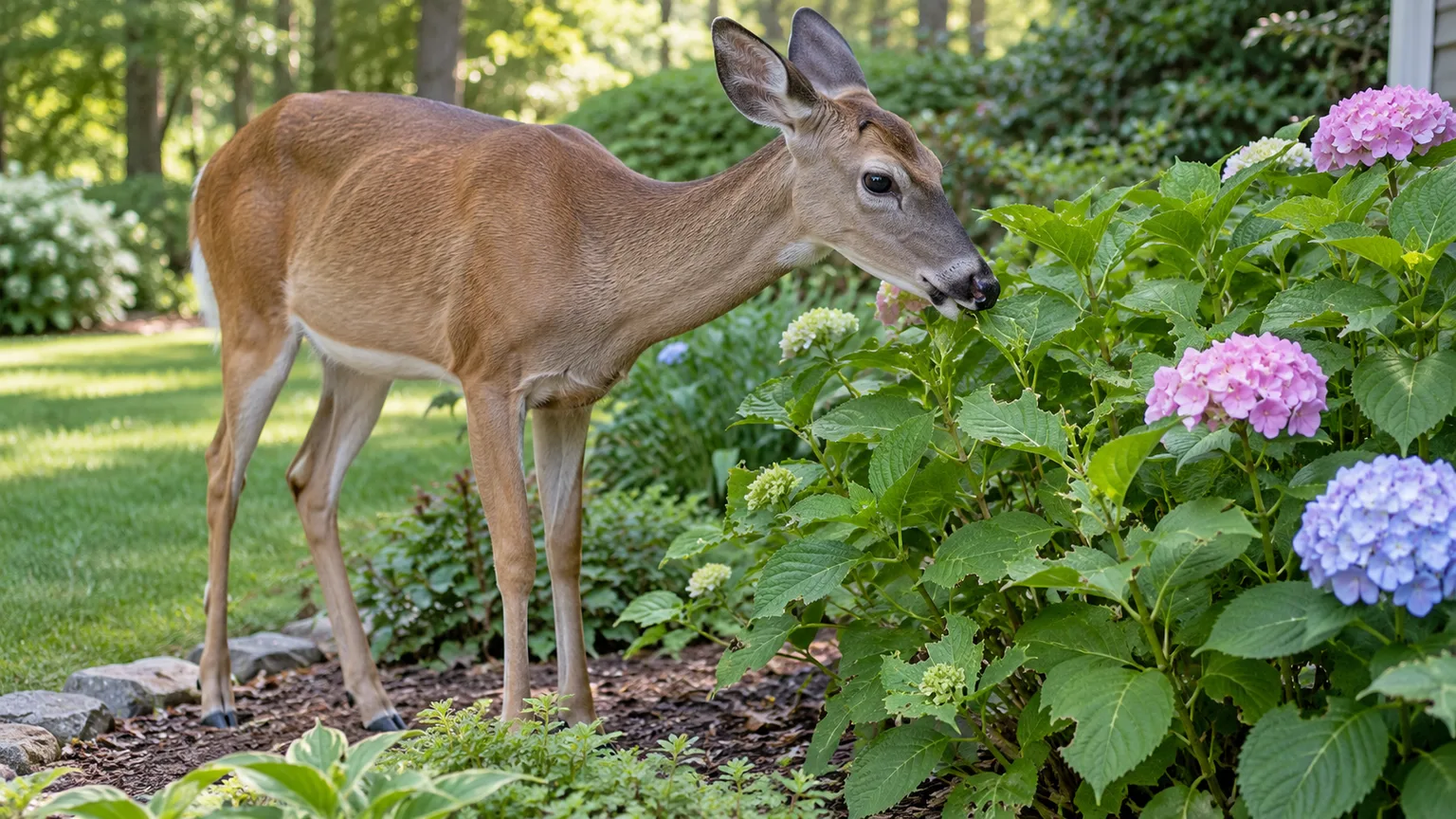
Deer feed selectively, but their preferences change with what else is available. A plant that gets ignored in a yard with abundant spring growth may be sampled during a dry spell, in winter, or when a local herd repeatedly travels through a garden. The Royal Horticultural Society notes that the plants deer damage can vary with proximity to the house, the food available, and the time of year; new plantings are especially worth protecting until they establish. (RHS deer-resistant plant guidance)
Petunias offer soft, reachable growth and showy flower buds, so individual deer may sample them even where other gardeners report little trouble. A Pennsylvania Extension response about wave petunias in pots describes buds missing overnight and says deer were a likely culprit because deer favor young, tender parts of garden plants. That is an expert response to a specific case, not a controlled test proving that all petunias attract deer. (Ask Extension’s petunia-bud response)
New Buds and Tender Shoots Can Be the First Targets
A plant can look fine in the evening and lose only its newest tips or unopened buds by morning. Deer do not have to eat an entire petunia to spoil its display: a few clipped stems can remove the next wave of flowers, and repeated visits can keep a container looking ragged even if green growth remains.
Look closely at what vanished. Missing flower heads with short, uneven stem ends point toward browsing; intact leaves with a few faded blossoms suggest ordinary flower drop or weather damage. The distinction matters because deadheading and watering can help with normal fading, but they will not keep an animal from returning for the next buds.
Deer Pressure, Weather, and Placement Change Risk
A petunia in a sheltered courtyard may face less pressure than the same cultivar along a wooded edge or a well-used deer trail. Iowa State Extension explains that deer damage depends on location, deer numbers, and other food sources, and recommends observing where deer travel before deciding what to plant or protect. New purchases and freshly planted annuals can also draw attention because their growth is unfamiliar and exposed. (Iowa State University Extension’s garden deer guidance; RHS deer-resistant plant guidance)
Water stress does not make petunias a reliable deer lure, and there is no reason to overwater them as a deterrent. Keep the plants healthy according to their normal care needs, then manage deer access separately. A plant that is already struggling from dry soil, heat, or root problems has less room to replace lost growth, so check its growing conditions while you install protection.
How to Tell If Deer Ate Your Petunias
Deer often feed after dark, so start by checking the shape and height of the damage rather than relying on a sighting. On petunias, deer may remove whole leaves, shoot tips, buds, or large sections of the plant, leaving ragged ends and missing growth. Fresh tracks or droppings nearby can support the diagnosis, but their absence does not rule deer out. (University of Minnesota Extension’s petunia damage guide)
Look for Ragged Browsing and Reach
A deer’s bite generally leaves an uneven, torn edge rather than a clean cut. Look across several stems and compare damaged portions with the plant’s normal shape: deer tend to remove reachable tips and foliage, while weather damage is more likely to brown or shred exposed petals without taking entire stems away. Deer can reach containers on low steps, railings, or patio tables, so a pot is not automatically safe just because it is above ground level.
Rule Out Rabbits, Slugs, and Budworms
University of Minnesota Extension’s petunia diagnostic guide makes a useful distinction: rabbits commonly leave cleaner, angled cuts; deer leave ragged missing growth; slugs make irregular holes and may leave shiny trails; caterpillars can chew leaves or bore into buds. Inspect the plant at dusk or early morning, including the undersides of leaves and the soil around the pot, before applying a repellent. A wrong diagnosis wastes time and may expose the flowers to a product they did not need. (University of Minnesota Extension’s petunia damage guide)
| Clue | More likely cause | What to check next |
|---|---|---|
| Several leaves, buds, or stem tips are missing with ragged ends | Deer | Look for fresh tracks or droppings and inspect nearby plants for similar browsing. |
| Stems are neatly clipped at a low height | Rabbit | Check near ground level for tracks and clean-cut stems. |
| Irregular holes remain in leaves, sometimes with shiny trails | Slugs or snails | Search leaves and pot rims after dark or early in the morning. |
| Leaves or buds are chewed while a caterpillar or frass is present | Cutworm or other caterpillar | Check inside folded leaves and around flower buds; identify the insect before treatment. |
Before changing treatments, photograph the whole plant and a close-up of the damaged edge. Note whether buds, leaves, or entire stems disappeared, how high the damage is, and whether nearby plants changed too. Recheck at dawn over the next few days. A repeated pattern plus tracks is stronger evidence than one missing bloom; if holes expand while stems remain, inspect for slugs or caterpillars.
Protect Petunias with the Right Barrier
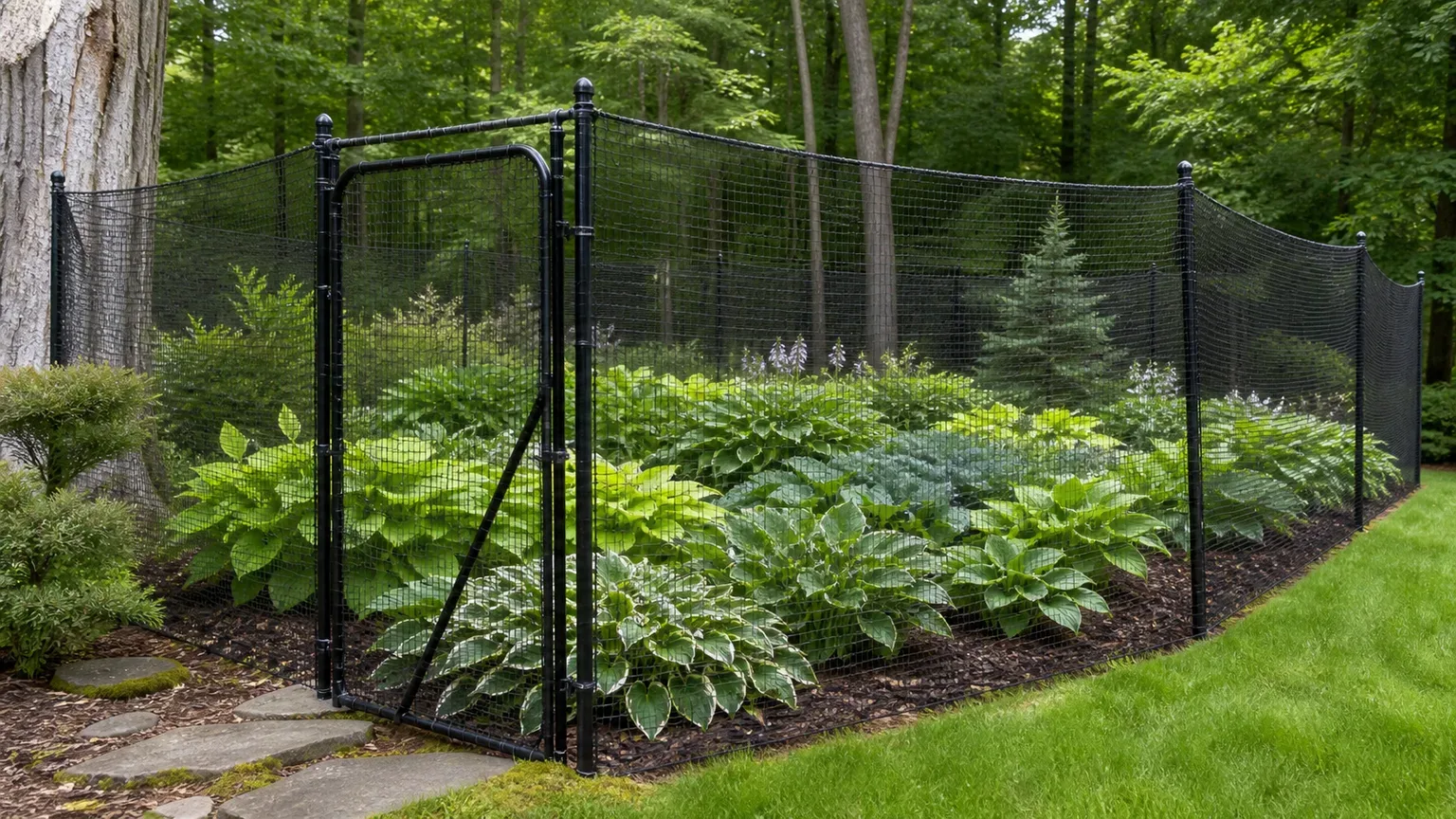
For one valued pot or a short row, a physical barrier is usually a simpler first move than trying several odor tricks. A barrier prevents a deer from taking a test bite and does not have to be reapplied after every rain. Choose a setup that fits the scale of the problem: a small enclosure for a single container, a temporary netted frame for a bed, or a perimeter fence when deer feed across a larger area.
| Situation | Barrier to try | Check before relying on it |
|---|---|---|
| One large pot | Rigid mesh cylinder secured around the container | Keep leaves inside the mesh and close the gap at the soil. |
| Several pots together | A supported frame around the group | Leave room to water and deadhead without leaving an opening. |
| A short bed | Taut netting on stakes or a frame | Secure loose edges and keep netting off soft stems. |
| Repeated browsing across the yard | A perimeter fence or protected planting zone | Match fence height and construction to local deer pressure. |
Make sure the enclosure is still in place after watering, pruning, and storms. A small barrier only helps when it closes the route deer are using.
Guard One Pot or Bed with an Individual Enclosure
For one large pot, set a rigid wire or mesh cylinder around the plant and secure it so the deer cannot push it aside. Leave enough room that petunia stems and flowers do not press through the openings; foliage that protrudes past the barrier can still be nipped. If you use netting, keep it taut and visible, fasten loose edges, and inspect it regularly so it does not sag over flowers or create a wildlife entanglement hazard.
A compact frame can protect several pots or one small bed. Anchor the corners, close any gap at ground level, and make the cover easy to open for watering, deadheading, and checking for pests. For a temporary cover over low petunias, a supported frame is usually easier to maintain than draping netting directly onto soft stems, where it can snag or flatten growth.
If damage happens mainly during establishment, keep the cover in place until the plants are growing strongly and the deer stop treating that spot as a regular food stop. Removing a barrier after one quiet night is an easy way to lose the next flush. When pressure is high, use the protection for the full season rather than relying on a short trial.
Hanging Baskets and Motion Sprinklers Are Backups, Not Guarantees
A hanging basket can reduce access if it is genuinely out of reach and cannot be pulled toward a railing, wall, or branch. A basket hung at porch height may still be within reach of a standing deer, and trailing petunias can hang low enough for browsing. Use the location as one layer of protection, not as proof the flowers are safe.
A motion-activated sprinkler can startle deer and may interrupt a familiar route, especially when moved occasionally. But deer can get used to predictable devices, and a sprinkler may not cover every approach to a bed. Iowa State Extension describes scare devices as temporary and recommends combining them with other tactics; UC IPM similarly says motion-activated sprinklers may help for a limited period. (Iowa State University Extension’s garden deer guidance; UC Statewide IPM Program’s deer guidance)
For a whole flower garden with repeated nightly browsing, the Iowa State University and Colorado State University Extension guidance points toward exclusion as the most dependable option. A standard deer fence is often about eight feet high, must reach the ground, and can be expensive or visually intrusive; a small, well-anchored enclosure around the petunias may be a more practical compromise. Shorter or temporary fences can still reduce access, but do not treat a low decorative border as a deer-proof wall. (Iowa State University Extension’s garden deer guidance; Colorado State University Extension’s deer guidance)
Do Deer Repellent Sprays Work on Petunias?
Repellent sprays can make a plant less attractive, but they do not physically prevent browsing. Iowa State Extension notes that deer may sample a treated plant, repellents need reapplication after rain or irrigation, and deer can become accustomed to taste or odor. Treat sprays as a support tactic for low or intermittent pressure, not as a guarantee for a plant that is being eaten every night. (Iowa State University Extension’s garden deer guidance)
Apply Labeled Repellents Before Browsing Starts
If you choose a commercial deer repellent, select one labeled for ornamental flowers and follow its directions for the plant, weather, and application interval. Apply before the next browse if possible, cover the growth the label tells you to treat, and reapply when required after rain, irrigation, heavy dew, or new growth. UC IPM advises testing a product on one plant if you are unsure whether it may injure the foliage, and checking that it is registered for the intended plant and season. (UC Statewide IPM Program’s deer guidance)
This matters on petunias because the part you want to protect is often the flower display. A product intended for foliage may discolor blooms, leave an odor, or require repeated use; read the label before spraying flowers that are open or likely to be touched. Do not use a product contrary to its label, mix formulations, or assume that “natural” means harmless to plants, people, pets, or pollinators.
Keep a short use log with the product, application date, rain or irrigation, and when browsing returns. It can show whether a label-compliant schedule is practical for your garden. If a treated plant is still stripped or the repeated applications become burdensome, stop escalating the spray routine and switch to a barrier.
Fine Gardening’s experienced grounds manager describes repellent results as variable and recommends starting before browsing and switching tactics rather than letting deer get accustomed to one taste. That practical advice matches the Extension guidance: use repellents as one layer and move to a barrier if petunias keep disappearing. (Fine Gardening’s deer-deterrent guidance; UC Statewide IPM Program’s deer guidance)
Why DIY Sprays and Scent Tricks Can Disappoint
Egg, garlic, pepper, soap, and hair recipes circulate widely, but a home mixture does not come with the same plant-use directions or consistency as a labeled product. A recipe that works briefly in one garden may wash off, smell unpleasant near a patio, irritate sensitive foliage, or simply fail when deer pressure is high. The main practical cost is often time: mixing, straining, cleaning a sprayer, and reapplying can take longer than covering one pot with mesh.
Do not spray concentrated pepper, dish soap, or another household product directly on petunias without reliable plant-safety guidance. Household recipes can vary in strength, and a “test patch” does not turn an unregistered or untested mixture into a proven deer control. If you prefer to avoid sprays, plant selection and physical exclusion are clearer options; if you use a spray, rely on the label and treat any DIY idea as uncertain rather than guaranteed.
Will Petunias Grow Back After Deer Eat Them?
They may, if the plant still has healthy stems, leaf nodes, and a living crown near the soil. Remove only crushed or completely severed material with clean pruners, then keep watering according to the potting mix’s needs; do not compensate for missing foliage by drenching the pot or giving a heavy dose of fertilizer. The goal is to let intact growth recover, not force weak, soft shoots that can be damaged again.
If deer removed only flower heads and stem tips, petunias may branch and produce new growth during a suitable growing season. Once new shoots appear, pinch or deadhead selectively if the plant is becoming leggy, but avoid cutting back every remaining green stem at once. A severely stripped plant has fewer leaves to support regrowth, and a frost-damaged or root-stressed plant may not have enough time to recover before the season ends.
Protect the plant before judging whether it can rebound. A petunia that regrows and is eaten again is not failing because you watered it incorrectly; it is still accessible to the same animal. If the crown is gone, stems are broken at the soil line, or repeated browsing leaves no healthy nodes, replace the plant or change the planting plan rather than pouring effort into an annual that cannot rebuild.
Flowers to Plant If Deer Keep Choosing Your Petunias
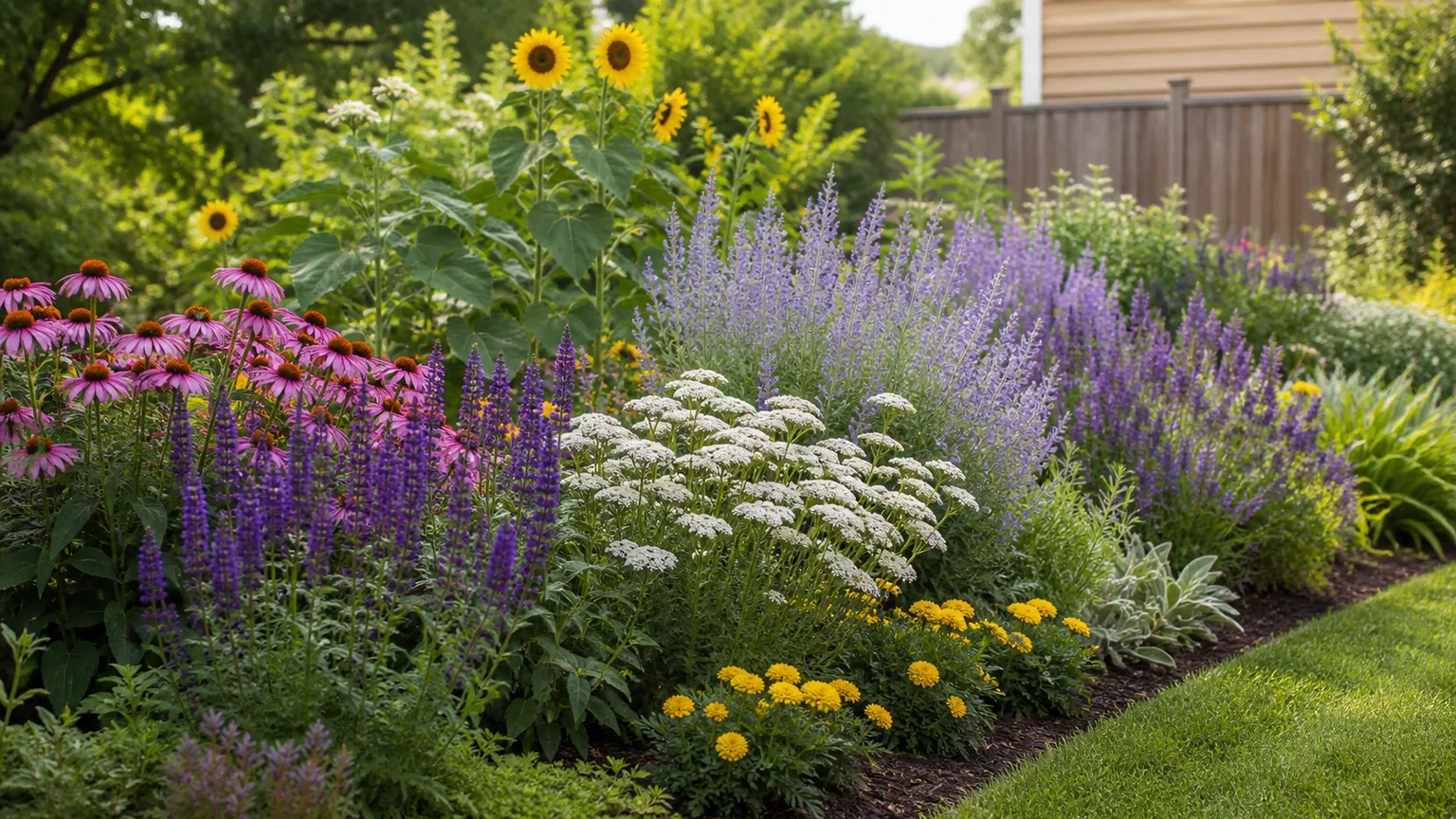
If a protected petunia still gets repeatedly browsed, consider switching part of the display to annuals that regional sources rate as less susceptible. Rutgers lists snapdragon, pot marigold (calendula), strawflower, sweet alyssum, and flowering tobacco among annuals “rarely damaged” in its northern New Jersey reference; it places salvia, French marigold, lantana, and verbena in “seldom severely damaged.” These are relative categories, not promises, and local deer may behave differently. (Rutgers NJAES deer-resistance list)
Trade Petunias for Locally Resistant Color, Not a Deer-Proof Promise
Choose the alternatives for your growing conditions as well as their deer ratings. Snapdragons and calendula can fit cooler-season displays; sweet alyssum can edge a container or bed; strawflower tolerates heat better than many bedding plants; and salvia offers upright color in a sunny border. Savvy Gardening’s annual-flower guide also discusses choices such as salvia, snapdragon, calendula, and sweet alyssum, while emphasizing that gardeners may still see occasional browsing. (Savvy Gardening’s deer-resistant annual guide)
Some lists include plants that are toxic if eaten by people or pets, so do not select a flower just because deer tend to avoid it. Check local climate requirements, water needs, mature size, and household safety before replacing petunias. The Royal Horticultural Society recommends observing what grows undamaged in nearby gardens and protecting new plantings; that local evidence is often more useful than an internet list compiled for a different deer population. (RHS deer-resistant plant guidance)
You also do not have to replace every petunia. Keep a few in a protected basket or framed bed where their color matters most, then fill exposed edges with plants that your local Extension service identifies as less susceptible. That mixed approach preserves the flowers you like without asking one resistance label to do the work of a fence.
Conclusion: Keep Petunias Only Where You Can Protect Them
Deer can eat petunias, though evidence and garden experience show that browsing varies by region and yard. Check for ragged, missing growth before blaming deer; protect a prized pot or bed with a barrier; and use labeled repellent sprays as a backup when browsing is light or intermittent.
If the deer return, change the access—not just the recipe. A small enclosure can save a few containers, while repeated damage across a larger garden calls for stronger exclusion or a shift toward locally less-susceptible flowers. Petunias can still earn a place in a deer-active yard, but put them where you can keep the next set of buds out of reach.



