How to Grow and Care for a Chocolate Soldier Plant
Keep a chocolate soldier plant compact and healthy with practical guidance on sunlight, watering, soil, pruning, propagation, and common problems.
Identify the plant before you change its care
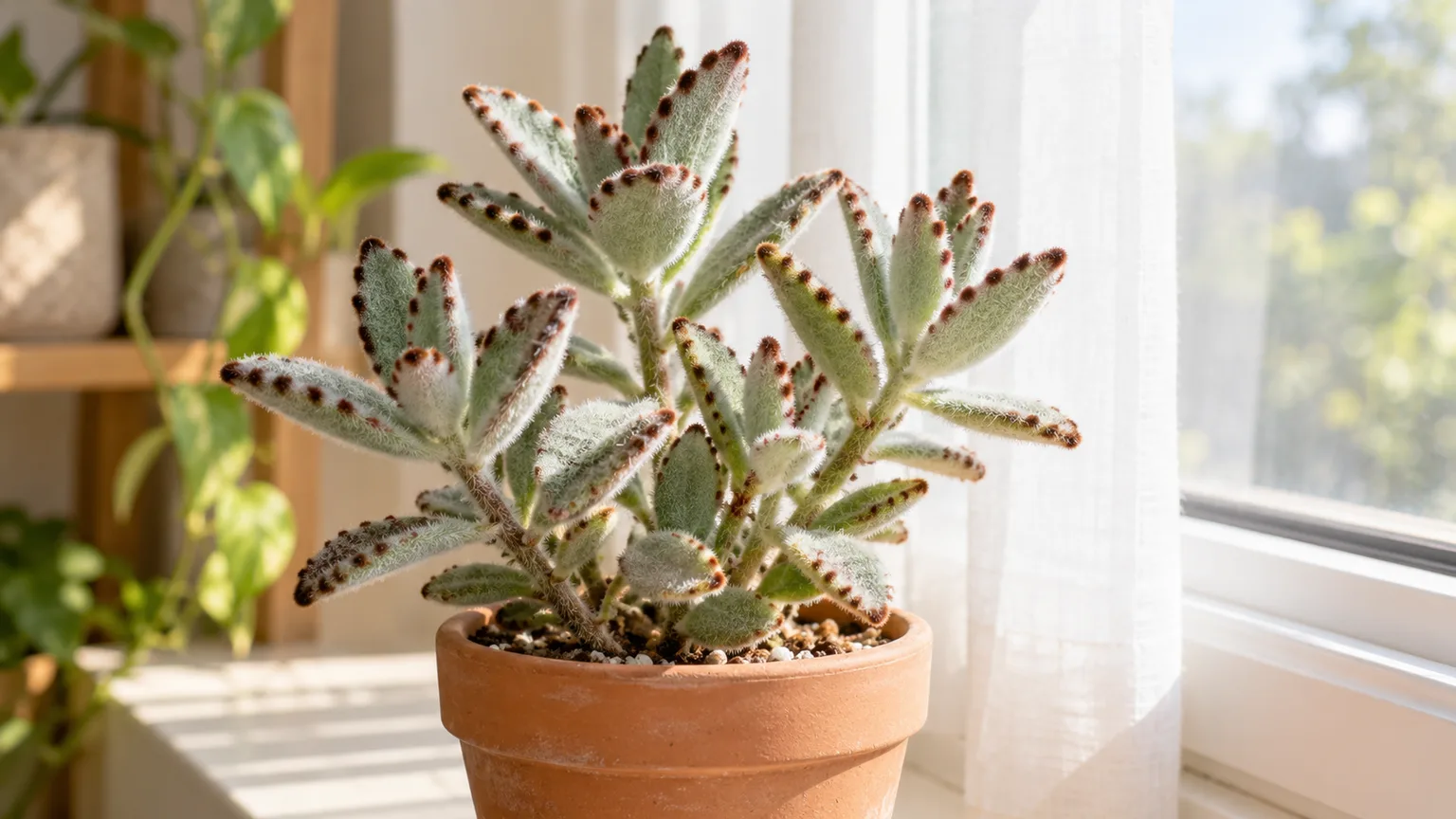
Chocolate soldier is a common name for Kalanchoe tomentosa, a slow-growing succulent from Madagascar. You may also see the same species sold as panda plant, panda bear plant, cocoon plant, plush plant, or pussy ears; “teddy bear cactus” is another nickname, but this plant is a kalanchoe, not a cactus. The safest way to confirm a plant is to check the botanical name on its nursery label rather than rely on a common name that sellers may use loosely. There is one labeling wrinkle: NC State Extension lists ‘Chocolate Soldier’ as a cultivar of K. tomentosa, with narrower, longer leaves and reddish-brown edges, while shops also use chocolate soldier as a common name for the fuzzy species generally. If a tag names only K. tomentosa, the care below still applies; a cultivar label may signal small differences in leaf shape or growth habit rather than a different care category.
The species is recognizable by upright stems and fleshy, elongated oval leaves covered in fine gray-white hairs. Brown markings usually gather along the leaf tips and margins, so a chocolate-colored edge is normal rather than a sign of damage. North Carolina State Extension describes it as an erect, slow-growing succulent that can reach roughly 1 to 3 feet tall and 2 to 3 feet wide in suitable conditions, though a small indoor plant may remain compact for years.
The fuzzy surface is more than a visual detail. It can hold droplets and debris, making frequent misting or wet foliage a poor fit; it also means you should handle the leaves gently because rubbing can disturb the soft coating. Give the plant a bright, airy spot, let its potting mix dry between thorough waterings, and resist treating it like a tropical foliage plant that wants constant moisture.
Chocolate soldier care at a glance
| Need | Practical target |
|---|---|
| Light | Bright light for much of the day; protect from sudden, hot midday sun |
| Water | Wet the mix thoroughly, empty the saucer, and wait for the root zone to dry |
| Soil | Fast-draining cactus or succulent mix amended with mineral grit if it stays wet |
| Pot | Drainage hole; choose a container only modestly larger than the root ball |
| Temperature | Ordinary warm indoor conditions; protect from cold and frost |
| Humidity | Typical household air with reasonable ventilation; no misting needed |
| Growth | Slow and upright; indoor flowering is uncommon |
| Safety | Keep away from cats and dogs that chew plants; kalanchoe is toxic to both |
Use this table as a starting point, not a watering schedule. A small terracotta pot in a sunny room can dry much faster than a large ceramic pot in a cool, dim room, so let the plant and its growing conditions decide when the next drink is due.
Give it bright light without burning the leaves
Light is the main factor that keeps a chocolate soldier compact. NC State Extension recommends at least six hours of bright, indirect light daily; a bright east-facing window, or a few feet back from a strong south- or west-facing window, is a sensible indoor starting point. The North Carolina Extension plant profile also notes that very hot sun can burn the leaves, so “more direct sun” is not automatically better.
Judge the location by the plant’s response. A stem that leans toward the window, has long bare gaps between leaves, or grows thinner and taller than before is usually asking for stronger light. Move it gradually into a brighter position over a week or two rather than shifting it from a dim shelf into hours of intense afternoon sun in one day; sudden exposure can leave pale, dry patches on the most exposed leaves.
A sheer curtain can soften a hot window while still allowing strong daylight, and rotating the pot a quarter turn every week or two helps keep the plant from leaning in one direction. In winter, shorter days may slow growth and increase the time the soil stays wet, so do not compensate for weaker light by watering more. If you use a grow light, keep it close enough to provide useful brightness but follow the fixture’s distance guidance and watch the leaves for heat stress.
Outdoor summer placement can work in warm regions, but acclimate the plant outdoors in shade first, then increase morning sun gradually. Bring it back under cover before cold weather; NC State Extension places it in USDA hardiness zones 9 through 11, while the RHS classifies it as suitable for summer outdoor growing but not frozen conditions. In a climate with hot afternoons, a sheltered patio with morning light is usually safer than an exposed south-facing wall.
Water only after the root zone dries
Watering too often is the quickest way to turn an easy succulent into a recovery project. The RHS recommends moderate watering through the year and less in winter, while NC State Extension advises letting the soil dry between waterings. Translate that into a repeatable check: push a wooden skewer several inches into the mix or feel the soil near the bottom of the pot, and water only when it comes out dry and the container feels noticeably lighter.
When it is time, pour slowly over the soil until water runs from the drainage hole. Let the pot drain fully, then empty any saucer or decorative cachepot so the roots do not sit in runoff. A small sip that only wets the top layer encourages roots to stay near the surface and makes it harder to know whether the deeper mix is ready for another watering.
The interval can change from week to week. Warmth, sun, airflow, pot material, root mass, and the mineral content of the soil all affect dry-down; winter growth is slower and evaporation is lower, so the same plant may need water much less often. Do not use a fixed “every two weeks” rule as a substitute for checking the mix, and do not wait for the leaves to shrivel before you water—those leaves store water, so visible wrinkles can mean the plant has been dry for a while.
Avoid pouring water over the foliage or misting it to raise humidity. Wet fuzzy leaves dry slowly in still air, and water spots can remain visible even when the plant is otherwise healthy. If water lands on the leaves, gently tilt the plant so droplets run off; do not rub them with a cloth because the hairs and brown margins can be damaged.
Choose a gritty mix and a drainable pot
Start with a labeled cactus or succulent mix, then improve it if it stays damp for too long in your home. NC State Extension recommends well-drained cactus or succulent soil, and the RHS growing profile describes a loam-based, peat-free compost with added sharp sand or grit. A practical indoor blend may combine succulent mix with pumice, perlite, or fine horticultural grit; the goal is a mix that wets through but does not remain waterlogged. Gardening Know How’s chocolate-soldier guide likewise recommends a gritty succulent mix and gradual acclimation before outdoor sun.
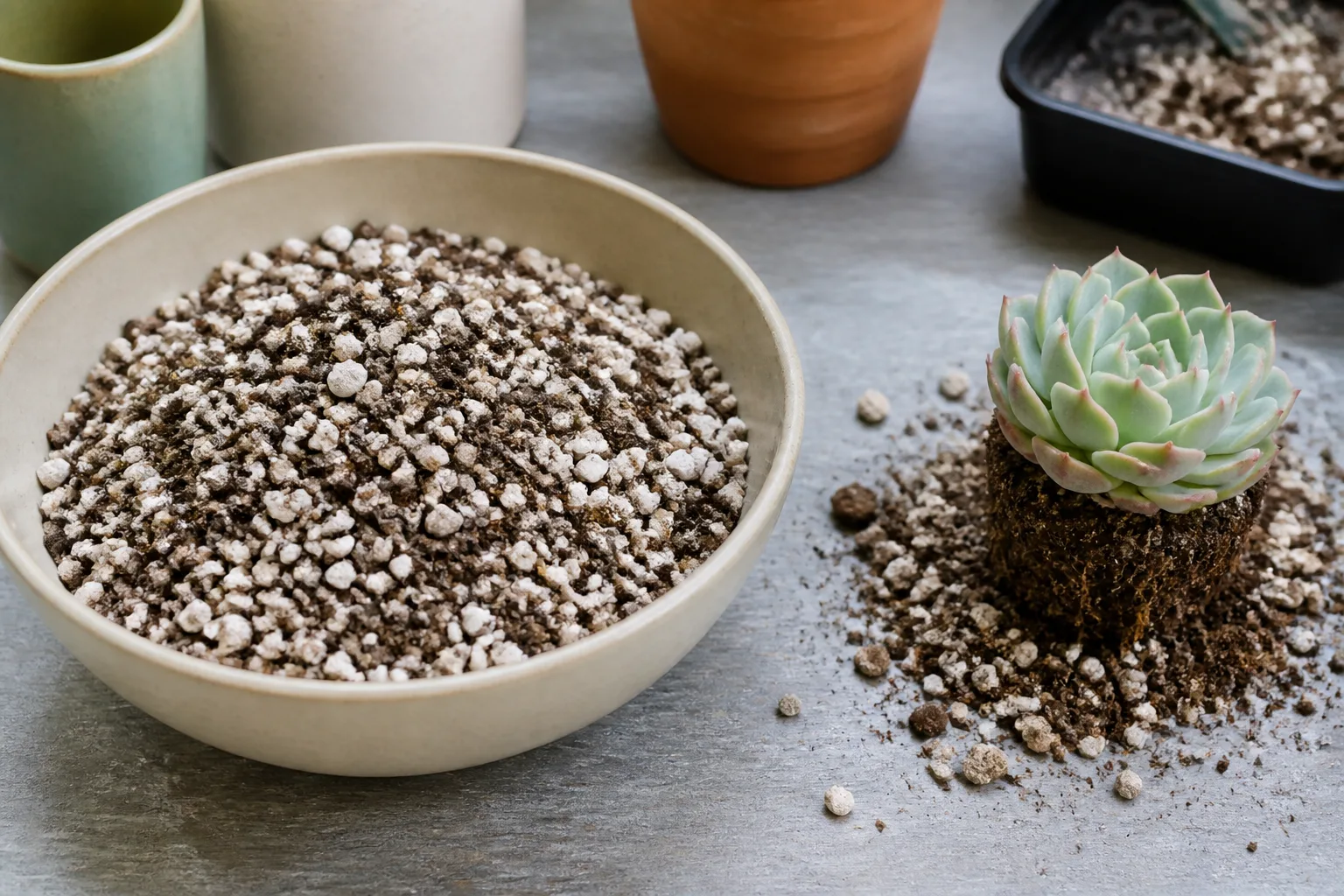
The right mix depends on the container and room as well as the plant. If the pot is indoors in a cool room, increase the mineral portion rather than selecting an oversized container that holds extra moisture; in a very hot, dry home, a slightly more moisture-retentive succulent mix may reduce how quickly the root ball dries. Avoid heavy garden soil and dense, peat-rich blends that form a wet plug, especially in a pot with a narrow base.
Choose a pot with an open drainage hole and only enough extra width to accommodate the roots. Terracotta can help the mix dry more evenly because its walls are porous, but a glazed pot is fine if the soil is gritty and you check moisture before watering. Pebbles at the bottom do not fix a pot without drainage; water still needs an unobstructed exit, and the root zone needs air between waterings.
Keep temperatures warm and humidity ordinary
Chocolate soldier is happiest in warm, stable indoor conditions rather than in a humid bathroom or next to a heating vent. NC State Extension gives a preferred range of about 60 to 75°F and describes the plant as intolerant of extreme heat and cold. Average household humidity is usually sufficient; good air movement around the pot matters more than adding a humidifier.
Keep it away from cold window glass, exterior doors that open frequently, air-conditioning blasts, and radiators that create hot, dry pockets. If the plant spends summer outdoors, watch for a prolonged heat wave: move it into bright shade if the leaves begin to scorch or the potting mix becomes extremely hot. Do not leave it outdoors where frost can reach it, even if daytime temperatures still feel mild.
A fuzzy leaf surface can make owners think the plant needs misting, but its succulent leaves store water and its natural habitat is not a steamy room. Skip pebble trays and regular misting as routine care; they do not replace suitable light and drying cycles. If you see water sitting on the foliage after a shower or accidental splash, improve airflow and allow the leaves to dry before the plant is moved back into a dim corner.
Fertilize lightly, if at all
A chocolate soldier plant can grow for a long time without frequent feeding, especially when it is already in a fresh, free-draining mix. The RHS recommends a balanced liquid fertilizer two or three times during the growing season; in a home, use the product label’s succulent-plant directions and feed only while the plant is actively growing in spring or summer. If the label offers a concentration range, begin at the lighter end rather than applying a strong dose to a small pot.
Do not fertilize a plant that is waterlogged, newly repotted, sunburned, or losing leaves. Fertilizer cannot repair rotted roots or make a low-light plant grow compactly, and added salts can build up in a small container. If a healthy plant is making steady new leaves, feeding is optional; if growth has stopped, first check light, season, root health, and how quickly the soil dries.
Prune for shape and handle flowers realistically
Routine pruning is not required, but a clean cut can control a top-heavy stem or provide a cutting for propagation. Use a sharp, clean blade and remove only the amount needed to restore a stable shape; cutting the plant back severely at once can leave a small root system supporting too little foliage. If you remove a healthy tip, let the cut end dry before planting it as a stem cutting.
Small tubular flowers can appear on mature plants, often on a taller stalk, but indoor blooming is uncommon. The RHS lists summer flowering, and NC State Extension notes that indoor plants rarely bloom; lack of flowers is therefore not evidence that your care has failed. If a stalk does form, support the plant if it begins to lean, then snip off the spent stalk after flowering rather than cutting healthy leafy stems.
Repot when roots or soil give you a reason
Because chocolate soldier grows slowly, repotting every year is usually unnecessary. Check the root ball in spring if roots are circling densely, the plant has become unstable, water runs straight through a packed root mass, or the mix stays wet far longer than it used to. A root appearing at one drainage hole by itself is not an emergency; look for several signs before disturbing a healthy plant.
Choose a pot only one size larger, with a drainage hole, and refresh the old mix with a dry, gritty succulent blend. Tease away loose, exhausted soil without stripping every root, and trim only roots that are clearly black, soft, or decaying with sterilized snips. If the roots are healthy, keep the original root-ball shape and avoid a large jump in pot size, which can leave excess soil wet around the roots.
After repotting, place the plant in bright indirect light and give damaged roots time to settle before watering. A dry mix and a short pause—often a few days, depending on how much the roots were disturbed—reduce the chance that fresh cuts remain wet. Resume normal watering only when the plant is stable and the new mix has dried through; do not water simply because repotting day is on the calendar.
Propagate chocolate soldier with patience
Kalanchoe tomentosa can be propagated from leaves or stem cuttings, but fuzzy-leaf succulents are less predictable than some easy-rooting echeverias. NC State Extension lists leaf and stem cuttings as propagation options and cautions that fuzzy-leafed plants can be difficult to propagate. Work in spring or early summer when the parent plant is actively growing, and treat each attempt as a chance to make one clean, healthy start rather than stripping many leaves at once. Epic Gardening’s panda-plant guide also uses soil-based leaf and stem cuttings, a sensible approach for a succulent whose exposed cuts can rot in persistently wet conditions.
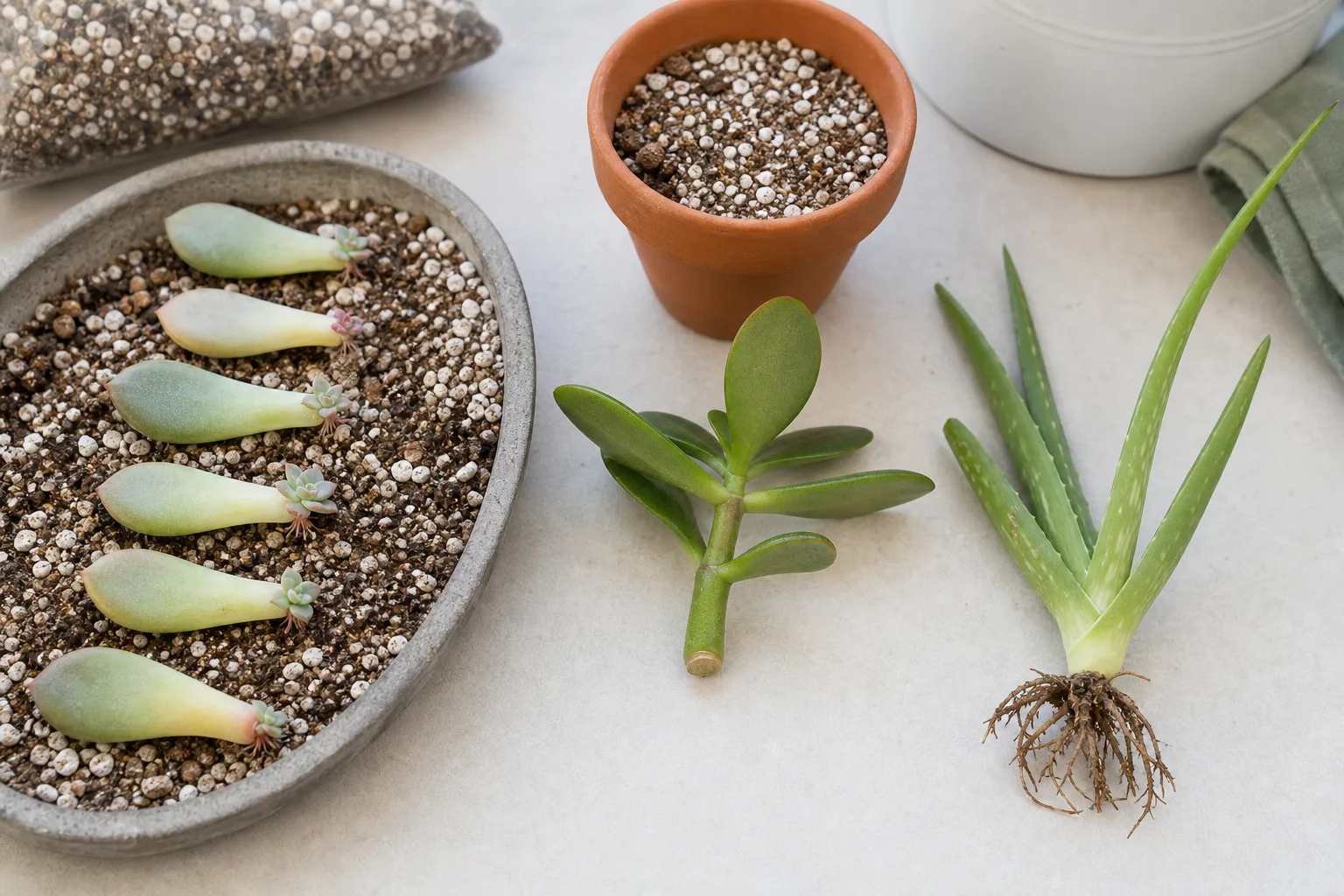
Use a clean blade, a dry porous mix, and bright indirect light. The key is to let cut surfaces heal before they stay moist; a callus reduces the chance that an exposed end will rot. Keep new cuttings warm and out of harsh sun, and do not keep tugging at them to check for roots because that can break the delicate growth you are waiting for.
Leaf cuttings: preserve the whole leaf base
Choose a firm, mature leaf with no pest damage. Gently twist it from the stem so the entire base comes away; if a piece of the leaf base remains attached to the parent, that cutting may not form a new plant. Let the detached leaf sit in a dry, shaded spot until the broken end has callused, then place it flat on top of a barely moist succulent mix with the cut end touching the surface.
Keep the mix only slightly moist while roots or a tiny rosette develop, not saturated. A clear plastic cover is usually unnecessary and can trap humidity around the fuzzy leaf; instead use a shallow tray with good airflow and check the mix before adding a small amount of water. New roots may take several weeks, and a visible plantlet can take longer; leave the original leaf in place until it shrivels or separates naturally because it continues to supply stored energy.
Not every leaf will produce a plant. A leaf that tears midway, was already dehydrated, or sits in wet soil may simply dry out or rot, so start several cuttings if you want a better chance of success. Keep the parent plant in its normal care routine and avoid removing a large share of its foliage to make propagation trays.
Stem cuttings: use healthy tips to reset a leggy plant
A stem cutting is often the more practical choice if the parent has stretched toward a window or has a healthy branching tip. Cut a firm, leafy section just below a node, remove the lowest leaves that would otherwise sit under the soil, and let the cut end dry for a day or two. Place the callused base shallowly in a small pot of dry, gritty mix so the cutting can stand upright without being buried deeply.
Wait several days before adding a small amount of water, then let the mix dry again before watering. A cutting uses less moisture than an established plant because it has few roots, so a constantly damp pot can rot the stem before roots form. After a few weeks, a gentle resistance to a very light tug or the appearance of new growth suggests rooting; do not pull repeatedly to test it.
The cut stem left on the parent may branch below the cut, though the plant’s response varies. Put the cutting in the same bright, indirect light as the parent, not a dark propagation box, and shield it from direct afternoon sun until it is established. If the cutting turns soft at the base, remove any remaining firm tip, let it callus again, and restart in fresh, dry mix.
Diagnose changes in leaves and stems
One dropped leaf is not always a crisis, especially on an older lower section of a slow-growing plant. A pattern matters more: several leaves dropping after watering, a pot that stays heavy, persistent wrinkles, a stretched stem, or cottony insects calls for a closer look. Start by checking the soil and stem base, then compare the plant’s recent light and temperature changes before you change multiple parts of the routine.
Soft leaves, yellowing, or a dark stem base
Soft, yellow, translucent, or mushy leaves usually point to excess moisture or root stress, particularly if the potting mix is still wet. Slide the plant from its pot and inspect the roots if the stem base is dark, the soil smells sour, or the plant continues to deteriorate; healthy roots should be firm, while rotted roots are soft and may pull apart. Trim obvious rot with clean tools, discard saturated old mix, and repot what remains in a dry container and fresh, airy soil.
Do not try to solve rot by withholding water for a few days while leaving the plant in a waterlogged mix. The soil and damaged roots need to dry and breathe, and a severe stem-base rot may have already moved too far to save the original plant. If you still have firm, unmarked upper stems, take a clean cutting and root it separately as a backup.
Wrinkles, dry leaf loss, and sun scorch
Wrinkling can mean the plant has been dry too long, but it can also appear when damaged roots cannot absorb water from wet soil. Check the mix before watering: if it is dry all the way through and the pot is light, water thoroughly and allow it to drain; if the mix is damp, inspect the roots and drainage instead of adding more. A healthy leaf should gradually regain firmness after a proper watering, but a badly damaged leaf may not return to its original shape.
Brown, crisp patches on the side facing a sunny window suggest scorch if they appeared after a sudden move into direct sun. Chocolate-colored tips and margins are part of the plant’s normal look, so compare the affected patch with the plant’s usual pattern before cutting anything off. Filter the strongest afternoon sun and acclimate the plant slowly if you want more direct morning light.
Dry lower leaves can be an ordinary part of stem growth, especially when only one or two old leaves yellow and detach over time. If several fall in quick succession, check for cold drafts, rapid changes in light, a saturated mix, or a long drought. Remove only fully dry leaves; do not peel healthy leaves from the stem because wounds create more places for pests and rot to start.
Stretching, stalled growth, or visible pests
A stretched plant usually needs more light, not more fertilizer. Move it closer to a bright window in stages, rotate it to reduce leaning, and consider taking a healthy top cutting if the stem has become too tall to support itself. The existing bare lower section may remain bare, so improving light protects new growth but will not make old leaf scars fill back in.
Inspect where leaves meet the stem and along the undersides for mealybugs or spider mites; NC State Extension lists both as pests to monitor, and the RHS also mentions mealybugs and aphids. Mealybugs can look like small cottony flecks, while mites may be easier to notice from fine webbing or stippled foliage than from the insects themselves. Isolate the plant, remove pests you can see with a damp cotton swab, and repeat inspections over the next couple of weeks; if you use a treatment, choose one labeled for indoor plants and test a small area first because fuzzy leaves can be sensitive.
Slow growth alone is normal for this species and may be especially noticeable in winter. If the plant remains firm, has good light, and the potting mix dries predictably, do not force faster growth with constant fertilizer or water. Look for stable new leaves during the active season rather than expecting weekly changes from a slow-growing succulent.
Place it carefully around pets
North Carolina State Extension identifies bufadienolides as the toxic principle in Kalanchoe tomentosa, and the ASPCA lists Kalanchoe as toxic to cats and dogs, with vomiting, diarrhea, and rare abnormal heart rhythm among possible signs. Keep chocolate soldier where pets cannot chew the leaves or knock the pot down, and choose a different plant if you cannot create a reliably inaccessible place. The ASPCA Kalanchoe listing covers the genus, so treat this plant as unsafe for cats and dogs rather than assuming the fuzzy-leaved species is an exception; NC State Extension’s plant profile also flags it as poisonous if ingested.
If an animal may have eaten any part of it, remove access to the plant and contact a veterinarian or animal poison-control service promptly; do not wait for symptoms or try a home remedy. The ASPCA Animal Poison Control number listed for the United States is 888-426-4435. Keep the plant label or a clear photo available so a veterinary professional can confirm the identification and advise on the next step.
Conclusion
Chocolate soldier care comes down to bright light, a fast-draining root zone, and patience between waterings. Give the plant strong but manageable light, water thoroughly only after the mix has dried, and keep its fuzzy leaves out of standing water and routine misting.
When something looks wrong, check the soil and stem base before changing fertilizer or reaching for a treatment. Preserve the plant’s healthy leaf margins, propagate only from firm tissue, and keep it away from pets that may chew it. With those choices in place, Kalanchoe tomentosa can remain a compact, low-fuss feature in a bright indoor spot for many years.



