Free Soil pH Checker for Houseplants
Find the ideal soil pH for your plant and suggested amendments.
Soil pH Checker
Check soil pH
Enter your plant type and current soil details to find the target pH and amendments.
Free Soil pH Checker for Houseplants
Find the ideal soil pH for your plant and suggested amendments.
Enter your plant type and current soil details to find the target pH and amendments.
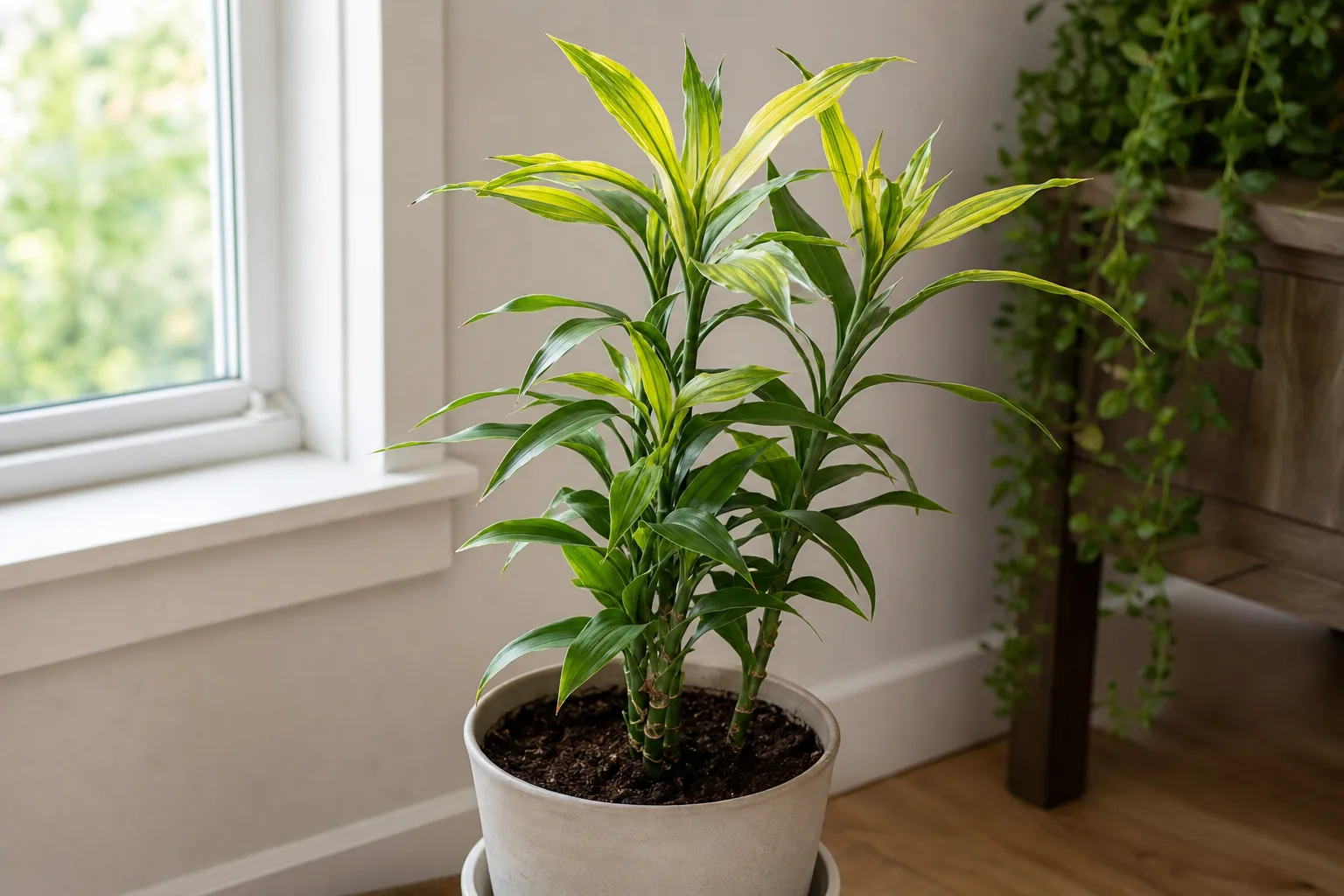
Soil pH is one of those quiet plant-care numbers that only becomes interesting when something looks wrong. A pothos may keep growing in an ordinary potting mix for years, while a gardenia, fern, African violet, or edible herb can show yellowing, weak growth, or poor flowering when the root zone drifts outside the useful range. The Soil pH Checker gives you a practical reading of that situation: choose the plant group, choose the closest current pH band, and use the result to decide whether to test, repot, leave the plant alone, or adjust the mix gradually.
The tool is intentionally conservative. It does not pretend that a two-input checker can replace a lab test, a saturated media extract, or a plant-specific care guide. It translates the common pH ranges used for indoor plant groups into a simple next step, then reminds you that pH is only one part of root health. Watering, drainage, fertilizer salts, potting mix age, and tap-water alkalinity often matter just as much as the number on a strip or meter.
The checker compares two pieces of information: your plant category and your estimated or measured current pH. The categories are broad by design: tropical foliage, succulents and cacti, ferns and calatheas, herbs and edibles, flowering houseplants, and orchids. Each category maps to a target range used by the calculator logic, such as 6.0-6.8 for tropical foliage, 5.5-6.5 for ferns, calatheas, flowering plants, and orchids, and 6.0-7.0 for many herbs, edibles, succulents, and cacti.
That comparison produces a plain-language answer. If your input falls close enough to the category range, the tool tells you not to amend unless symptoms point to nutrient lockout. If the pH is unknown, it tells you to test before changing the mix. If the pH is very acidic, it points toward a small amount of agricultural lime or a less peat-heavy mix. If the pH is alkaline, it points toward peat, pine bark, or sulfur-based amendments, while still favoring repotting over aggressive chemical correction for most indoor pots.
It does not calculate pounds of lime or sulfur. For measured amendment rates, use the related /tools/soil-ph-adjuster-calculator/, especially for outdoor beds, raised beds, or larger volumes of soil. It also does not diagnose every yellow leaf. Yellowing can come from water stress, low light, root rot, age, pests, fertilizer burn, cold damage, or nutrient issues, so use the pH result alongside symptom pages like /symptoms/yellow-leaves/ and plant-specific soil guides under /plants/.
The checker also does not know your water chemistry. Hard tap water can gradually push container media more alkaline, while acidic fertilizer, old peat, and organic matter breakdown can push the root zone lower over time. If you are managing a valuable plant collection, a flowering crop, or edible containers, the best answer may be a soil or media test rather than repeated guessing.
Soil pH measures acidity or alkalinity on a 0-14 scale, with 7 considered neutral; values below 7 are acidic and values above 7 are basic or alkaline soil test pH. Plants do not care about pH as an abstract number. They care because pH changes nutrient availability, microbial activity, root function, and the form in which some elements exist around the roots.
Penn State Extension summarizes the practical point simply: many plants perform well around the slightly acidic range where nutrients remain available, and pH outside the preferred range can make fertilizing less effective soil pH. That is why pH problems often look like fertilizer problems. The nutrients may be present in the potting mix, but the plant cannot use them efficiently.
For indoor plants, the stakes are usually modest but real. A trailing philodendron in fresh mix may tolerate a wide range without drama. A pH-sensitive flowering plant may stop blooming. A fern may show pale growth in alkaline conditions. A pot of herbs may stall even though you are watering and feeding correctly. The checker helps you decide whether pH deserves attention or whether another stressor is more likely.
The calculator groups most tropical foliage plants into a slightly acidic range of 6.0-6.8. That range suits many aroids and common foliage plants because it keeps the recommendation broad enough for mixed indoor collections without encouraging unnecessary amendments. For succulents, cacti, herbs, and edibles, the tool uses 6.0-7.0, which is closer to neutral and avoids pushing dry-loving or crop-style plants into an overly acidic mix.
Ferns, calatheas, flowering houseplants, and orchids are treated as more acid-leaning groups, with a 5.5-6.5 target. That does not mean every orchid, fern, or flowering plant wants the same medium. It means that, for a simple checker, acidic to mildly acidic conditions are a safer default than high-alkaline potting media. Virginia Cooperative Extension, for example, lists African violet media as performing best around pH 6.0 to 6.5 African violet media.
These ranges are not magic thresholds. A pH of 6.9 is not automatically a crisis for a tropical foliage plant. A pH of 5.4 is not automatically fatal for a fern. The more useful question is whether the plant category, symptoms, water quality, fertilizer routine, and potting mix age all point in the same direction.
If your current pH input is a guess, choose “Not sure / not tested” and treat the result as a testing prompt. Cheap probe meters can be convenient, but they are only useful when the probe is clean, the mix is moist enough for contact, and you understand that one spot in the pot may not represent the whole root ball. Test strips and liquid kits can be better for repeatable comparisons if you use distilled water and the same soil-to-water method each time.
Container media is different from garden soil. Greenhouse and container testing often uses methods such as saturated media extract, pour-through, or fixed media-to-water ratios because soilless mixes behave differently from mineral soil. UConn’s soil testing guidance explains saturated media extract interpretation and gives the broad container-media target: soilless media often performs best around pH 5.5-6.0, while mixes containing substantial field soil often sit closer to 6.2-6.5 soilless media.
For a home check, take a small sample from the active root zone, not just the crusty top layer. If the plant is in a deep pot, sample from more than one point. Avoid fertilizer pellets, decorative stones, and fresh amendments in the sample. Let recent fertilizer or pH-adjusting products settle before testing, because a reading taken immediately after treatment can exaggerate the effect.
“Very acidic” means below 5.5 in the checker. That is low enough that many indoor plants may have trouble with nutrient balance, especially if the mix is also old, soggy, compacted, or heavily peat-based. The tool’s suggestion to raise pH gradually is deliberately mild: a small amount of agricultural lime or fresh, less acidic mix is usually safer than a strong correction.
“Slightly acidic” means 5.5-6.0. This is acceptable for many ferns, calatheas, orchids, flowering plants, and some tropical foliage plants. It may be too low for some herbs, edibles, succulents, or cacti if they are also struggling. “Ideal range” means 6.0-6.8, a useful middle ground for many indoor plants. “Alkaline” means above 6.8 in the checker, which is not automatically bad but can matter for acid-loving plants and plants showing interveinal chlorosis.
“Unknown” is often the most honest option. If the plant looks healthy, unknown pH is not a problem to solve. If the plant is declining, unknown pH tells you to gather better evidence before adding lime, sulfur, vinegar, coffee grounds, or more fertilizer.
Say you have a monstera, pothos, or philodendron in the tropical foliage category. You test the mix and get a reading around 7.2, so you choose “Alkaline.” The checker compares that to a 6.0-6.8 target and suggests lowering the pH with a more acidic component such as peat, pine bark, or a sulfur-based amendment.
The next step should not be a dramatic chemical adjustment. First, check the symptoms. If the plant is growing well, producing normal leaves, and only has one older yellow leaf, pH may not need action. If new leaves are pale between green veins, growth has slowed, and your tap water leaves white crust on the pot rim, the alkaline reading becomes more meaningful. Utah State University Extension explains that iron becomes less available in high-pH soils and that sensitive plants can become chlorotic under those conditions iron deficiency chlorosis.
For a houseplant, the practical fix is usually to repot into fresh, appropriate mix, flush accumulated salts, and consider filtered, rain, or distilled water if your tap water is very alkaline. Use /tools/soil-mix-calculator/ if the problem is really texture and drainage rather than pH alone.
Now take a flowering houseplant, such as an African violet. The checker’s flowering category uses 5.5-6.5 as the target. If your measured reading is 6.3 and the plant is not blooming, the tool will treat the pH as close enough. That result is useful because it prevents you from chasing pH when light, temperature, pot size, fertilizer strength, or watering consistency may be the better explanation.
If the same plant tests at 7.4 and the newest leaves are pale, pH deserves more attention. African violets are a good example because the published target from Virginia Cooperative Extension is narrow enough to make a vague “neutral is fine” answer less helpful. A pH around 6.0-6.5 is a better reference point for that crop than a generic houseplant rule.
The safest correction is usually fresh African violet mix, careful watering, and a review of water quality. If the plant is in an old self-watering pot with mineral crust, pH and soluble salts may be tangled together. Repotting solves more variables at once than trying to acidify tired media in place.
For herbs and edible container plants, the checker uses 6.0-7.0 as a broad target. That is close to the range many vegetable recommendations use. UF/IFAS, for instance, describes current vegetable guidance around pH 6.0-6.5 and warns that overliming can create high-pH conditions that tie up micronutrients and phosphorus vegetable production.
Imagine basil in a balcony pot testing at 5.2. The checker sees that as very acidic for the herbs and edibles category and recommends raising pH gradually. In a small container, the cleaner approach may be repotting into fresh potting mix rather than trying to calculate a tiny lime dose. If the basil is part of a larger raised bed, then a lab soil test and the /tools/soil-ph-adjuster-calculator/ become more appropriate.
For edible plants, avoid improvising with strong household acids or bases. The goal is not to force a number overnight. It is to create a root zone where nutrients, moisture, and aeration are balanced enough for steady growth.
One of the most useful outcomes from the checker is a recommendation not to amend. Indoor plant owners often reach for pH changes after seeing yellowing, but pH is not the most common cause of every problem. A plant in the correct pH band can still decline from wet roots, low light, cold drafts, overfertilizing, spider mites, or old compacted mix.
If the checker says your pH is close enough, spend your energy on observation. Is the pot drying at a reasonable pace? Does water run freely through the drainage holes? Are the newest leaves normal? Is the plant getting the light its species needs? Has fertilizer built up as a white crust? Those questions often reveal more than a second pH adjustment.
This is especially important with plants that tolerate a range. Many common foliage plants do not need exact pH tuning in normal indoor care. They need a stable, airy mix, appropriate watering, adequate light, and enough nutrients during active growth.
Adjust pH in place when the plant is too large to repot easily, the pH problem is confirmed, the potting mix structure is still good, and the correction needed is small. This might apply to a large indoor citrus, a mature floor plant, or a container herb planting where the root system is otherwise healthy. Even then, move slowly and retest.
Repot when the mix is old, compacted, sour-smelling, hydrophobic, salty, fungus-gnat-ridden, or poorly matched to the plant. Repotting into a better medium changes pH, drainage, air space, and salt load at the same time. That is why the calculator hint says fresh appropriate mix often fixes pH drift without chemical amendments.
Use chemical amendments with restraint in pots. A small container has little buffering capacity compared with a garden bed, so an amendment rate that sounds minor outdoors can be excessive indoors. University of Minnesota’s liming guidance emphasizes that buffer pH is used to estimate lime need because soils differ in reserve acidity, and that crop target pH matters when deciding how much lime is actually needed liming questions. A small houseplant pot gives you even less room for rough dosing.
High pH is most relevant when a plant needs an acidic root zone or when symptoms match micronutrient lockout. Common clues include pale new growth, green veins with yellow tissue between them, mineral crust, very hard tap water, or a plant known to resent alkaline media. The checker’s alkaline path mentions peat, pine bark, and sulfur-based amendments because those are common ways to move the root zone downward over time.
For houseplants, fresh mix is often the most predictable option. Bark-based orchid media, fern mixes, African violet mixes, and peat- or coir-based aroid mixes are easier to control than a spoonful of sulfur in a four-inch pot. If you do use sulfur, understand that elemental sulfur works through microbial conversion and is not instant; UF/IFAS notes that sulfur acidification depends on microbial breakdown and can take a year or more in some soil contexts sulfur acidification.
Avoid treating a high pH number alone. If the plant is healthy, the pot drains well, and the measured pH is only slightly above the tool’s range, monitor rather than intervene.
Very acidic potting mix can happen when old peat-based media breaks down, acidic fertilizers are used repeatedly, or organic material stays wet and poorly aerated. The checker suggests agricultural lime or a less peat-heavy mix because lime raises pH, while fresh mix resets several root-zone problems at once.
In a small pot, repotting is usually safer than liming by feel. If you choose lime, use a tiny amount, mix it evenly, water normally, and retest later. Do not stack lime, fertilizer, and heavy watering in one anxious session. If the plant is already stressed, roots need oxygen and stability as much as they need a better pH number.
Dolomitic lime can supply magnesium as well as neutralizing acidity, while calcitic lime mostly supplies calcium carbonate. That distinction matters more in outdoor soil management than in ordinary houseplant repotting, but it is another reason not to treat lime as a casual cure-all.
The first mistake is amending without testing. A plant with yellow leaves may have a pH issue, but it may also have root rot, drought stress, low light, or pest damage. If you do not know the pH, the checker pushes you toward testing first.
The second mistake is treating pH as more precise than your measurement. A cheap meter reading of 6.8 and a strip reading of 6.3 are not a crisis. Look for patterns across repeated tests, symptoms, and plant response. Use the same method each time so the trend means something.
The third mistake is correcting too far. Overliming can push pH high enough to create micronutrient problems, while over-acidifying can create other nutrient imbalances. UF/IFAS specifically warns that overliming can tie up micronutrients and phosphorus in vegetable production overliming. The same principle applies in miniature in pots: overshooting creates a new problem.
The fourth mistake is ignoring water. If your tap water is high in alkalinity, a perfect repot can drift over months. If your water is very low in minerals, fertilizer and calcium-magnesium balance may matter more. For sensitive plants, the water source can be the quiet driver behind repeated pH drift.
Nutrient lockout means a nutrient is present but unavailable or difficult for the plant to use. High pH commonly reduces availability of iron, manganese, zinc, and some phosphorus forms. Low pH can create other imbalances and may increase availability of elements to levels that sensitive roots dislike. This is why a pH issue often masquerades as a fertilizer deficiency.
Do not respond by feeding harder before checking the root zone. More fertilizer in the wrong pH range can raise soluble salts and stress roots without solving availability. If symptoms suggest deficiency but the plant has been fertilized recently, pH, watering, and root condition deserve a closer look.
Use LeafyPixels symptom guides to separate patterns. Pale newest leaves with green veins point in a different direction than one older yellow leaf. Brown tips after heavy feeding point in a different direction than slow, pale growth in alkaline mix. The checker is a pH triage tool, not a complete diagnosis engine.
Use /tools/soil-mix-calculator/ when the pH result makes you suspect the mix itself is wrong. A fern in chunky cactus mix and a cactus in water-holding peat both have structural problems before they have pH problems. Use /tools/repotting-calculator/ when the plant is root-bound, drying too fast, staying wet too long, or sitting in old media.
Use /tools/fertilizer-dilution-calculator/ if you suspect that feeding strength is part of the issue. Soluble salts can build up in container media, especially when water evaporates from the surface and fertilizer remains behind. Use /tools/water-amount-calculator/ or watering-related plant guides when pH symptoms overlap with inconsistent moisture.
For plant-specific context, start with the relevant /plants/ guide. A general checker can say “ferns and calatheas lean acidic,” but a plant guide can tell you whether that particular species is more sensitive to minerals, drying, soggy roots, or fertilizer strength.
Get a lab test when the plant is valuable, edible, part of a larger growing setup, or repeatedly declining after reasonable fixes. A lab can separate pH from soluble salts, nutrient levels, and water-quality issues. That matters because the same plant can show pale growth from high pH, low nitrogen, damaged roots, or salt stress.
For outdoor soil, raised beds, and commercial-scale containers, laboratory testing is much more useful than home kits. Soil pH amendment rates depend on soil texture, organic matter, buffering capacity, target crop, and amendment type. Guessing is cheap until it creates a multi-season correction problem.
For ordinary houseplants, expert help can be as simple as bringing photos, pH readings, water information, and care history to a local extension office, experienced grower, or reputable plant clinic. The more specific your evidence, the better the advice.
Use the Soil pH Checker as a decision filter, not a verdict. Enter the plant category, choose the closest current pH band, and let the result tell you whether pH is likely acceptable, worth testing, or worth correcting gradually. If the plant is healthy and the pH is close, leave it alone. If symptoms and pH point in the same direction, act slowly: retest, improve the mix, review your water, and avoid oversized chemical corrections.
The best pH work is boring in the right way. You measure before amending, make one change at a time, and judge progress by healthier new growth rather than instant cosmetic repair. Paired with the right plant guide, soil mix, watering routine, and fertilizer strength, this checker helps you keep pH in its proper place: important enough to respect, but not so important that it distracts from the whole root environment.
This Soil pH Checker was researched and written by . Logic, safety notes, and result copy for Soil pH are reviewed against LeafyPixels plant-care data, extension references, and veterinary toxicity sources where pet safety is involved.
We prioritize sources that hold up under scrutiny:
The LeafyPixels editorial team then reviews the draft for clarity, step-by-step usefulness, and fit with real apartment and home conditions-not ideal greenhouse setups. When guidance changes materially, we update the page and note the revision date.
The long-form review for this page covers Soil pH Checker. Its bottom source list includes 8 external citations pulled from the long-form guide, then deduplicated with the tool’s frontmatter sources.
Most common houseplants prefer a slightly acidic soil pH between 6.0 and 7.0, where essential nutrients are most readily available for root absorption. Acid-loving plants like gardenias, azaleas, and blueberries (if grown indoors) prefer a lower pH of 4.5 to 5.5. Growing plants outside their optimal pH range can cause nutrient deficiencies even when nutrients are present in the soil, because the plant cannot absorb them at the wrong pH.
Soil pH can be tested with inexpensive pH test strips, a liquid pH testing kit, or a digital soil pH meter. To use test strips or a liquid kit, mix a small amount of soil with distilled water, let it settle, and then test the liquid. Digital meters are pushed directly into moist soil for an instant reading. Our soil pH checker tool helps you interpret your results and understand what adjustments, if any, are needed.
To lower soil pH (make it more acidic), you can add elemental sulfur, acidic peat moss, or coffee grounds to the potting mix over time. Watering acid-loving plants with a diluted white vinegar solution (one tablespoon per gallon of water) can also temporarily lower pH. These changes are gradual, so retest the soil after a few weeks to track the progress and avoid overshooting the target pH.
To increase soil pH (make it more alkaline), add agricultural lime (calcium carbonate) or dolomitic lime to your potting mix. Adding a small amount of baking soda dissolved in water is a quick but temporary fix. When repotting, choosing a potting mix that naturally has a higher pH is the most effective long-term solution for plants that prefer alkaline conditions.
Yes, pH-induced nutrient lockout is a common but often overlooked cause of yellowing in indoor plants. When soil pH is too high, iron, manganese, and zinc become unavailable, causing interveinal chlorosis - yellowing between leaf veins while veins remain green. When pH is too low, phosphorus and calcium become less available, leading to purplish discoloration, stunted growth, and poor flowering. Correcting the pH resolves these deficiencies without any additional fertilizing.