White Fir Care: Growing, Planting, and Pruning Tips
Learn how to grow white fir with practical advice on site selection, mature size, planting depth, watering, pruning, cultivars, and common stress signals.
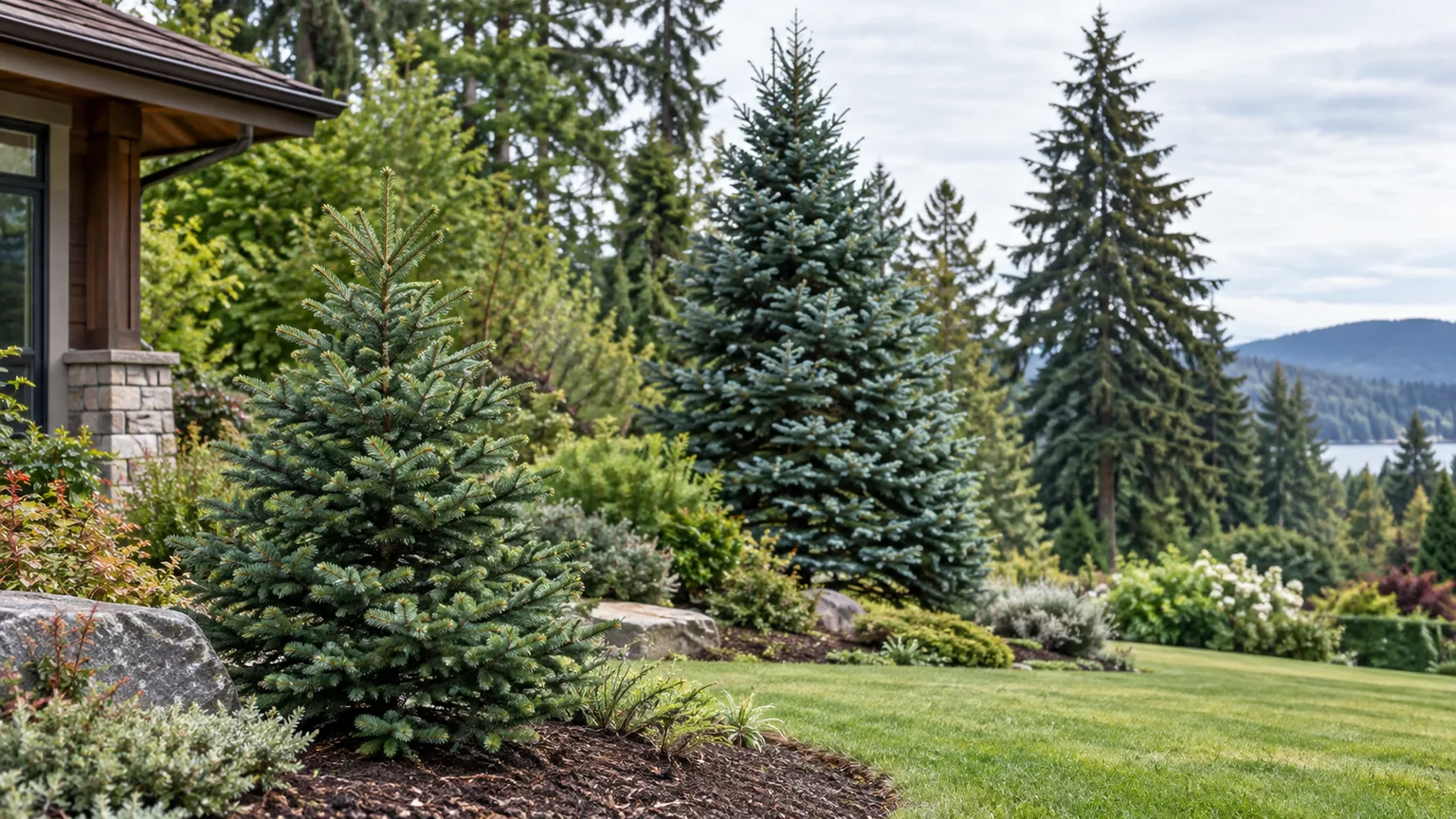
White fir (Abies concolor), also called concolor fir, is a handsome blue-green evergreen with soft, curved needles and a naturally pyramidal form. It is also a tree you should choose with care: the species grows large, and a young nursery specimen can look deceptively small beside a house, driveway, or fence. Give it enough room and soil that drains well, and its routine care is usually straightforward.
The most useful distinction is between a species white fir and a named cultivar. The species is a medium-to-large landscape tree; cultivars may be compact, weeping, or unusually blue. Before buying, check the exact plant label and mature dimensions, then match those numbers to your site rather than relying on a photograph or the word “dwarf.”
White Fir at a Glance
| Feature | White fir |
|---|---|
| Botanical name | Abies concolor |
| Mature landscape size | Commonly about 30 to 50 feet tall and 15 to 25 feet wide; some trees grow larger |
| Hardiness | Commonly listed for USDA Zones 3 to 7; some references extend the range to Zone 8 |
| Light | Full sun to partial shade |
| Soil | Moist but well-drained; avoid persistently saturated ground |
| Growth habit | Evergreen, pyramidal, usually slow-growing |
| Best use | Specimen tree, open lawn, large yard, or spacious screen |
The size figures describe an established tree, not a guaranteed maximum. The Morton Arboretum lists a mature height of 30 to 50 feet and width of 15 to 20 feet, while UF/IFAS gives a typical landscape height of 40 to 50 feet and a spread of 15 to 25 feet. Older trees and strong growing conditions can push beyond those dimensions, so plan for the larger end of the range. (Morton Arboretum; UF/IFAS Extension)
Identify White Fir Before You Plant
White fir is a true fir in the pine family, Pinaceae. Its needles grow singly from the twig rather than in bundles; they are generally soft, flattened, and curved, often with a blue, gray, or silvery cast. The color can shift with cultivar, shade, and growing conditions, so “blue needles” alone do not confirm an identification. (Washington State University)
Mature trees produce upright cones high in the crown. Unlike a cone that drops intact, a true fir cone breaks apart while it is still attached, releasing its seeds; you may see scales or seeds below the tree, but usually not a whole cone. The Morton Arboretum describes the foliage as blue-green and notes that crushed needles have a lemon-like scent. Those details are useful for identification, but do not crush foliage from a tree you have not confirmed. (Morton Arboretum; Washington State University)
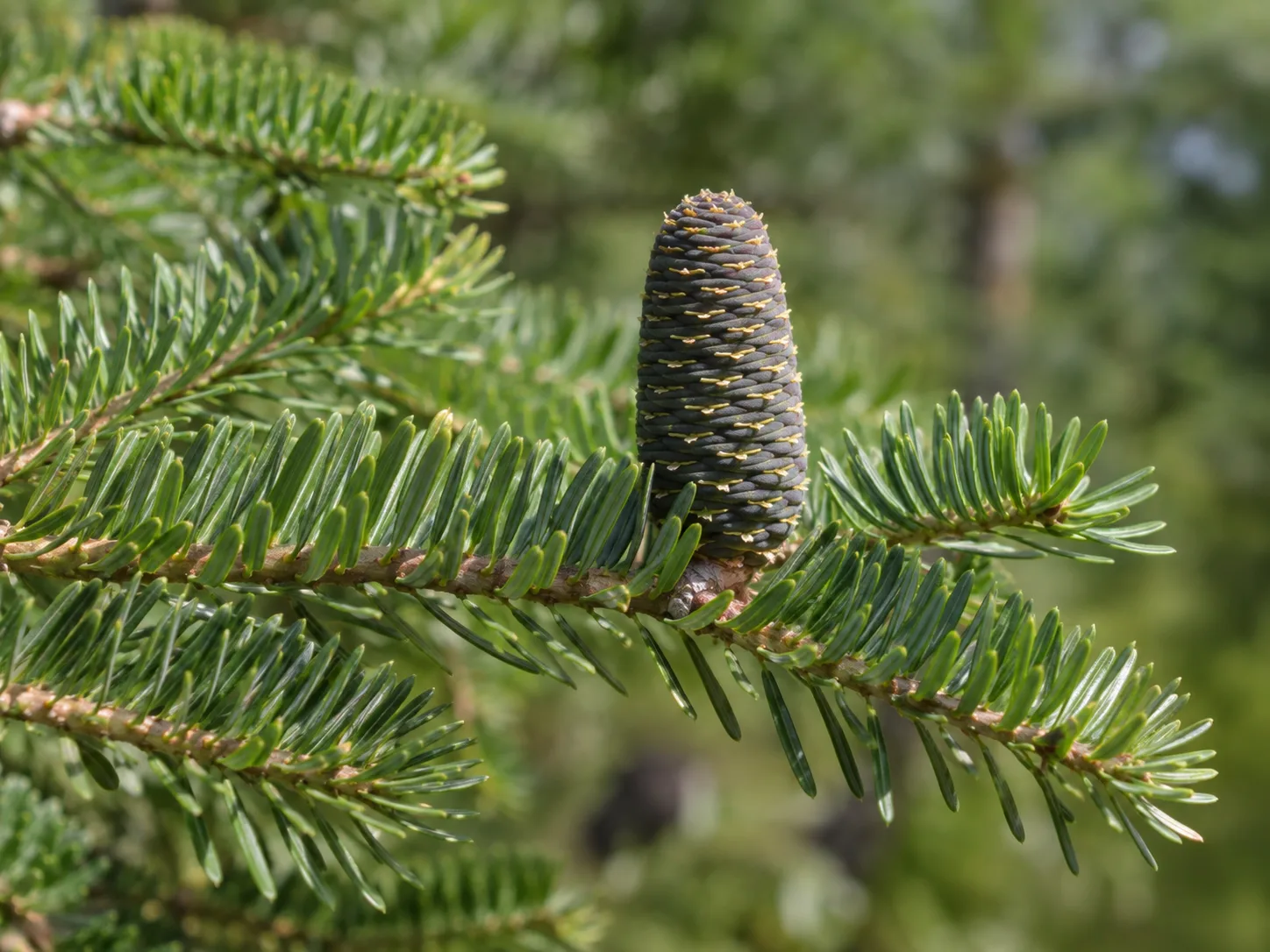
Look at the overall form as well as the needles. White fir usually develops a straight central leader and layered horizontal branches, with lower branches that may reach close to the ground when the tree has open space. If a plant tag gives only a common name, confirm the botanical name Abies concolor before choosing a location; “fir” covers several species with different mature sizes and climate preferences.
Is White Fir a Good Fit for Your Yard?
White fir is a good choice when you want a long-lived evergreen specimen and have room for a full-sized tree. It can tolerate cold winters and some heat, but it is not a low-maintenance solution for every difficult site. The tree needs a healthy root zone, and a persistently wet planting spot can undermine it even when the top growth looks fine at first.
Allow room for the mature tree
Use the mature width on the nursery tag as a minimum planning figure, then include clearance for the branches and maintenance access. Keep the trunk away from overhead wires, buildings, narrow walks, and places where a broad lower branch would block a path. A dense mature crown can shade lawn beneath it, so decide whether that is acceptable before planting rather than trying to lift or shear the tree later.
A species white fir will overwhelm a small foundation bed. If you have a compact garden, look for a named cultivar specifically selected for smaller dimensions or a weeping form, and verify its mature height and width from a reliable nursery or arboretum listing. Cultivar names do not all mean “small,” and some selections change shape without staying tiny.
Match the tree to your climate
Most university and arboretum profiles place white fir in USDA Zones 3 through 7, while some gardening references list Zone 8. That difference is a reminder that a hardiness zone describes average winter minimums, not summer heat, humidity, soil drainage, or exposure to hot reflected pavement. A local recommendation is more useful than treating the zone number as a guarantee.
White fir occurs across a broad western North American range, from mountainous regions to warmer elevations, so its response depends on the source population and local conditions. In hot-summer areas, site it where roots can stay evenly moist while still draining, and avoid an exposed, heat-reflecting corner. In cold regions, protect a new planting from drying winds and keep it watered before the ground freezes if autumn has been dry. (Washington State University; Gardening Know How)
Choose a Site With Sun and Drainage
Choose a spot with full sun or partial shade and enough open space for the tree’s natural shape. Full sun helps the crown develop evenly; partial shade is workable, especially where afternoon heat is intense, though a shaded tree may grow more slowly and look less dense. Avoid planting close to a wall or paved surface that will trap heat around the root zone.
Soil texture is only part of the decision. White fir can grow in more than one soil type, but heavy, compacted ground that stays wet is a poor bet. UF/IFAS notes that the tree dislikes heavy clay and high-pH soils, while other species profiles list broader soil tolerance; the practical distinction is whether roots can get both moisture and oxygen. In Colorado’s alkaline soils, iron chlorosis can occur, which may show as yellowing between green leaf veins. (UF/IFAS Extension; Colorado Gardening)
Before planting, check how water moves through the area after rain or irrigation. If a hole remains full of water long after nearby soil has drained, choose a different site or get local advice about drainage; do not try to fix a wet planting pocket by putting gravel at the bottom. A soil test is worthwhile if the ground is very alkaline or the tree develops persistent yellowing. Do not add sulfur or iron simply because a tree looks pale: first confirm the likely cause and follow local soil-test guidance.
Plant White Fir at the Correct Depth
Plant in cool weather when the soil is workable and the tree is not facing a heat wave or frozen ground. Healthy nursery stock with an intact root ball is usually the easiest way to establish a landscape tree. Choose a straight central leader, evenly spaced branches, and a root ball that is moist but not sour-smelling or waterlogged. Inspect the trunk base before buying: the first structural roots should be near the surface, not buried several inches under potting mix. If the tree is container-grown, slide it out only when you are ready to inspect and plant it; roots circling tightly around the outside need attention before they enter the ground. A smaller, well-rooted tree is often a better choice than a much larger specimen with a crowded or damaged root ball.
A good planting hole gives roots room to move sideways while keeping the trunk flare visible. Colorado State University Extension recommends a broad, saucer-shaped hole and emphasizes setting the root ball on firm, undisturbed soil rather than digging too deep. The precise dimensions vary with tree size and stock type, but the core rule is consistent: dig wider than the root ball, not deeper than the roots require. (Colorado State University Extension)
Check the root flare and spread roots
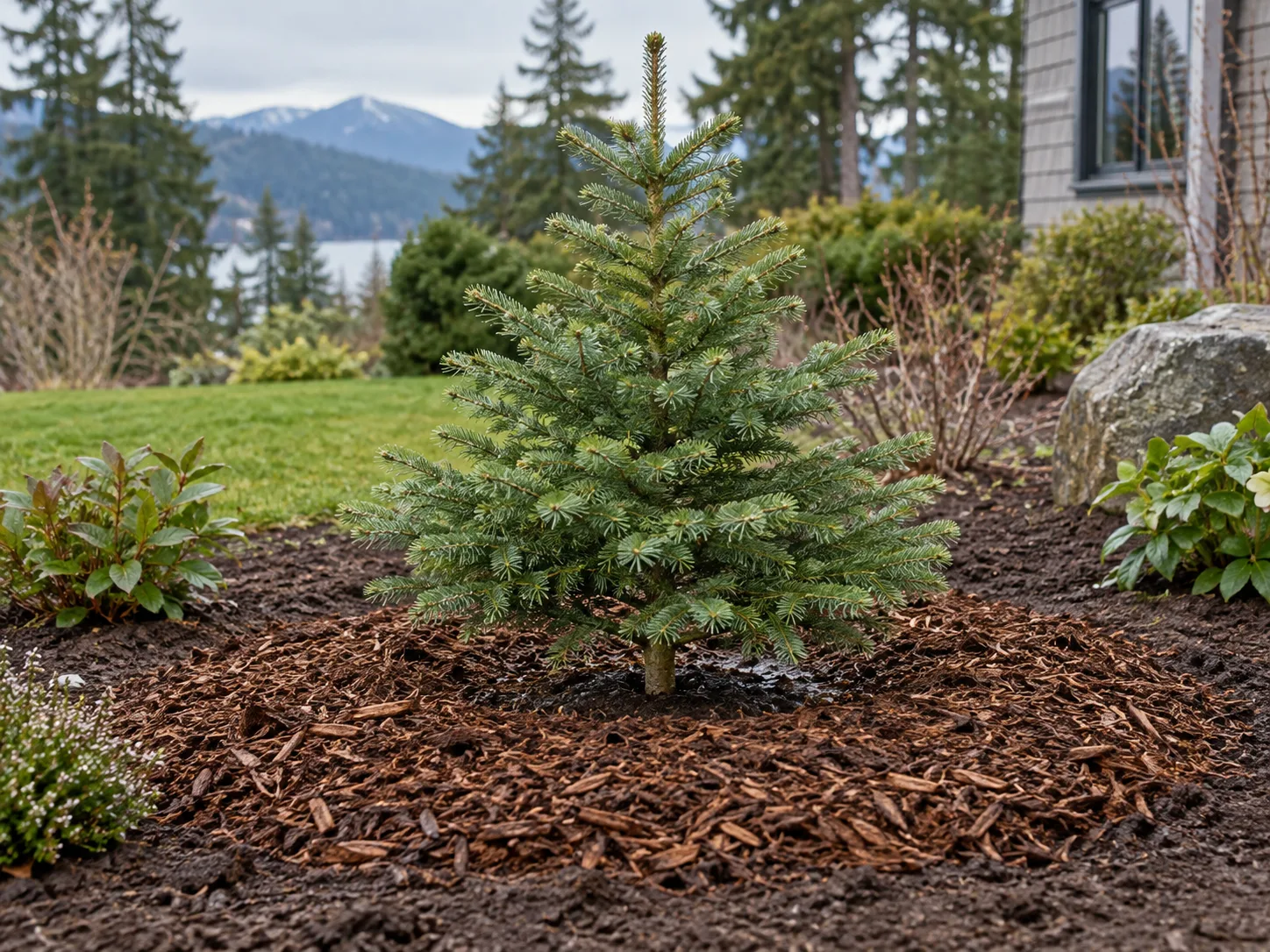
Find the point where the trunk widens and the first structural roots begin. Nursery soil or mulch may cover it, so brush away excess material before measuring the root ball. Set the tree so that the root flare sits at or slightly above the finished grade; buried trunk tissue stays too wet and can contribute to decline over time.
Dig a wide planting hole with sloping sides, then set the root ball on firm soil so it will not settle lower after watering. Remove a container and inspect for circling roots. Gently loosen smaller roots or make clean corrective cuts where they wrap around the root ball; do not yank them outward or cut away healthy structural roots. For balled-and-burlapped stock, follow current local extension or arborist guidance for safely removing the upper wrapping and any synthetic materials without letting the root ball fall apart.
Backfill with the soil removed from the hole, breaking up large clods. Do not bury the top of the root ball under extra soil or fill the planting hole with a rich potting mix that is unlike the surrounding ground. Water slowly as you backfill to settle soil around roots, then check that the trunk is upright and the flare remains visible. (Colorado State University Extension)
Water, mulch, and stake only when needed
After planting, water the root ball and surrounding backfill thoroughly. Apply a two- to three-inch layer of organic mulch over the root zone, extending beyond the edge of the original root ball when practical, but leave a clear gap around the trunk. Mulch touching bark keeps the trunk collar wet, hides damage, and can invite problems that are easily avoided. (University of Wisconsin Extension)
Stake only if the root ball shifts, the tree leans, or wind exposure makes temporary support necessary. A properly planted tree often does not need tight stakes, and ties left on too long can rub or girdle the trunk. If support is needed, secure the root ball rather than immobilizing the trunk completely, and remove the supports once the tree is stable.
Watering White Fir Through Establishment
The first growing season is when watering matters most. A newly planted white fir has a limited root system, so rain that wets the surrounding lawn may not soak the root ball. Water slowly enough for moisture to reach the original root zone, then check the soil before watering again instead of following a rigid weekly schedule. (Gardening Know How)
Probe the soil near the outer portion of the root ball a few inches below the surface. If it is dry there, give the root zone a deep soak; if it is still damp, wait. Sandy soil and hot, windy weather dry faster, while clay and cool rainy weather hold moisture longer. The aim is to keep the root ball from cycling between bone-dry and saturated, not to keep the ground constantly wet.
Continue checking moisture through the first one or two growing seasons, especially during drought, unusually warm weather, or winter periods with little precipitation. As the tree establishes, gradually reduce supplemental watering, but do not assume “drought-tolerant” means “never water.” Even an established evergreen can suffer during a long dry spell, and its needles may show stress only after damage has begun. In dry autumn weather, water before the ground freezes so the tree enters winter with moist soil.
A common mistake is watering only the soil around the tree while the original nursery root ball stays dry. Another is applying a small splash every day, which wets only the surface. A slow, thorough watering followed by a moisture check gives you better information and is easier to adapt to the actual site. Do not judge the root zone only by the lawn around it: the original nursery mix can dry at a different rate from native soil. Check both the root ball and nearby backfill, then adjust the next watering so neither stays saturated. As roots spread into the surrounding ground and the tree puts on healthy new growth, taper supplemental water rather than stopping suddenly after a single season.
Fertilizing: Less Is Usually Safer
Do not fertilize a healthy white fir automatically every spring. If the tree is producing normal new growth and its needles look typical for the cultivar, fertilizer is unlikely to solve anything and may push growth that the root system cannot support. White fir is generally a low-input landscape tree once established; good siting, correct depth, and consistent establishment watering do more than feeding.
If growth is poor or foliage is unusually pale, first check planting depth, root-zone moisture, drainage, pests, and soil pH. A soil test can separate a true nutrient shortage from iron unavailability in alkaline soil or roots damaged by waterlogging. Apply only what the test or local extension recommendation calls for, at the stated rate and placement. Do not push fertilizer spikes against the trunk or use lawn fertilizer as a substitute for diagnosing the tree.
Pruning Without Ruining the Shape
White fir naturally forms a pyramidal crown, so routine shaping is unnecessary. Remove dead, broken, or clearly diseased branches with clean tools, making cuts just outside the branch collar rather than flush against the trunk. For small corrective cuts, spring is a practical time to assess the tree before new growth; major storm damage and hazardous branches need attention whenever safety requires it. (Morton Arboretum)
Avoid topping the central leader or shearing the tree into a hedge. Cutting deeply into old, bare wood may leave a permanent gap because firs do not reliably refill from leafless inner branches. Removing low limbs also changes the classic full-to-the-ground silhouette and may expose the trunk to equipment damage. If the tree is mature, the leader is damaged, or large limbs need removal, hire a qualified arborist rather than climbing or making heavy cuts yourself.
White Fir Cultivars for Different Spaces
A cultivar can change the tree’s color, outline, or eventual scale, but it does not remove the need to check the plant label. ‘Candicans’ is prized for intensely silver-blue needles; ‘Blue Cloak’ has powder-blue foliage and a weeping habit; ‘Glenmore’ is more compact than the species; and ‘Wintergold’ shifts from yellow tones in winter and spring toward green in summer. (Morton Arboretum)
For a narrow or small garden, compare mature width as carefully as height. A weeping cultivar may spread farther than its upright outline suggests, while a compact selection may still become a substantial tree over time. Ask whether the nursery listing describes a grafted cultivar or a seed-grown white fir; seedlings do not necessarily retain the traits advertised for a named selection.
If a silver-blue focal point is your priority, choose foliage color first and make sure the site supports the tree. If you want a smaller accent, choose a cultivar for its stated dimensions, not just a slow growth rate. Slow-growing trees can still become large; they simply take longer to do it.
Grow White Fir From Seed Only If You Have Patience
For most home landscapes, buying a nursery-grown tree is more reliable than starting white fir from seed or cuttings. The upright cones mature in the crown and break apart on the tree, so timing seed collection is tricky. Washington State University’s propagation profile describes cold, moist stratification for up to 60 days and notes that germination may be poor or uneven; the exact process depends on seed freshness and source. (Washington State University)
If you want to experiment, collect mature seed before the cone fully disintegrates, keep it labeled, and follow a propagation protocol from a botanical garden, extension service, or native-plant nursery. Sow more than one seed because not every seed will germinate, and expect a slow juvenile stage before the tree is ready for a permanent site. Seedlings also vary genetically, so they are not a dependable way to reproduce the color, shape, or compact habit of a named cultivar.
Pests, Diseases, and Common Stress Signals
White fir has relatively few serious pest problems on a healthy, well-sited tree, but stress makes diagnosis harder. Balsam twig aphids can distort new growth and leave sticky honeydew; bagworms form conspicuous cases from needles and debris; scale insects attach to twigs or needles; and spider mites can yellow older foliage in hot, dry conditions. Inspect the tree before treating it, since color change alone does not identify a pest. (UF/IFAS Extension)
Diseases can also affect new shoots, branches, or roots. UF/IFAS describes twig blight as reddening and dieback of new growth, while cankers may appear as sunken areas that expand on trunks or limbs. Root problems are more likely when the soil stays wet, the tree was planted too deeply, or the root ball repeatedly dries out. Do not assume a declining white fir needs a fungicide: several different problems can produce similar symptoms, and treatment only helps when the cause is correctly identified.
Read the pattern before treating
Use the symptom’s location and timing to narrow the possibilities:
- A few older needles inside the canopy turning yellow and dropping can be normal; widespread browning on current growth or branch tips deserves closer inspection.
- A dry root ball, browning across the sun- or wind-exposed side, or decline after a hot spell points first to water stress or exposure.
- Yellowing between green veins, especially in alkaline soil, suggests a possible nutrient-availability problem; confirm with a soil test before adding iron or acidifying products.
- Sticky residue, distorted new needles, visible cases, or scale-like bumps are clues to inspect for insects.
- Reddening new shoots, expanding sunken bark, or dieback across several branches merits a prompt assessment by a local extension office or certified arborist.
Check soil moisture at the root ball and look for mulch piled against the trunk before reaching for a spray. For an established tree, extensive dieback, a damaged leader, or a trunk canker is a good reason to call an ISA Certified Arborist. Avoid applying pesticides or oils “just in case”; use a product only when the pest is identified and the label includes the intended site and target. (UF/IFAS Extension)
Conclusion
White fir is easiest to grow when you solve the site question before you buy the tree. Give the species room for a broad, mature crown, choose a sunny to partly shaded spot that drains well, and set the root flare at the soil surface rather than burying it.
Water the root ball carefully during establishment, mulch without touching the trunk, and skip routine fertilizer and hard shaping. If your yard is too small, soil stays saturated, or summers are consistently stressful, choose a better-matched tree or a verified cultivar. That decision will do more for a healthy white fir than any after-the-fact rescue treatment.