Mulching Mowers: How They Work and When to Use One
See how a mulching mower chops and returns clippings, when the method leaves clumps, and how to choose by lawn size, terrain, and power source.
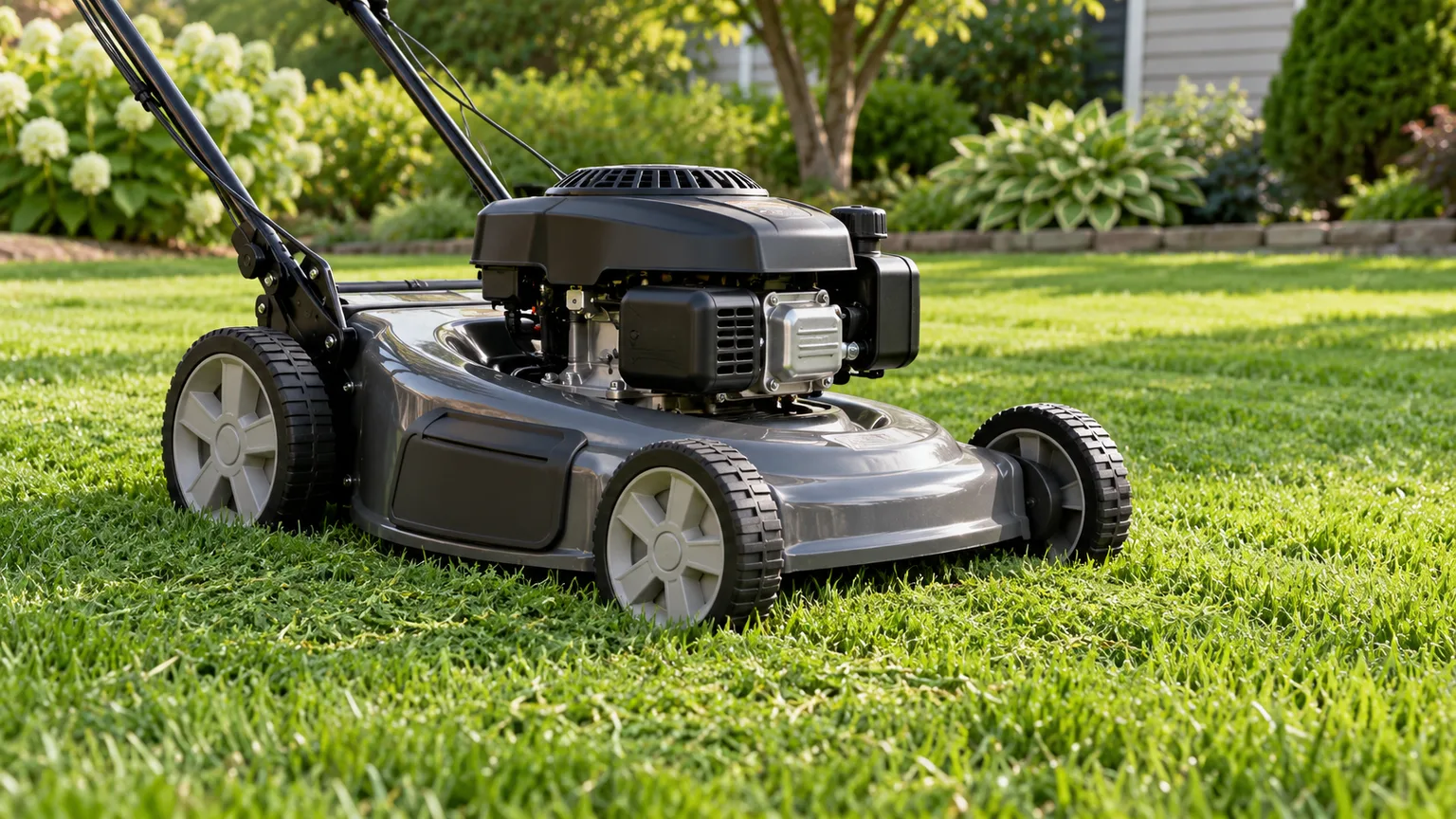
A mulching mower cuts grass and returns the clippings to the lawn instead of sending them into a bag or out a side chute. The goal is not to leave a visible blanket of cuttings; it is to reduce each blade of grass into small fragments that slip between standing turf and decompose. When the mower is suited to the yard and the grass is cut at the right time, you skip bag emptying while recycling some nutrients back into the soil.
The method is simple, but the result depends on more than buying a mower with “mulch” in its name. Deck design, blade condition, mowing height, grass moisture, and how much you cut in one pass all affect whether clippings disappear or sit in wet ropes. Here is how mulching equipment works, when it is useful, and the situations where bagging or side discharge is the cleaner choice.
What a mulching mower actually does
A mulching lawn mower keeps cut grass in the cutting chamber longer than a conventional side-discharge mower. Its blade and deck are designed to recut clippings before they fall through the bottom of the deck or leave through an outlet. A plug closes the discharge opening on many models, keeping the clippings within that chamber for additional passes by the blade.
“Mulching” here means grasscycling: returning short grass clippings to the lawn. It does not mean the mower creates the same kind of coarse bark mulch you spread around shrubs, and it does not mean cut grass vanishes on contact. The pieces settle into the turf and break down over time; if they remain in visible clumps, the mower has left too much material in one place or the conditions were poor for mulching.
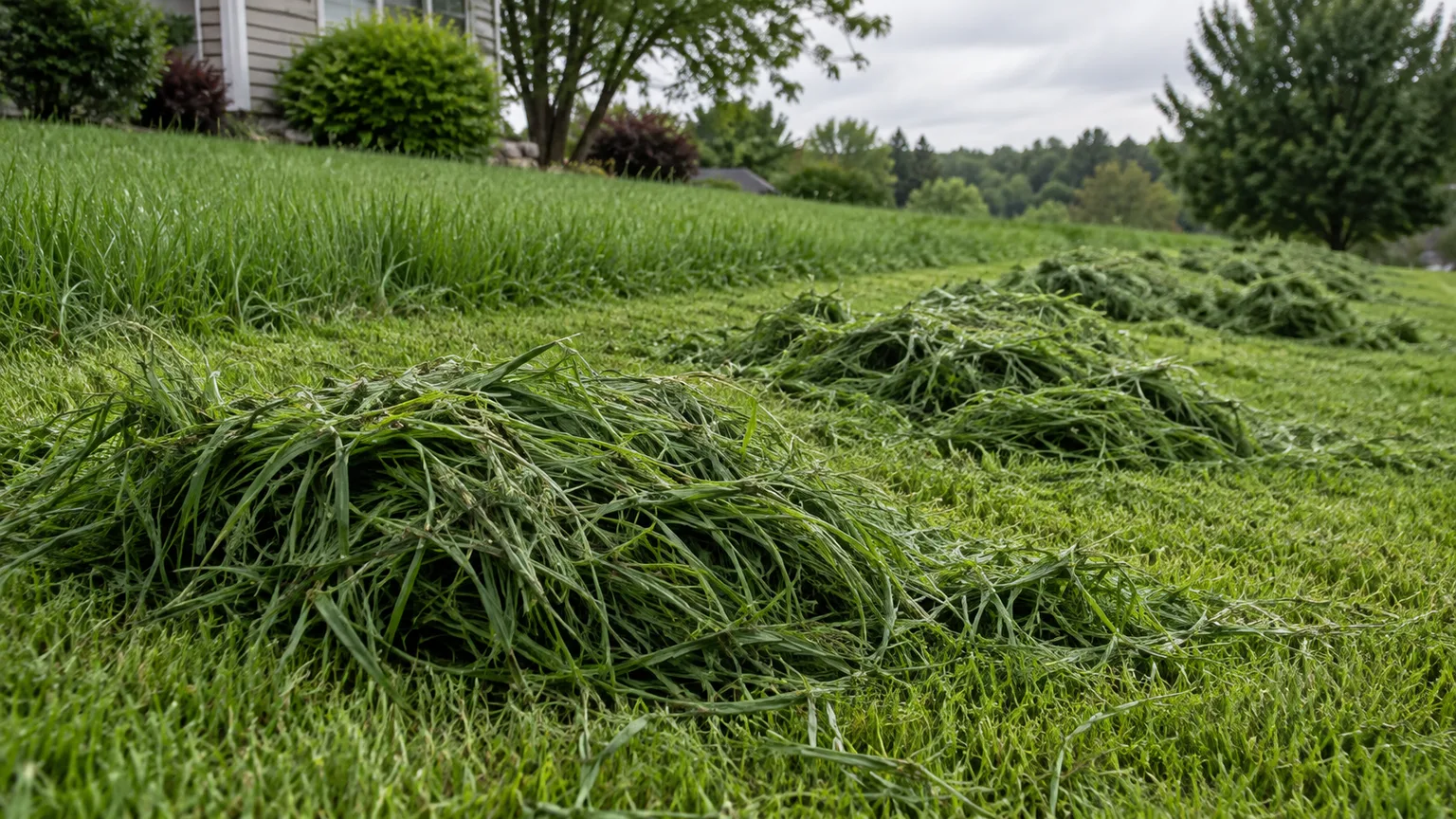
That distinction helps set expectations. A good mulch cut may leave a faint green dusting that disappears into the canopy after the next rain or mowing. A poor one leaves windrows, mats, or clumps that shade the grass underneath and need to be spread, collected, or cut again under better conditions.
How the blade and deck make the difference
The spinning blade cuts the standing grass, while the shape of the deck helps create airflow that lifts and circulates clippings. A mulching blade may have a different profile or extra cutting surfaces to keep material moving under the deck, but the blade is only one part of the system. The chamber, baffles, discharge plug, blade speed, and grass load work together to determine how many times a clipping passes the cutting edge.
A conventional mower often moves clippings quickly toward a side opening or collection bag. A mulching setup restricts that exit so the fragments can be cut again and released more evenly below the mower. This is why a generic “high-lift” or replacement blade is not automatically a mulching blade: the wrong blade may fit poorly, cut badly, or conflict with the mower’s intended discharge system. Check the model manual and use compatible parts.
The machine also has a limit. A blade cannot turn a thick, wet clump of long grass into invisible particles in one pass. When grass is dense or the engine slows, the chamber fills faster than it can process the material. The correct response is to reduce the load—mow more often, raise the deck, make a separate pass, or switch to bagging or discharge for that cut.
Why returning small clippings can help
Short grass clippings are mostly leaf tissue, which breaks down relatively quickly when spread through the turf. That returns organic matter and some of the nutrients the grass took up while growing. University of Minnesota Extension describes clippings as a valuable nutrient source and recommends leaving them when they are small and evenly distributed; its lawn-clipping guidance also explains when to use them as mulch or compost instead.
This is a useful supplement to lawn care, not a reason to fertilize blindly or stop checking soil needs. The amount of nutrients returned varies with grass growth, species, and how the lawn is managed. If you already apply fertilizer, keep following local recommendations or a soil-test plan rather than assuming every mulching cut replaces a fixed amount of product.
A common worry is that grass clippings cause thatch. UC IPM explains that grasscycling works when the lawn is cut at the right height and frequency, and that short clippings decompose quickly; it cautions against leaving wet or overlong material that builds up. In practical terms, the thin, soft leaf fragments from a routine mow are different from a dense thatch layer made of tougher stems, roots, and plant bases. If clippings are lying in ropes on top of the lawn, the answer is not to keep driving over the same mess—it is to fix the mowing conditions.
Mulching vs. bagging vs. side discharge
All three methods cut grass; they differ in where the clippings go and how much follow-up the lawn needs. Use the method that fits the length and condition of the grass in front of you rather than treating one setting as correct for every mow.
| Method | Where clippings go | Works best when | Main drawback |
|---|---|---|---|
| Mulching | Fine pieces fall back into the turf | Grass is dry, regularly cut, and not too tall | Can leave clumps if the mower is overloaded or poorly maintained |
| Bagging | Clippings collect in a catcher for disposal or composting | You need a tidy finish or want to remove excess material | Adds stops and creates a volume of yard waste to handle |
| Side discharge | Clippings exit the deck in a row or spread outward | Grass is taller and needs to be cut without filling a bag quickly | Clippings can land on paths, beds, or neighboring turf in uneven strips |
The word “regular” matters more than the mower label. University of California’s grasscycling guidance says to mow at the proper height and frequency and remove no more than one-third of the leaf blade at a time. Under those conditions, clippings can stay on the lawn whether you use a dedicated mulching mower or a mower that distributes them well.
What you gain—and what you do not
The clearest benefit is convenience: a mulching cut avoids repeated bag emptying and reduces the need to rake or haul away ordinary clippings. It also returns plant material to the lawn instead of sending it to a curbside bin. If you mow frequently, the fine pieces are less conspicuous than the long clippings a mower leaves after the grass gets away from you.
There are trade-offs. Mulching takes a little more attention to timing and deck condition, and it may require a slower pace through dense growth. It is not always the fastest way to handle a first spring cut, a badly overgrown patch, or a lawn covered in heavy wet leaves. A bagging mower can be the better tool for a one-off cleanup even if you mulch the rest of the year.
Nor does a mulching mower make every lawn “chemical-free” or eliminate normal care. It does not control weeds, cure disease, correct poor drainage, or guarantee that you can skip fertilizer. Its environmental advantage is specific: it can keep routine clippings on site and reduce the waste and handling associated with collecting them. If you use a gas mower, grasscycling does not remove the mower’s fuel use or emissions; choose equipment and mowing frequency with the whole yard routine in mind.
When to mulch and when to switch methods
Mulch when the grass is dry enough to cut cleanly, the lawn has not grown far beyond its target height, and the mower can spread the clippings evenly. If the mower leaves scattered bits that drop into the canopy, keep going. If you see rows of clippings or piles after one pass, stop and change something before making another lap.
Wet grass, overgrowth, and clumps
Wet grass sticks to itself and to the underside of the deck. Even a capable mulching mower may plug, slow down, or scatter clippings in damp ropes. If rain or dew has left the blades wet, wait for them to dry when possible. If the lawn must be cut, use the method that prevents a heavy layer from being trapped on the turf, then clean up any clumps rather than leaving them to mat.
For overgrown grass, do not try to reclaim the lawn by cutting it very short in one pass. UC IPM’s one-third rule explains why removing too much leaf area at once stresses grass and slows root growth. Raise the deck and remove a manageable amount; if you still have long clippings, collect or discharge that first pass, then return to your normal height after the lawn has recovered. The same staged approach is more reliable than pushing a mower through a thick load and hoping its blade will pulverize everything.
Disease or seed-heavy weeds
If a lawn has an active disease problem or weeds are carrying mature seed heads, do not assume that returning the cut material is always harmless. The right handling depends on the disease, weed, and any local guidance; collect the affected material when your extension service recommends sanitation, and avoid moving it to clean parts of the yard. Do not compost clippings from a chemically treated lawn for garden use unless the product label specifically permits that use and timing.
For a healthy lawn with no special sanitation concern, routine clipping retention is usually different from spreading diseased debris. If you are unsure whether a patch is diseased, identify the problem before choosing a disposal method; bagging a whole lawn based on a vague fear of thatch wastes effort without solving the underlying issue.
Can you turn an ordinary mower into a mulching mower?
Sometimes. Many walk-behind and riding mowers accept a manufacturer-approved mulching plug, baffle, or blade kit that blocks the side-discharge route and changes how clippings circulate. Some models are sold as three-in-one mowers that can mulch, bag, or discharge by changing the plug and catcher configuration.
Check the mower’s model number, manual, and parts list before buying an attachment. A plug without a compatible blade or baffle may not give an even result, and a mulching blade alone may not be enough if the deck was designed to move clippings quickly out a chute. Do not remove guards or improvise a cover: the discharge opening is part of the mower’s safety design. If the manufacturer does not list a mulching conversion for your model, a compatible mower is the safer bet.
A conversion is most worthwhile when the mower is otherwise sound and you want to leave clippings on a lawn that is already cut regularly. It will not make an undersized, dull, or underpowered mower handle thick grass better. Before purchasing, compare the kit price and installation with the cost of a mower built for the yard’s size and conditions.
Choose by lawn size, terrain, and power
The best mulching mower is the one that can maintain its cutting speed and leave an even finish across your lawn without making mowing unpleasant. Start with the shape and terrain of the yard, then compare deck width, drive type, power source, and whether the machine supports a real mulching setup.
Match deck width and drive type to the yard
A wider deck covers more ground per pass, which can save time on a broad, open lawn. On a small yard with trees, beds, gates, and tight corners, a narrower walk-behind mower is easier to steer and may leave less trimming. A riding mower makes sense when the area is large enough to justify storage, maintenance, and turning space; it is not automatically better for a small or obstacle-filled lot.
Push mowers suit smaller, relatively level lawns if the operator is comfortable providing the effort. Self-propelled walk-behind models reduce pushing on slopes or larger areas, though they still need to be guided carefully around obstacles. For a steep or uneven property, check the machine’s manual and operating limits rather than assuming a heavier mower is safer or easier to control.
Gas, battery, corded, and reel options
A battery mower avoids storing fuel and usually starts with a switch or key, but runtime depends on the battery, grass load, deck width, and mowing conditions. Choose a model whose rated area leaves a margin for thick spring growth rather than assuming the maximum advertised area will hold in every yard. A corded mower can suit a compact lawn near an outlet if managing the cord around beds and trees is practical.
Gas models can be useful for larger or demanding lawns, but they bring fuel, oil, engine maintenance, and exhaust into the decision. A manual reel mower can work on a small, frequently cut lawn with relatively even ground; it is not a shortcut for recovering long, coarse grass. Whatever the power source, prioritize an approved mulching mode, a deck that matches the yard, comfortable handling, and a realistic maintenance routine over an oversized feature list.
How to mulch grass cleanly
A few habits determine the quality of the cut more than the word “mulching” on the product label. Set up the mower and lawn before the first pass, then judge the result as you go.
- Choose a dry window. Let dew or rain dry from the blades so clippings separate instead of sticking to the deck and each other.
- Set a suitable height for your grass. Follow local turf guidance for the species and season. The familiar one-third rule is a useful ceiling: avoid removing more than one-third of the leaf blade in one mowing.
- Mow often enough to keep clippings short. Growth speeds up during warm, wet weather, so adjust the schedule to the lawn rather than a fixed weekly calendar.
- Keep a steady pace and overlap slightly. Rushing reduces the time the mower has to process material. A small overlap helps prevent strips of missed grass and leaves a more even surface.
- Check the first pass. If fragments settle between the standing blades, continue. If they lie in rows, raise the deck, slow down, clear the deck safely, or change to bagging for that mow.
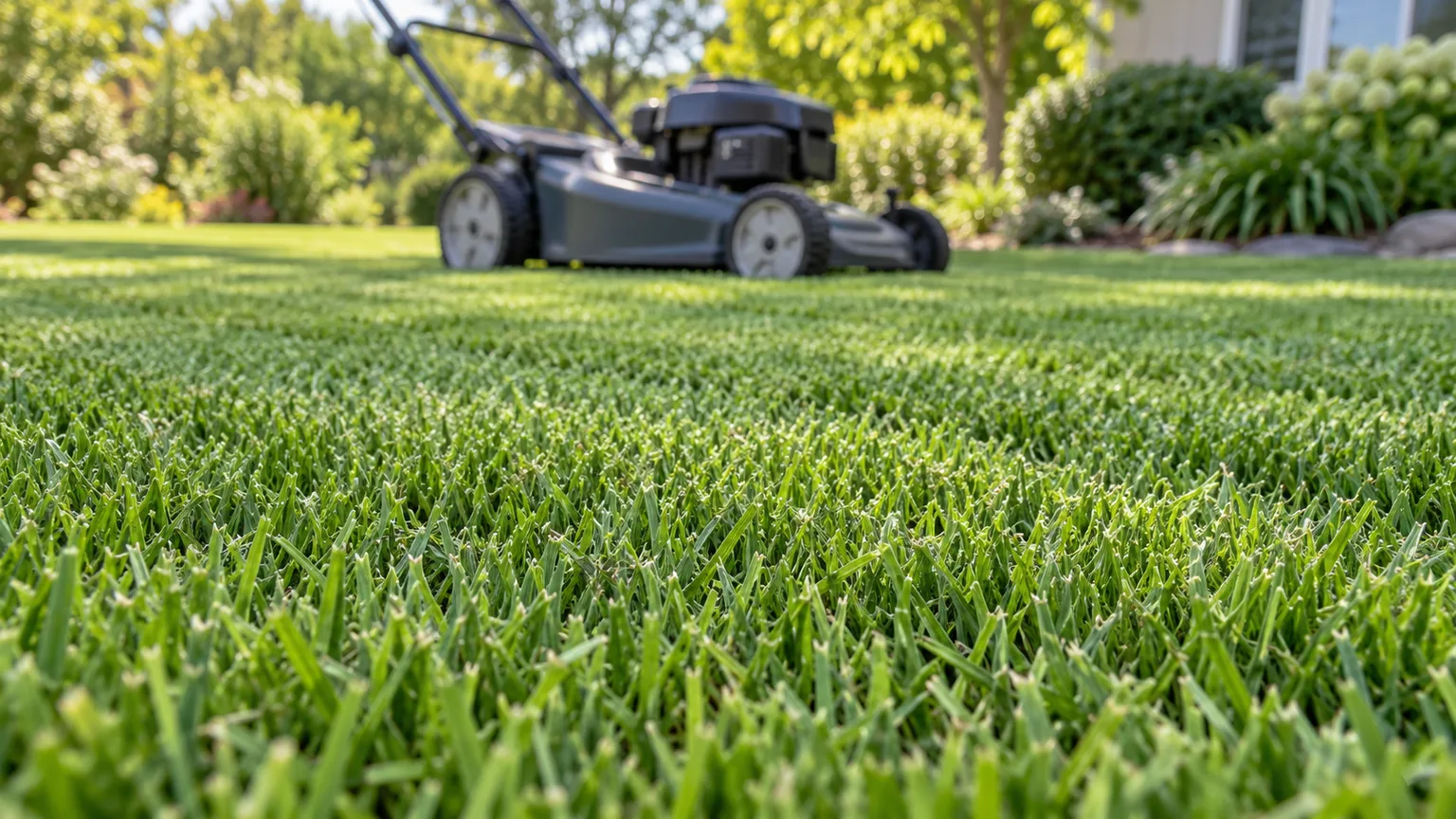
A practical test is to look at the lawn from standing height after a pass. You should not see continuous windrows that outline every mower lane. If you do, do not solve it by lowering the deck; a lower cut can increase stress and make the clippings problem worse.
Lawn-care writer Jaylan Jones at LawnPhix and turf specialist Nathan Tovey at myhomeTURF make the same practical distinction: short clippings on a healthy, dry lawn are usually easy to leave, while damp or overgrown grass is more likely to mat. Use that condition check before deciding whether to engage the mulching mode.
Can a mulching mower handle leaves?
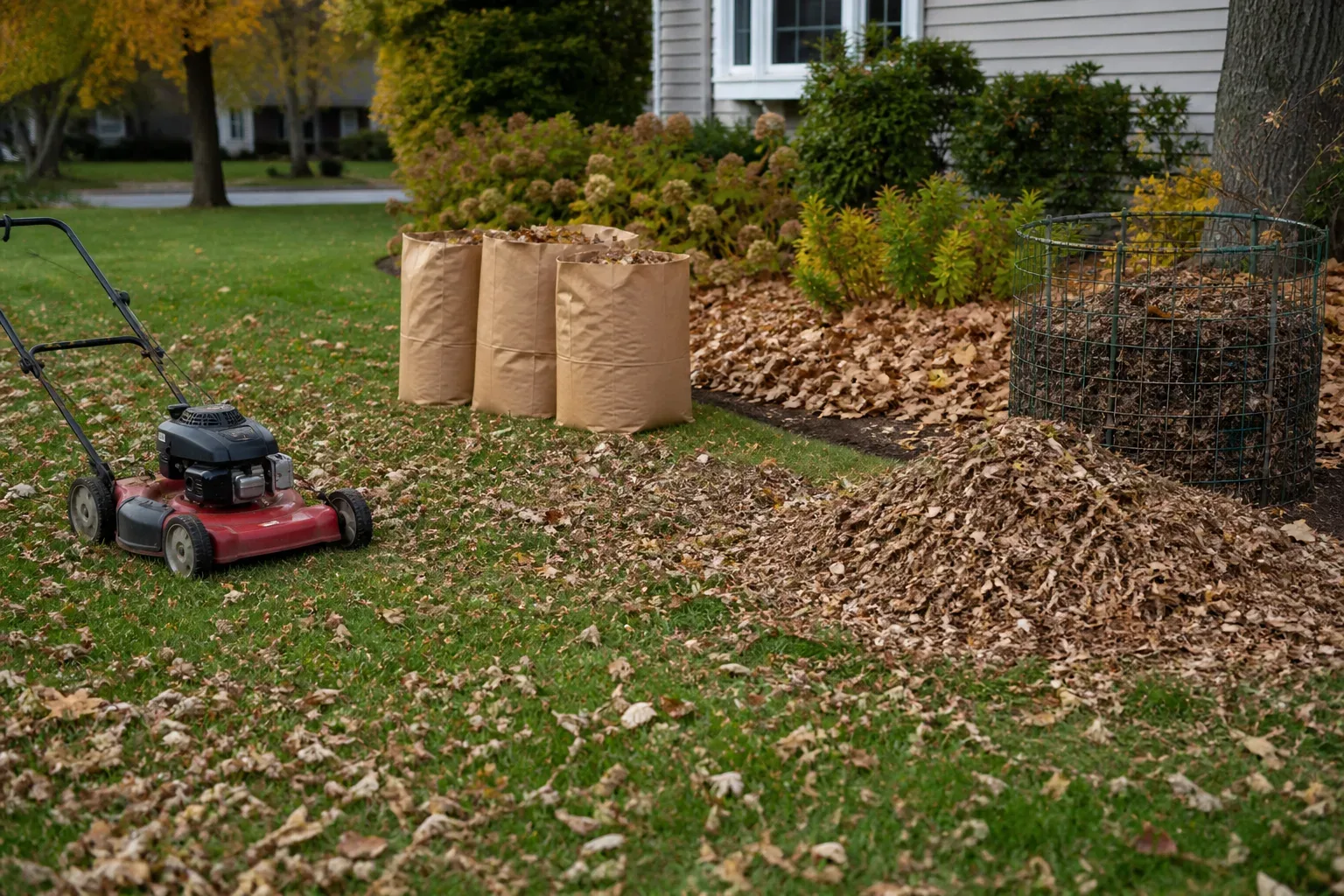
Many rotary mulching mowers can chop a light layer of dry leaves along with grass, which saves a separate cleanup pass. The mower works best when leaves are thinly scattered and the blade can still reach the turf; make a test pass and check that the leaves are reduced to small pieces instead of left in broad sheets.
If leaves cover most of the lawn, form wet mats, or hide the grass completely, rake or collect some first. Too much leaf material at once can smother turf just as a heavy layer of grass clippings can. In autumn, mow more than once as leaves fall, or alternate between mulching and collecting depending on the depth of the layer. Do not use the lawn as a disposal site for a thick pile simply because the mower has a mulching setting.
Cleaning, blade care, and safe maintenance
A clean deck gives clippings room to move, and a sharp blade cuts them more cleanly. Inspect the underside for packed grass when mulching quality drops, and sharpen or replace the blade according to the mower manual and the condition of the edge. If the mower vibrates, makes unusual noise, or cuts unevenly, stop using it until you check for a damaged blade or another mechanical issue.
Before cleaning under the deck or handling the blade, disable the machine so it cannot start. Remove the key and battery from an electric mower; on a gas mower, follow the manual’s procedure, including disconnecting the spark plug if instructed. Keep hands away from the blade edge, use an appropriate scraper or brush, and never reach beneath a mower that is only switched off. The owner’s manual controls the correct lifting direction, blade removal, cleaning method, and replacement parts for that model.
After each heavy-growth mow, knock away buildup once it is safe to do so, and dry the deck if you used water and the manual permits rinsing. A blade kept sharp and a deck kept clear are more useful than buying a premium mulching mower and leaving it clogged through the season.
Troubleshooting a poor mulch
If clippings remain visible, change one variable at a time so you can identify the cause. Start with the grass, then the mower setup, then the pace:
- Wet clumps or a clogged deck: wait for the lawn to dry, then scrape the deck after safely disabling the mower.
- Long ribbons or windrows: the grass is too tall for one mulching pass, or the mower is moving too quickly. Raise the deck, make a staged cut, or collect that pass.
- Ragged tips and uneven pieces: inspect the blade for dullness or damage; replace parts only with the type specified for the mower.
- A clean strip beside a missed strip: overlap passes and check that the deck is level and operating at the speed recommended by the manual.
- Clippings blowing out despite a mulch setting: confirm the discharge plug, baffle, and blade are installed correctly and are the compatible parts for that model.
The “right” finish is not an invisible lawn after every cut. It is a lawn without thick clumps, with the grass left at an appropriate height and no unnecessary bagging. If the machine continues to leave heavy rows after the turf is dry, the blade is sharp, and the setup is correct, use the catcher or discharge mode and have the mower checked rather than forcing a result it cannot deliver.
Conclusion
A mulching mower keeps grass under the deck long enough for the blade to cut it into small pieces, then returns those clippings to the lawn. Its main advantages are fewer bags to empty, less clipping cleanup, and modest nutrient recycling; those benefits depend on regular mowing, dry grass, a compatible blade-and-deck setup, and even distribution.
Choose a dedicated mulcher or approved conversion only after checking the mower model and the needs of your yard. For routine cuts, keep the blade sharp and follow the one-third rule. When grass is wet, overgrown, diseased, or leaving clumps, change the timing or collection method. That flexible approach makes a mulching mower useful without expecting it to solve every lawn-care problem.