7 Ways to Get Rid of Crabgrass in Your Lawn
Crabgrass spreads fast through a soil seed bank. Learn seven proven removal methods—hand pulling, post-emergents, pre-emergents, mowing, watering, and fall repair—timed to the season.
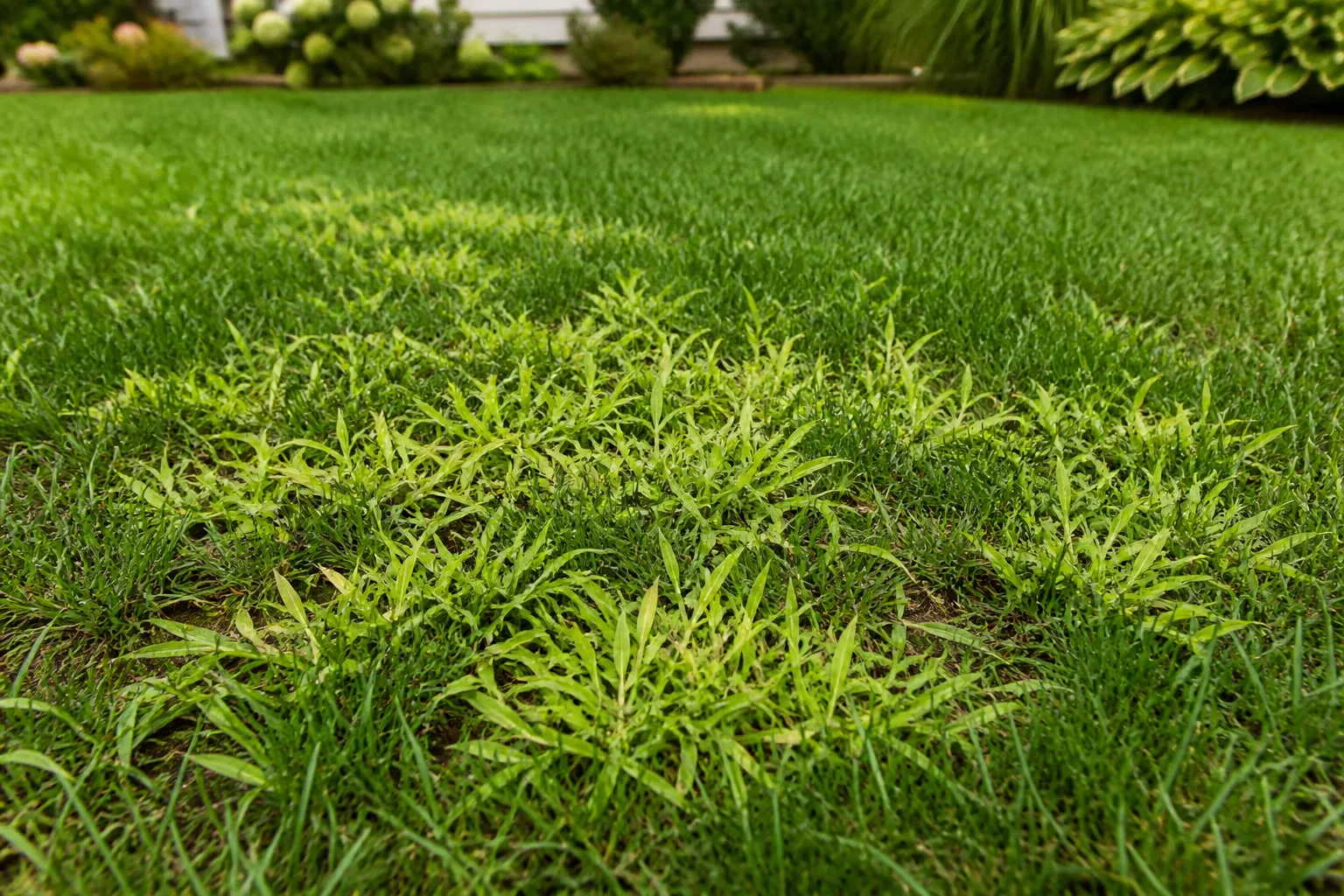
Crabgrass does not take over your lawn because it is stronger than turf—it wins when cool-season grass is short, stressed, and thin during the exact weeks crabgrass seeds want to germinate. The pale, low, spreading clumps you see in July are the visible tip of a much larger problem: a seed bank in the top inch of soil that can keep producing new plants for several years. Getting rid of crabgrass is less about finding one magic spray and more about using the right method at the right time.
Below are seven proven approaches—hand pulling, weeding tools, post-emergent herbicides, pre-emergent preventers, tall mowing, deep watering, and fall turf repair—organized so you know what to do this week and what must wait until spring.
Start Here: Match the Method to the Season You’re In
Before you grab a product, decide which season you are actually in. The same crabgrass problem needs different tools in April, July, and September.
Early spring (before visible seedlings): Pre-emergent herbicide is your highest-return move, paired with mowing high and fixing thin spots before soil warms. Hand-pulling is for the few early outliers along driveways and sidewalks where pavement heat triggers germination first.
Late spring through summer (plants visible): Hand-pull or tool-remove young clumps before they tiller and seed. For scattered mature patches, use a selective post-emergent labeled for crabgrass in turf. Pre-emergent applied now will not kill established plants—it only blocks seeds that have not yet sprouted.
Early fall (after first frost): Crabgrass dies as an annual, but the seed it dropped is already in your soil. This is when you overseed thin areas, aerate compacted edges, and plan next spring’s pre-emergent window—not when you chase dead brown clumps with more herbicide.
Why Timing Beats Product Marketing
Retail shelves push “crabgrass killer” year-round, but crabgrass control is a calendar problem. Penn State Extension notes that crabgrass begins germinating when soil in the upper inch reaches 55–58°F at daybreak for four to five consecutive days (Penn State summer annual grass control). Apply pre-emergent roughly 10–14 days before that window—not after seedlings are already up.
Post-emergent herbicides work on growing plants you can see, but effectiveness drops sharply once crabgrass develops multiple tillers (stem branches). The fastest fix for a heavy midsummer infestation is usually spot-spraying young-to-midstage plants, then shifting to cultural tactics and fall seeding so next year starts with fewer seeds and thicker turf.
What Crabgrass Actually Is—and What It Is Not
Crabgrass belongs to the genus Digitaria—warm-season annual grasses that germinate from seed each spring, spread low across the soil, produce enormous seed crops by late summer, then die at first hard frost. They are not perennial weeds you dig once and forget. They are a repeating cycle tied to seeds stored in soil.
Purdue Turfgrass Science explains that crabgrass becomes especially problematic when turf is mowed too low, underfertilized, heat-stressed, or growing on compacted soil next to hardscape (Purdue crabgrass overview). That is why crabgrass often appears first along driveway edges, in dog paths, and anywhere last year’s plants left bare soil. Treating the weed without fixing competition is how yards stay in a crabgrass loop.
Smooth Crabgrass vs Large Crabgrass
The two species most homeowners encounter are large or hairy crabgrass (Digitaria sanguinalis) and smooth crabgrass (Digitaria ischaemum). Large crabgrass has noticeably hairy stems and leaves and can grow quite tall if unmowed. Smooth crabgrass is usually smaller, with mostly hairless leaves except for a few hairs near the collar.
Both form low, radiating clumps that look lighter green than most cool-season turf in midsummer and produce finger-like seed heads by late summer. Control methods are the same for both species, but large crabgrass is often the more aggressive spreader in thin, sunny lawns.

Do Not Mistake Goosegrass for Crabgrass
Goosegrass (Eleusine indica) is another summer annual often called “silver crabgrass.” It germinates three to four weeks later than crabgrass and thrives on compacted soil. Penn State Extension describes its flattened, silvery leaf sheaths and zipper-like seed stalks (Penn State summer annual grass control). If your “crabgrass” keeps returning after a normal pre-emergent window, you may be fighting goosegrass instead—and the timing shift matters.
Way 1: Hand-Pull Young Plants Before They Set Seed
Hand-pulling is the right first move when you see only a handful of young plants—especially in late spring before stems branch and seed heads form. Crabgrass roots are fibrous but shallow compared with mature turf, so moist soil after rain makes removal much easier.
Pull from the base and try to lift the whole crown. If stems break off at soil level, the plant can resprout. That is still worth doing on small outbreaks because every plant you remove before it seeds is one less contributor to next year’s seed bank. UMass Extension notes that a single crabgrass plant can produce tens of thousands of seeds under favorable conditions (UMass crabgrass biology).
Best timing: Pull when plants are still small—ideally before they develop multiple tillers. Once you see seed heads forming in August, bag and remove clippings from mowed areas so you are not spreading seed across the lawn.
When hand-pulling is not enough: If patches are larger than you can reasonably clear in an hour, shift to Way 2 or Way 3. Hand work scales poorly across a whole yard but is perfect for edge hotspots and new invasions caught early.
Way 2: Use a Weeding Fork or Stand-Up Tool to Get the Roots
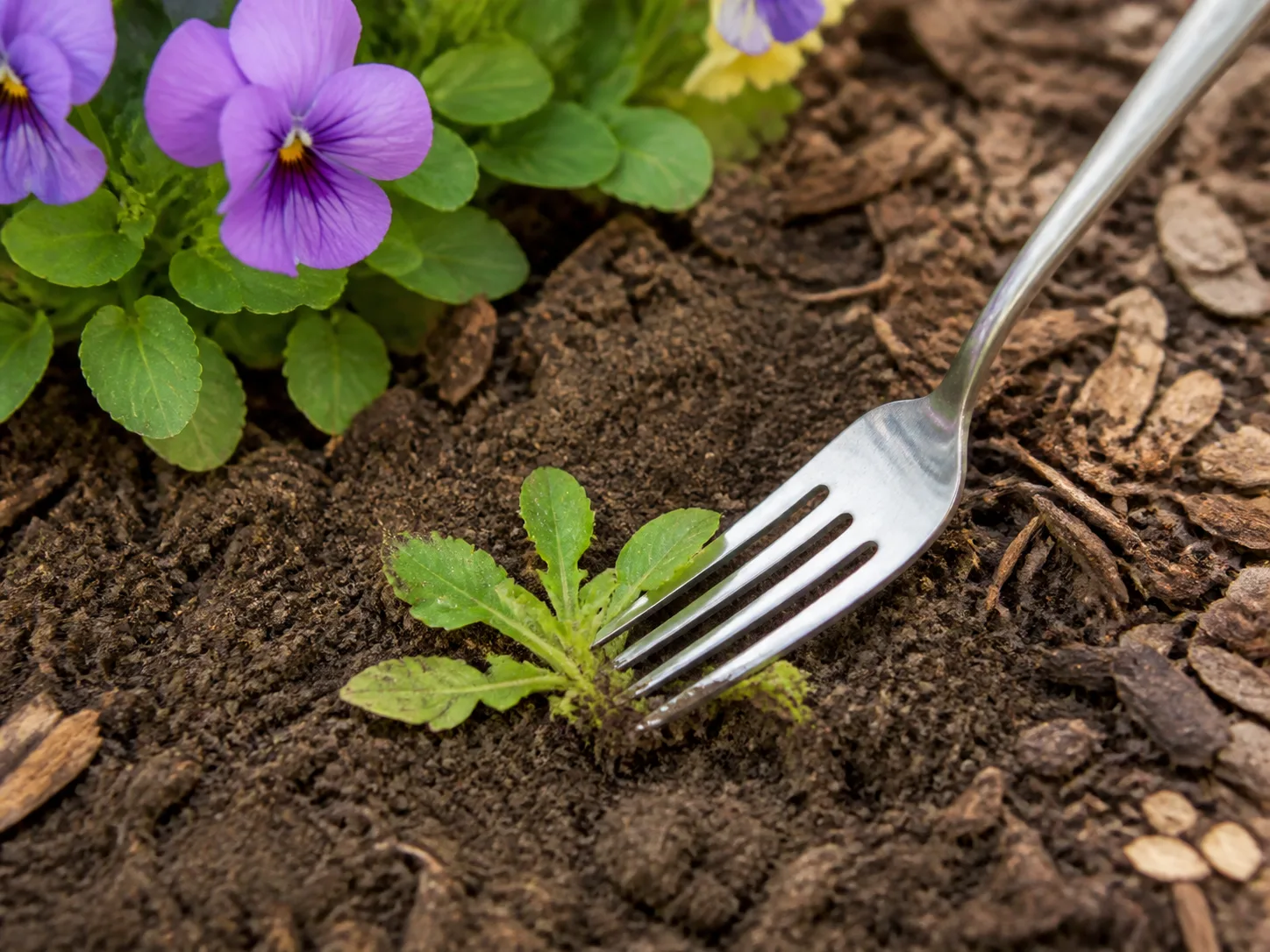
For firmer soil or plants with deeper anchoring, a weeding fork, dandelion digger, or stand-up weed puller removes more root mass than pinching stems with your fingers. Slide the tool under the crown, lever upward, and lift the whole clump. A slight wiggle breaks lateral roots that crabgrass uses to spread along the soil surface.
This method pairs well with the fork technique covered in our guide to pulling weeds with a garden fork—the same principle applies in turf: work when soil is moist, remove the crown, and fill the divot with compost so desirable grass can reclaim the space.
Stand-up pullers with a foot pedal work well for homeowners who cannot kneel for long sessions. The goal is not perfection on every lateral root—it is removing plants before seed set and opening space for turf to fill in. Follow every removal session by sprinkling grass seed on bare spots if the season allows (spring or early fall—not midsummer heat).
Way 3: Spot-Treat Active Patches with Post-Emergent Herbicide
When crabgrass has spread beyond hand-work scale, a selective post-emergent herbicide labeled for crabgrass in lawns is the practical midsummer tool. These products kill growing crabgrass while leaving most cool-season turfgrasses intact—provided you follow the label for your grass type, temperature, and drought stress.
Post-emergents work on visible plants, not dormant seeds. Penn State Extension emphasizes that uniform spray coverage matters and that moderate temperatures with adequate soil moisture generally give the best results (Penn State postemergence crabgrass control).
Label basics every homeowner should check:
- Confirm the product lists crabgrass (Digitaria species) on the label
- Verify safety on your turf species (Kentucky bluegrass, tall fescue, fine fescue, perennial ryegrass)
- Do not spray during drought stress or extreme heat unless the label allows it
- Add required adjuvants (surfactant or methylated seed oil) when the label specifies them
- Observe reseeding intervals before planning fall overseeding
Which Post-Emergents Work at Different Growth Stages
Not all post-emergents perform equally on young seedlings vs mature, multi-tiller clumps. Penn State Extension summarizes the main turf options:
- Quinclorac (Drive XLR8 and similar): Effective on newly emerged and more mature crabgrass, including plants with more than four tillers—though control can be weaker on two- to four-tiller plants under some conditions. Often combined with a methylated seed oil for best uptake.
- Mesotrione (Tenacity): Best on young crabgrass with fewer than four tillers, especially in new seedings of Kentucky bluegrass, perennial ryegrass, and tall fescue. Susceptible weeds often turn white before dying. Not for new fine fescue stands.
- Fenoxaprop-p-ethyl (Acclaim Extra): Controls tillered annual grasses with a single application on most cool-season turf, but may injure some Kentucky bluegrass cultivars at high temperatures. Less effective when tank-mixed with phenoxy broadleaf herbicides like 2,4-D.
- Dithiopyr (Dimension): Works pre-emergently and on very young post-emergent crabgrass—generally only up to the one-tiller stage.
Practical takeaway: Catch crabgrass early in June for the widest product choice. Wait until August on mature, seeding plants and you may need quinclorac—or accept that some clumps will survive until frost while you focus on preventing seed rain and rebuilding turf in fall.
For more context on how lawn pros approach selective weed treatments, see our underrated weed killer guide.
Way 4: Block Germination with Pre-Emergent Herbicide
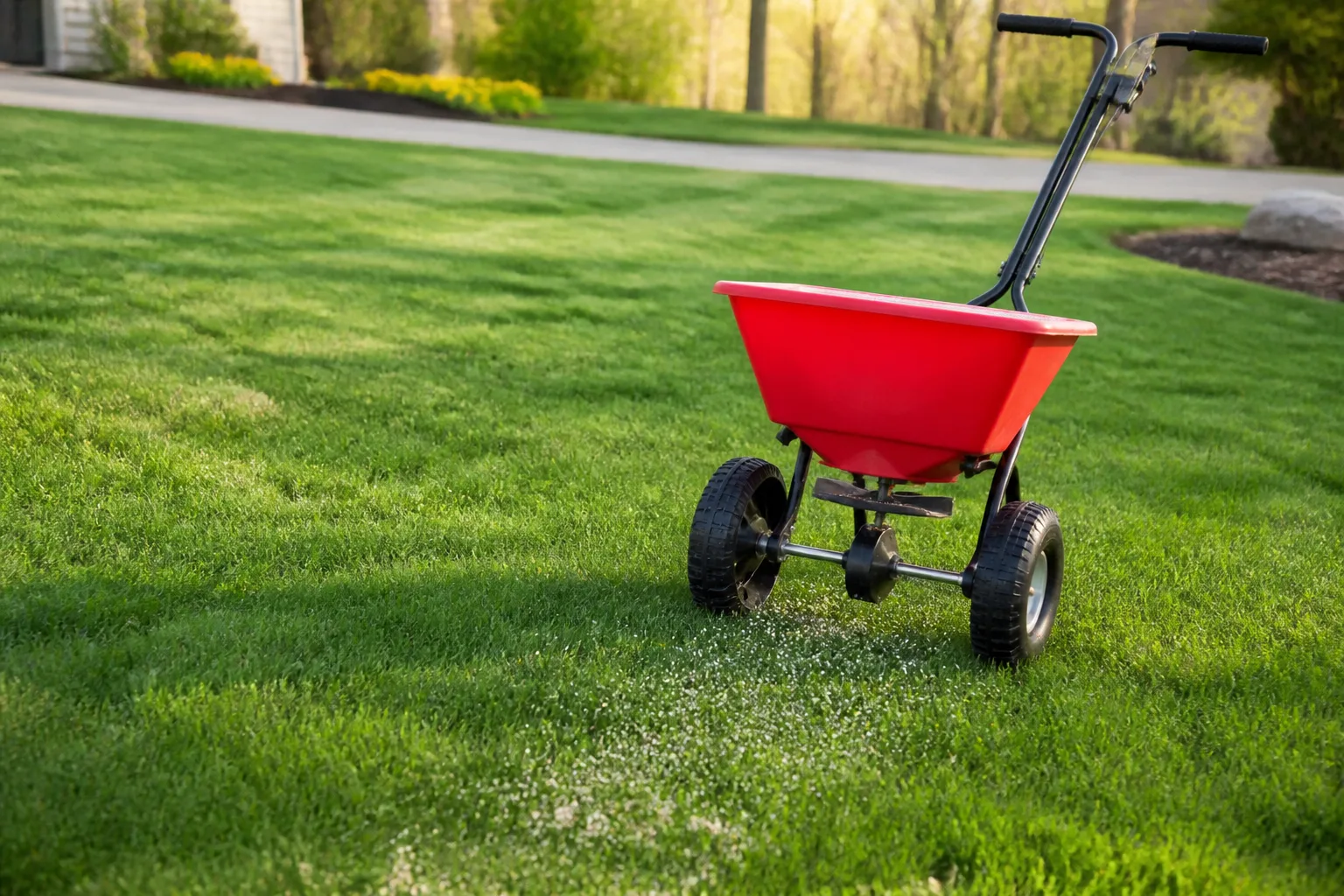
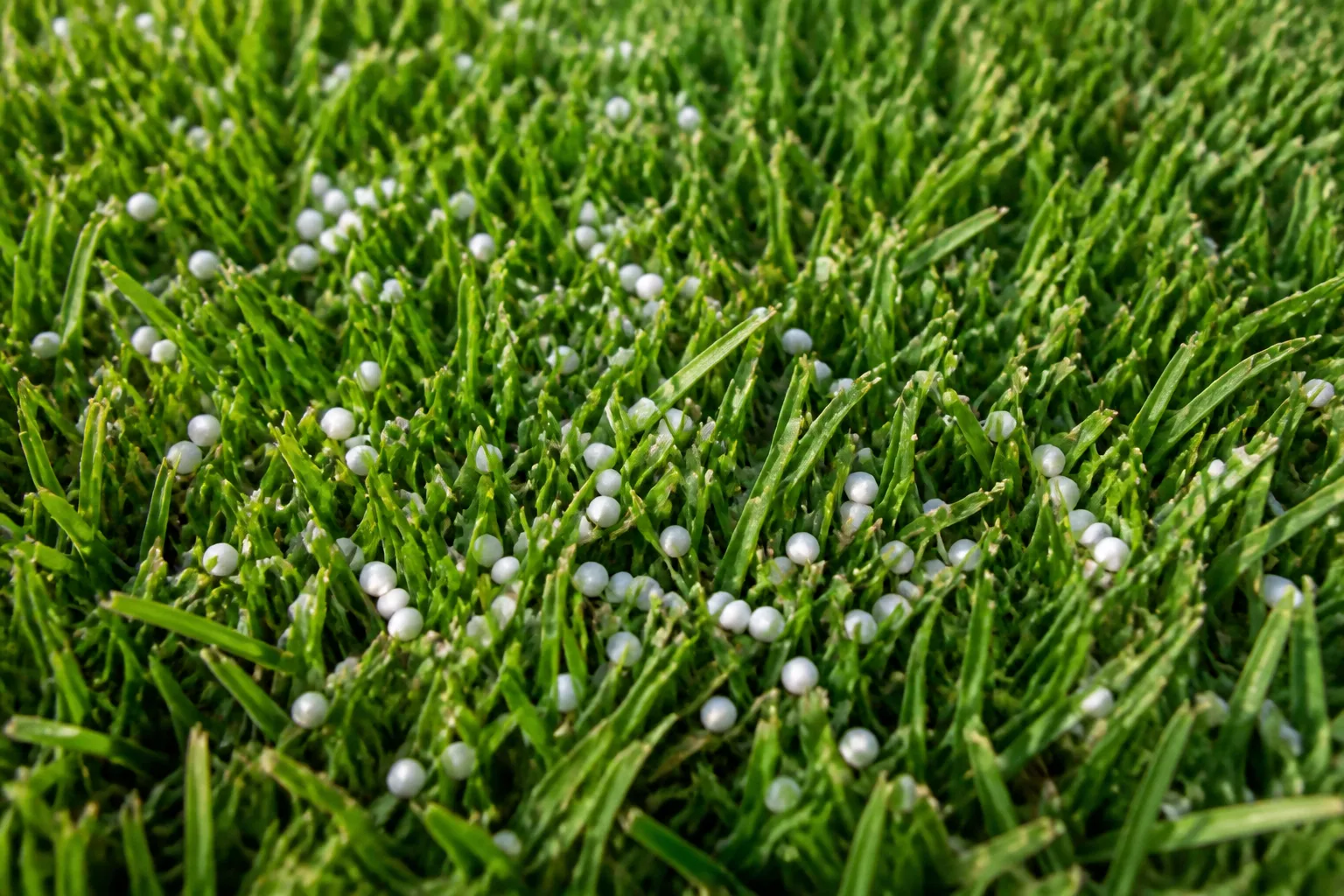
If crabgrass was a problem last year, pre-emergent herbicide is how you stop this year’s seed crop from sprouting. Pre-emergents form a soil barrier that prevents seedlings from establishing normally. They do not kill mature plants already growing and they do not eliminate seeds already in soil—they stop new seedlings.
Common pre-emergent active ingredients for crabgrass include pendimethalin, prodiamine, dithiopyr, and mesotrione (Tenacity, which also has post-emergent activity). Penn State Extension lists these among commercially available options for summer annual grass control (Penn State summer annual grass control).
Soil Temperature and the Real Application Window
Calendar dates are a rough guide; soil temperature is the reliable trigger. Crabgrass germination begins when the upper inch of soil holds 55–58°F at daybreak for several consecutive days. Forsythia bloom is a popular folk indicator but Penn State cautions it is not always reliable across microclimates.
Application rules that actually work:
- Apply 10–14 days before expected germination—not after seedlings appear
- Water in within two to three days if the label requires it (most do)
- Avoid heavy rain immediately after application that washes product off-target
- In warm regions or long seasons, a second application 60 days later may be needed—check your product label
- Expect reseeding restrictions of up to four months on many pre-emergents; plan lawn repairs around that window
If you prefer organic prevention, corn gluten meal and other natural pre-emergents are covered in our natural crabgrass prevention guide—with honest limits on efficacy compared with synthetic options.
Way 5: Mow Cool-Season Turf at 3 Inches or Taller
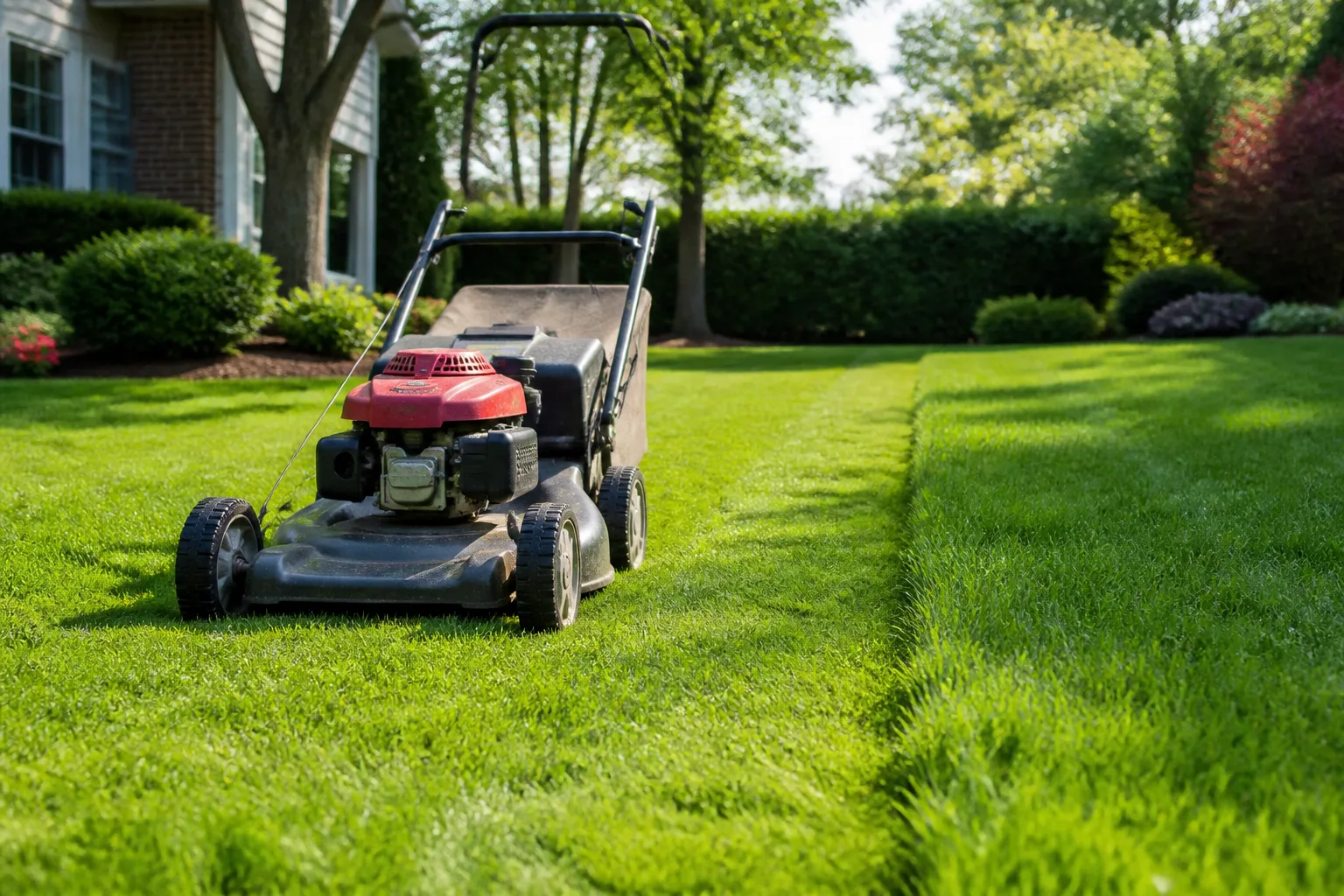
Crabgrass is a low-growing annual that needs light at the soil surface to germinate. Mowing cool-season lawns at 3 inches or taller—3.5 inches during peak summer heat—shades the seedbed and keeps soil cooler. Penn State Extension lists improper mowing among the most common causes of summer annual weed invasion, noting most lawns should be cut at least 2 inches, and higher is better for competition (Penn State summer annual grass control).
Mowing rules that reduce crabgrass pressure:
- Never remove more than one-third of blade height per cut
- Keep blades sharp—ragged cuts stress turf and open canopy gaps
- Bag clippings when crabgrass is actively seeding in late summer
- Raise mowing height in July and August even if you mowed shorter in spring
Tall mowing does not kill existing crabgrass clumps, but it is one of the best free preventers for next year’s seeds—especially combined with Ways 4 and 6.
Way 6: Water Deeply Instead of Frequent Light Sprinkles
Crabgrass tolerates heat, compaction, and dry surface soil better than stressed cool-season turf. Daily light sprinkling encourages shallow turf roots and keeps the surface moist—the exact conditions crabgrass seedlings prefer. Penn State Extension recommends watering deeply (4 to 6 inches into soil) only when turf begins to wilt, rather than frequent shallow cycles (Penn State summer annual grass control).
A simple deep-watering check: Place a few tuna cans around the zone and run your sprinkler until they collect about 1 inch of water. Probe soil with a screwdriver—it should slide easily to several inches. Watering deeply once or twice a week (depending on soil and weather) builds turf that outcompetes crabgrass more effectively than nightly misting.
This pairs directly with Way 5: tall, deeply rooted turf survives summer stress and closes the bare spots where crabgrass otherwise gains a foothold.

Way 7: Overseed and Aerate Thin Areas in Early Fall
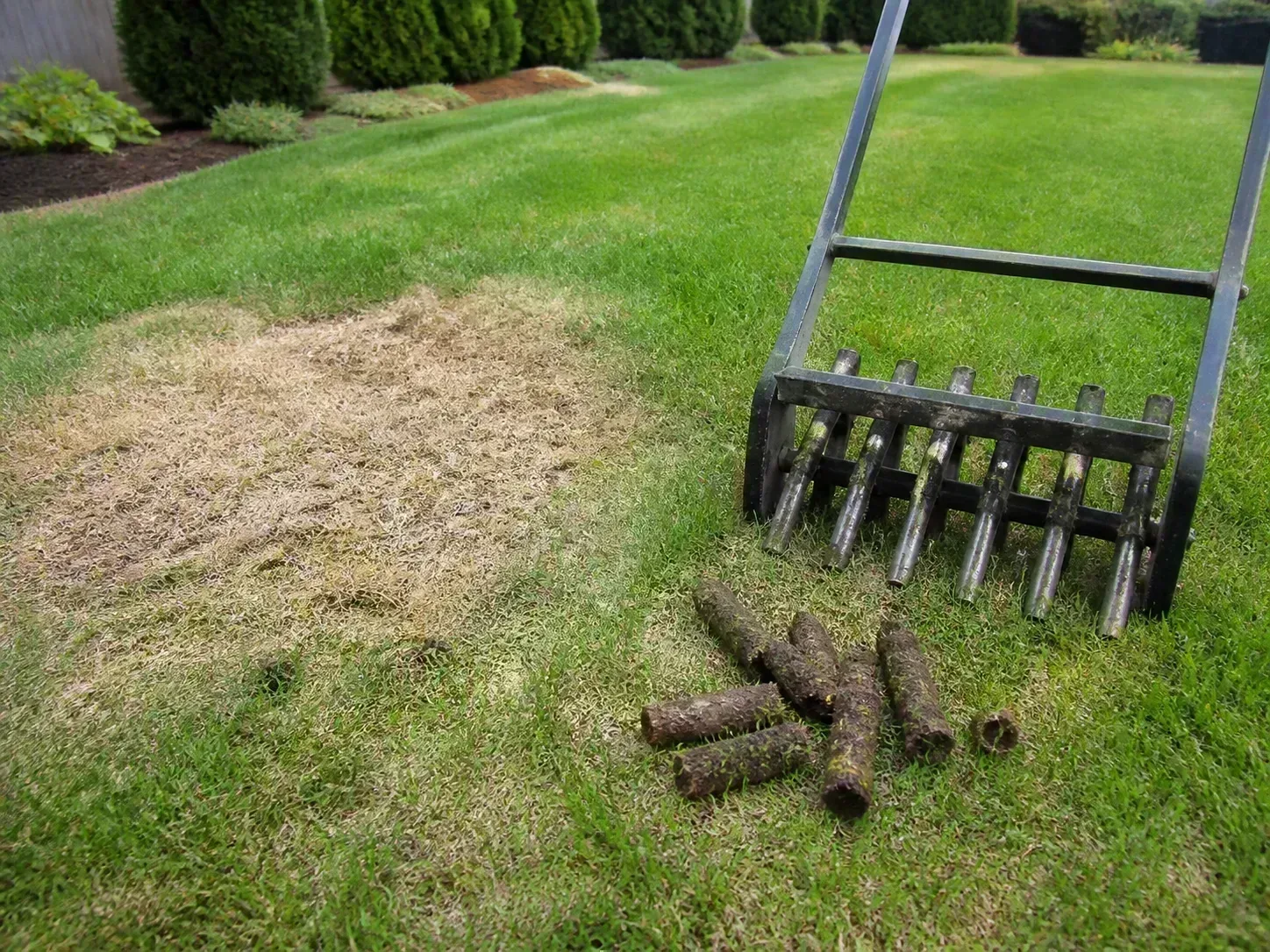
Killing visible crabgrass is only half the job. Bare soil invites next year’s crop. Early fall—when soil is still warm but air cools and crabgrass dies after frost—is the best window to overseed thin lawns, core-aerate compacted edges, and fertilize so cool-season grass fills in before next spring’s germination window.
Penn State Extension’s core principle: crabgrass control cannot be finished in one season because of the large viable seed reserve from prior years. Preventing reinfestation through dense turf is the long game (Penn State summer annual grass control).
Fall repair checklist:
- Wait until crabgrass plants are dead (brown after frost) before heavy overseeding
- Core-aerate compacted strips along driveways and paths where crabgrass starts
- Overseed with a region-appropriate cool-season blend at label rate
- Fertilize according to soil test—adequate nitrogen favors desirable grass over weeds
- Keep new seed moist until establishment; avoid pre-emergent herbicide until the label allows reseeding
If you applied pre-emergent in spring, check the product label before fall seeding—many require a minimum interval of several weeks to months before grass seed will germinate successfully.
What Will Not Fix Crabgrass Fast
Some popular shortcuts waste time or damage turf:
- Household vinegar: Contact burn on leaves; roots often resprout; kills desirable grass too. Not a selective lawn solution.
- Pre-emergent in July on established plants: Will not kill visible crabgrass. Use post-emergent or hand removal instead.
- Scalping the lawn low: Opens the canopy and warms soil—crabgrass germination increases.
- Ignoring the seed bank: One clean year rarely ends the problem. Plan a multi-year program.
- Broadcast non-selective herbicide on the whole lawn: Kills everything; only appropriate for full renovation, not spot crabgrass.
For broader lawn weed strategy beyond crabgrass alone, our lawn weed control guide covers identification and timing for mixed infestations.
A Year-Round Plan When Crabgrass Has Already Won a Patch
If crabgrass covers large areas right now, use this sequence:
This summer: Spot-treat or hand-remove what you can before heavy seed set. Bag clippings in late summer. Do not scalp the lawn.
Next spring: Apply pre-emergent at the soil-temperature window. Mow high from the first cut. Address edge compaction.
Next early fall: Aerate, overseed, and fertilize thin zones. Repeat for two to three years while the seed bank declines.
Epic Gardening notes that crabgrass seeds can remain viable in soil for up to three years (Epic Gardening crabgrass guide), which matches extension guidance that several seasons of prevention are needed before the threat drops sharply. Patience is not optional—it is part of the biology.
Conclusion
Getting rid of crabgrass before it takes over is a seasonal system, not a single product purchase. Hand-pull and tool-remove young plants early, spot-treat mature patches with the right post-emergent for your turf and growth stage, and block next spring’s seedlings with pre-emergent timed to soil temperature—not the calendar alone. Keep turf competitive with 3-inch mowing, deep watering, and fall overseeding on thin areas.
Crabgrass will try again next year from seeds already in your soil. The homeowners who win are the ones who combine chemical timing with cultural habits that make turf too dense for the next generation to find light. Start with the method that matches your season today, then schedule the spring and fall steps that keep the clumps from coming back.